“I felt a calmness birds can bring to people; and, quieted, I sensed here the outlines of the oldest mysteries: the nature and extent of space, the fall of light from the heavens, the pooling of time in the present, as if it were water.”
― Barry López, Arctic Dreams
Since my birding adventures in Iceland last summer, I have wanted to return to the Nordic Region and explore the High Arctic.
The avian fauna would be similar but who wouldn’t want more looks at the stunning king eider, fulmars at eye level, or hearing the constant din of a thousand-strong kittiwake colony?
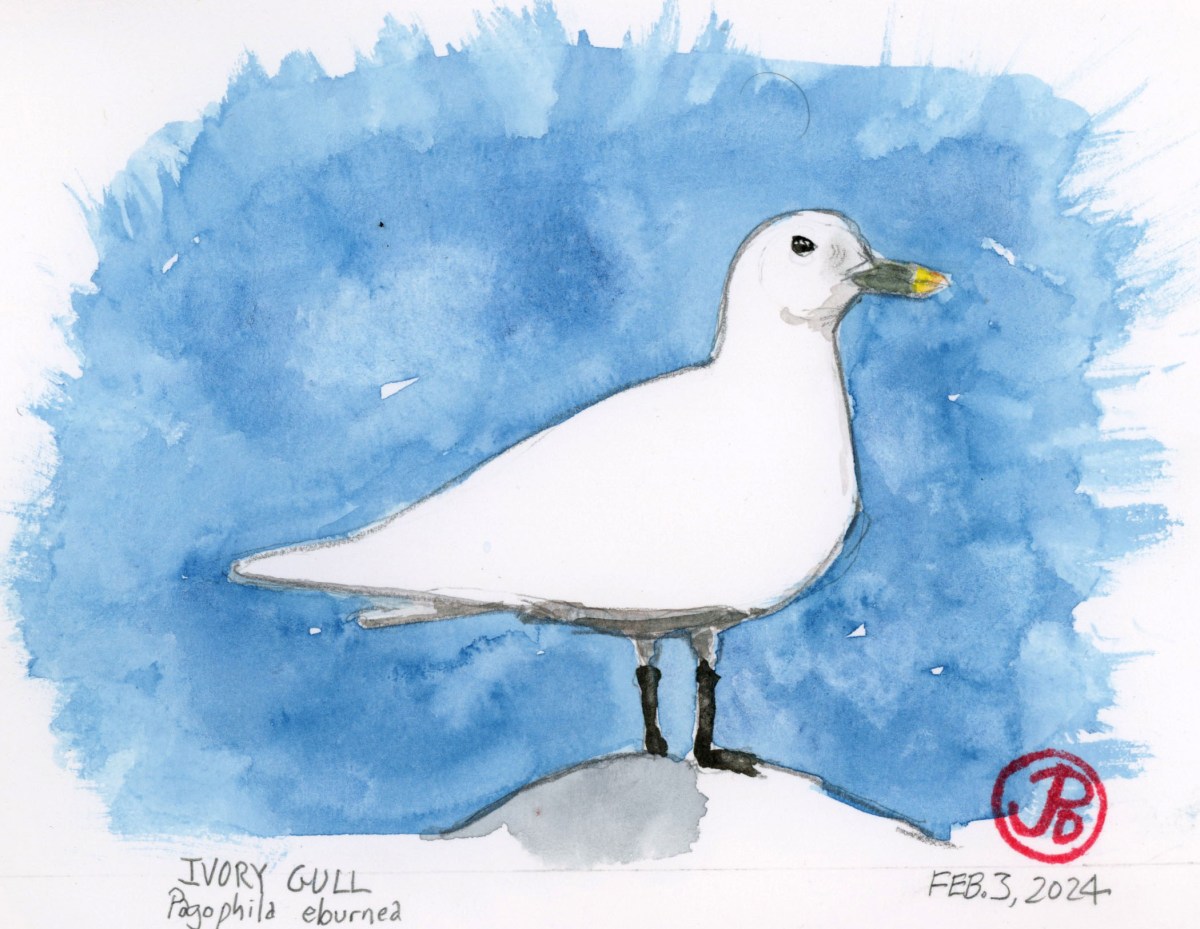
The major avian draw for traveling to the High Arctic is Pagophila eburnea, the “the ice-loving ivory-colored gull”. This would be an incredible lifer and the major totem for any birder visiting the top of the world.
I would be traveling to the Norwegian island archipelago of Svalbard (also known as Spitsbergen) in late June. Ivory gulls nests from June to July in eastern Svalbard and I would be taking a seven day cruise with Oceanwide Expeditions aboard the ice-rated m/v (Merchant Vessel) Plancius. It was not only the birds that I was looking forward to seeing in the lands and waters of Svalbard.
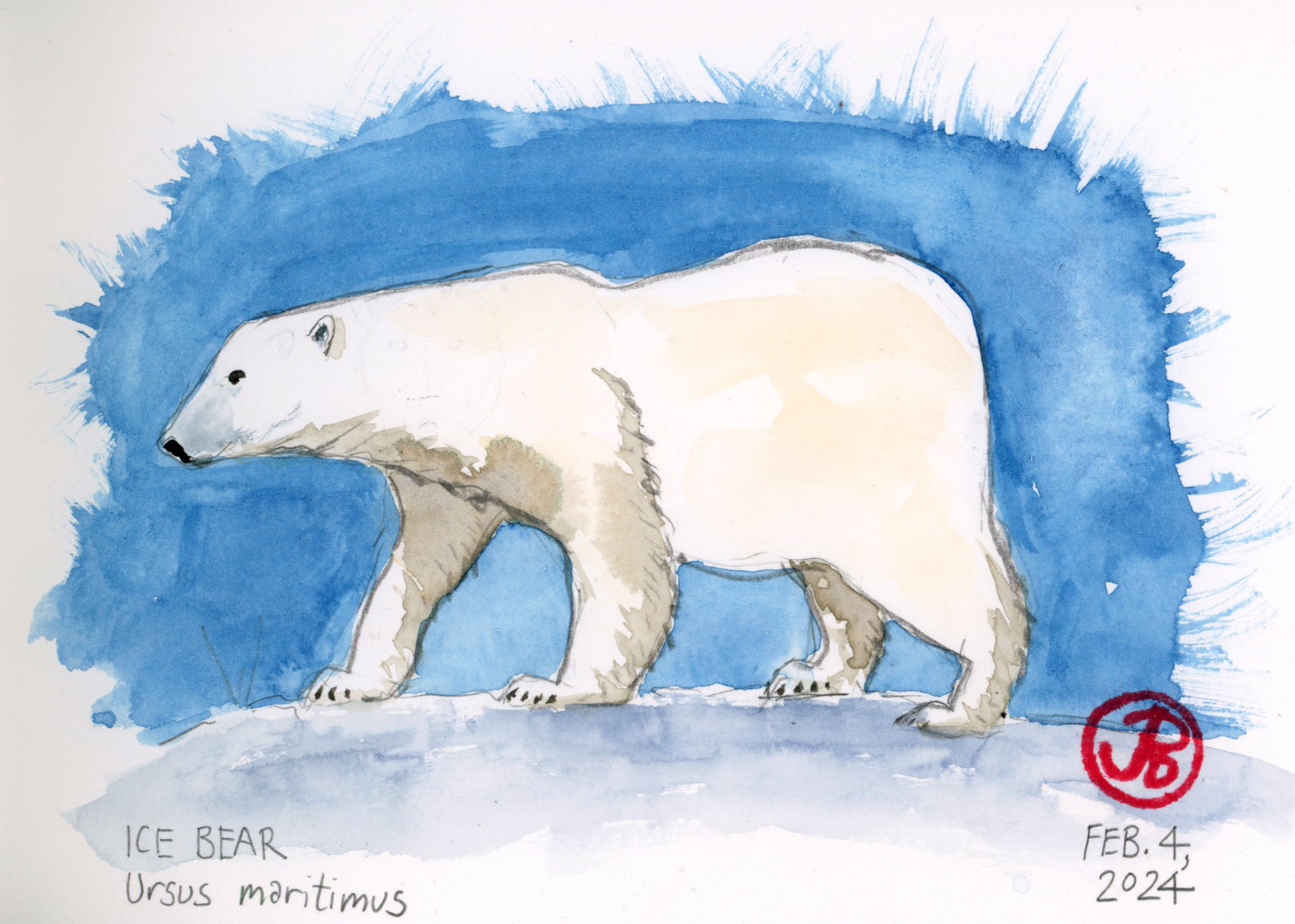
I was also looking forward to seeing the large mammal that the ivory gull is often associated with, the animal that the Norwegians call the Ice Bear. To the rest of the world, the world’s largest bear is called the polar bear. Ivory gulls often follow polar bears because their main food source on the ice are ringed seals and once the bear has finished with it’s kill (they mainly eat the blubber), there is plenty left for the Arctic’s all-white gull.
Some cetaceans on my wishlist are the white whale (also known as the beluga whale), minke whale and fin whale.

I was also hoping to see some pinnepeds for the first time. They included: walrus and harp, ringed, and bearded seals.
 Corvid Sketcher