Heading to Drake’s Head

On Veteran’s Day I headed out to Point Reyes and the Estero Trailhead. My destination: Drake’s Head.

About ten years previously I headed out with this headland as my destination but was halting by a mad cow across the trail so I reversed course.

I hit the trail from the parking lot at 8:20, and I hoped no cows would be blocking my path.

I made it to the wooden bridge at the edge of Home Bay by 8:47, yes I was noting times as I reached certain landmarks. I looked into the tidal waters below for bat rays and leopard sharks, no dice.

After the wooden bridge the Estero Trail started to climb and I had great views of Home Bay and the cormorants, buffleheads, and pelicans on the waters. Near shore was a family of three river otters terrorizing, as they do, the local wildlife.

The Estero trail rose and fell over the curvaceous shoreline until I reached the junction of the Estero and the Sunset Beach Trail (at 9:30).

Here I took a left turn over the open country that is also grazing land.
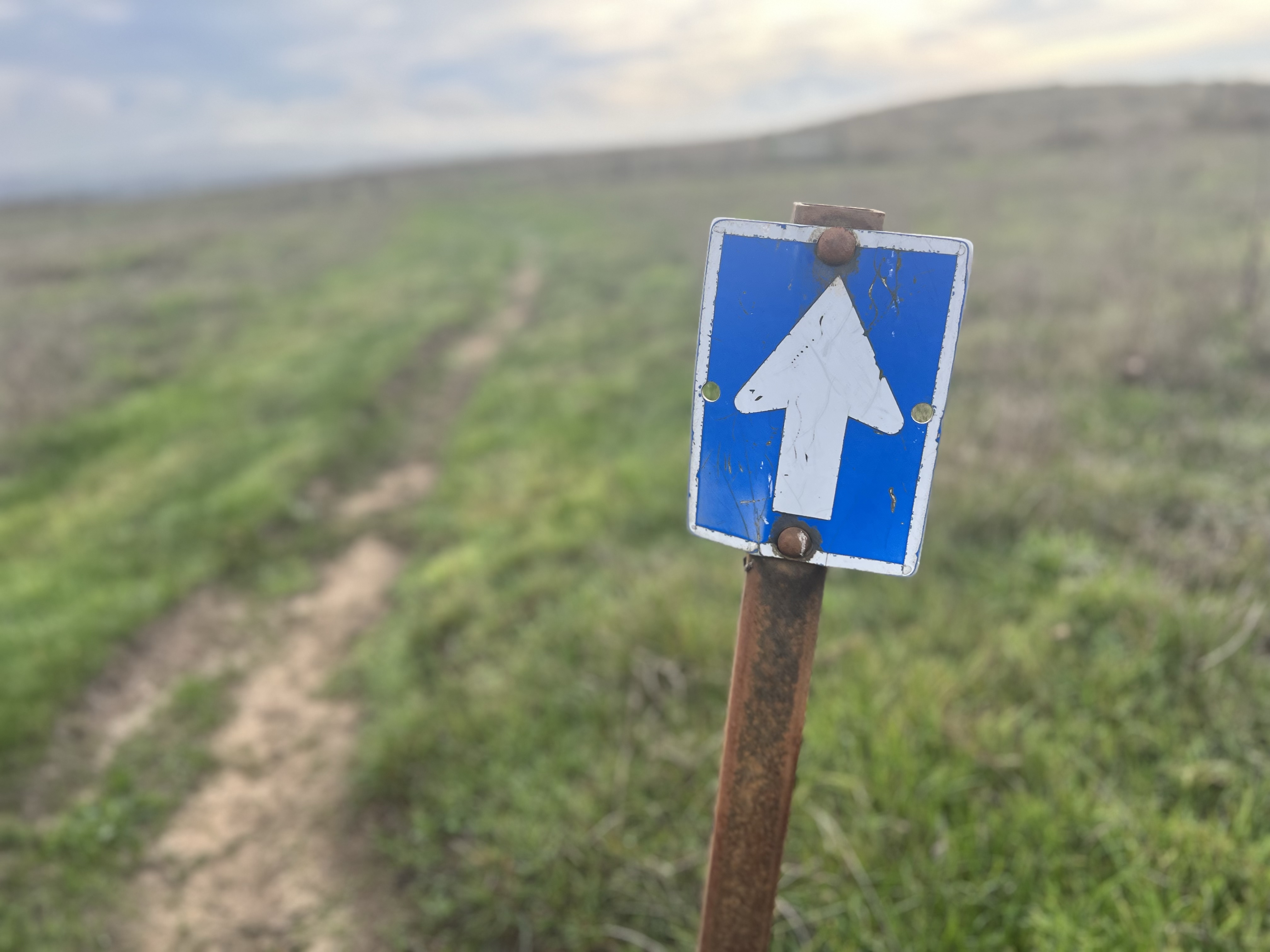
Without these signs I might be followed cow paths.

There was a lack of bovine in the open pasture and the occasional dried out cow pie and the empty old cattle trough were the only reminders that cows had used this land for grazing. So it looked like I would finally make it to Drake’s Head.

It felt good to be in the open plains, with the wind in my ears, stirring up meadowlarks underfoot and watching a harrier with it’s kestrel escort. On the low ridge was a buck that I almost took for an elk.

As I neared the headland, I approached a small grove of eucalyptus trees with a very vocal red-tailed hawk. This call is used liberally in movies and nature documentaries and is very recognizable (whether the raptor featured is red-tail or not). Buteo jamaicensis is very quiet for most of the year, especially out of the breeding season. Why this hawk was so vocal was a mystery. One of those mysteries that keeps me hiking out to explore nature.

I summited the low headland with the Limatour Split in front of me and the entrance to Drake’s Estero and beyond, Chimney Rock.

The Survey Marker on Drake’s Head.

I found a sandy hollow sketching perch at the edge of the headland and pulled out my panoramic sketchbook to capture the incredible view, fully realizing that my sketch could never truly capture the beauty of what was before me.

Sketching from my hollow on Drake’s Head, looking towards Chimney Rock towards the horizon.

After my sketch and a snack I returned back on the Drake’s Head Trail and this time the nature really began to show. On a ridge was a group of four bull elk.
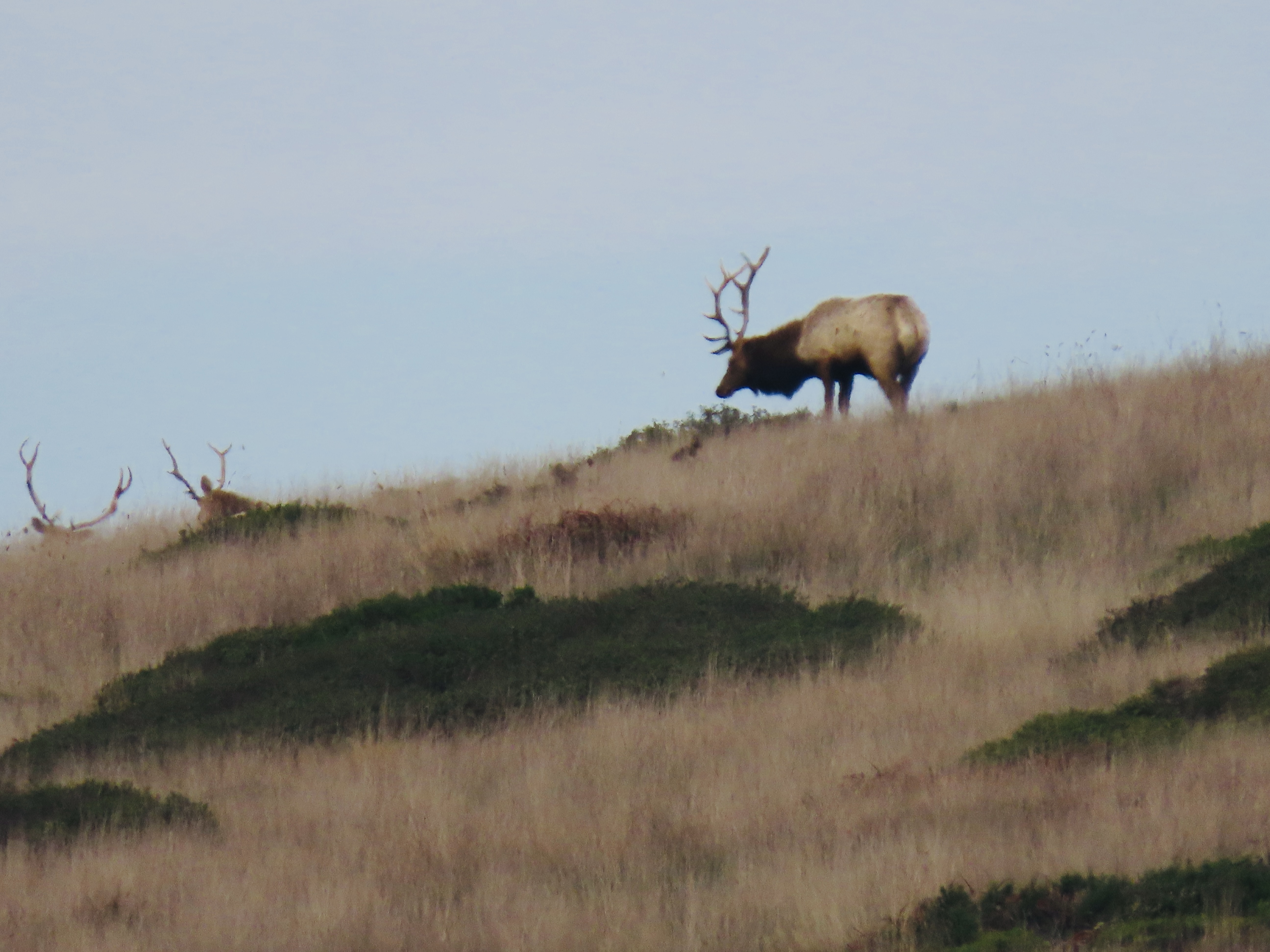
Elk of Point Reyes.

Along the hike I had seen kestrels, harriers, an osprey, and a red-tailed hawk. Now it was time for a First of Season (FOS) raptor, a wintering king raptor. A buteo or broad-wing hawk. I first saw a soaring hawk appearing from my left. This raptor looked a little different than your resident red-tail.

This was Buteo regalis, the ferruginous hawk. This was a harbinger of winter. A raptor that spends its time hunting in the wide open spaces, south of its breeding range.

Buteo regalis.

Continuous-Lining the Panorama

I decided to up my continuous-line sketching game with crossing the gutter of my Stillman & Birn panoramic watercolor journal.

This style of sketching takes focus, stamina, and throwing a lot of what you know out the window.

If I were to compare continuous-line sketching to a musical genre I would say it was definitely jazz. You sketch with a lot of improvisation, transitions, soloing, and riffing. You sketch the line between success and failure!

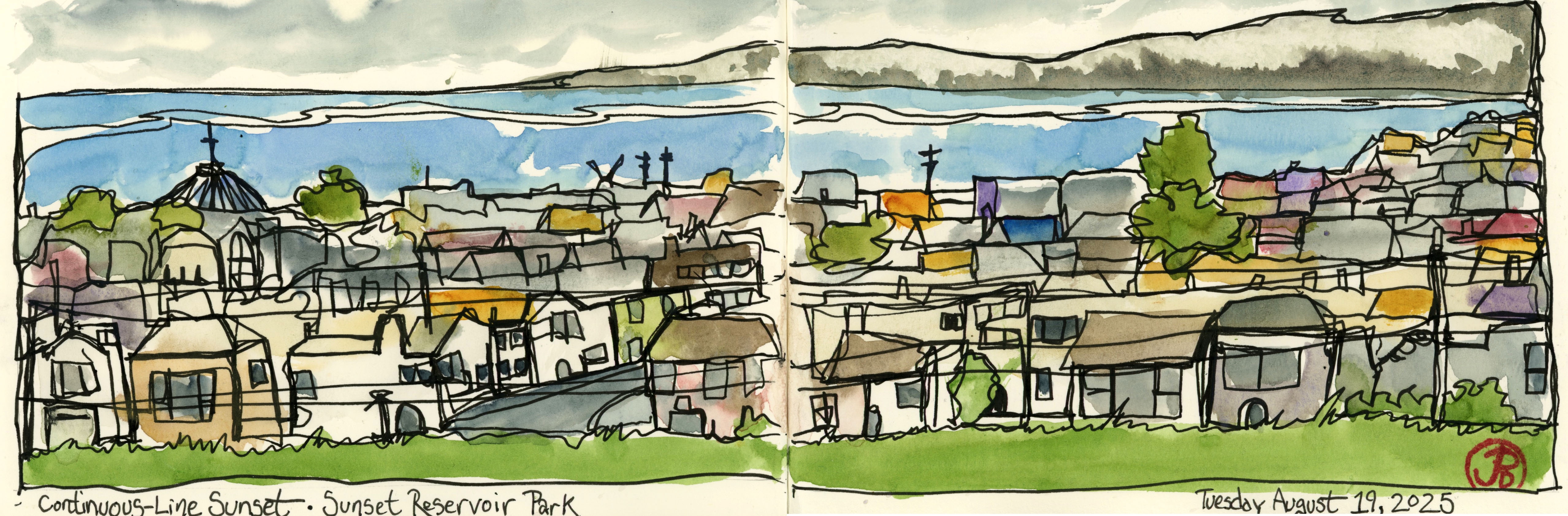
For my subject I chose to sketch the complicated view from Sunset Reservoir Park. In the foreground are the houses, trees, and churches leading down to the edge of San Francisco and the Pacific Ocean beyond. On the horizon lies the curvaceous flanks of Marin County

Day 1: line work.

I did this sketch over two consecutive days: Day 1: linework and Day 2: watercolor wash.

Day 2: watercolor.

While my sketch my sketch is not the most accurate representation of the scene before me, it is pure improvisation and joy!

The Legendary Ryman Auditorium

You can’t visit Nashville without seeing a show at the Mother Church of Country Music, the Ryman Auditorium.

The imposing brick building was built as a church by steamboat Captain and entrepreneur Thomas Ryman as the Union Gospel Tabernacle in 1892.

Ryman died in 1904 and the church was renamed in his honor.

The iconic brick facade of the Ryman Auditorium.

Overtime the church began to host music of a secular nature and Lula C. Naff became the manager of the Ryman and began booking the new music coming from around Nashville: country and bluegrass.

The famous wooden pews and stained glass windows of the Ryman.

In 1943, the Ryman became the home of the radio broadcast the Grand Ole Opry. The 2,362 pew venue was the home of the Opry until 1974. The last Opry show was on Friday March 15, 1974.

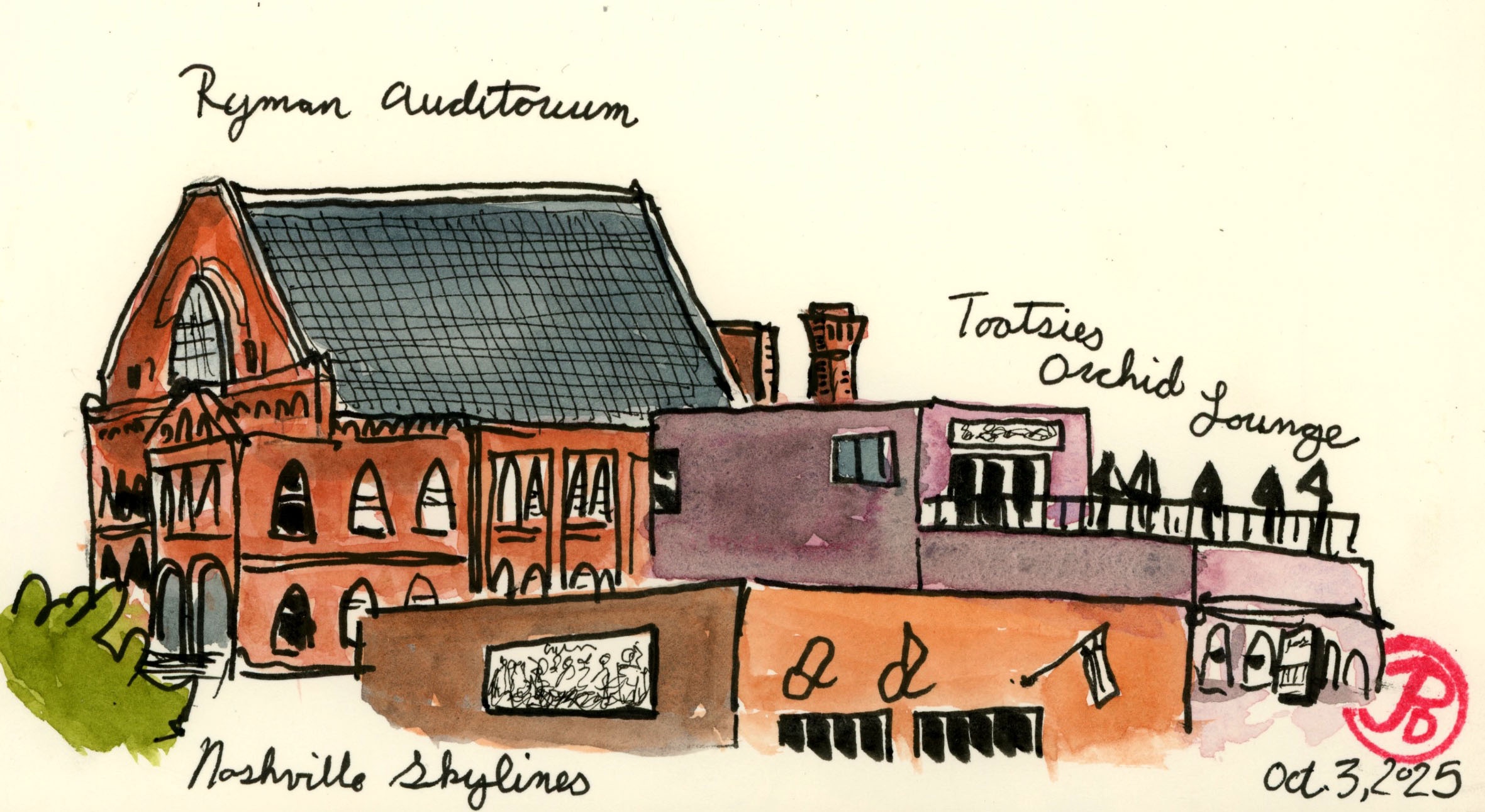
The Ryman and the equally famous Tootsies Orchid Lounge.

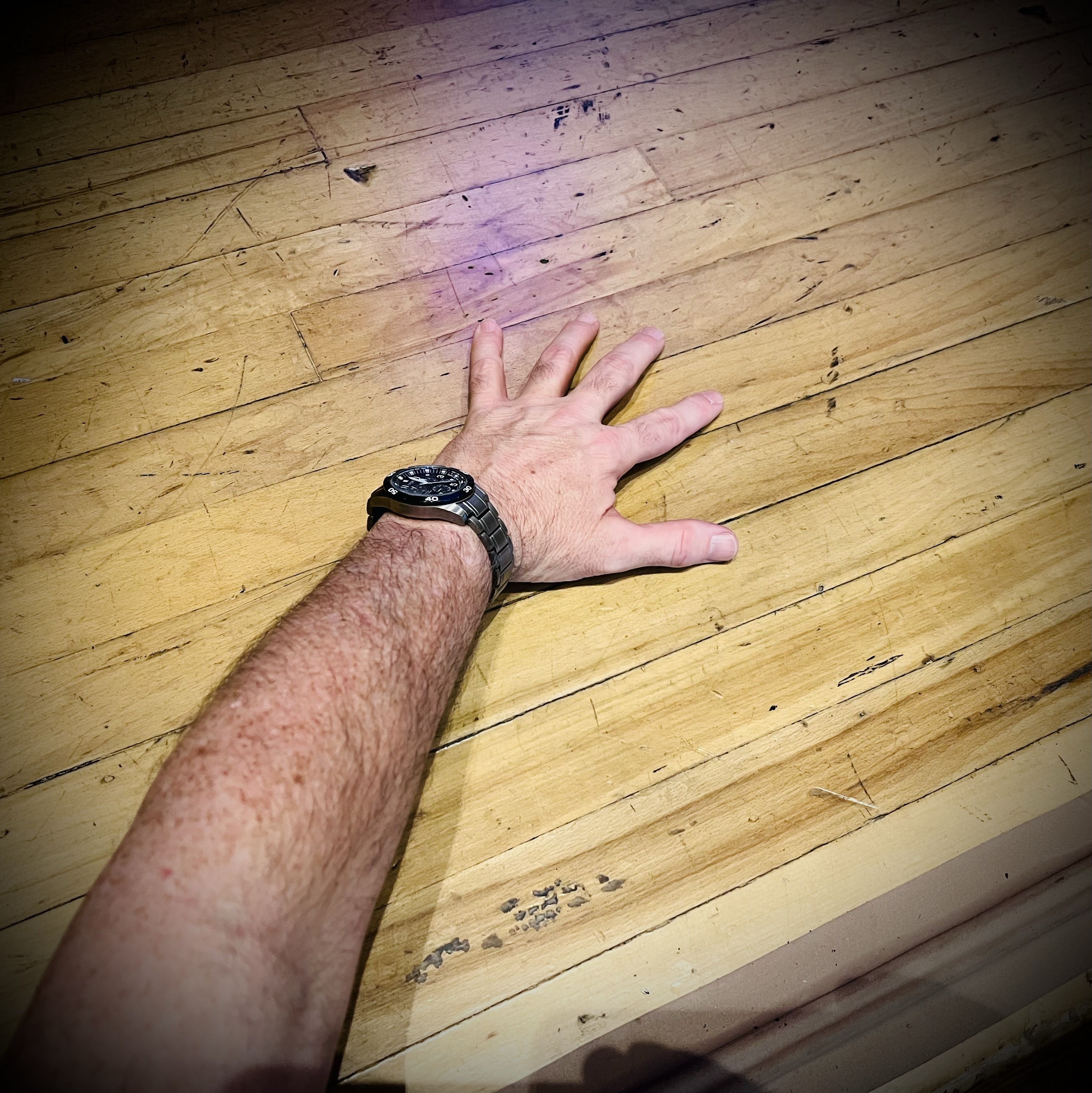
The show, which turns 100 this years, moved to Music Valley where the show’s produced in a building replicated on the Ryman. A circle of the original white oak Ryman stage now sits dead center on the new stage in honor of all the legends that graced the Ryman stage.

At the height of his fame, Johnny Cash was offered a prime time music variety show. The producers wanted the show filmed in Los Angeles or New York but Cash stood firm and wanted the show tapped in Nashville at the Ryman. The Johnny Cash show ran for 58 episodes between June 1969 and March 1971.

Putting a hand on the original white oak Ryman stage. To think of the feet that have graced this stage!

The Ryman was showing its age and was falling apart and in need of renovation. There was talk of demolishing the Mother Church but one singer with an angelic voice started the movement to save the Ryman. Her name, Emmylou Harris.

The Giant of country music is now dwarfed by the high towers of commerce. In fact it’s a challenge to find a good unobstructed view of the Ryman.

Emmylou recorded a live bluegrass album with the Nash Ramblers at the Ryman. This 1992 album was titled At the Ryman and the album won a Grammy for Best County Performance by a Duo or Group with Vocal.

The success of the album renewed interest of live music at the Ryman and this led to the renovation of the historic auditorium.

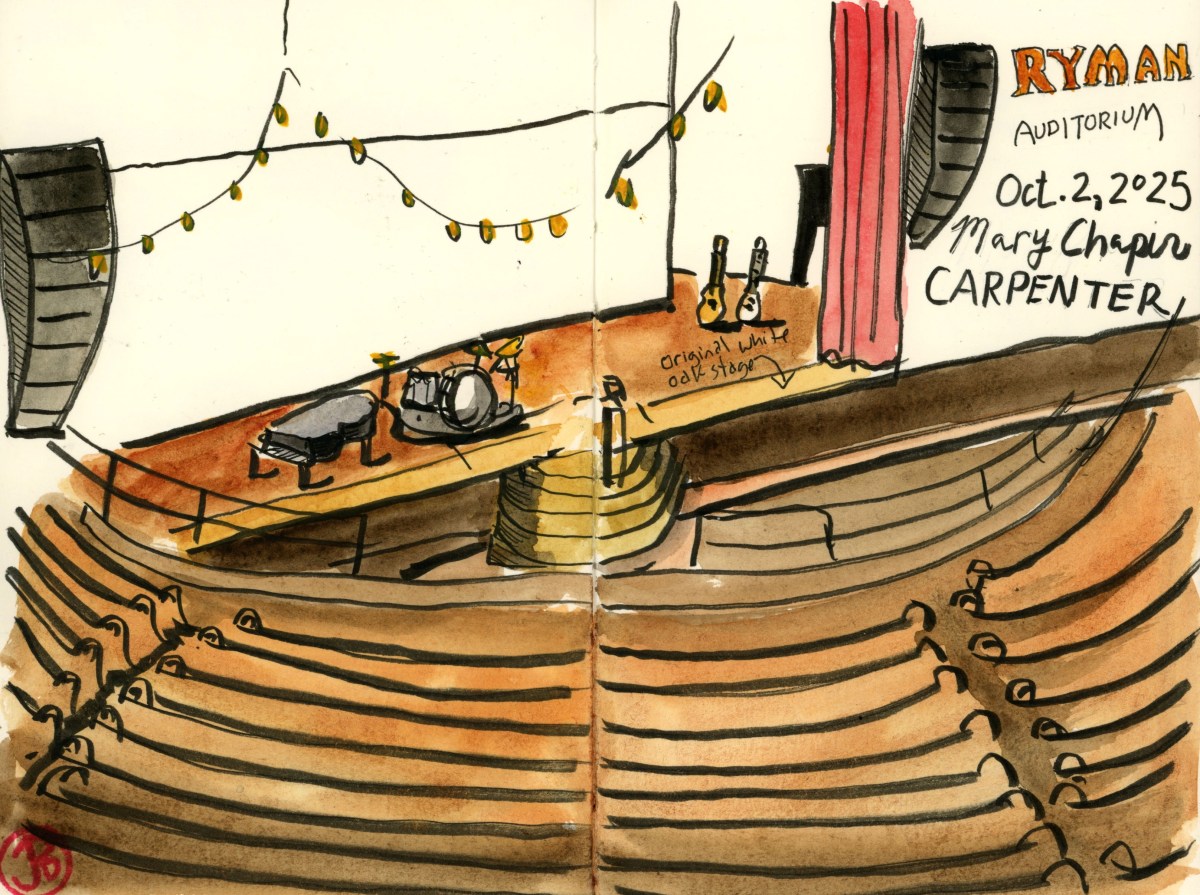
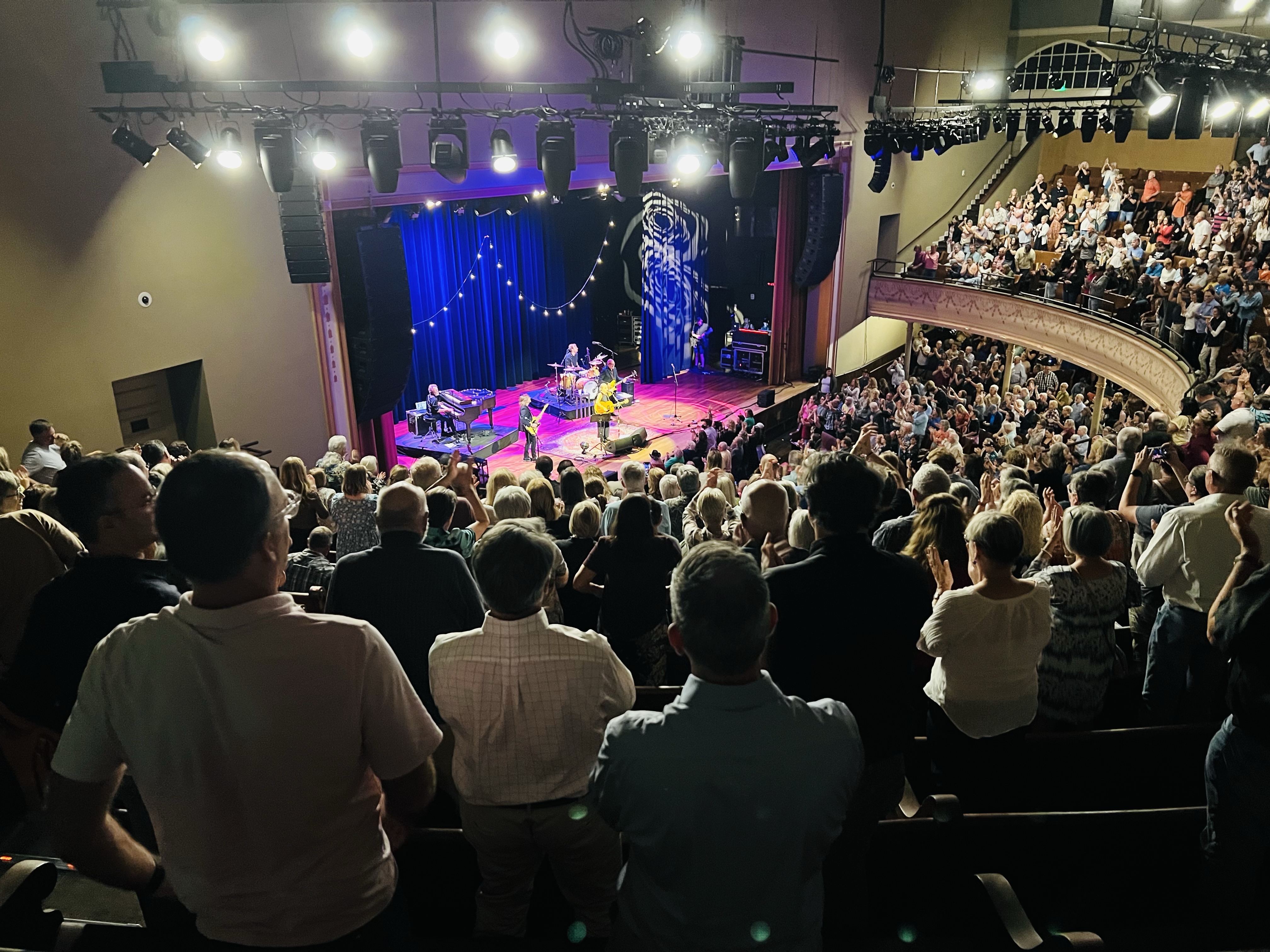
On Thursday I bought a ticket to see Mary Chapin Carpenter at the Ryman.

Mary Chapin Carpenter at the Ryman.

Coda: Golden Gate Park

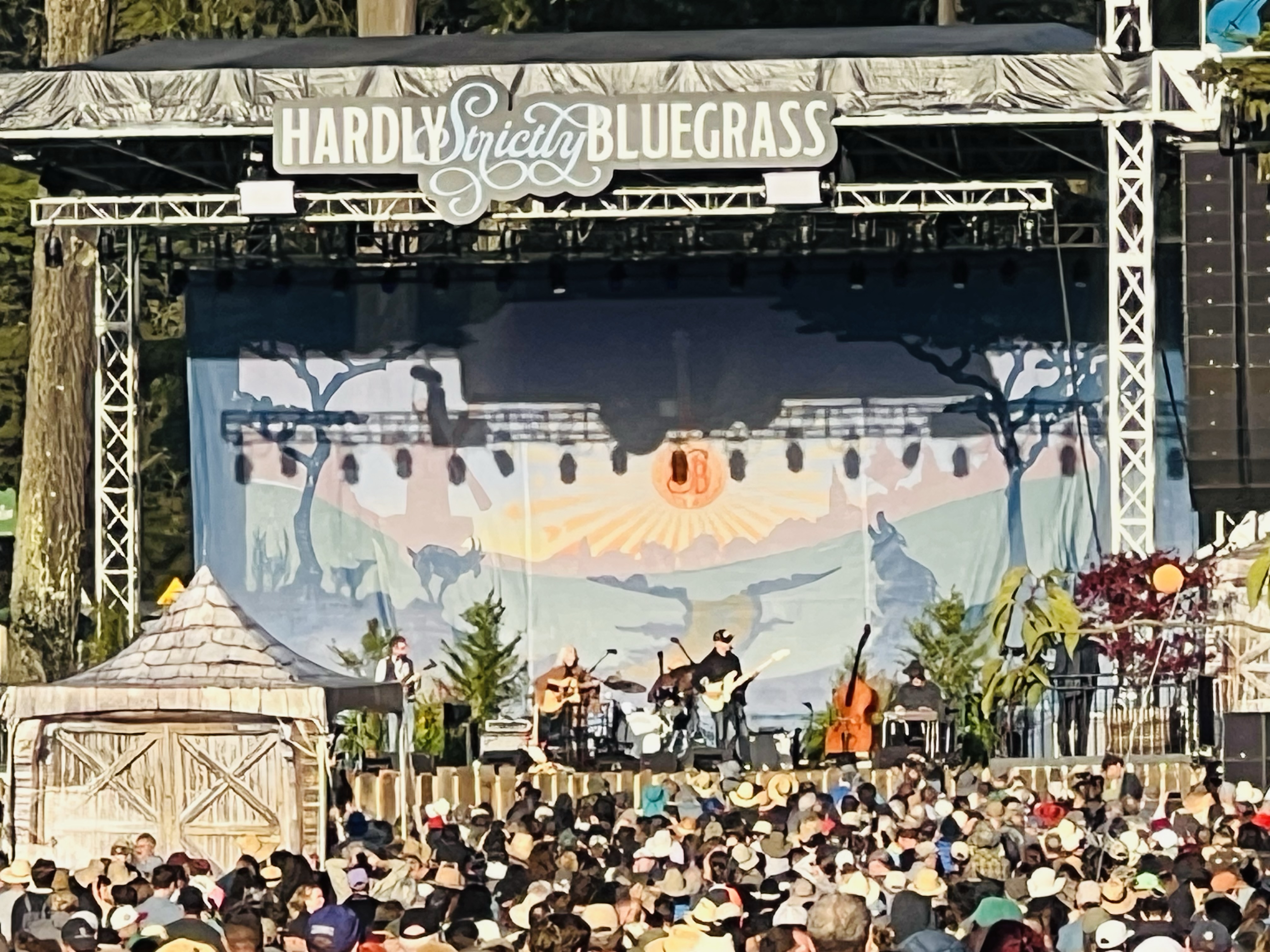
I returned from Nashville on a Friday and five blocks to the north of my Sunset digs is Golden Gate Park and this weekend was the 25th Hardly Strictly Bluegrass Festival.

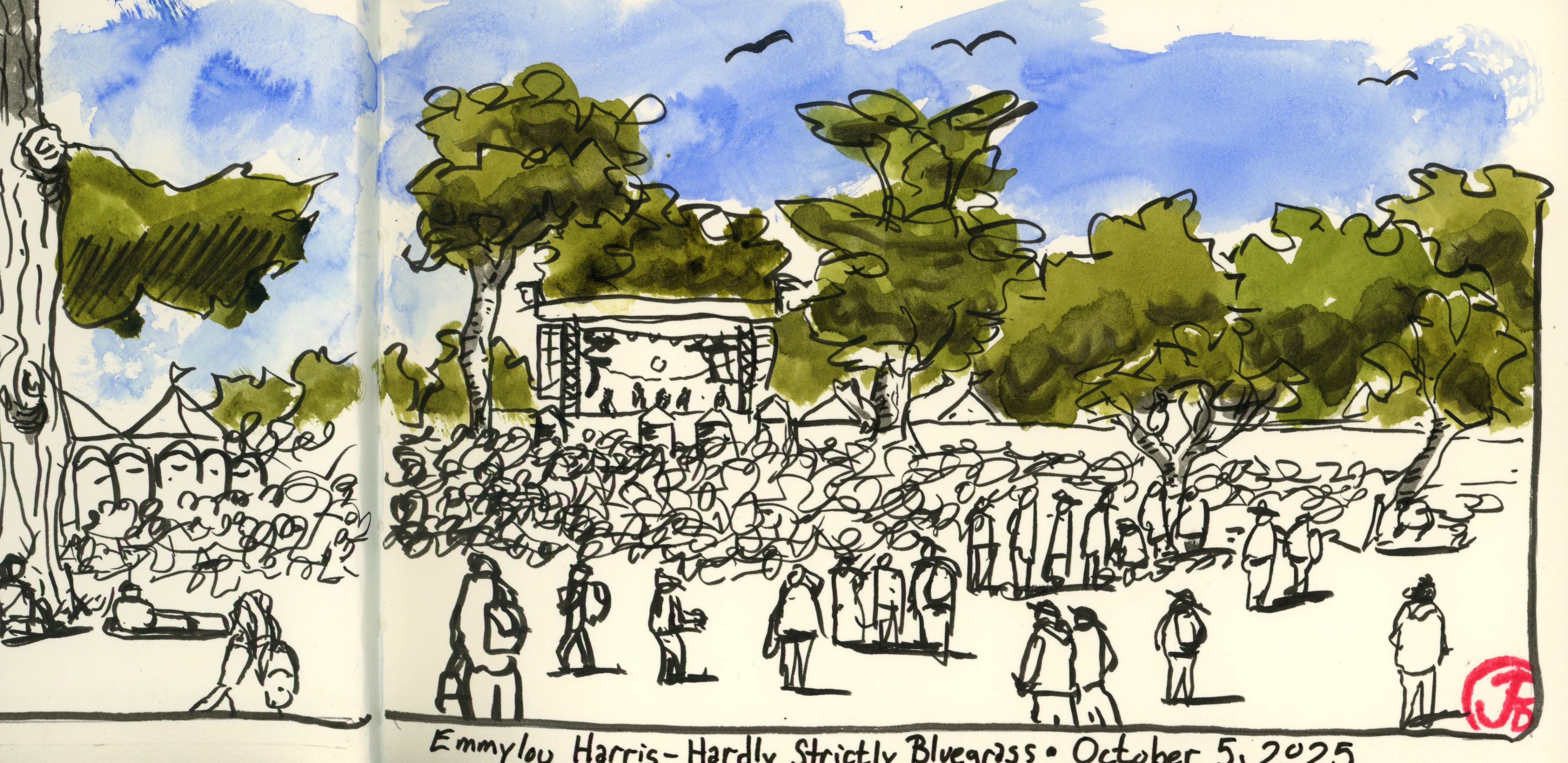
On Sunday I came to see the musical legend that closed the show on the Banjo main stage.

In a satisfying turn of fate the performer was the savior of the Ryman, Emmylou Harris!

Field sketch of Emmylou closing the Banjo Stage at Hardly Strictly Bluegrass in San Francisco’s Golden Gate Park.

Ancient Greece in Tennessee?!

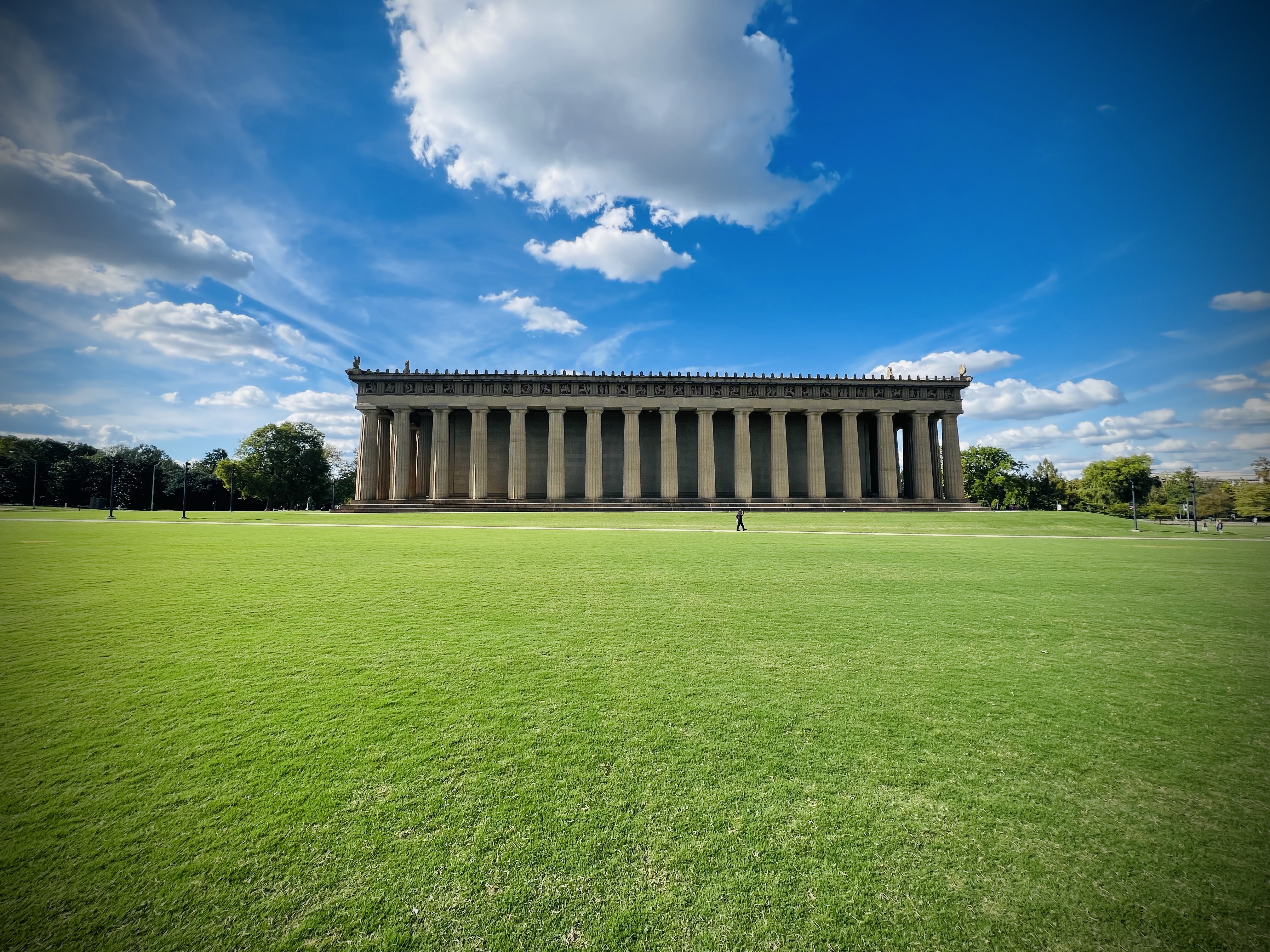
In Centennial Park, near Vanderbilt University, you come upon one of the more unexpected surprises in Nashville, Tennessee, an exact replica of the Parthenon. What?!!

This Parthenon is more whole than the real ruins in Athens. But how did it get here?

The replica was built in 1897 for the Tennessee Centennial Exposition. That would be about 1,892 years after the original Parthenon was built. Nashville’s nickname is “Athens of the South”.

This is an impressive structure.

It was supposed to be a temporary structure used for the celebration but was rebuilt. The original in Athens housed a large statue of Athena, which no longer exists.

Great effort was made to make the replica as historically accurate as possible, both the exterior and the interior.

I found a sketching spot under a shady tree (it was in the mid-80s even in early October) and sketched the impressive classical architecture of the neo-Parthenon.

In 1982 the Nashville sculptor Alan LeQuire was hired to recreate a 42 foot tall statue of Athena for the interior of the Parthenon. The statue was finally unveiled on May 20, 1990.

The Parthenon was featured at the end of Robert Altman’s masterpiece Nashville. But don’t talk to Nashvillians about the film as Altman was poking fun at the city and the music industry. It didn’t help that he didn’t employ local musicians in any of the roles either as actors or songwriters. This film Nashville is not well loved in Nashville.

The field where the concert was held at the end of the film Nashville.

Nashville’s Recording Studios Part 2: The Neil Young Years

In Nashville’s Music Row they turned houses and other repurposed buildings into recording studios. In this post I visited and sketched two. Of these repurposed studios. One in Music Row and the other in East Nashville. But they do share someone in common: Neil Young.

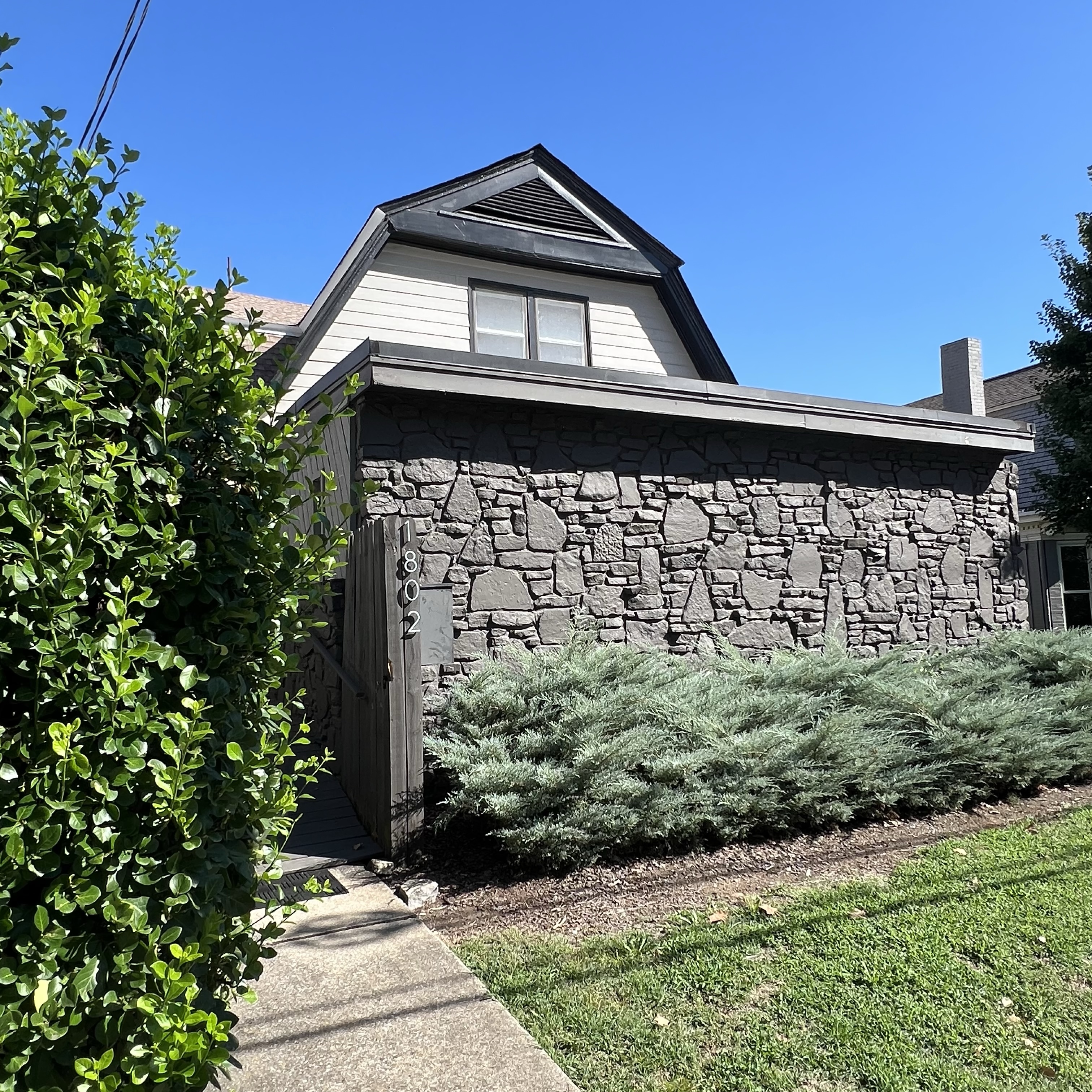
On Grand Avenue is an unassuming Victorian house that was turned into a studio in 1970.

This was Quadrofonic Studios and some incredible music was recording within these walls. The studio changed hands and is now called Sienna Studios.

The album that brought me to Grand Avenue on this morning was Neil Young’s album Harvest (1972).

Young was booked on the Johnny Cash Show which was filmed at the Ryman Auditorium. He ended up recording some songs at Quad Studios with local Nashville musicians.

Some of my favorite songs from the album were recorded in this unassuming house including the opener “Out on a Weekend”, “Harvest”, “Old Man”, and one of Neil’s most well known songs “Heart of Gold”.

Many other artists have recorded here, Jimmy Buffet recorded “Margaritaville” here as well as Dobie Gray’s “Drift Away”.

I stood across Grand Avenue and sketched the studio housed in a residential home.

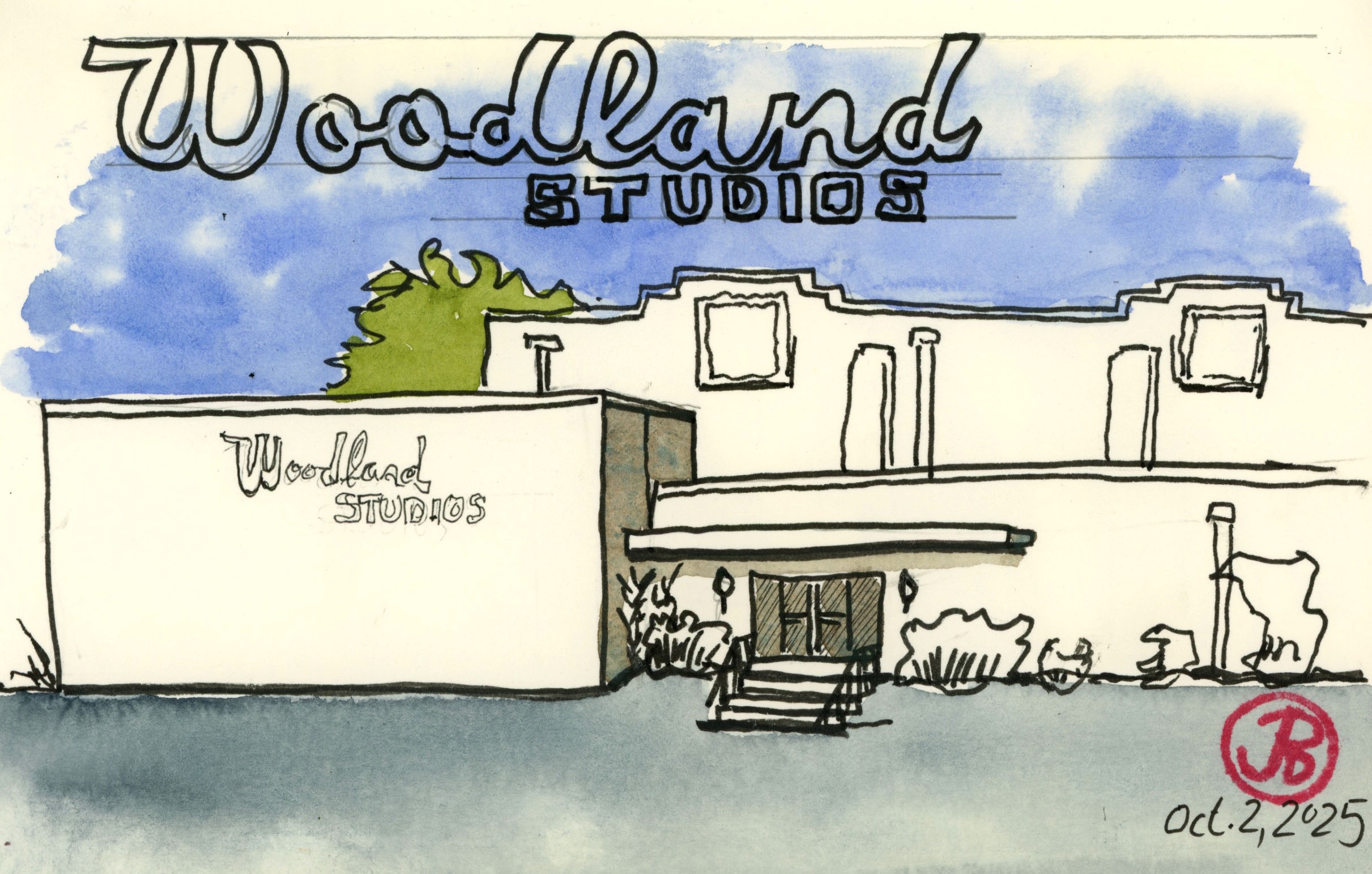
On Thursday morning I headed across the Cumberland River to East Nashville. My sketching destination was a repurposed movie theater and is now Woodland Studios.

It was here that Neil recorded parts of his favorite album, Comes a Time in 1976/77.

Many other artists have recorded here including Joan Baez, the Nitty Gritty Dirt Band, Jimmy Buffett, Kansas, Tammy Wynette, the Indigo Girls, Robert Plant, Rosanna Cash, and George Strait. Charlie Daniel’s wrote and recorded his biggest hit “The Devil Went Down to Georgia” at Woodland. The Oak Ridge Boys recorded their hit “Elvira” here.

My field sketch from the parking lot in front of the studios.

In 1998 the studio was damaged by a tornado leaving the former movie house in a state of disrepair and condemned.

It remained unused and unusable until Gillian Welch and David Rawlings bought and repaired Woodland in 2001.

In 2020 the was damaged by another tornado which ripped the roof off the building. It was rebuilt again.

Welch and Rawlings recorded some of their albums at Woodland including “Revival”, “The Harrow & the Harvest” and their 2024 album titled “Woodland” featuring the distinctive Woodland Studios sign on the album’s cover.