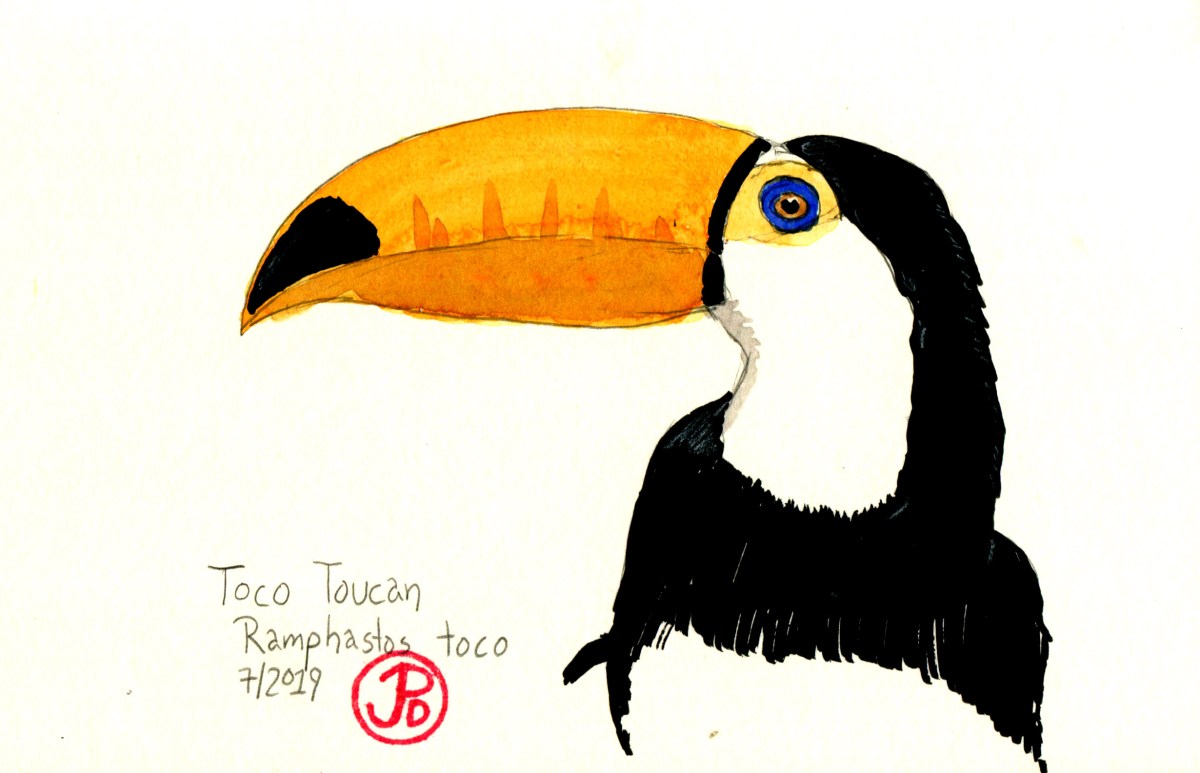
Brazil is home to many superlatives and many of these are covered in feathers.
Brazil, at 3,287,956 square miles, is the largest country in South America, the 5th largest in the world. Brazil is considered the world’s most biological diverse country in the world with about 103,870 animals and 43,020 plants. About 700 new species are discovered in Brazil each year. 1,806 species of birds have been recording in Brazil, 235 of these birds are only found in Brazil. South America’s largest country hosts 60% of the continents bird species!
What follows is a selection of some of Brazil’s avian superlatives that I encountered in the Pantanal.
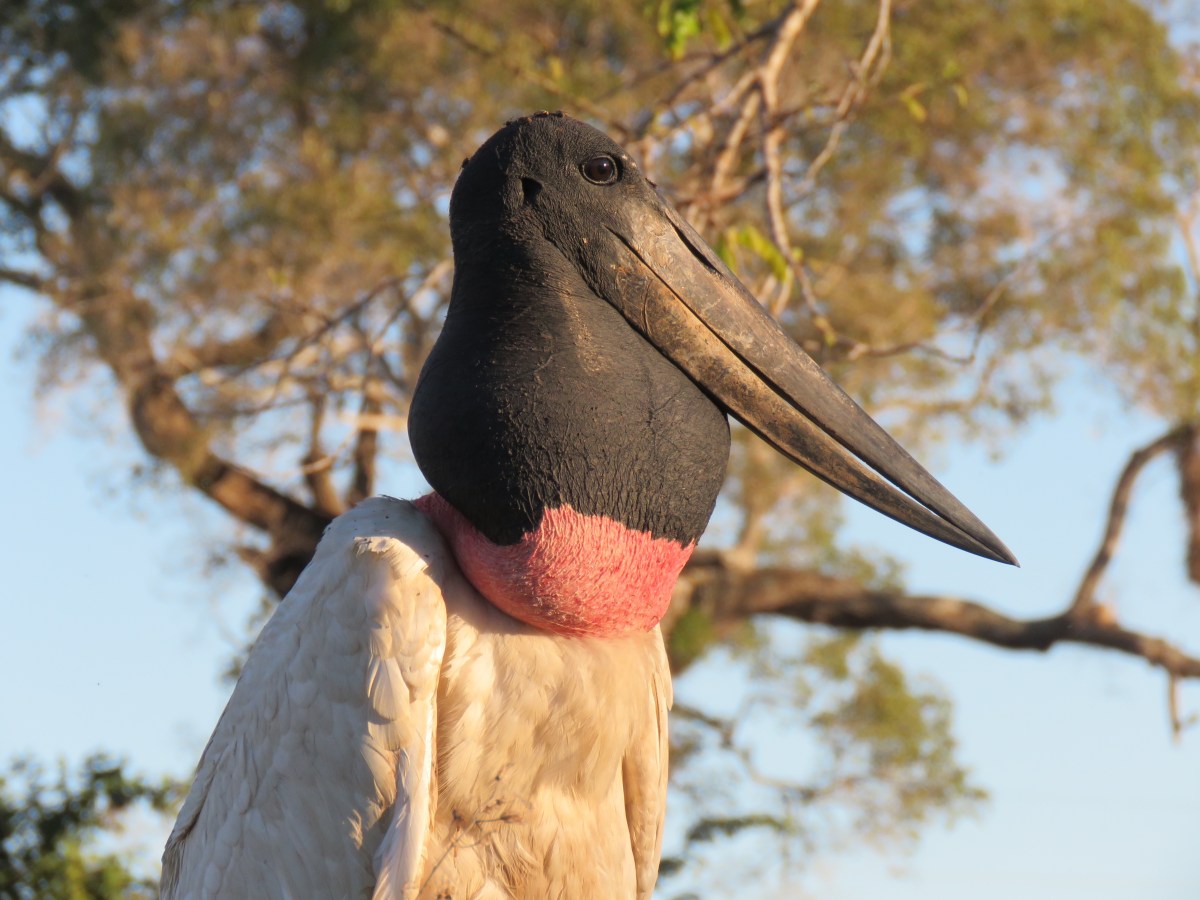
Largest Stork in the Americas: Jabiru
This truly impressive stork, like the Hoatzin, seems to belong to a long, lost epoch. This massive bird has the second longest wingspan of any land bird in the Americas, losing out to the Andean condor. It was always something special to see this bird, either on the wing or on the ground. The Jabiru can be surprisingly approachable, just stay outside the range of its deadly beak! Like the jabiru pictured below. The stork followed our boat along the riverside.
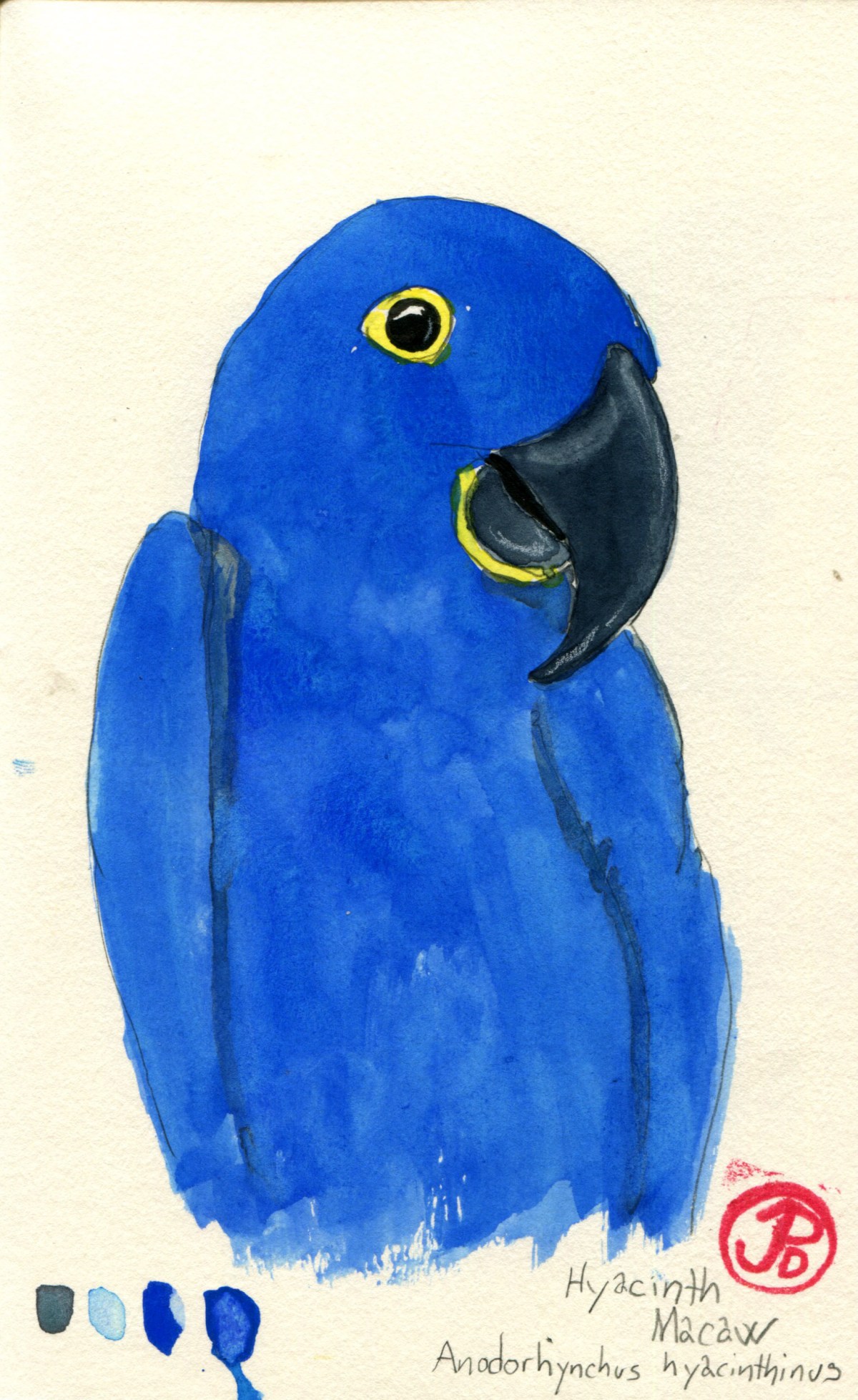
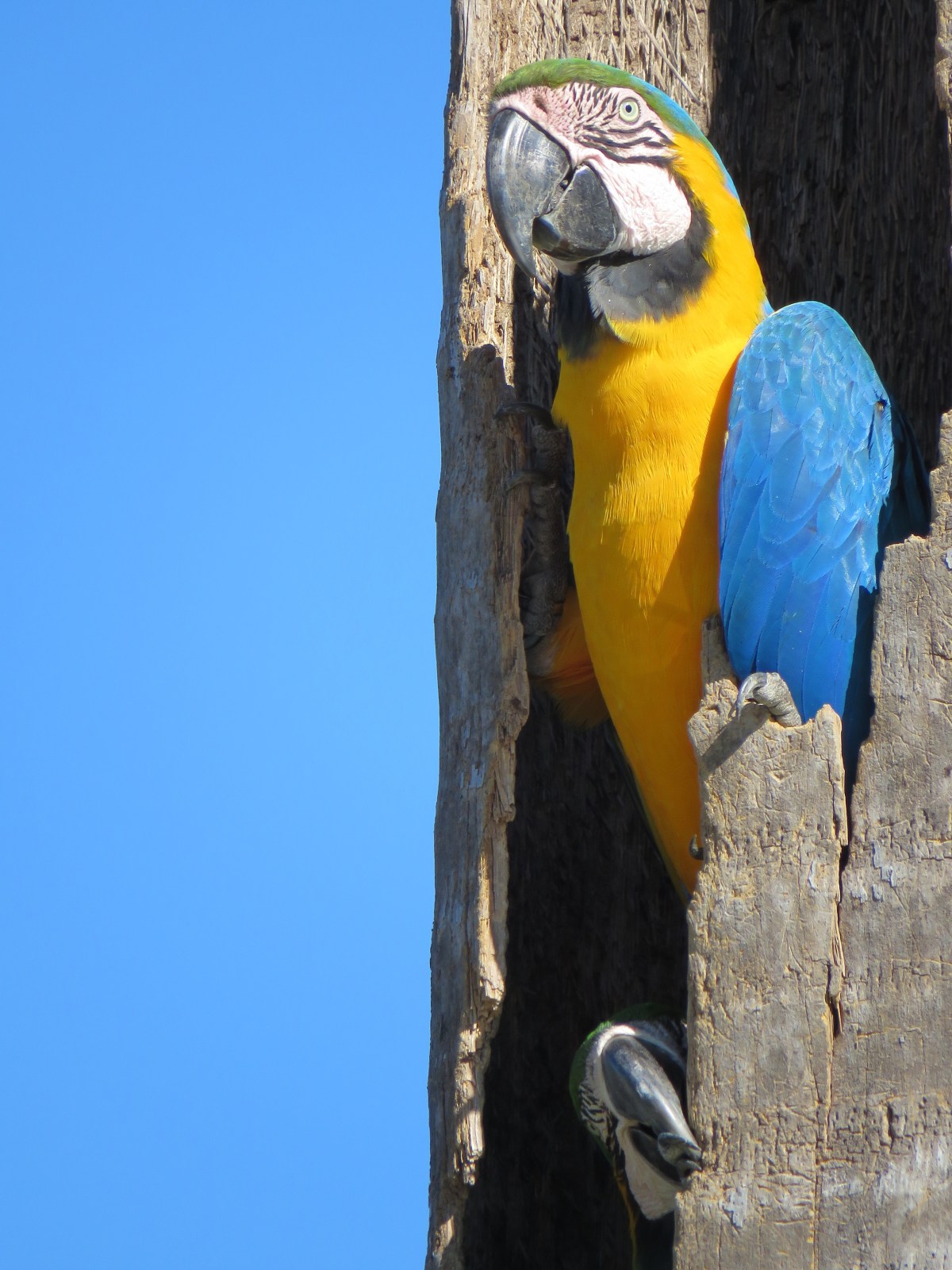
Largest Parrot in the World: Hyacinth Macaw
This macaw was certainly on my wishlist. It is amazing to see a bird that you have seen many times in zoos, pet shops, movies or as part of an animal act, wild and free flying. Most people around the world, looking at an image of this bird would be able to identify it as a parrot or a macaw. We had many quality looks of this iconic parrot in the Pantanal. And they were very approachable at Porto Jofre as they cracked nut with their powerful beaks.
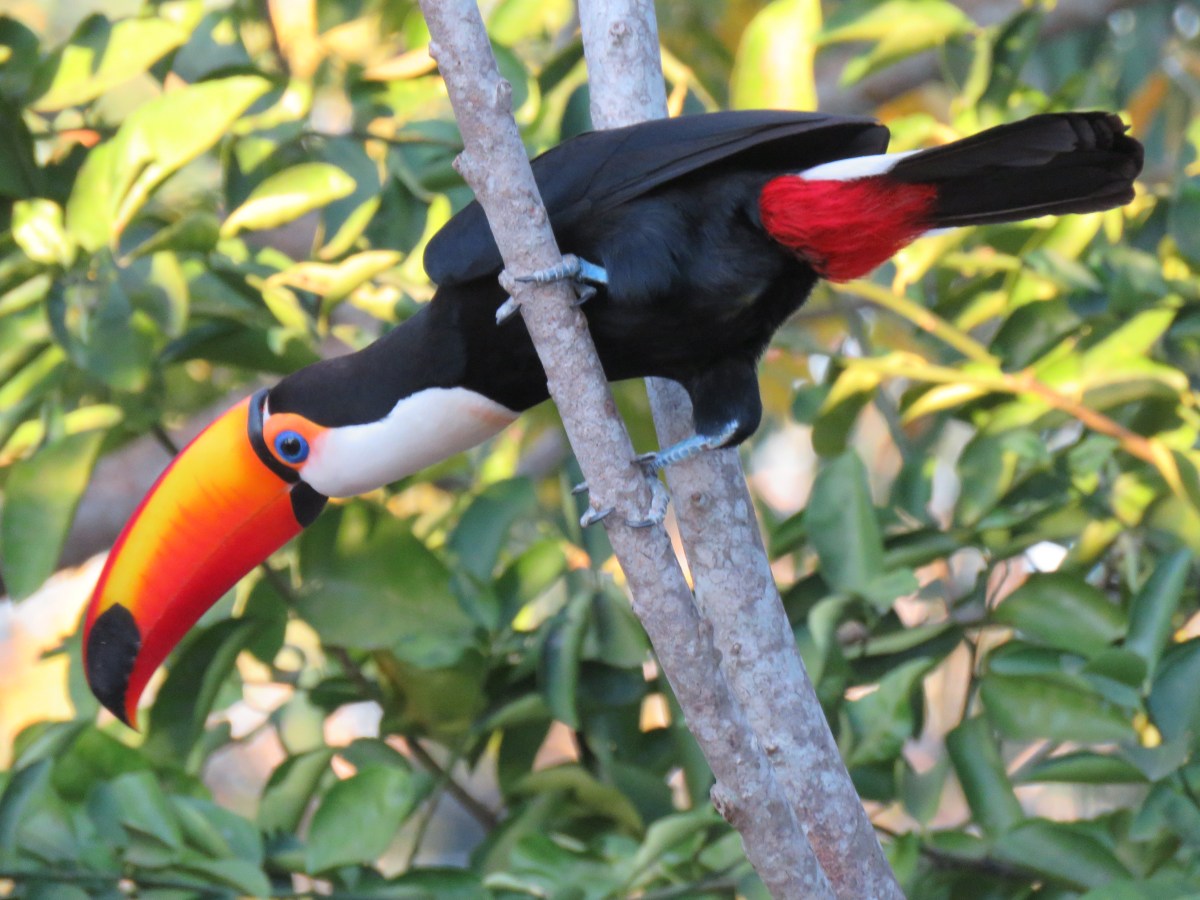
Largest Toucan in the World: Toco Toucan
The largest toucan in the world is also the prototypical toucan. This South American Big -nose seems to be advertising products all around the world, albeit in a modified form. The Toco can be seen on advertisements from everything from Fruitloops to Guinness Stout, marking the Toco one of the world’s most recognizable birds. We started to get far off view of Tocos in the northern Pantanal. It wasn’t until we reach the end of the Transpantaneira Highway, at Porto Jofre, that we got jaw-dropping views of many of these unreal birds.
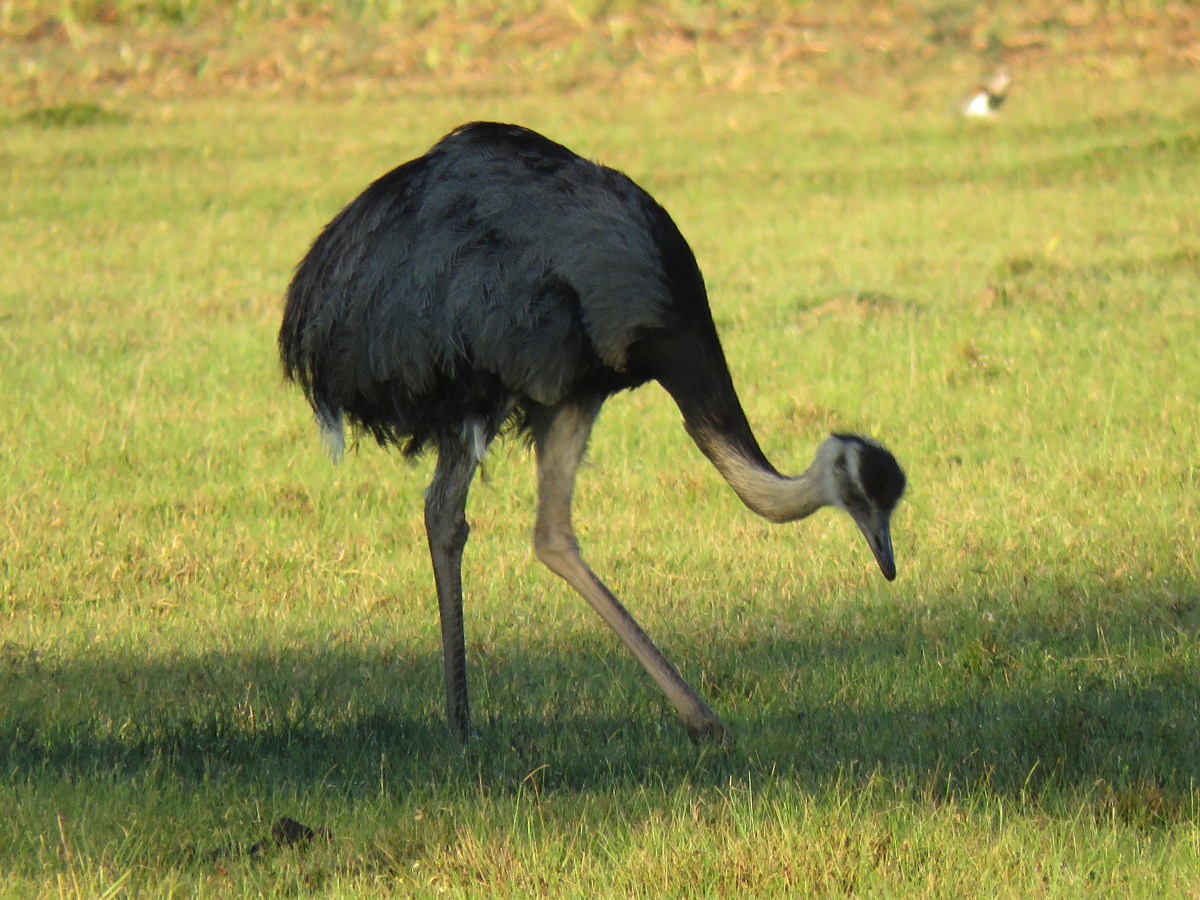
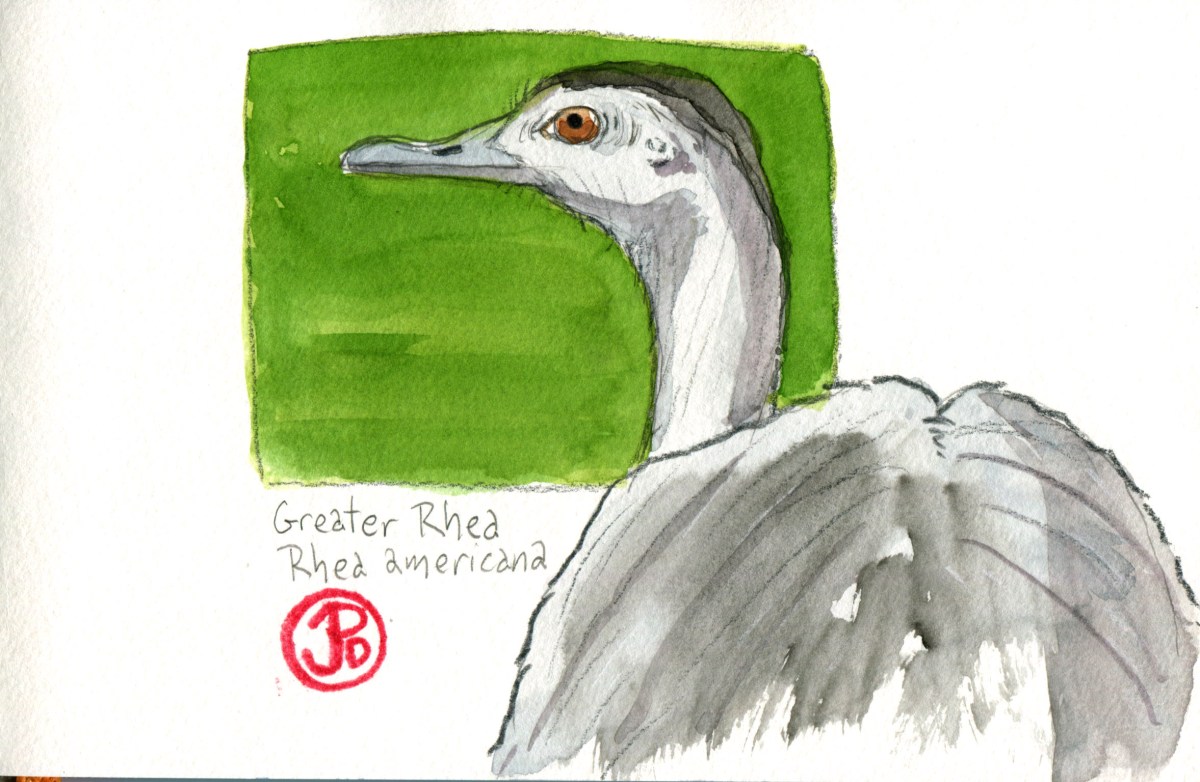
Heaviest Bird in the Americas (Largest Flightless Bird in the Americas): Greater Rhea
These avian grazers where very easy to see from my porch at Pousada Piuval. Another bird that I was really looking forward to seeing. This large flightless, 60 pound bird is a smaller version of Africa’s ostrich and are related to other flightless birds that are still in existence. (emus, cassowaries, kiwis).
 Sunrise from the top of Tower One.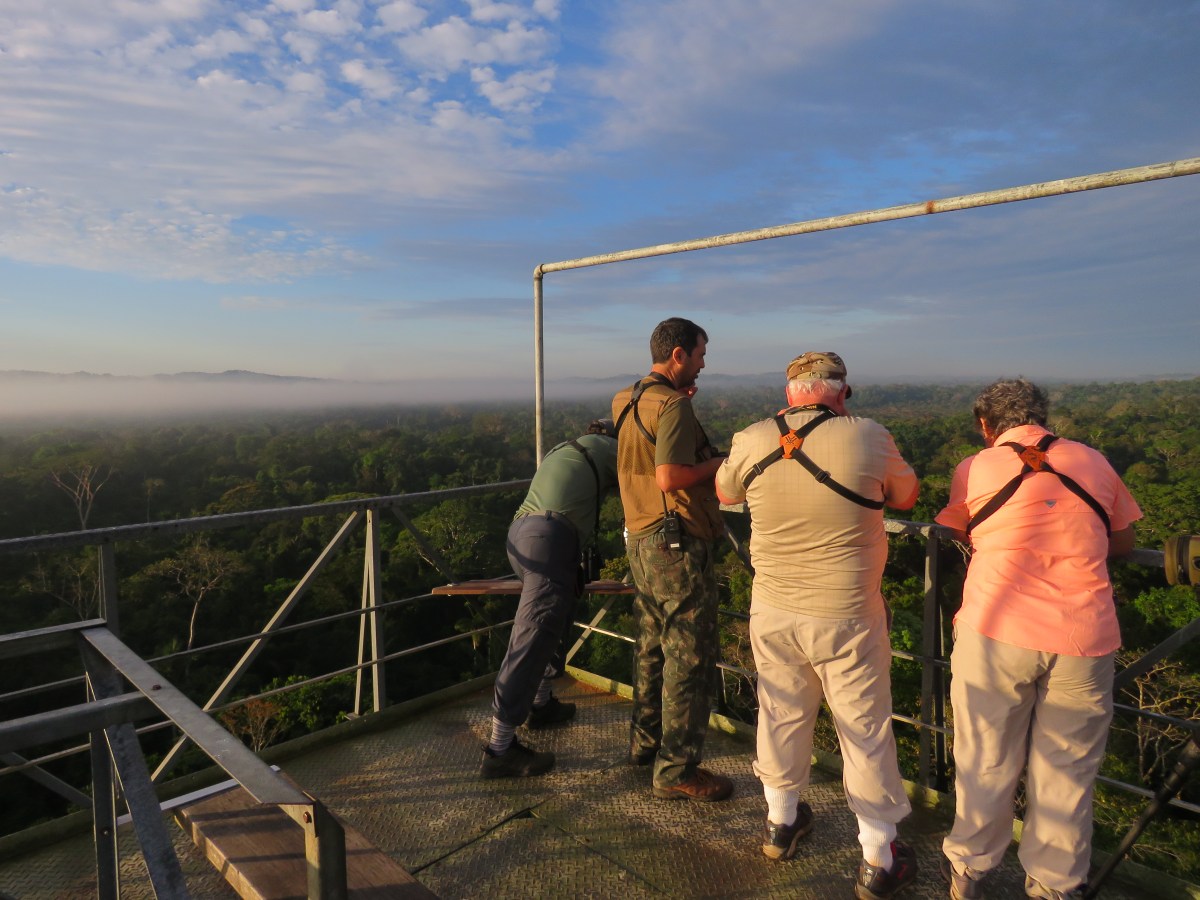
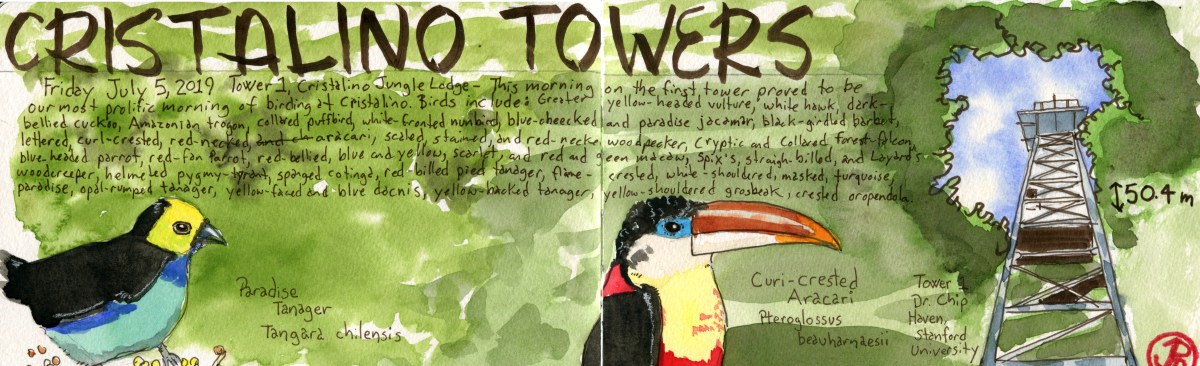
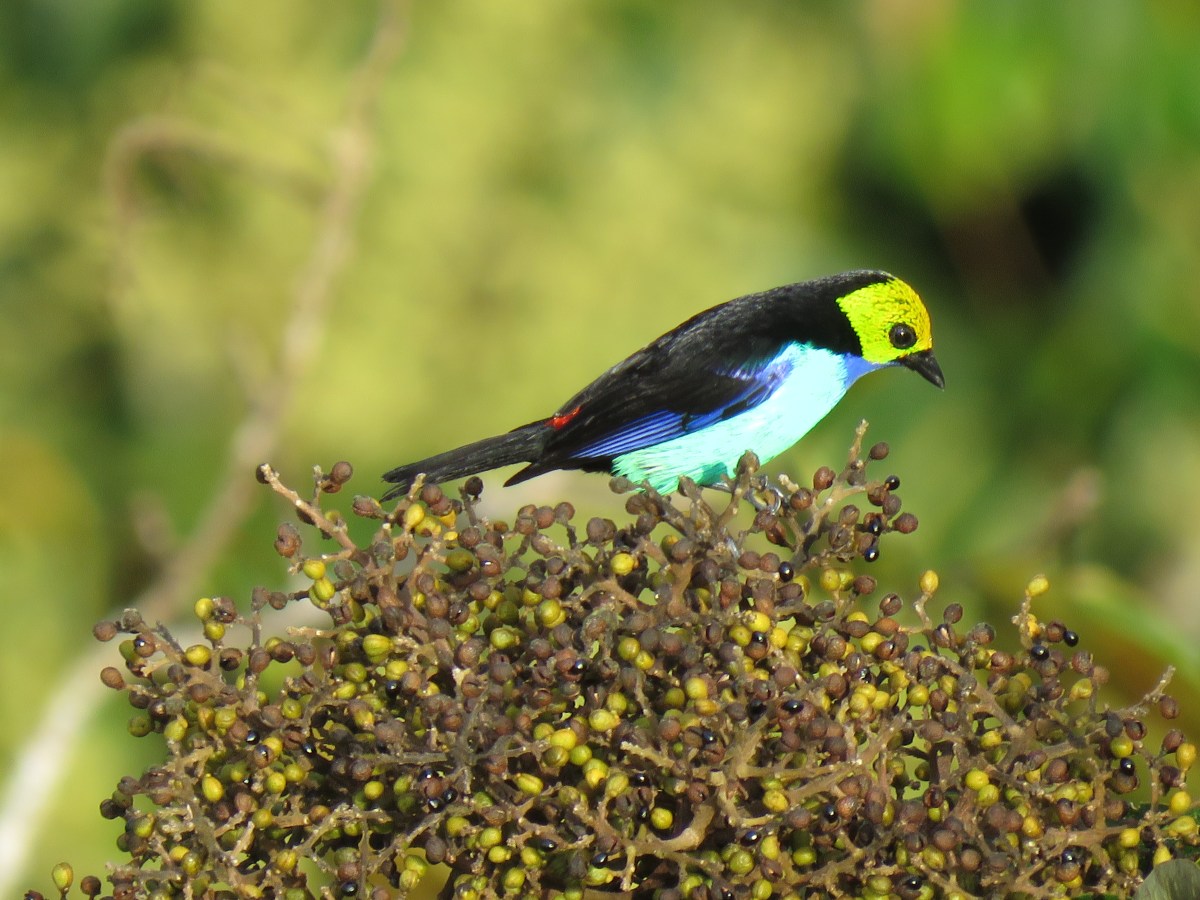 The paradise tanager is a truly stunning tanager amongst many stunning tropical tanagers to be found in the Amazon. At Tower One we finally got great looks at this canopy dweller.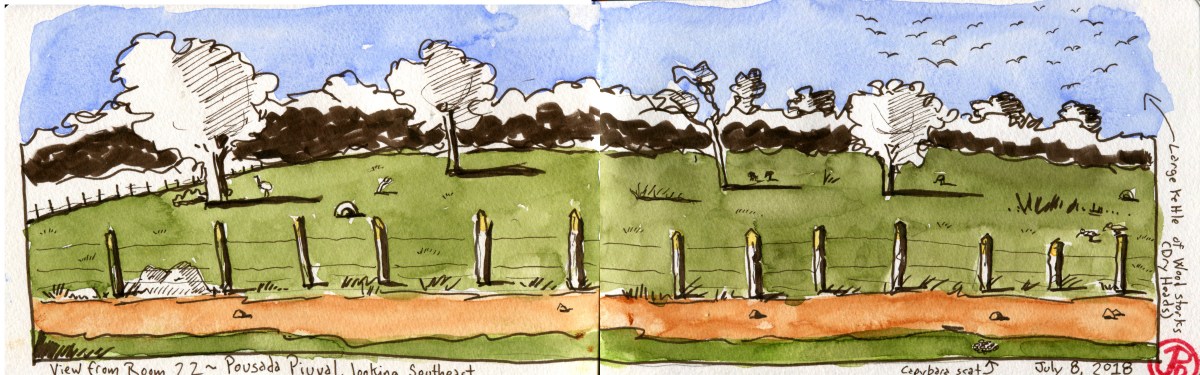
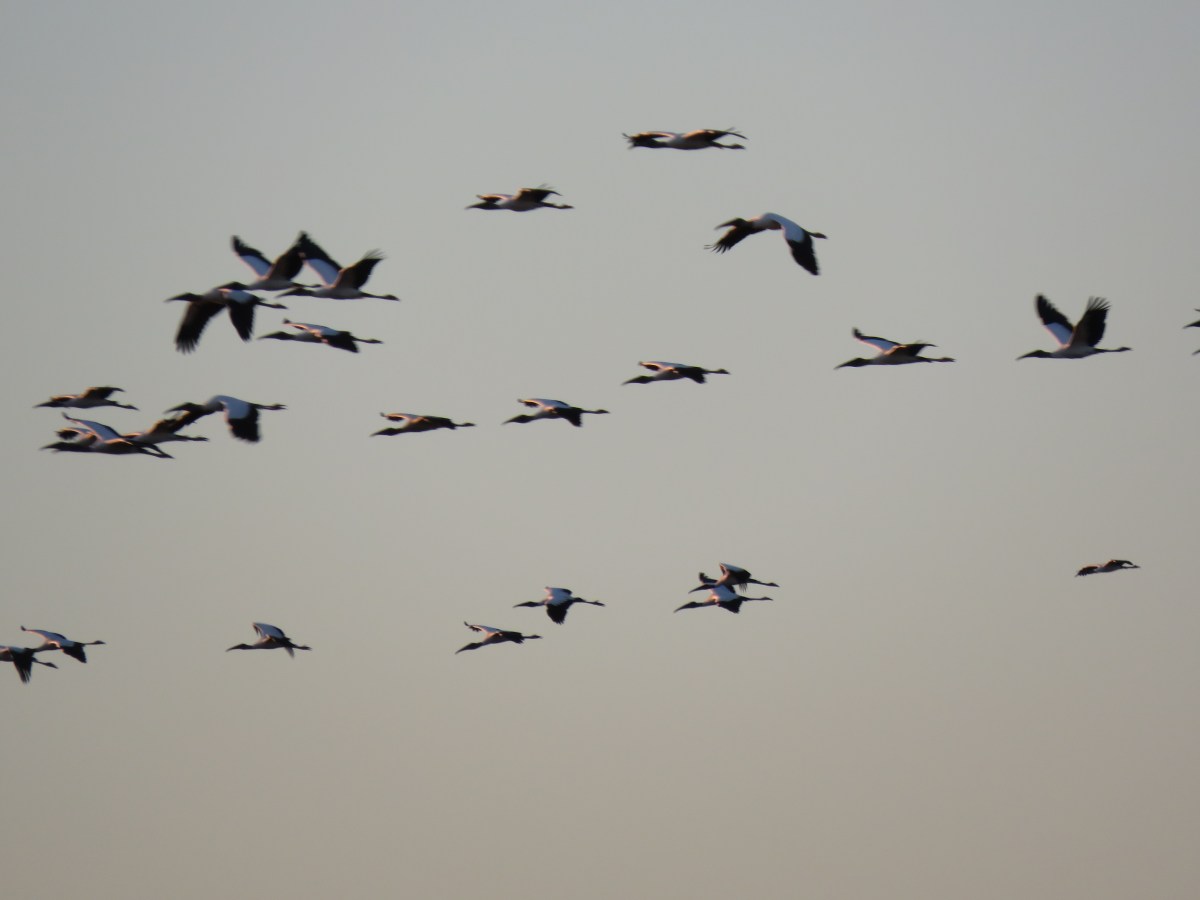 Large numbers of wood storks aka “dryheads” flying to their nighttime roosts.
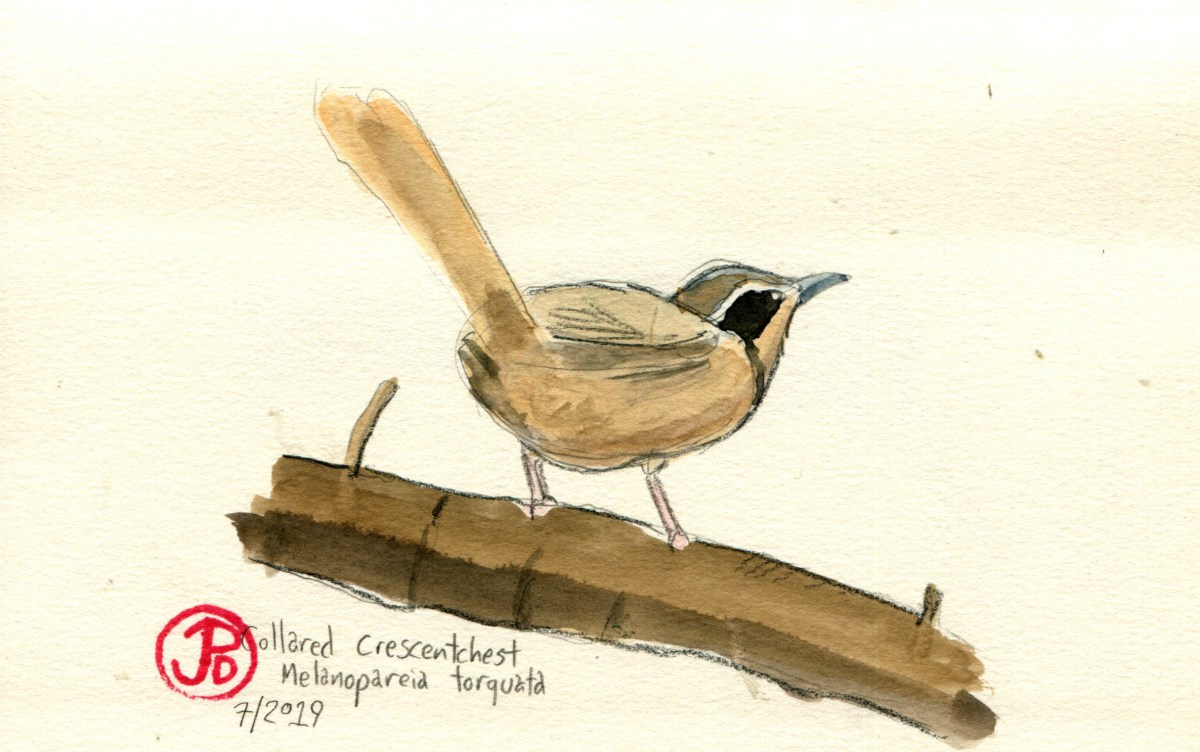
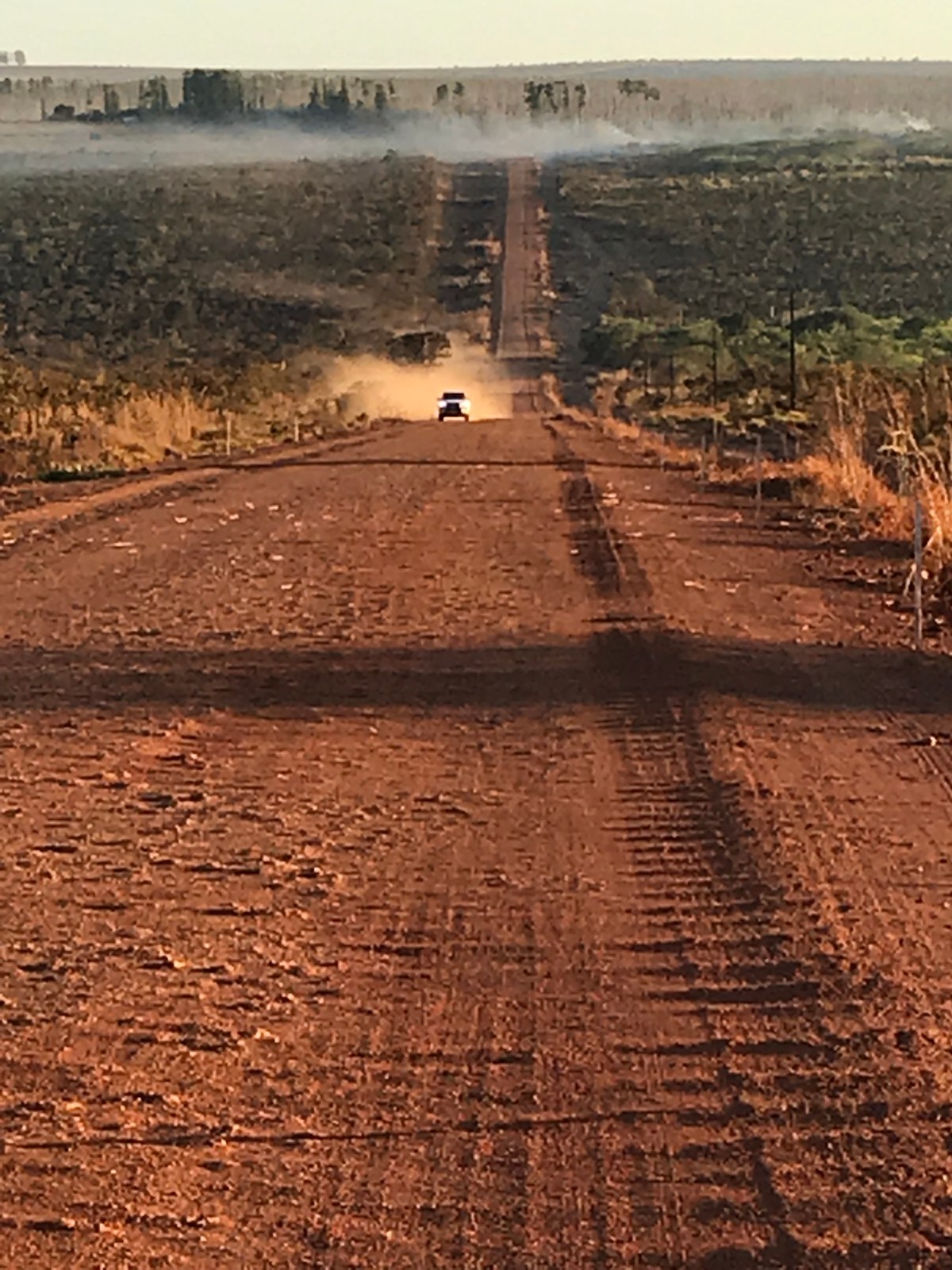 We drove half a mile in and got out and birded the roadside. It’s wasn’t long before our guide, Andrés, heard the call of the crescentchest in the bushes to the right of the road. We trekked in on foot down a dusty culvert. We weren’t far in before we found the source of the call. We spotted not one but two of these highly desirable Brazilian specialties.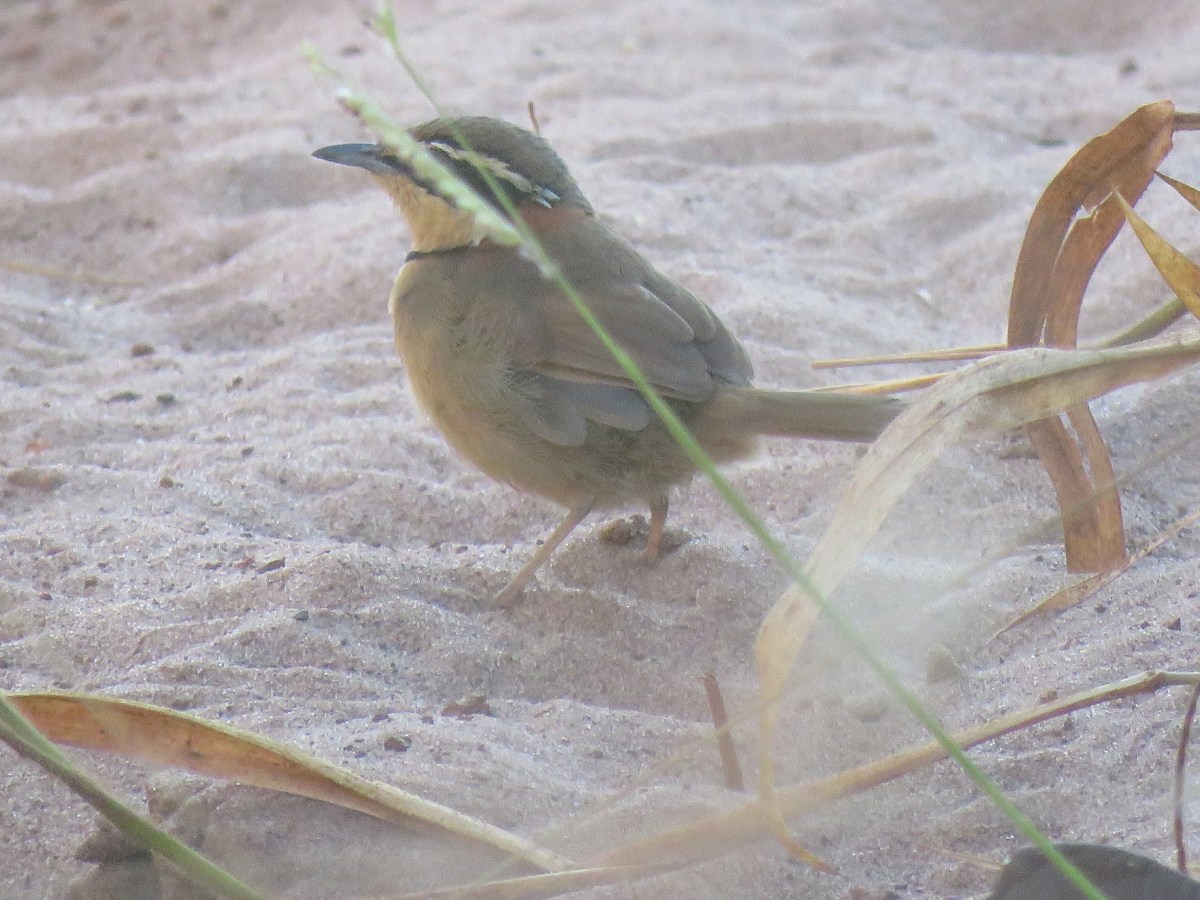
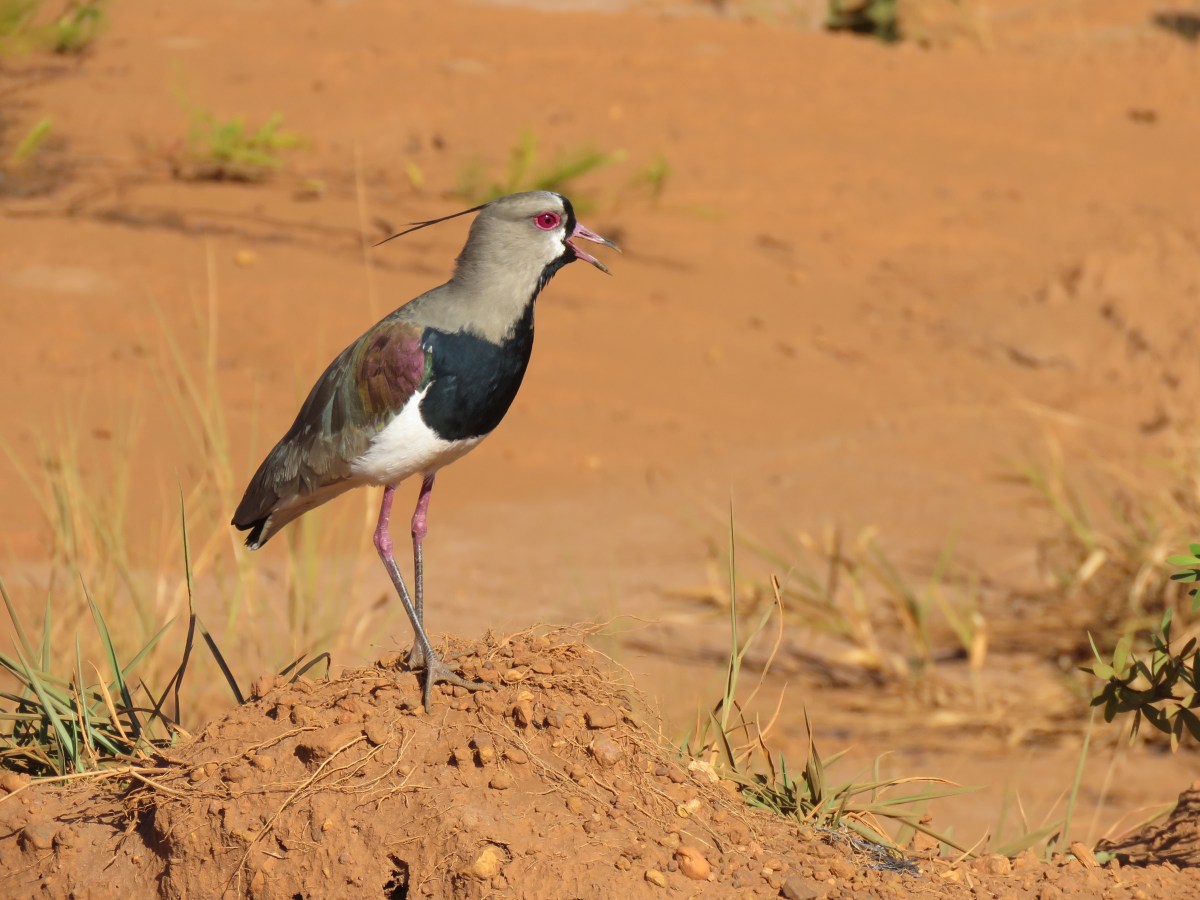 The southern lapwing is a very common bird in South America but getting quality views of this common plover against the rich earth tones of the Cerrado in good, morning light, really shows the beauty of this bird.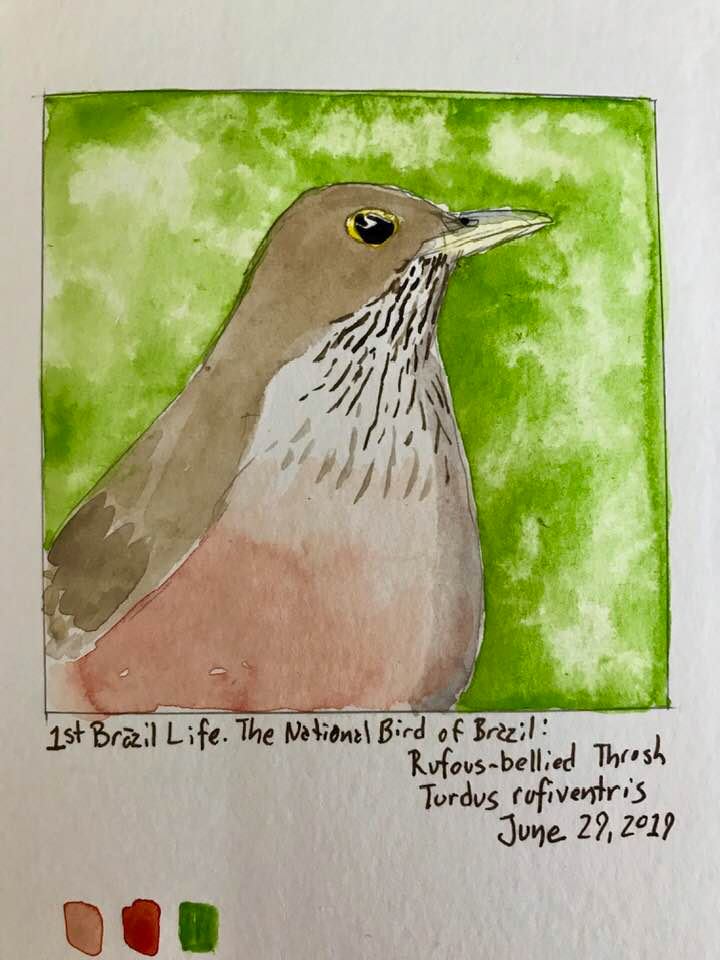
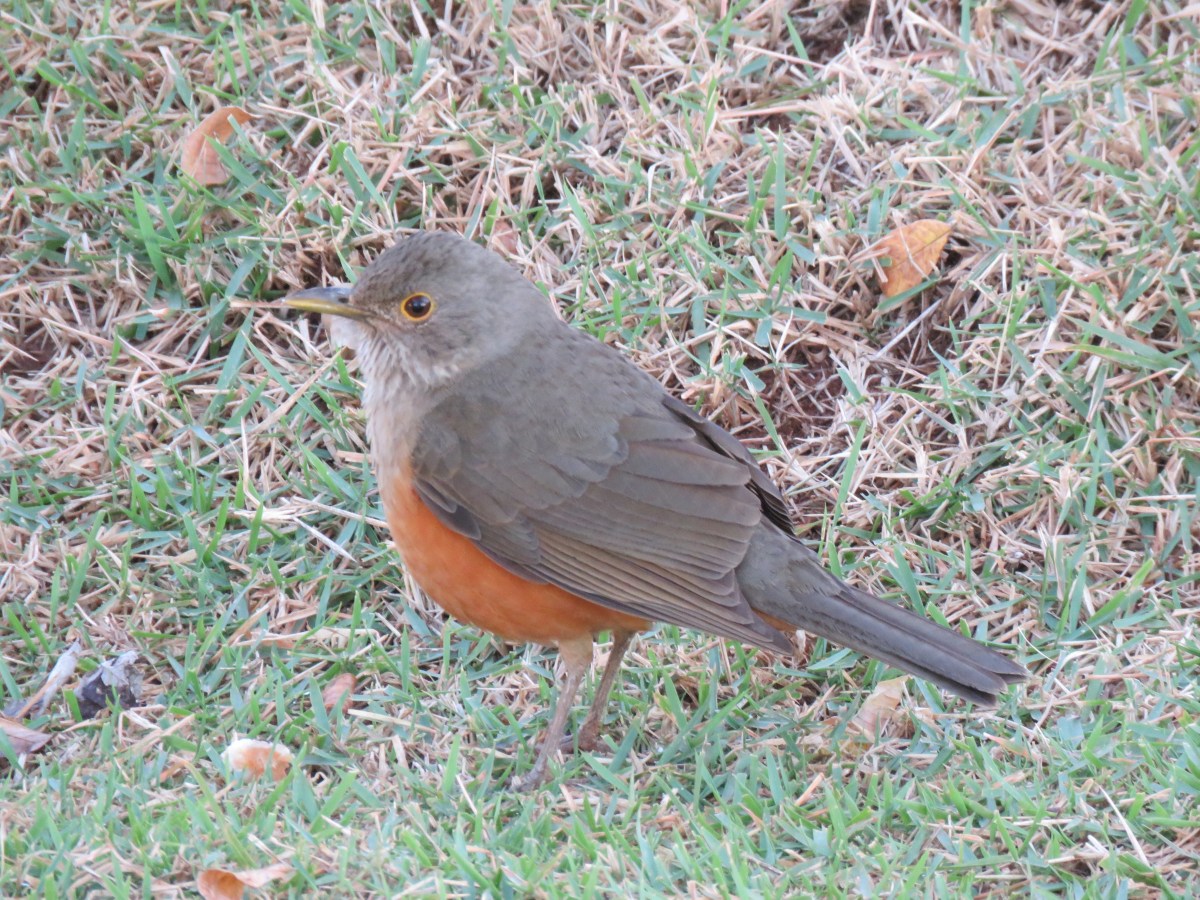 Why such a drab bird in nation full of amazingly colorful birds? Well the answer may be in the thrush’s melodious dawn song that the Brazilians love so much. Maybe it is a harbinger of the upcomming rains. The National Bird of Costa Rica is the even less impressive clay-colored thrush but it is it’s music not its appearance than endears it to Costa Rican’s and so maybe to all Brazilians. Maybe the rufous-bellied thrush is singing about the upcoming life-giving rains.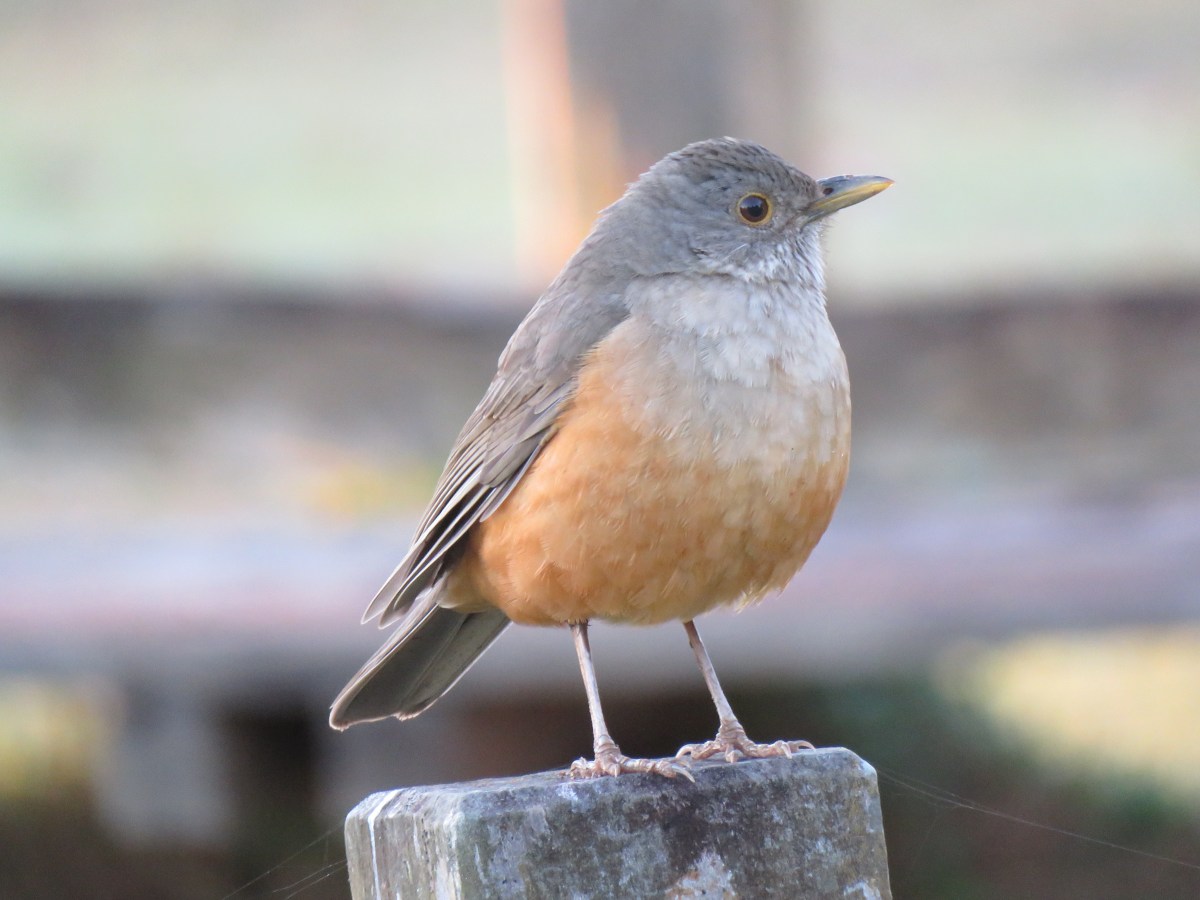
 Corvid Sketcher