Image

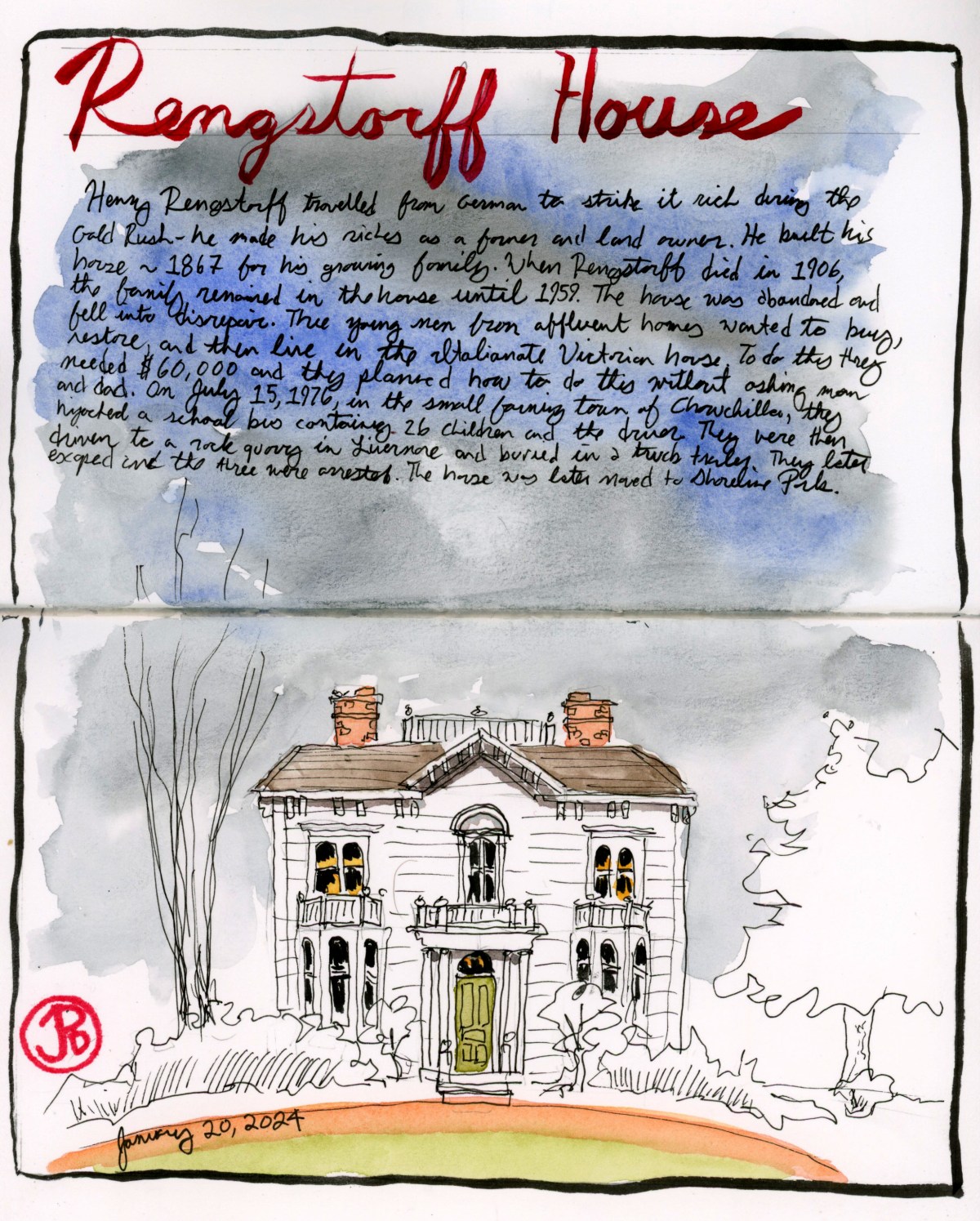
The Rengstorff House

The Rengstorff House was one of the first houses built in Mountain View.

What piqued my interest in the circa 1867 house was an article in a Palo Alto weekly newspaper that a fellow teacher gave me. The article told the story of the Rengstorff House and the link to the countries largest mass kidnapping. What?!

The house was built by businessman Henry Rengstorff, a German immigrant that came to California to strike it rich during the Gold Rush. He made his money my farming and buying up land. He died in 1906 and afterwards, members of his family lived in the house until 1959.
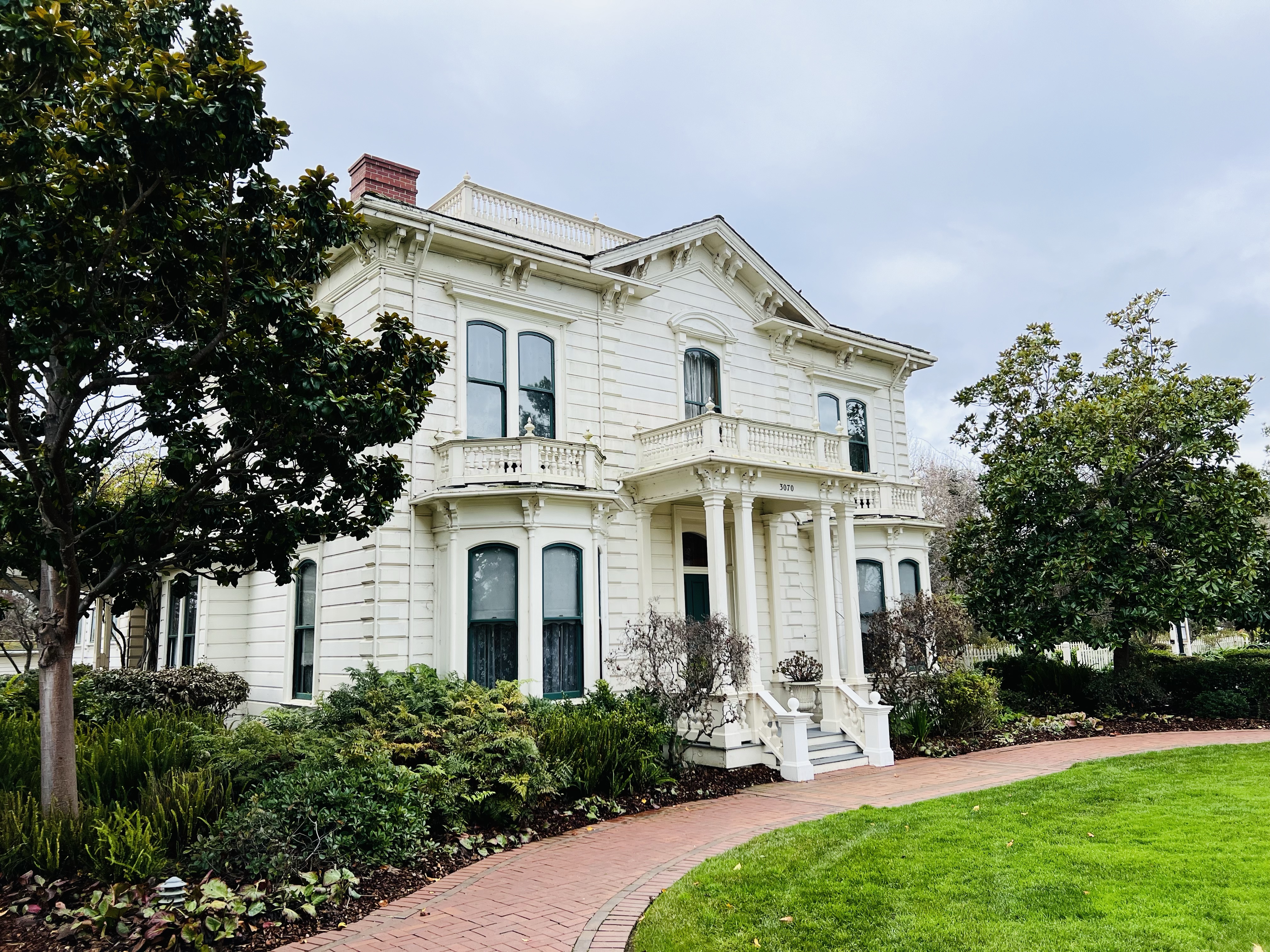
The Rengstorff House at its new location.

The land that the house was on, was sold to a land developer. In the mid 1970s, three young men had the dream of buying the house, (which had been abandoned and was now dilapidated) moving it to a new location, restoring it, and then living in it because they had always wanted to live in a historic mansion.

The young men were from the affluent communities of Portola Valley and Atherton and came from wealthy families.

So they hatched a plan to raise funds to buy the Rengstorff House.

On July 15, 1976 in the tiny farm town of Chowchilla, California three armed assailants hijacked a school bus containing 26 children who were returning from a swim party at the local community pool. The bus was hidden in a local slough and the bus driver and children were transferred to two vans and driven 100 miles away to a rock quarry in Livermore.

The children and driver were transferred to a truck trailer that was buried in the ground and the entrance was covered. The kidnappers left and planned to ransom their victims for $5 million. When they called the Chowchilla Police Station with their ransom note, they couldn’t get through because the station was flooded with calls by concerned parents.

The children and driver escaped and the son of the owner of the rock quarry became the number one suspect.

All three kidnappers were captured and later sentenced to life in prison. All three are now out of prison on parole.

They were not able to buy the Rengstorff House and it was later relocated to Shoreline Park in Mountain View and is now a museum.

In between rain showers, I headed down to Mountain View to sketch the historic house. When I arrived there was a turkey vulture perched on the front gable.
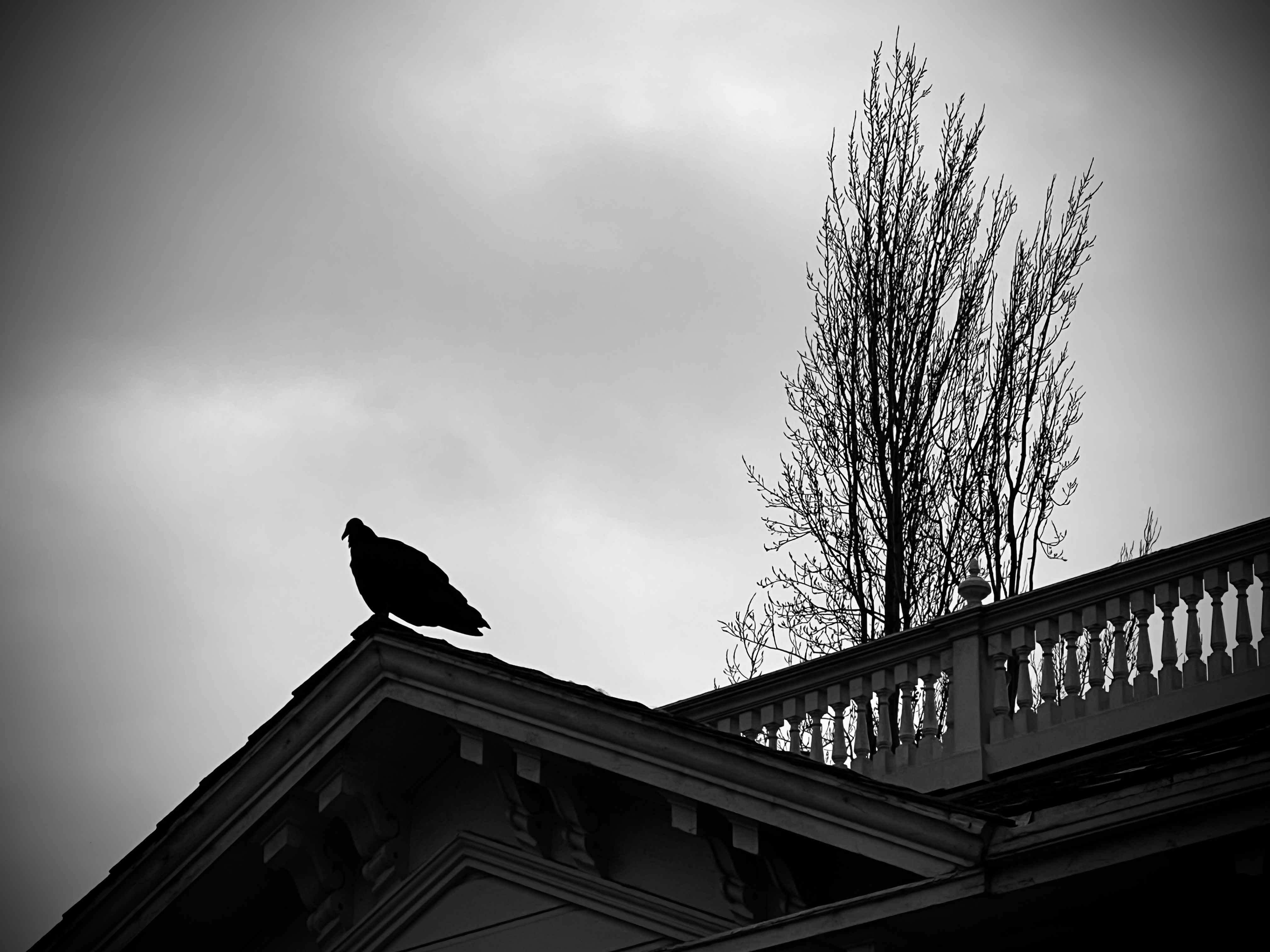
After my sketch I walked around to the side to see if I could get a tour of the interior. The house was just closing for a private event.

I mentioned the recent article to the docent. She told me there were inaccuracies in the article and the writer didn’t even interview any staff at the museum about the story. When I asked about the Chowchilla Kidnappings, she replied, “We don’t talk about that.”

No wonder the Palo Alto Weekly didn’t consult the museum.
Image

Moffet Field

Moffet Field looms large in my childhood, from the P-3s returning from their submarine patrols past my bedroom window to watching airshows on the base (often times from my roof). Although I did not visit or see the Navy Base very often, it’s presence was felt (and heard) every day.

The 1920s saw the rise of the airships, the dirigibles. These lighter than air, airships where being used to transport passengers and also as a means to keep an eye on the enemy’s fleet. They seemed to have a bright future both for civilian and military applications.

Germany was the true innovators with their Zeppelins. These are the airships that bombarded England during World War I but were also victim to antiaircraft fire. 71 % of German Zeppelins were lost in combat and 40% of their crews lost their lives.

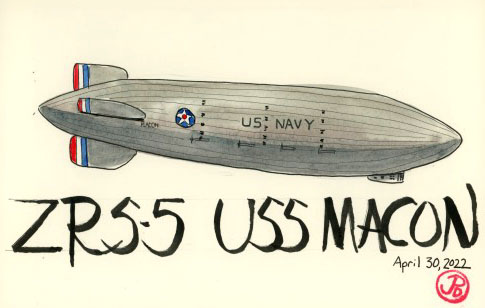
Between the World Wars the US Navy was looking for a new base of operations on the West Coast for the ZRS-5 USS Macon. The Macon was built in 1929 and launched on August 8, 1931. The Macon was 785 feet long with a displacement of 7,401,260 cubic feet. It had a top speed of 75 knots (86 mph) and a range of 6,840 miles. The Macon, and her sister ship, the Akron, where just 20 feet shorter than the more well known Hindenburg. While the Hindenburg was filled with hydrogen (with disastrous results), the Macon and the Akron where the largest helium filled dirigibles ever built.

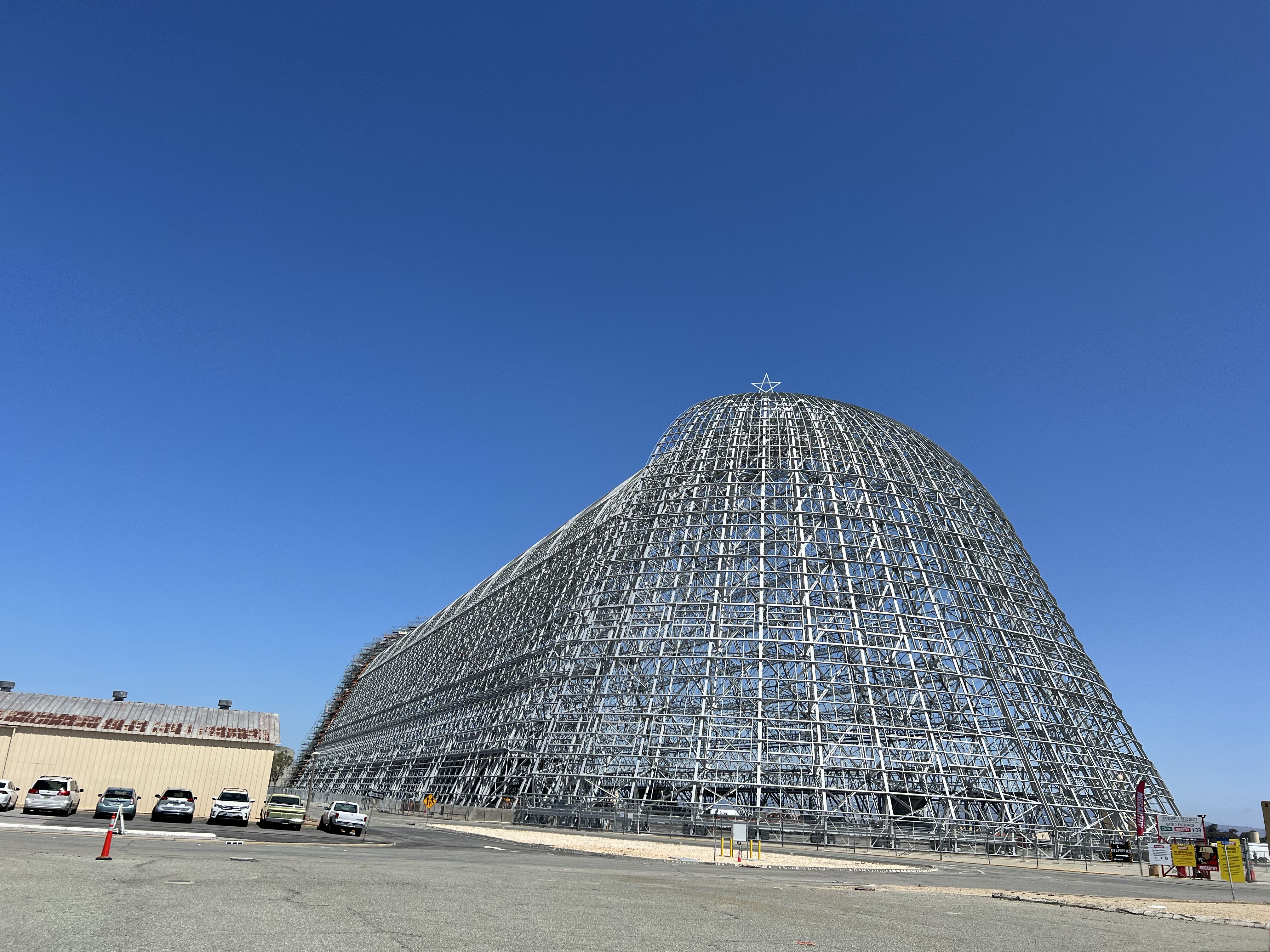
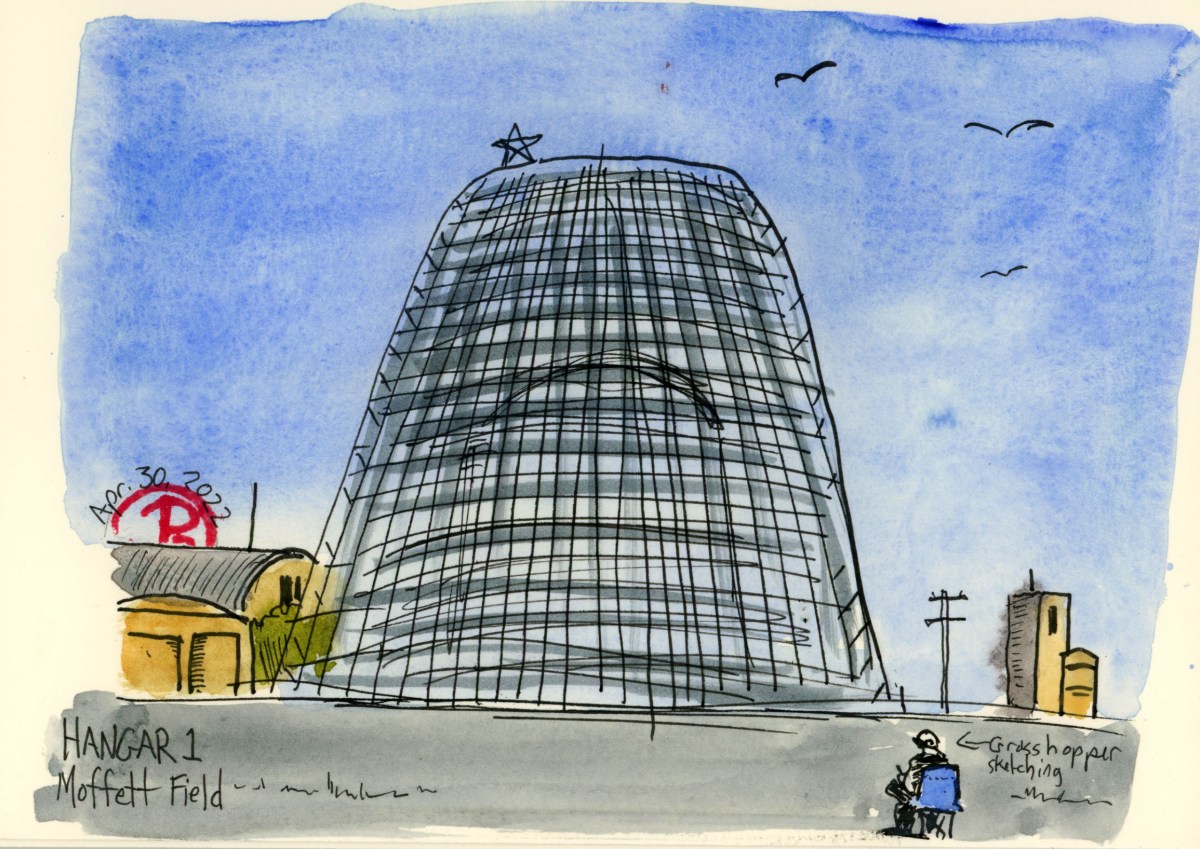
A base site was chosen in the farmlands of the southern Bay Area at Sunnyvale (my home town). Construction on the Navy base started in October 1931 and the centerpiece of the base was, and still is, Hangar No. 1. The hangar was built to house the Macon and other dirigibles. Hangar 1 is considered the largest freestanding structure in the world. The hangar is 1,138 long, 308 feet wide, and is 210 feet tall. The internal area is 351,000 square feet, that is just over eight acres! To give you an idea of the massive size of this hangar, three RMS Titanic ships can fit, side by side, in the hangar, with room to spare!

Hangar 1 is now striped of it’s siding and is currently being restored.

The Navy base was originally named Naval Air Station Sunnyvale but was later renamed after Rear Admiral Donald Moffet who was the Director of Aviation. He was the Captain of the USS Akron (ZRS-4) when it was destroyed in a thunderstorm on April 4 1933 while cruising off the coast of New Jersey. Moffet, along with 72 others perished in the crash, making it the deadliest airship crash in history. As a comparison, in the Hindenburg disaster, 36 people lost their lives, when she burst into flames at Lakehurst, New Jersey on May 6, 1937.

The USS Macon was christened on March 11, 1933 by Rear Admiral Moffett’s widow. The Macon flew from Lakehurst, NJ on October 12, 1933 to her new base on the other side of the country: Moffet’s Field.

The golden age of the great airships was relatively short lived. The USS Macon first flight was on April 21, 1933, and her final flight was on February 12, 1935. A whole two years of service after about 50 flights. She was only at Moffet Field for four months.

Why only 50 flights? Like the Akron before and the Hindenburg afterwards, USS Macon crashed.

On February 12, 1935, The Macon crashed into the Pacific Ocean off the coast of Big Sur. The cause of the crash is debated but her upper fin was damaged in a storm and the airship lost helium causing her to plunge into the ocean. The Macon was fitted with life jackets, unlike like her sister ship and out of 83 crew members, only two perished.

The wreck of the USS Macon now lies on the ocean floor at 1,500 feet below sea level, where it has been added to the National Register of Historic Places. The Macon’s final resting place is within the Monterey Bay National Marine Sanctuary.

With the crash of the USS Macon, the Navy put an end to the airship program and the short era of the Great Airships in the United State was over. The Macon was the last of the great airstps built by the United States Navy.

Sketching Notes: I sketched the framework of Hangar 1. I was more focused on shape and form than the individual details. I sketched in Grasshopper in the foreground for scale. He was sketching the water tower to the left of Hangar 1.