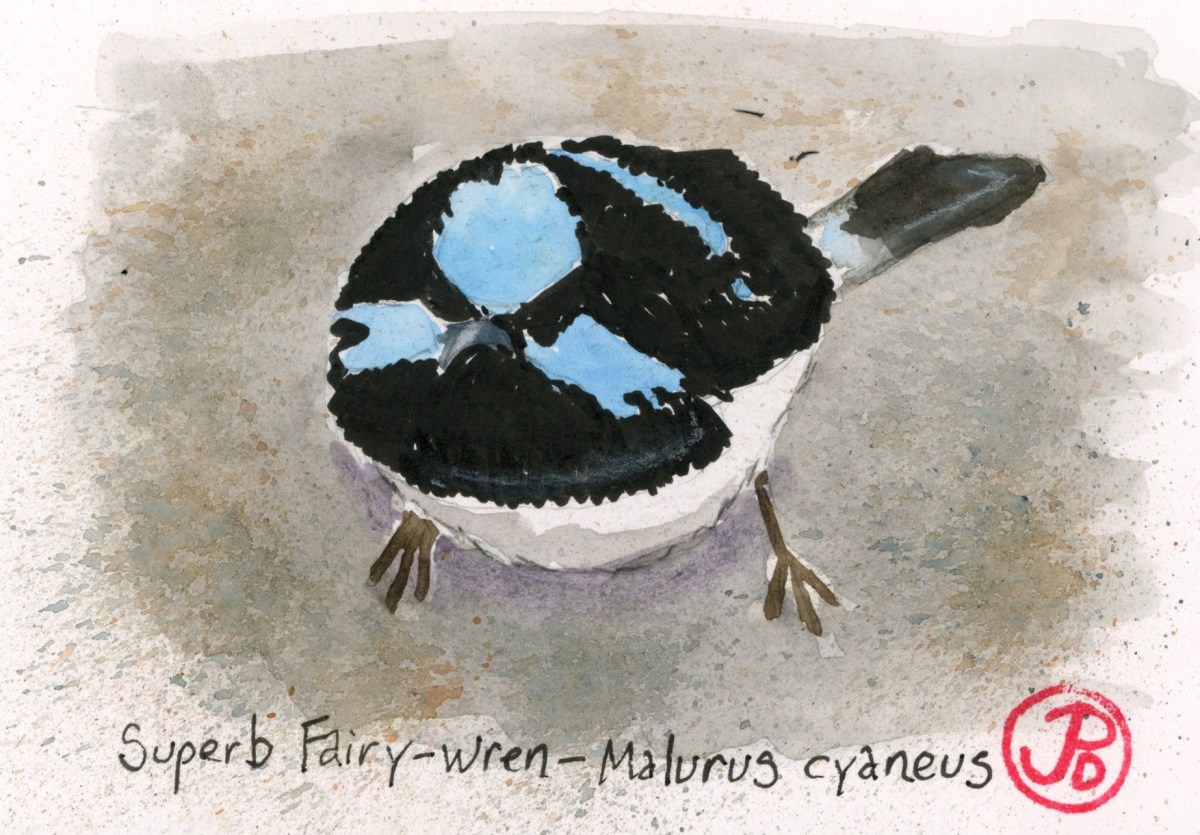
A former parent from Sydney highly recommend the four mile coastside walk from Bondi Beach to Coogee and even with overcast skies, the walk was absolutely stunning. And also very birdy.
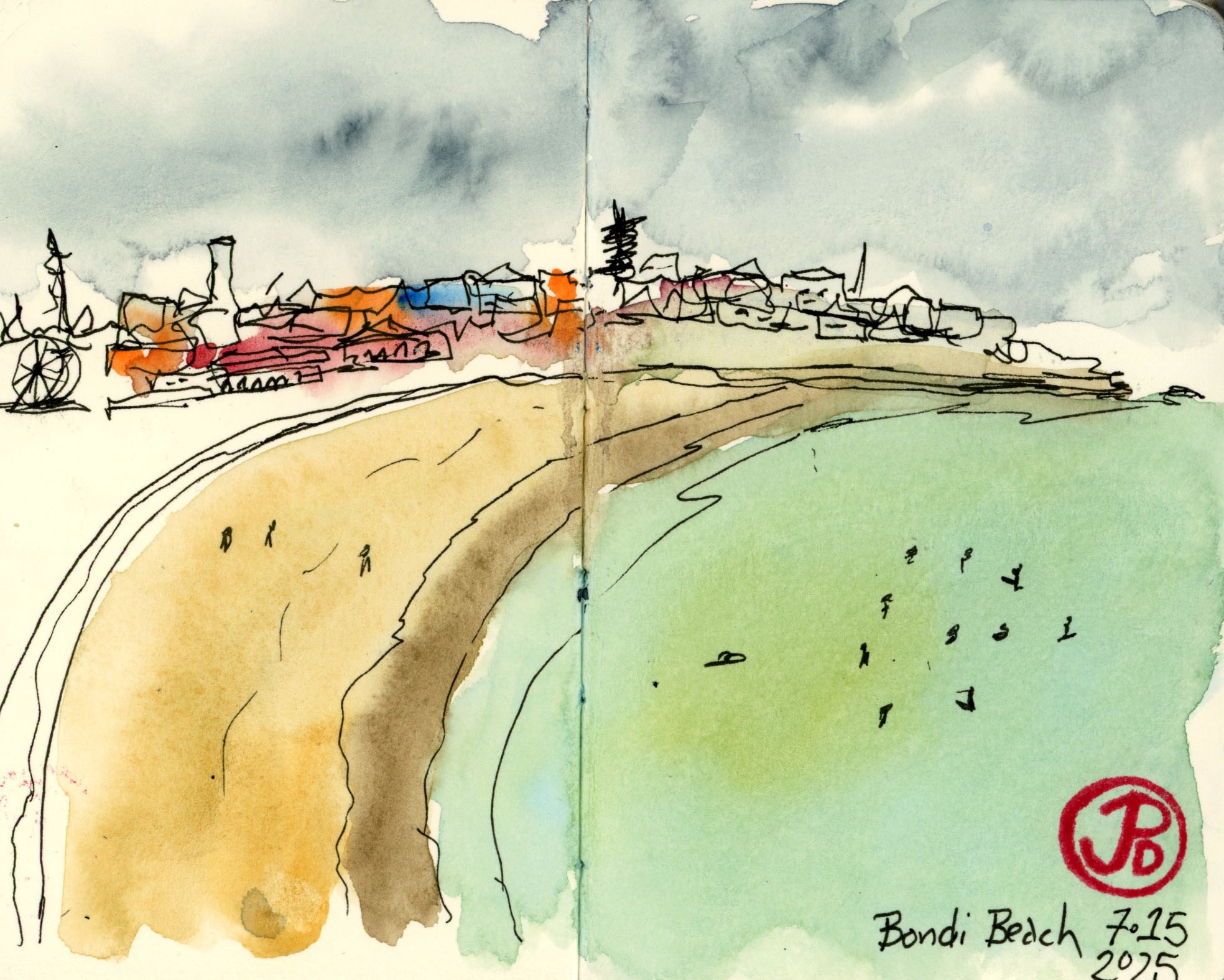
I took two buses from my digs in Surry Hills, via Bondi Junction to Bondi Beach. The beach was all Australian but the buildings around it seems more Blackpool or Brighton, showing Australia’s English influence. The windy cold-gray weather even suited the English seaside.
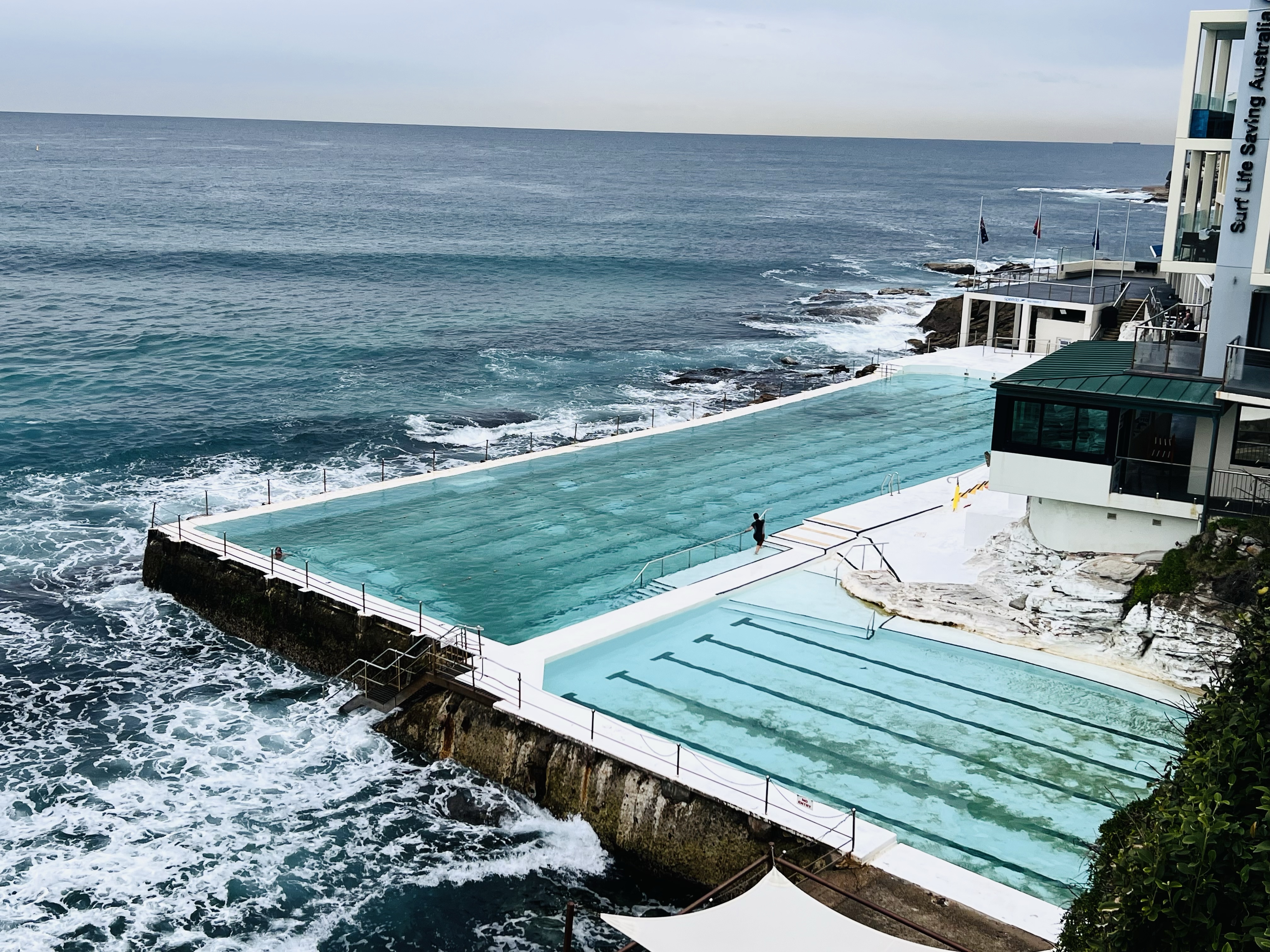
I was starting my coastal walk here and heading south toward Coogee. I had a few birds on my wishlist: Australasian gannet and superb fairywren topped the list.
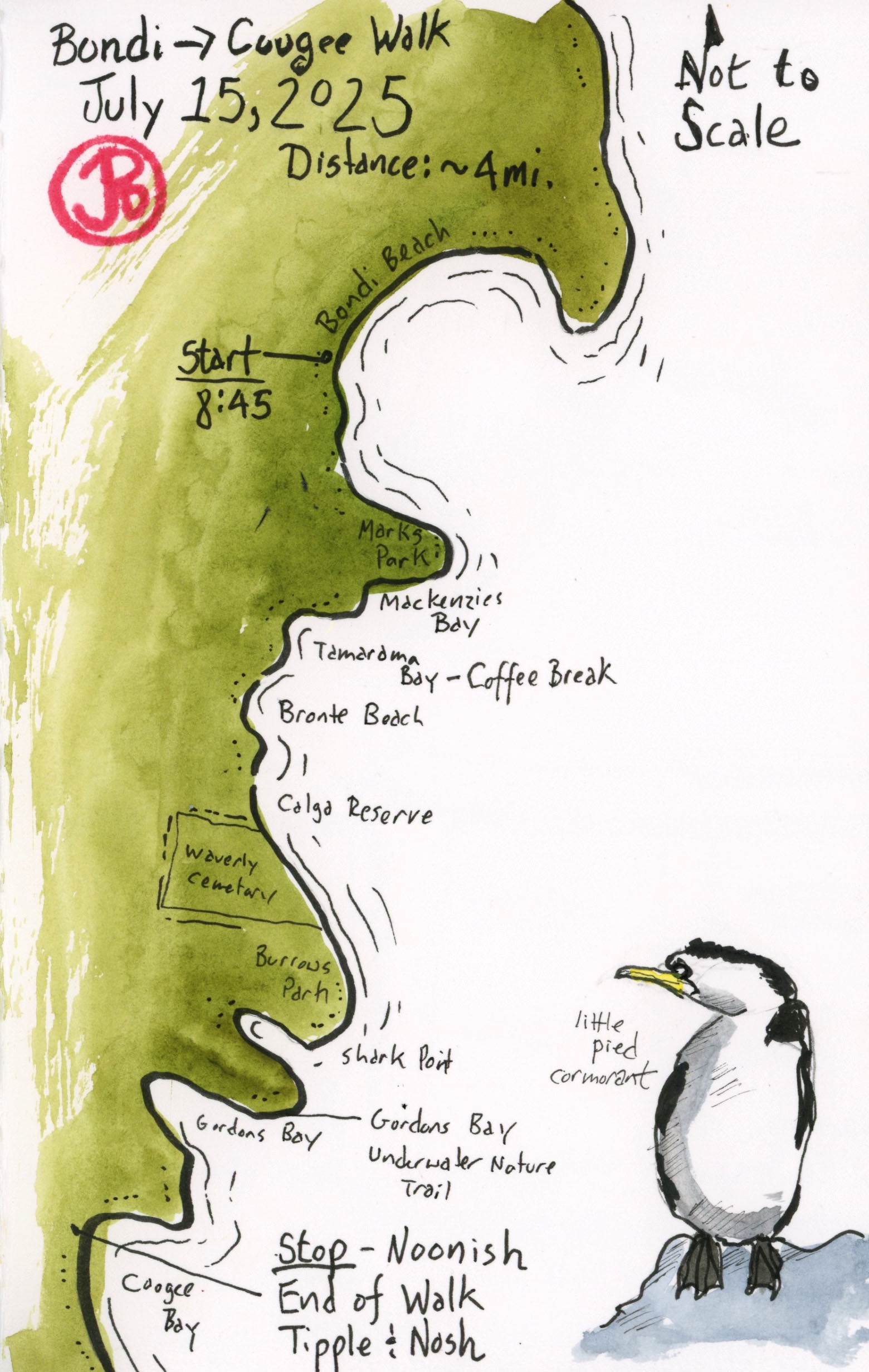
I had the Pacific Ocean on my left as I headed south toward the town on Coogee and I kept one eye out to my left for gannet and looked and listened as I passed vegetation for the fairywren.
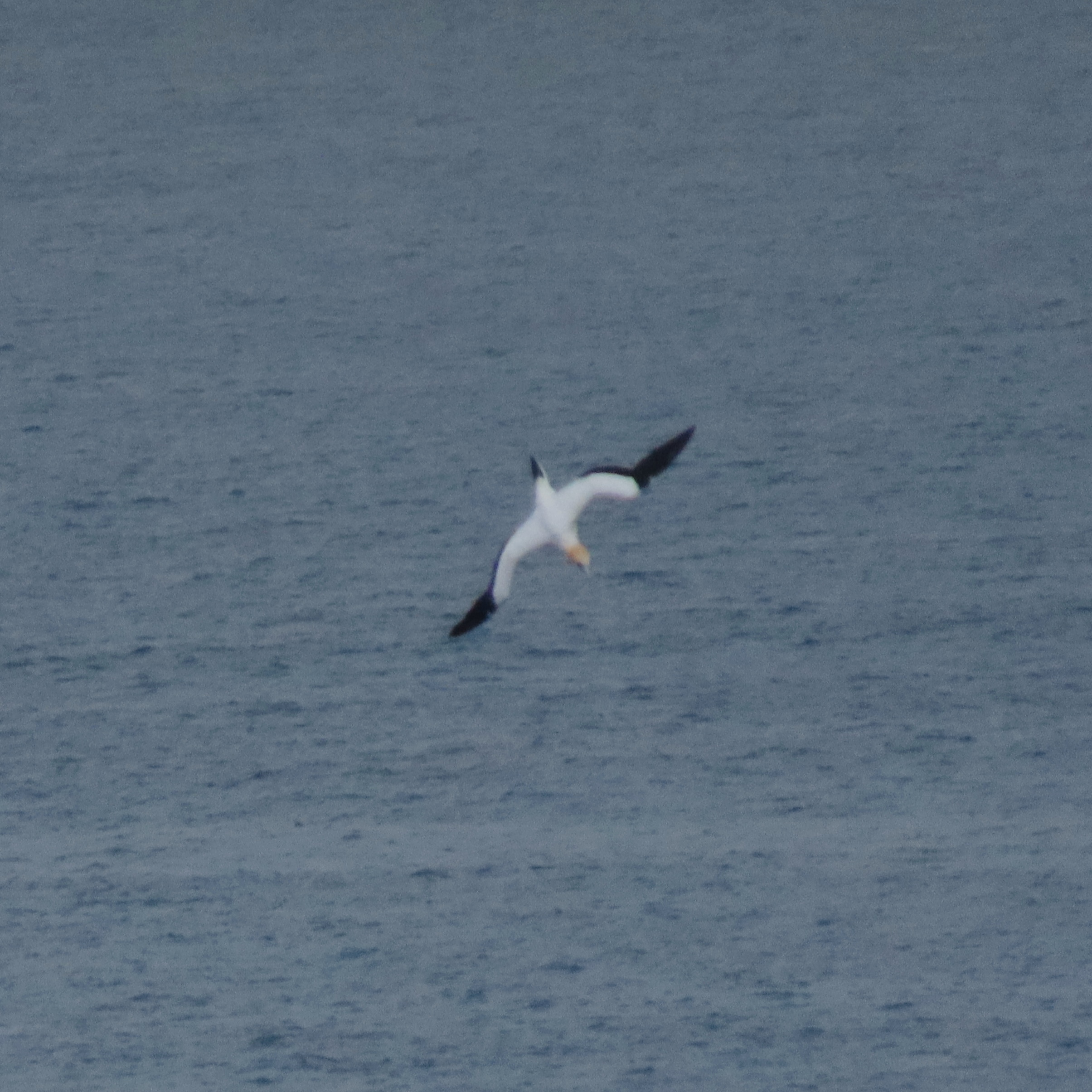
I came to a point close to Bondi Beach when I saw the telltale sign of a gannet just off the beach. Lifer!
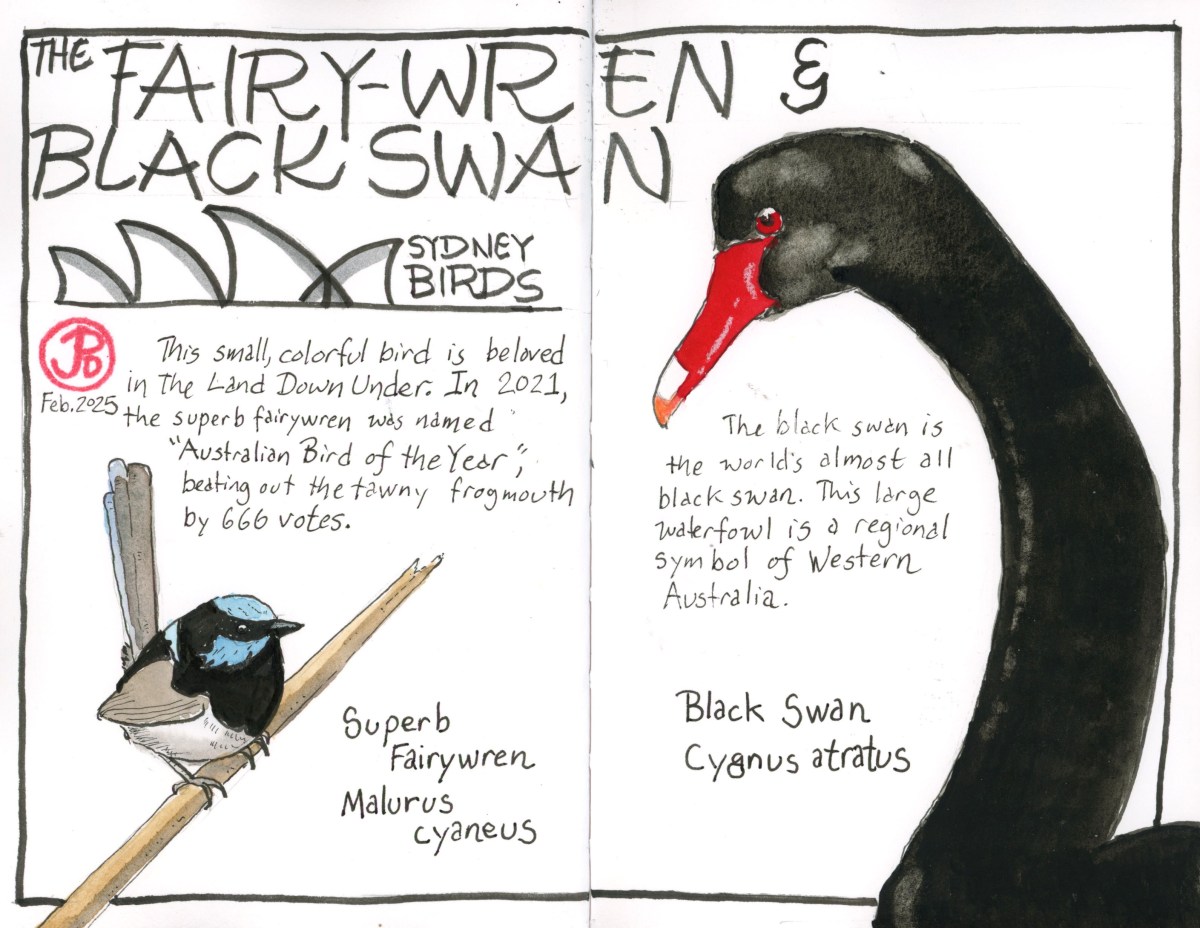
Now it was time to find the 2021 Australian Bird of the Year, the superb fairywren.
As I walked by every trail side bush, I listened for the tell-tale trill of a fairywren, even though I had never heard one before.
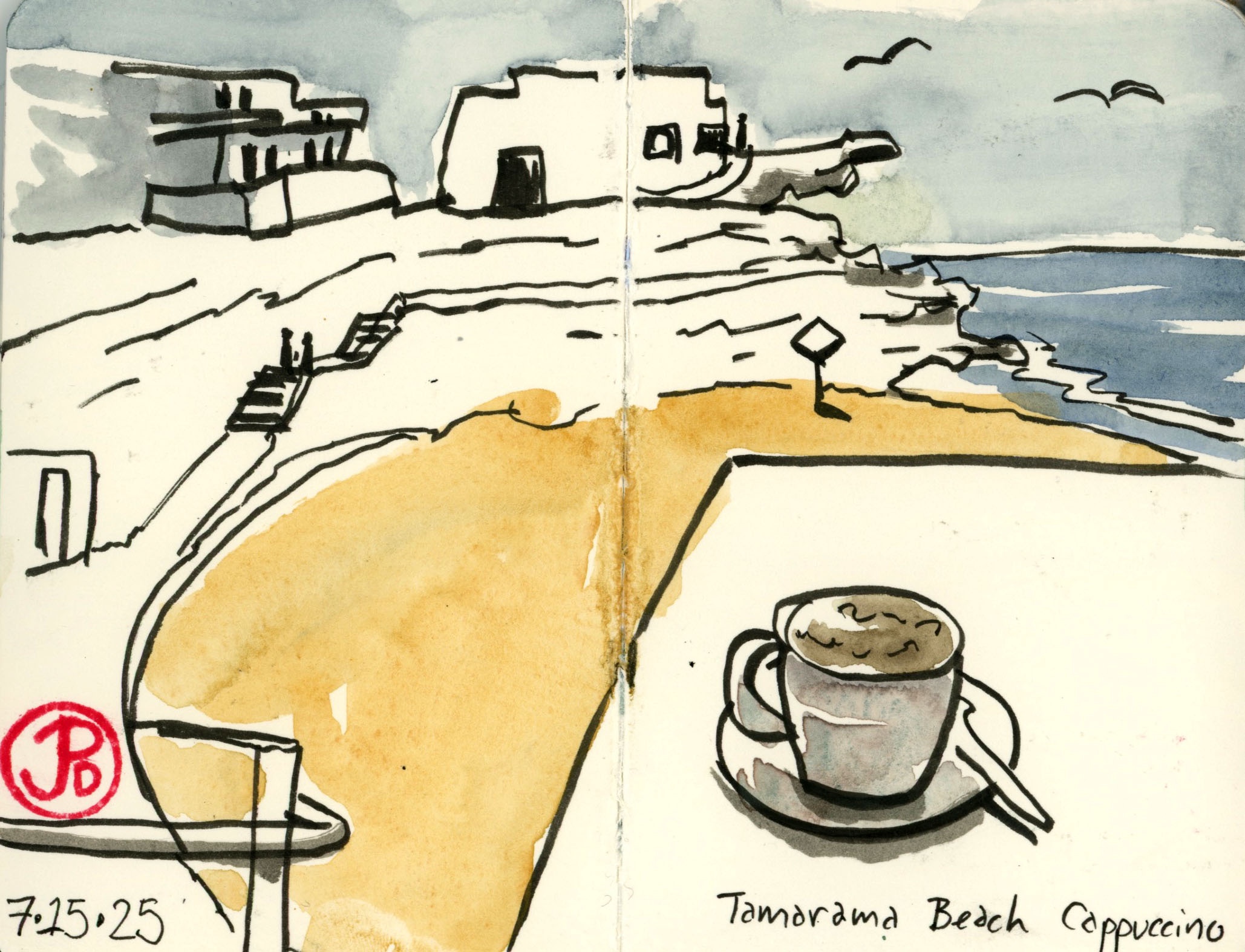
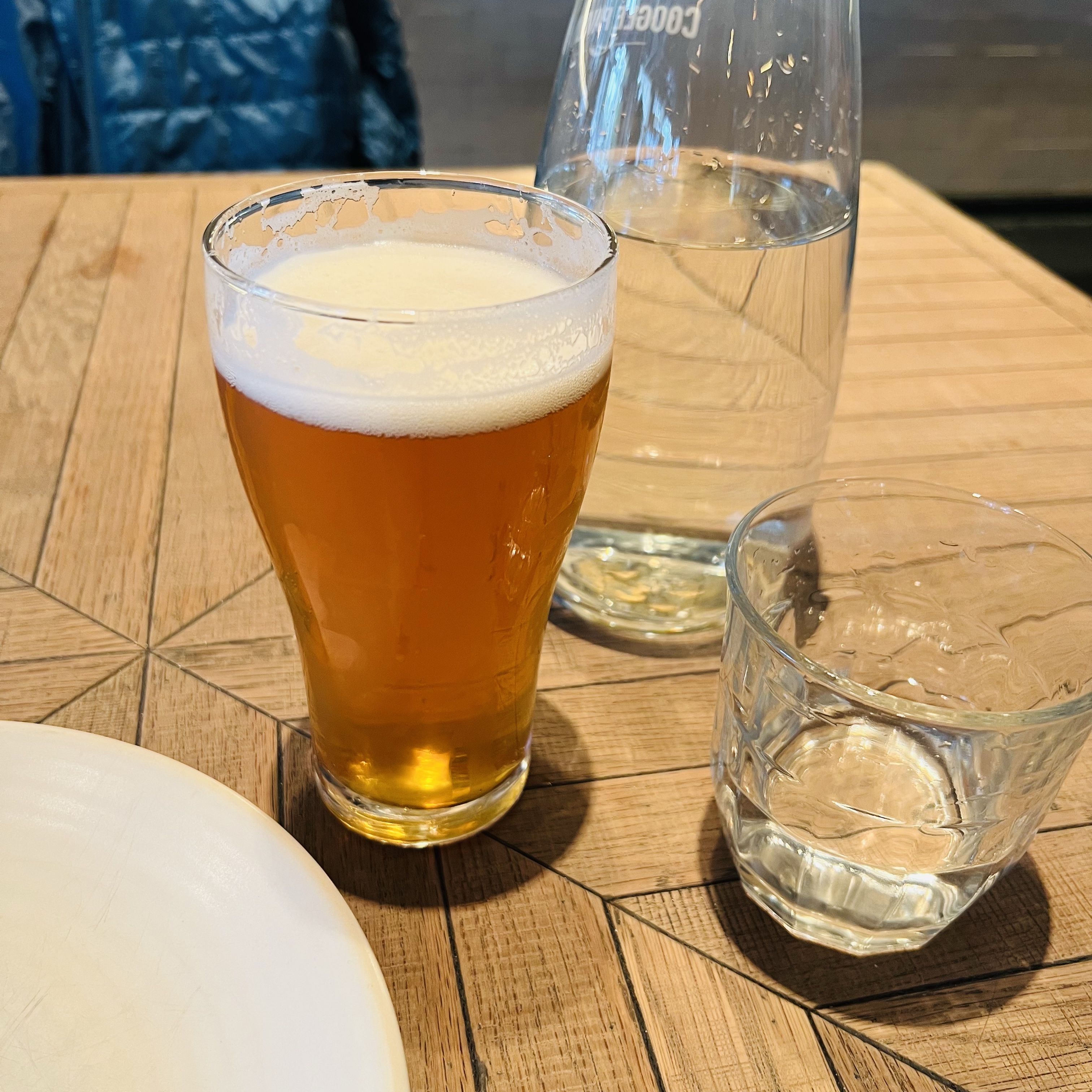
The nice thing about the walk is there are plenty of places to stop and have a cup of joe. I stopped at the cafe at Tamarama Beach and had a cappuccino and sketched the scene over my seaside table.
After finishing my cappuccino, I continued my southward journey towards Coogee. As I neared Waverly Cemetery, the bushes grew denser and more birdy. I heard a high trill nearby and knew there must be fairywrens.
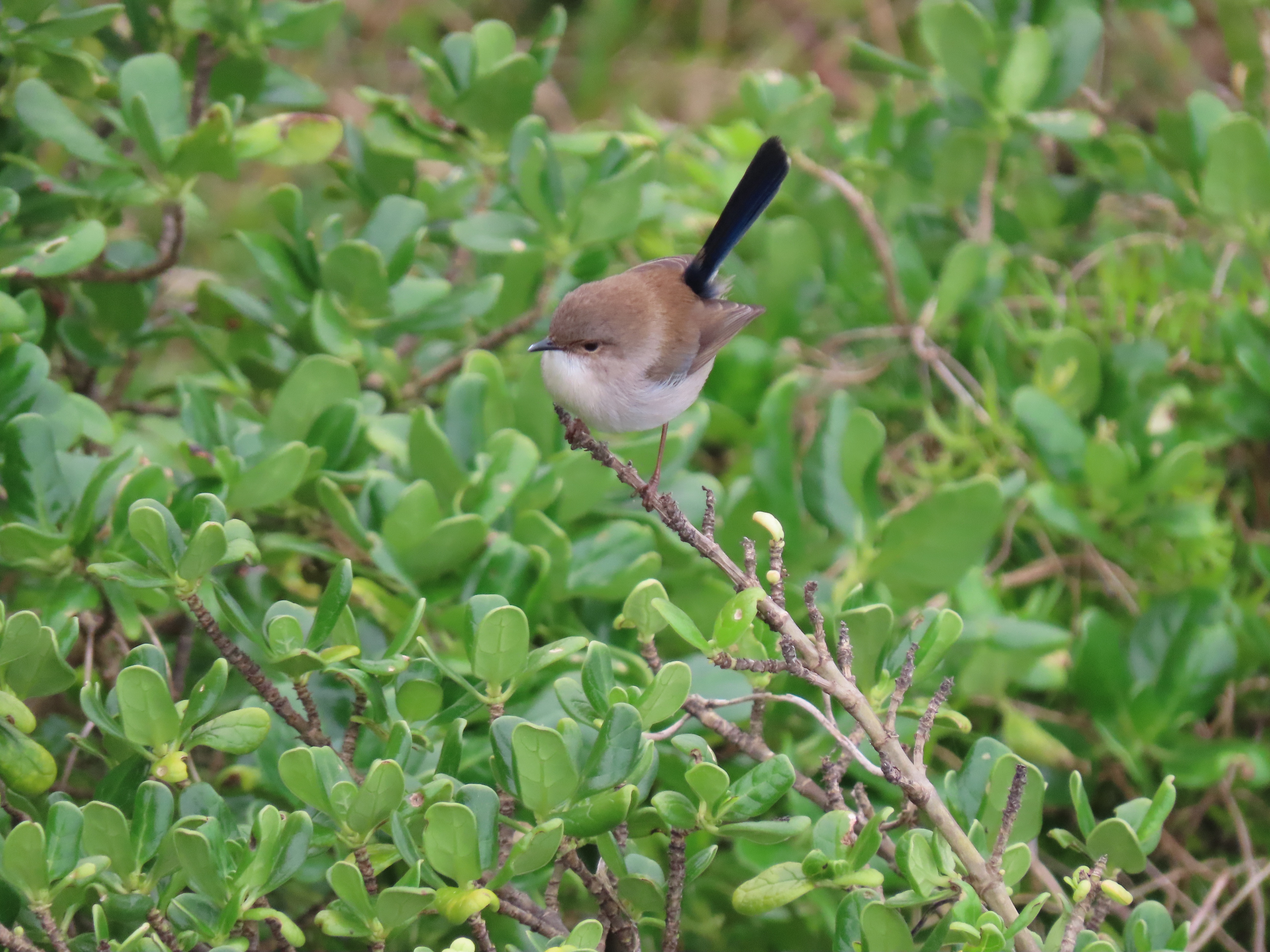
I saw movement in a seaside bush below. With a little patience, a non breeding male with a deep blue tail appeared! I knew that fairywrens forage in family groups. Now with a little more luck a stunning male would appear. So I continued waiting.
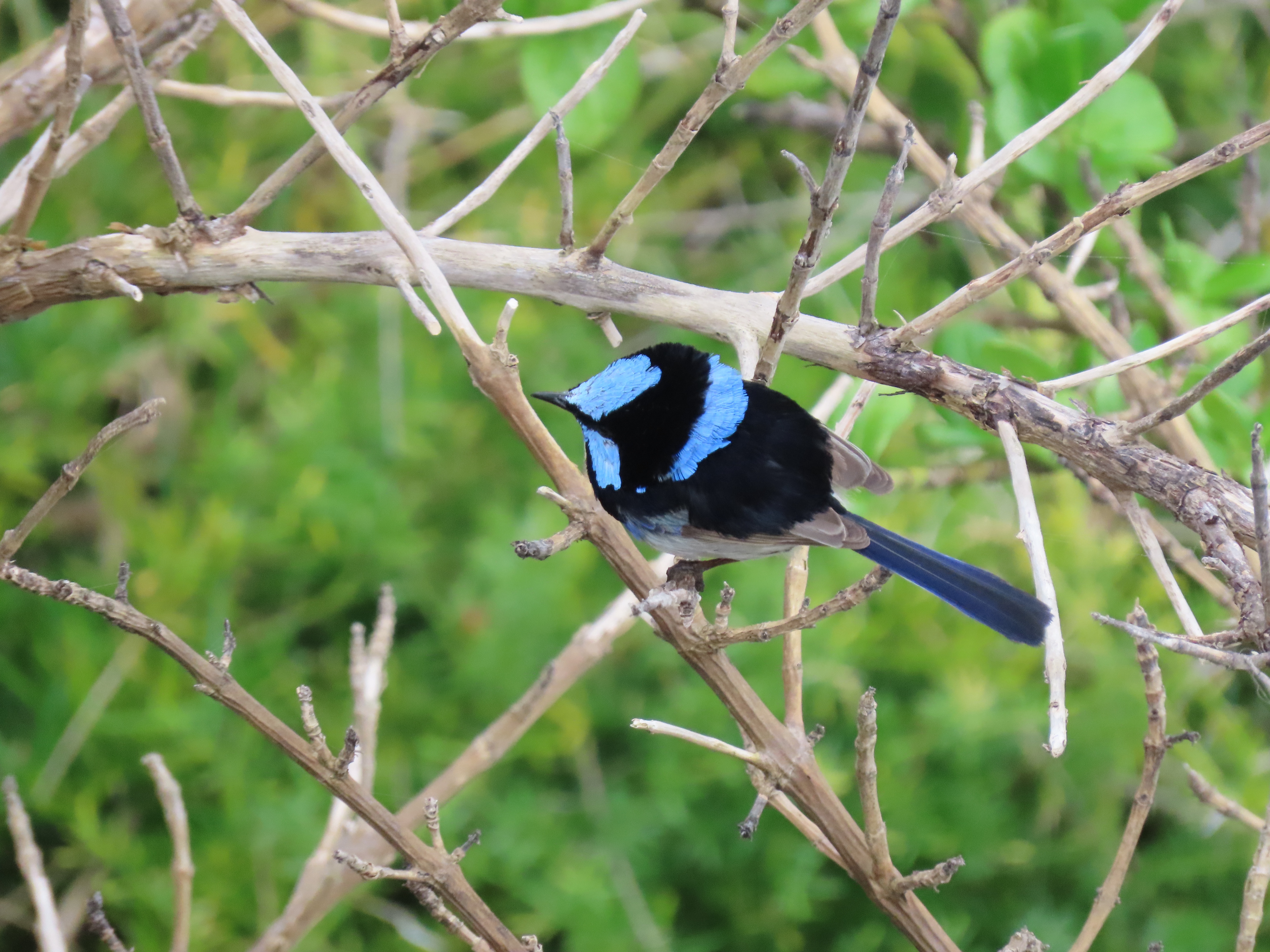
My wait paid off and I had prolonged looks at the vibrant male fairywren. He even perched out on the rock giving me many reason to understand why this was such a beloved Aussie bird!
As I continued south, bordering the cemetery I added grey butcherbird and the amazing yellow-tailed black-cockatoo.
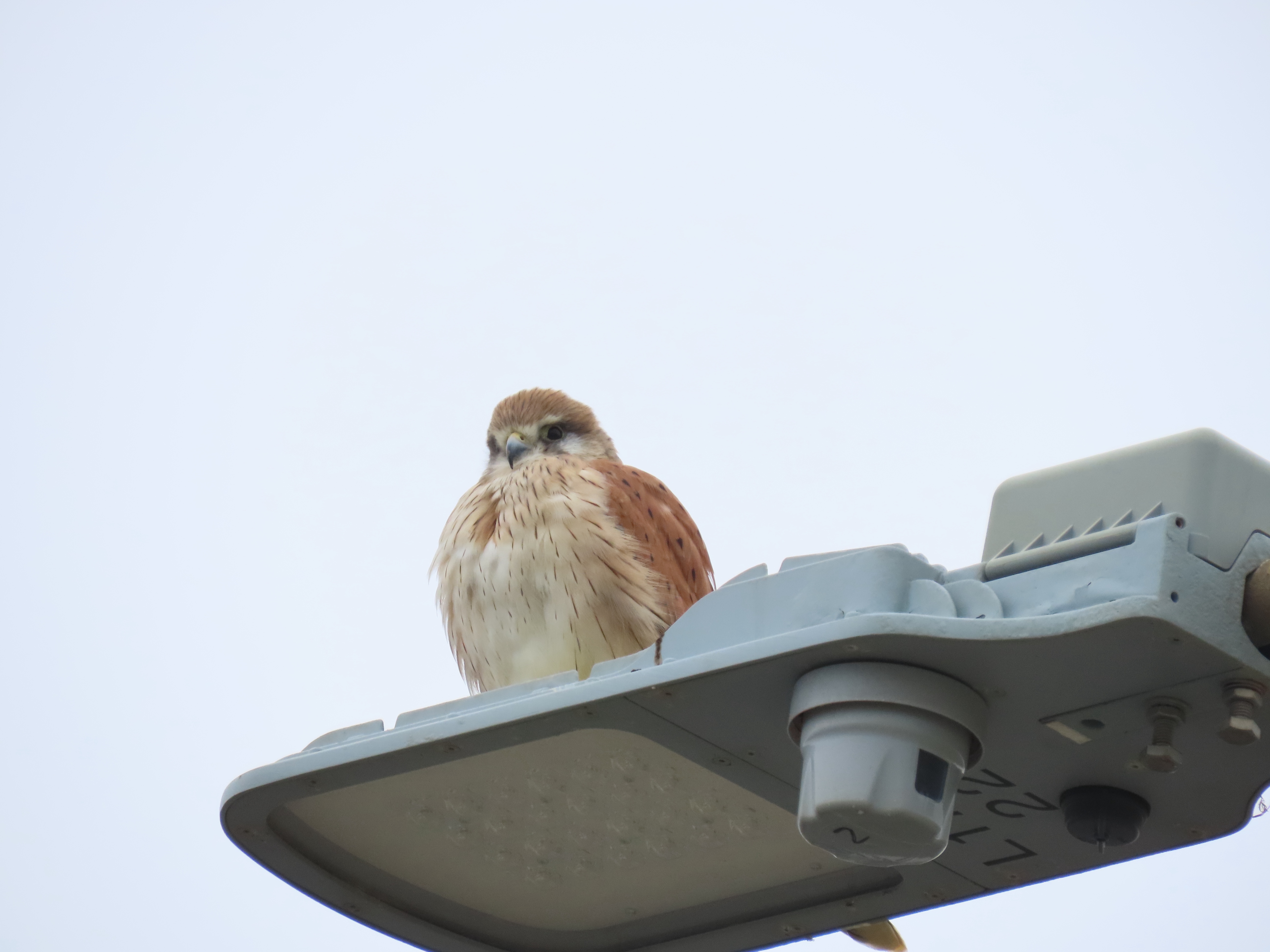
On the final third of my journey I added more birds (some lifers) to my list: my fist raptor of the trip, Nankeen kestrel, white-faced heron, another family of fairywrens, a pair of crested pigeons, New Holland honeyeaters, and a foraging gannet in Coogee Bay.
 Corvid Sketcher