Image

Maude’s Railcar Home

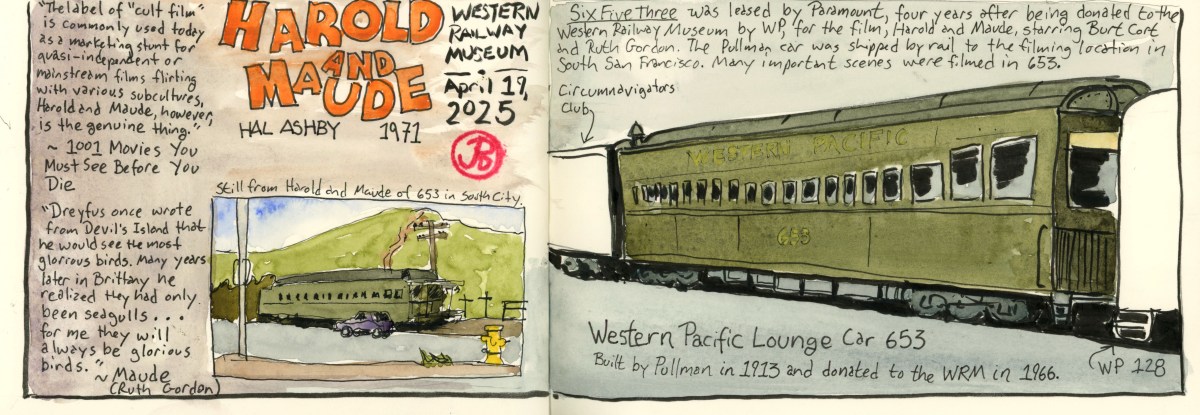
One of my favorite movies of all time is Hal Ashby’s Harold and Maude (1971).

It is a great cult classic and is a very quirky and eccentric film that is now widely praised while being panned and ignored during its initial release.

One other reason I really enjoy this film is that it was filmed on location in the San Francisco Bay Area and the Santa Cruz Boardwalk and Wharf.

This film provides a snapshot of what the Bay Area looked like in the early 1970s, back when I came into the world. The area has changed a lot over the last 50 years, yet some things do remain the same.
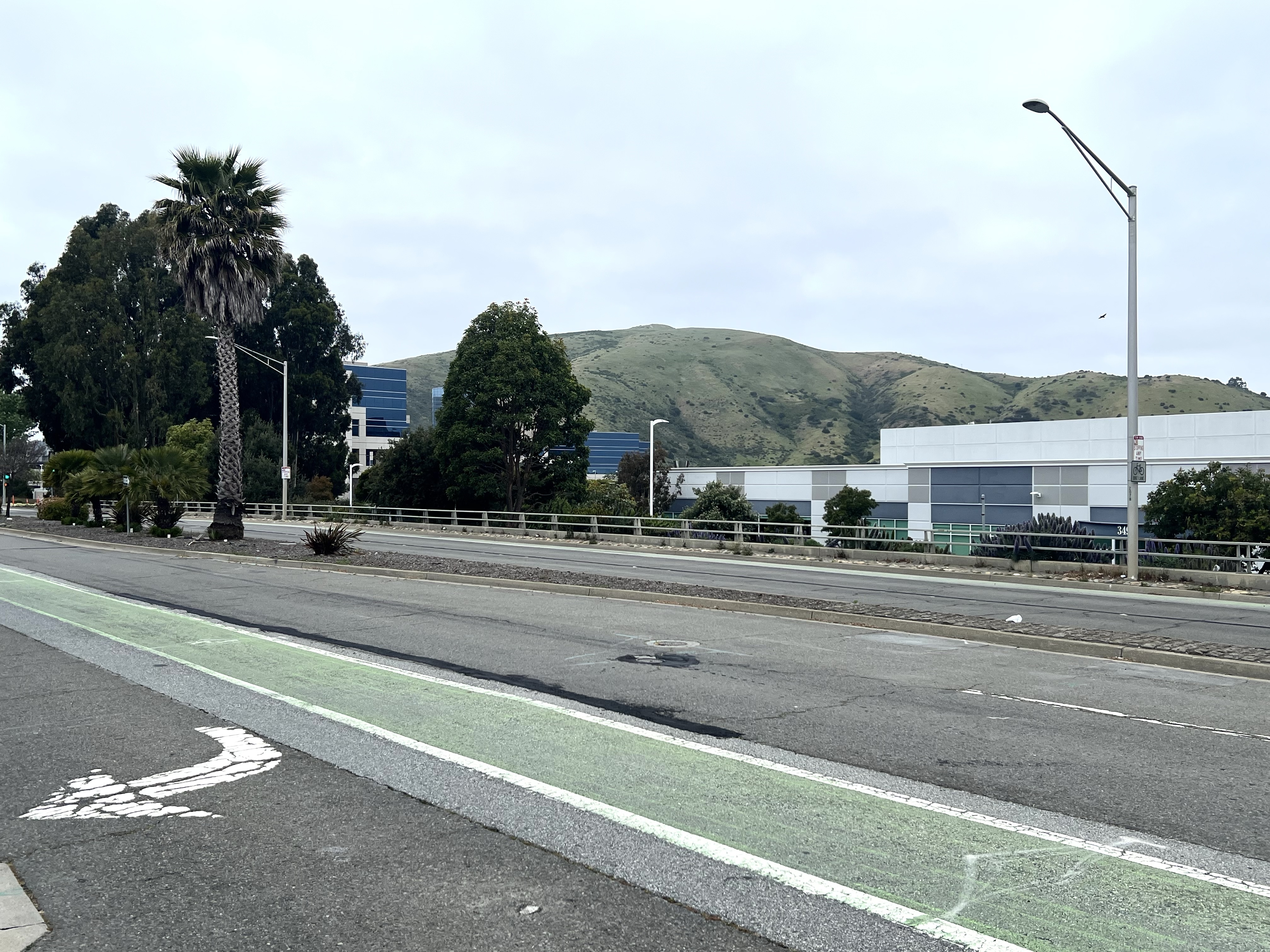
This is Oyster Point Boulevard between Eccles Avenue and Gull Drive in South San Francisco. There was once a rail siding here and this is location of Maude’s railcar home. The rails are now gone, they were taken up when the street was widened. The green hills in the background are still there but the foreground is much changed and are now blocked by biotech buildings and taller trees. (South City prides itself as the “Home of Biotech”).
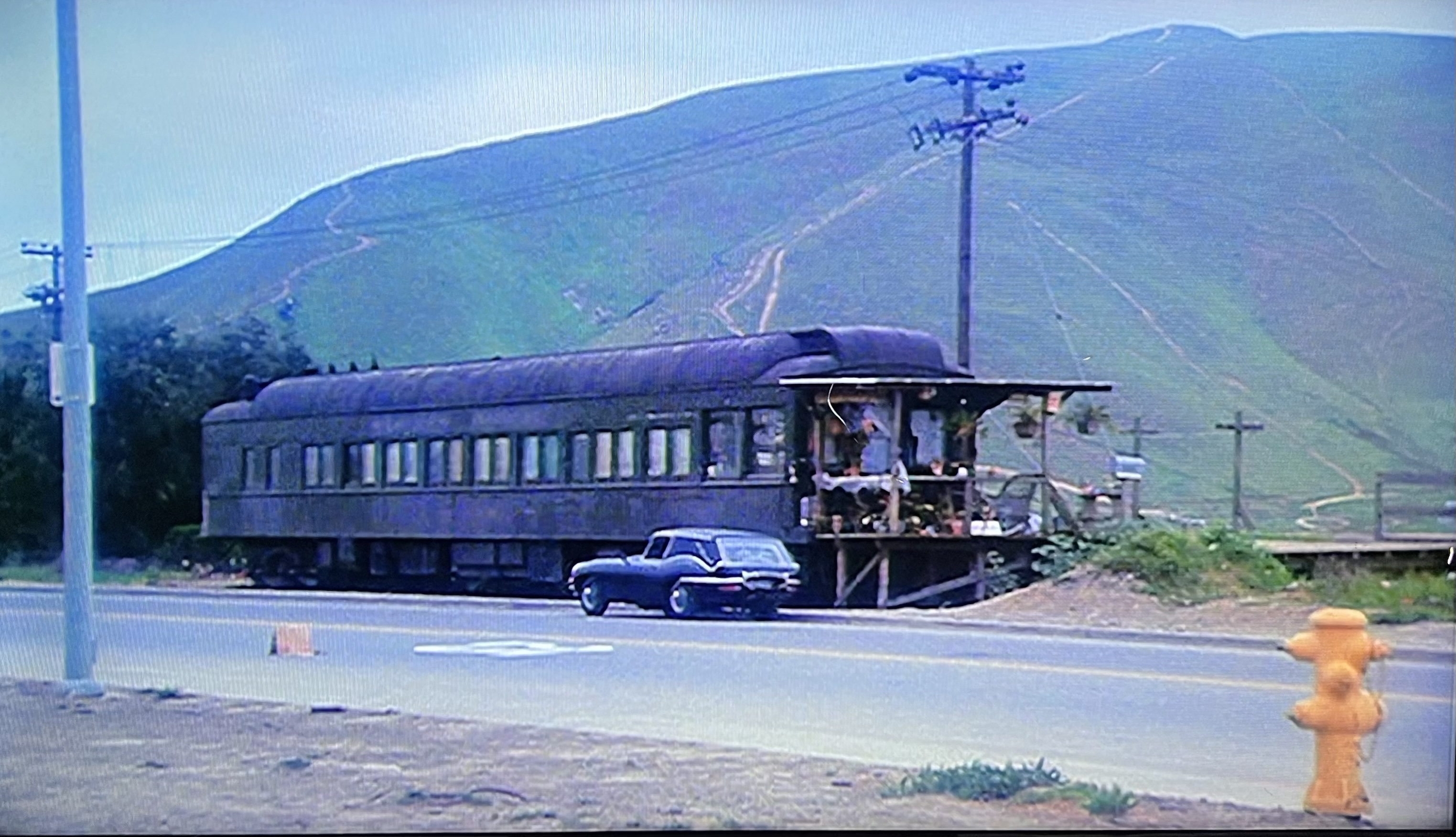
A still from Harold and Maude showing Maude’s railcar home and Harold’s Jaguar-hearse on Oyster Point Boulevard between Eccles and Gull. There is still a fire hydrant at this location.

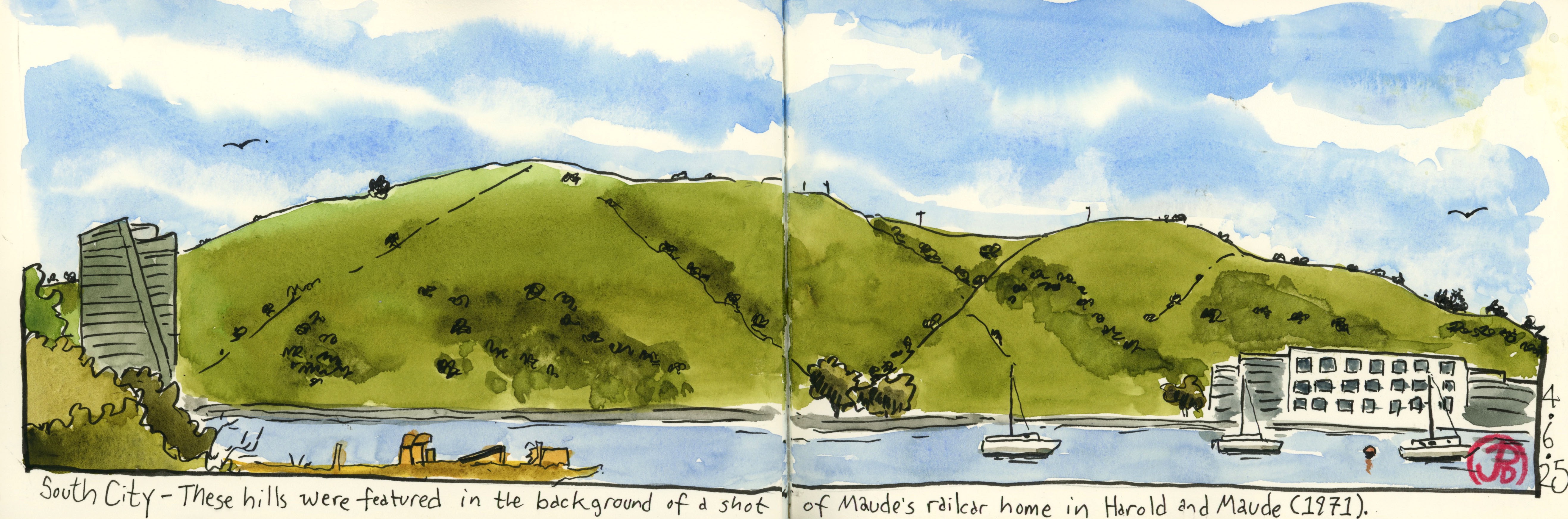
I headed behind the biotech buildings to the San Francisco Bay Trail to get a view of the green hills that were the background to the shot. The hills look much the same as they did in the early 1970s. I found a bench and started a sketch in my panoramic sketchbook.
Maude’s Pullman

The passenger car used in the filming of Harold and Maude is Western Pacific’s lounge car 653.

The car was built by Pullman in 1913. It was originally built as a sleeper car and later converted to a buffet lounge car in 1931.

In 1939 Western Pacific used the car on the “Exposition Flyer” from Oakland to Chicago. WP operated the passenger service from Salt Lake City to Oakland through the famed Feather River Canyon. The route was later replaced by the California Zephyr in 1949.

Western Pacific donated the car to the Western Railway Museum (then named the California Railway Museum) in 1966.

Universal leased the car from the museum and it was shipped by rail to the filming location: a rail siding in South San Francisco. Filming took place in 1970/71.
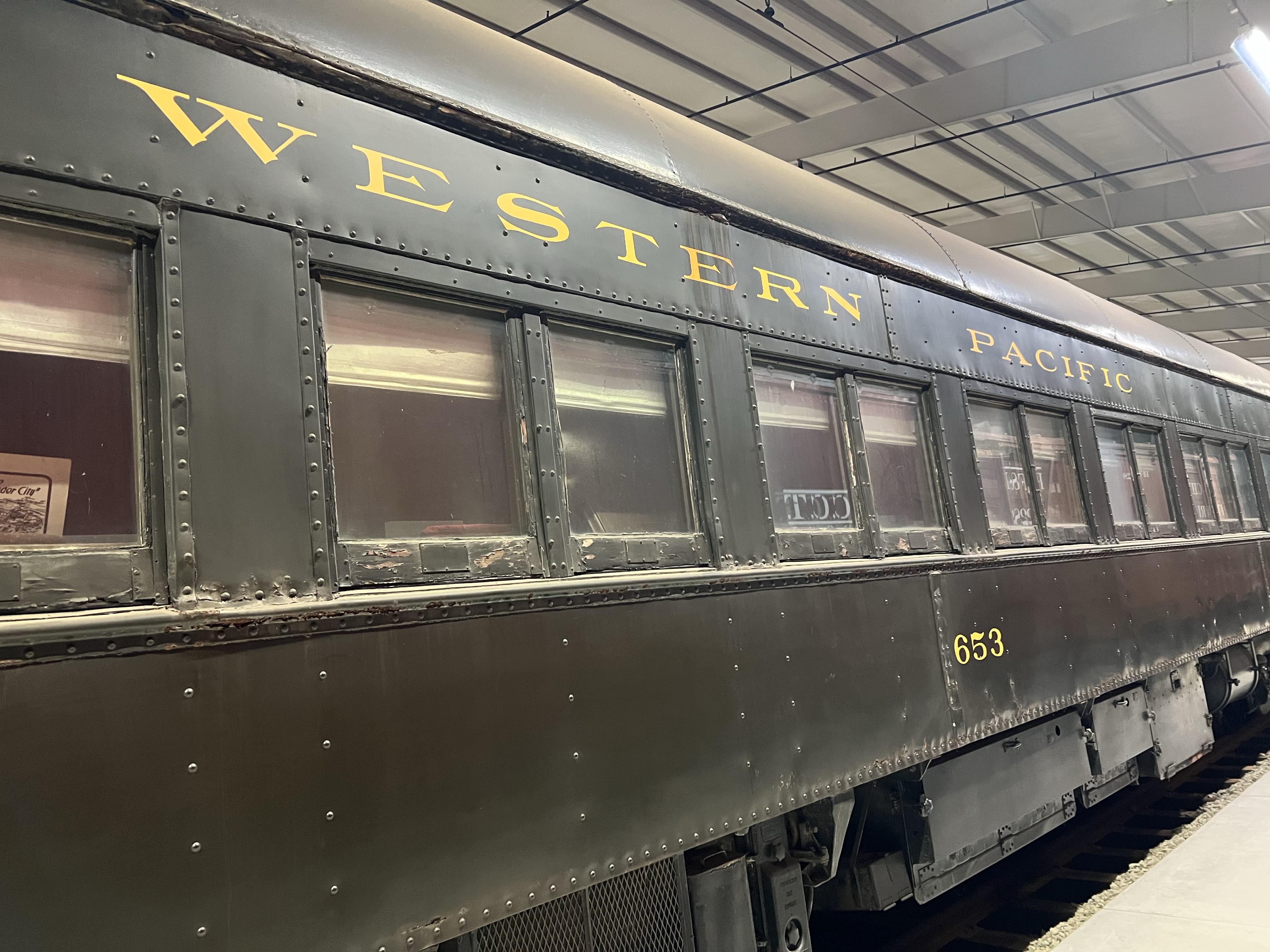
A piece of movie history at Rio Vista Junction.

The exterior of 653 is featured in the film but many important scenes where filmed inside the Pullman car, such as when Maude (Ruth Gordon) sings “If You Want to Sing Out” (by Cat Stevens), at the piano.

I was delighted to find that this piece of rail and film history still exists and is perverse in the Jensen Carhouse at the Western Railway Museum at Rio Vista Junction.

I was able to enter the carhouse on a tour and get a sketch from the same perspective seen in the above movie still (featured sketch). The nearest end of the car from my sketching perspective served as Maude’s entrance.
Image

March 25, 1932

Today would have been my dad’s 93rd birthday.

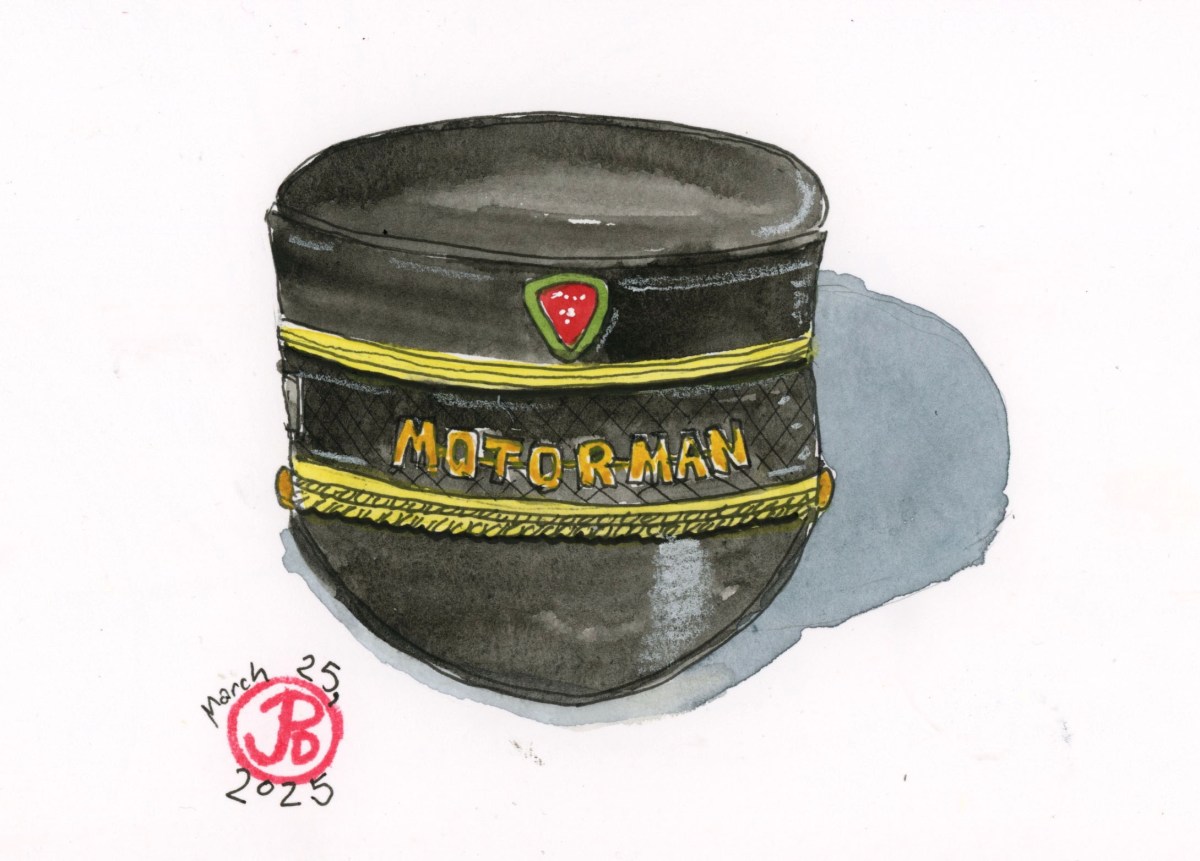
He left us almost 10 years ago. I chose to sketch one of my favorite objects I have: his Motorman’s hat.

On a recent visit to the Western Railway Museum, where my dad was a volunteer motorman, I bought a copy of a dvd about the museum called “Ride Through History”.

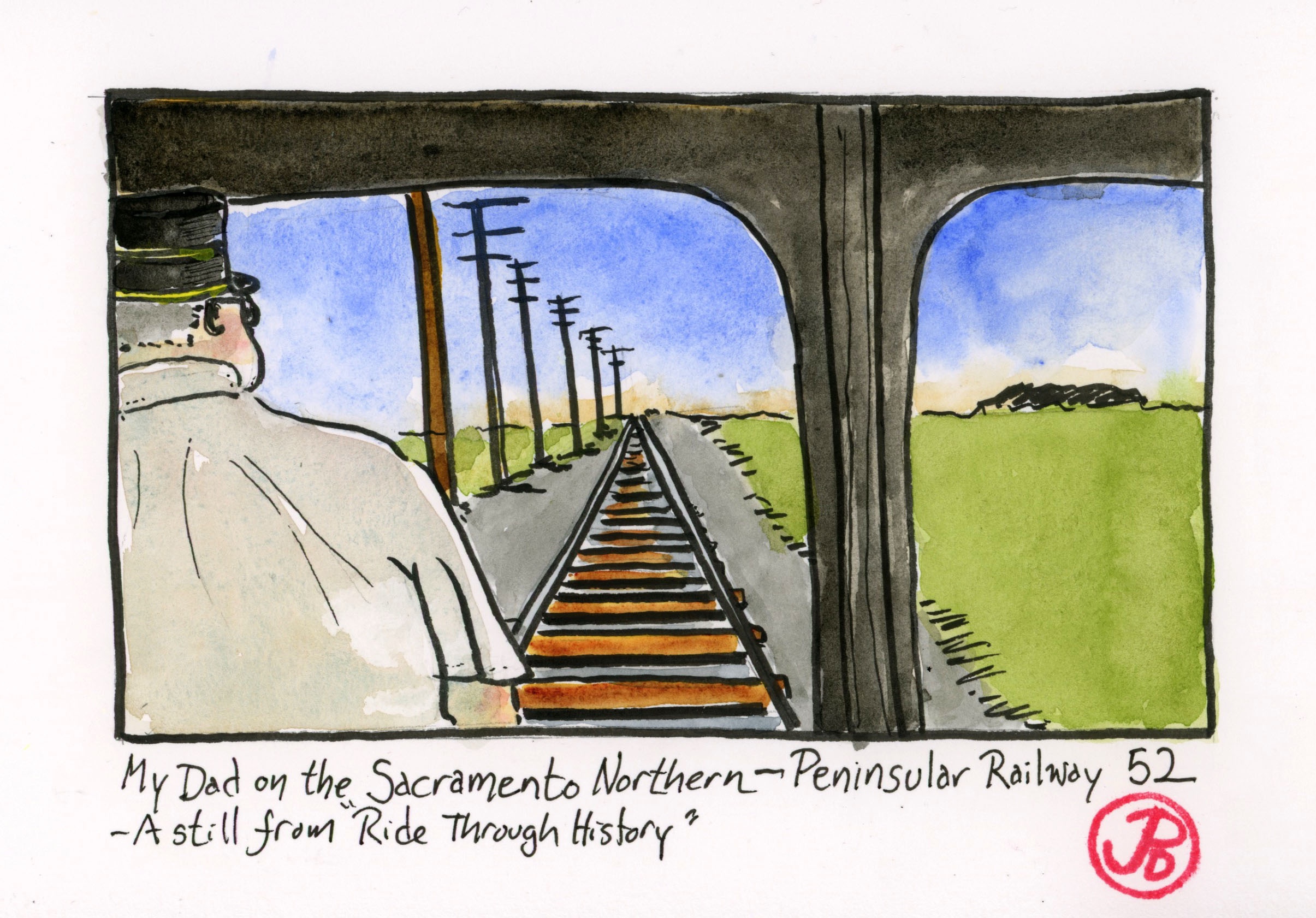
The dvd is narrated by rail enthusiast and Bay Area Radio Hall of Famer Fred Krock and follows Peninsular Railway No. 52 as it rides around the museum and on to the former Sacramento Northern tracks.

Car 52 rides out to the end of the line at Bird’s Landing Road (about six miles) and then changes ends to head back to the museum.

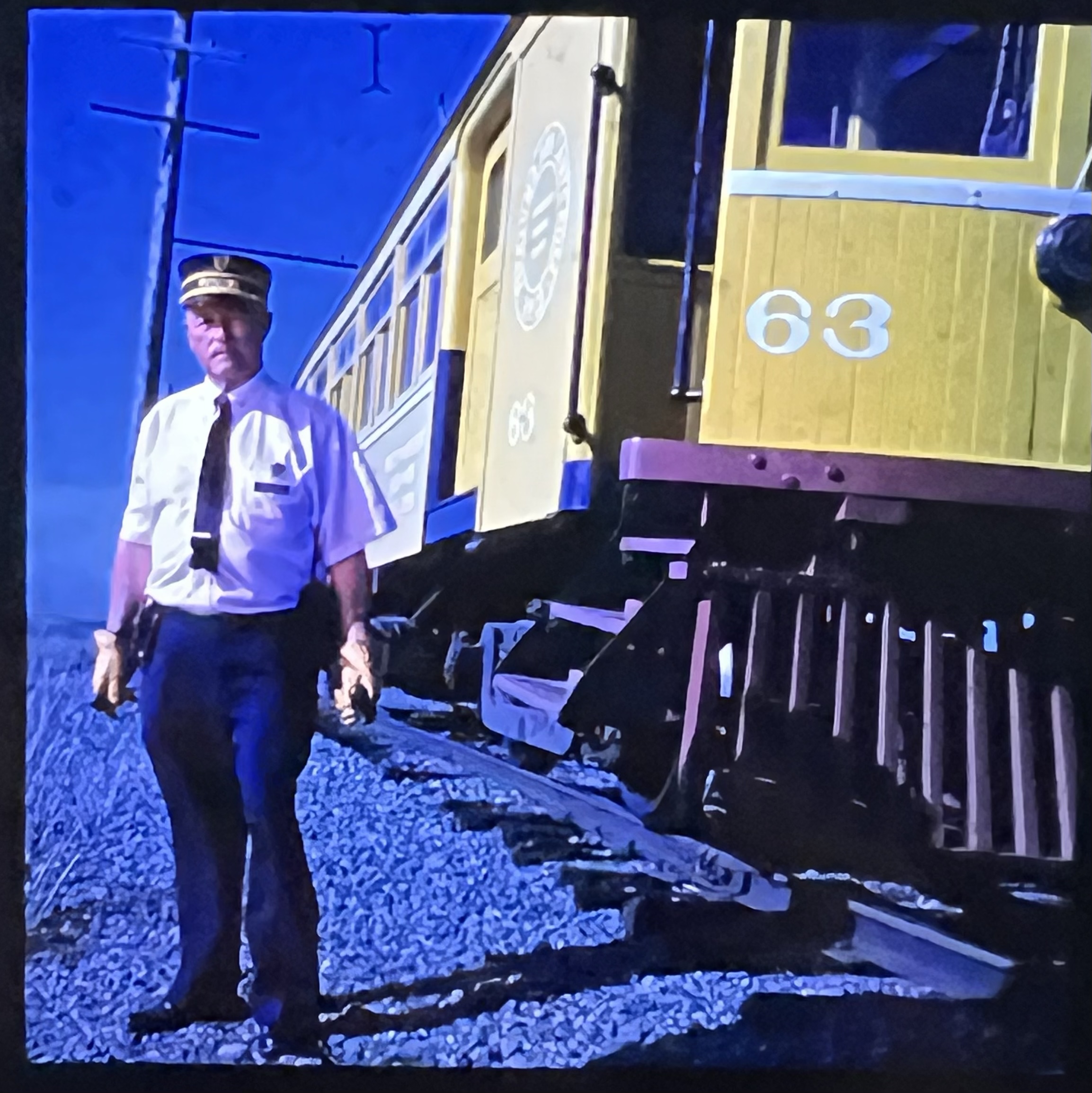
As the car heads back, there is an over the shoulder shot of the motorman and the rails ahead that reach out to the horizon. The man in the foreground is my dad!

There is a special feeling of joy and sadness upon seeing my father doing something he loved but also the finality of his passing.

A photo I took of my dad, the streetcar motorman.

In remembrance, I sketched his hat and a still from the dvd.

Image

The Jensen Carhouse

On Saturday I headed out to the Western Railway Museum, and I was hoping that they had enough volunteers to open the Jensen Carhouse.

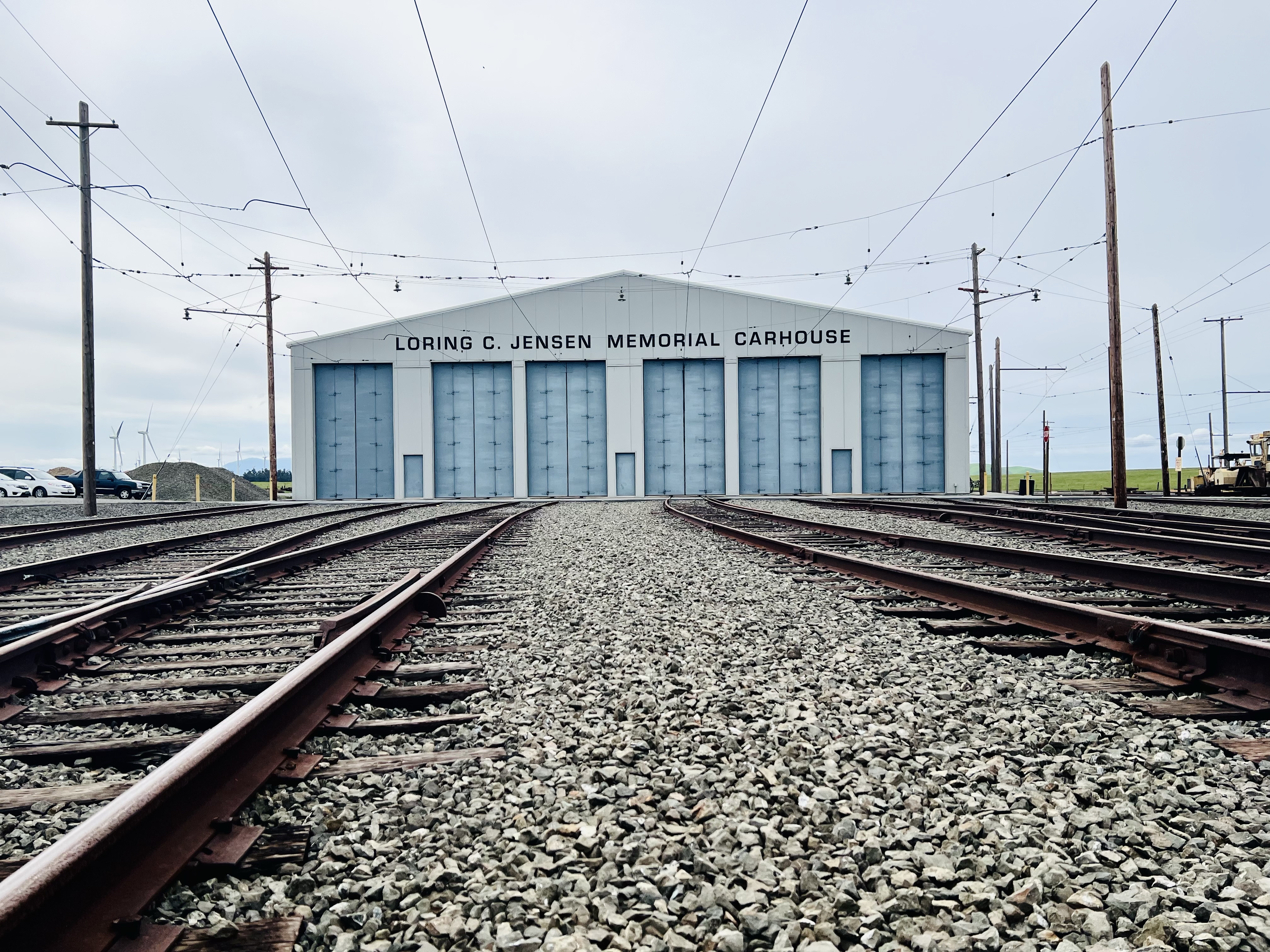
The impressively large carhouse was built between 2004 and 2008 at an expense of $2.5 million. The indoor storage facility is the most ambitious project the museum has ever undertaken. It allows some of the museum’s vintage cars, locomotives, and streetcars to be stored and protected from the sun, rain, and wind of Solano County.

The only problem: if they do not have enough volunteers, the carhouse does not open to the public.

On my past two visits, the doors remained locked and closed.

The six bays of the Jenson Carhouse.

This Saturday, the carhouse would be open! And I had a few residents that I wanted to sketch!

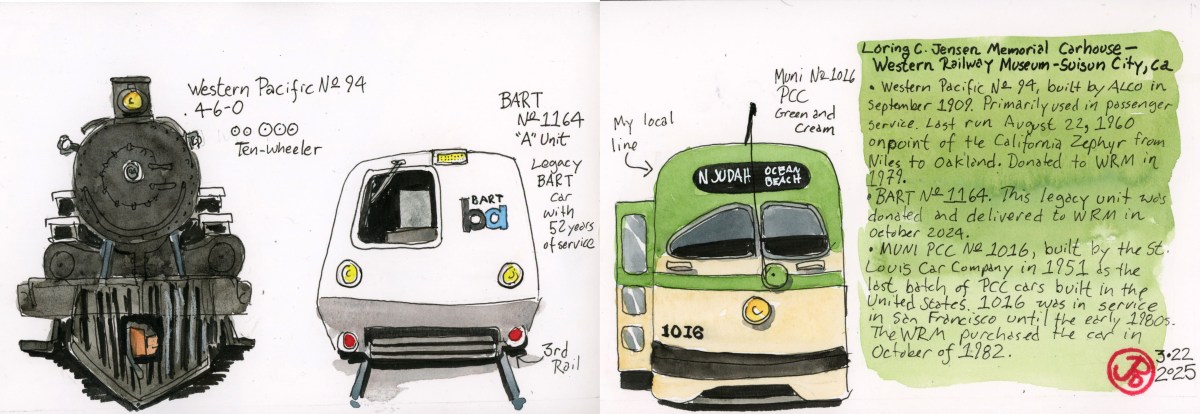
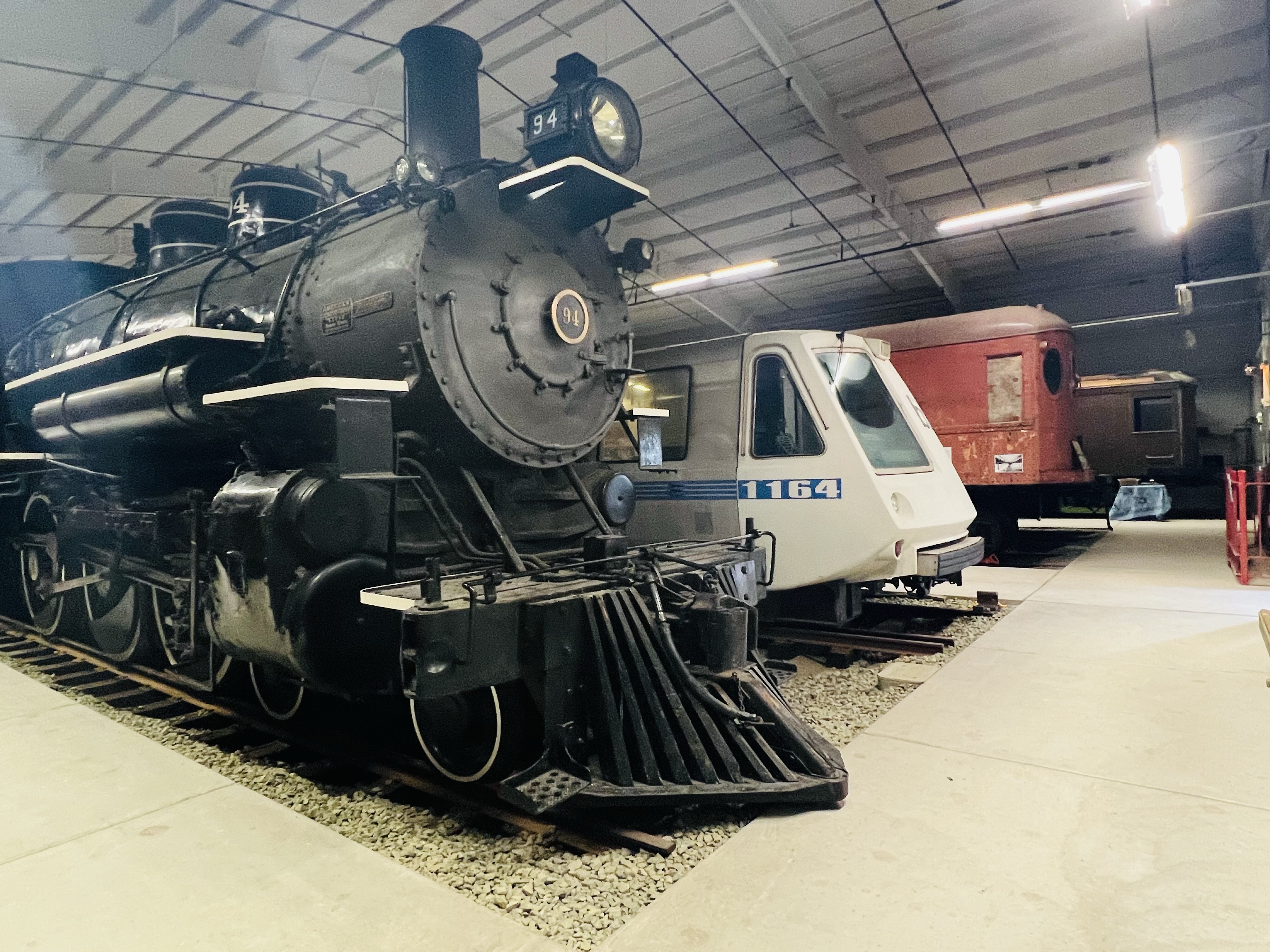
The number one resident I wanted to sketch was the Western Pacific 4-6-0 steam locomotive No. 94.

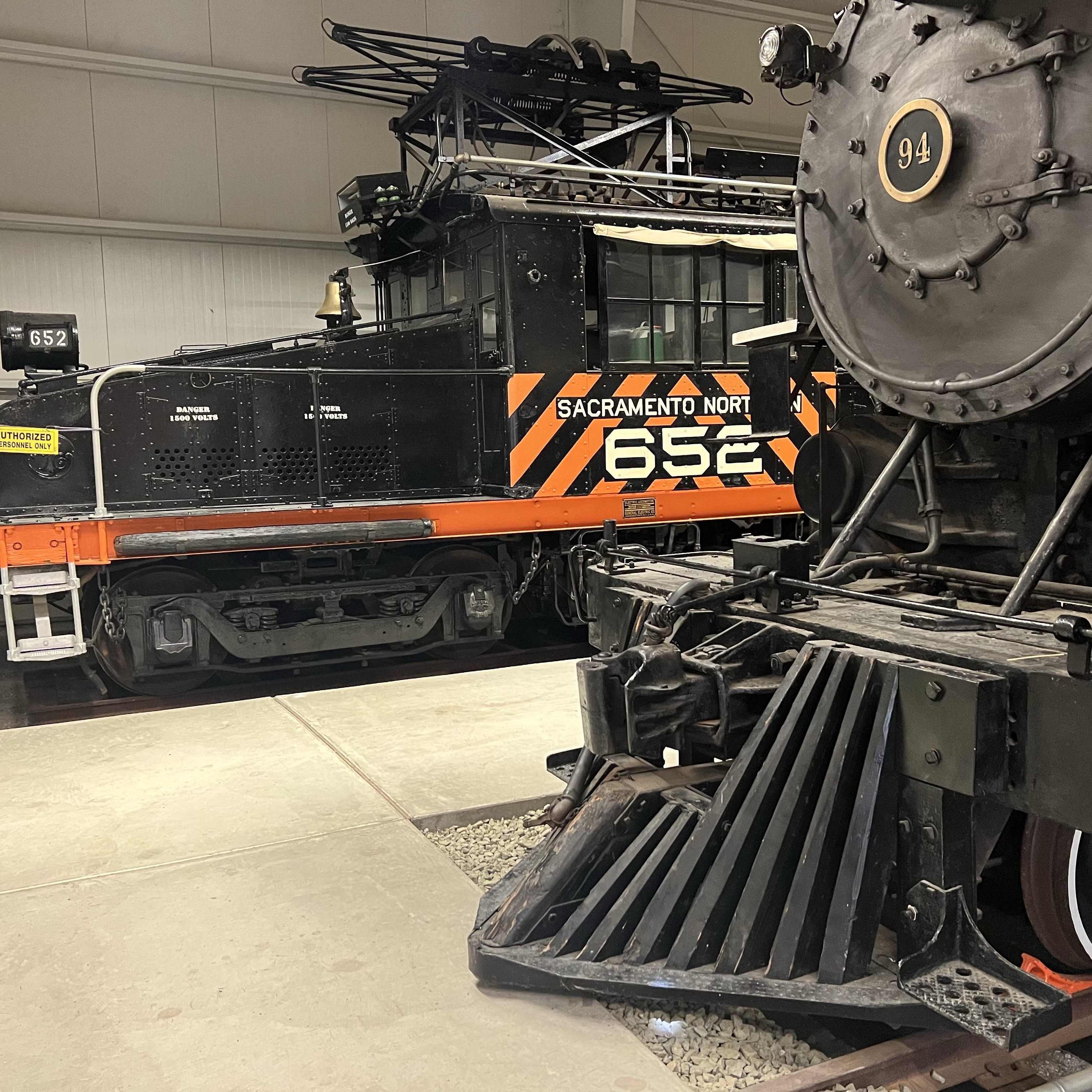
Two ends of the transit spectrum: steam and electric. Western Pacific’s No. 94 and Sacramento Northern’s No. 652.

Western Pacific 94 was built by American Locomotive Company in 1909. The twenty locomotives in this class were used for passenger service. WP was an early adopter of diesel power and steam ended on the WP in April of 1953. 94 was kept for excursion service. The locomotive was last operated on August 22, 1960 when it was on point of the California Zephyr between Niles and Oakland as part of the 50th anniversary of the passenger service. 94 was donated to the museum in 1979.

The next piece of transit history I sketched was the newly arrived BART legacy A Unit No. 1164. Three units were delivered to the museum in October of 2024 and are now stored in the Jensen Carhouse. BART went into service September 11, 1972 and the original legacy fleet was retired after 52 years of service. The three units donated to WRM have logged more than 15 million miles while in service.

No. 94 seems to dwarf the BART A Unit.

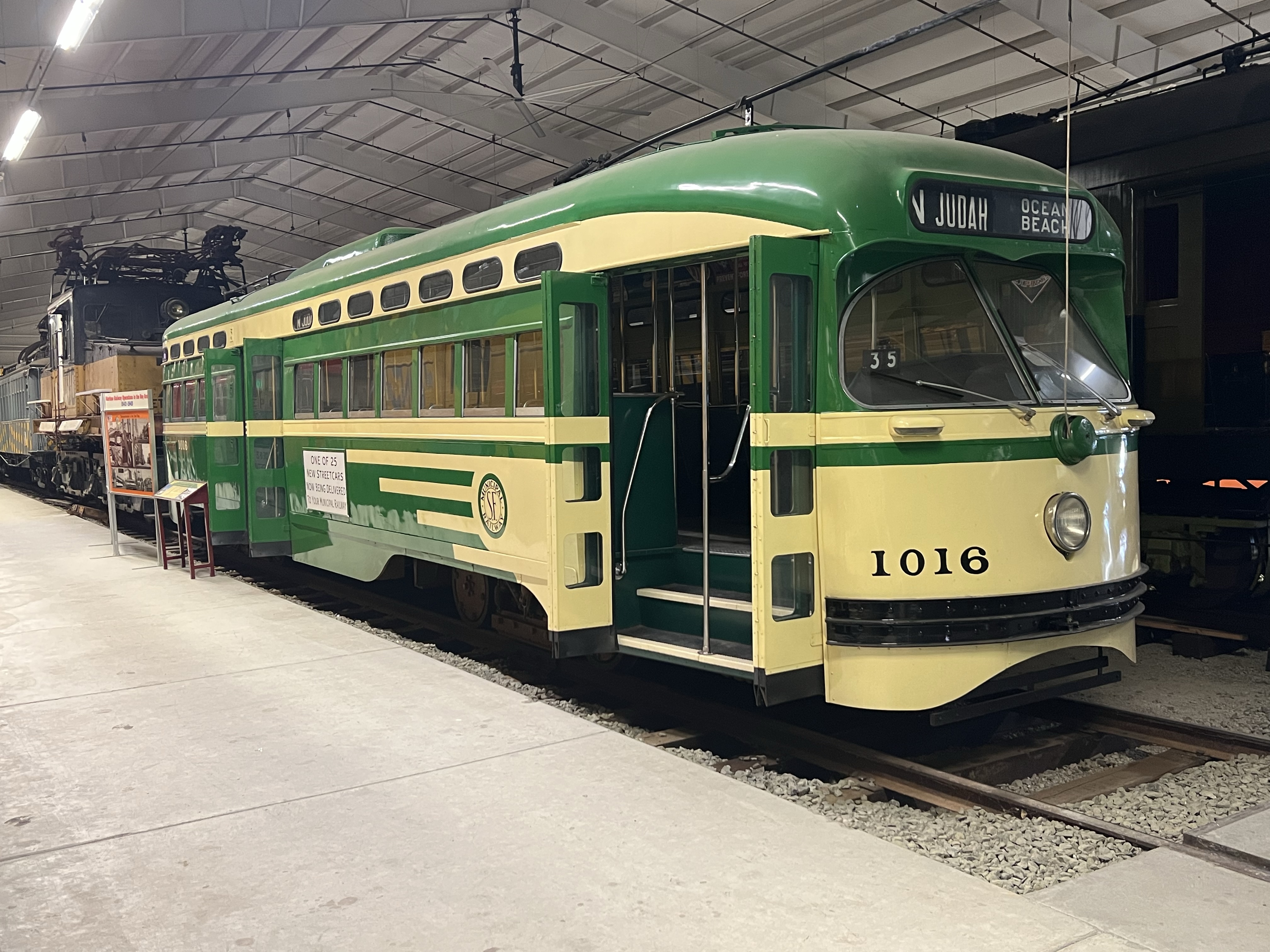
The last denizen I sketched in the carhouse is perhaps my favorite. It is San Francisco’s MUNI PCC car No. 1016. This PCC was built in 1951 by the St. Louis Car Company as part of the last batch of PCCs built in the United States.

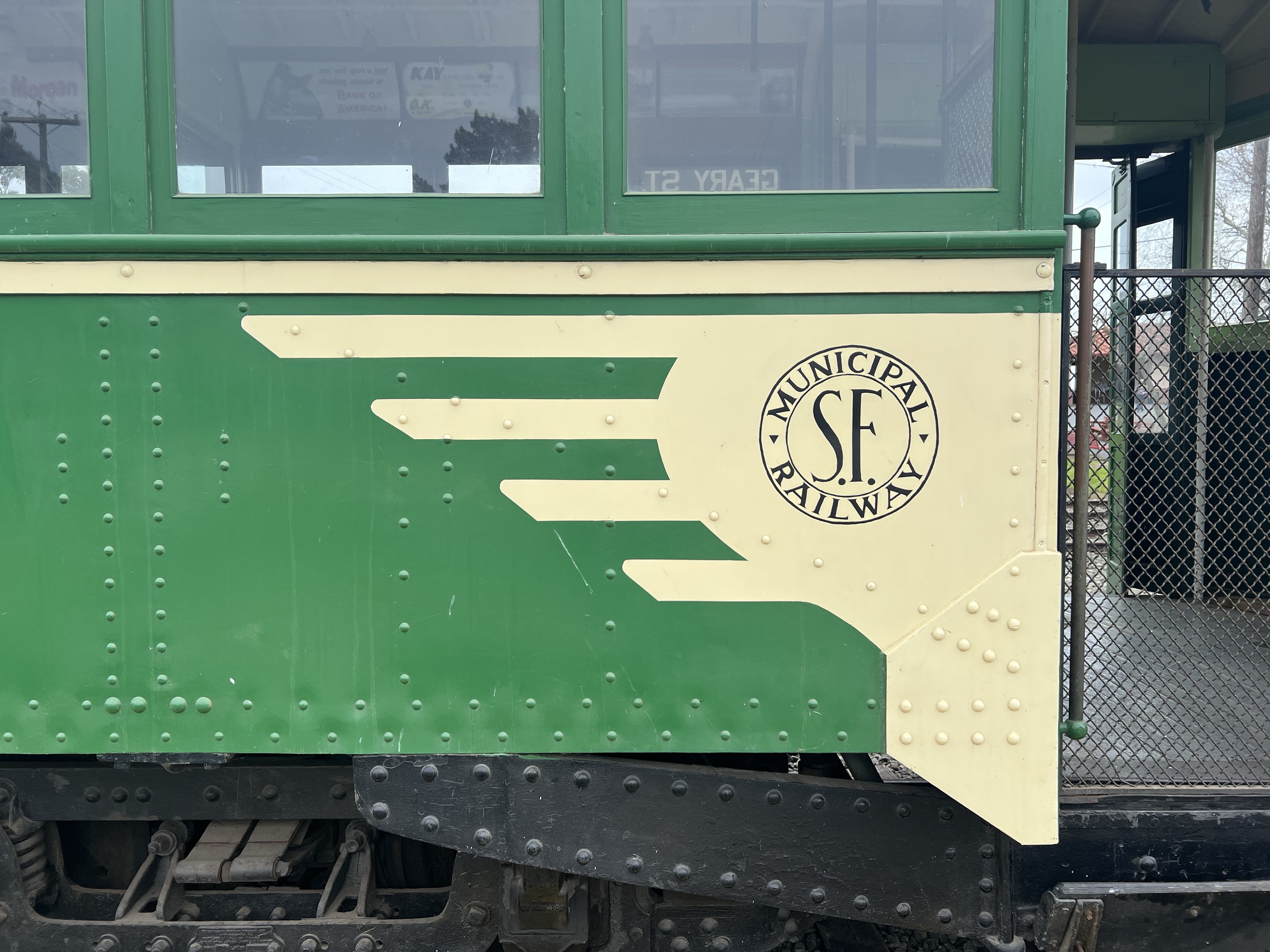
I have always loved the rounded streamlined design of PCC cars and the green and cream livery is my favorite paint scheme. This livery was developed in 1946 and features the MUNI wings.

MUNI’s famous wings on K-type car No. 178. This car type is affectionately known as an “iron monster”.
Image

Western Railway Museum

I have memories that stretch back over 40 years of visiting Rio Vista Junction as a child, now called the Western Railway Museum.

The museum was not as polished and a little more threadbare back then. Lot of passion for trains and streetcars but perhaps without the funds.

My father grew up as an only child in San Francisco during the age of steam, streetcars, and streamlined buses.

Dad spent much of his youthful free time riding the streetcars into the dunes before the Sunset District was developed. He told me that the operators, always Irish, would let my father take the controls while the operator ate his lunch. Such scenes are unthinkable now in the age of lawsuits, codification, and over parenting.

When I was growing up, my dad shared his passion for transit. And the active rolling stock of the museum of Rio Vista was one of my classrooms.

And when I return to the Western Railway Museum, I feel my dad’s presence.

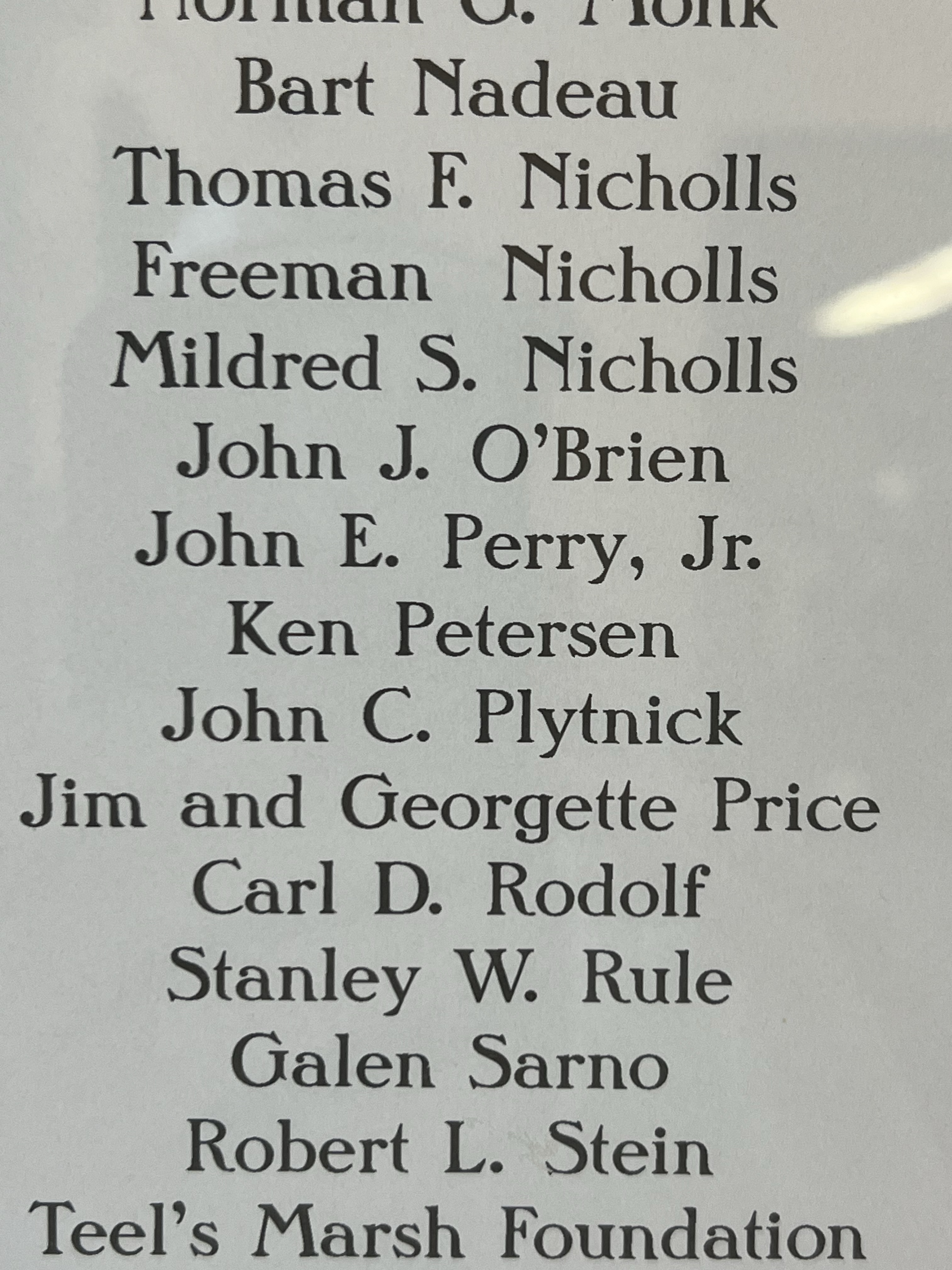
It’s not hard to find evidence of my father at the Western Railway Museum. Just inside the front door, his name is listed as a primary donor.

The old visitors center and gift shop has been replaced by a grand building reminiscent of a train depot that has a gift shop, displays, a cafe, and a research library. The new visitors center was dedicated in 2001.

When I visited the research library, there were many cardboard boxes with my father’s name on it. He was quite the collector. I was told that so far, 12,000 items from my father’s collection had been catalogued.

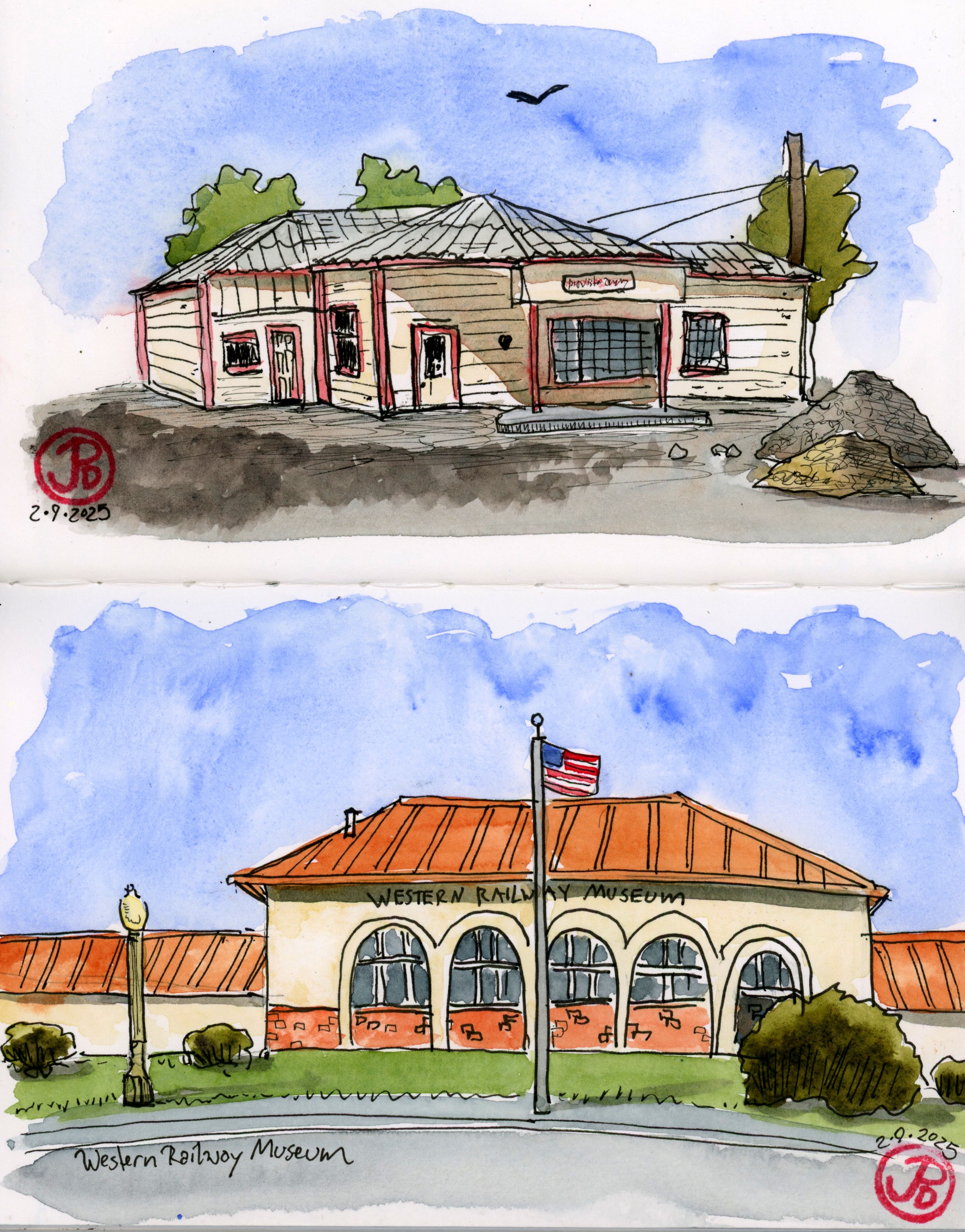
Both centers are still in existence and I sketched both as a contrast to the growth of the museum.

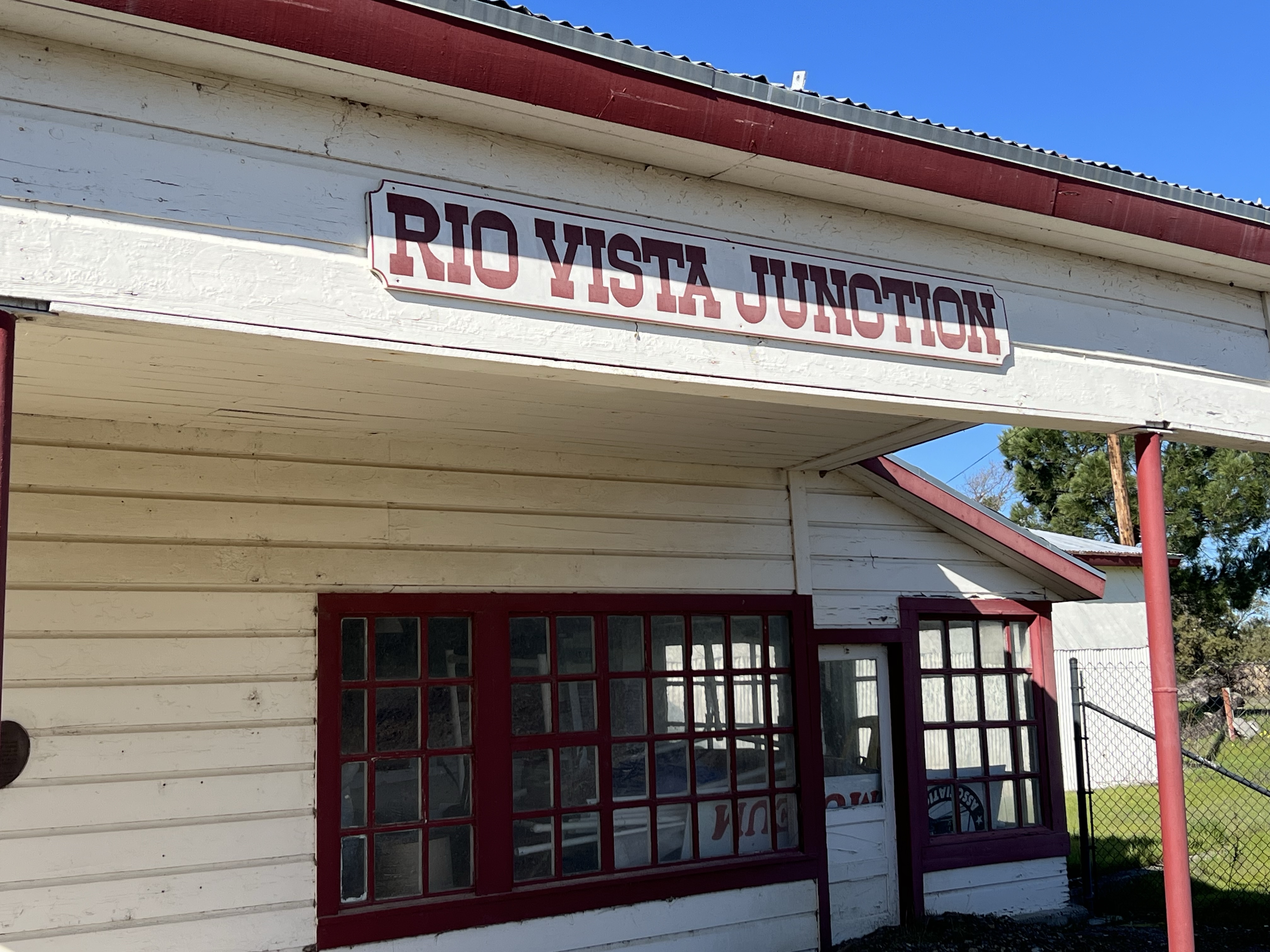
The former visitors center and service station.

The old visitor center is close to Highway 12 and the Sacramento Northern mainline and was formerly a service station. I assume this is where passengers caught buses to Rio Vista to the east.

And it seems gasoline was not the only service offered at the station. An E Clampus Vitus plaque near the front entrance reads, “Here between 1942 and 1948, the painted ladies serviced the needs of our men from Travis AFB. Closed by order of an unsympathetic sheriff.”

The old and the new, sketched in one spread.

The museum was founded as the California Railway Museum in 1960 on property at Rio Vista Junction by the rails of the Sacramento Northern Railway (the museum purchased 22 miles of the Sacramento Northern in the mid-1990s.)

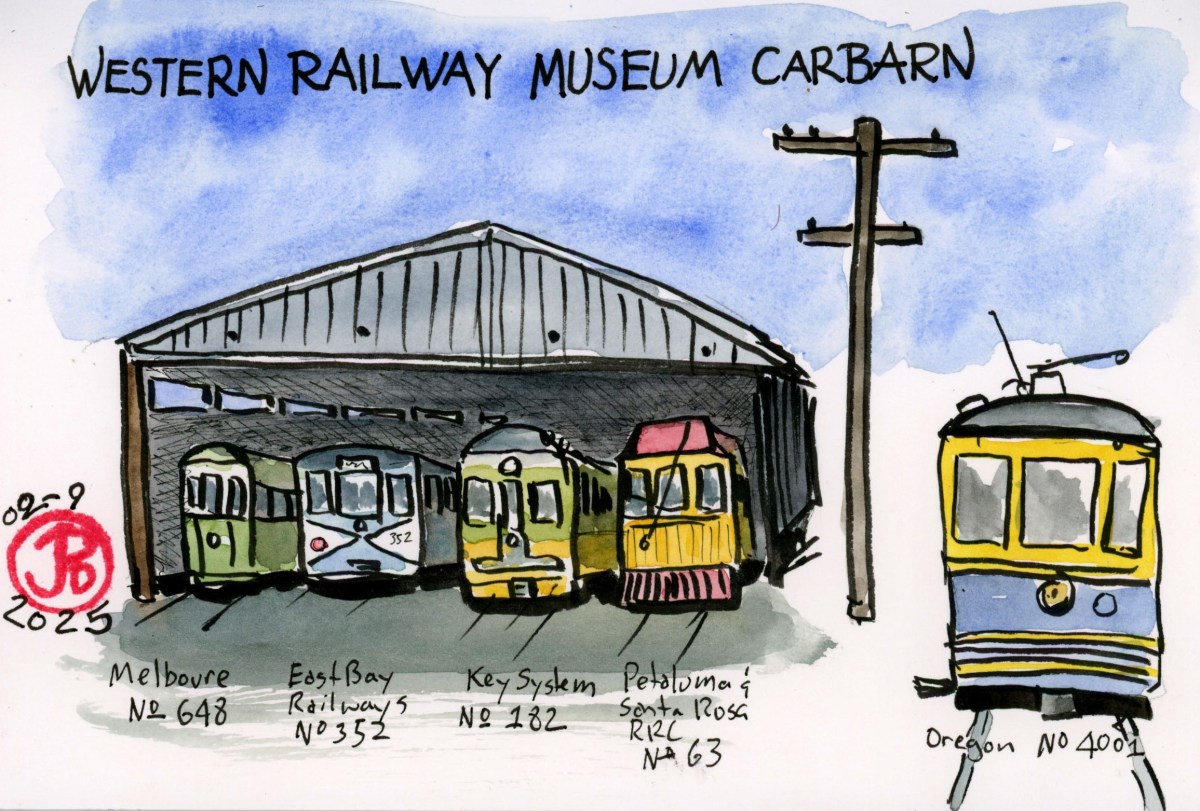
After sketching the two visitors centers from two different eras, I sketched the old carbarn.

The cars facing out (left to right) are a Melbourne car No. 648, East Bay Street Railways No. 352, Key System No. 182, and Petaluma and Santa Rosa No. 63. In the foreground to the right is Portland Traction Company No. 4001. 4001 was waiting for passengers to board.

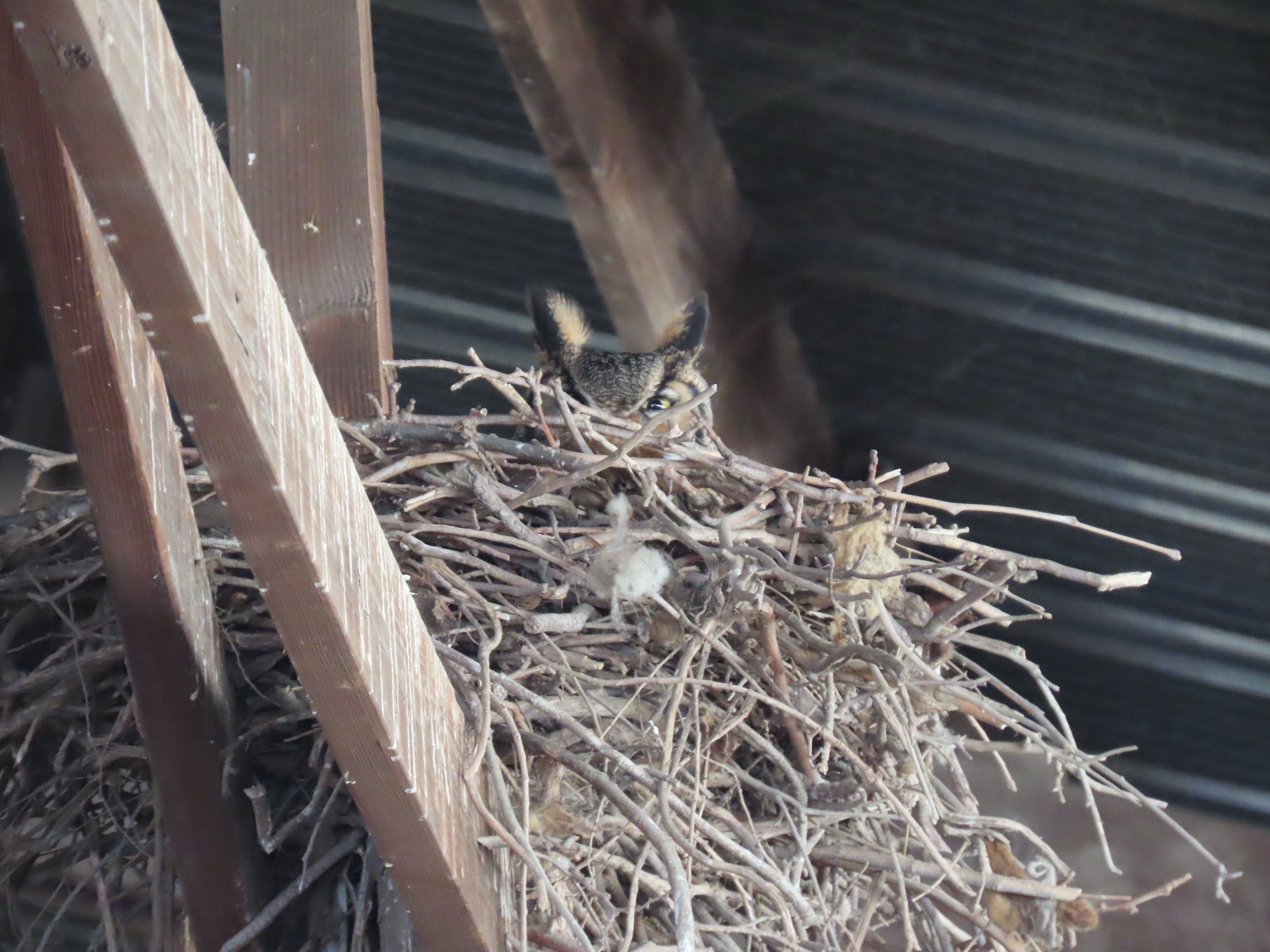
There was one other surprise in the open air carbarn. Earlier I had seen a great horned owl fly from the barn and head to the eucalyptus grove in the picnic area. While I was walking inside the barn I had noticed a very messy nest, it looked like ravens. As I walked near the nest I realized I was being watched.

This was nest was occupied by a great horned owl.