Image

Birds of Sydney: Parrots

In my neighborhood you occasionally see posters tacked up on a power poles about missing animals, mostly dogs or cats but sometimes parrots that have flown away from their gilded cages.

The only parrots seen flying in my neighborhood are escapees. Exotics in a strange land.

Parrots, especially macaws, Amazons, cockatoos, and budgerigars, are some of the most recognizable birds species in the world because they are often pets. They frequently appear in media such as books, art, and movies. Show just about anybody an image of psittacines and they will say “parrot”.

My sixth grade class pet was a budgie (native to Australia). My grandma also had a budgie before I was born. Macaws and cockatoos are mainstays at zoos and animal parks where they frequently perform at shows showing off their intelligence, dexterity, and vocal abilities.

Just last year, an organization, Happy Birds, had an assembly at my school that was a parrot show featuring a very vocal Amazon and some macaws, including the largest parrot in the world: the hyacinth macaw.
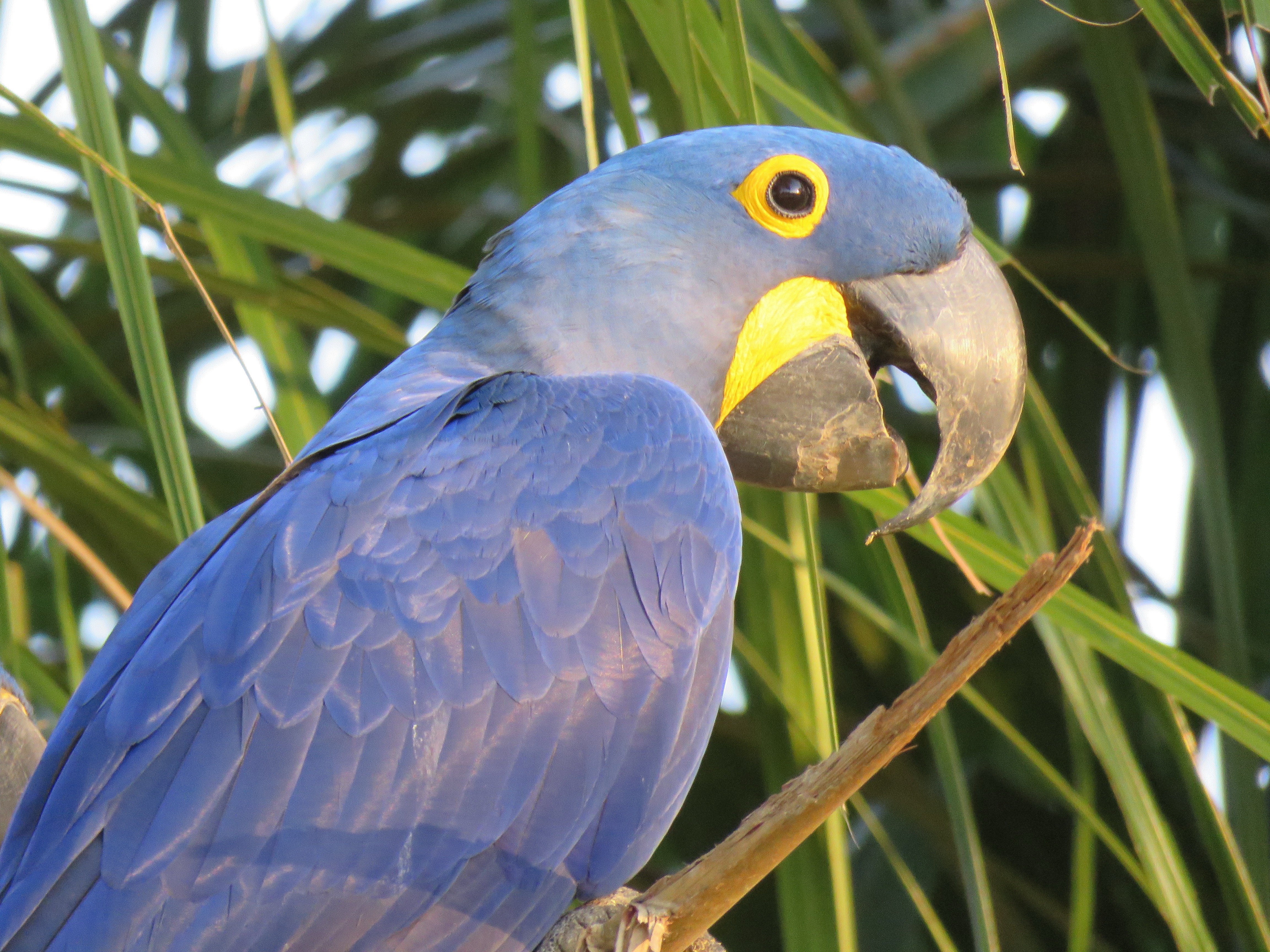
A few summers before the parrot assembly I saw the beautiful big blue macaw in the Pantanal in Brazil. This is a wild and free hyacinth macaw.

The first time I saw a free flying wild macaw (scarlet macaw) was in Costa Rica. I saw many more on birding trips to Ecuador and Brazil.

It was so unreal to see a pair of scarlet macaws flying in Costa Rica without thinking they had just escaped from a nearby zoo.
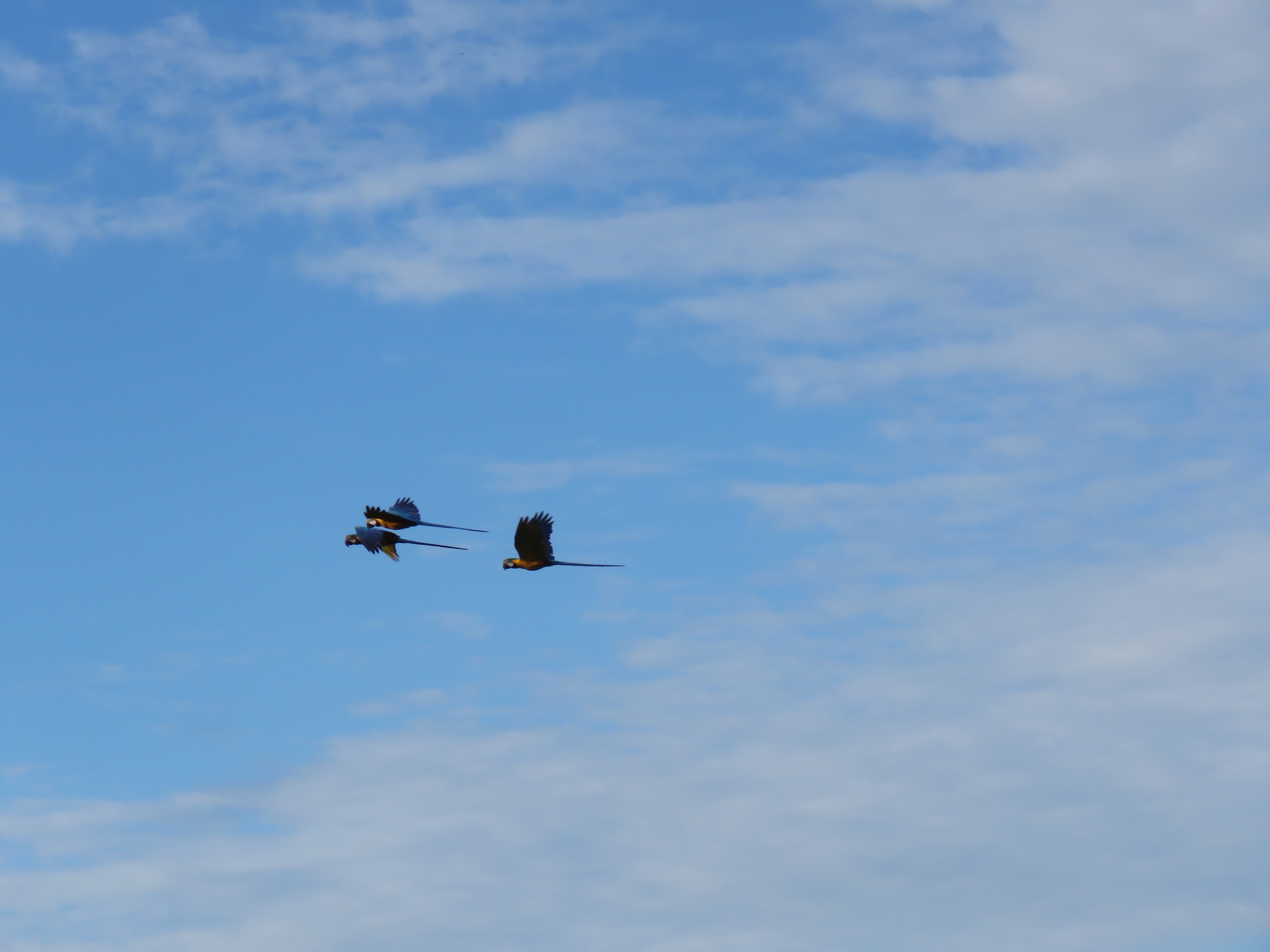
Macaws on the wing in Brazil.

Seeing these iconic parrots flying free over a rainforest, proclaiming themselves with their raucous hymns is an unforgettable natural experience.
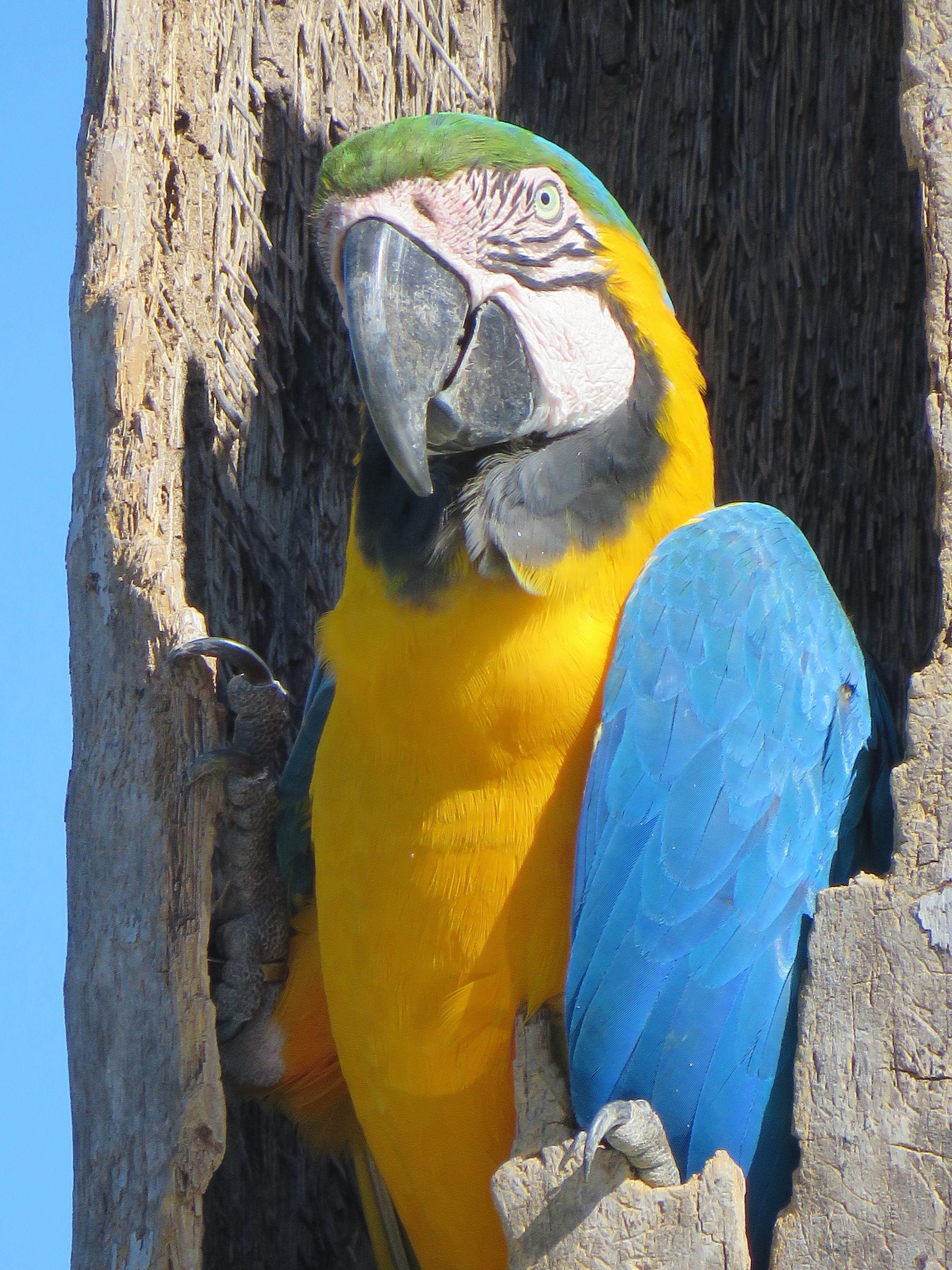
If looking at this a photo one thinks it is taken at a zoo but no, this is a wild blue and yellow macaw in the Pantanal in Brazil.

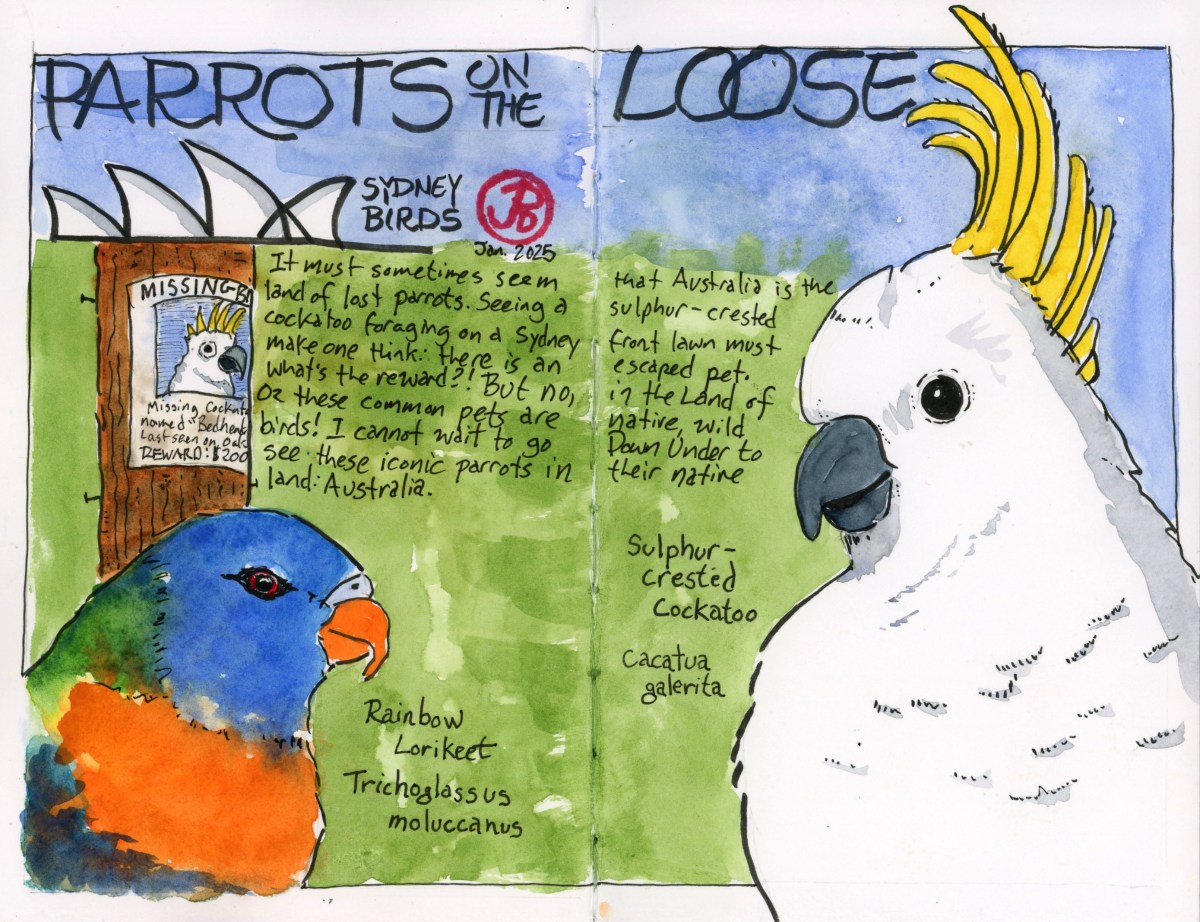
Now I turn to the county of Australia and it’s “escaped” parrots of Sydney. The most iconic for me are the sulphur-crested cockatoo and the rainbow lorikeet (featured sketch). Both are common in the Emerald City.

My Australian mate (a former student’s parent) and a former Sydney resident told me about seeing the iconic sulphur-crested cockatoo almost everyday simply blew my birding brain making me want to go Down Under to see them for myself.
Image

March 25, 1932

Today would have been my dad’s 93rd birthday.

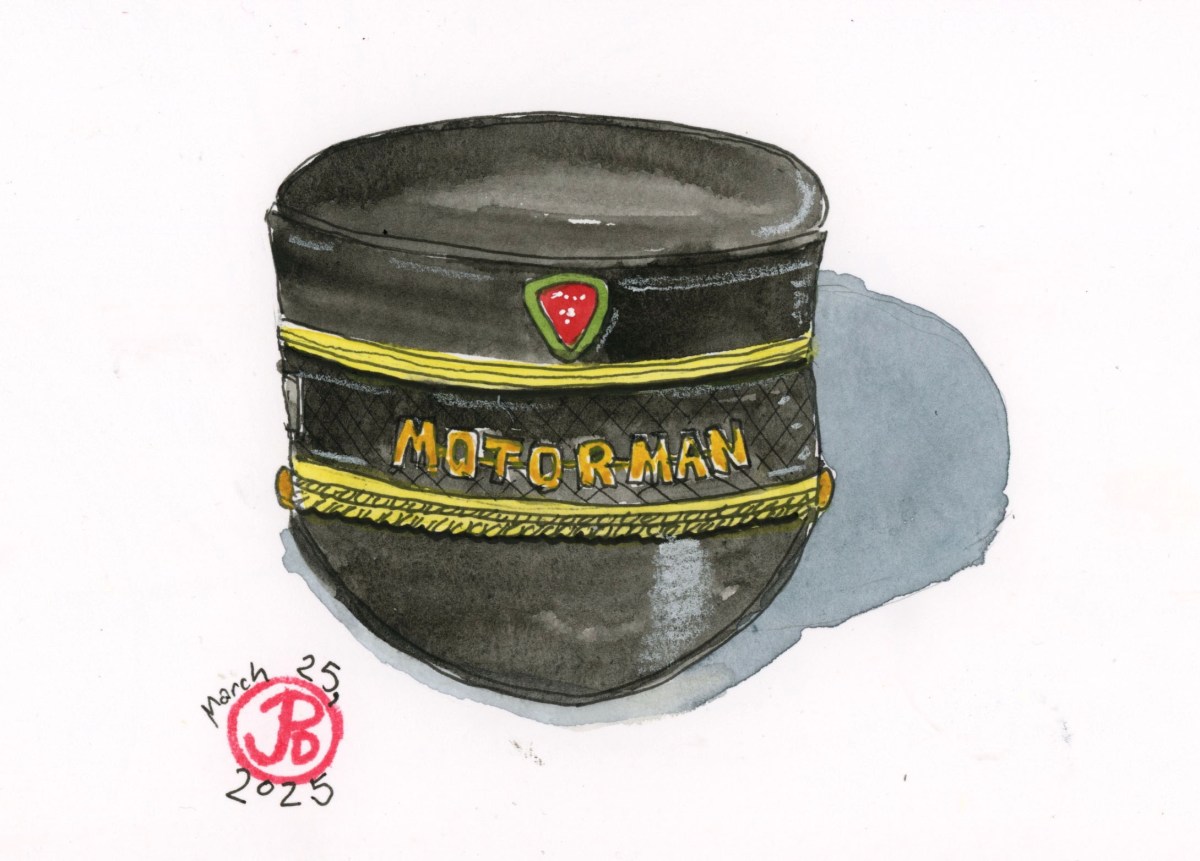
He left us almost 10 years ago. I chose to sketch one of my favorite objects I have: his Motorman’s hat.

On a recent visit to the Western Railway Museum, where my dad was a volunteer motorman, I bought a copy of a dvd about the museum called “Ride Through History”.

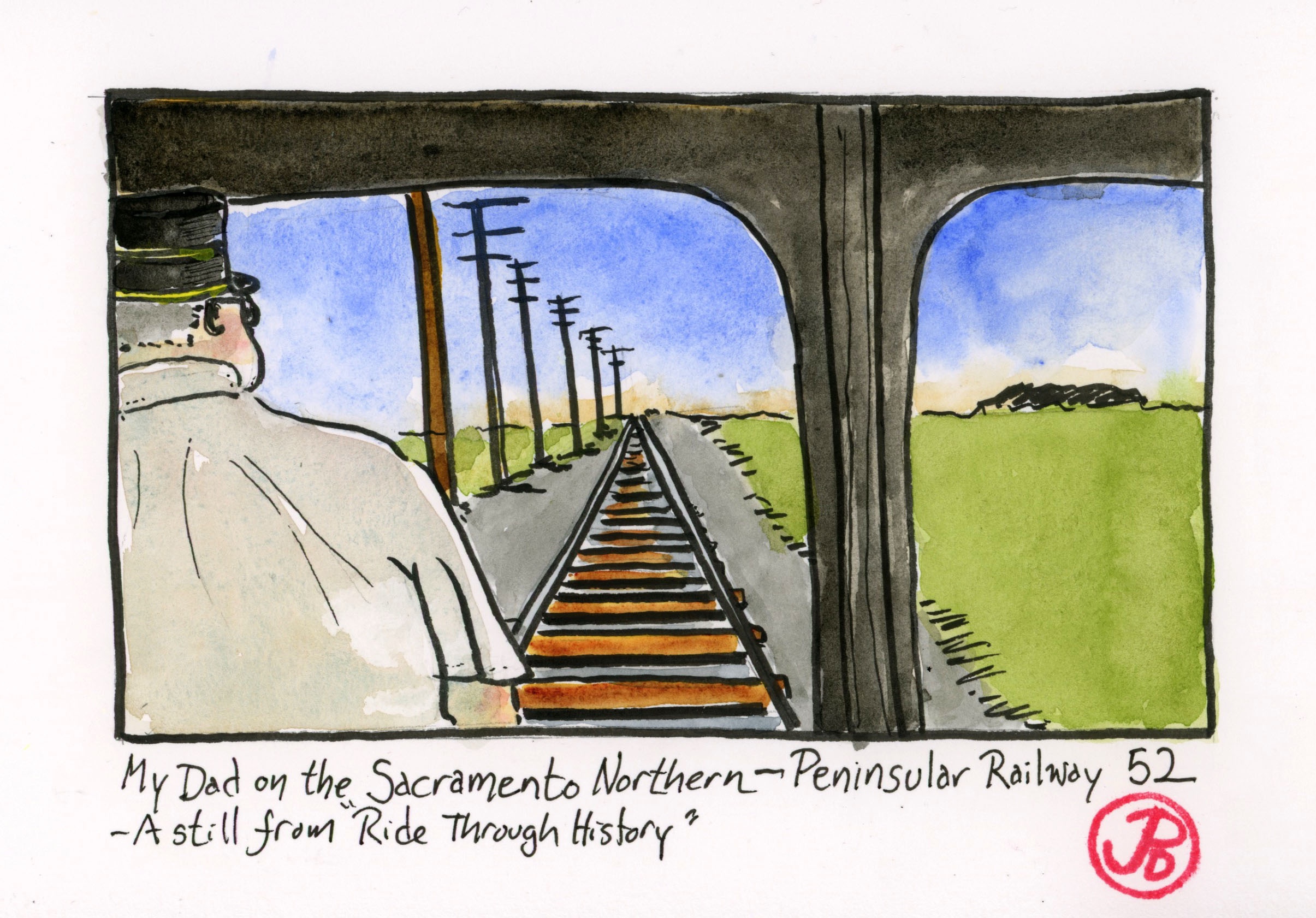
The dvd is narrated by rail enthusiast and Bay Area Radio Hall of Famer Fred Krock and follows Peninsular Railway No. 52 as it rides around the museum and on to the former Sacramento Northern tracks.

Car 52 rides out to the end of the line at Bird’s Landing Road (about six miles) and then changes ends to head back to the museum.

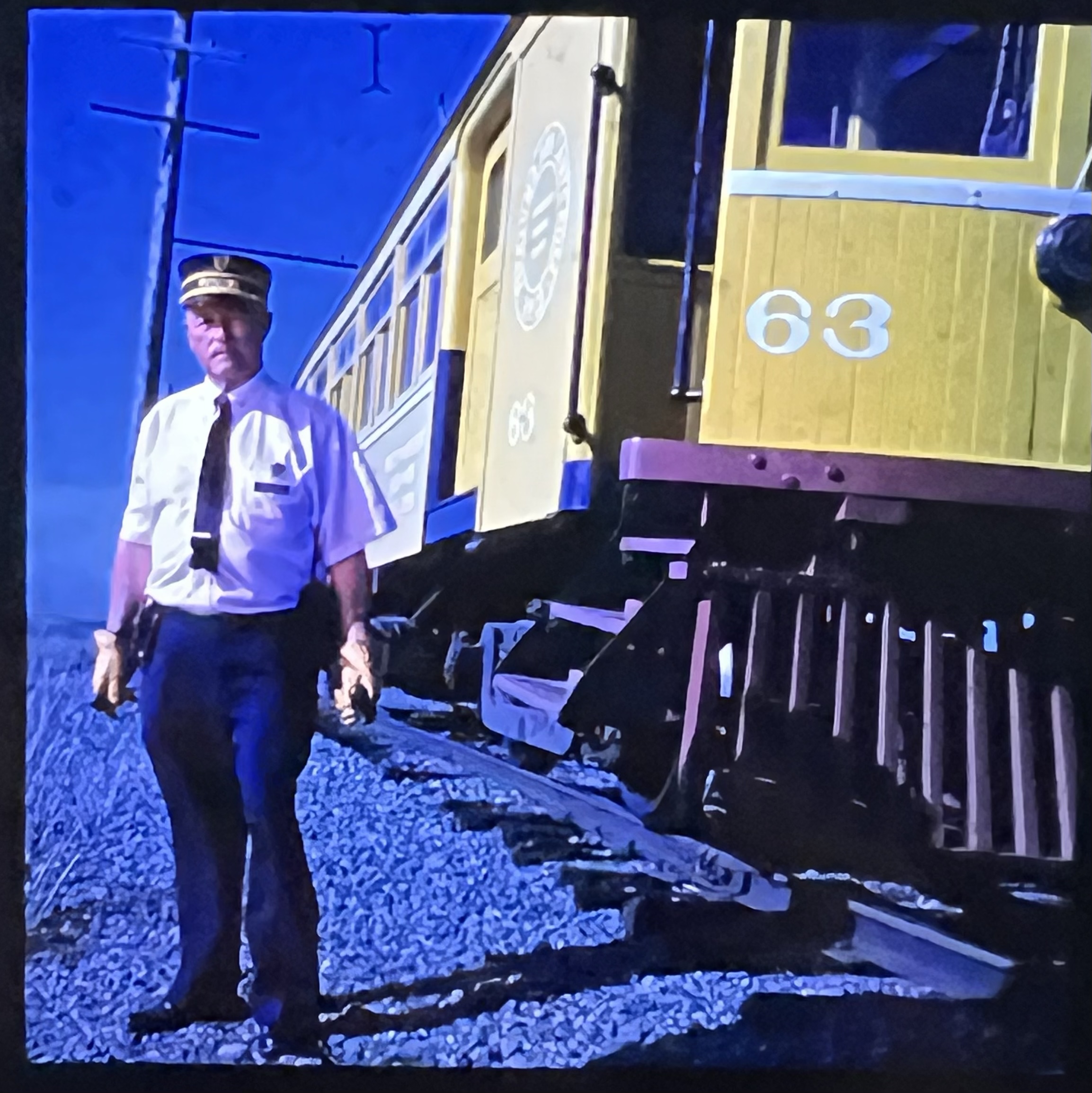
As the car heads back, there is an over the shoulder shot of the motorman and the rails ahead that reach out to the horizon. The man in the foreground is my dad!

There is a special feeling of joy and sadness upon seeing my father doing something he loved but also the finality of his passing.

A photo I took of my dad, the streetcar motorman.

In remembrance, I sketched his hat and a still from the dvd.

Image

The Jensen Carhouse

On Saturday I headed out to the Western Railway Museum, and I was hoping that they had enough volunteers to open the Jensen Carhouse.

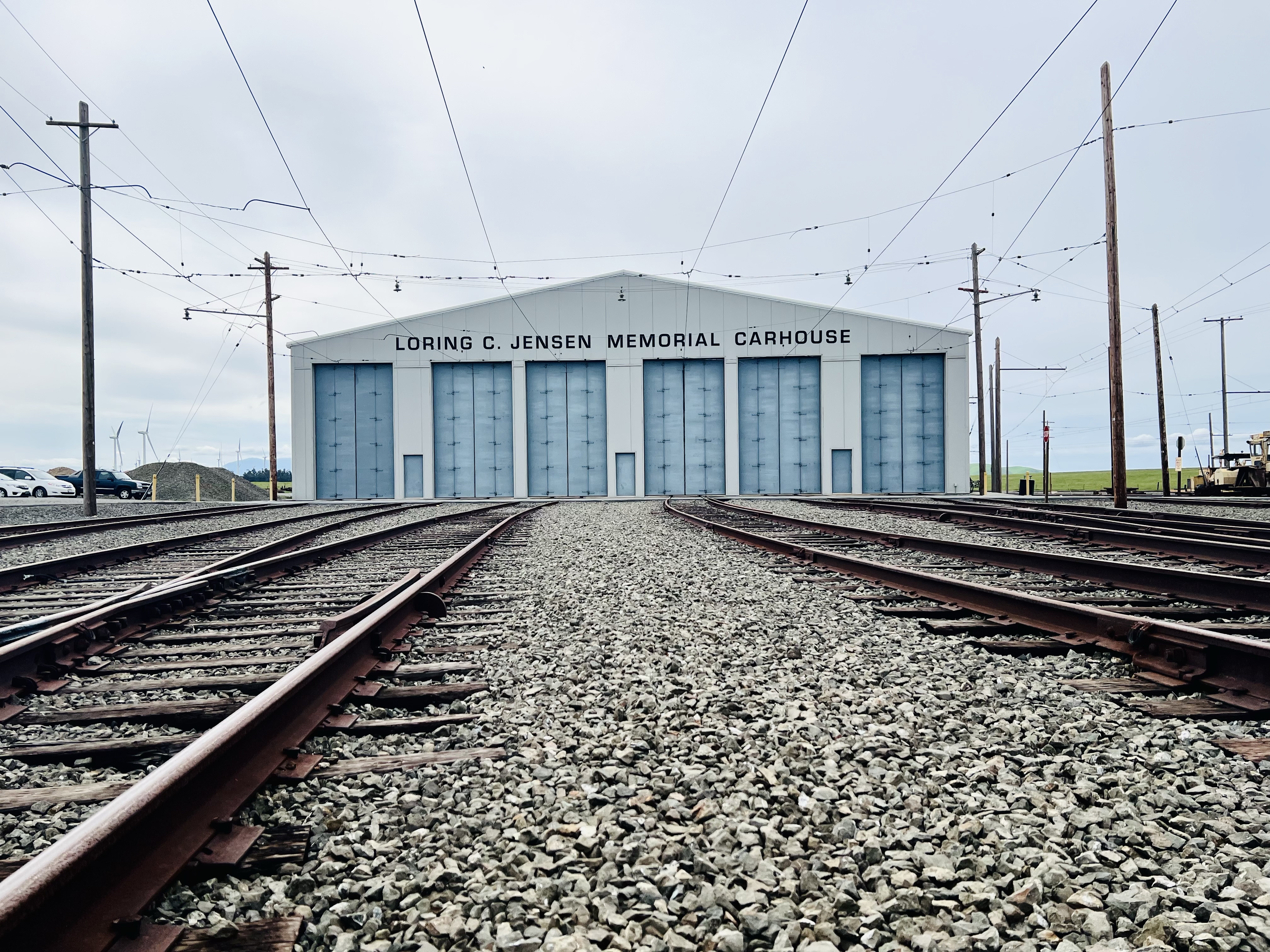
The impressively large carhouse was built between 2004 and 2008 at an expense of $2.5 million. The indoor storage facility is the most ambitious project the museum has ever undertaken. It allows some of the museum’s vintage cars, locomotives, and streetcars to be stored and protected from the sun, rain, and wind of Solano County.

The only problem: if they do not have enough volunteers, the carhouse does not open to the public.

On my past two visits, the doors remained locked and closed.

The six bays of the Jenson Carhouse.

This Saturday, the carhouse would be open! And I had a few residents that I wanted to sketch!

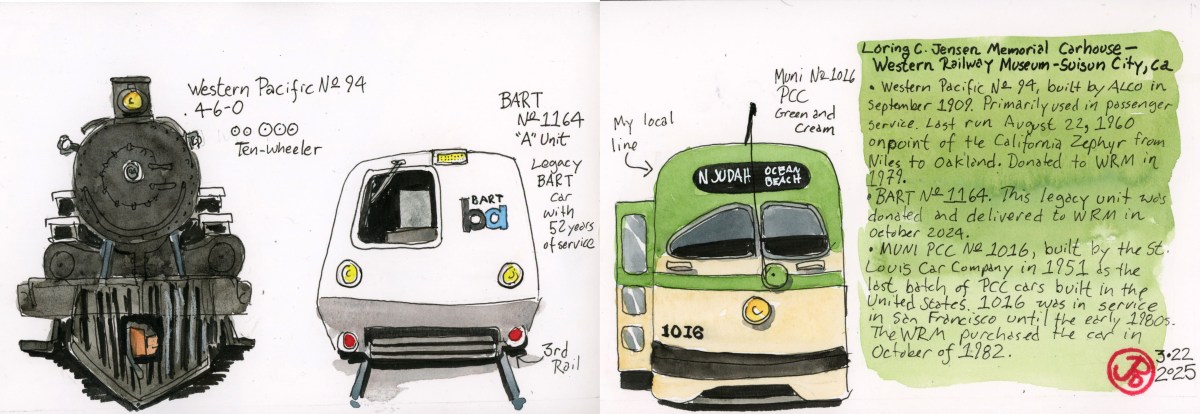
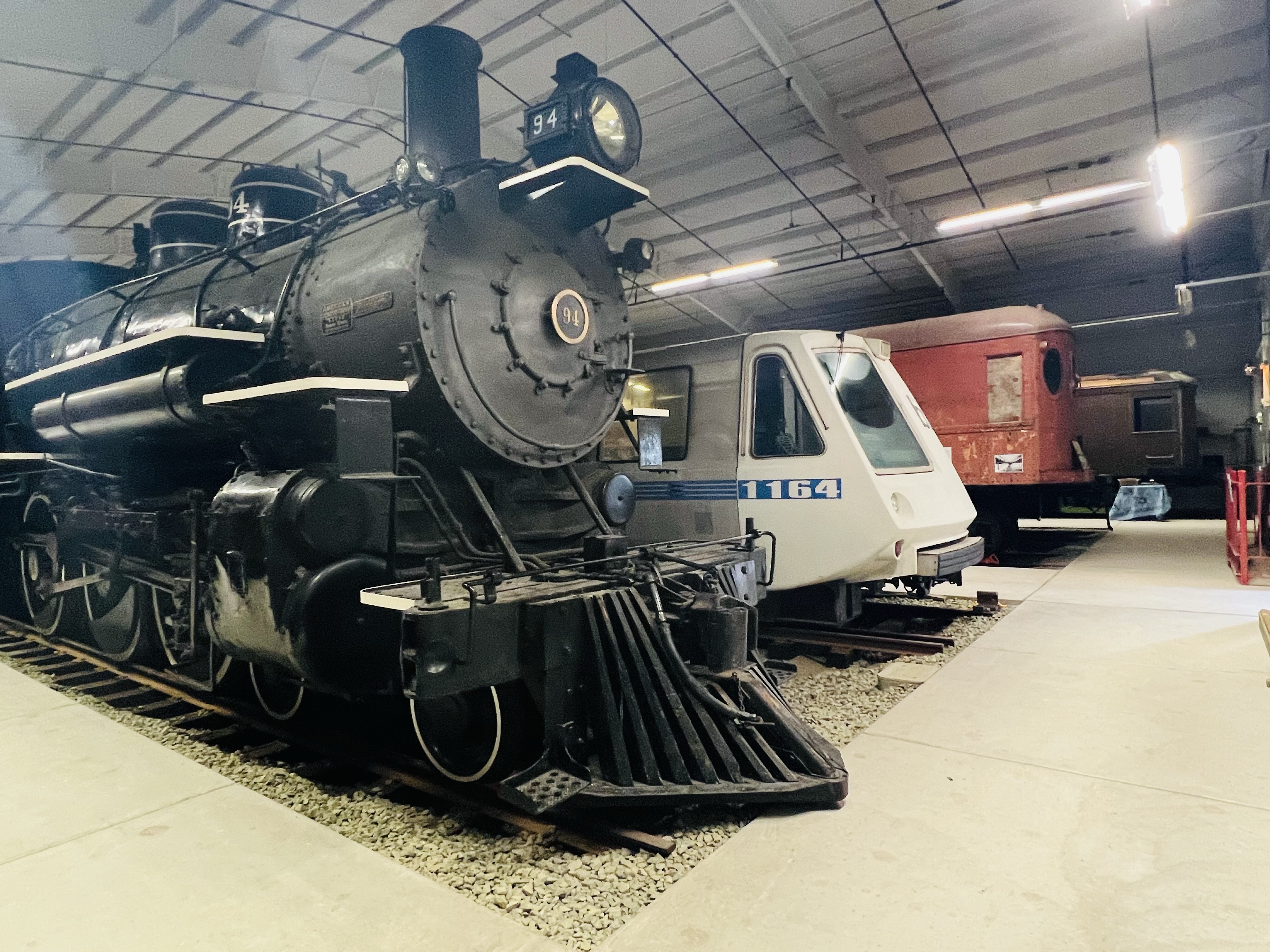
The number one resident I wanted to sketch was the Western Pacific 4-6-0 steam locomotive No. 94.

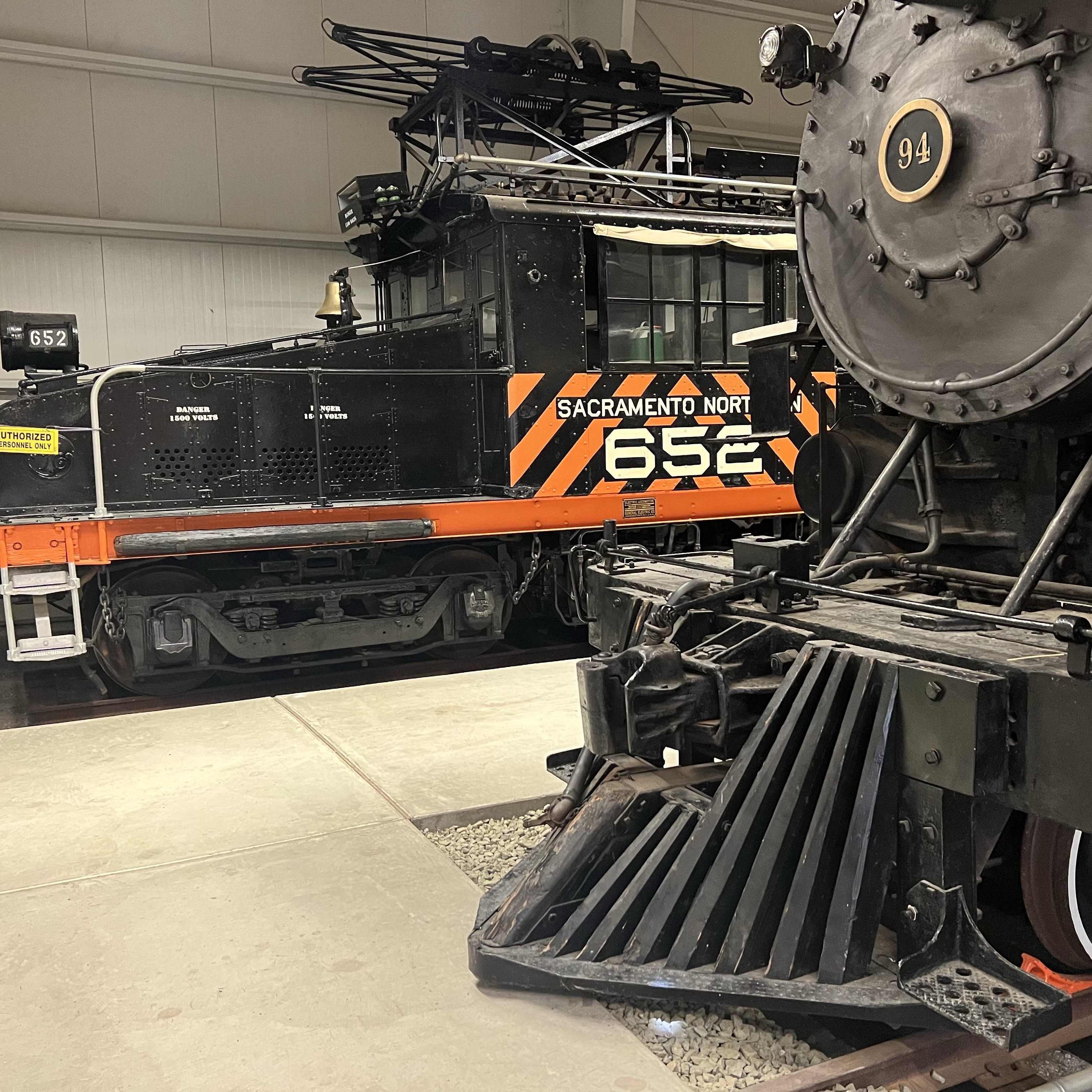
Two ends of the transit spectrum: steam and electric. Western Pacific’s No. 94 and Sacramento Northern’s No. 652.

Western Pacific 94 was built by American Locomotive Company in 1909. The twenty locomotives in this class were used for passenger service. WP was an early adopter of diesel power and steam ended on the WP in April of 1953. 94 was kept for excursion service. The locomotive was last operated on August 22, 1960 when it was on point of the California Zephyr between Niles and Oakland as part of the 50th anniversary of the passenger service. 94 was donated to the museum in 1979.

The next piece of transit history I sketched was the newly arrived BART legacy A Unit No. 1164. Three units were delivered to the museum in October of 2024 and are now stored in the Jensen Carhouse. BART went into service September 11, 1972 and the original legacy fleet was retired after 52 years of service. The three units donated to WRM have logged more than 15 million miles while in service.

No. 94 seems to dwarf the BART A Unit.

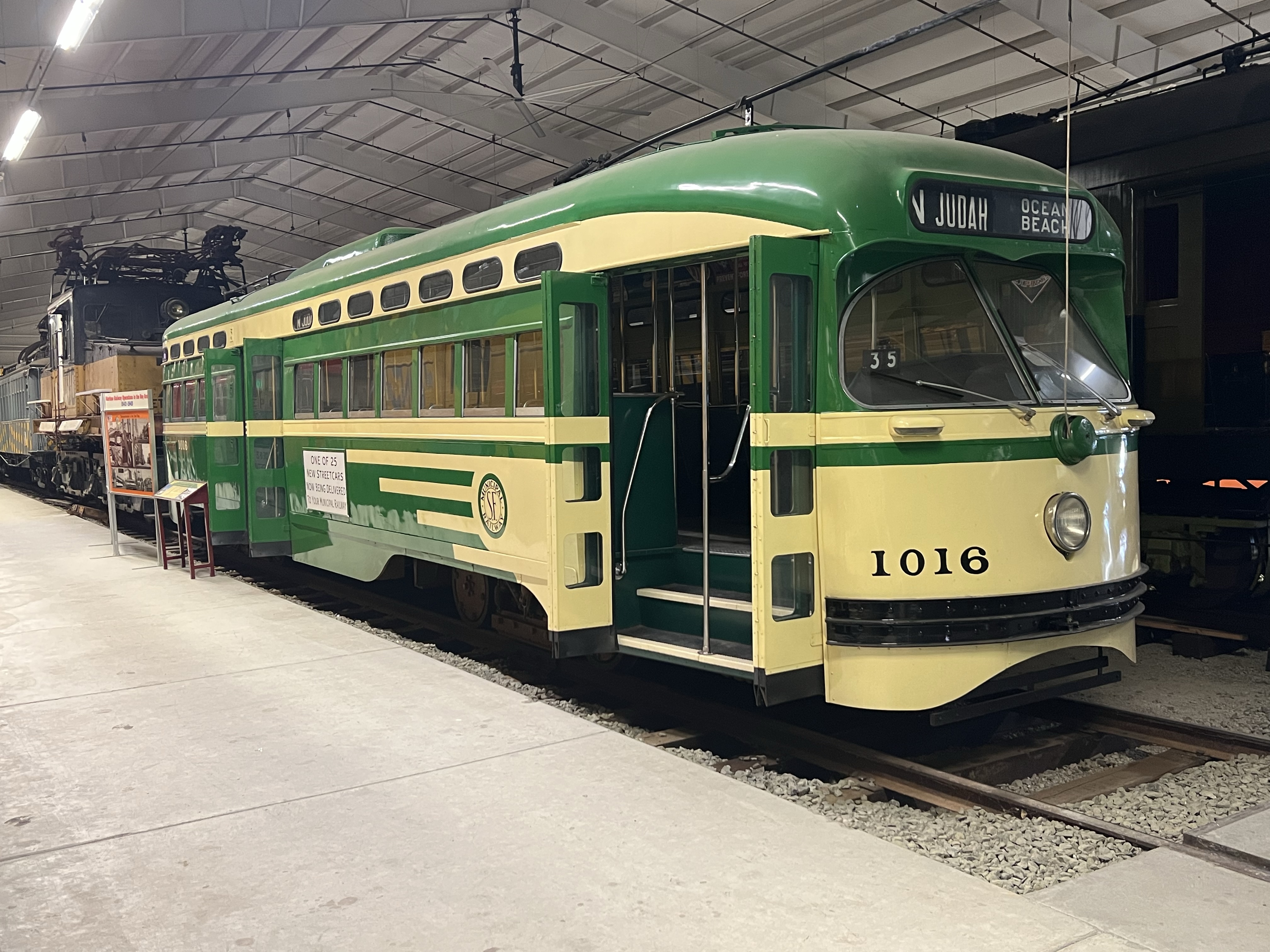
The last denizen I sketched in the carhouse is perhaps my favorite. It is San Francisco’s MUNI PCC car No. 1016. This PCC was built in 1951 by the St. Louis Car Company as part of the last batch of PCCs built in the United States.

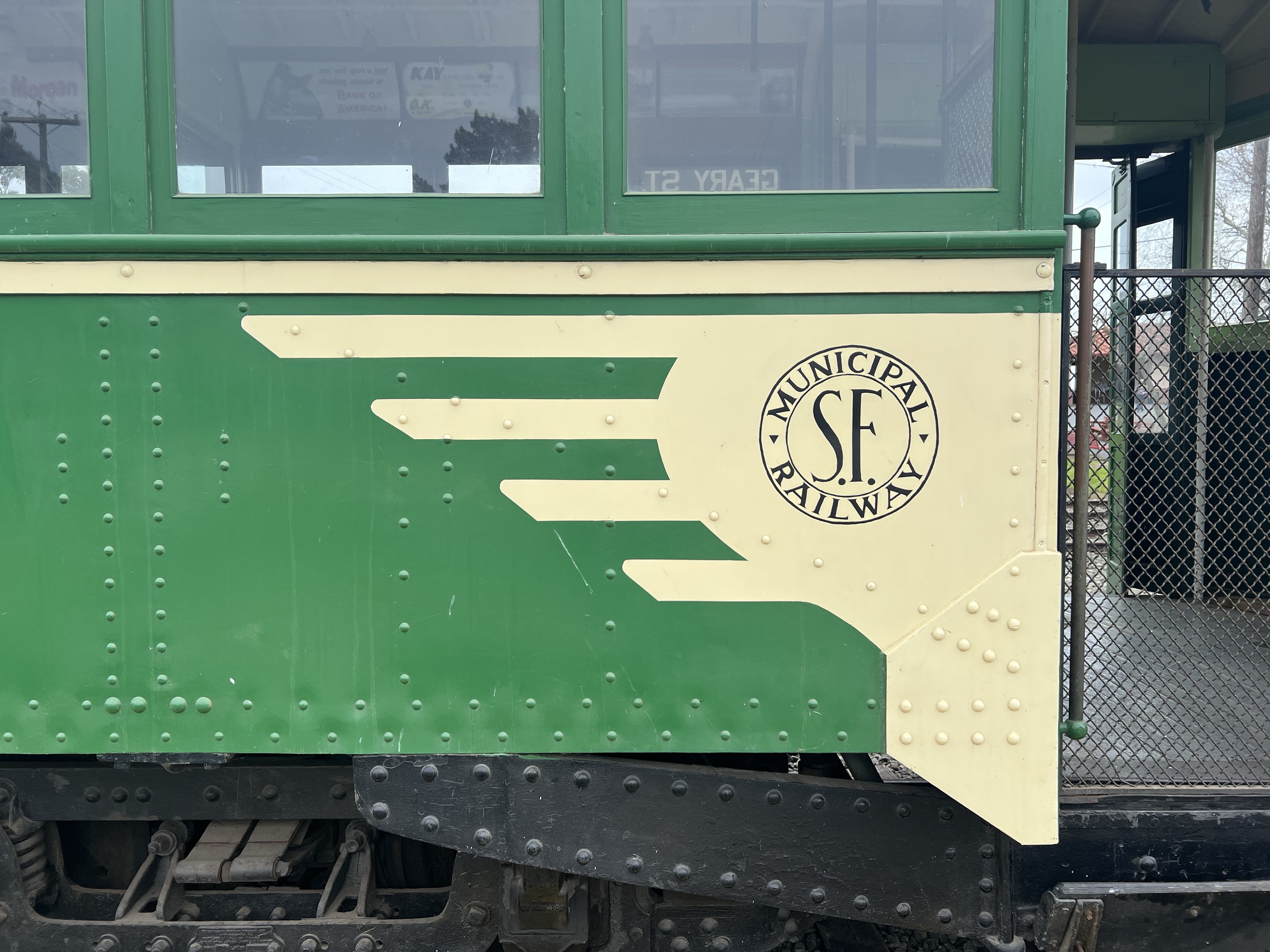
I have always loved the rounded streamlined design of PCC cars and the green and cream livery is my favorite paint scheme. This livery was developed in 1946 and features the MUNI wings.

MUNI’s famous wings on K-type car No. 178. This car type is affectionately known as an “iron monster”.
Image

Birds of Sydney: Tawny Frogmouth

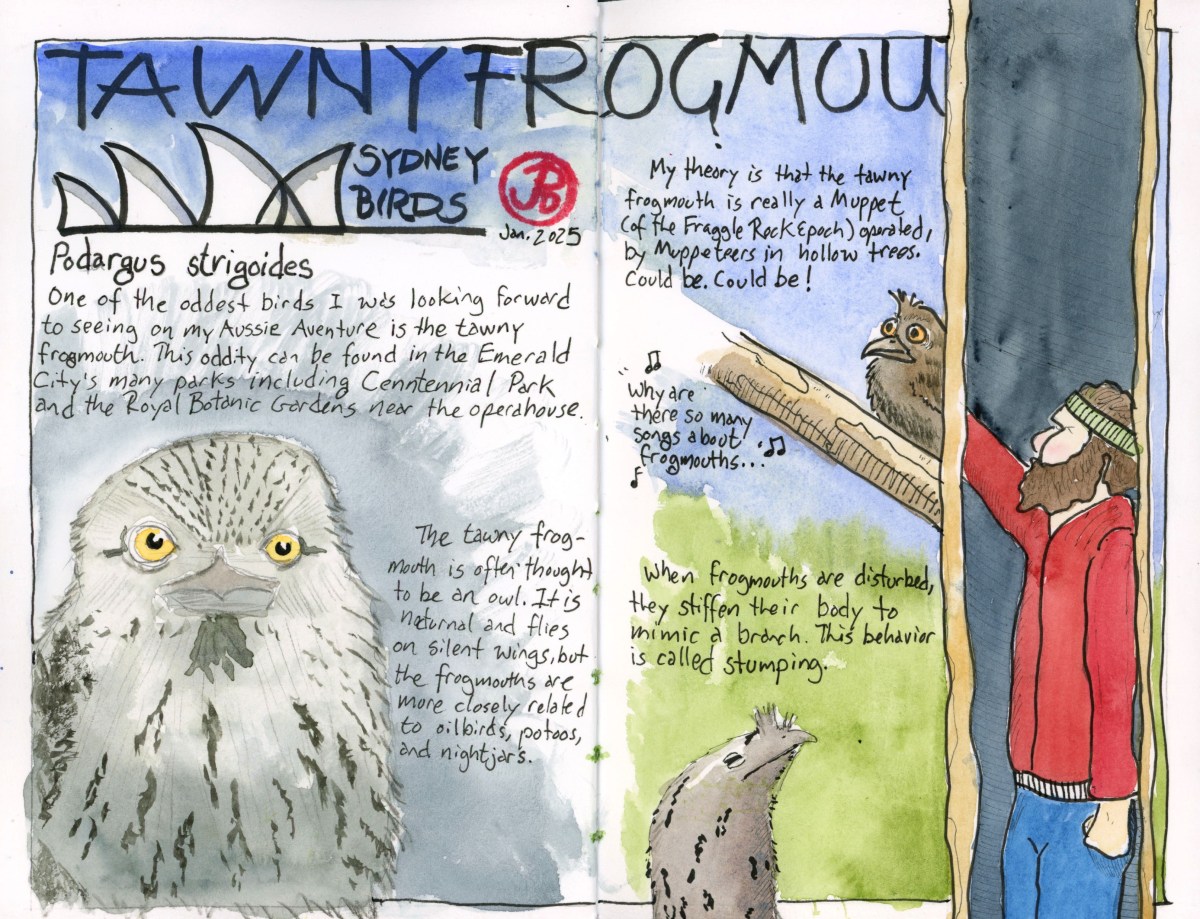
In anticipation of my Aussie Adventure I wanted to do an individual species spread about some of the iconic Australian birds that can be found in the urban environs in the Emerald City: Sydney, Australia.

One reason that Sydney’s moniker is the Emerald City is because of its many green parks, over 400, in fact. It’s in these many parks such as the Royal Botanic Gardens and Centennial Park, that these birds can be found.

Some of the birds of Australia seem to come out of the realm of fantasy and fiction like some creature that was designed on an artist’s drafting board, that can only be found in the pages of a book not perched in that tree in Centennial Park.

The bird that tops this list has to be the tawny frogmouth (Podargus strigoides). The scientific name roughly translates to gouty (swollen) owl-like bird.

The frogmouth however, is not closely related to owls but related to oilbirds, potoos, and nightjars nor are they suffering from gout.

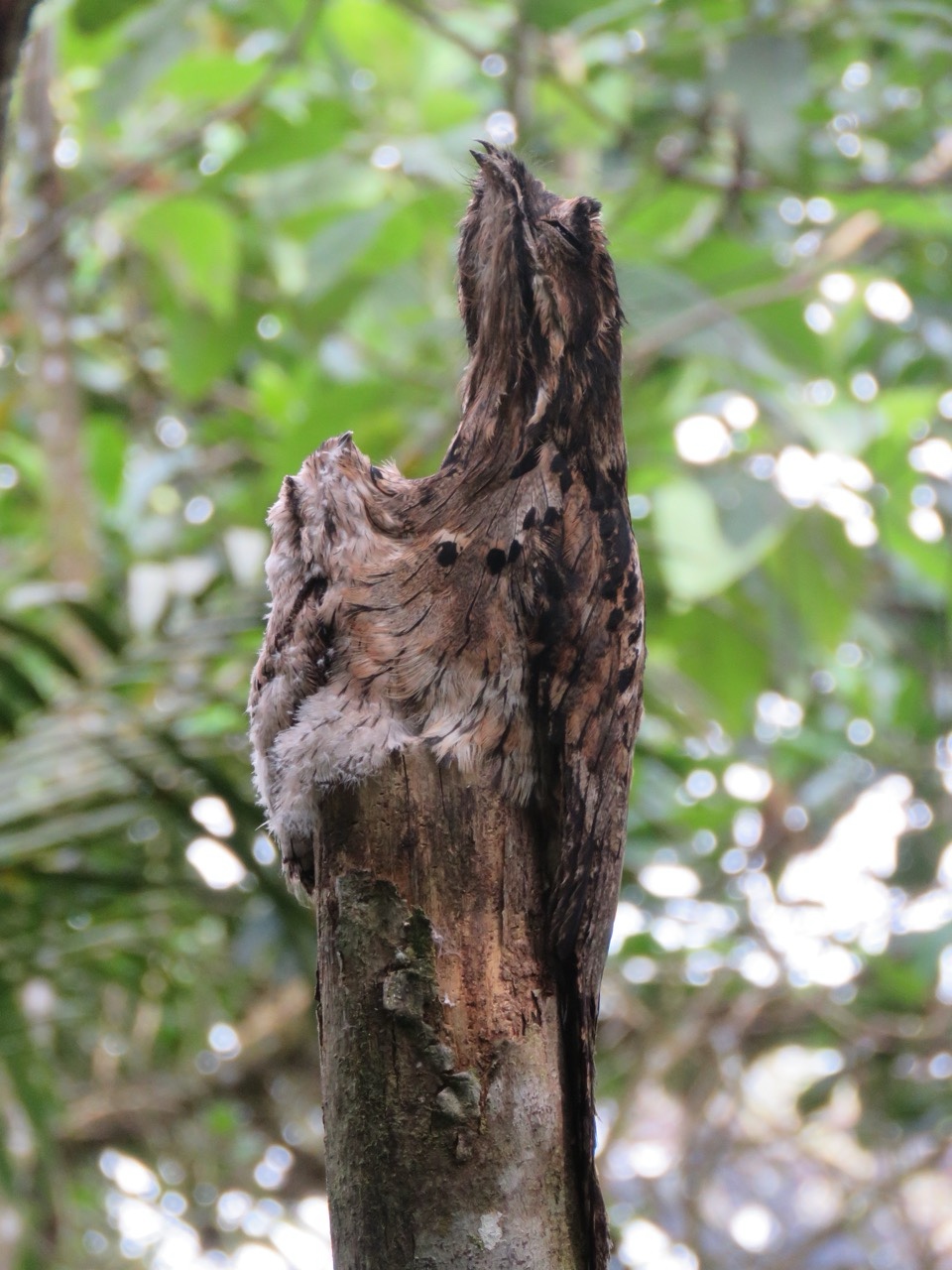
I have previous seen potoos in Central and South America. And they certainly seemed out of this world.

Look closely, this is a common potoo (Nyctibius griseus) and a chick from a trip to Ecuador in 2018. Where does stump end and birds begin? This cryptic behavior is called stumping.

Looking at images of the tawny frogmouth reminds me of a Muppet, perhaps of the Fraggle Rock epoch.

I added this observation to the left side of my spread with a cross section of a gum tree with a puppeteer inside, who bears an uncanny resemblance to Jim Henson.

I’ll admit, I let my mind run free and my artistic license has yet to expire!

Image

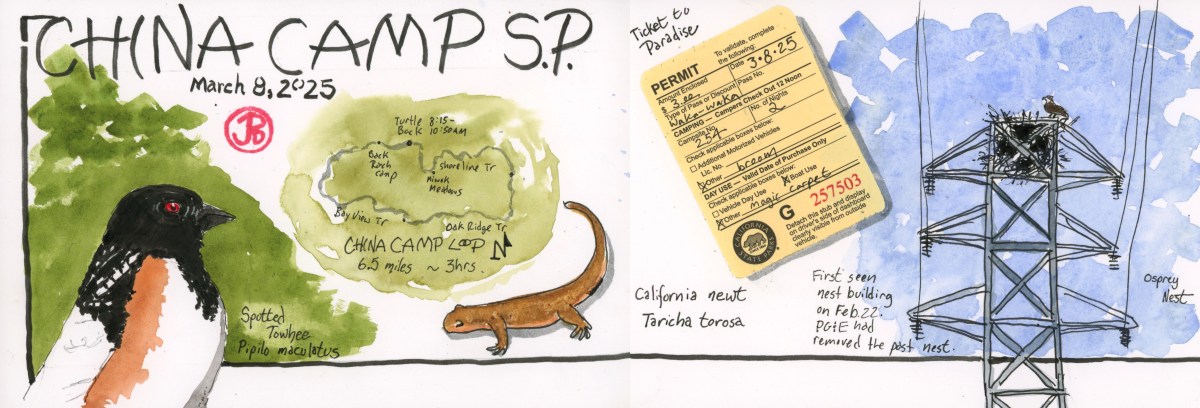
China Camp Loop

As spring was approaching and a late rain expected during the week I decided to head out on a Saturday morning to Marin County and China Camp State Park.

I started my hike across the street from the Turtle Back Trail. I would be heading along the Shoreline Trail towards the ranger station. I originally thought I’d reach the ranger station and then return along the Shoreline Trail back to the trailhead.

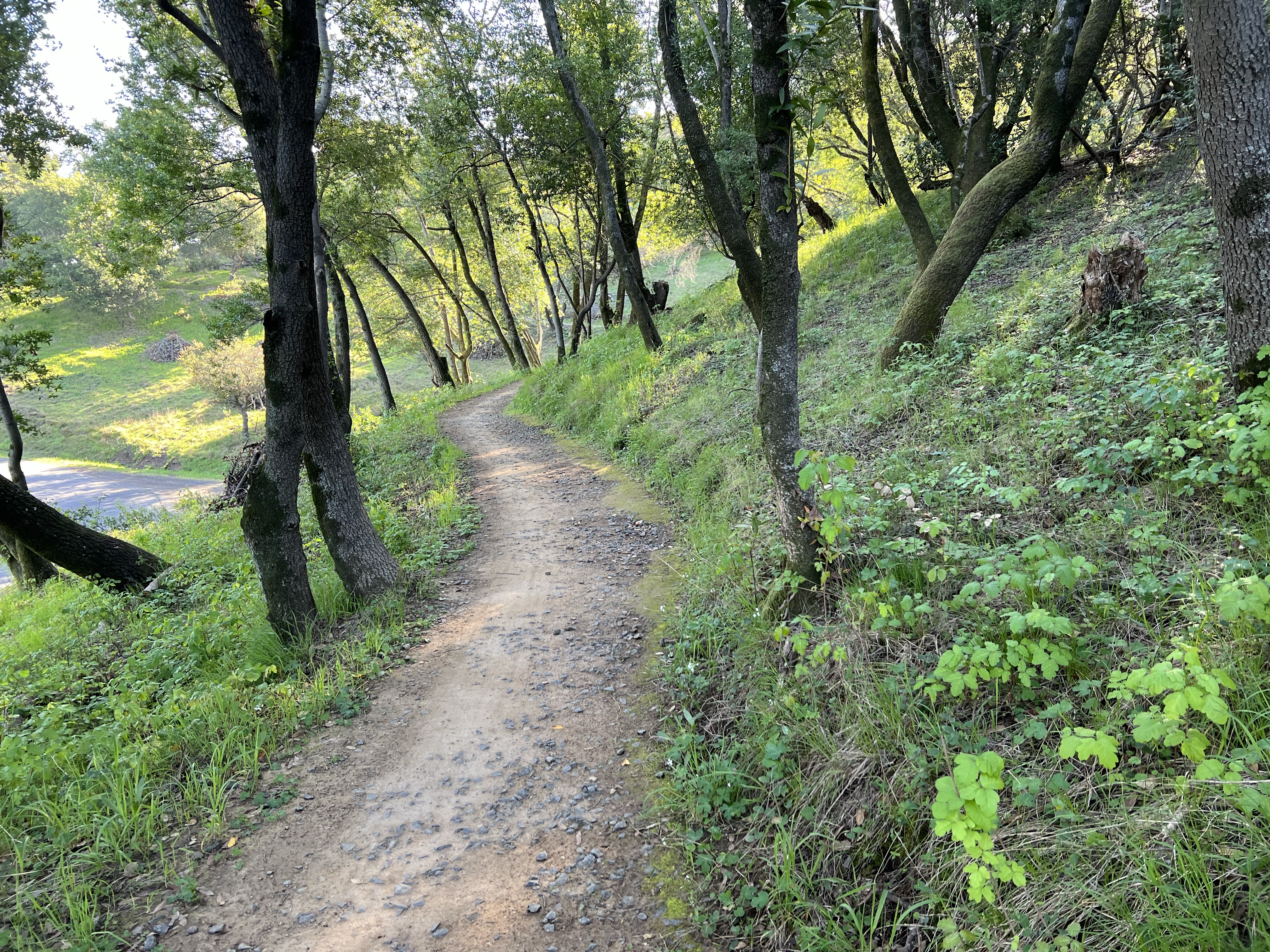
The trail parallels San Pedro Road and turns south around Miwok Meadows, giving me a bit of relief from the cars on San Pedro. Here, I really felt like I was in the wilderness, despite the graded trail and wooden bridges. The forest was alive with bird song: Bewick’s wren, spotted towhee, and dark-eyed juncos.

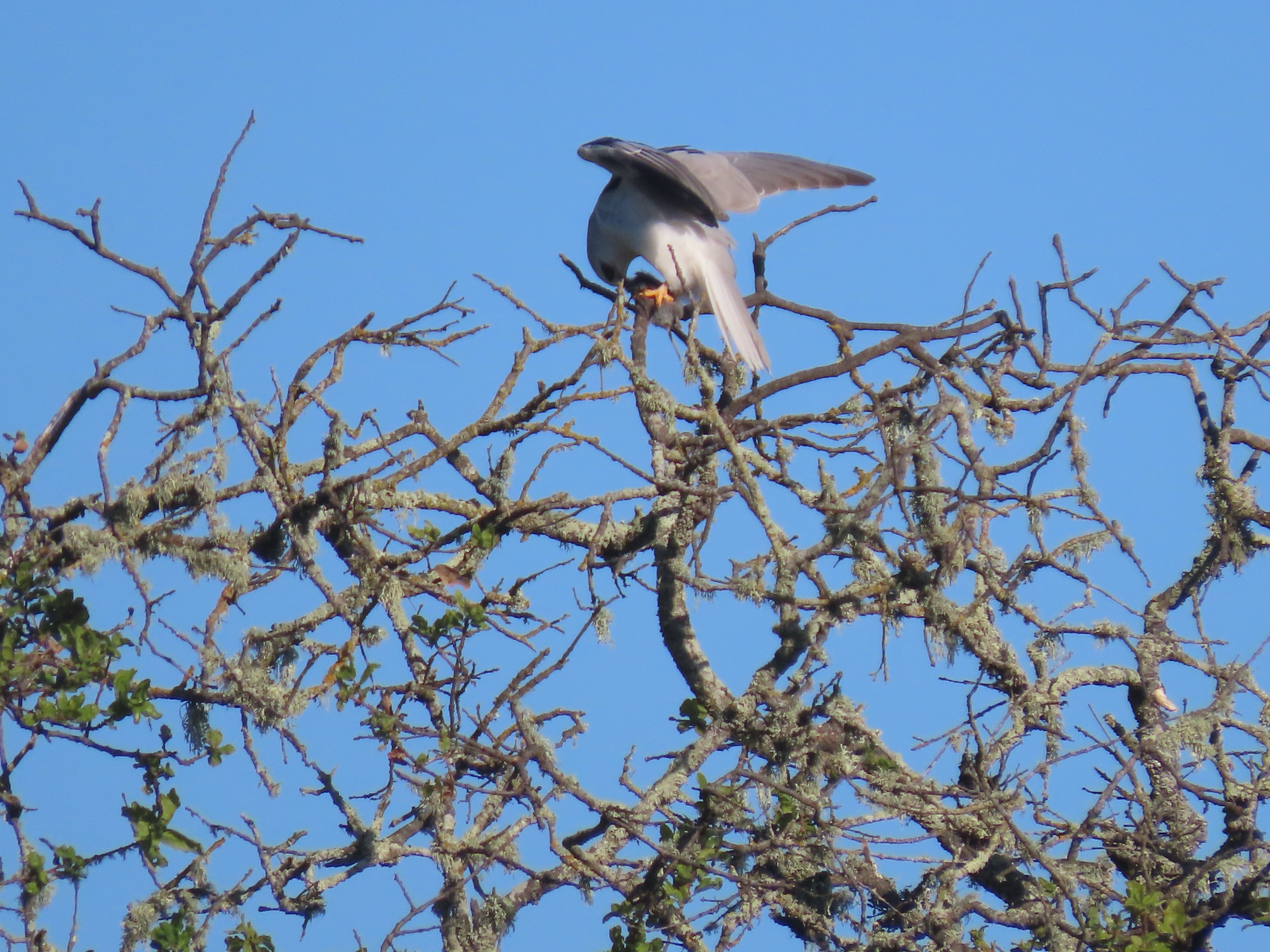
As I came around the eastern edge of the meadow, I saw an oak crowned with a white jewel like a Christmas tree.

The angel on top of the tree, a killer angel, was a white- tailed kite pulling apart breakfast.

I then reached the junction with the Oak Ridge Trail. This is where I planned to turn back but I felt good, the weather was beautiful, and I wanted new scenery on the return loop.

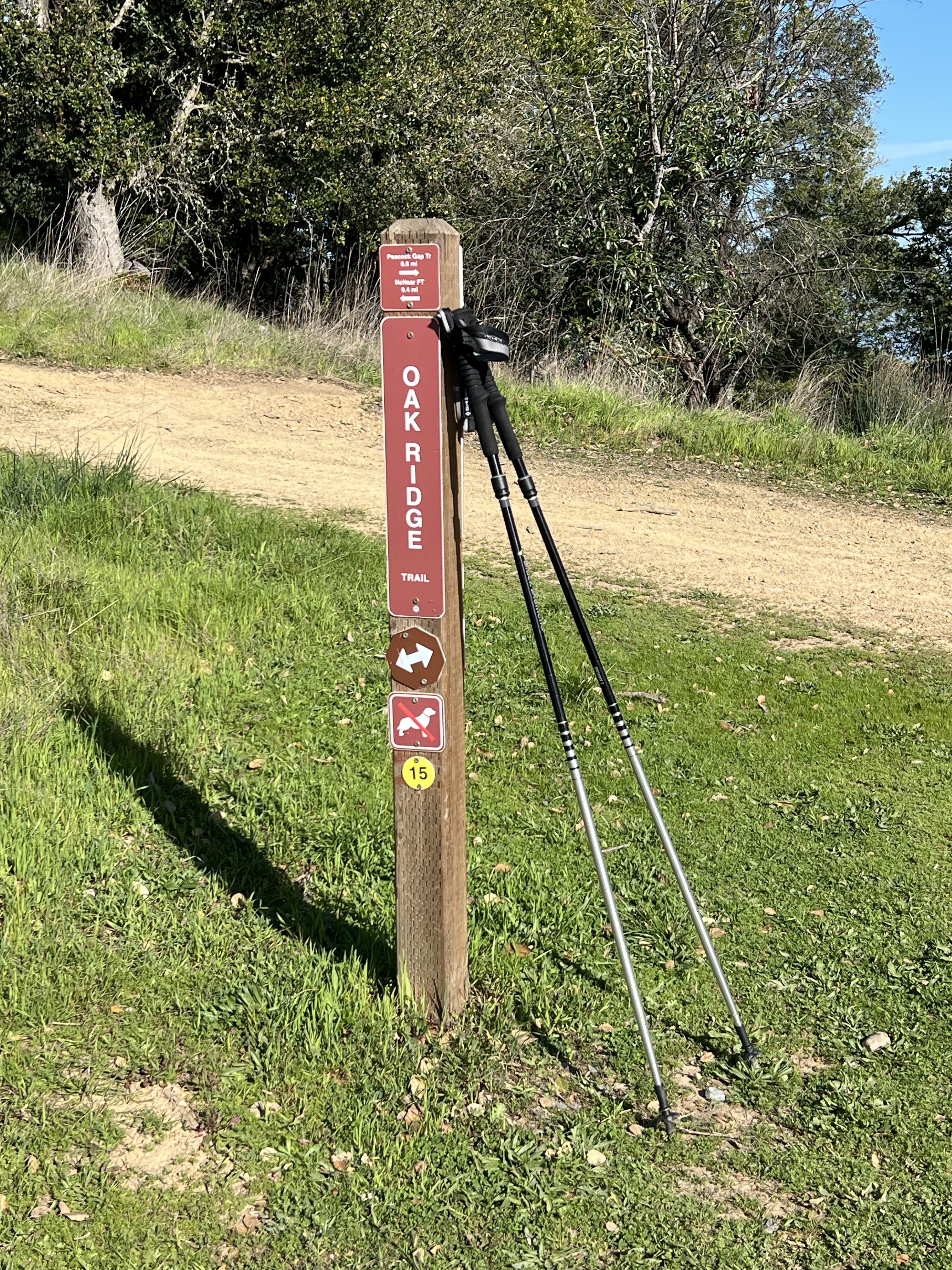
I unpacked and assembled my trekking poles, removed an outer layer, and started my climb up to the ridge.

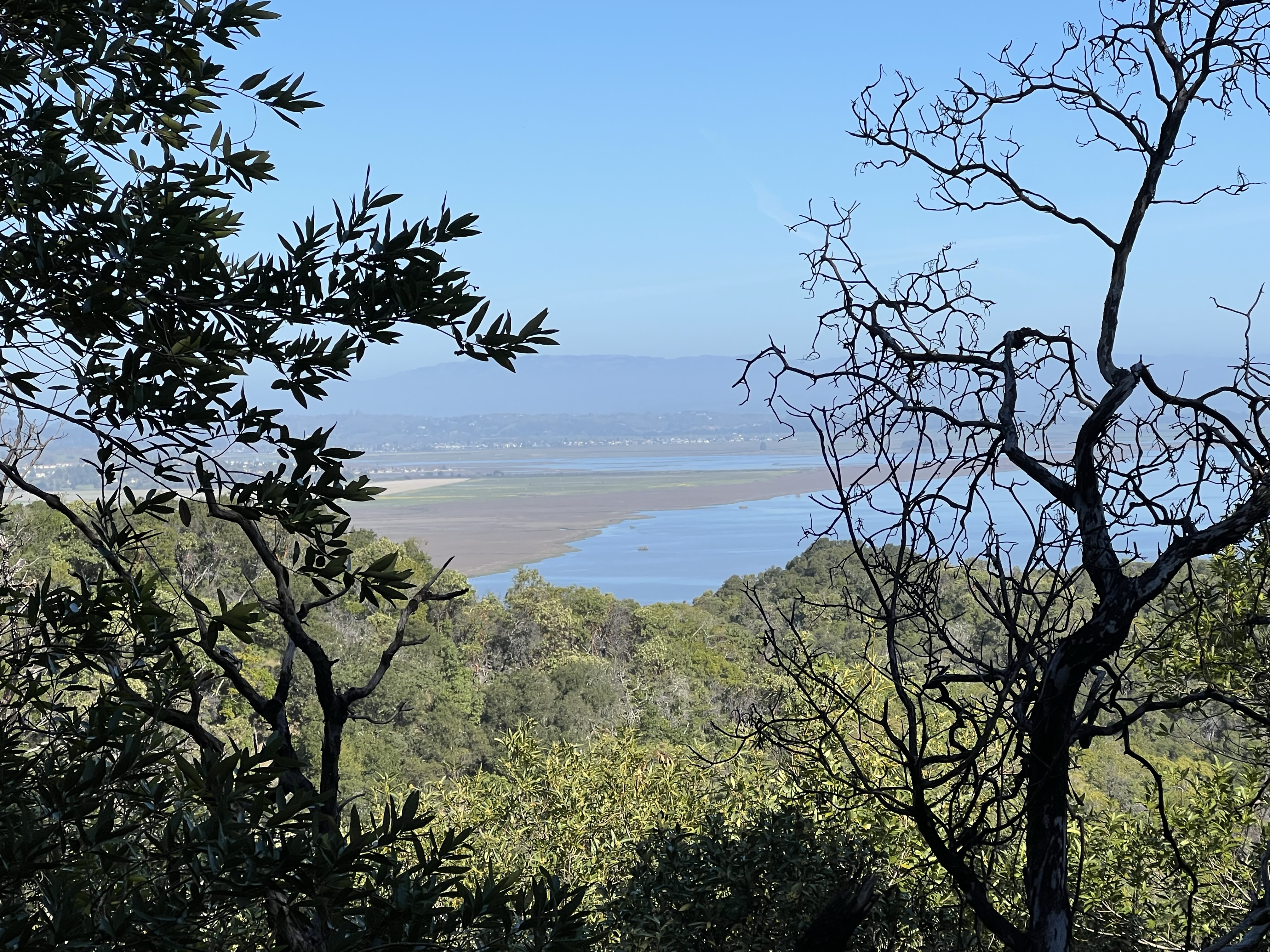
After a few switchbacks and glimpses of San Pablo Bay, I reached the top ridge looking out towards Peacock Gap and the Richmond San Rafael Bridge.

Near the summit at the intersection of the Oak Ridge Trail and the McNears Fire Trail.

I continued on, the trail exposed to the late winter sun. I soon came to the junction of the Bay View Trail, which would bring me to Back Ranch Campground and then my car at Turtle Back Hill.

I dipped back down into leafy shade and despite the trails’s name, there were fleeting views of the bay through trees and foliage.

There’s a bit of the bay from the Bay View Trail!

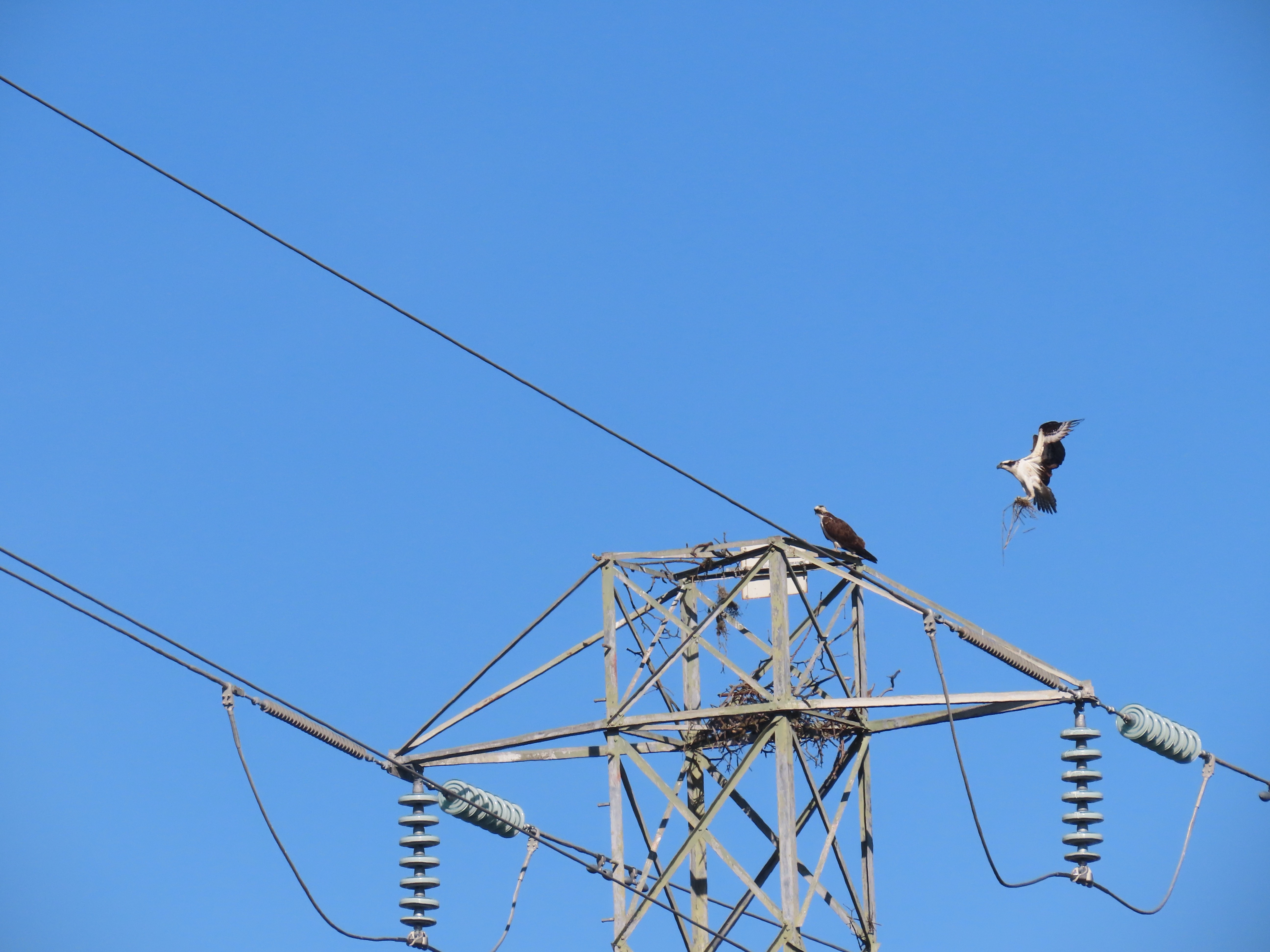
After returning to my car, two hours and 25 minutes after I started (not bad for 6.5 miles), I drove down San Pedro Road to check and sketch the progress of the osprey’s nest.

The early stages of nest building on February 22. The updated progress is sketched in my spread for the featured sketch.
Image

The Conversation

With the news of the passing of actor Gene Hackman, I thought I would sketch some locations from the film where he played one of his favorite roles: Harry Caul in Francis Ford Coppola’s The Conversation (1974).

The majority of the film was filmed on location in San Francisco. The conversation of the title takes place in Union Square.

The plot revolves around a surveillance expert (Hackman), who is hired to record a conversation between a man and a woman in busy Union Square. We later learn his eyes and ears have been deceiving him. No spoiler alert here, see the film for yourself!

I took the N Judah downtown and got off at the Powell Street Station. I walked past the lengthy cable car queue on Powell and headed towards Union Square.

The statue of Nike is the center point of Union Square.

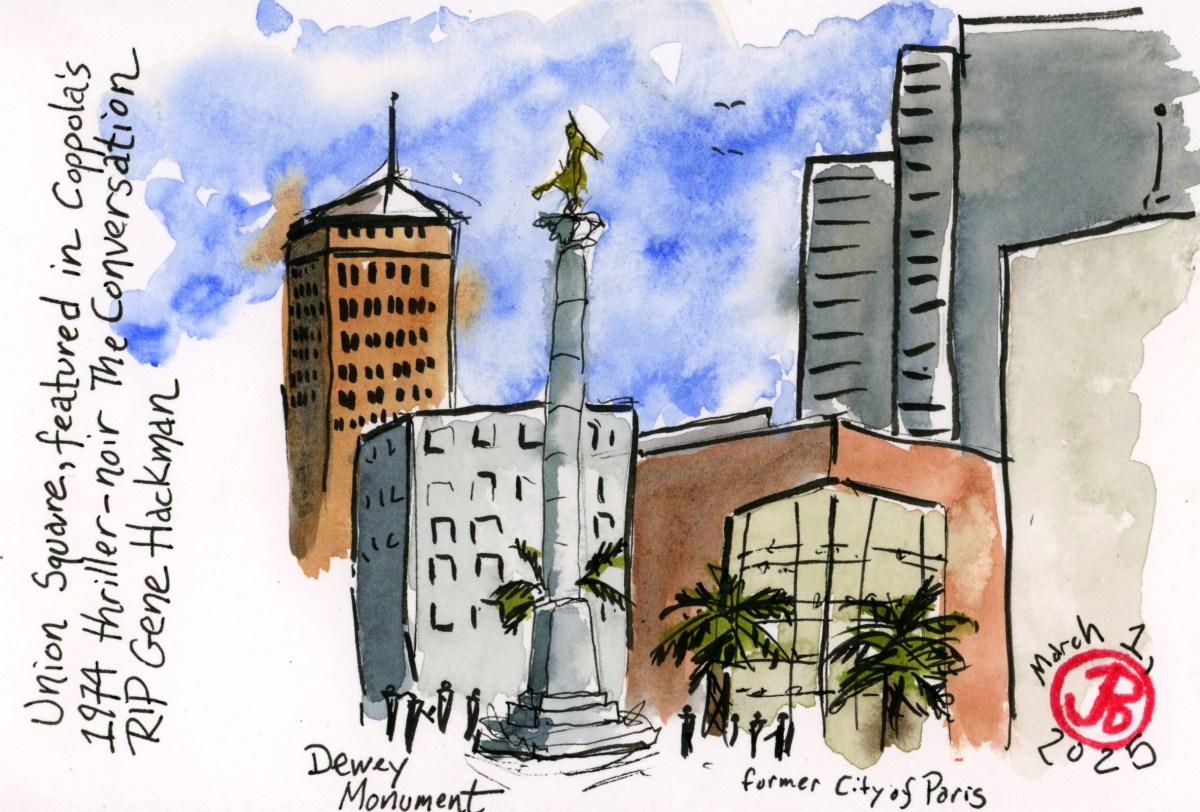
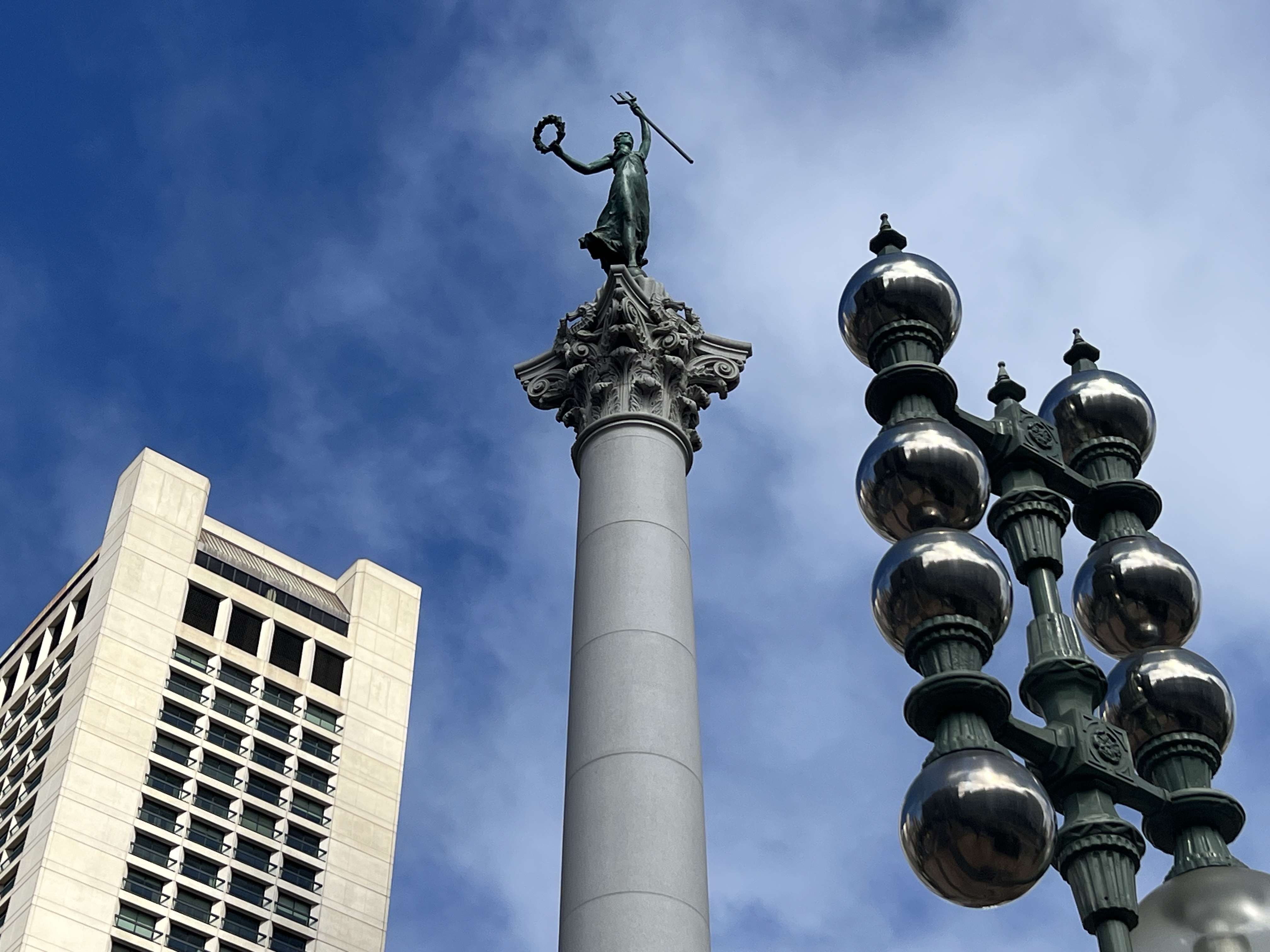
I found a corner of the square to sketch the focal point: the Dewey Monument, which is topped by the Greek goddess Nike, the Goddess of Victory, commemorating Admiral Dewey’s victory at the Battle of Manila Bay in the Philippines.

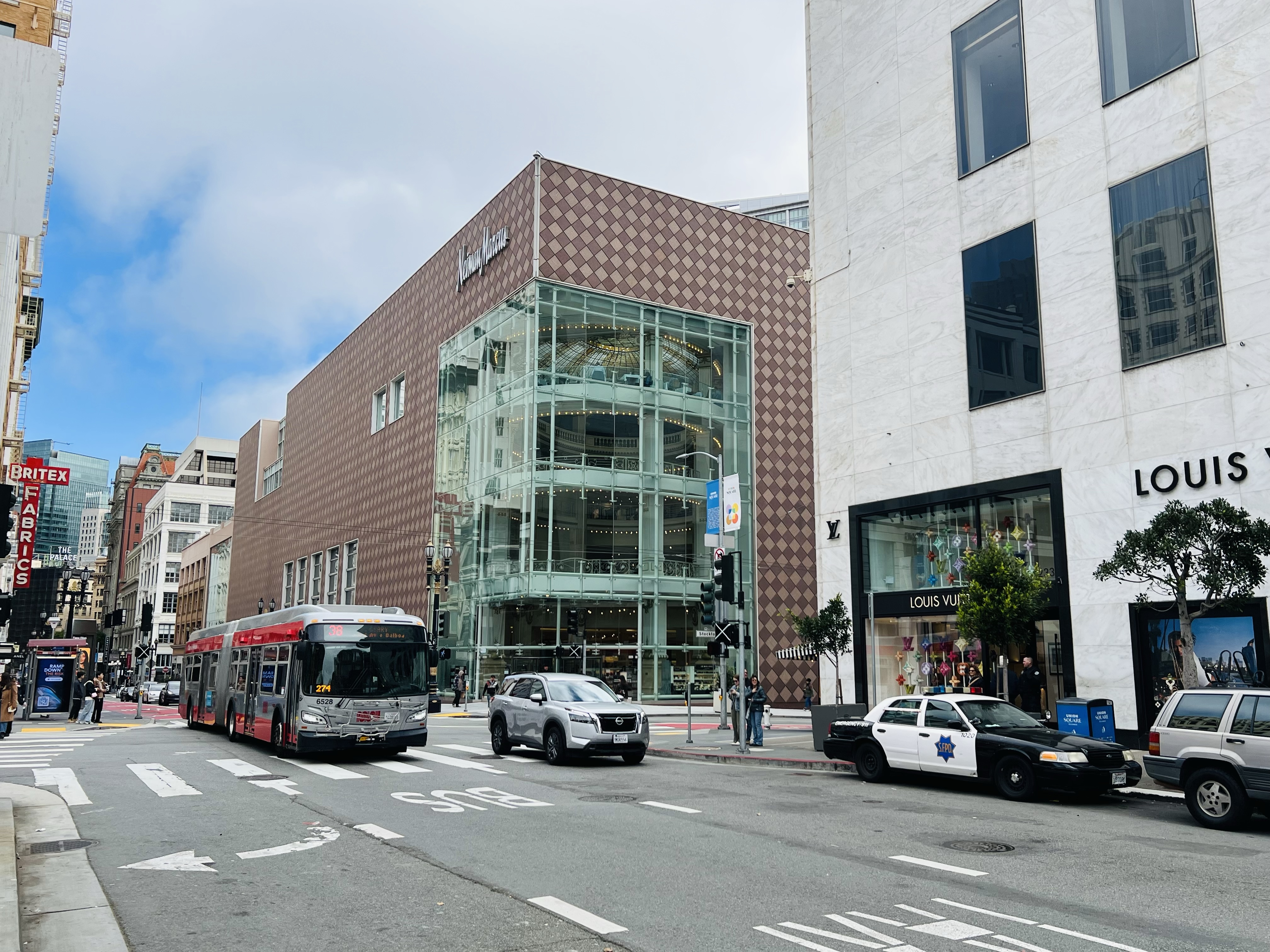
In the background of the sketch (featured sketch) is the former City of Paris department store (now Neiman Marcus), which features at the beginning of the film.

At the time of filming in 1972-73, Neiman Marcus was the City of Paris department store. Harry Caul’s surveillance van was parked where the police car is.

Another San Francisco location that is featured in The Conversation is the Embarcadero One complex. The site was developed in 1971 and was brand new when filming began. The complex is the location of Hackman’s client, the President, portrayed by Robert Duval. His assistant is played by a young Harrison Ford.

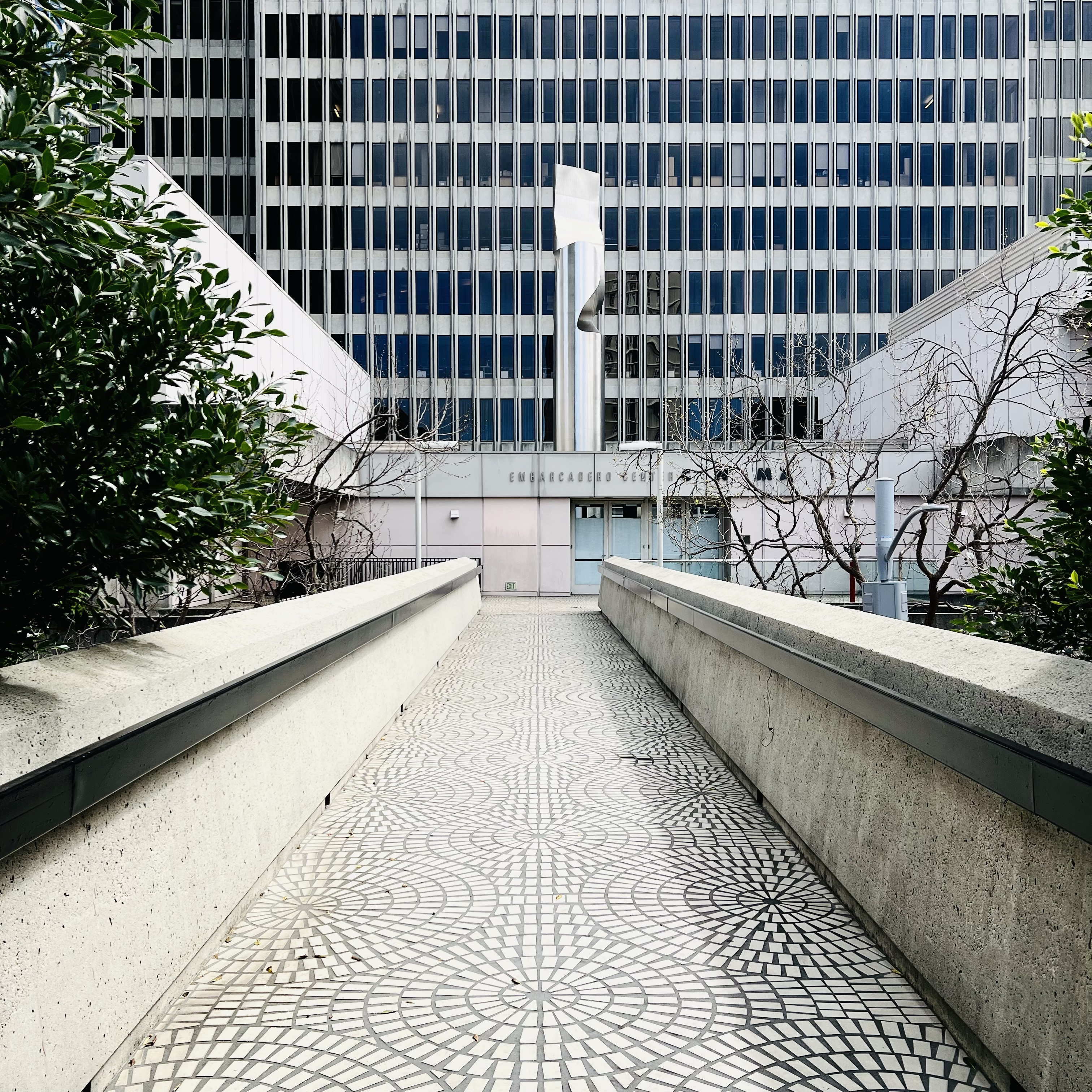
The walkway leading to Embarcadero One was featured twice as Hackman’s character goes to see the Director. The sculpture, Two Columns With Wedge (1971) was only a few years old when filming took place here. The now closed cinema in front of the sculpture was not there at the time of filming.
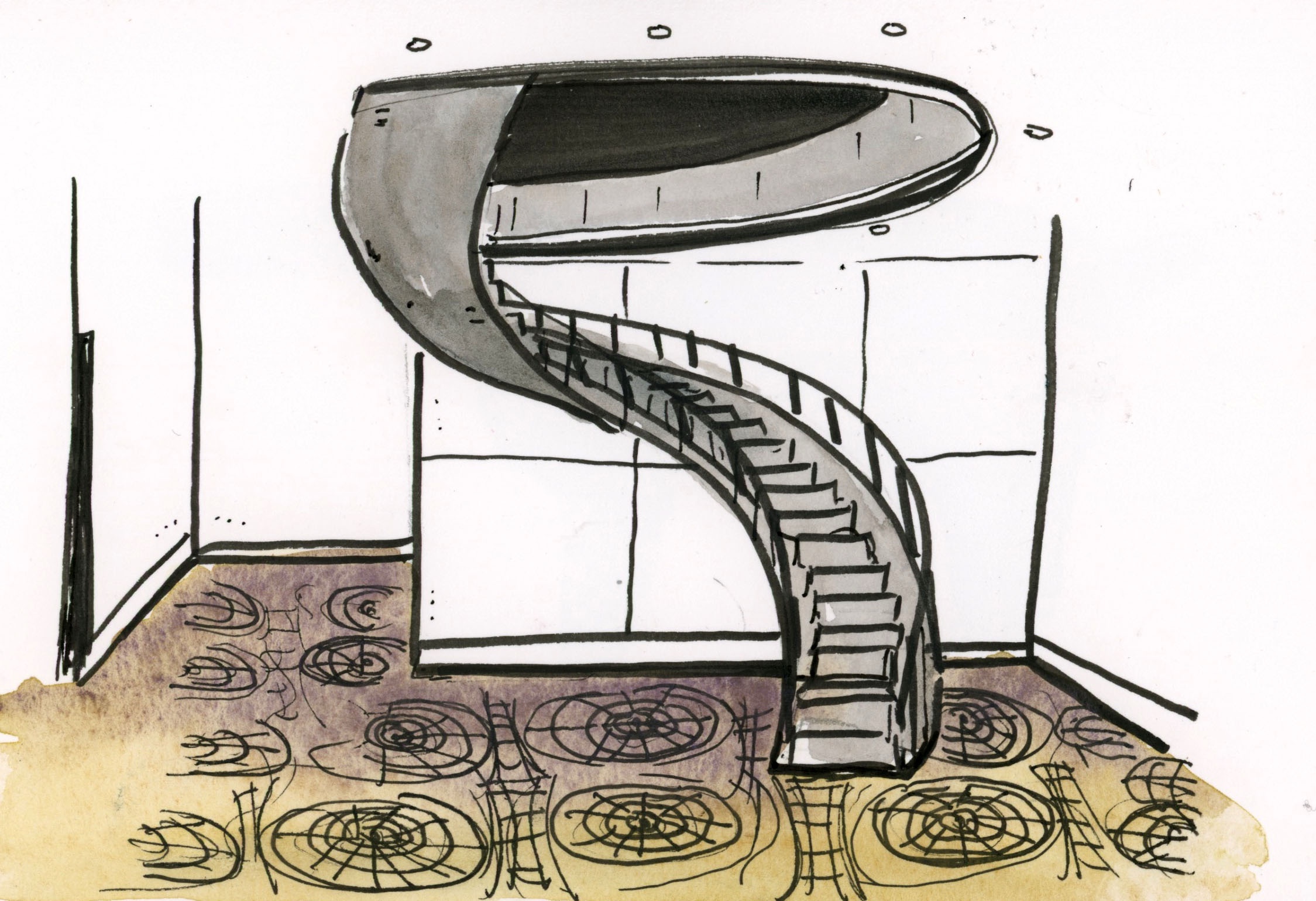
A field sketch of one of the iconic spiral staircases of Embarcadero Center. One of these staircases was featured prominently in The Conversation.
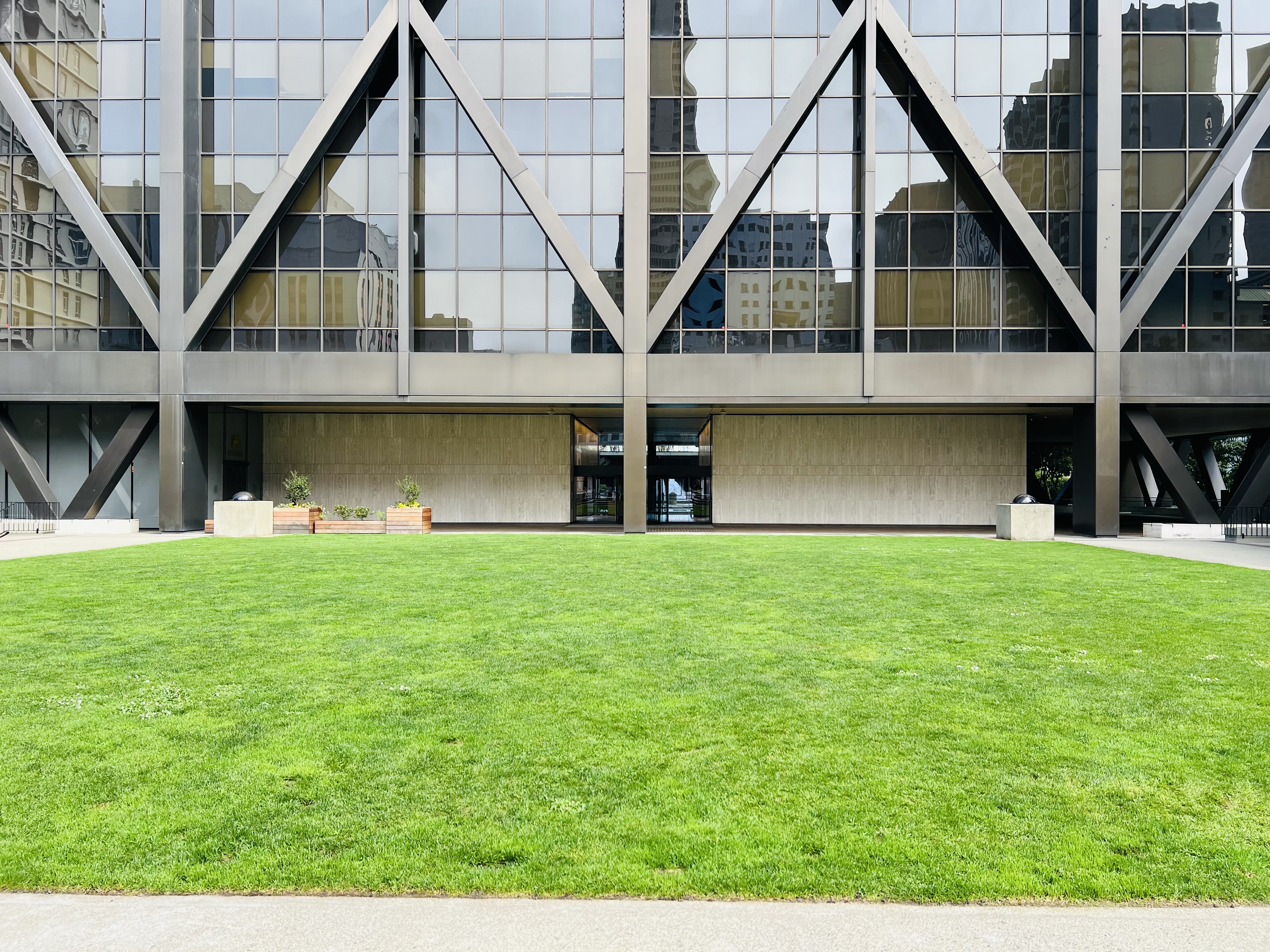
After being paid by the President, Hackman walks right to left in front of One Maritime Plaza, which is across the street from One Embarcadero Center. The location looks much the same as it did in the early 1970s.

Walking in the footsteps that the actor Gene Hackman took in one of his seminal lead roles, is my way of honoring a talented performer that had recently left us as well as creating a fitting sketcher’s eulogy.