Sydney is known as the Emerald City because it has so many parks and there is none bigger than Centennial Park (founded in 1888, one hundred years after the First Fleet entered Sydney Harbour.)
This park had been on my birding list for months before my arrival. It is an urban birding Mecca.
While I was birding in the massive park between the Duck Pond and Lachlan Swamp I heard an unworldly racket coming from the gum trees.
I saw what I took to be a large bird flying from one tree to another. I had to get a closer look. Perhaps another lifer!
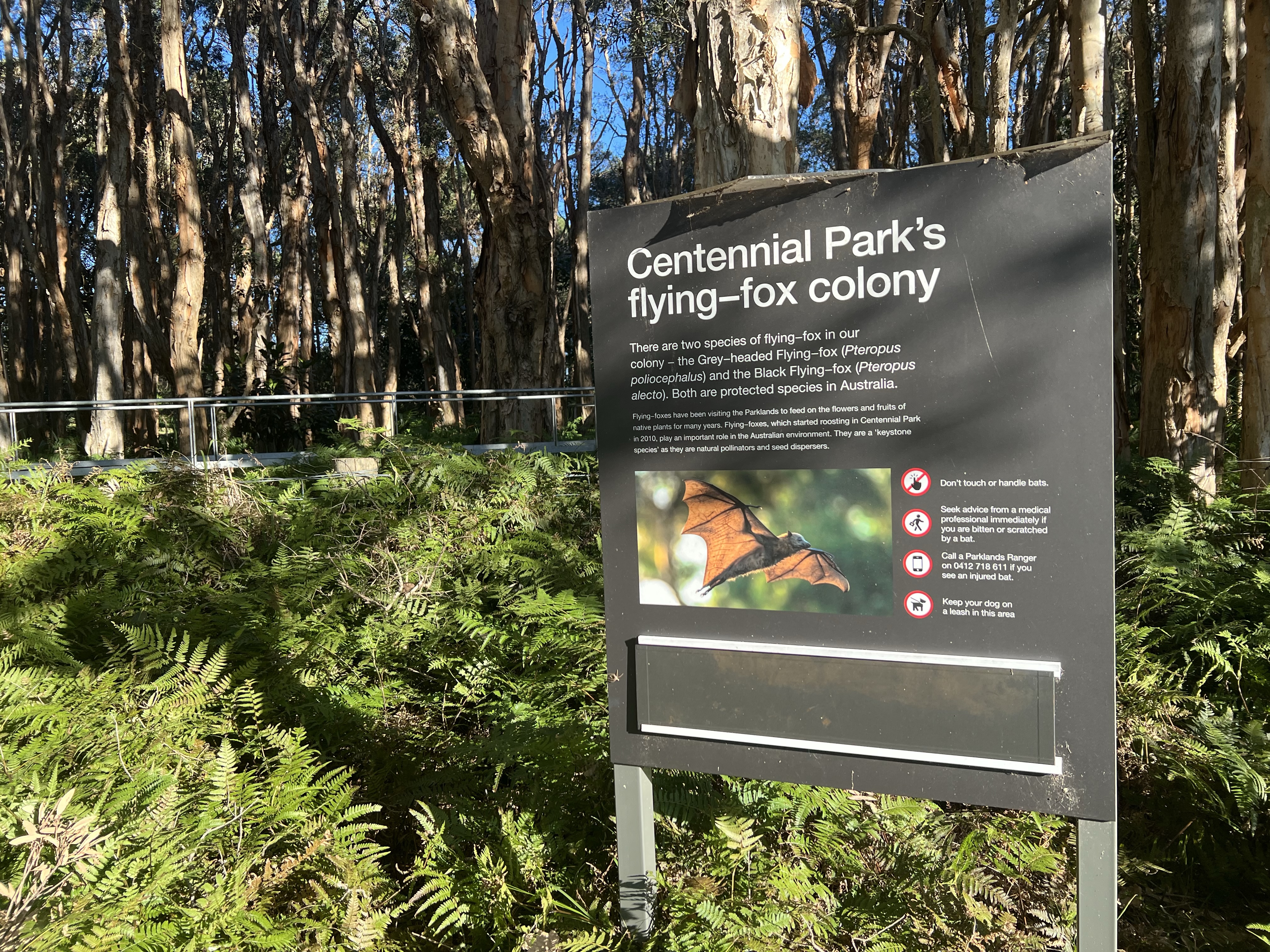
What I stumbled upon was Centennial Park’s flying-fox colony!
The gum trees were adorned with these mega bats, all making a cacophonous symphony with individuals switching trees and other resting.
This is Sydney’s largest flying fox colony with numbers between 5,000 to 45,000 individuals.
This was another “I’m not in Kansas anymore!” experiences as we only have microbats in the Northern Hemisphere. I figured anything that I saw flying in the Australian skies would be feathered.
The bats that roost in Centennial Park are grey-faced and black flying-foxes.
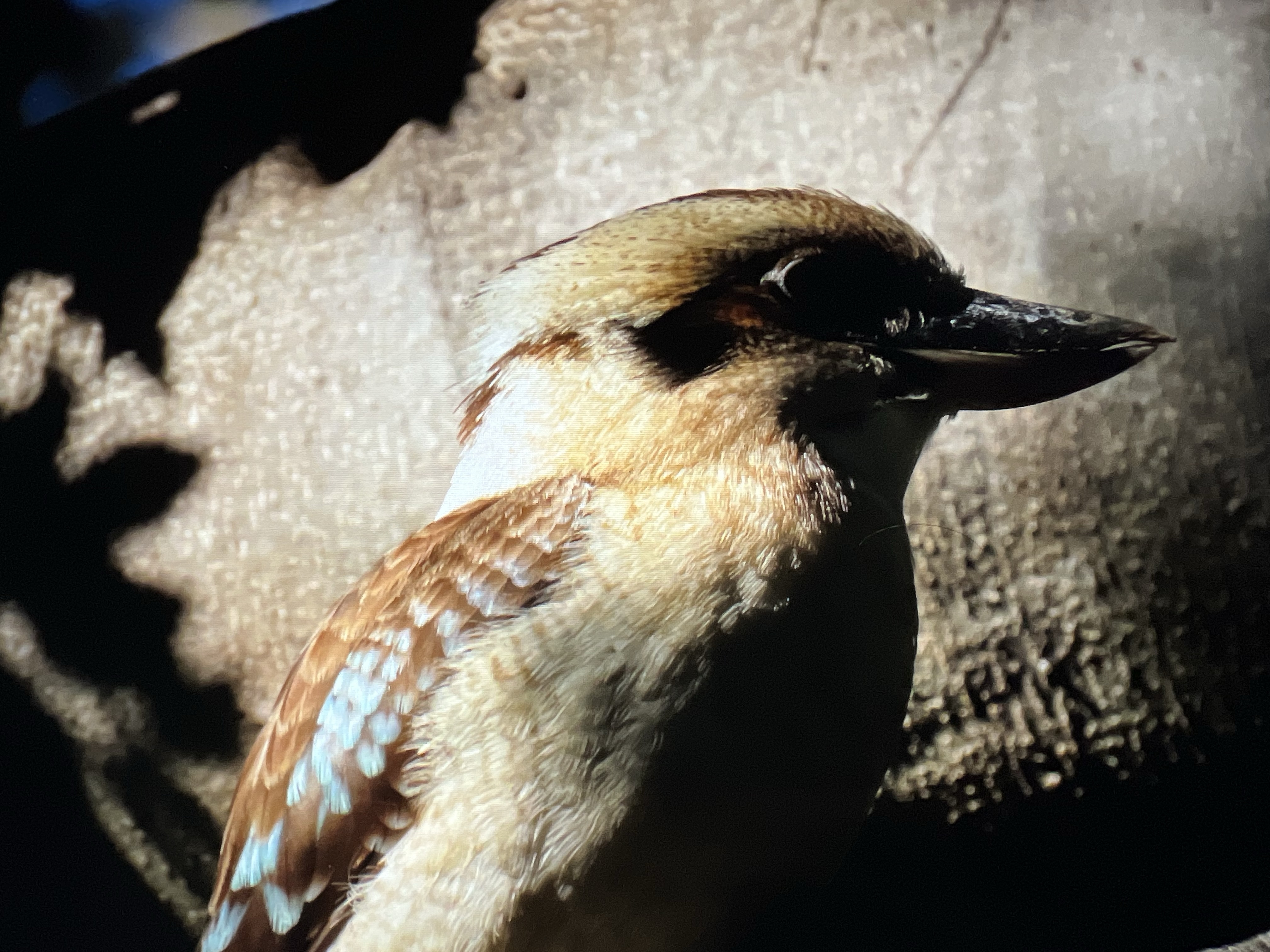
I pulled out my sketchbook and drew the roosting bats in the gum trees, the result looked like a very odd Christmas tree. My sketching was in the presence of an observant perched kookaburra.
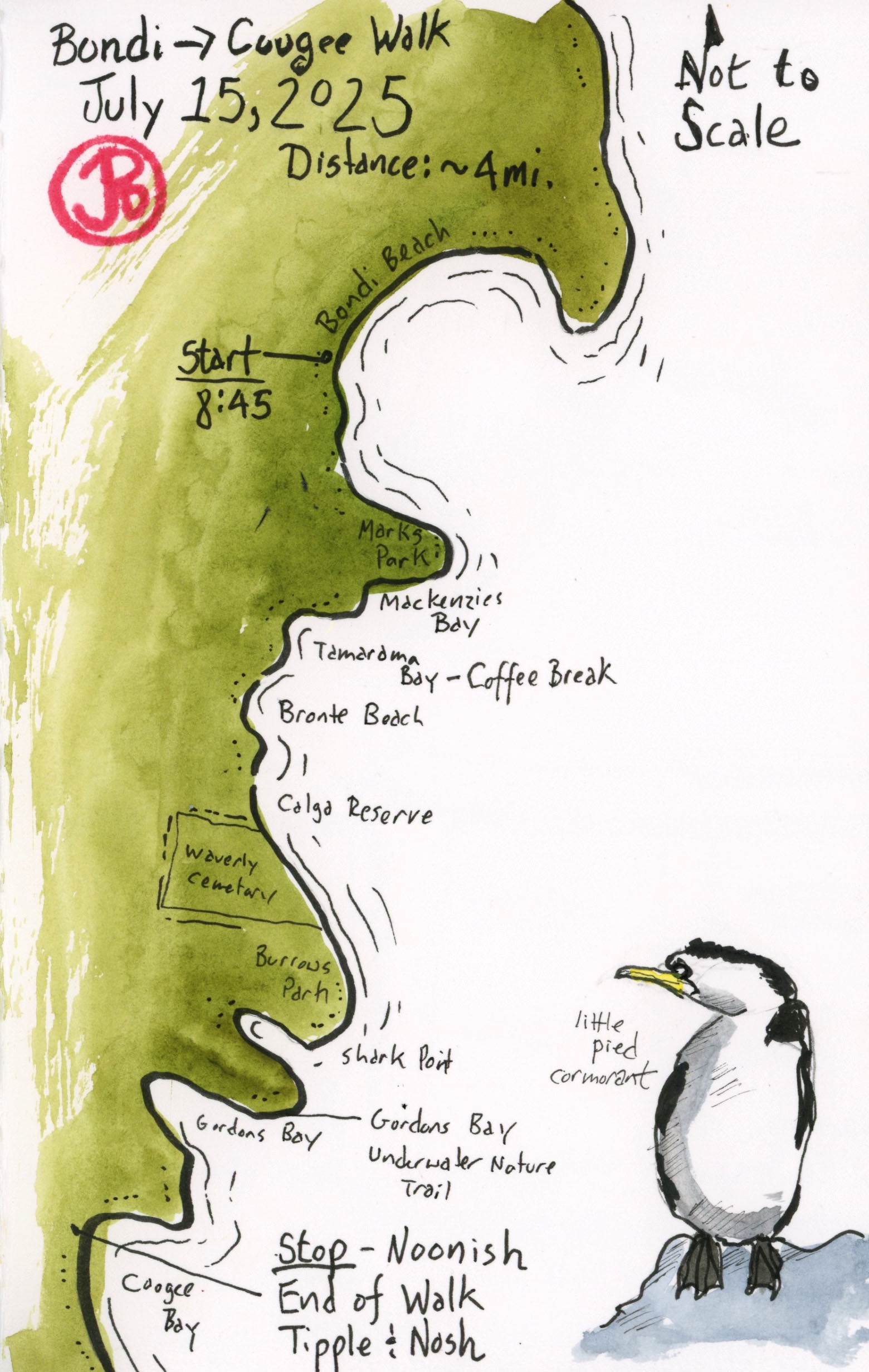
A former parent from Sydney highly recommend the four mile coastside walk from Bondi Beach to Coogee and even with overcast skies, the walk was absolutely stunning. And also very birdy.
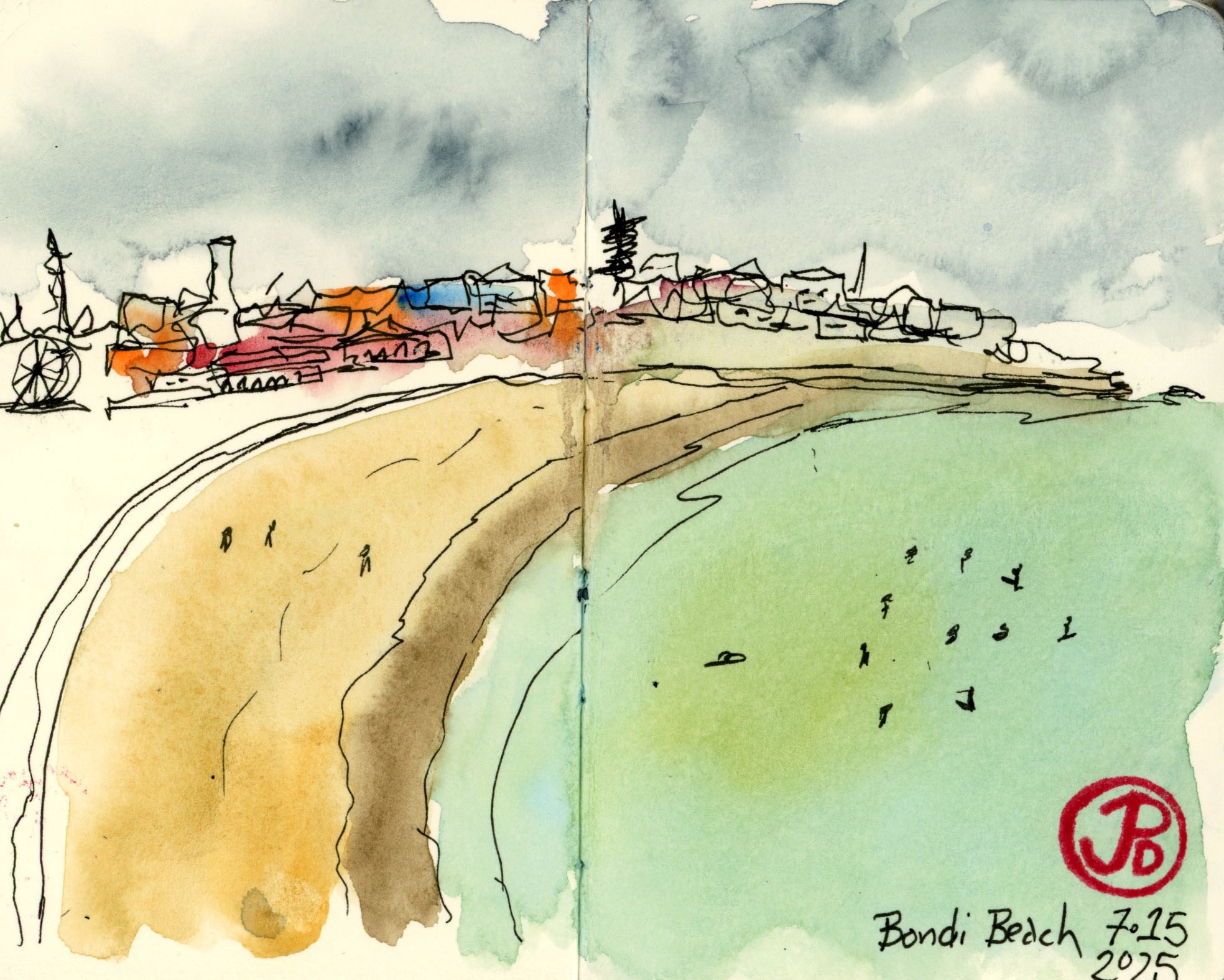
A quick sketch of Bondi Beach with its many winter surfers.
I took two buses from my digs in Surry Hills, via Bondi Junction to Bondi Beach. The beach was all Australian but the buildings around it seems more Blackpool or Brighton, showing Australia’s English influence. The windy cold-gray weather even suited the English seaside.
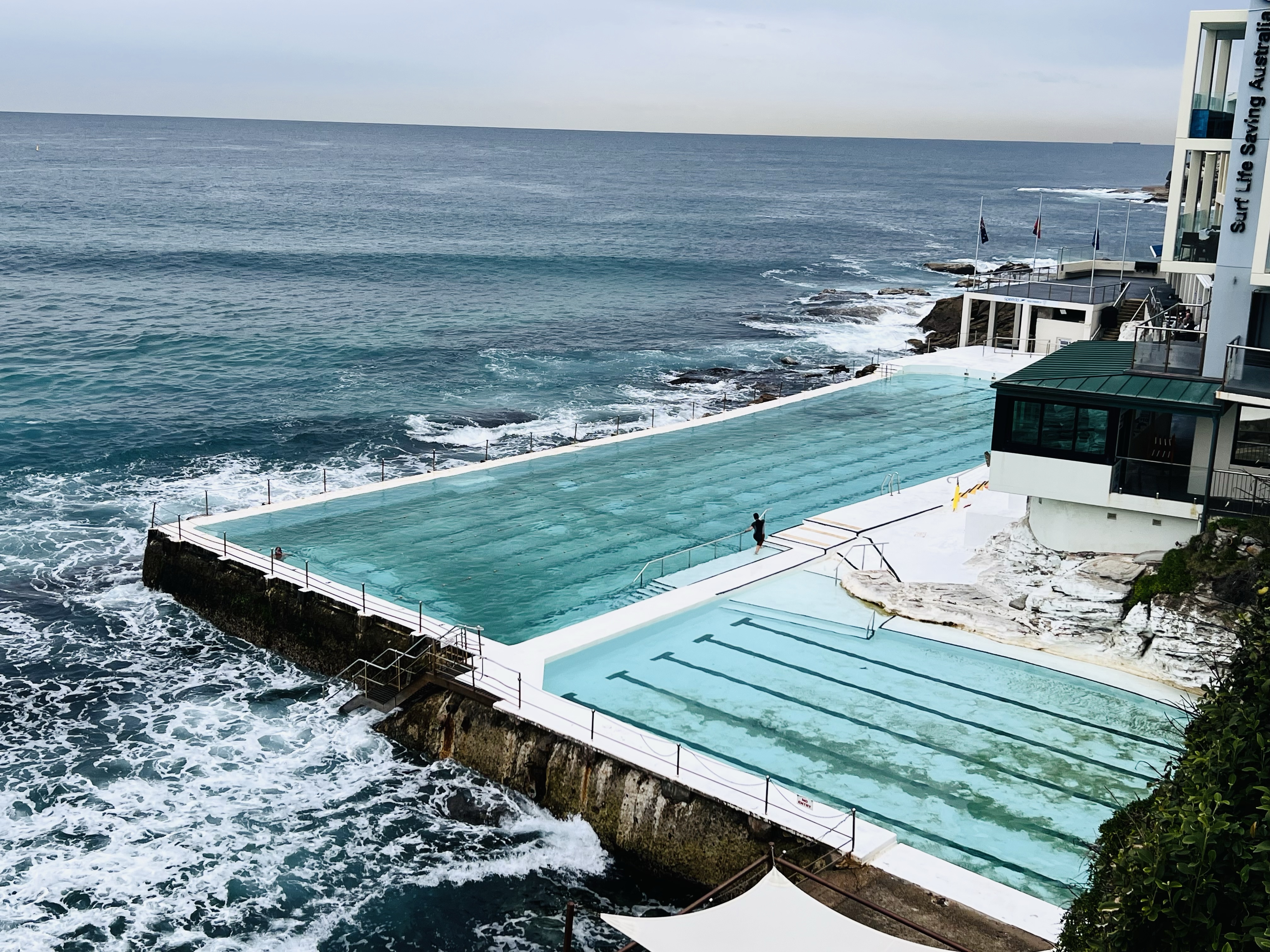
Oceanside swimming at Bondi.
I was starting my coastal walk here and heading south toward Coogee. I had a few birds on my wishlist: Australasian gannet and superb fairywren topped the list.
A post trek map of my journey.
I had the Pacific Ocean on my left as I headed south toward the town on Coogee and I kept one eye out to my left for gannet and looked and listened as I passed vegetation for the fairywren.
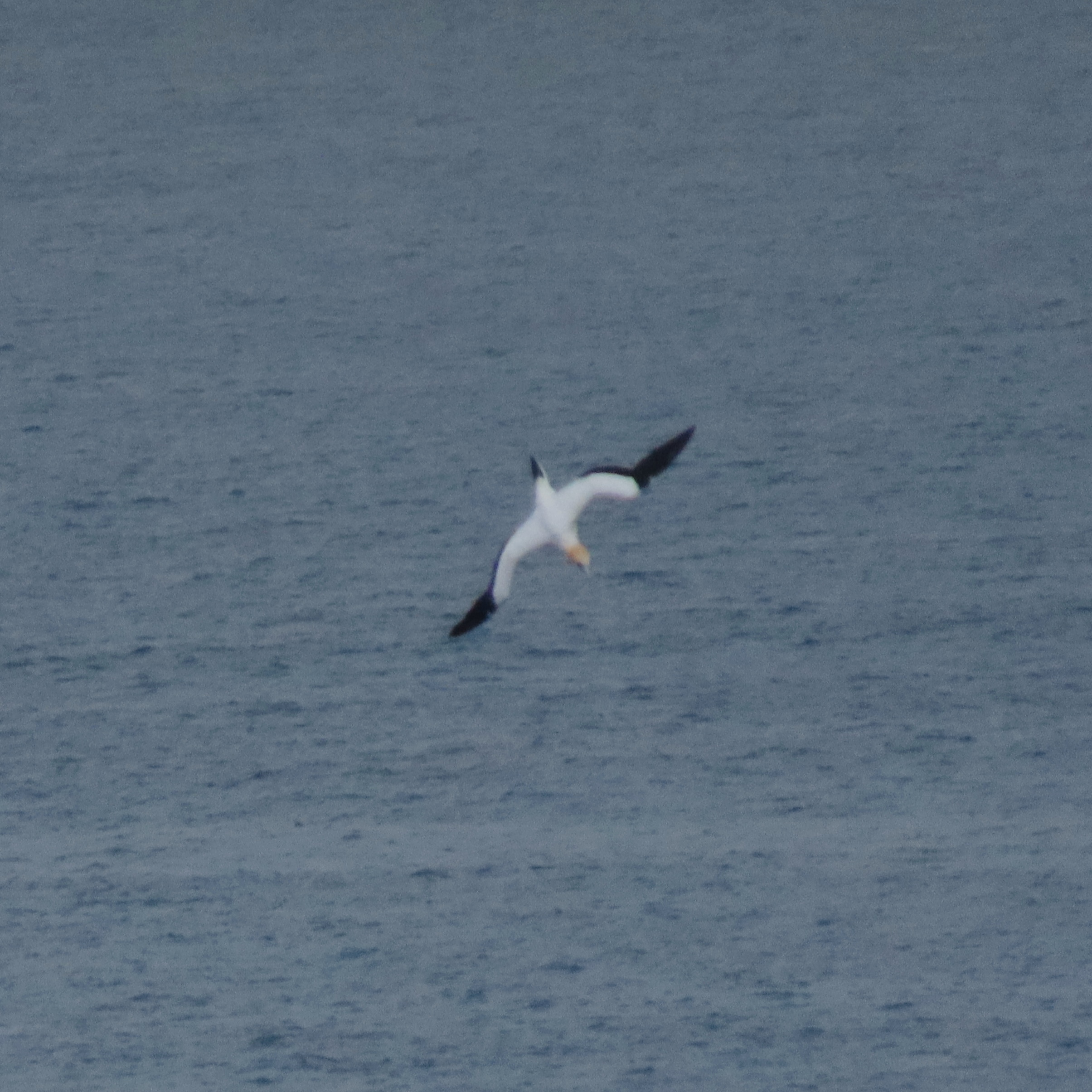
I came to a point close to Bondi Beach when I saw the telltale sign of a gannet just off the beach. Lifer!
Now it was time to find the 2021 Australian Bird of the Year, the superb fairywren.
As I walked by every trail side bush, I listened for the tell-tale trill of a fairywren, even though I had never heard one before.
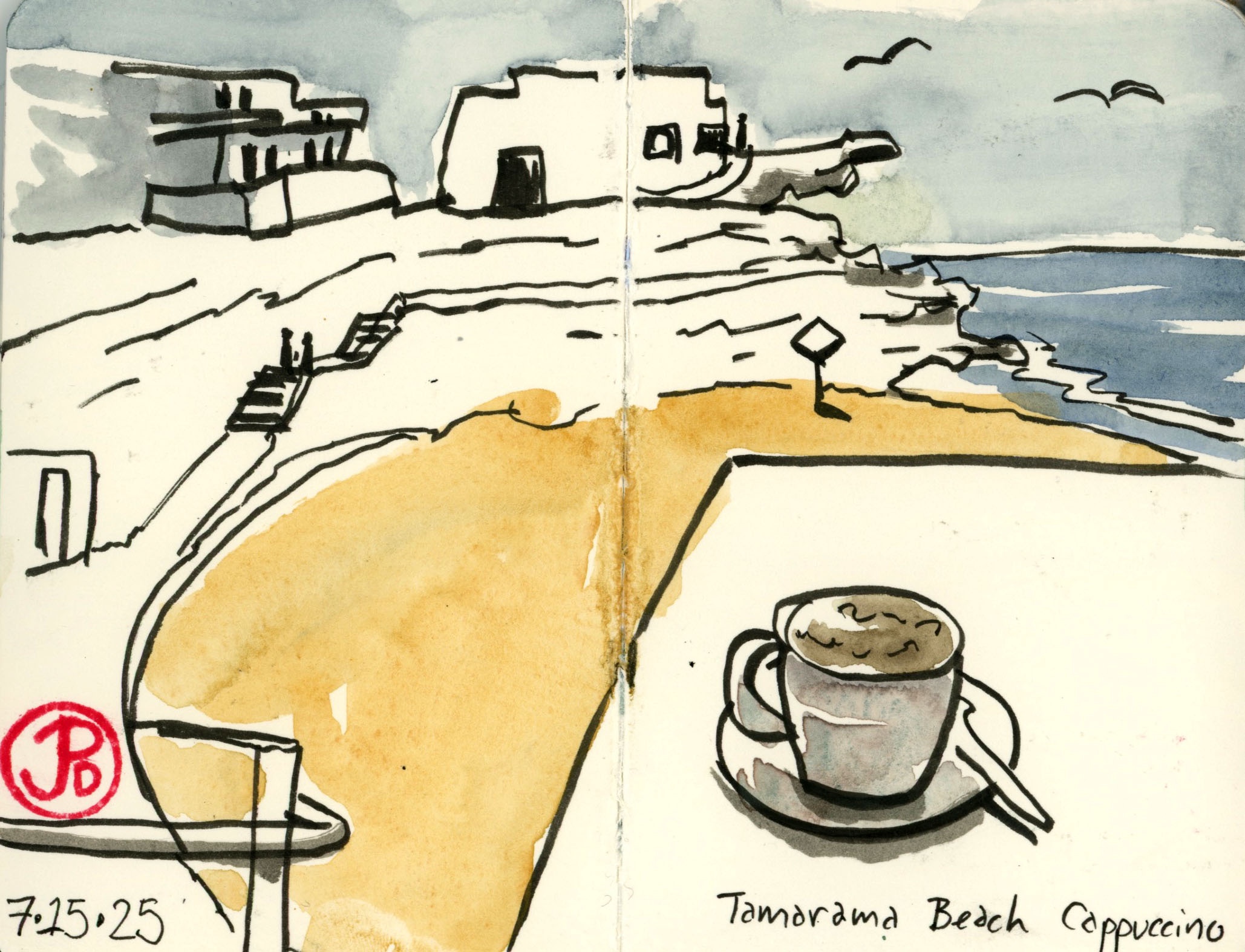
The nice thing about the walk is there are plenty of places to stop and have a cup of joe. I stopped at the cafe at Tamarama Beach and had a cappuccino and sketched the scene over my seaside table.
After finishing my cappuccino, I continued my southward journey towards Coogee. As I neared Waverly Cemetery, the bushes grew denser and more birdy. I heard a high trill nearby and knew there must be fairywrens.
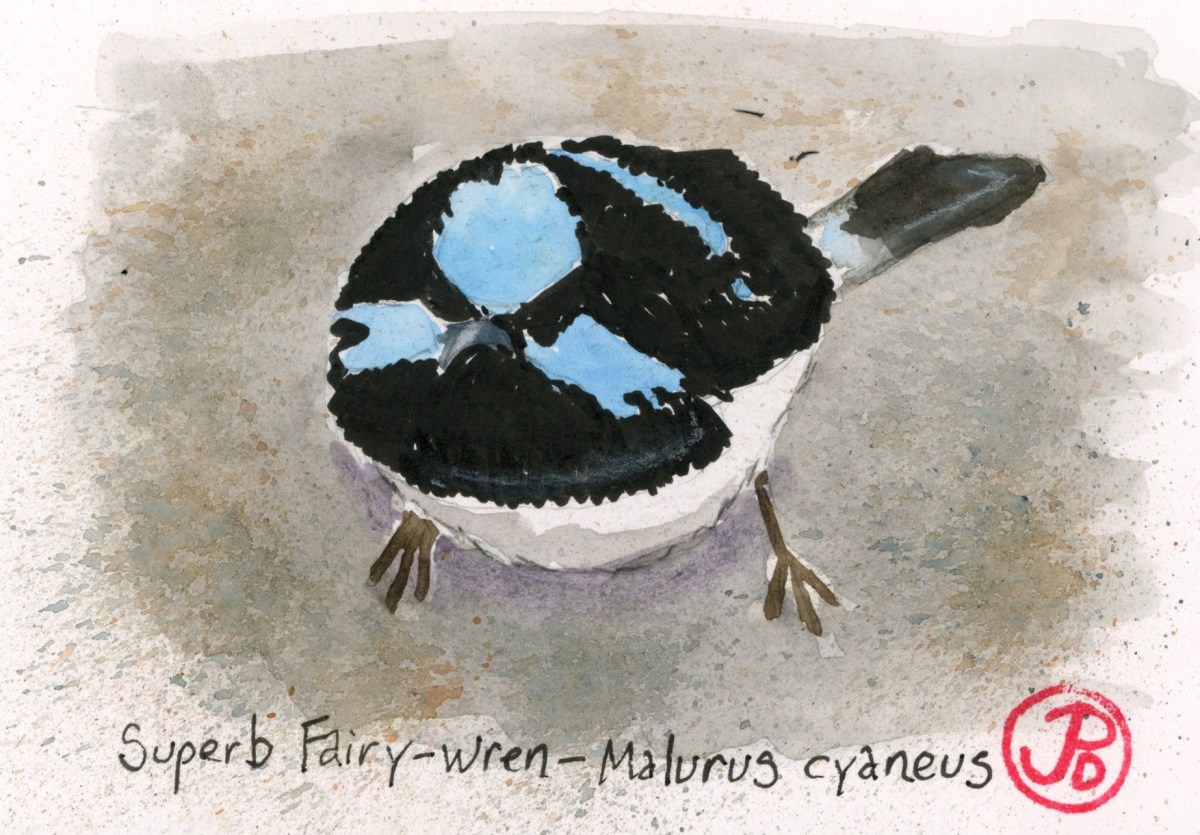
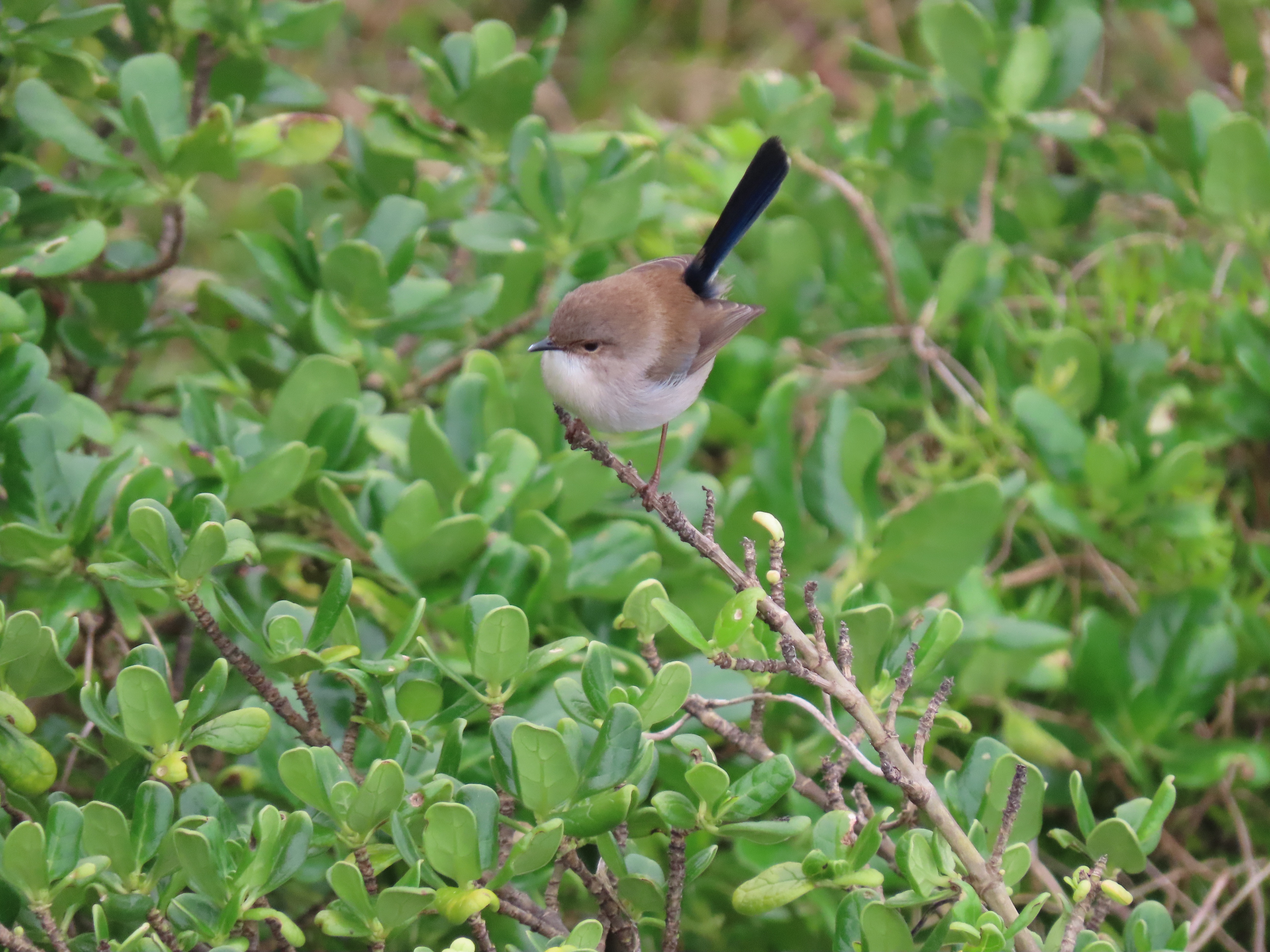
I saw movement in a seaside bush below. With a little patience, a non breeding male with a deep blue tail appeared! I knew that fairywrens forage in family groups. Now with a little more luck a stunning male would appear. So I continued waiting.
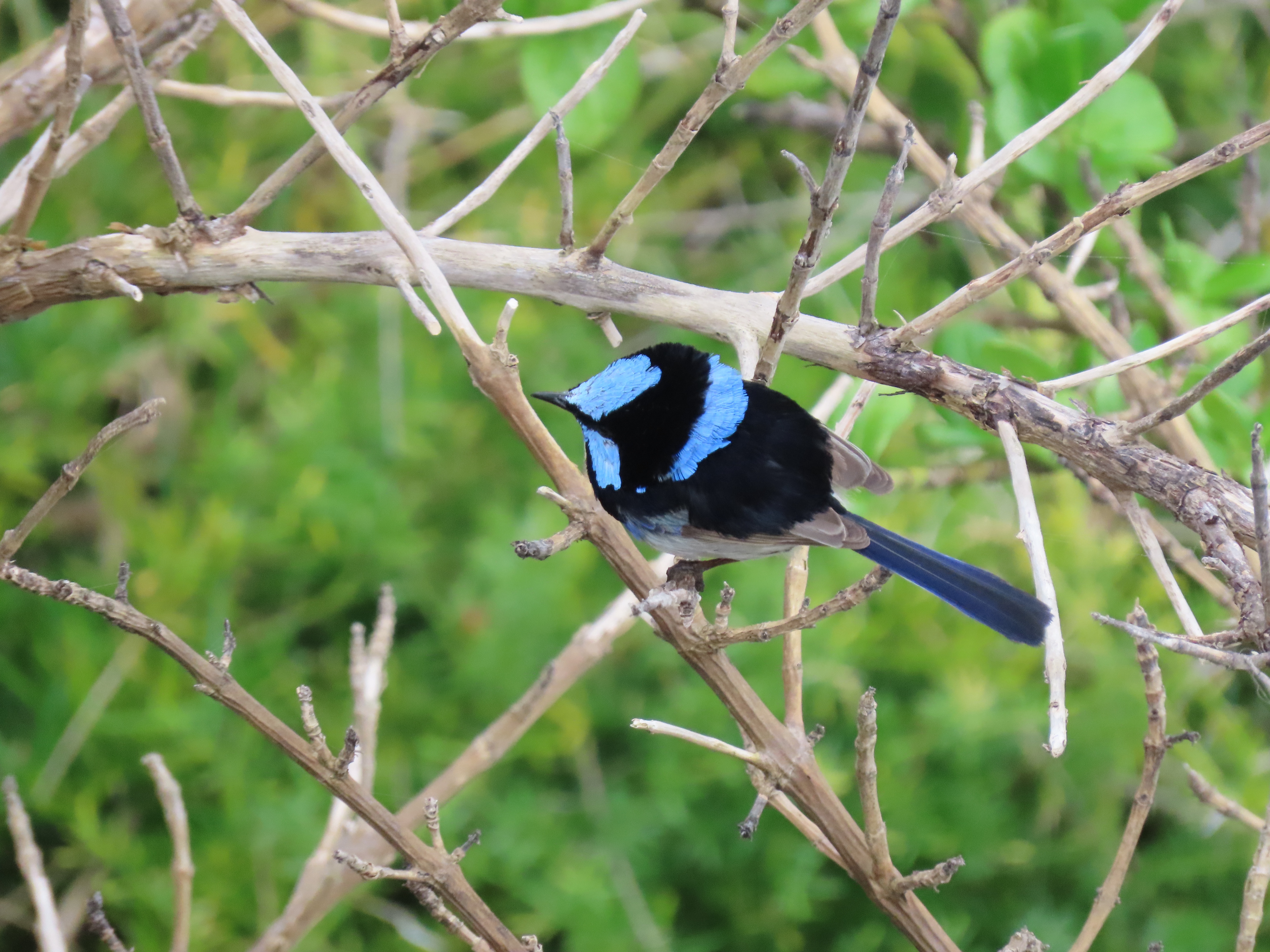
A stunning male!
My wait paid off and I had prolonged looks at the vibrant male fairywren. He even perched out on the rock giving me many reason to understand why this was such a beloved Aussie bird!
As I continued south, bordering the cemetery I added grey butcherbird and the amazing yellow-tailed black-cockatoo.
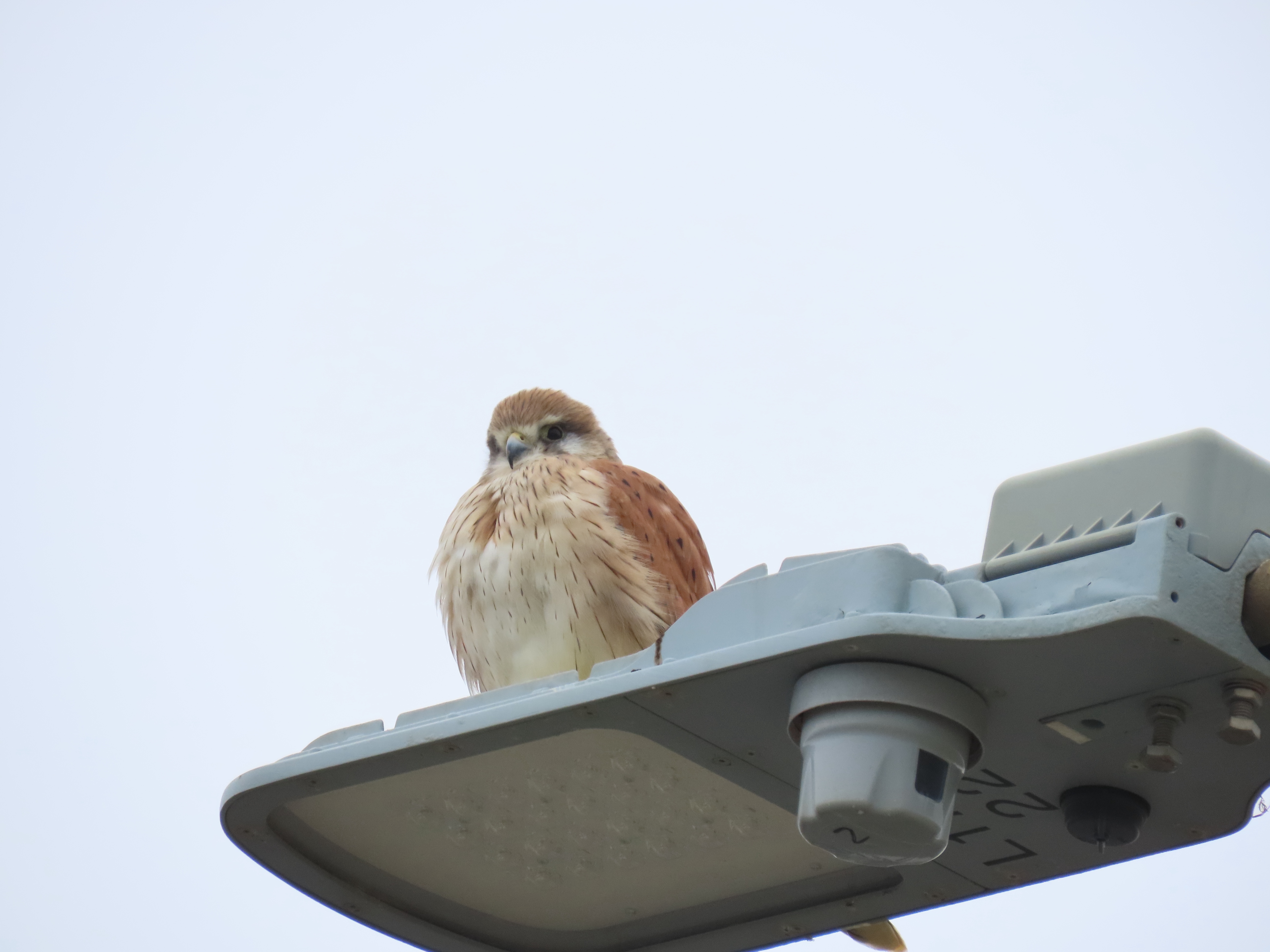
As I neared Coogee, I spotted my first raptor of the trip: a Nankeen kestrel.
On the final third of my journey I added more birds (some lifers) to my list: my fist raptor of the trip, Nankeen kestrel, white-faced heron, another family of fairywrens, a pair of crested pigeons, New Holland honeyeaters, and a foraging gannet in Coogee Bay.
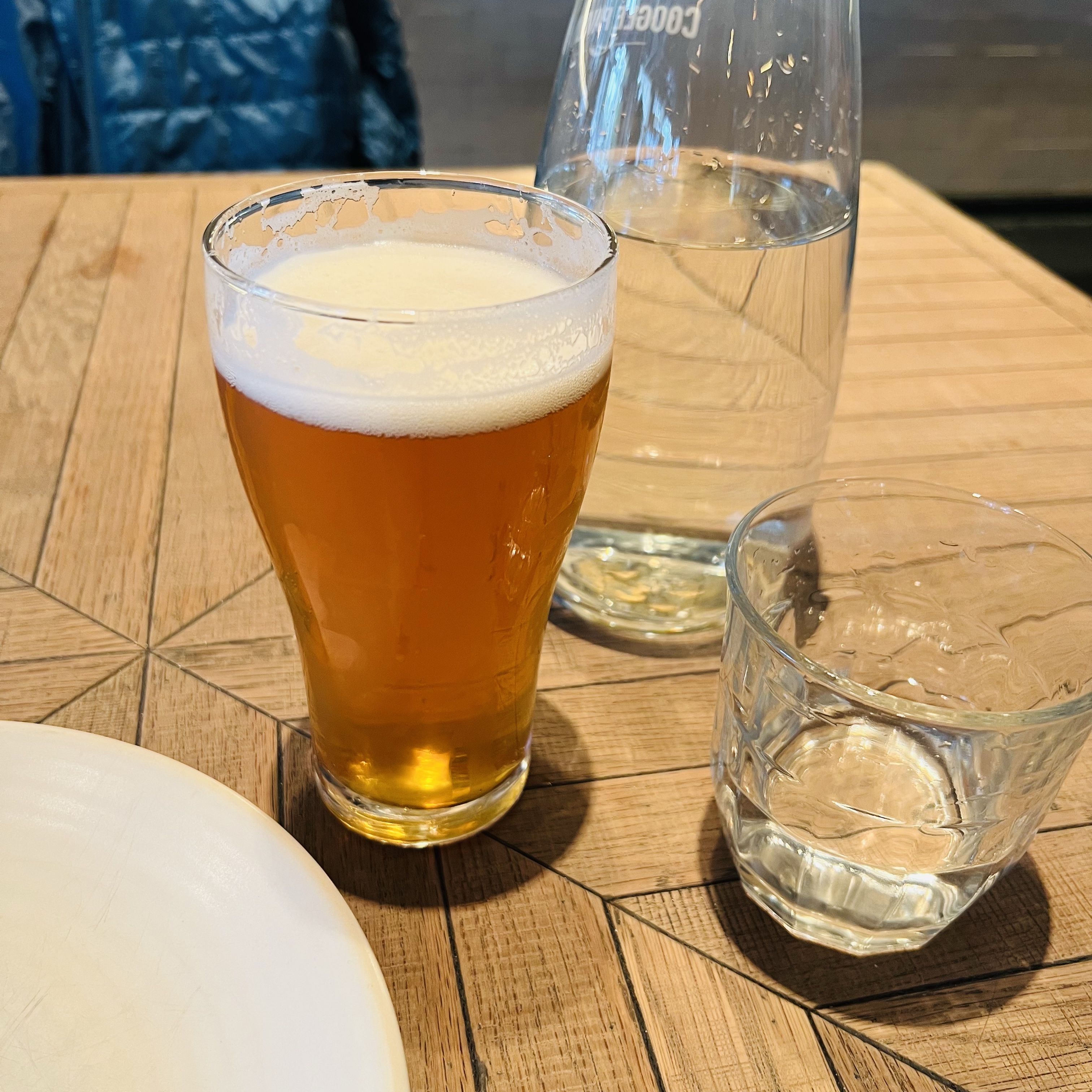
A treat was seeing an Australasian gannet plunge diving into Coogee Bay at the end of my walk!To celebrate the completion of my walk and the many lifers along the way, I had a schooner of fermented liquid bread at a Coogee pub.
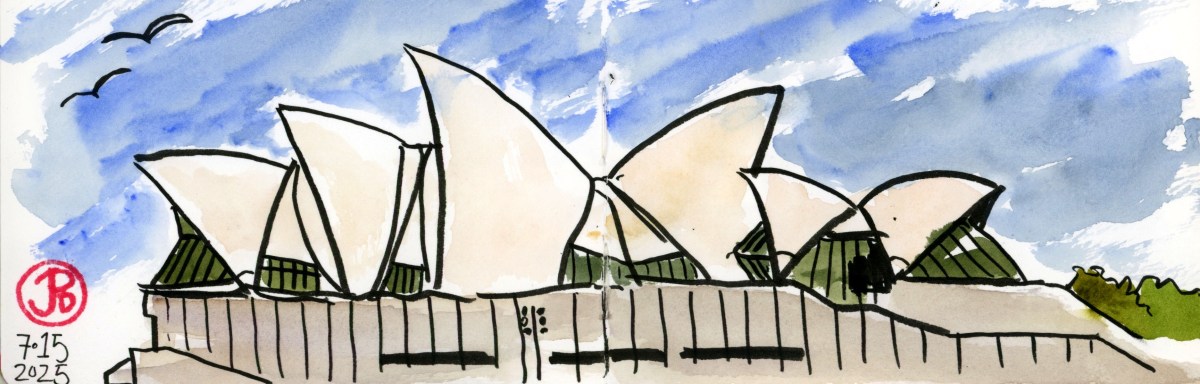
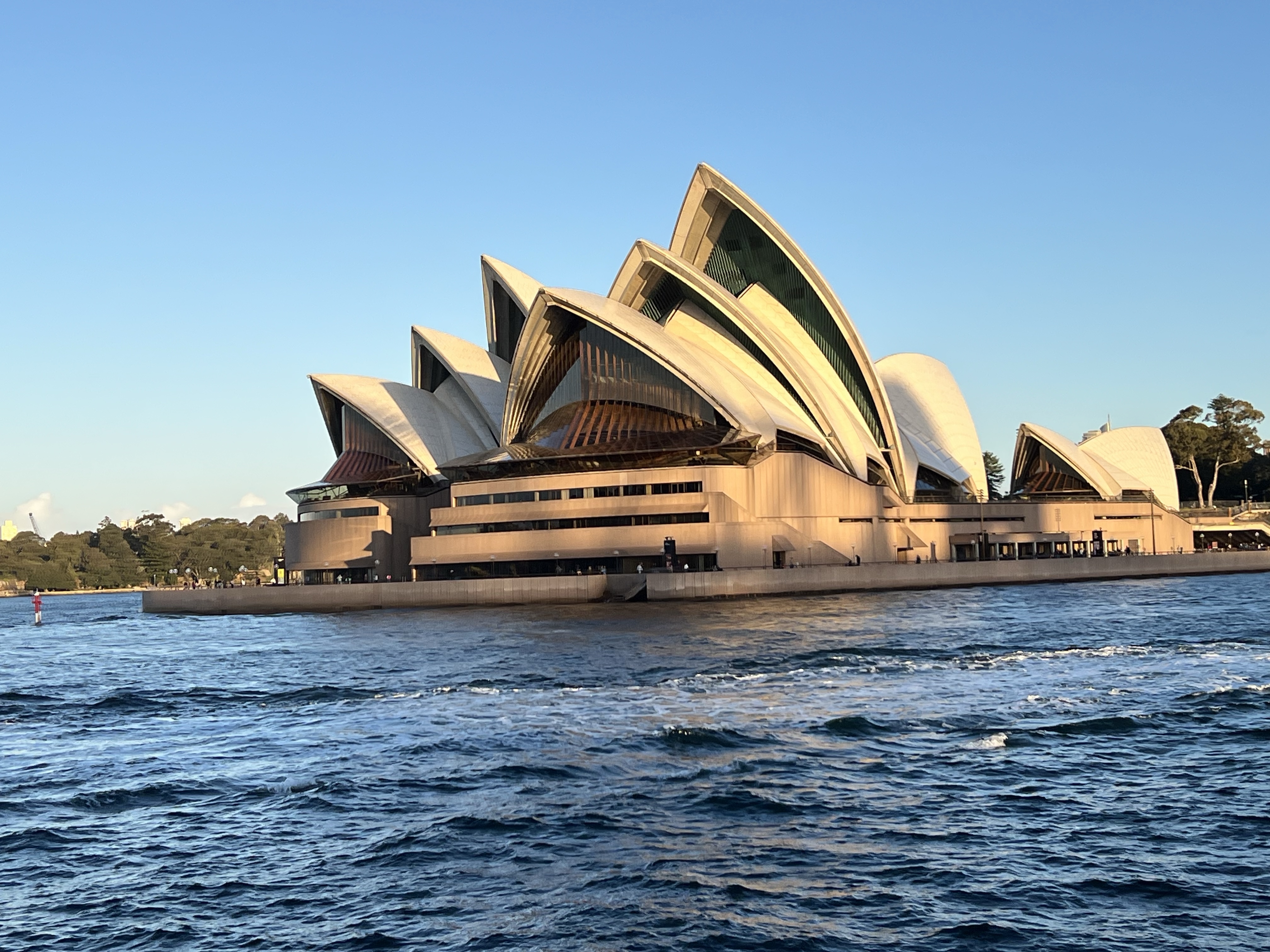
There is one Sydney building that I wanted to add to my sketchbooks more than any other: Sydney Opera House.
There are few structures in the world that are instantly recognizable whether you’ve seen then in person or not: Stonehenge, Eiffel Tower, Machu Pichu, the Golden Gate Bridge, the Pyramids of Giza, the Taj Mahal, and the Sydney Opera House.
One of the best views of the Opera House is from the Harbour itself, in this case aboard the Manly Ferry.
The opera house was designed by Danish architect Jorn Utzon after a 1955 completion with 233 entries. Utzon’s innovative design was chosen and construction started on March 1, 1959. After many set backs, budget overruns, and redesigns, including the firing of Utzon, the opera house was inaugurated by Queen Elizabeth II on October 20, 1973.
After his firing Utzon never returned to Sydney to see his completed masterpiece.
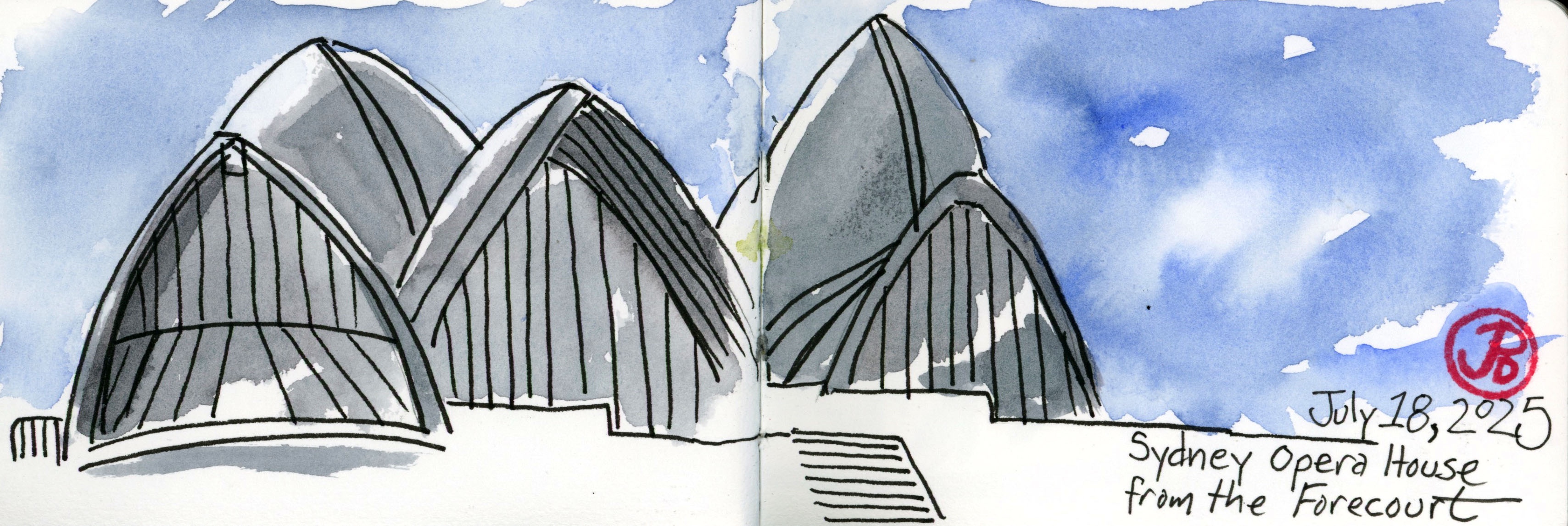
I was captivated by the Opera House and I did a total of six sketches of the masterpiece and with each sketch, I began to understand the structure a little more.
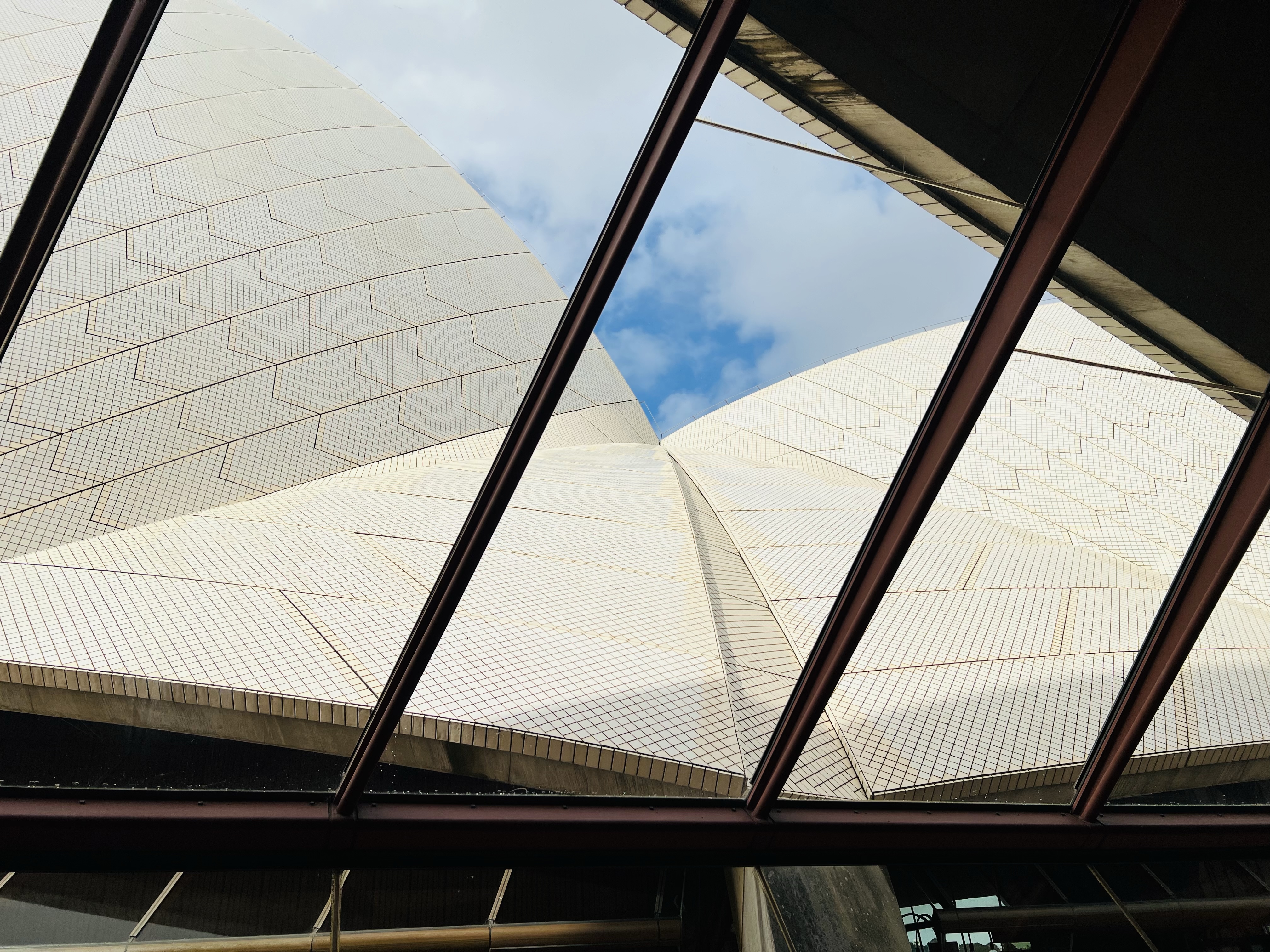
A sketch from the forecourt. Many concerts have been held in the forecourt perhaps none more famous than Crowded House’s last concert on November 24, 1996. The free concert was attended by about 250,000, which was way more than the forecourt could hold. A look at the tiled sails of the opera house from the inside while on a tour of the building.
On my first morning in Sydney I left my digs in Surry Hills and took the L2 tram line towards Circular Quay.
Circular Quay is a very famous spot in Australian history because it was here that the First Fleet landed with its first batch of convict colonizers in 1788.
Two of Australia’s most famous sites bookend Circular Quay: Sidney Harbour Bridge and the Opera House. This is the epicenter of Sydney.
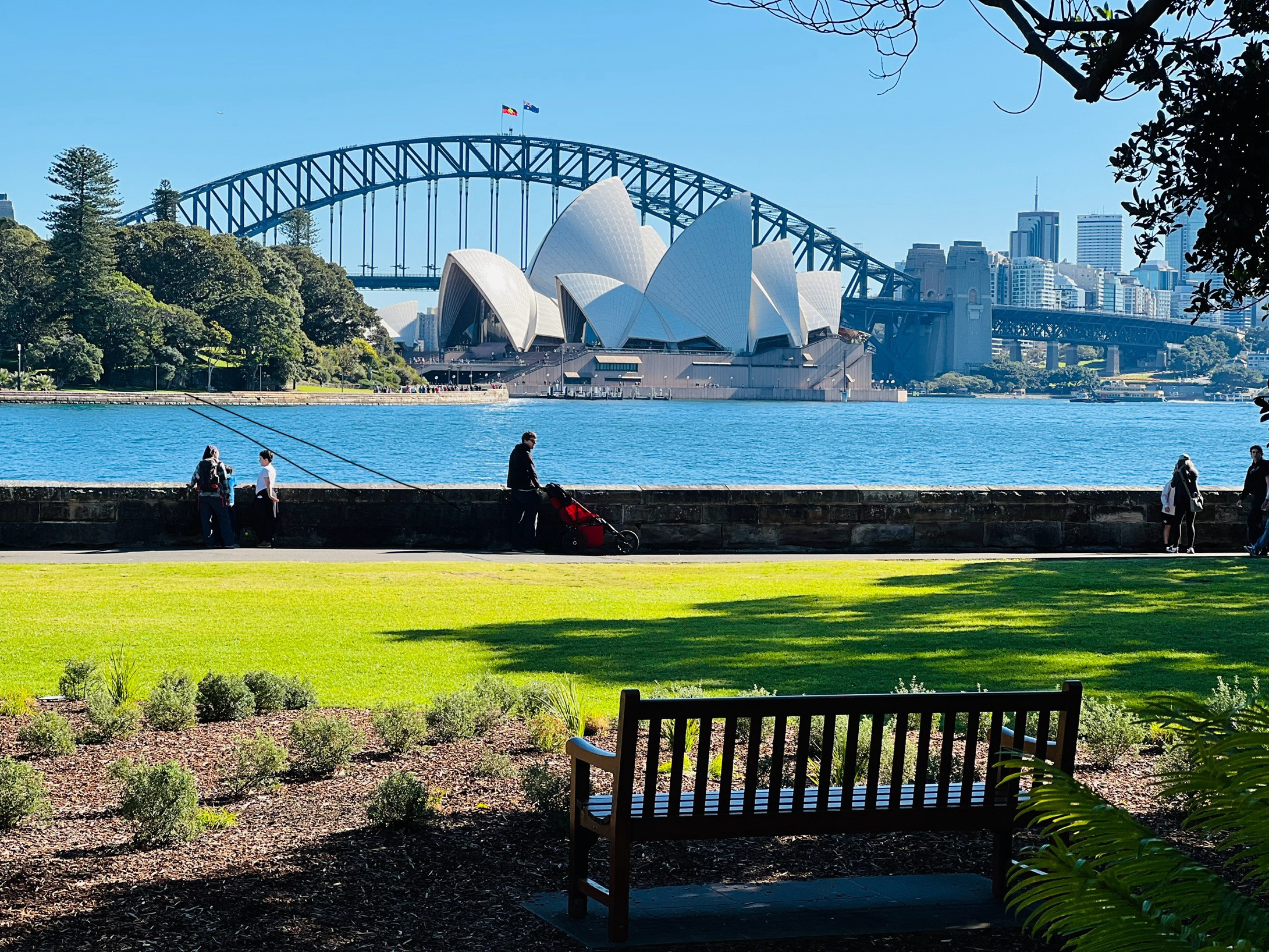
I picked a bench in the shade of the iconic sails of the Opera House and sketched the equally iconic Harbour Bridge.
I then walked around the Opera House wondering how on earth I was going to fit this architectural masterpiece into the pages of my journal. (Maybe I needed a bigger journal!) First I needed to get a further perspective so I headed into the Royal Botanic Gardens, picking up life birds along the way like such iconic Aussie species as sulphur-crested cockatoo and the laughing kookaburra.
It was thrilling to get a first look at a kookaburra!
I found a bench and attempted a first sketch. Capturing the sails was going to be a challenge and I figured I’d needed a few attempts from different perspectives.
In the meantime I continued to bird.
One of those “I’m not in Kansas” moments. These are not escaped cockatoos but wild sulphur-crested cockatoos feeding on seed like pigeons in a park!
I headed out to Mrs. Macquarie’s Point, after picking up more lifers, to get a further perspective of the Opera House and Bridge.
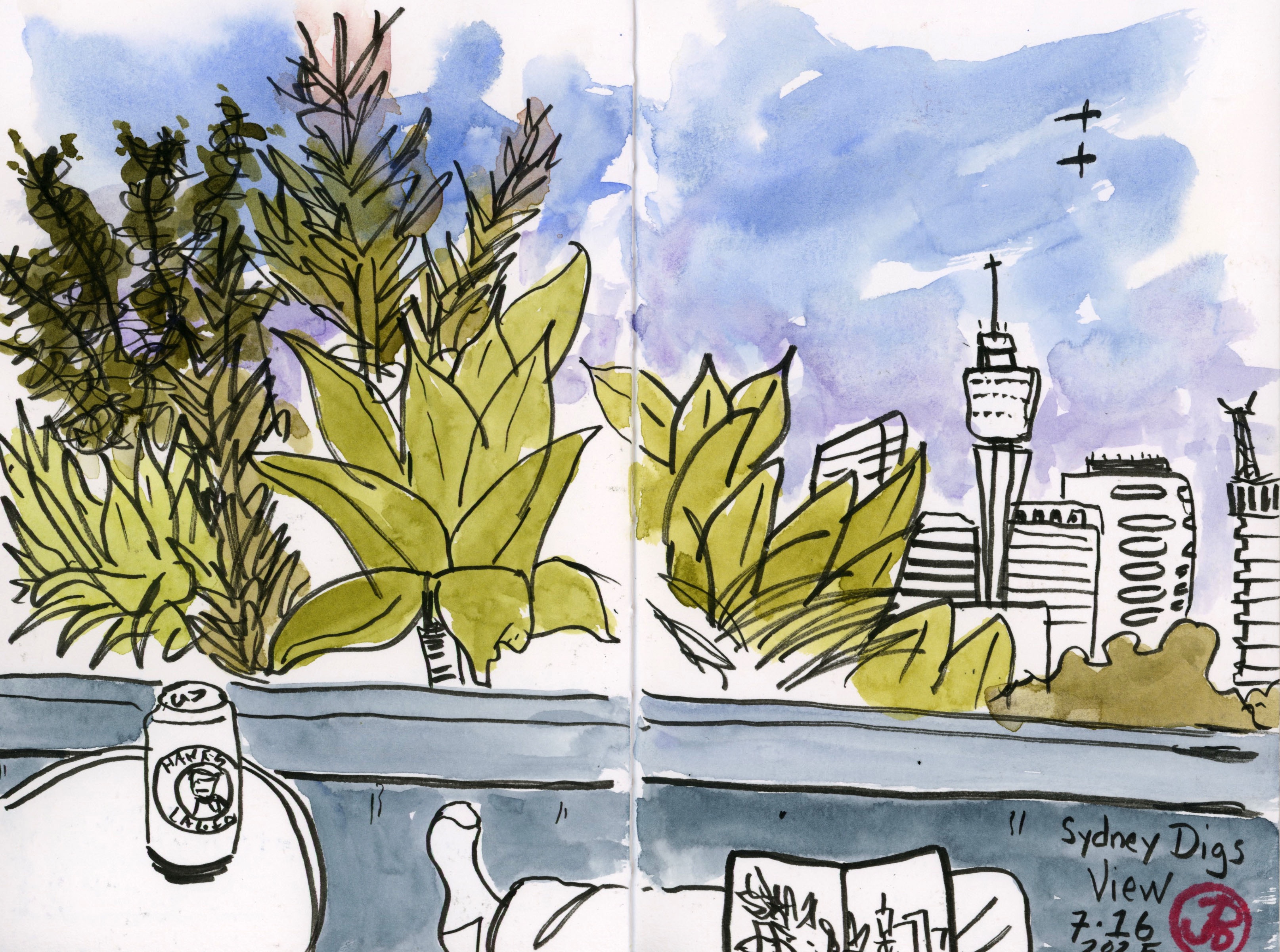
My sketching bench with a view of two of Sydney’s most iconic structures produced the featured sketch. A self portrait view from the deck of my Surry Hills fifth floor flat looking toward downtown Sydney. A frequent morning visitor to the trees in the foreground and my first Aussie lifer was the beautiful rainbow lorikeet.
While on O’ahu I continued with continuous-line sketching.
I had originally wanted to keep a separate journal and only sketch with this freeing technique but I didn’t follow my own challenge and spread continuous-line sketches throughout my three watercolor journals that I brought with me to Hawaii and Australia.
I grew to love this method in proportion to by own leaning curve. I didn’t want to sketch this way on every sketch but sprinkle it about as the subject seems fit.
What I love about this technique is it is a puzzle; figuring out how to get to one part of the sketch to the other. You simply draw your way there, sometimes doubling or tripling back on already existing pen marks. And of course pencils are never allowed for Continuous-Lines Sketches (CLS).
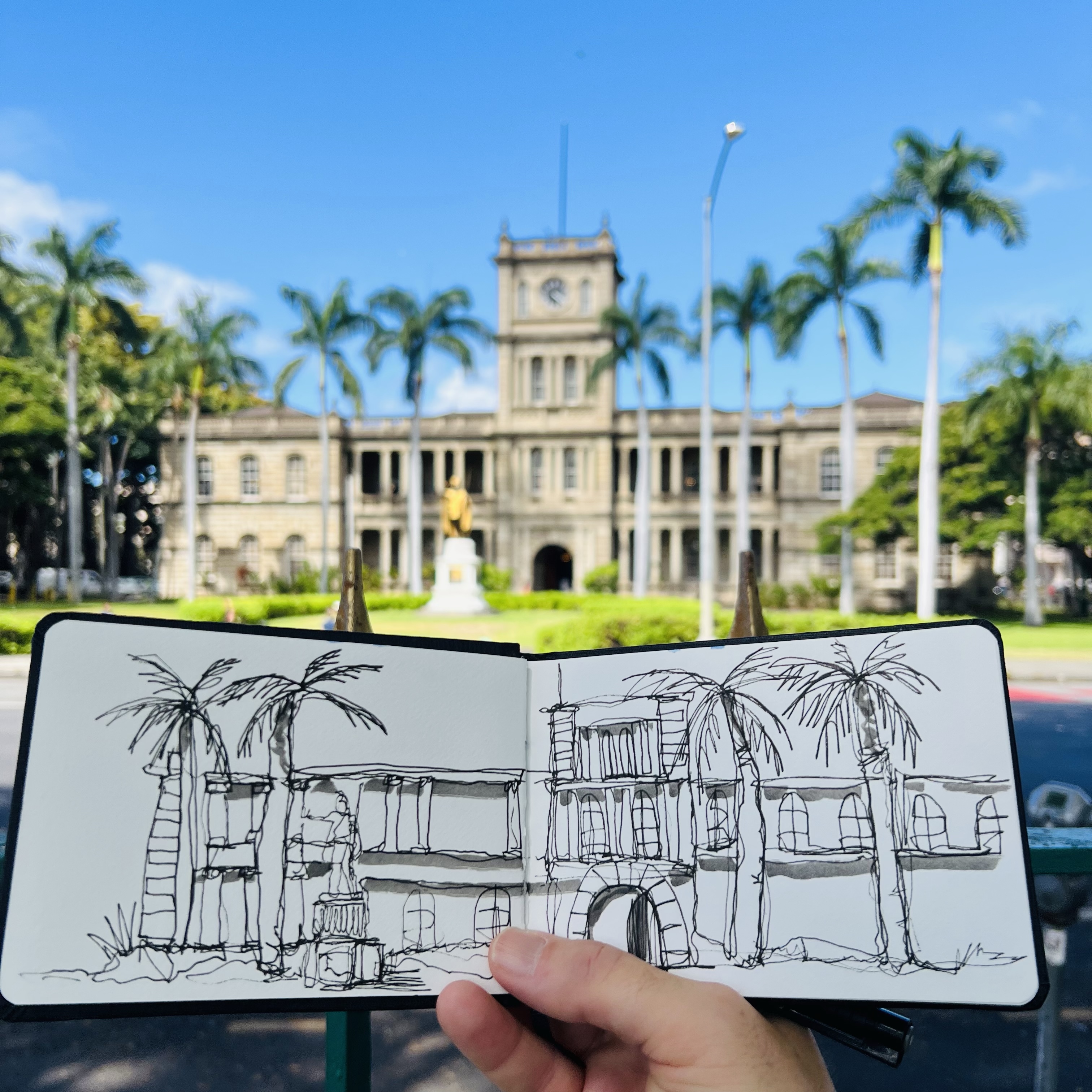
My first CLS was of the famed statue of King Kamehameha in front of the ‘Iolani Palace in downtown Honolulu.
While I initially looked at the complex details of the building I let it rip with a single pen line and I liked the results.The final continuous-line sketch with watercolor washes.
After sketching the palace I caught an Uber up to the Punchbowl Cemetery where the National Memorial Cemetery of the Pacific is located. The cemetery sits in a volcanic crater and many of the victims of the attack of Pearl Harbor are buried here.
I rendered the monument in a single, unbroken one line and I am pleased with the result.
Is this the most precise and accurate sketch of the monument? No, but is has something more, a feeling of spontaneity.
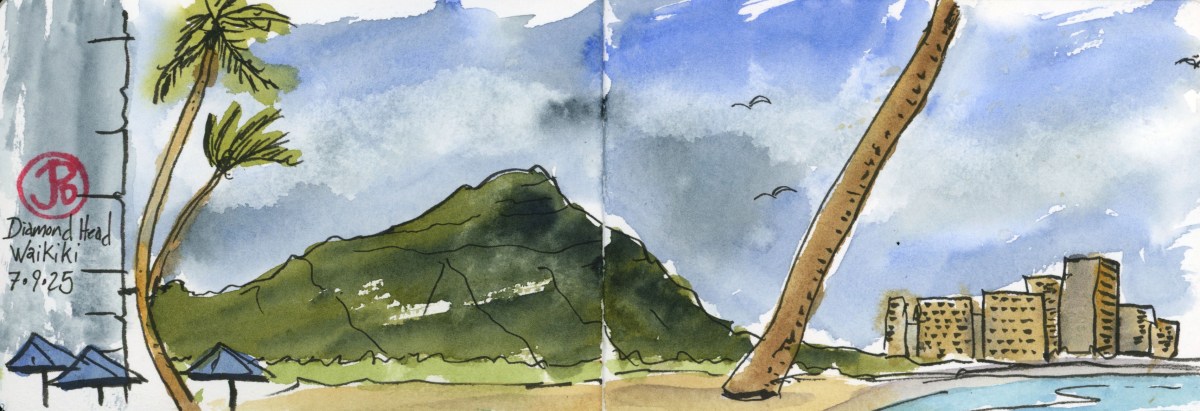
I had to continuously-line sketch the one view that says “Waikiki” more than all others: Diamond Head from Waikiki Beach.
I walked out to a stone jetty, in front of the lifeguard station and let my pen do the dancing. Instead of attempting to draw every palm leaf on every frond, I look for shapes not details (featured sketch).
A great way to end the day was to sit on my hotel room balcony with an adult beverage and my sketchbook while looking over the “Las Vegas” of Hawaii.
One other sketching stop on Ford Island was the Pearl Harbor Aviation Museum.
I love aircraft and I love sketching them. I did three sketches of aircraft used in World War II, two of which played a part in the attack at Pearl Harbor on December 7, 1941: the Curtiss P-40 Warhawk and the Mitsubishi A6M2, know as the “Zero”.
At the time of the surprise attack on Pearl Harbor the Japanese Imperial Navy’s Zeros dominated with many P-40s being destroyed on airfields around the island. A few Warhawk were able to make it to the air to put up a defense.
On the way to Hanger 79 is one of my favorite fighters, the F-4 Phantom.
I then walked over to Hanger 79, which also houses planes in the museum’s collection.
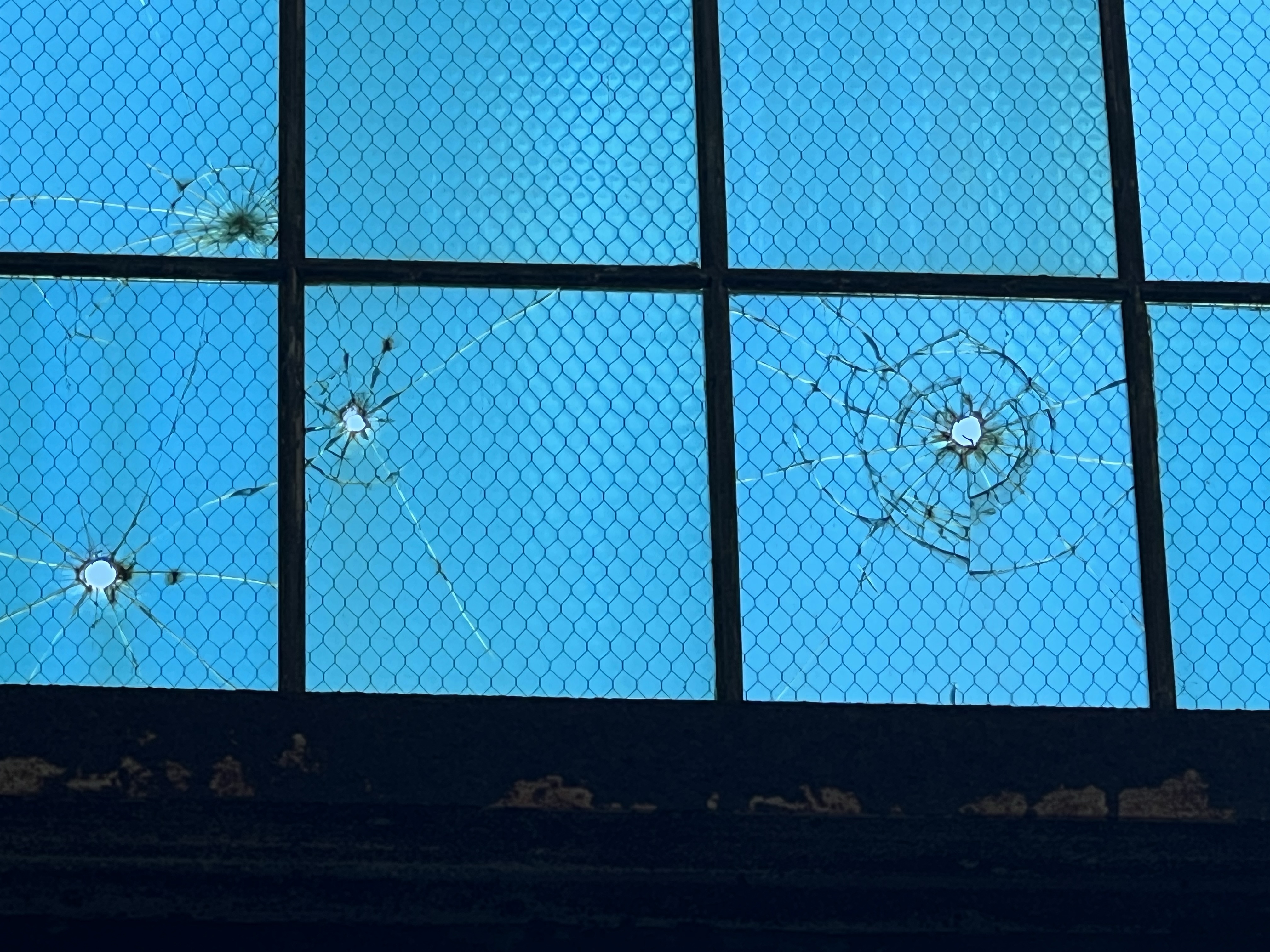
This hanger was built in 1941 and still bears scars from December 7, 1941 in the form of bullet holes left by strafing Zeros.
Zeros left their mark on hanger 79.
One plane in Hanger 79 was on my sketch list. This was a B-17E Flying Fortress named the “Swamp Ghost”. This bomber has an intriguing story (featured sketch).
The bomber was damaged and low on fuel after a bombing raid over New Britain in the Papa New Guinea archipelago.
The pilot was forced to land in what he thought was a flat green field but turned out to be a swamp and the plane settled in five feet of water.
The crew survived the forced landing and hiked out of the jungle for six weeks arriving at Port Moresby exhausted and sickened with malaria.
The B-17 sat for half a century, dubbed the “Swamp Ghost” by Aussie pilots.
The plane was eventually recovered, piece by piece, by helicopter. It spent some time in California before returning to its new home on Ford Island for the first time since 1941.
There is one site that has the most visitors (70 million per year) out of any other in O’ahu: Pearl Harbor.
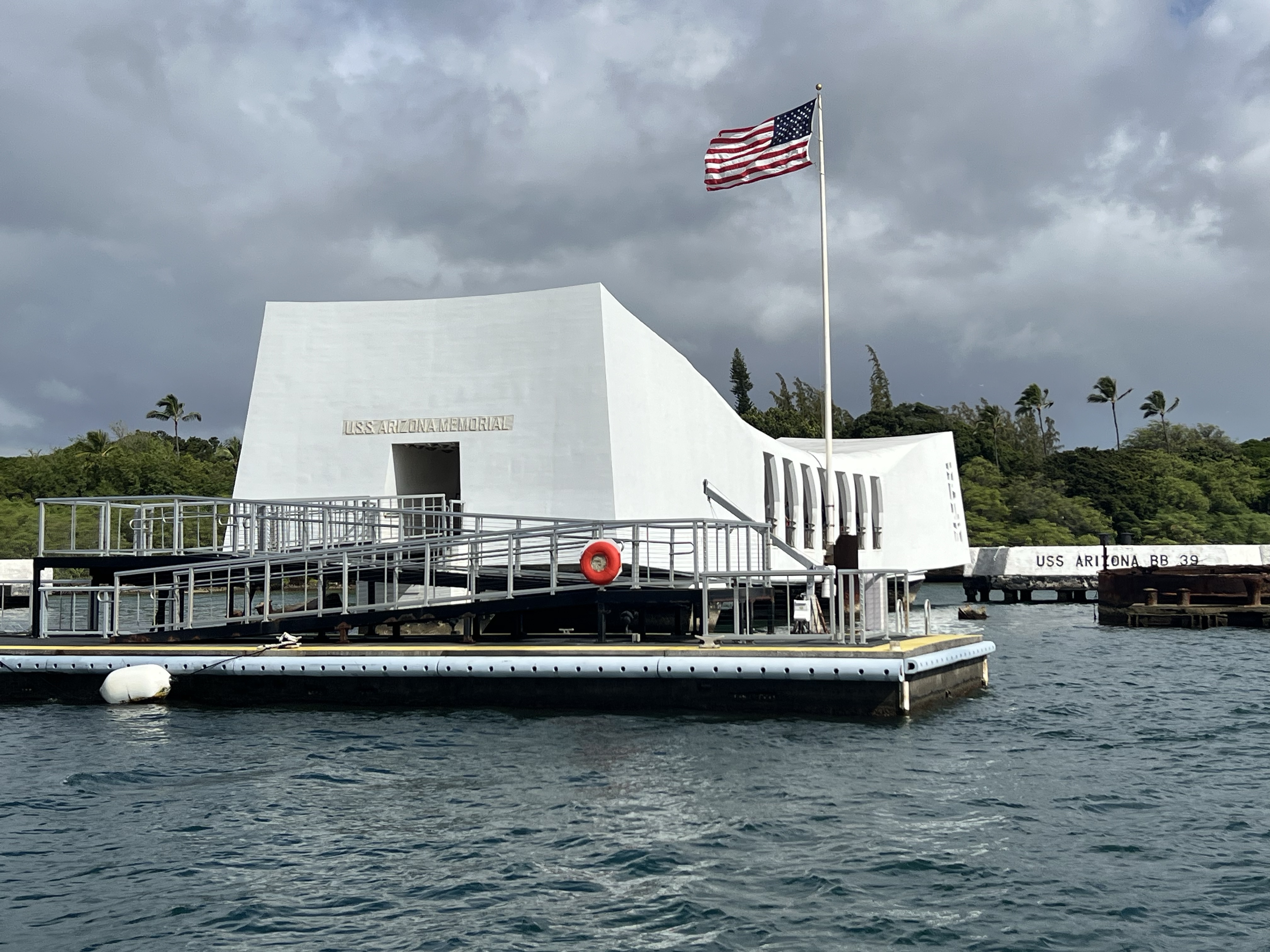
I had a 9:00 reservation to visit the USS Arizona Memorial. Before I boarded the boat out to the memorial, I did two sketches from the Visitors Center (one is the featured sketch and the other is below).
The Arizona is a nautical grave. On December 7, 1941 a Japanese bomb passed through four decks igniting an ammunition magazine causing a massive explosion. Sailors were incinerated instantly. This is the biggest loss of life on a single ship in US Navy history killing 1,177 sailors. About 900 sailors are entombed in the sunken battleship.
We queued up ten minutes before our boat took us across the harbor to the memorial.
The boats are run by the US Navy with enlisted men and women in uniform piloting the boat. Each boat are considered launches of the sunken Arizona, carrying the number 39, the hull number of the Arizona “BB-39”.
Before we departed, the park ranger had to remind visitors of proper decorum while at the memorial. My teacher voice was at the ready if there was any guffawing and disrespect at this solemn tomb. Luckily for me I keep said voice under wraps as visitors were respectful.
After the short ride we disembarked to the entrance of this solemn but beautiful memorial.
Approaching the beautiful memorial.
As we walked up the gangway a light but persistent warm rain began to fall.
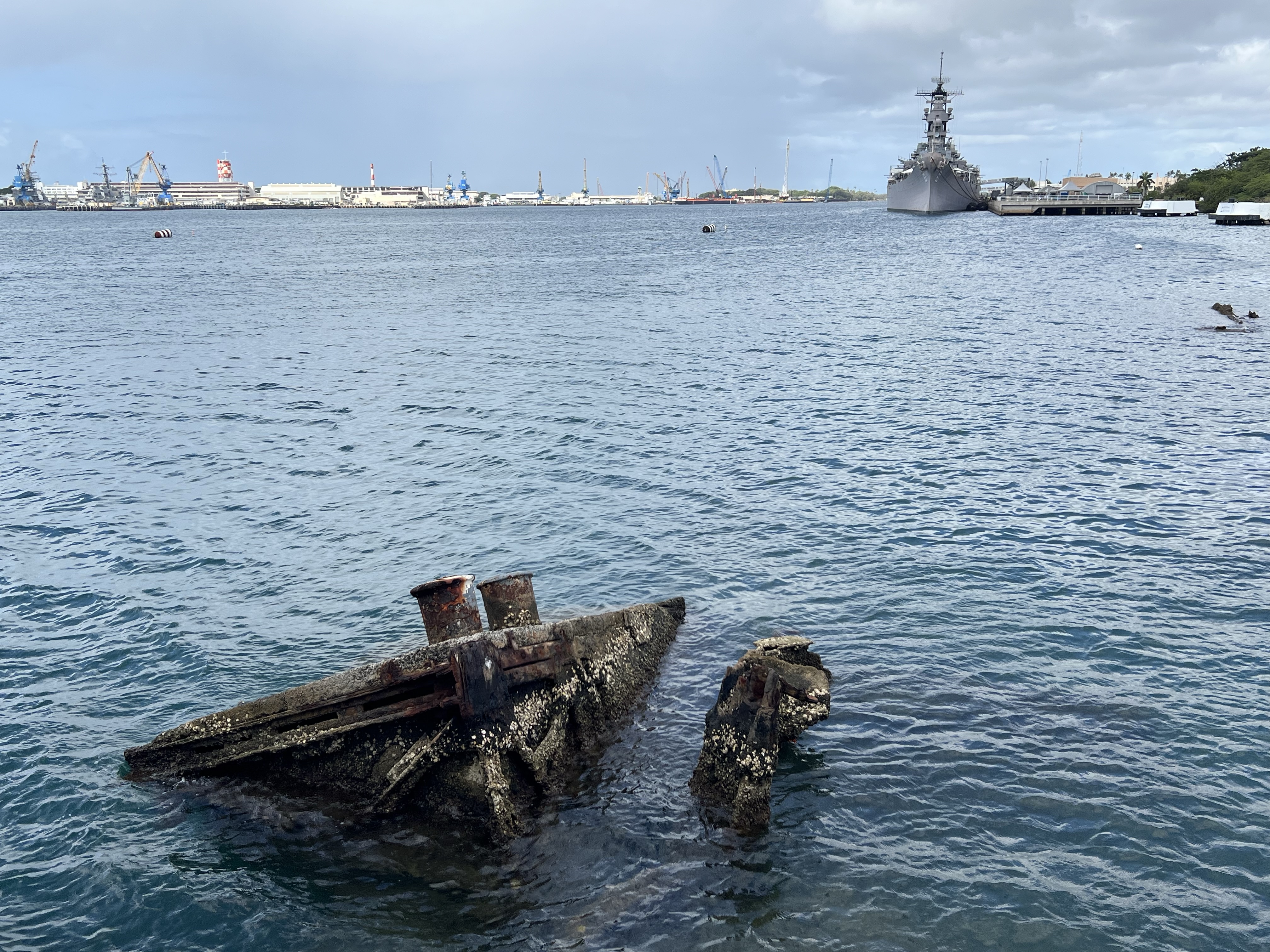
The memorial is built over the sunken hull of the Arizona. You can look off towards the bow and the stern, both of which are marked by white buoys.
Part of the Arizona in the foreground looking toward the bow and beyond, the USS Missouri. Here is the beginning and the end of America’s involvement in World War II in one image. The surrender documents where signed on the deck of the Missouri in Tokyo Bay on September 2, 1945.Looking towards the stern of the Arizona with Gun Turret No. 3 breaking the surface.Beautiful pollution.
About half a gallon of oil from Arizona’s fuel tanks leaks to the surface everyday. When Arizona was lined up at Battleship Row in 1941, she was fully fueled. It is estimated that 79,000 gallons of oil are still aboard the Arizona.
California Coda
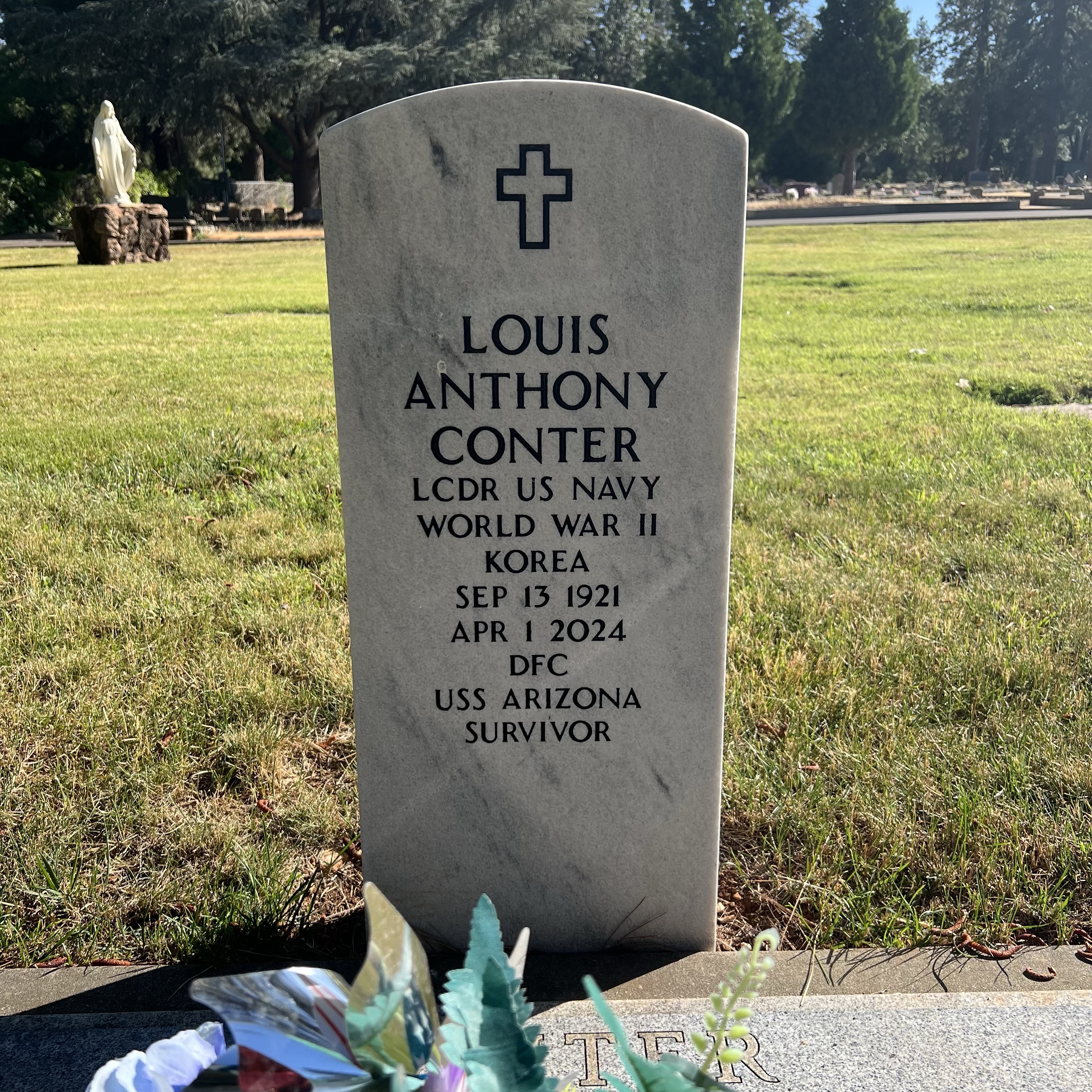
Before I left for Pearl Harbor, I visited a cemetery near my mom’s house in Grass Valley.
I was looking for the grave of Louis “Lou” Conter at St. Patrick’s Cemetery. After a brief search, I found it.
Why this grave? Conter was the last surviving member of the crew of the USS Arizona, where he was a quartermaster. He passed on April 1, 2024 ay the age of 102.
I arrived at my hotel an hour and a half early before check in so I stowed my bag and walked to the Waikiki Beach through Fort Durussy Beach Park.
There were tons of birds in the park, all exotic (common myna, zebra dove, red-headed cardinal, common waxbill, Java sparrow, etc.) introduced to this jungle paradise. But I was looking for one native. An all white bird with a solid black beak and black eyes. It perches and nests on horizontal branches in the park. This is the white tern!
This is not a lifebird, I had a far off and all too brief view of one on a pelagic from Kona on the Big Island. But I was soon to get stunning views of the “Angel” tern!
It is fitting to see this bird in Honolulu as it is the city’s official bird. In the Hawaiian language the bird is known as manu-o-Ku.
Searching for the white tern is pretty easy. Look up into any tree with lots of horizontal branches for a white bird and hope it’s not a feral pigeon!
White tern at the park next to my hotel.
There were lots of terns (or as it should be called the white noddy) to choose from.
I finally made it out to Waikiki Beach with stunning views of Diamond Head. So I had to sketch the view (featured sketch). With some sand in my shoes and a Mai Tai in my gullet!















 Corvid Sketcher