Image

Summit Fog Birding

Early on a Saturday morning, Grasshopper and I headed up on winding Summit Road. Our birding destination the Bay Area birding hotspot: Loma Prieta and the “Saddles”.

About 10 miles in from Highway 17 the road devolves into a pock-marked rural ramble as it threads its way over the spine of the summit, defining the line between Santa Cruz and Santa Clara Counties. Near the junction with Loma Prieta Way the asphalt ends entirely and the graded dirt begins.

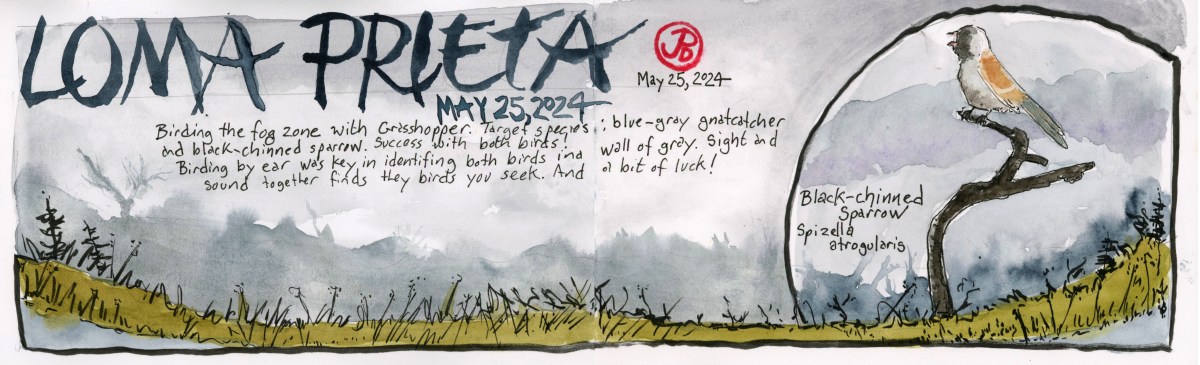
We parked in the dirt lot, light drizzle covering the windshield. This didn’t look like great birding weather. Wet, windy, with limited visibility. Would be able to pick out a blue-gray gnatcatcher or a black-chinned sparrow in these conditions? Both would be lifers for Grasshopper. And it was my goal to get him life birds number 321 and 322.
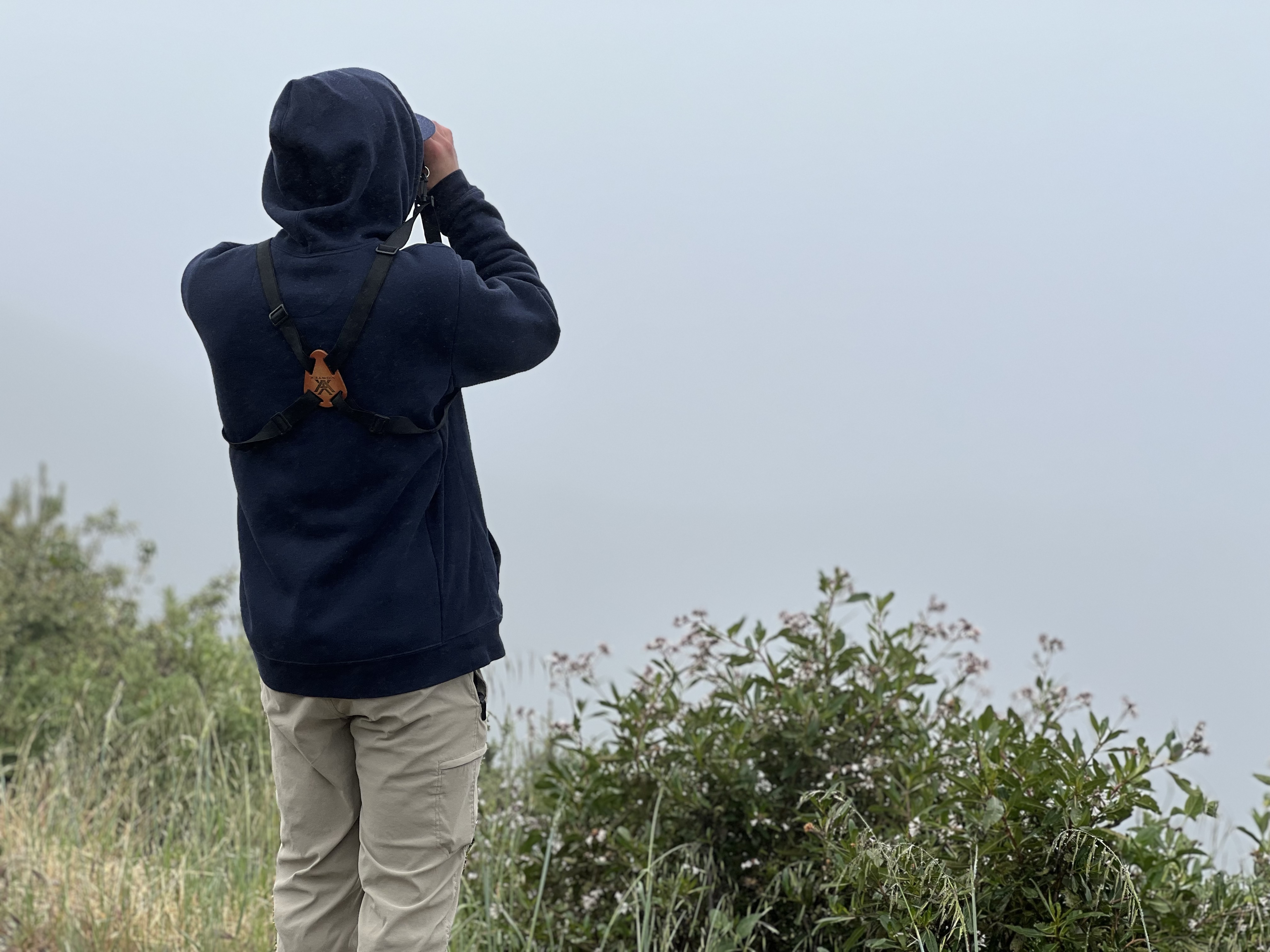
Grasshopper looking at water droplets.

We got out of the car, geared up, and surveyed the wall of grey to the west. I had a feeling we would be birding by ear, something Grasshopper can always get better at.

We headed down Loma Prieta Way stopping and listening as we went. Wrentits, spotted towhees, a far off California quail but none of our target birds, so we walked on. Luckily the damp, windy weather did not stop the birds from their spring songs.

After we were about a quarter of a mile down from the parking lot I heard something different, a cat-like mewing on the upslope. This was not the fooler Bewick’s wren (who had almost fooled me a few yards back) but one of our target birds!

Now we needed to get eyes on it. The younger eyes of Grasshopper found it out on a tree branch: blue-gray gnatcatcher!

After getting so-so looks of the energetic gnatcatcher, we headed a little further down and I first heard our second target bird far up the hill. An accelerated bouncing ball of a song.

I willed the bird down by saying a little prayer to the Birding Gods and soon enough the sparrow flew over the road and landed downslope on a charred snag. Our binos swung up and we enjoyed prolonged views of a singing male black-chinned sparrow!
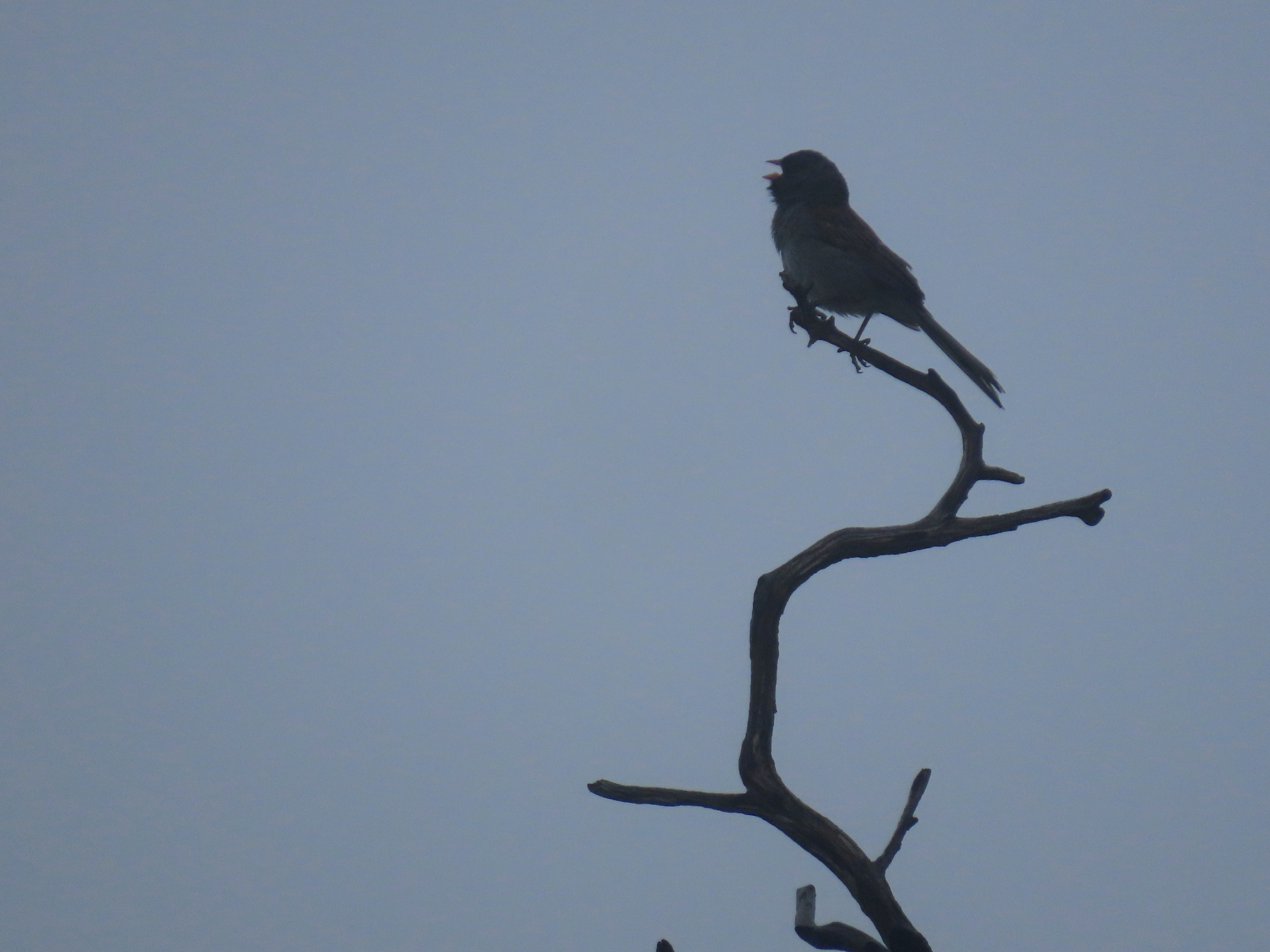
The foggy silhouette of one of our main targets: the black-chinned sparrow singing on a burnt snag. The black-chinned is an early adopter of burnt out areas.

Lifer number two for Grasshopper!

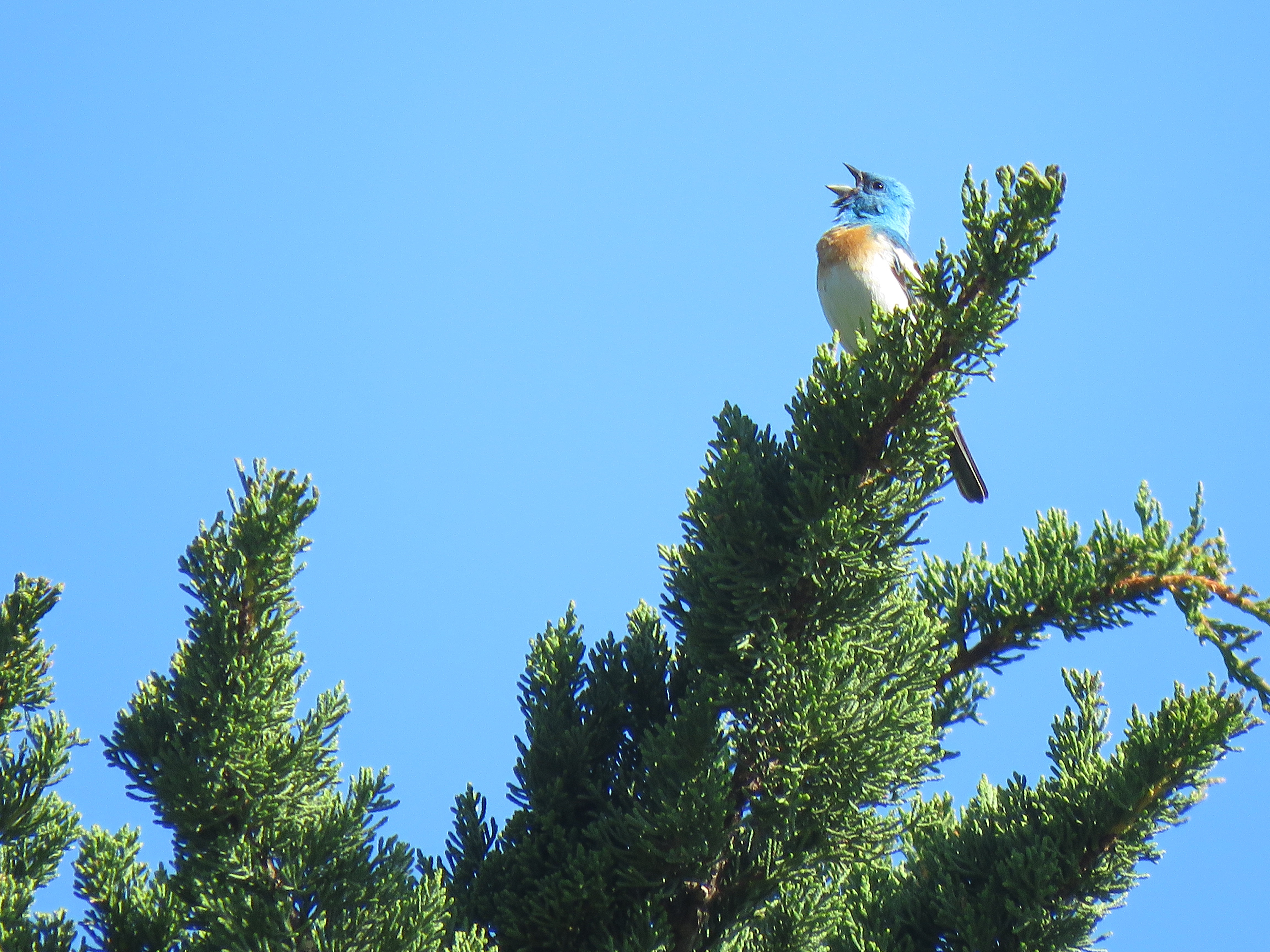
By this time we were coated with dizzily dampness and we headed back up to the parking lot. On the way up Grasshopper saw birds flying below the road. It was a pair of lazuli buntings! This is not a lifer for me or Grasshopper, but it has been a while since I have seen or heard this neotropic migrant.
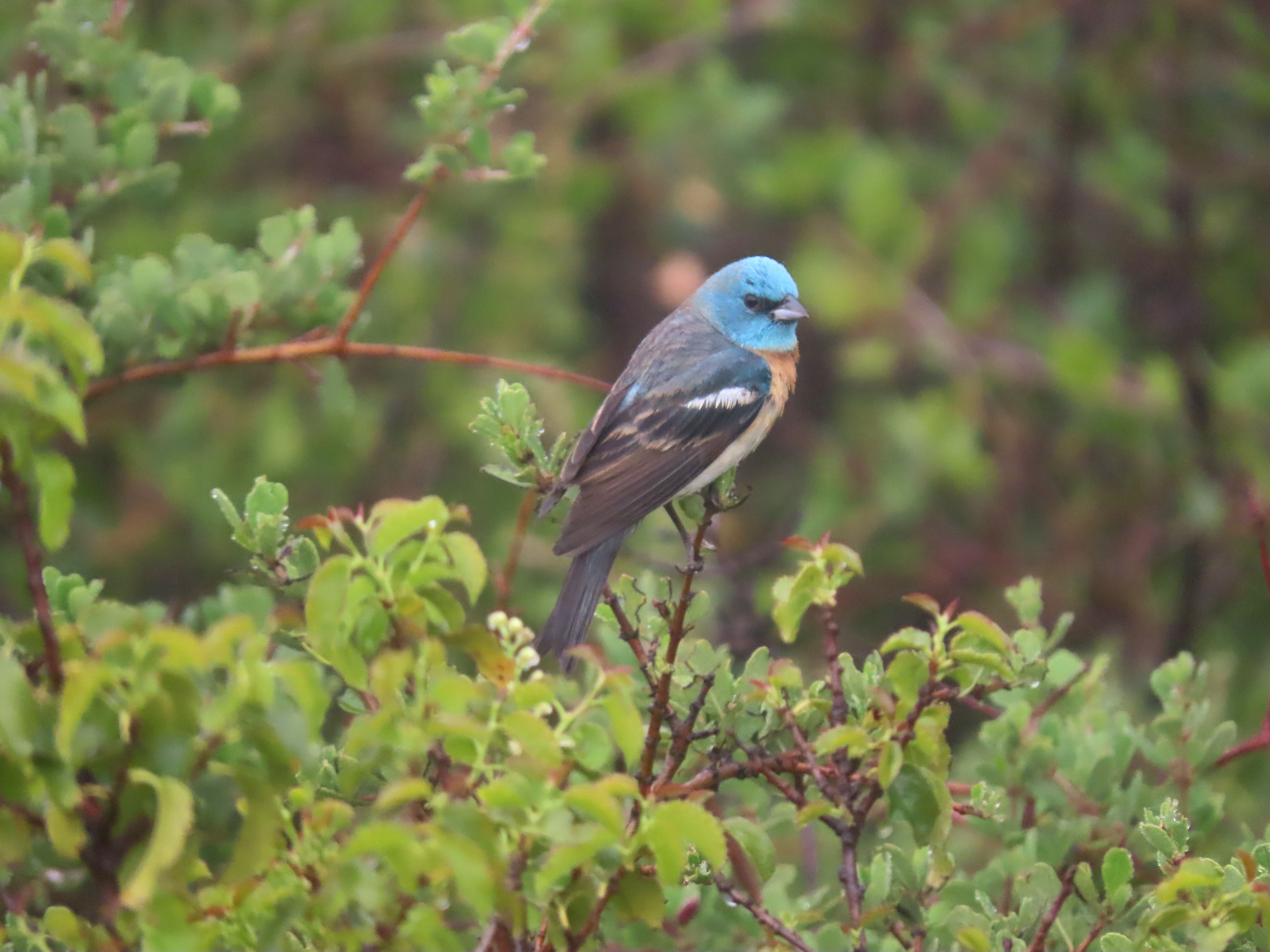
A stunning male lazuli bunting. I never get tired of seeing and hearing this bird.

This is why birding remains a passion for me. I’m still excited to see and hear birds that I have seen many times before but the excitement remains.

And so it will always remain.
Image

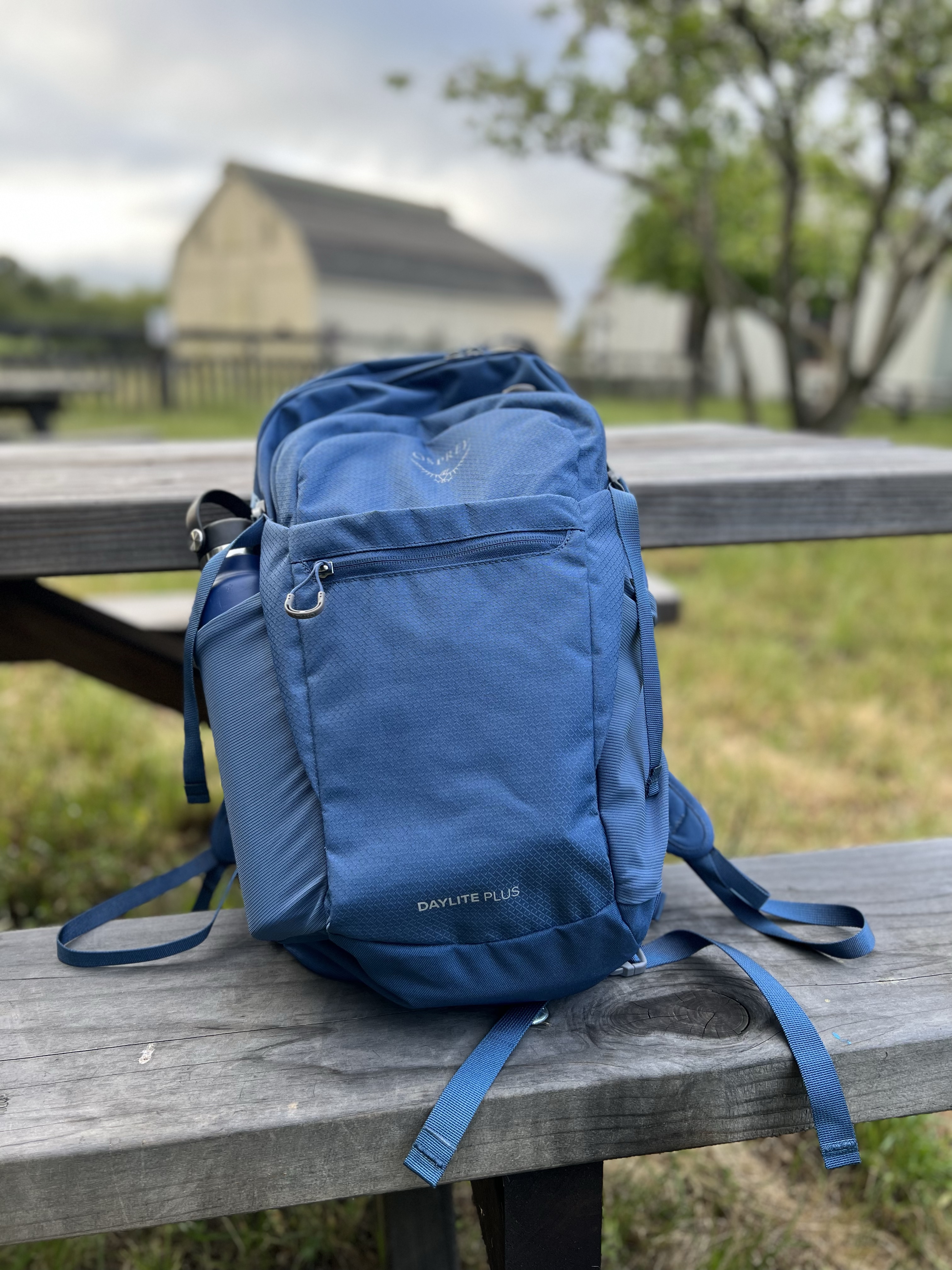
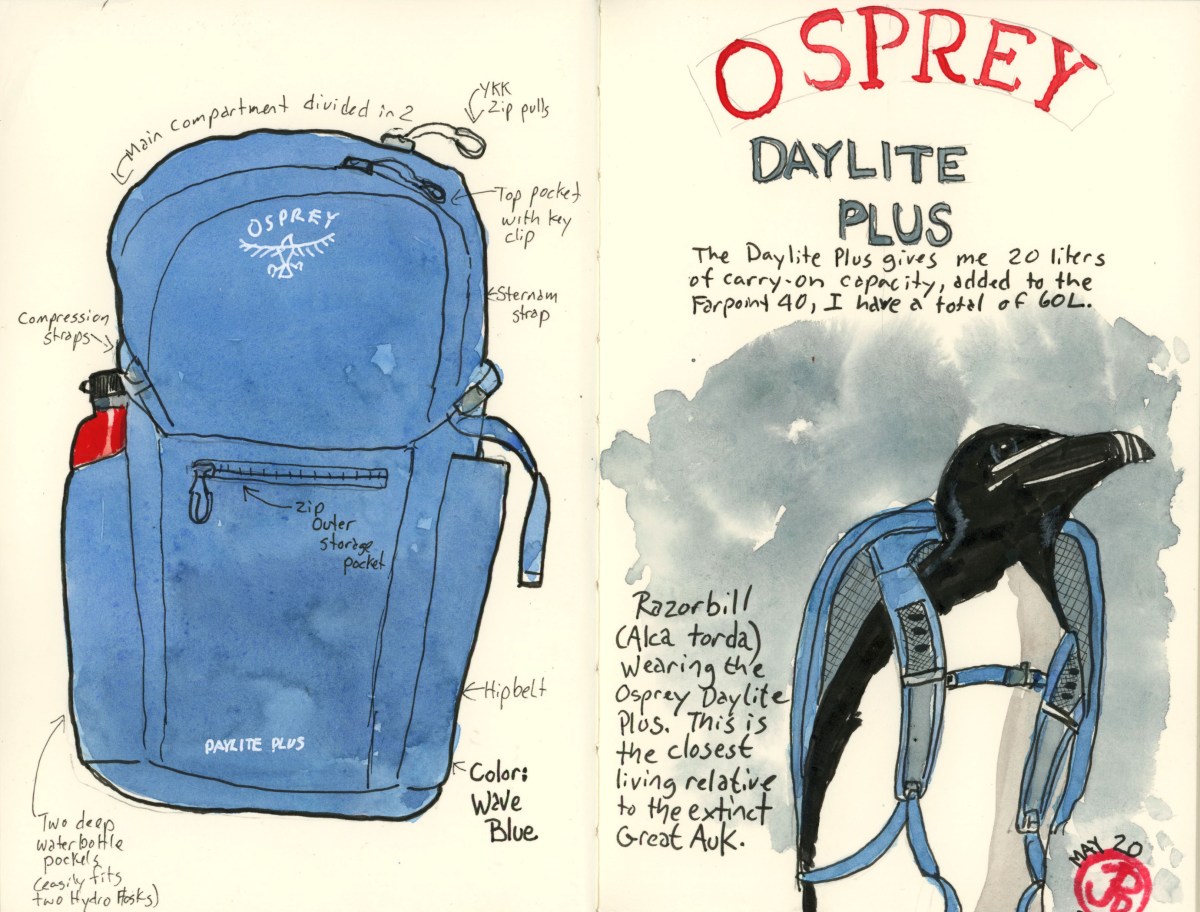
Daypack: Osprey Daylite Plus

I wanted an Osprey daypack to compliment my suitcase/backpack: the Osprey Farpoint 40. This would give me a total of 60 liters of carrying capacity.

I chose a 20 liter all-rounder, a pack suitable for travel as well as hiking and trekking. This pack needed to be versatile and able to be small enough to slide under an airplane seat but roomy enough to to carry my binoculars, camera, sketching kit, and a water bottle. This is the Osprey Daylite Plus.

When I got the pack home, I loaded it up when above said items and was happy to see that they all fit with room to spare.

I decided to take the pack out on a test hike on the Old Cove Landing Trail at Wilder Ranch State Park on the Santa Cruz County Coast. This is one of my favorite coastal hikes and it is also a great place to bird.

The Daylite Plus in Wave Blue at Wilder Ranch.

The Daylite Plus, loaded up, felt good on my back. I used the sternum straps but I didn’t need to use the waist belt. This pack will do nicely for my Icelandic rambles.

Spring was in the air on the Old Cove Landing Trail. Here are a few highlights.

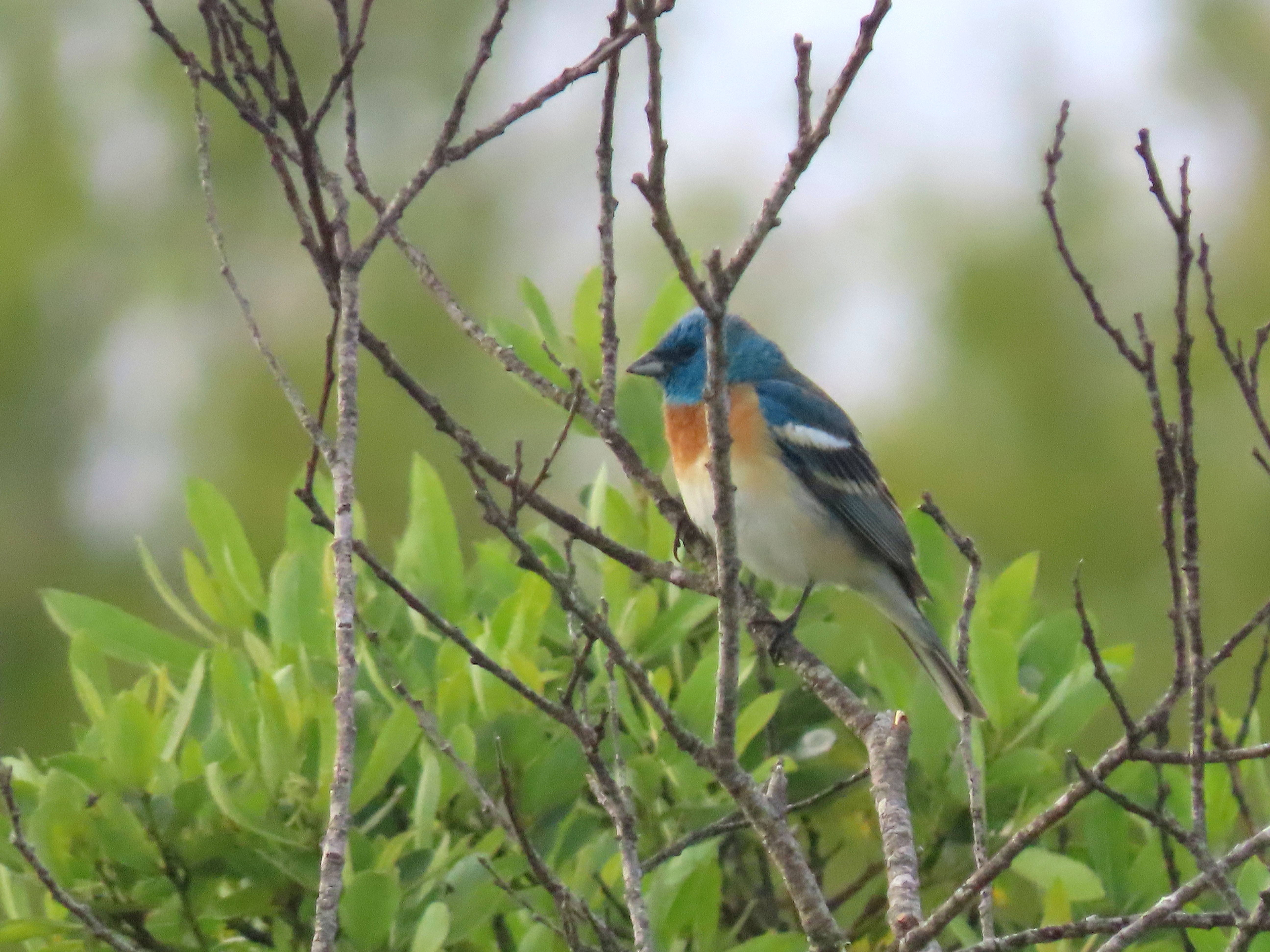
An unexpected surprise was a singing male lazuli bunting. This is one of the most beautiful songbirds of spring.
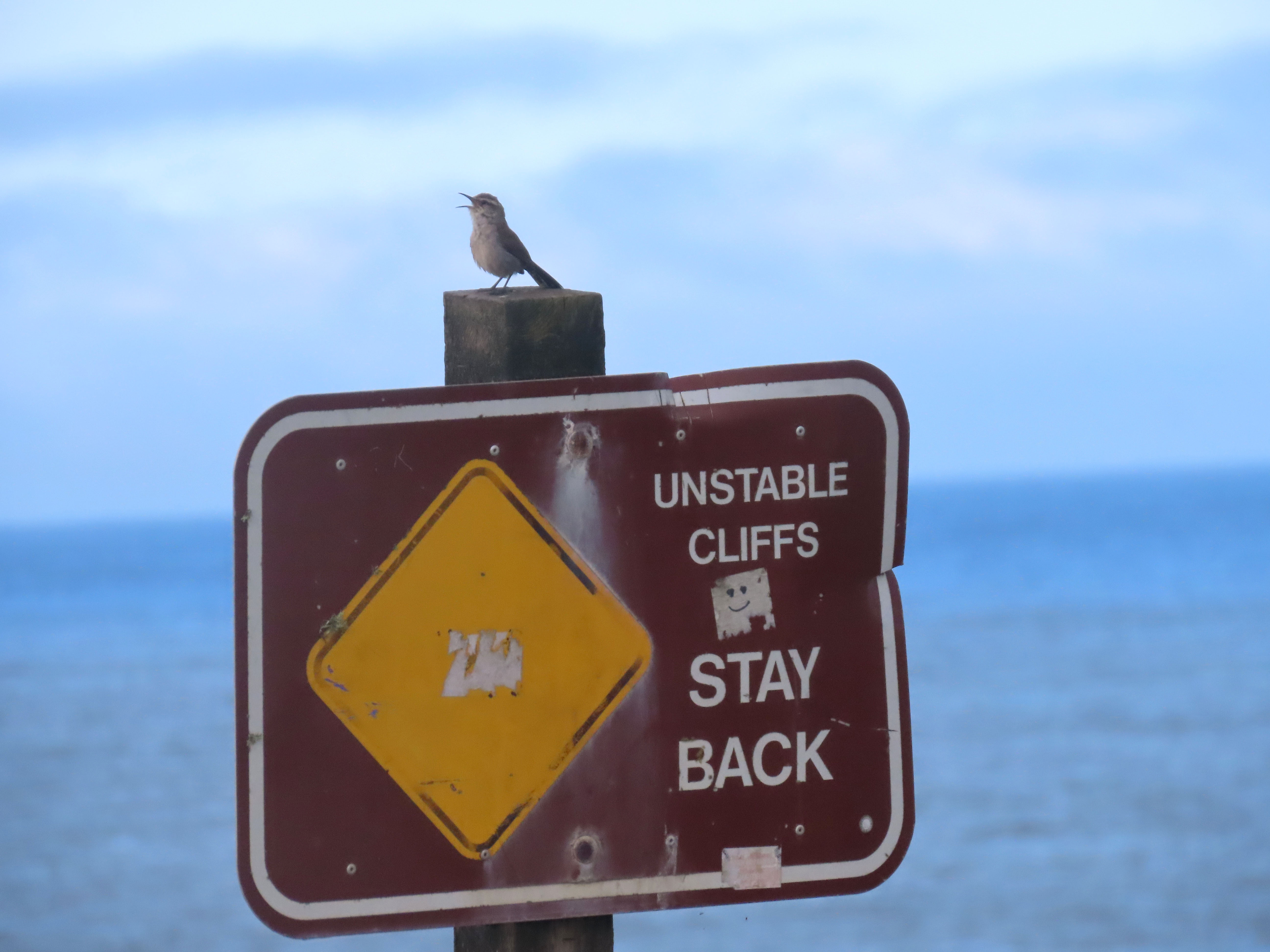
This sign has seen better days but it provides a perfect singing stage for the verbose Bewick’s wren.
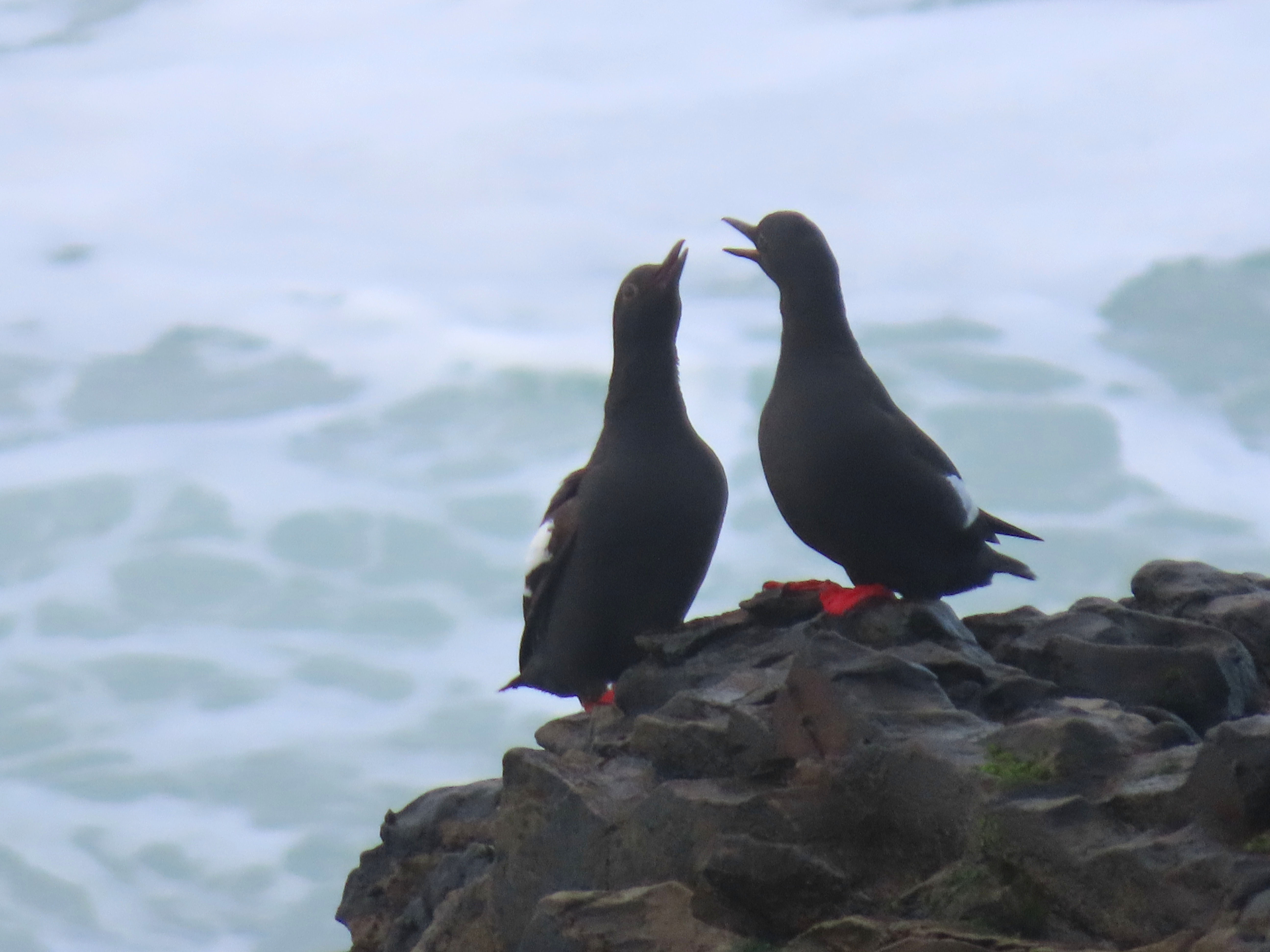
Two pigeon guillemots greeting each other. I assume this is a mated pair. Another sign of spring.
Image

Grasshopper Sparrow Sees a Grasshopper Sparrow!

Birding in the spring is a treasure. Many species are perched out and singing making them easy to see and hear.

Grasshopper Sparrow had a few lifers he was hoping to check off his list. Western kingbird, lazuli bunting, and of course his namesake: grasshopper sparrow.

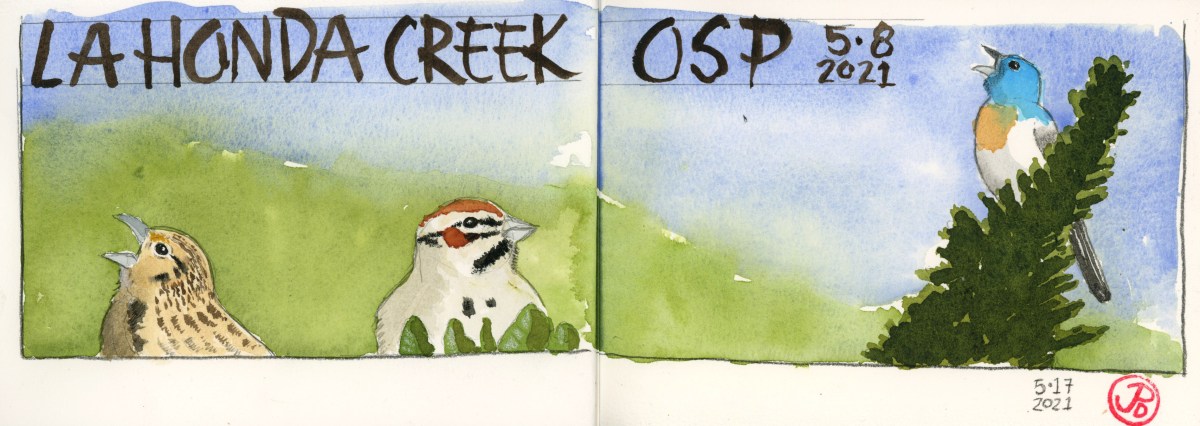
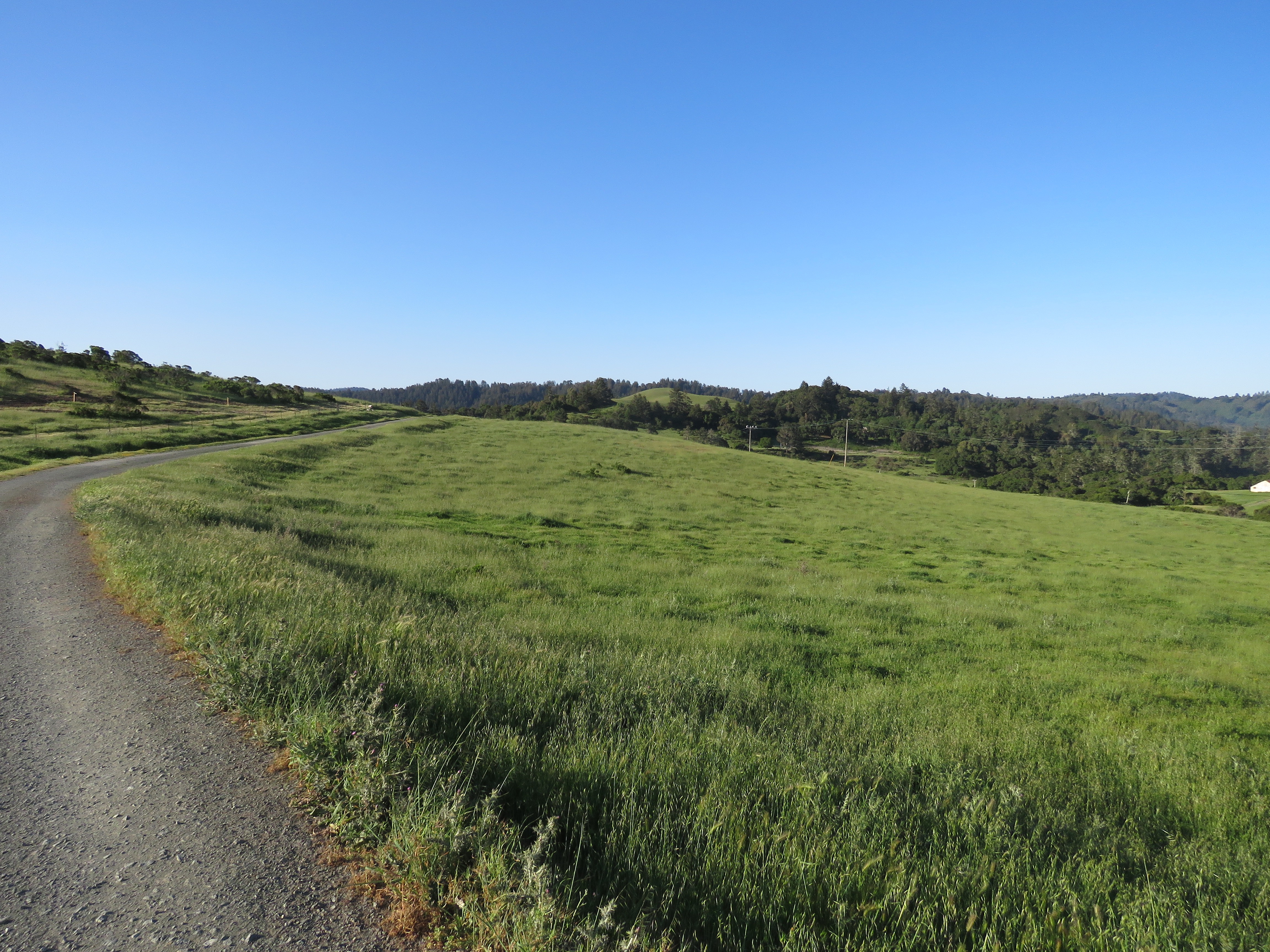
Our destination was in San Mateo County near the small mountain town of La Honda. This is La Honda Creek Open Space Preserve. This OSP contains open meadows surrounded by the curvaceous green hills of California’s Coast Range.

Within 100 yards of the parking lot, as we walked along the wide fire road, we heard our first grasshopper sparrow!

Birding is made easy at La Honda Creek OSP with a graded fire roads with open views of the meadows, perfect habitat for the grasshopper sparrow.

As we walking down the fire road that bisects the meadow, we heard and saw five grasshopper sparrows. They where either perched up on coyote brush or singing from a barbed wire fence.

At this time of year, the grasshopper sparrow are singing their insect-like song, incessantly.
Corvid Sketcher and Grasshopper Sparrow as Grasshopper gets his namesake lifer: grasshopper sparrow.

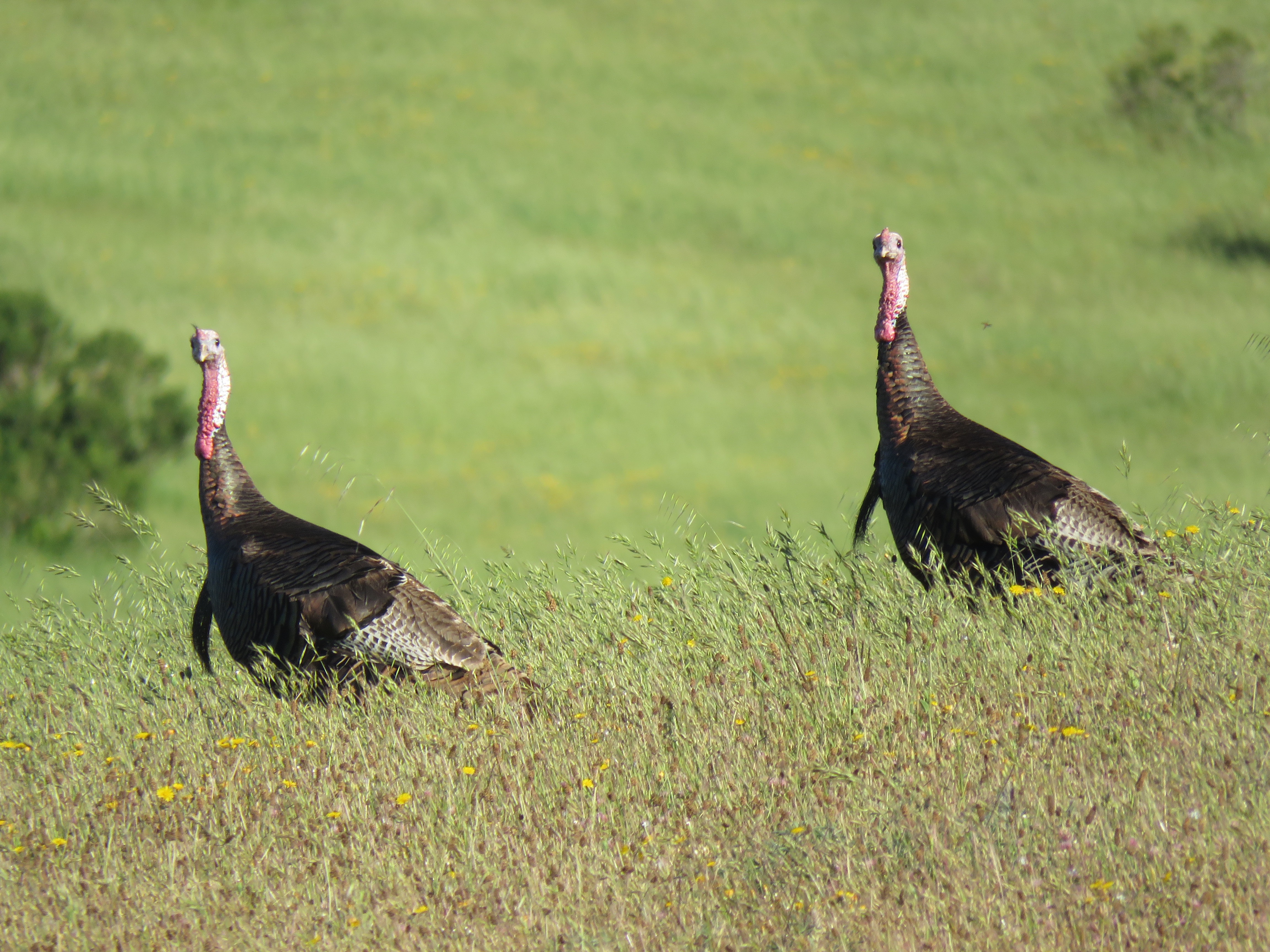
After getting our fill of singing grasshopper sparrows, we continued on down the road where we were greeted by two wild turkeys. Then we headed into a habitat with a bit more tree cover and we saw our first flycatcher, the ash-throated flycatcher.

Are pair of wild turkeys in the tall, green grass.
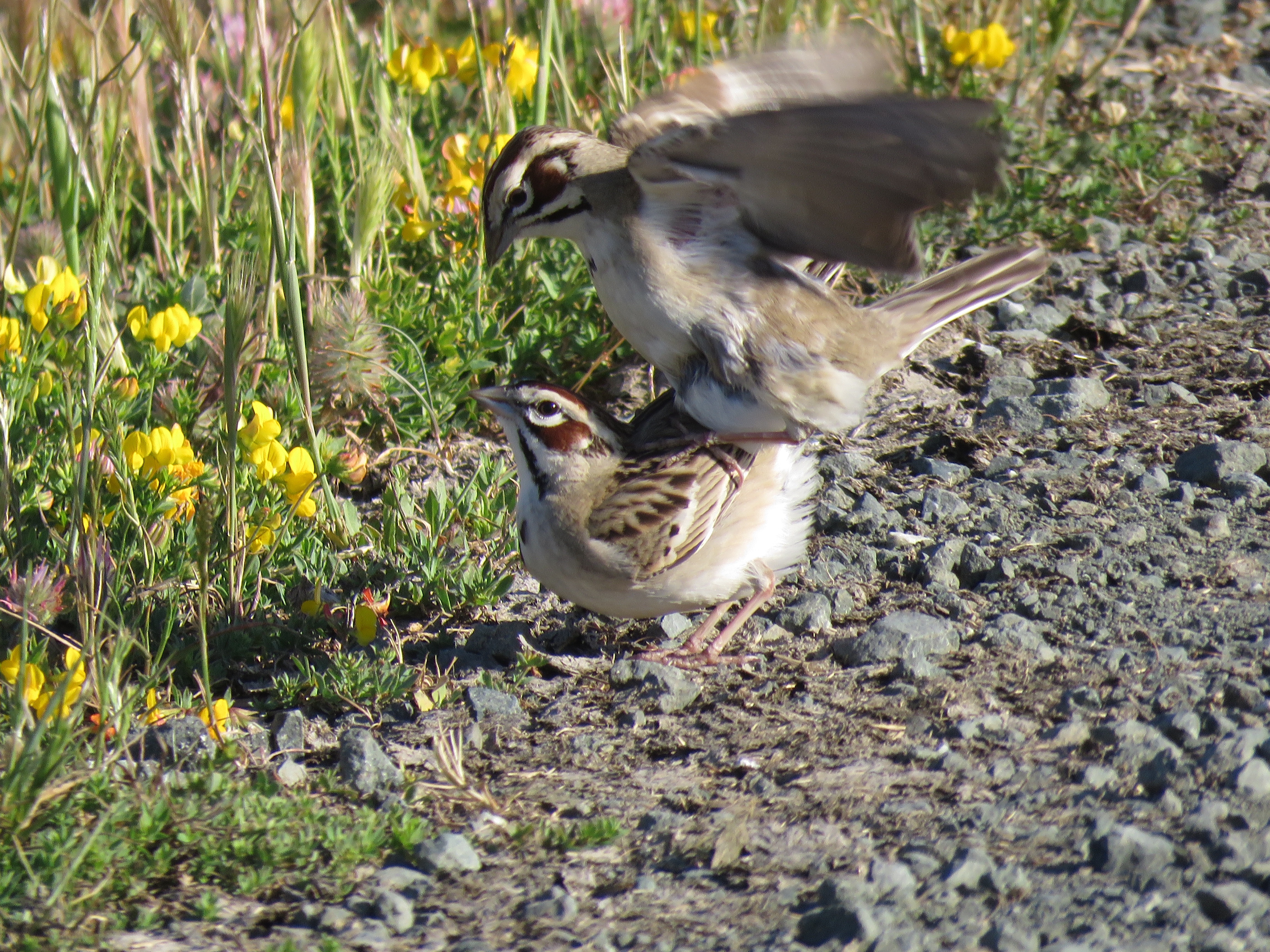
Love is in the air, a sure sign of spring: copulating lark sparrows. These beautiful sparrows are considered rare in this location.
A singing male lazuli bunting.