Image

HWY 40, Donner Pass

Early on a Monday morning I drove to Historic Highway 40, around Donner Summit, to do some sketching.

I love this highway corridor, it’s full of deep California history (native, pioneer, railroad, and highway) as well as personal family history. My parents met at the South Bay Ski Club whose cabin is on Highway 40 near Soda Springs. Without this ski club I would not have come into being.
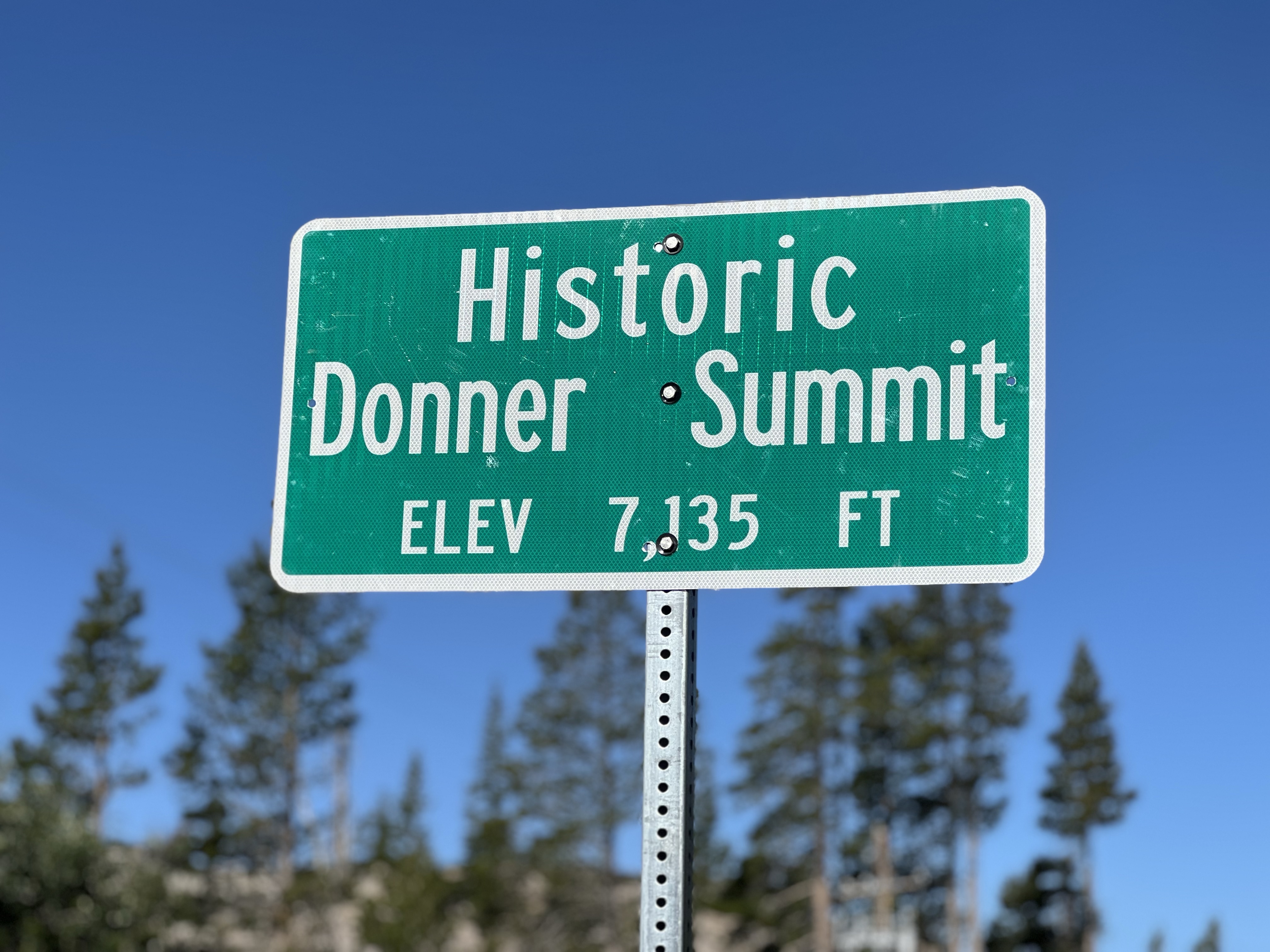
Historic indeed, there is so much depth of history here.

At the summit I sketched a former gas station. The station was used to fuel highway snow clearing equipment used to keep the highway open in the winter.
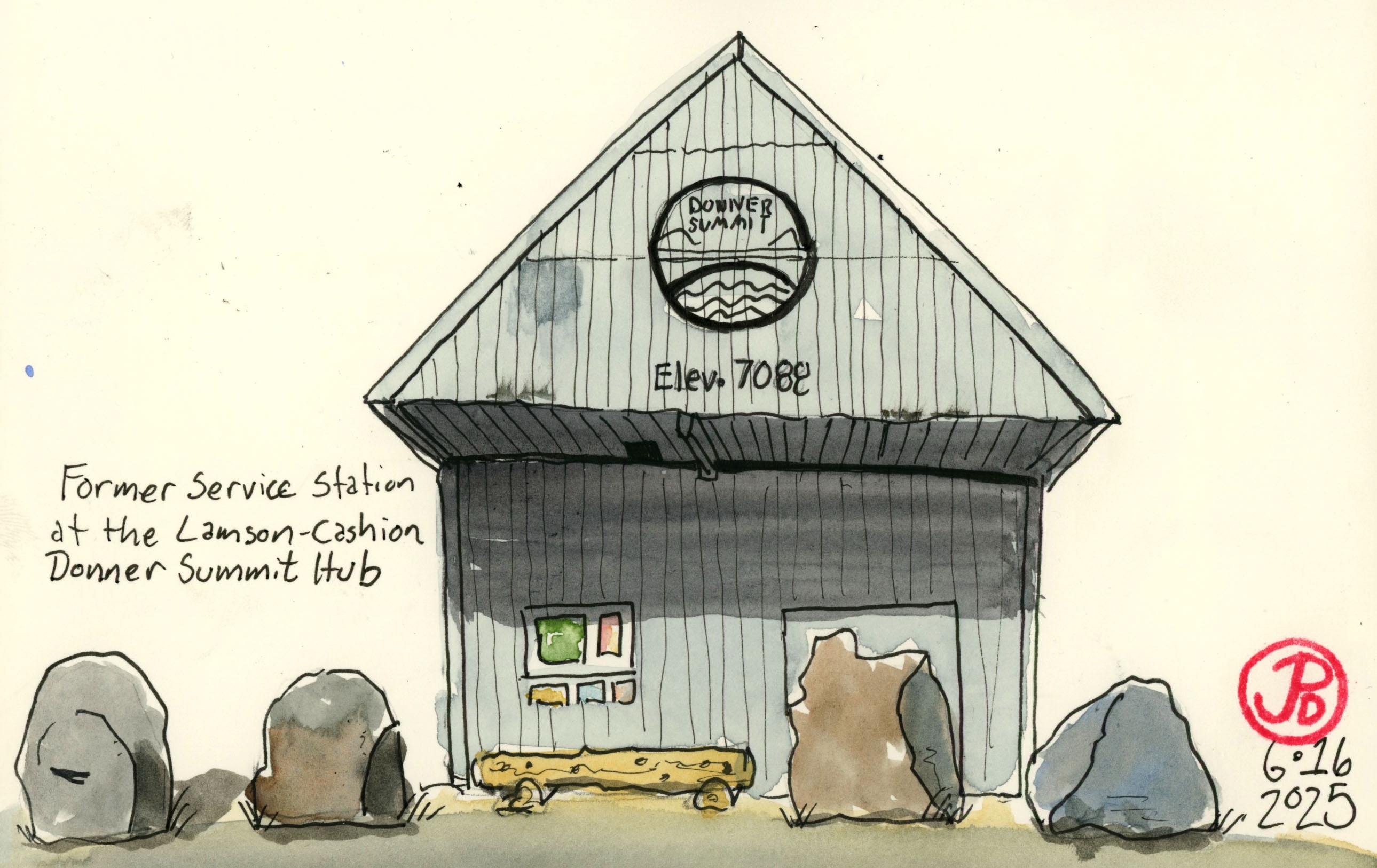
The Lamson Cashion Donner Summit Hub is where a lot of the threads of Donner Pass come together (hence the name). Just a short list of the points of interest in this general area are: the petroglyphs, Pacific Crest Trail, the Donner Summit Bridge (the Rainbow Bridge), west entrance of Summit Tunnel 6, central shaft of Tunnel 6, and the Donner Summit Trail.
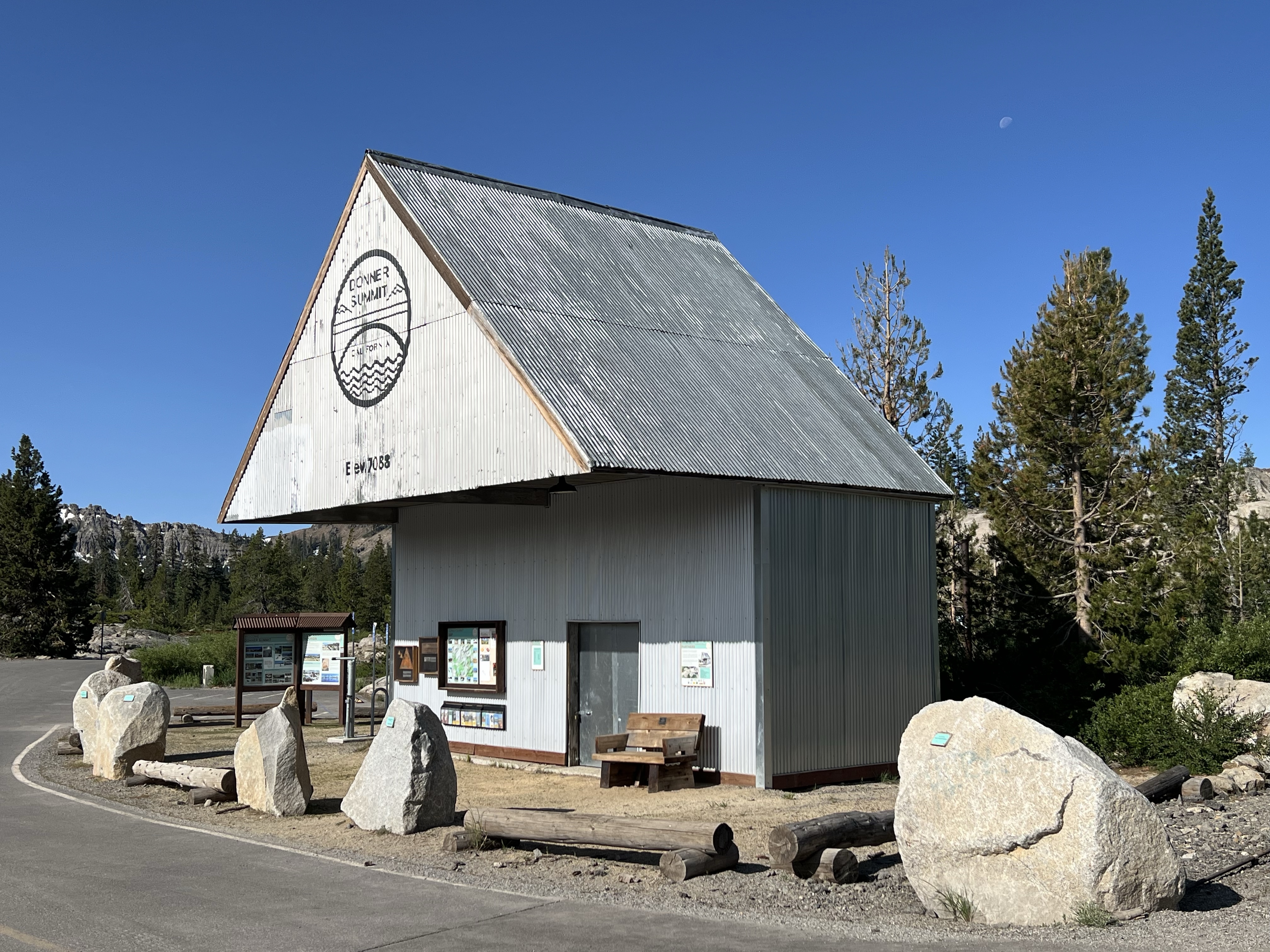
The repurposed gas station is now an information center at the Lamson Cashion Donner Summit Hub.

I then headed down the pass and over the famed “Rainbow Bridge”. I was keeping my eyes (at least one eye) to my left, searching for the mass of rusted metal that has been here for about 75 years. There it was.

My father always pointed out this ominous artifact when we would summer here on the shores of Donner Lake. We were historic rubberneckers.
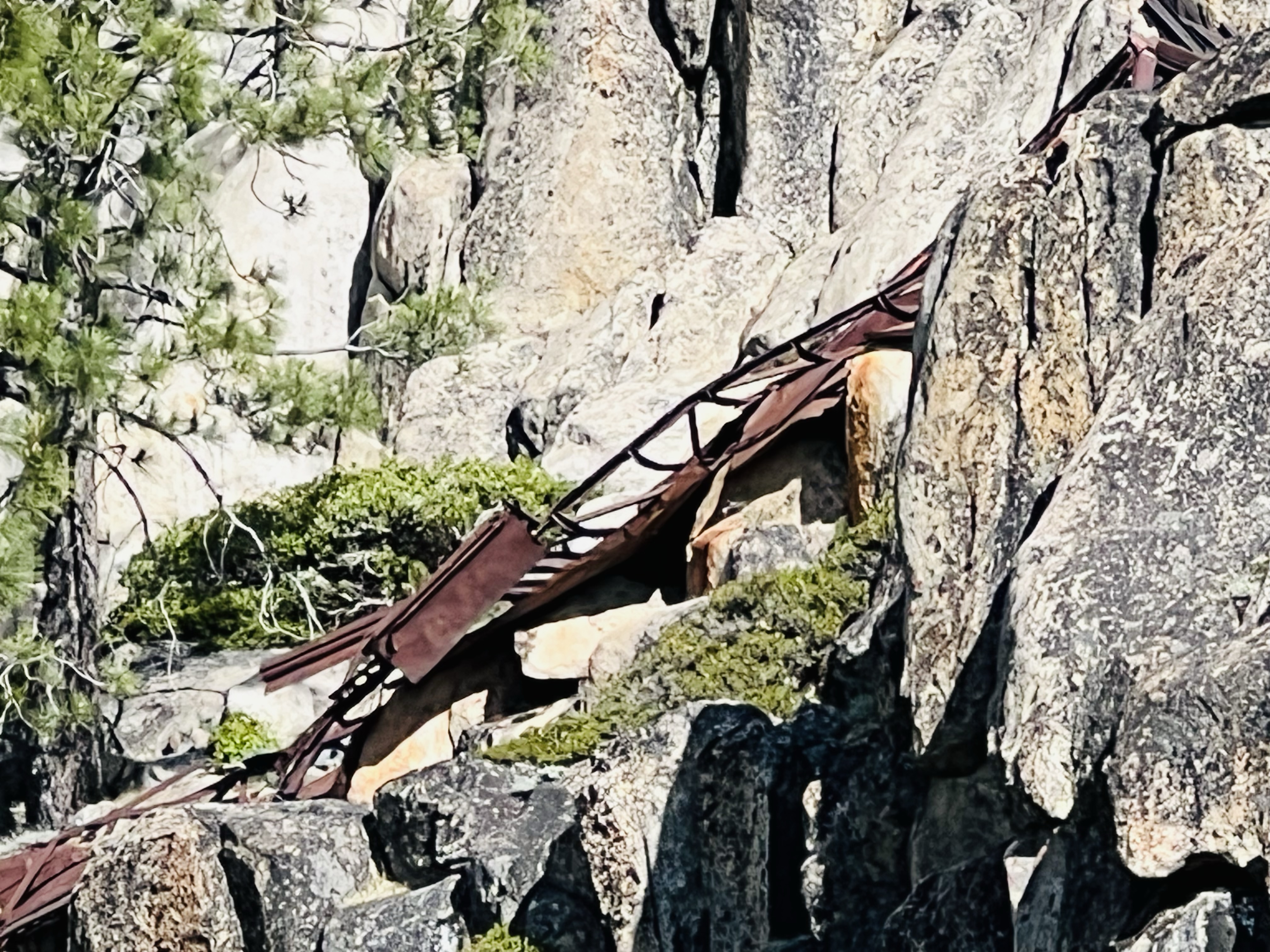
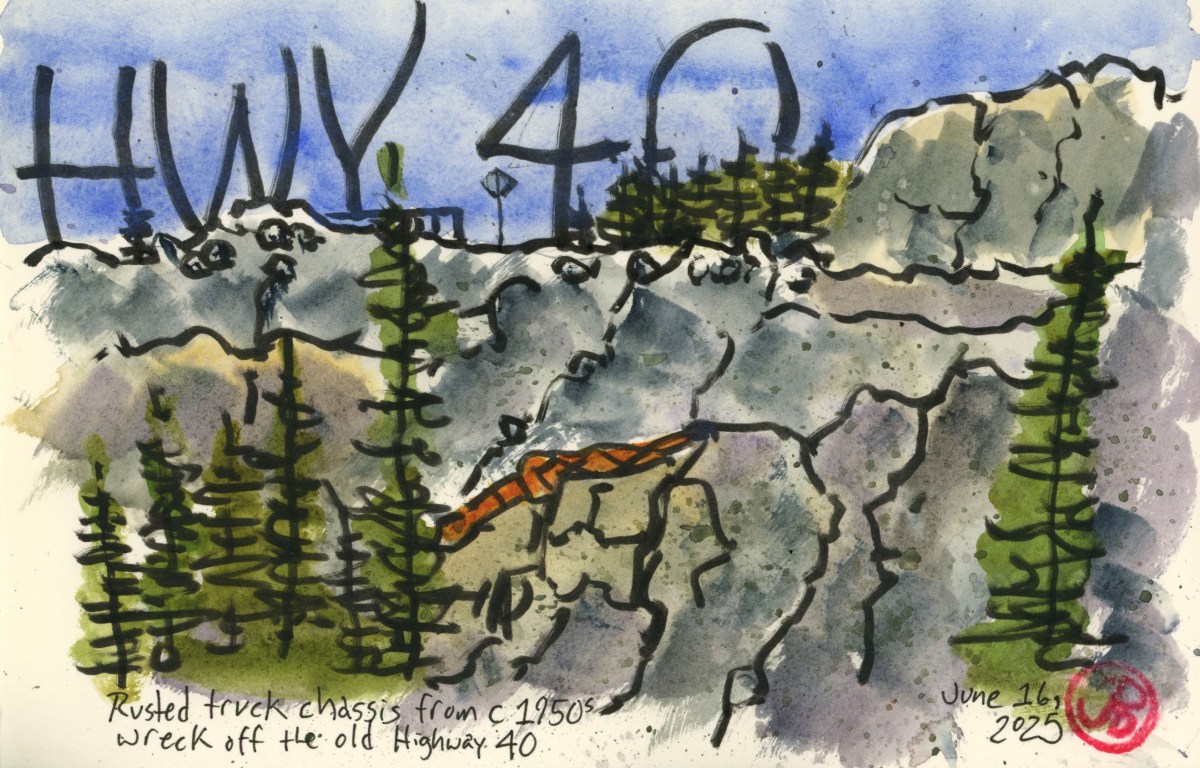
There it is, rusted and compacted by heavy snow loads for almost 75 years.

Highway 40, east of Donner Summit is treacherous, as the Donner Party found out when they attempted to scale the pass in 1846. It is also treacherous for auto traffic on the winding, wet, and icy roadbed while heading down grade.

The wreck that my father pointed out is the truck chassis that went over the roadway and settled on a granite shelf sometime in the 1950s. There is not a lot of information about the truck, just that it’s not the “Turkey Truck”. That’s a story for a different post!

I pulled over and found a boulder seat to sketch from using a brush pen to keep it loose and sketchy to the soundtrack of the cooling winds through the pine branches and a male Wilson’s warbler emphatically singing from those branches. I was in Sierra heaven (featured sketch).

After sketching I headed down 40 towards Donner Lake and the Southern Pacific Railroad historic town of Truckee.

Aside from SP’s iconic cab forward locomotives, no other piece of railroad equipment is as renowned as the rotary snowplow for conquering the grades and gales of Donner Summit.
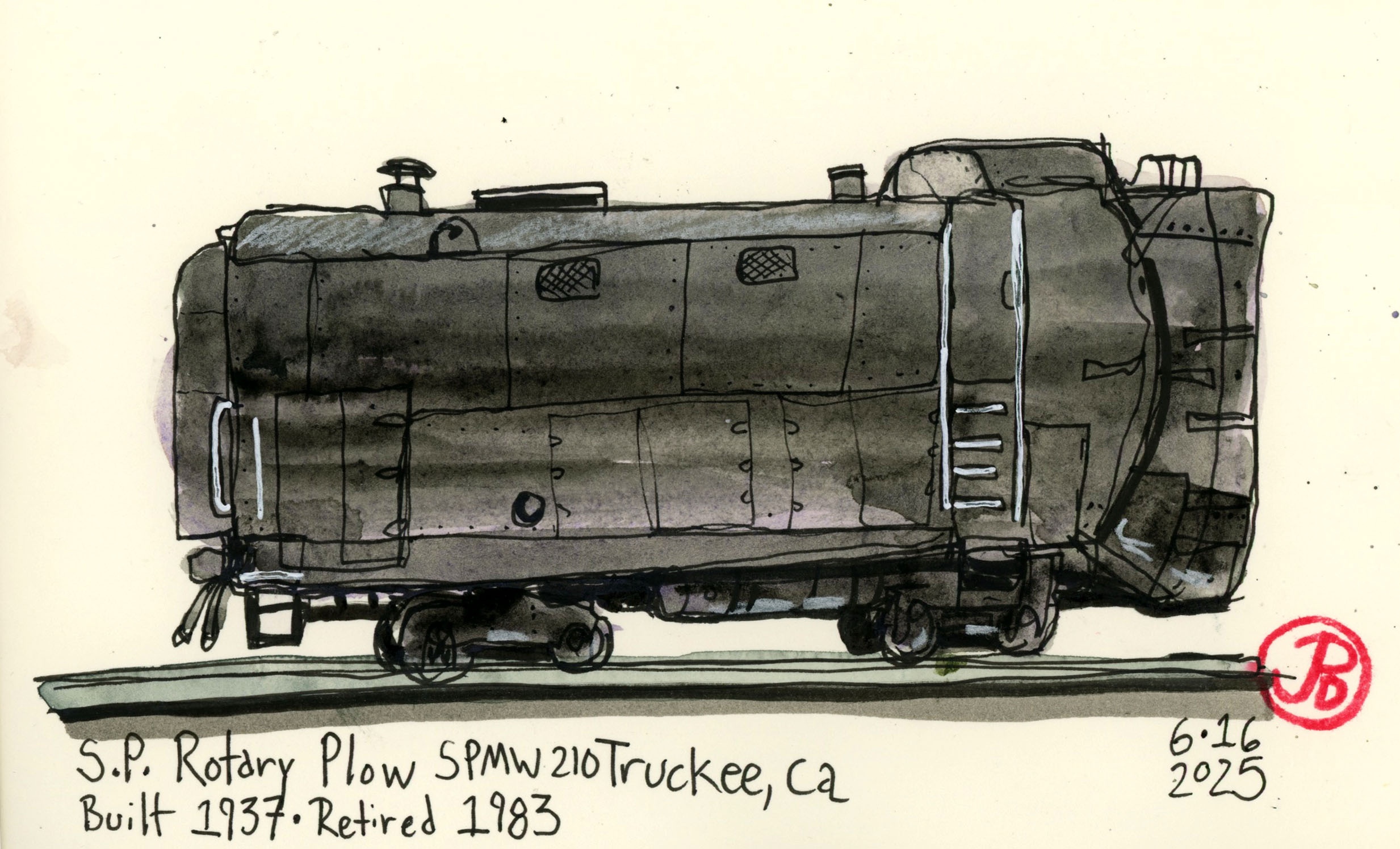
The rotary plow kept the line open in the deepest winters. And the California State Railroad Museum donated Southern Pacific’s SPMW 210. This historic piece of rail equipment now is on static display alongside the tracks it once kept open in the winter time.
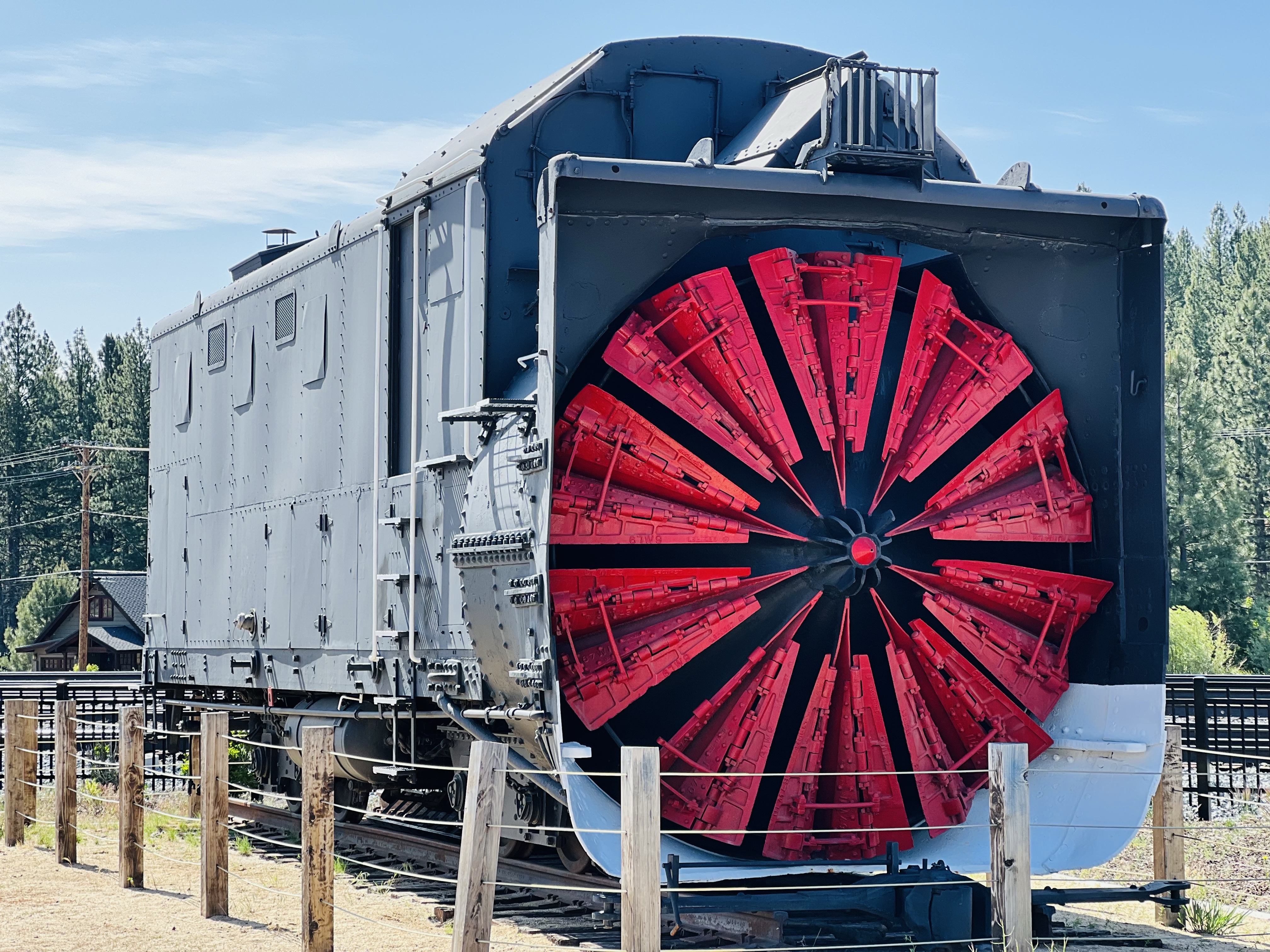
This monster could cut through heavy snow. I usually sketch these plows head on but I decided on a different perspective.

While I have sketched these plows many times before, I decided to try from a different angle with a broken continuous-line sketch.
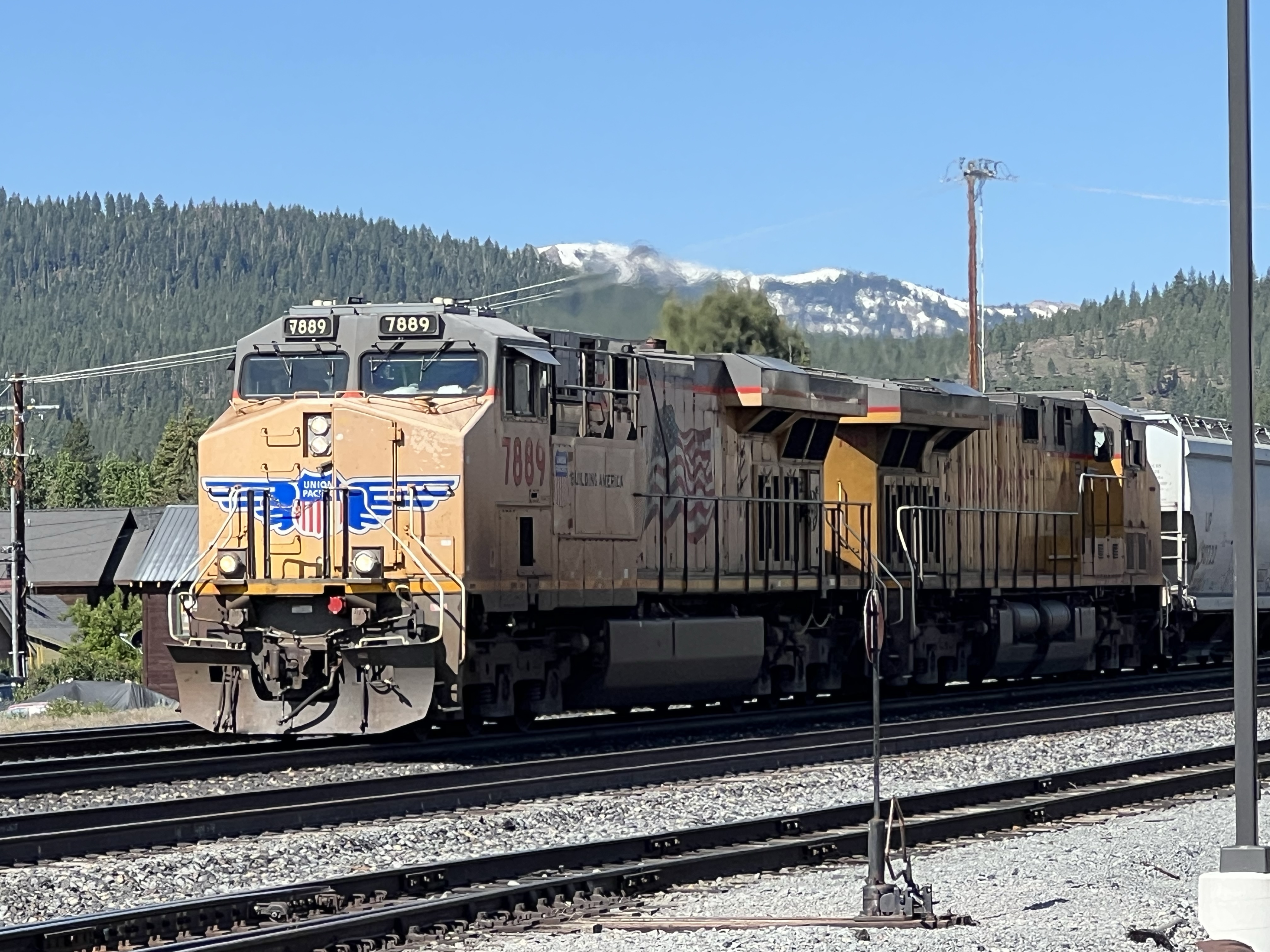
A reminder, courtesy of Union Pacific, that Truckee still remains a rail town. The eastbound freight was an empty covered hopper consist. How do I know it’s empty? Motive power. Only two locomotives on point and one at the end. If the consist was fully loaded, they would need more motive power to travel over Donner Summit.
Image

The City of San Francisco, 1952

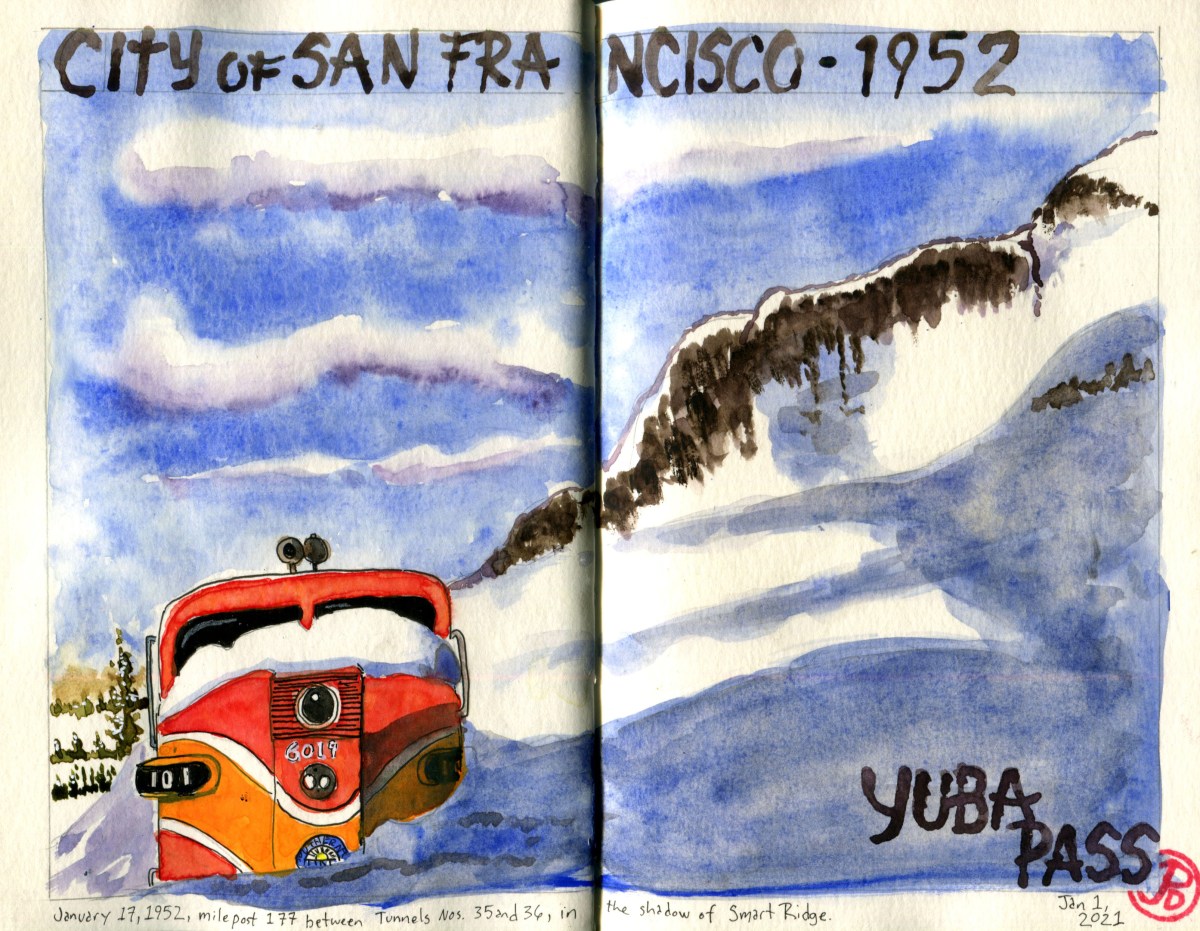
January 12, 1952. Milepost 177, Yuba Pass.

The snowfall in January of 1952 on the western edge of the Sierra Nevada Mountains was relentless. By mid-January, Highway 40 was closed. There was no way to drive from Sacramento to Truckee or Reno without a huge detour.

The winter storms during the winter of 1951-52 dumped 65 feet of snow on Donner Summit. Southern Pacific took pride in keeping the line open over Donner Pass, even in the winter.

Donner Pass is one of the snowiest places in the Lower 48 with an average snow fall of 411.5 inches of snow each winter. According to the report, Donner Summit Snowfall and Snowpack 1879-2011, there have been four times, since 1880, the snowfall on Donner Summit has exceeded 775 inches, and on two occasions the snowfall has exceeded 800 inches: in 1938 and 1952.

Southern Pacific had an arsenal of snow fighting equipment, including plows, flangers, and spreaders but their ultimatum snow fighting weapon was the rotary plow. They used this plow when the ordinary plows failed to clear snow from the tracks so the rotaries had to be called in to finish the job.

The railroad had always kept the line open, until January, 1952. Heavy snowfall will temporality close the line but so will an avalanche.

The story of the stranded Southern Pacific streamlined passenger service, the City of San Francisco seems to come out of an Agatha Christie novel. Think Murder on the Orient Express without the murder.

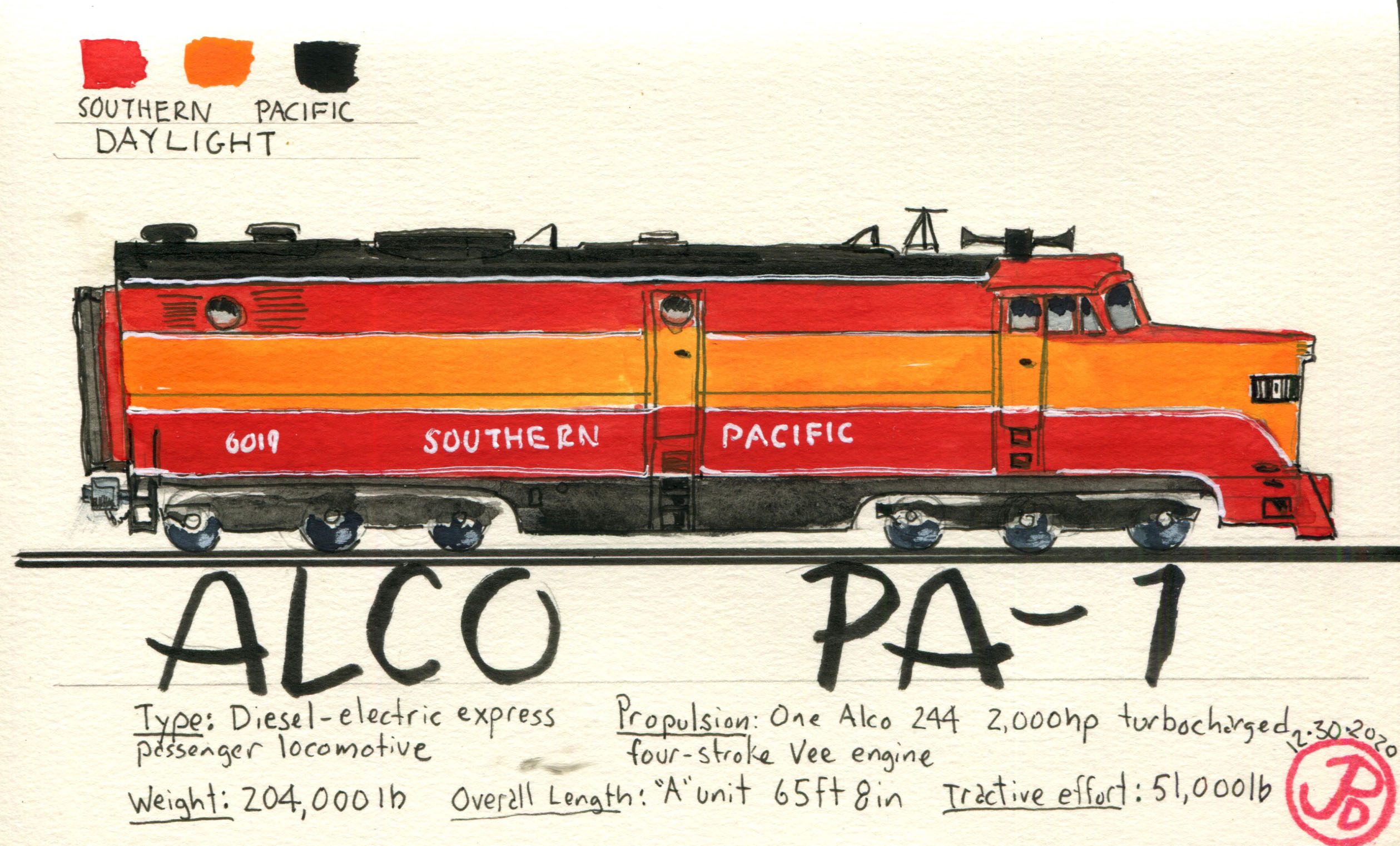
Into the snowy conditions, at just after 10 AM, the westbound City of San Francisco No. 101 headed out of Norden, Ca to make the slow descent, down into the Sacramento Valley on January 12, 1952. The 15 car train was headed by three Alco PA locomotives, decked out in the red, orange, and black of the Daylight paint scheme.

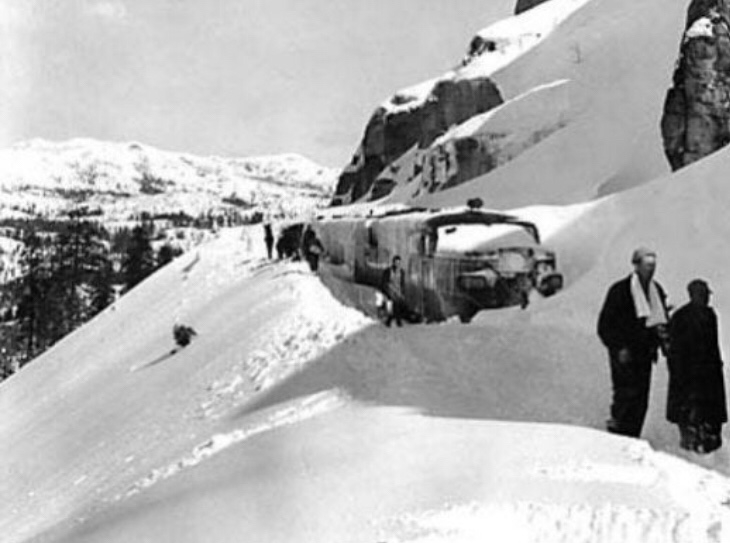
The train was several hours late because of the snowy conditions. As it rounded Smart Ridge on track #1, the train was stopped in it’s tracks, blocked by a snow slide that covered both tracks. The slide was a quarter of a mile wide. The engineer tried to back the train up but the City of San Francisco was trapped by snow on both ends.

At milepost 177, between tunnels 35 and 36, the City of San Francisco became stranded with 196 passengers and 30 crew members aboard. The passengers and crew would be stranded here for three days and the City of San Francisco would be stuck here for six days.

A photograph of passengers leaving the City of San Francisco behind to hike down to Highway 40 and the cars that would take them to Nyack Lodge.

Once the train had become stranded, Southern Pacific sprung into action to try and free the City of San Francisco and rescue those aboard. Rotary plows where sent up from both Roseville and Truckee in a attempt to clear the line and reach the disabled train.

Over the next three days the rescue of the City of San Francisco continued on with the use of rotary plows pushed by cab-forward Mallet locomotives, cars, trucks, helicopters, dog sleds, and Tucker snowcats. The rescue effort would claim two lives and damage rail equipment.

On the first day, the passengers took it their stride with the belief that the ordeal would be over soon. But as the train lost power and with in the heating system, things seem to worsen. The water system aboard the passenger cars froze taking the toilets out of commission. And they were also running low on food.

On the afternoon of the fourth day they were able to get all the passengers to hike down to Highway 40 which had been plowed clear up to Yuba Pass. They were driven by private automobiles to Nyack Lodge. After warming themselves ay the lodge’s fire place, the passengers were then put on a special train that took them down into the valley where they arrived in Roseville just before midnight.

Almost four days late, the train pulled into it’s final destination, just before 4 AM, to the city of Oakland. Oddly enough the City of San Francisco does not go to the city of San Francisco.

On point for the City of San Francisco on January 12, 1952 was an ALCO PA number 6019. Southern Pacific bought 52 PAs. While these locomotives are railran favorites, they proved to be a maintenance nightmare and SP later scraped the locos.
Image

Rotary Snowplow: Workhouse of Donner Pass

Work on the railroad does to stop for weekends or holidays. And it certainly does not stop for inclement weather.

Some of the deepest snow can be found on the western slope of the Sierra Nevada Mountains and at the summit of Donner Pass. This was the same pass that turned away members of the doomed Donner Party in the Winter of 1846. This pass would not defeat the Southern Pacific Railroad from crossing the pass.

To keep the pass open the railroad, when spreaders and flangers failed, SP used their most powerful snow fighting weapon, the rotary snowplow.

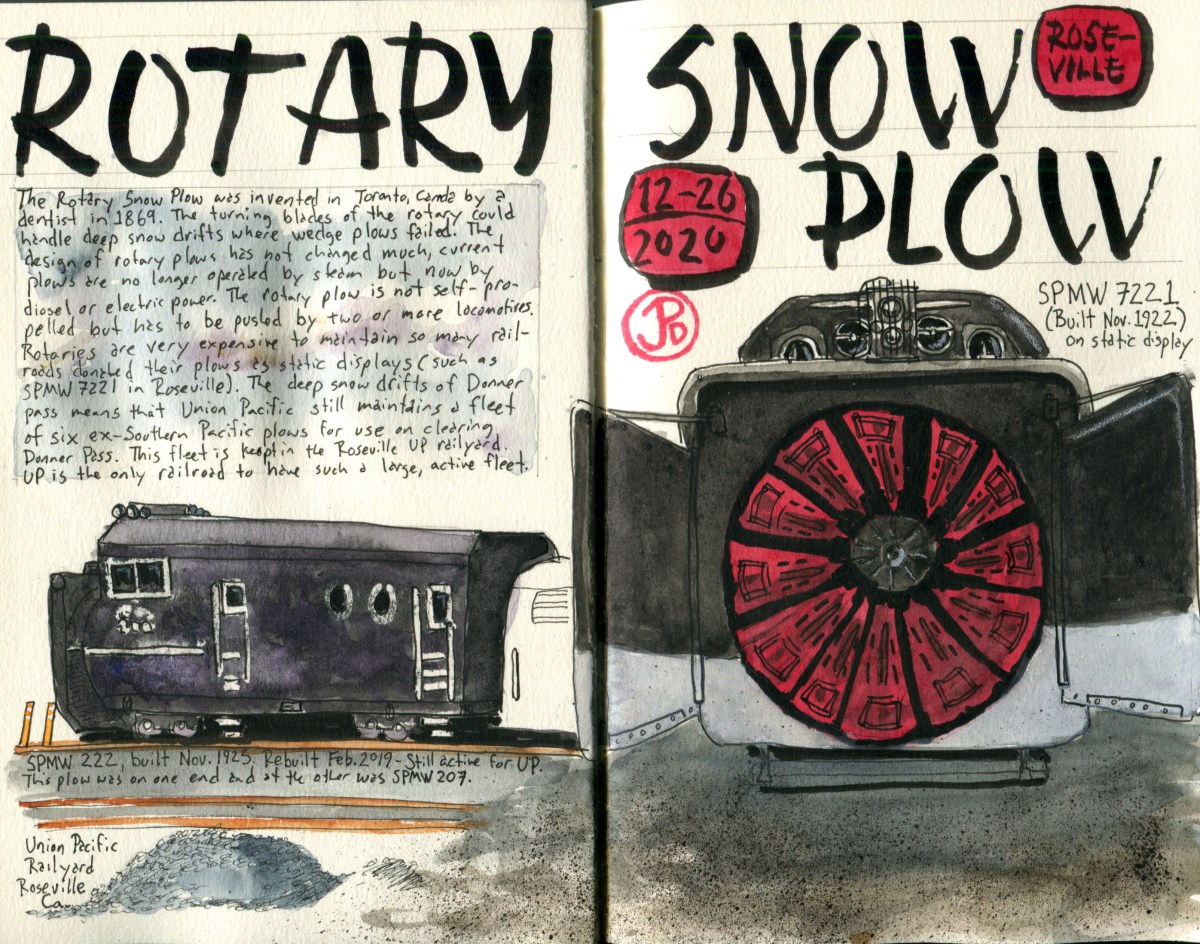
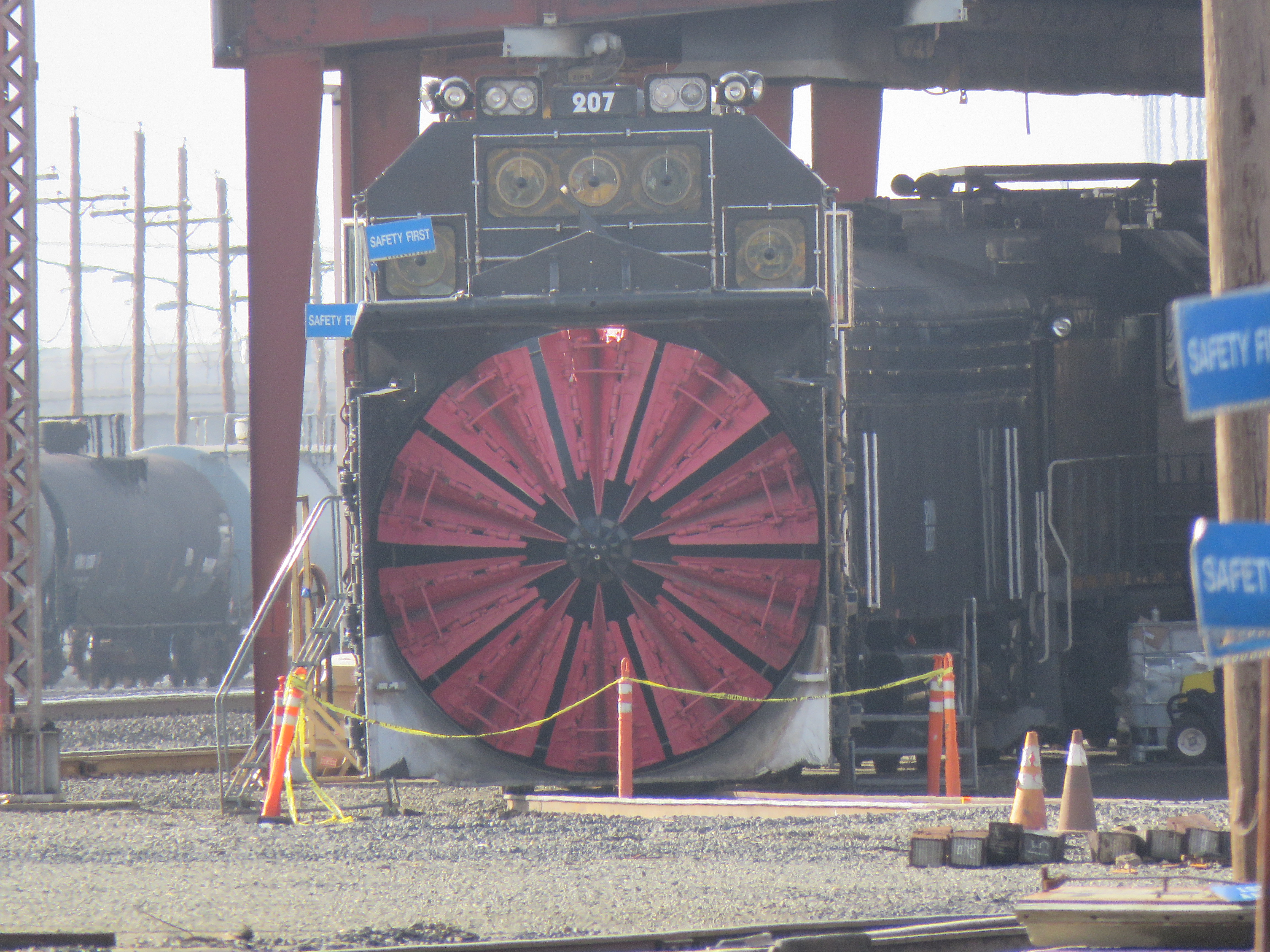
The rotary plow was invented by a dentist in Toronto, Canada in 1869. The plow consists of a circular sent of blades that spins. The rotary plow is not self-propelled but is pushed by a locomotive or most likely locomotives. As the spinning blade cuts through the snow drift, the engineer can control which side of the track the chute, behind the blade assembly, throws the snow. Left or right.

Not much has changed with the design of rotary plows save for powering the prime mover. All early rotaries where powered by steam but they were later converted to diesel or electric power. In fact, most of the current fleet of rotary plows, used by Union Pacific, where built in the 1920s or 30s although they have been retrofitted and rebuilt since then.

The current rotaries still use a steam generator to help prevent some of the moving parts from icing up and seizing.

Most railroads use flanger or spreader plows but these plows meet their match when trying to push heavy snow from tracks. This is where the rotary plow has the distinct advantage. It does not need to be pushed by force, instead the rotating blades cut through snow like a hot knife through butter. And the rotary can throw snow away from the track.

The downside to rotary plows is that they are expensive to maintain. And depending on snowfall, the plows may not be put into service every snow season. It may be even ten years before the rotary is called into action. The plows are also labor intensive to operate with an average crew size of 12. The standard consist of a Southern Pacific rotary train would consist of two rotary plows (one on each each so they can remove snow in both directions), a B Unit for each rotary to supply electrical power and air pressure, and two or three locomotives.

As a result, most railroads have gotten rid of their rotaries and many have been donated to serve as static displays. Three former Southern Pacific plows are on display. One in Roseville, Truckee, and Sacramento, at the California Railroad Museum.

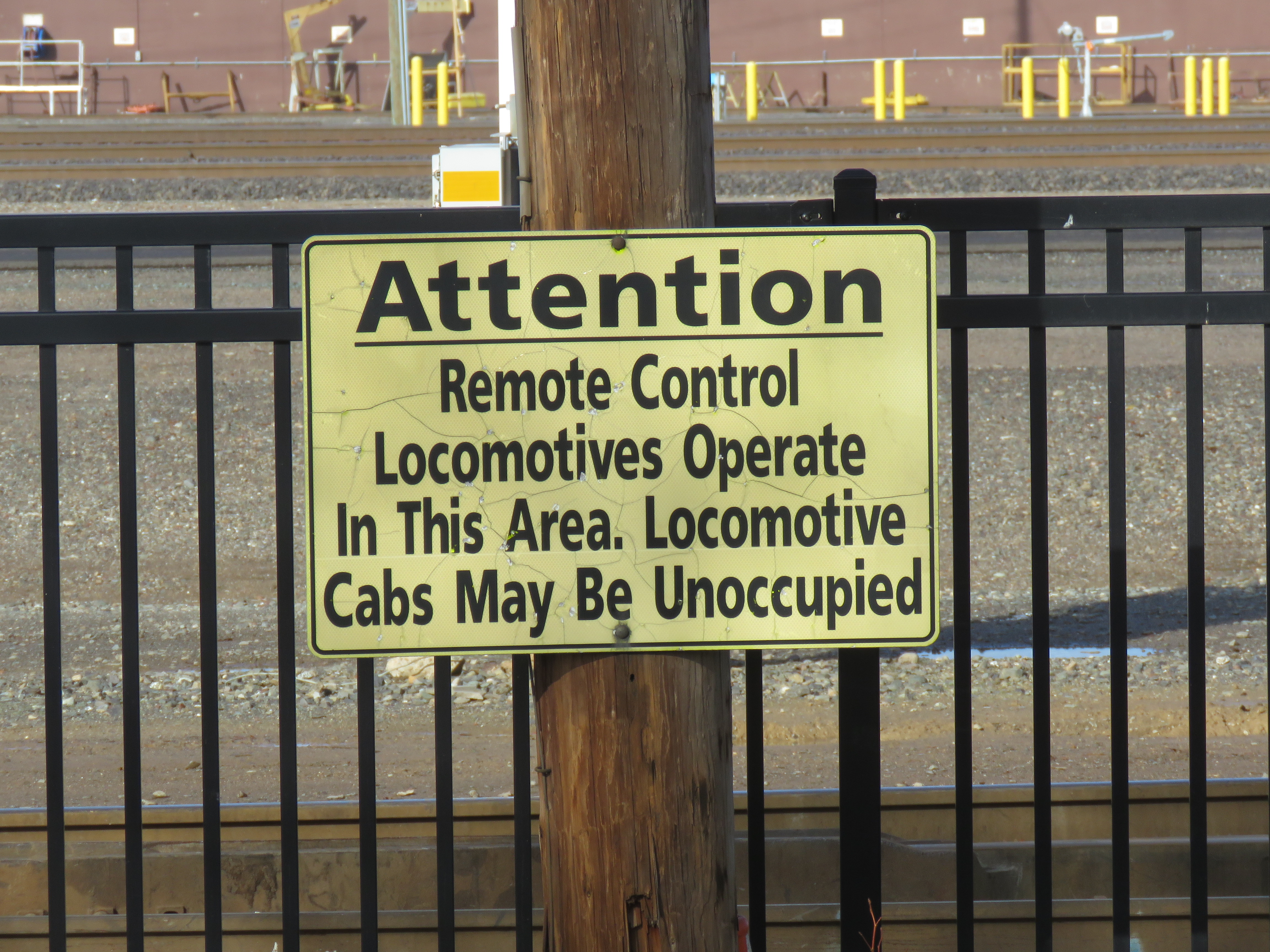
A very interesting sign at the Union Pacific (formerly Southern Pacific) rail yard in Roseville. I wonder if before this sign was installed, the Roseville Police got many calls about runaway locomotives!

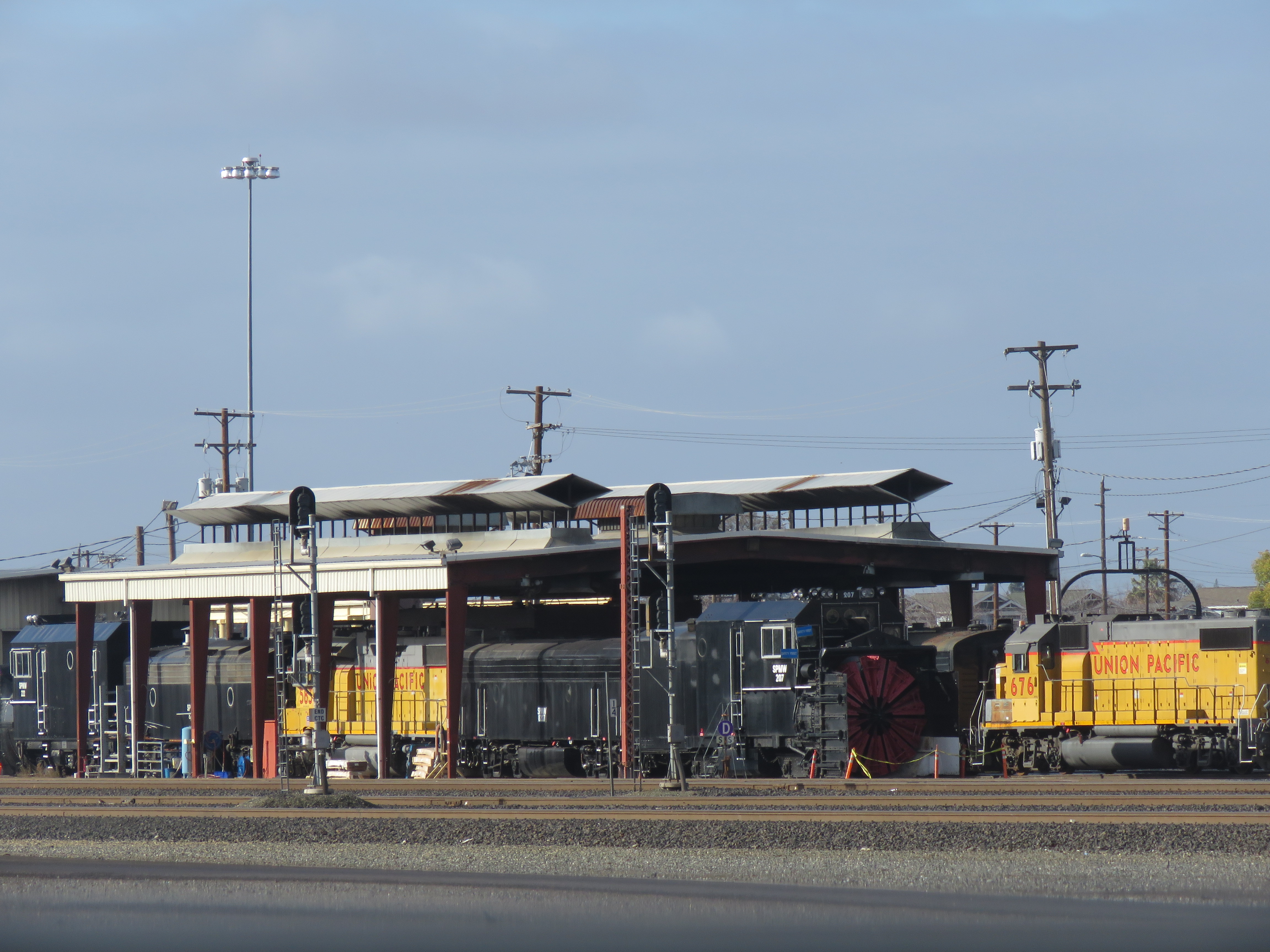
What’s interesting about the rotary plow on static display at Roseville (SPMW 7221) is that it is near the tracks at the Union Pacific rail yard. The rotary was donated to the City of Roseville by Union Pacific in 2014. This is fitting because Roseville is where Union Pacific’s rotary plow fleet is based. As I looked down the tracks toward the rail yard, I noticed, on the far side where two rotaries.

Roseville has been a major division point on the Southern Pacific railroad. At it’s height, during the age of stream, the Roseville yard contained two roundhouses. Roundhouse No. 1 was a 32-stall roundhouse and Roundhouse No. 2 was specially built to house the larger Mallets (4-8-8-2) know as cab forwards. The turntable was large enough to turn these massive locomotives. These locomotive were reversed so the crew rode in the front and the exhaust behind them. This was to avoid asphyxiation in the long snow sheds over Donner Summit.

Union Pacific is one of the few Class I railroads that keeps a rotary fleet and they have the biggest fleet in America with six plows.

Two of Union Pacific’s six active rotary snowplows SPMW # 222 and 207.

The winter of 2017 was the third snowiest winter in recorded history on Donner Pass. The Union Pacific rotaries where put into use to clear the 13 feet deep snow to keep the line open between Roseville and Truckee.

Here is footage of rotaries at work at Donner Pass in February 2017. Credit to Jake Miille Photography.

Head on view of SPMW 207 at the Roseville rail yard. This provides a view of the circular, rotating blade that cuts through snow. Number 207 awaits the call to head up towards Donner Pass to clear the line of snow. Number 207 was built in 1926 and has since been upgraded. The “SPMW” stands for “South Pacific Maintenance of Way”.