On a recent field trip we took 90 fourth graders to the California Academy of Sciences in San Francisco’s Golden Gate Park. I had come here myself when I was in elementary school, back then it was known as the Steinhart Aquarium. The museum was completely rebuilt in 2008 and bears little resemblance to the museum of my youth.
When the museum reopened, which is about a 45 minute walk from my dwellings, I bought a membership and visited some of the 46 million specimens on display many times. I had since let my membership lapse, but on our recent field trip I thought I would take advantage of the teacher’s discount and reconstitute my membership.
So the week after our field trip, after work, I headed to Cal Academy and bought a teacher’s membership. This museum is a wonderful resource for the natural world and I came prepared with my sketchers kit.
At mid-afternoon, after all the school groups had departed, it seemed that I had the museum to myself. I took advantage of this time and did five quick sketches.
I started by sketching an African penguin. This bird is also referred to as the Jackass penguin, a name that makes fourth graders blush and laugh at the same time, but refers to their braying call. These penguins were easy to sketch as they were roosting on their rocks and posing for me. (Well that statement was very anthropomorphic of me!)
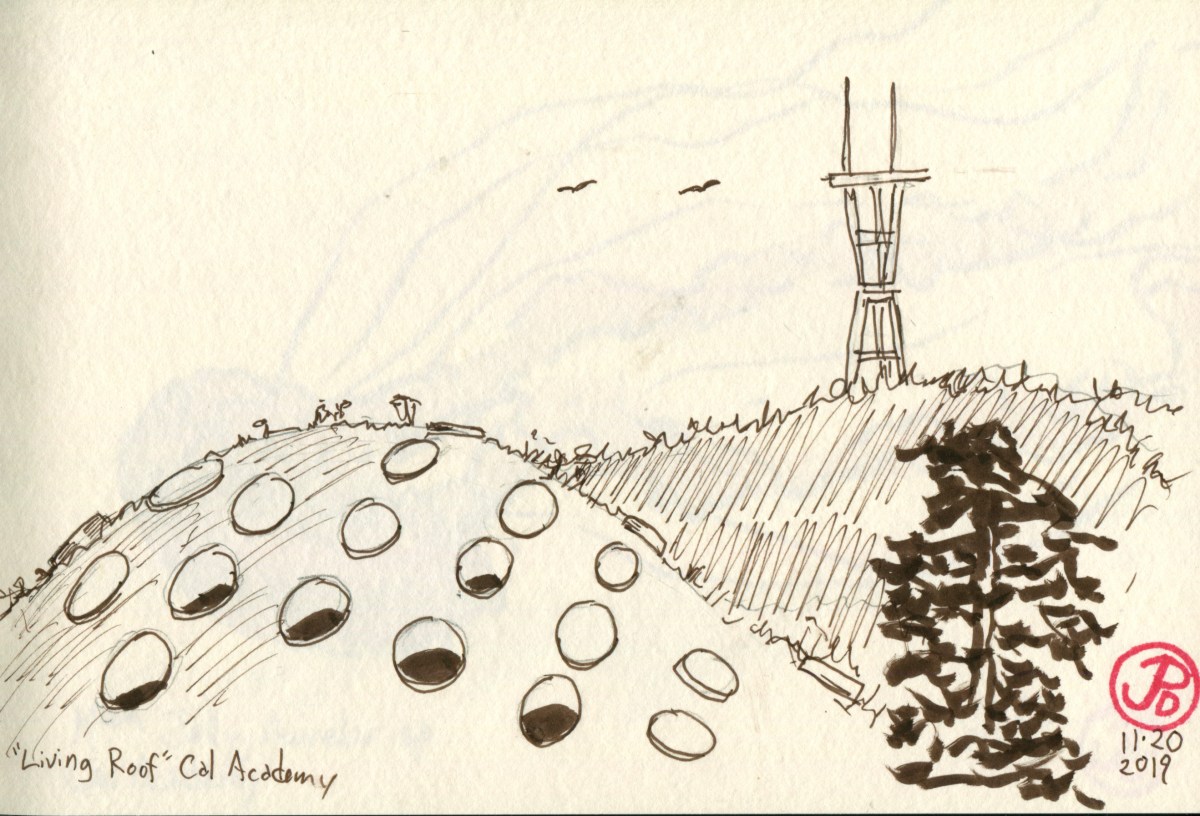
I then headed up to one of the best features of the new building ( well it’s just over ten years old), the living roof. I did a quick sketch with Sutro Tower in the background.
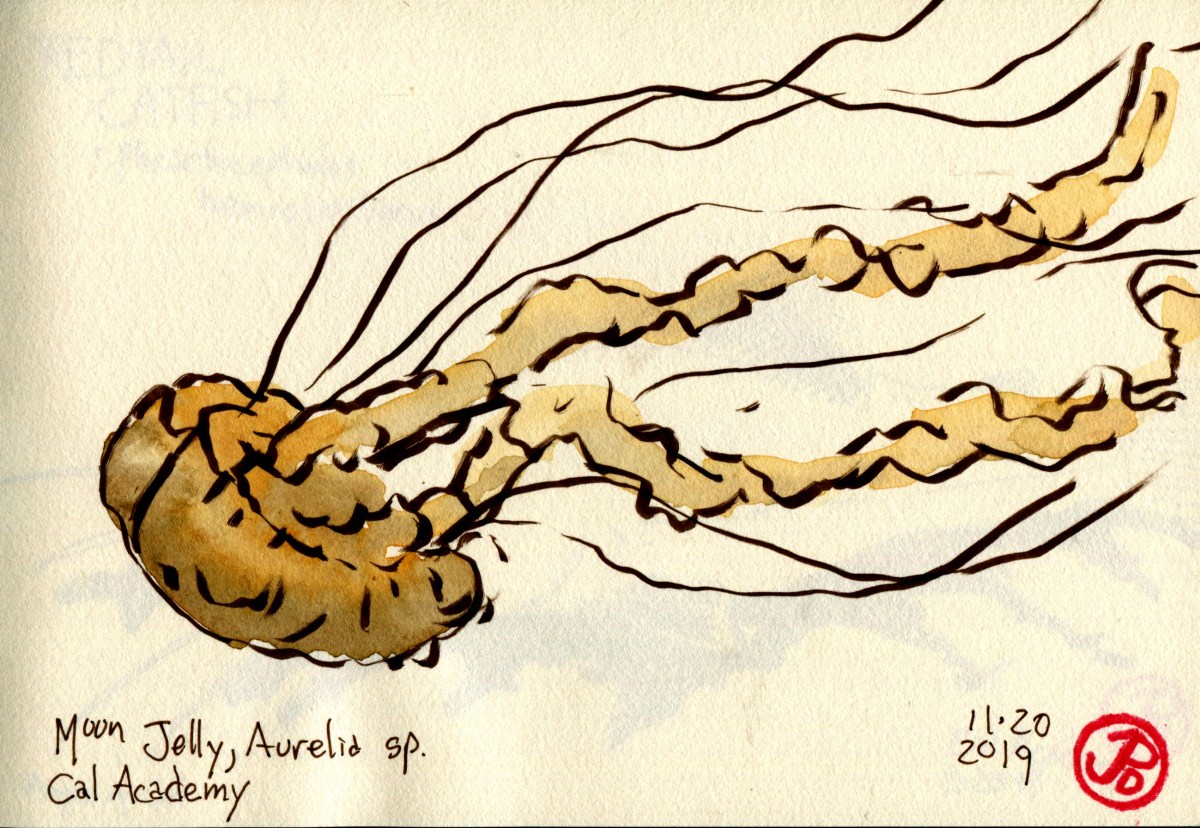
I then headed into the basement where the aquarium is located. Here I sketched a massive but stationary red-tailed catfish(all sketched in pen) in the drowned Amazonian flooded forest tank. I had a grand time sketching a moon jelly with my sepia brush pen, all without a underlying pencil drawing (featured sketch).

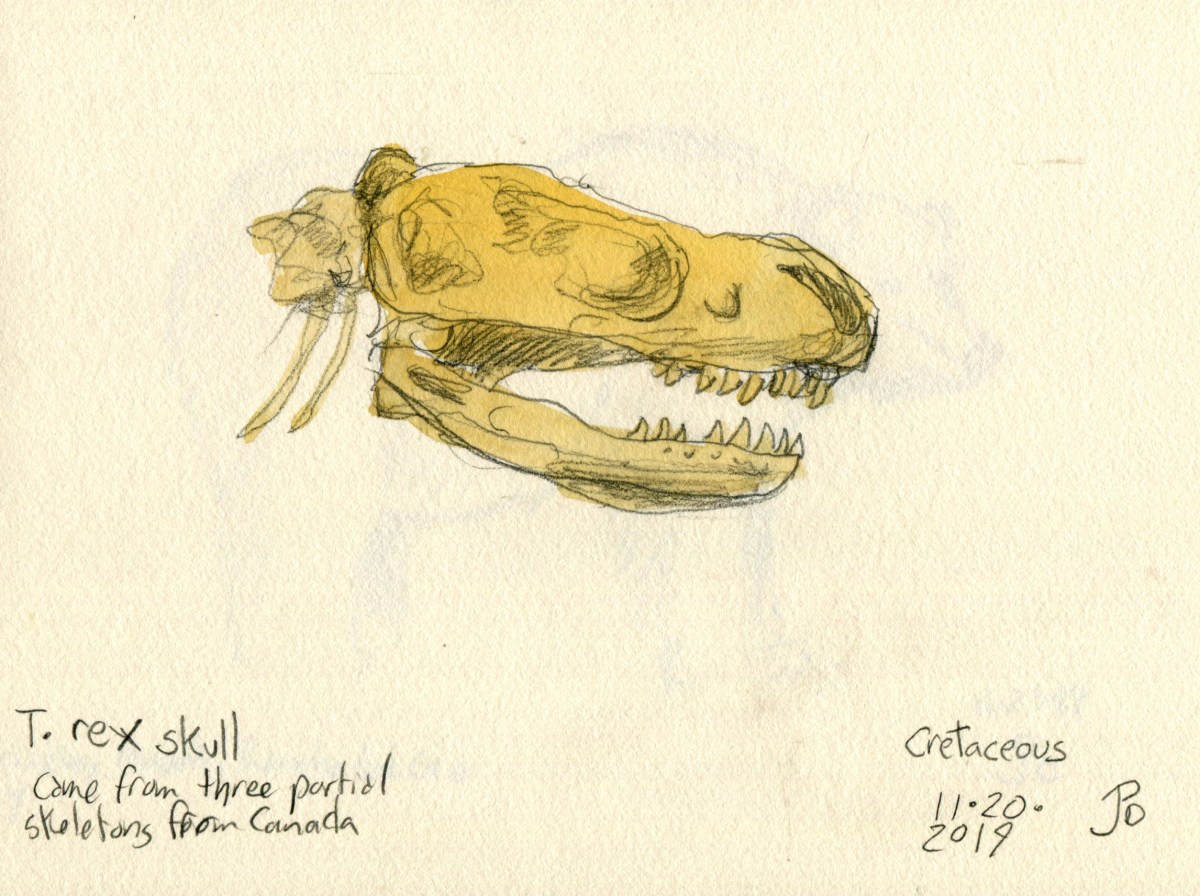
On the way out I passed under the Tyrannosaurus rex skeleton at the entrance. When I was a kid I remember an allosaurus skeleton in a similar place. I liked this little reach back to the past and I sat on a bench for a final sketch. Sketching the entire skeleton with the museum soon to close for the day seemed a daunting task so I just sketched the skull.
I look forward to many more visits and more sketchbook pages filled with knowledge and life!
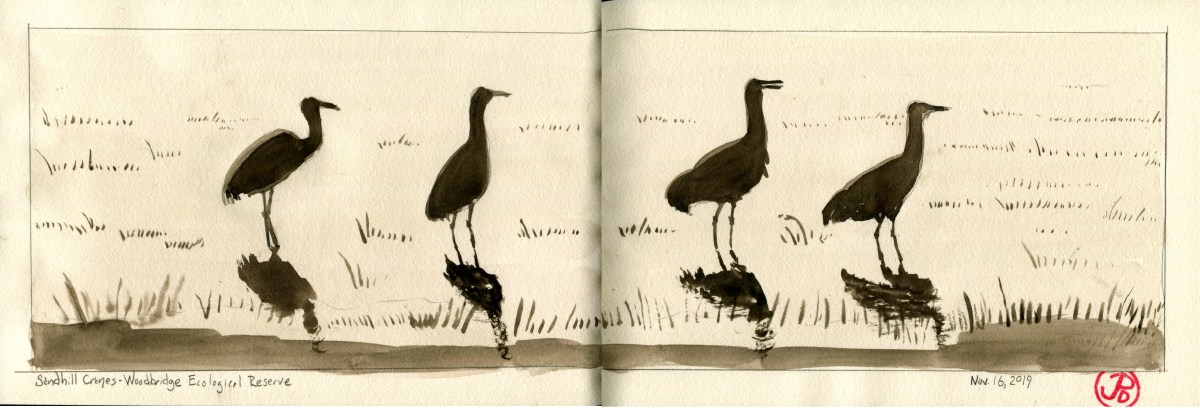
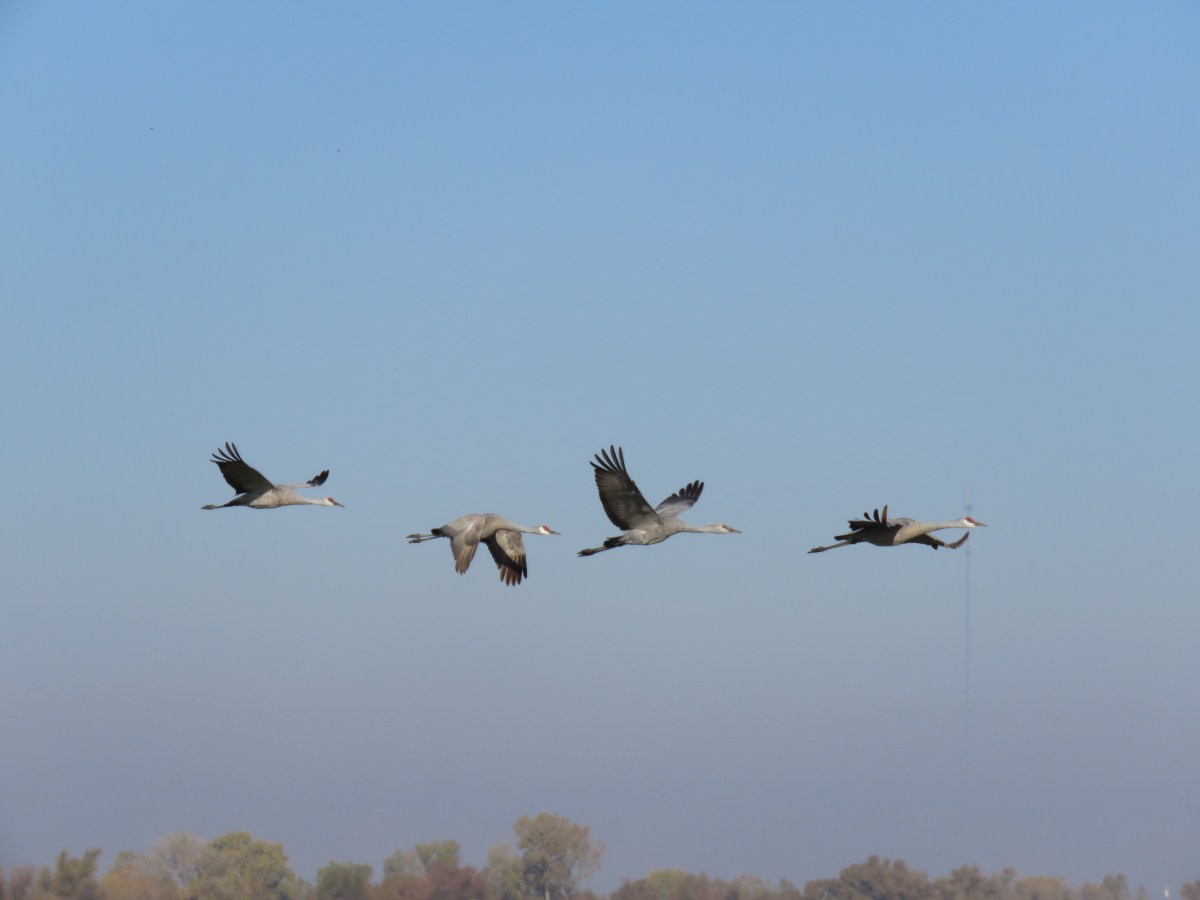 I had been to Woodbridge Road a handful of times and there seemed to be more cranes around on this visit than in any other previous visit. The last time I was here, I was looking for the sulky, vagrant the brown thrasher, which I successfully added to my ABA lifelist on December 8, 2018.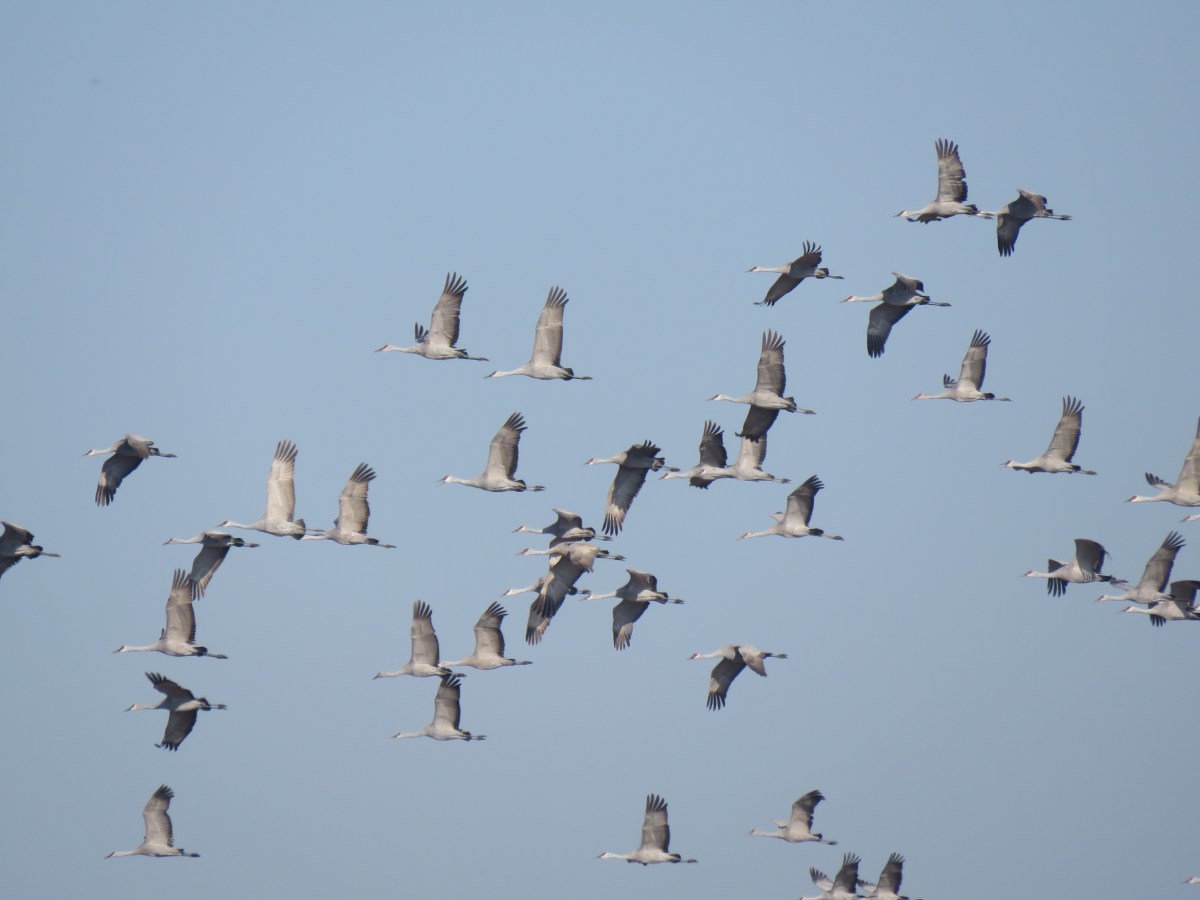
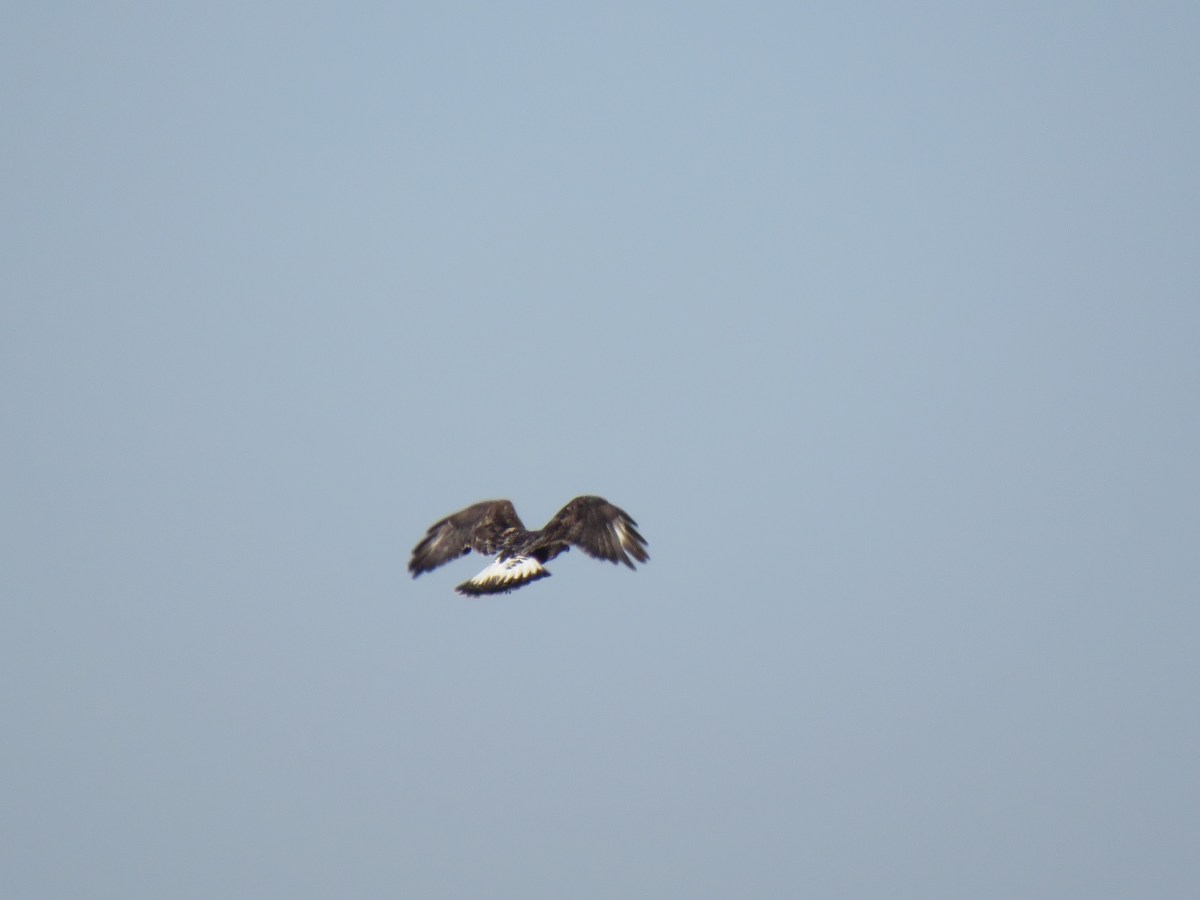
 Grasshopper Sparrow’s spread of our fantastic day with sandhill cranes!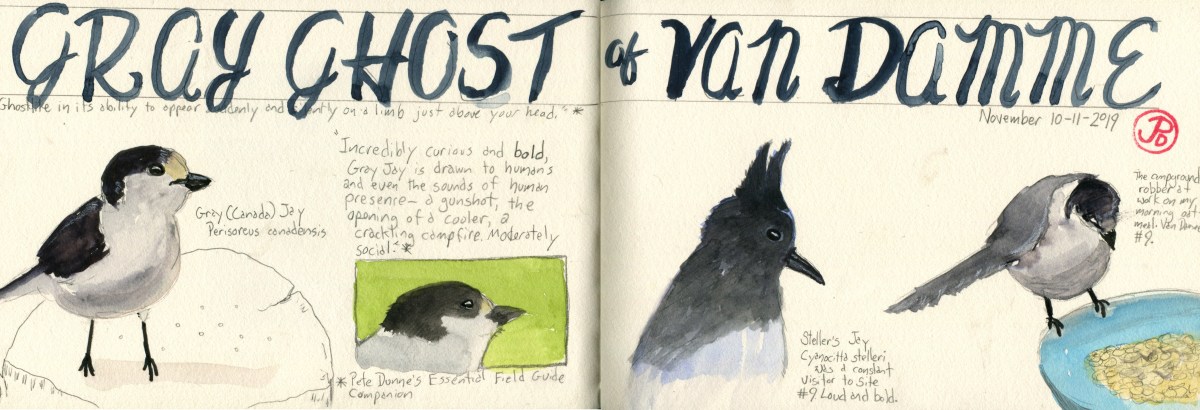
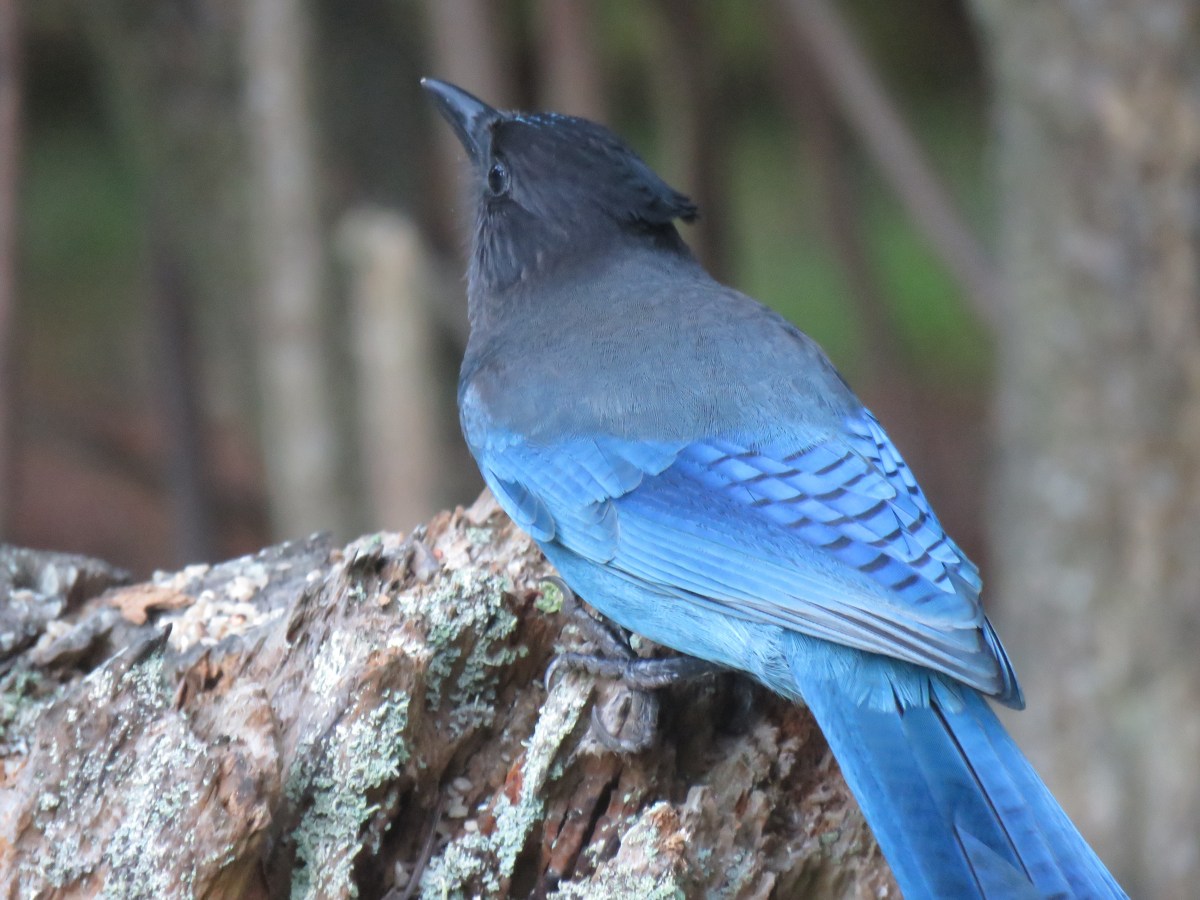
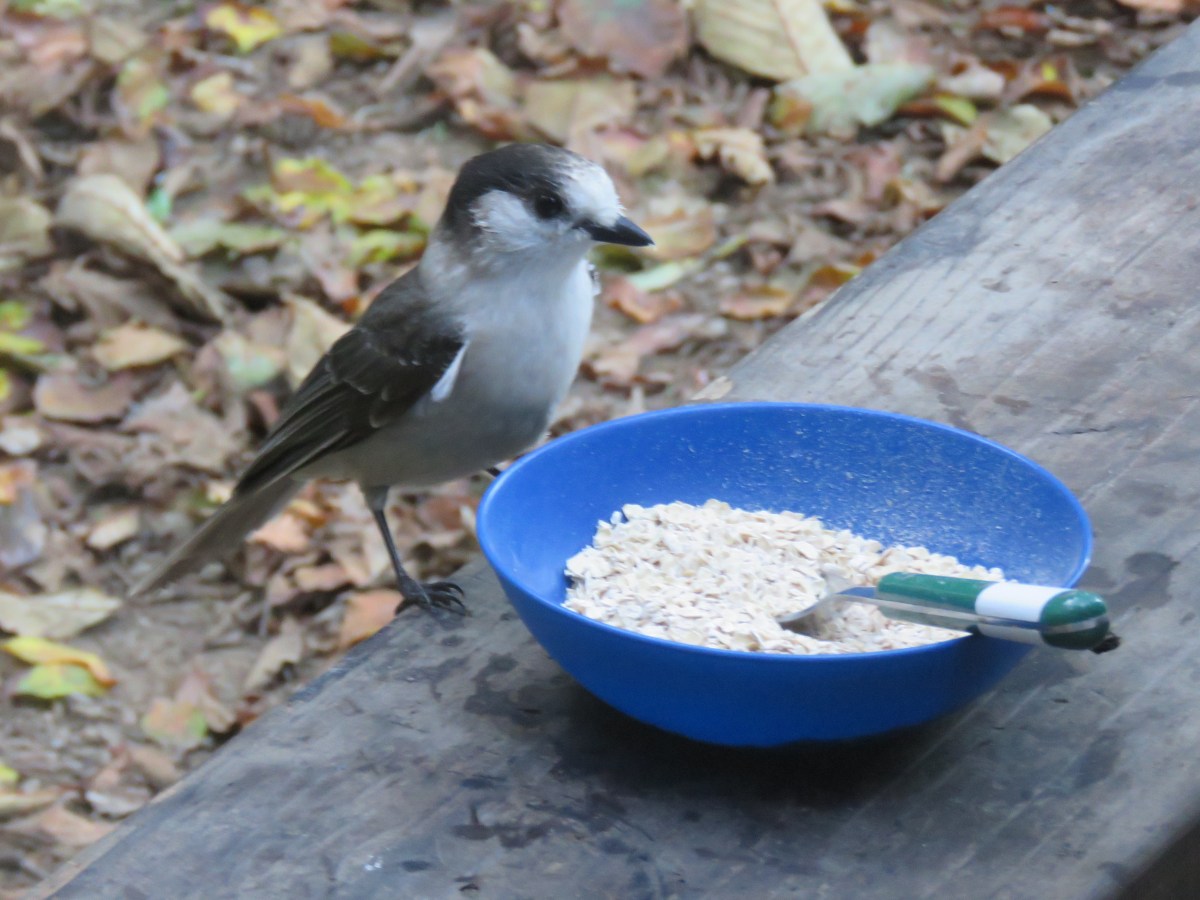
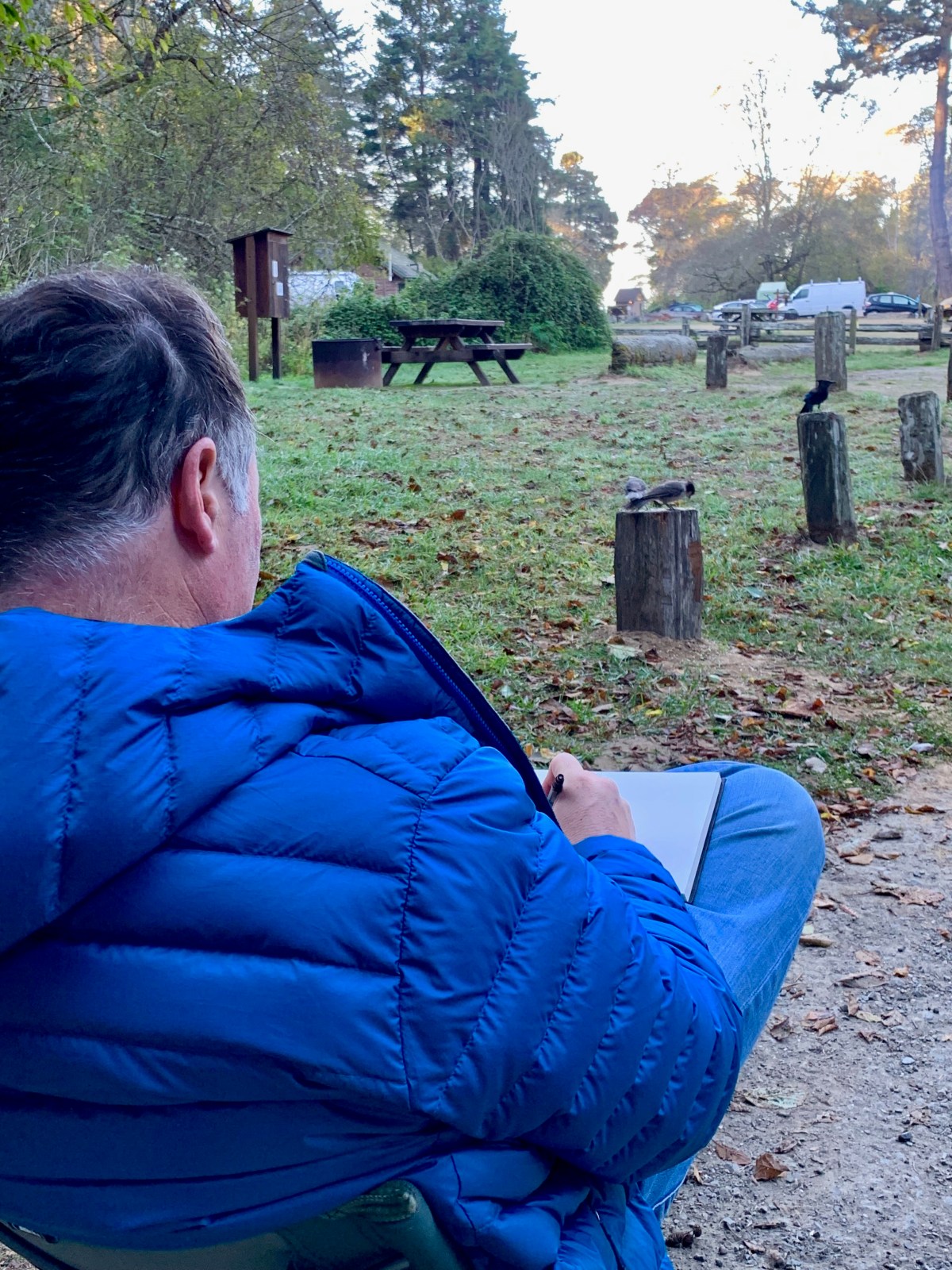
 The Canada jay is very much attracted to the presence of humans and are a very intelligent and curious critter! This jay is perched on our food larder at campsite #9.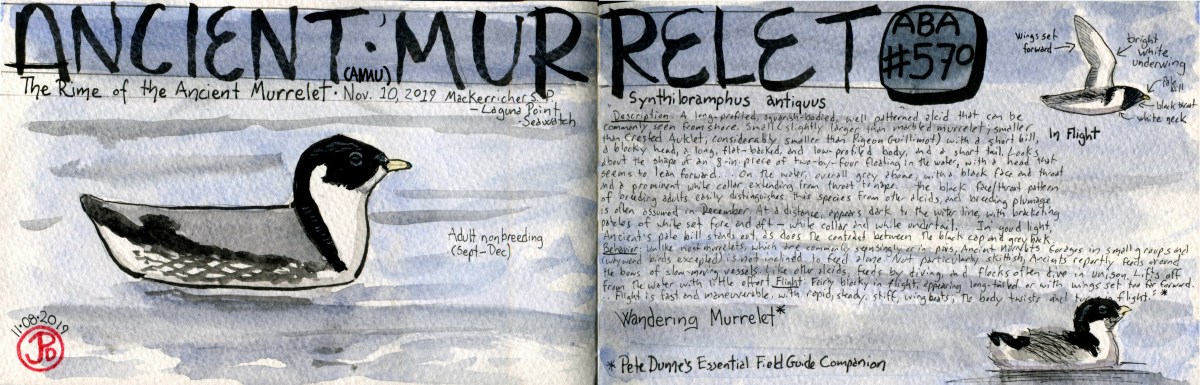
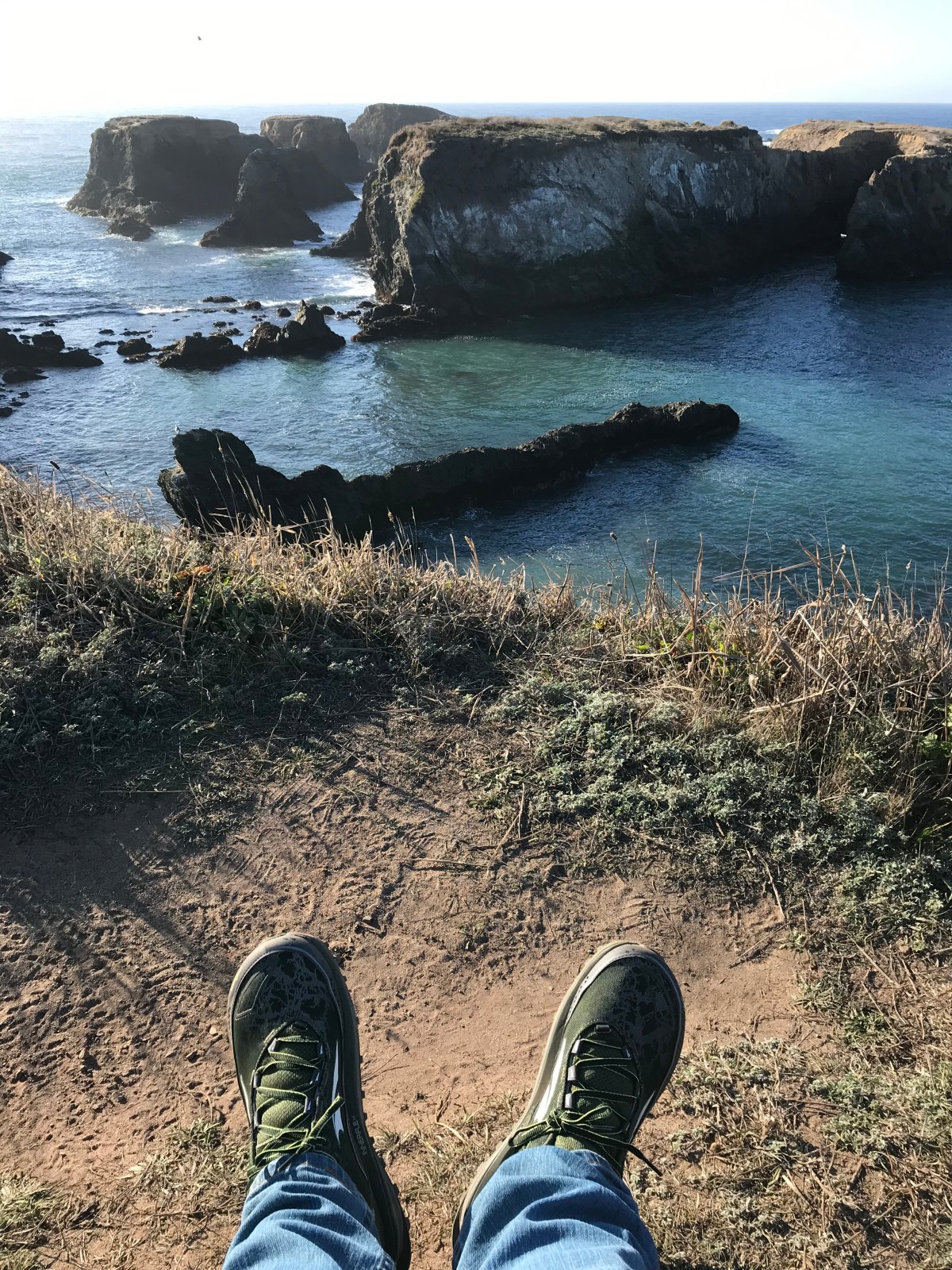
 Scoping the Pacific. There was lots of southerly movement at Laguna Point. Mostly loons and surf scoters and the alcid I wanted to see: the ancient murrelet. Does this hat make me look ancient?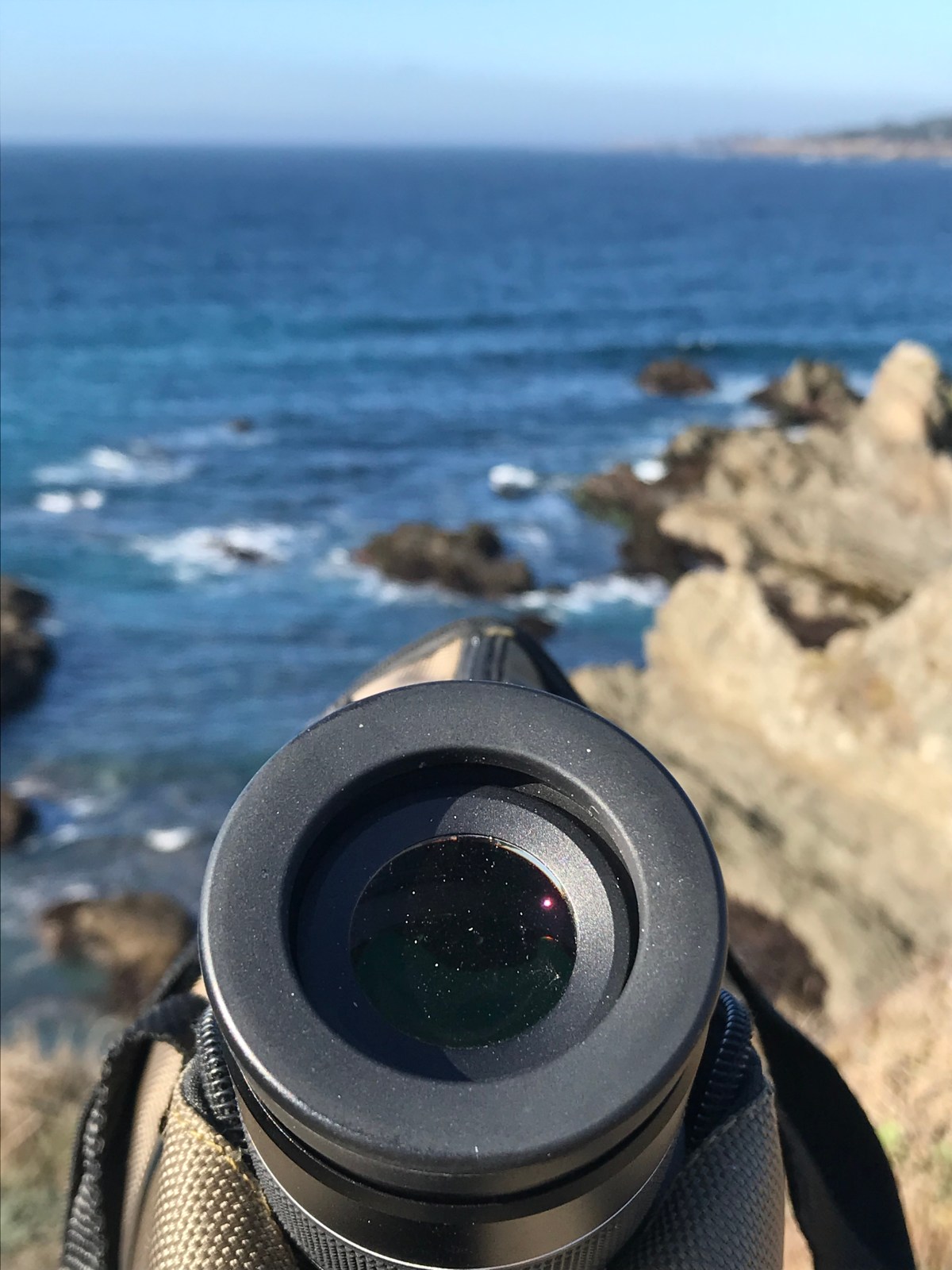
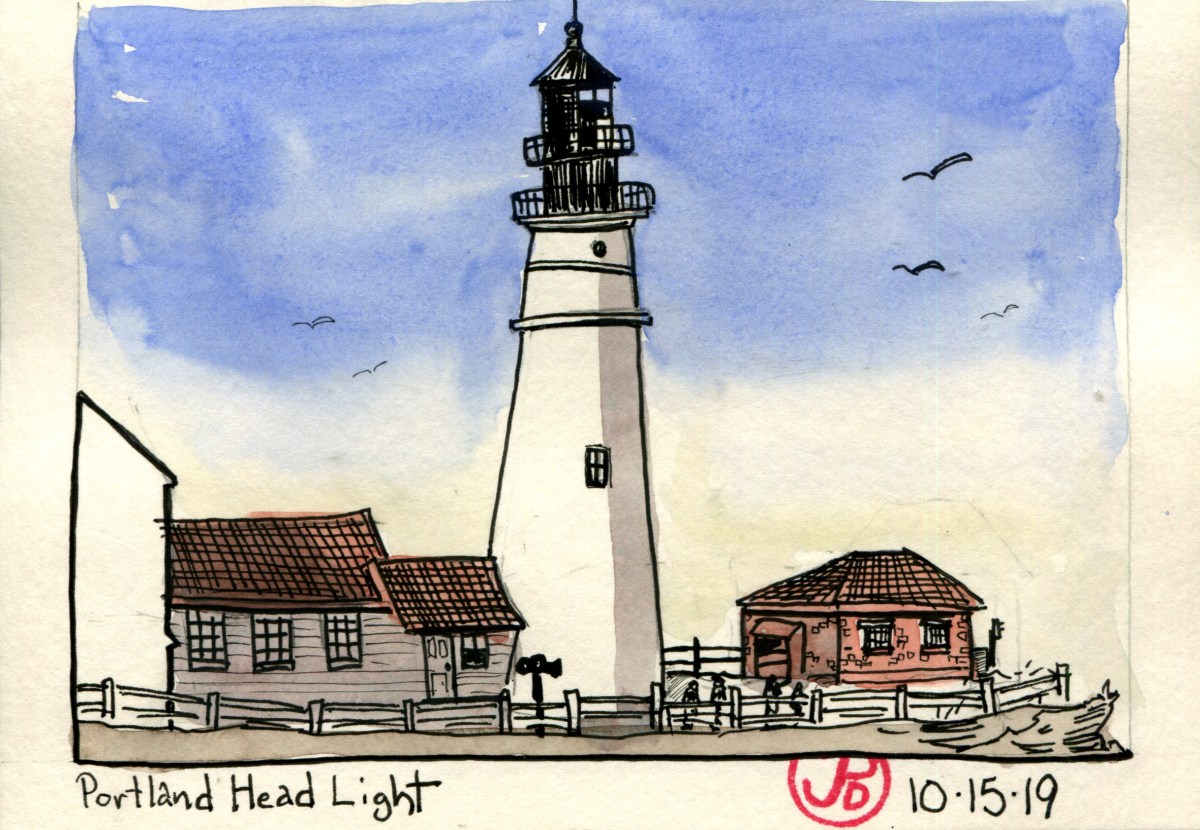
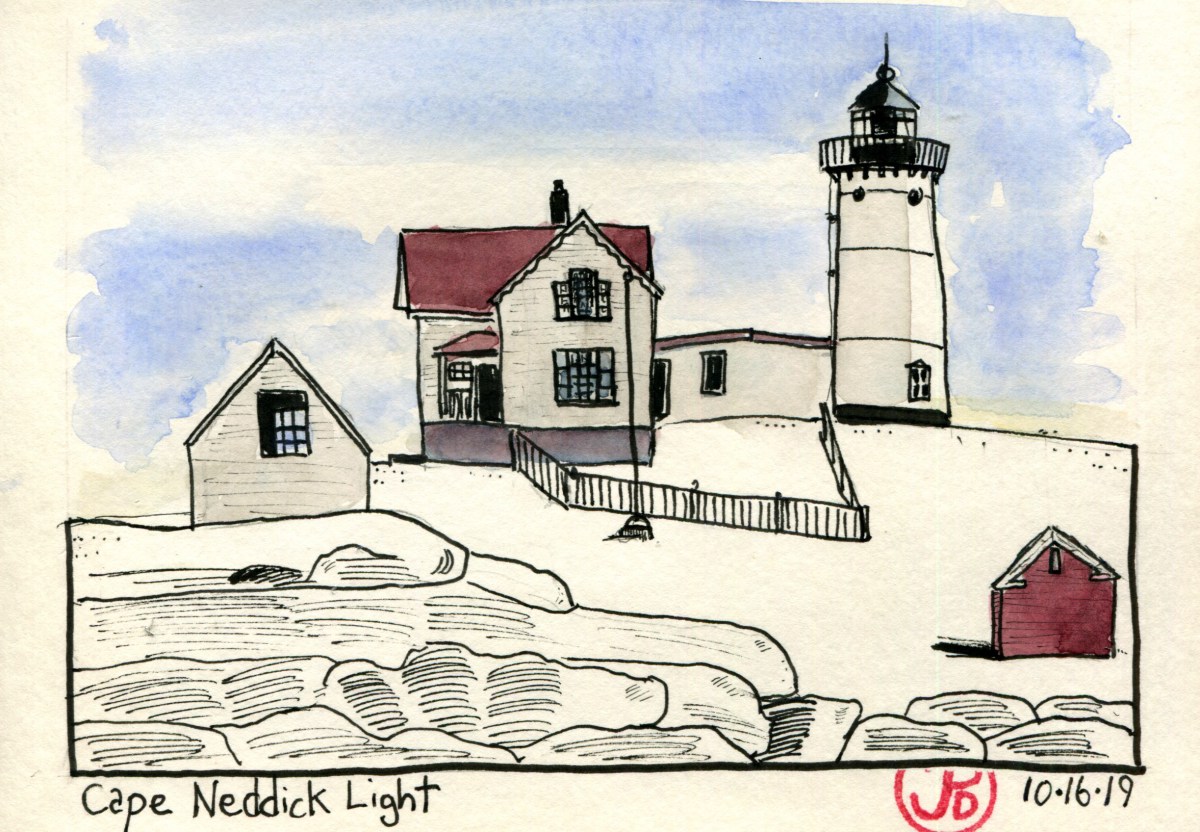
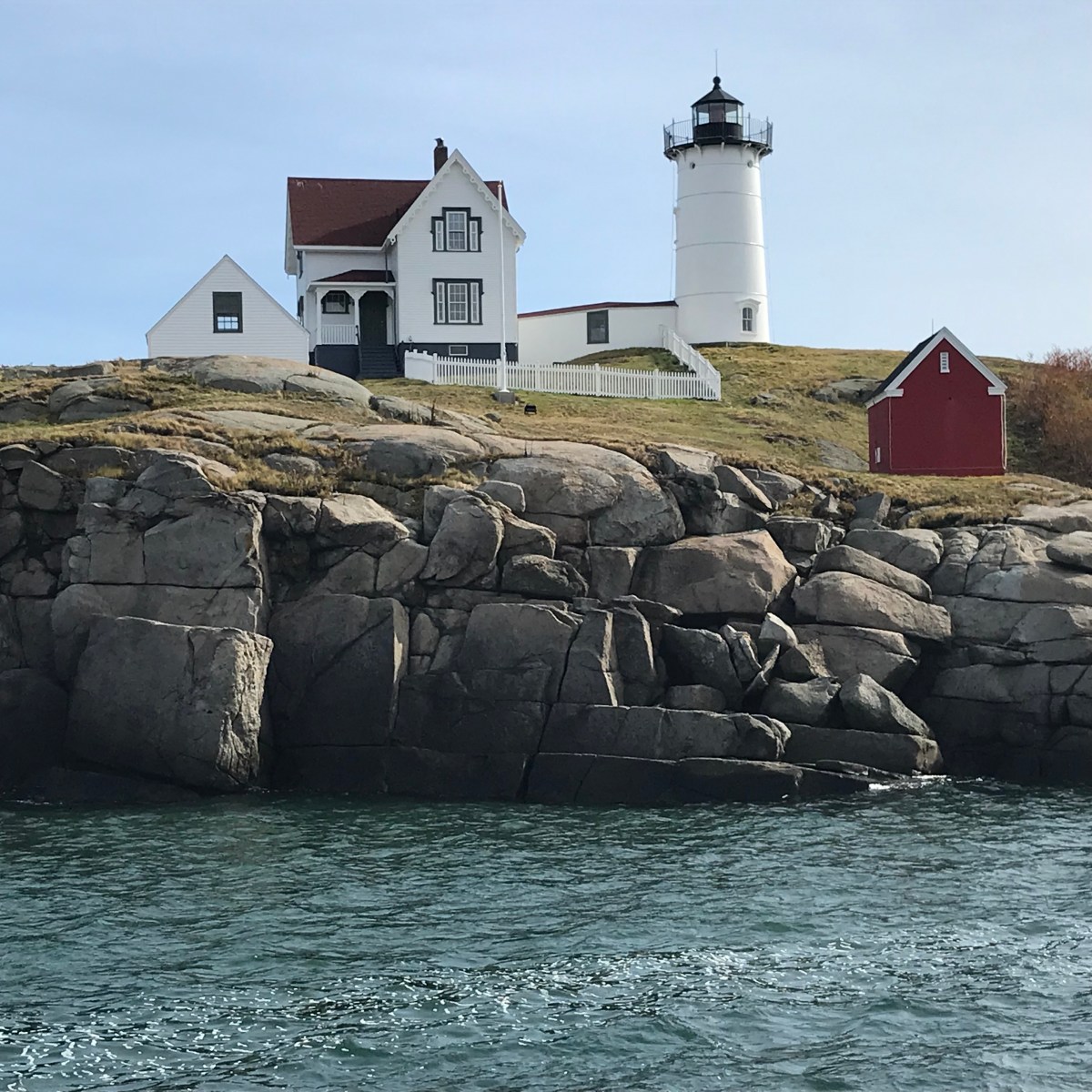
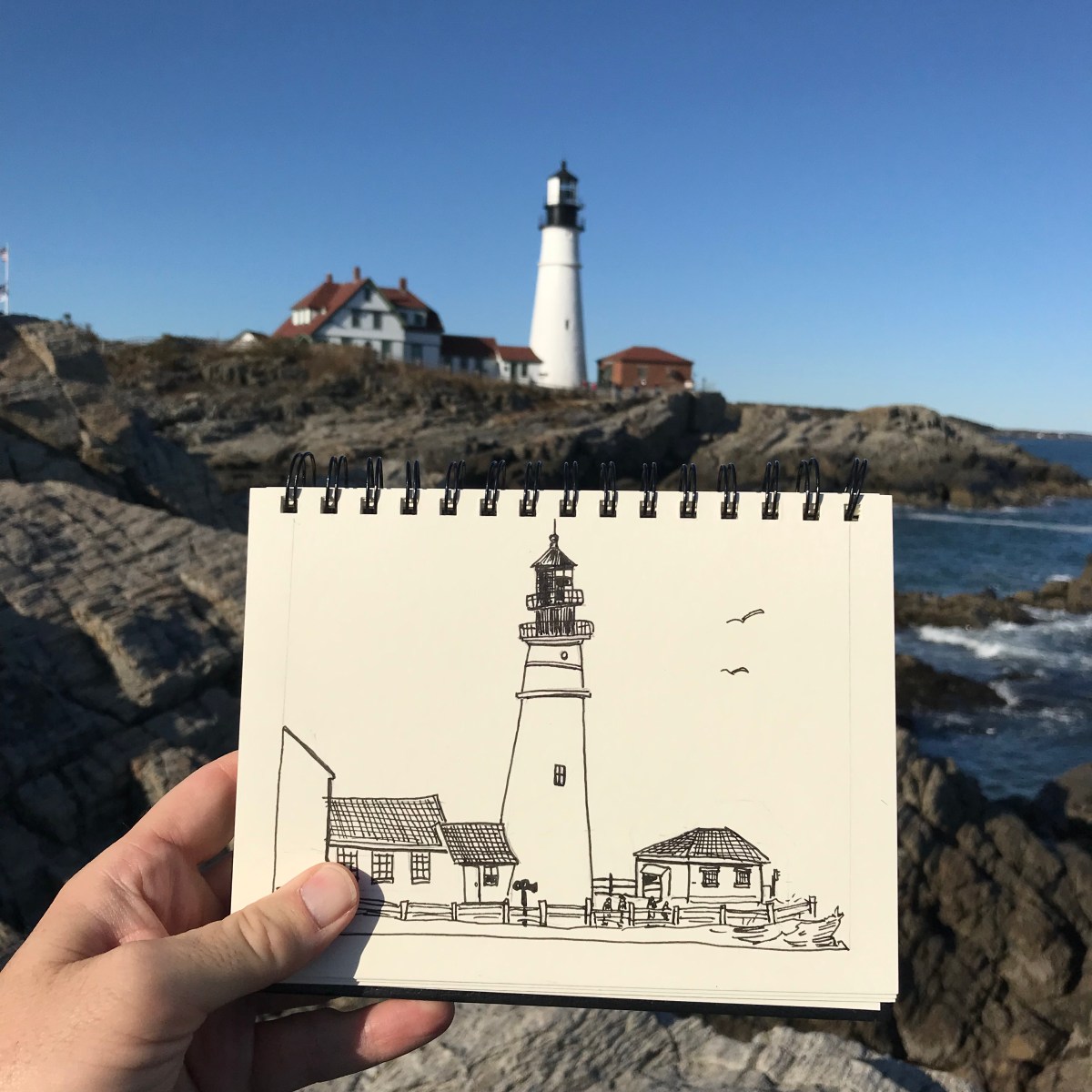 Edward Hopper painted this lighthouse in 1927, albeit from a different angle. I felt in good company.
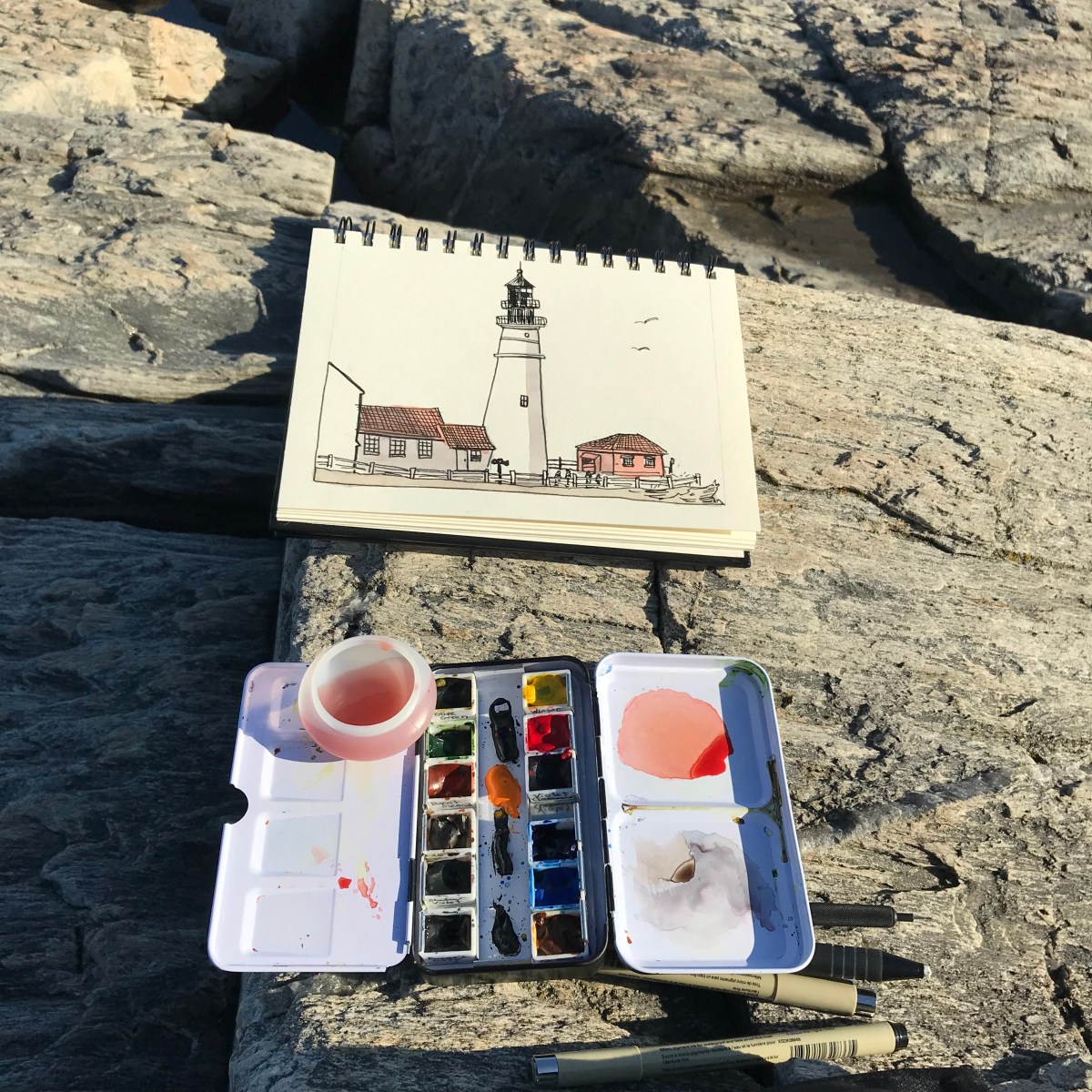 A little watercolor near the water. The rocks just north of the lighthouse provided the perfect sketcher’s seat. I had a raft of common eiders to keep me company.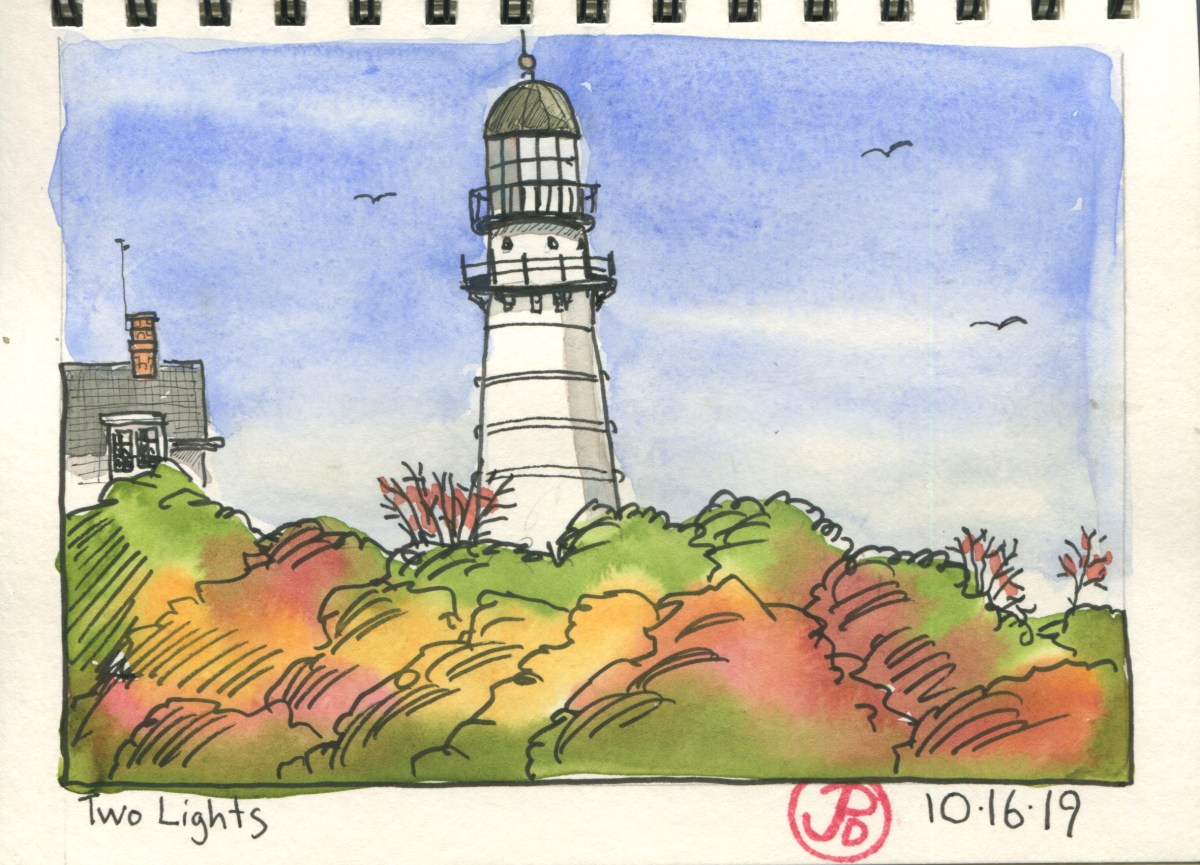

 Moose cow at Shady Stream Pond. See, I’m not making these similes up, like a small stream.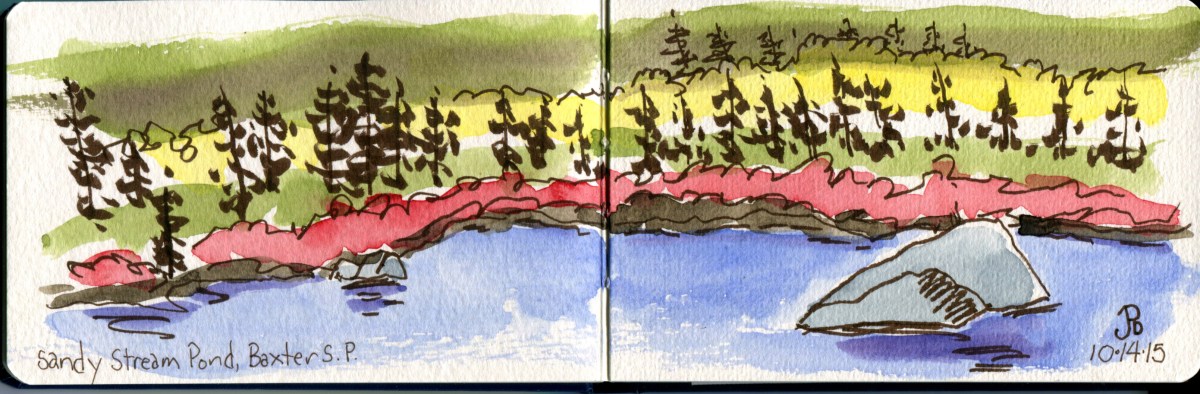
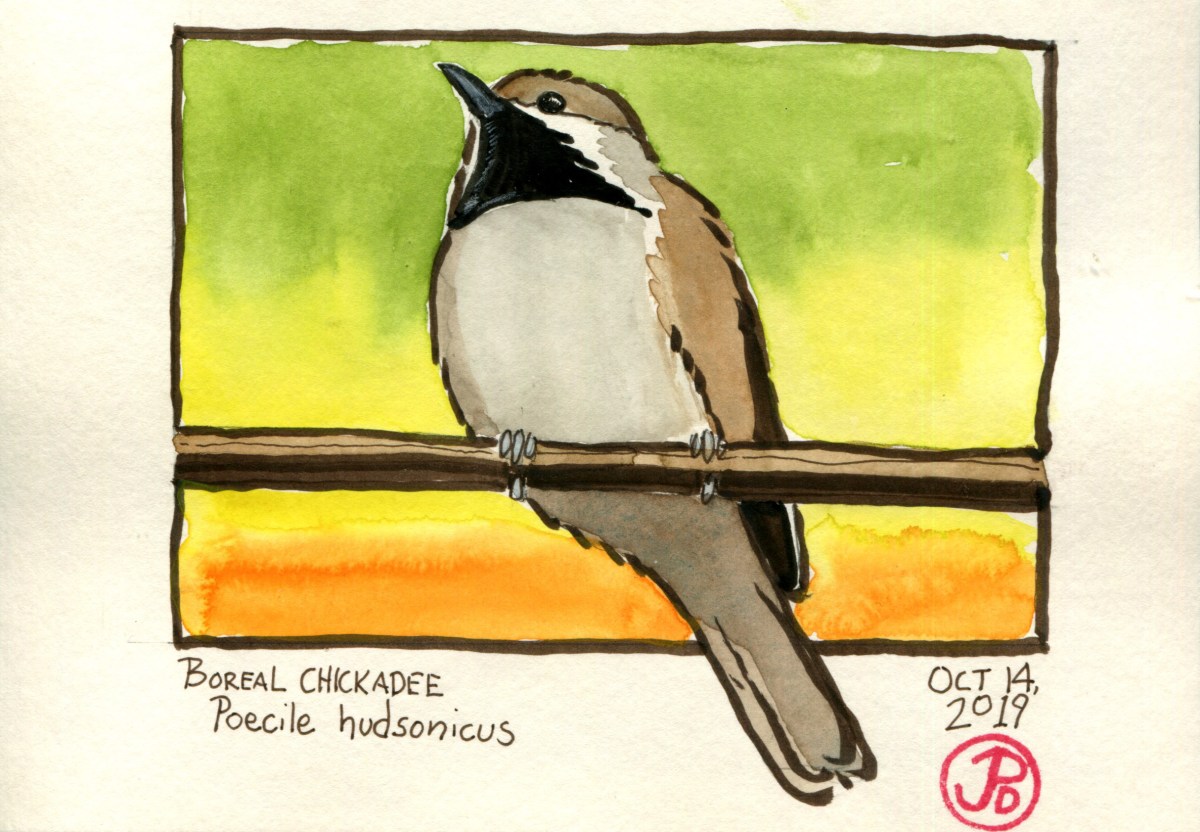
 Above is the first photo that I captured of the mystery bird. The key fieldmark that distinguishes a boreal from a black-capped is that the boreal has a brown cap. The bird was looking to be the bird that I was looking for. It clearly had a brown and not black cap. The Audubon Bird Guides noted the boreal chickadee, “has gained a reputation as an excessively elusive bird.” This bird was elusive no more! Lifer!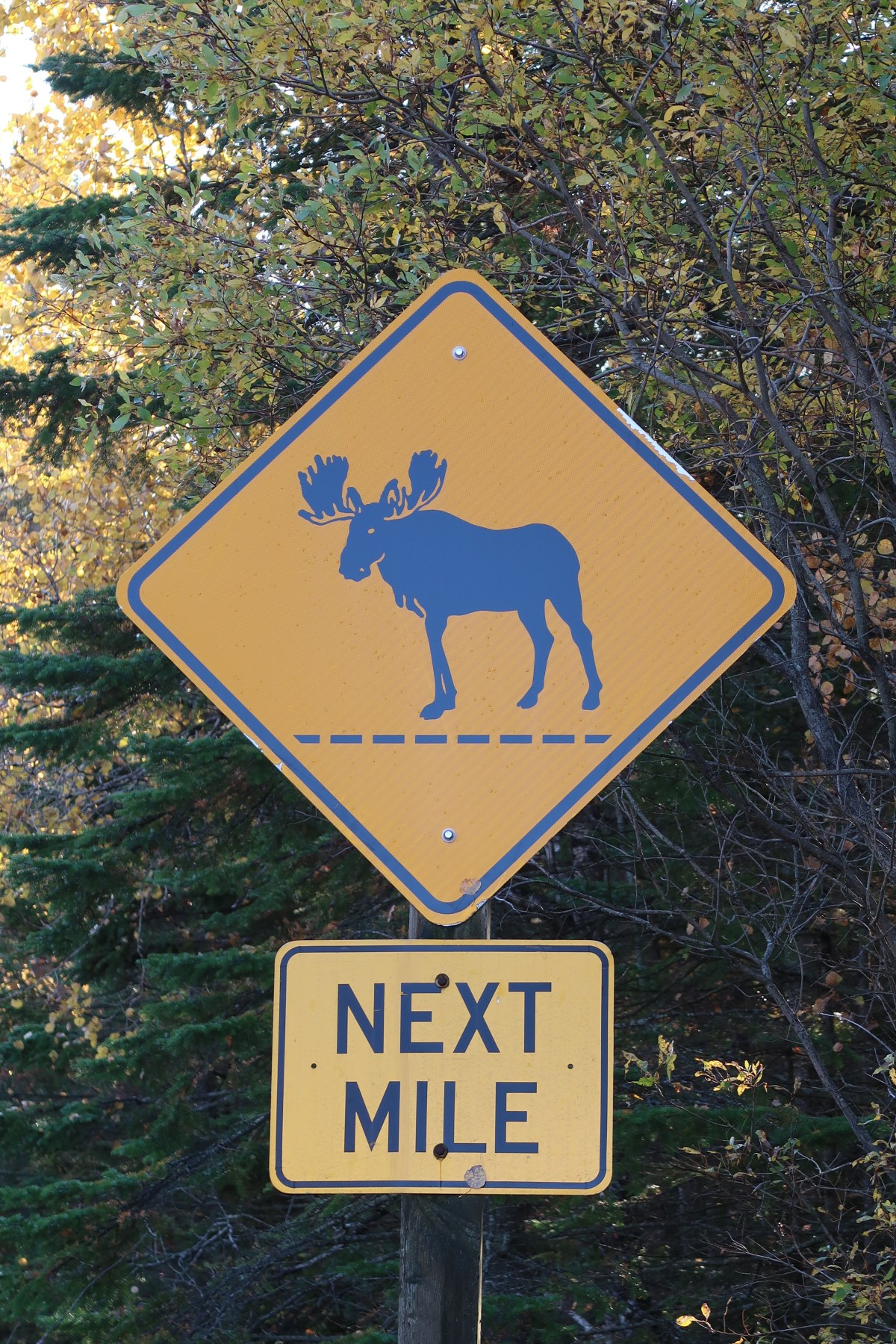
 Corvid Sketcher