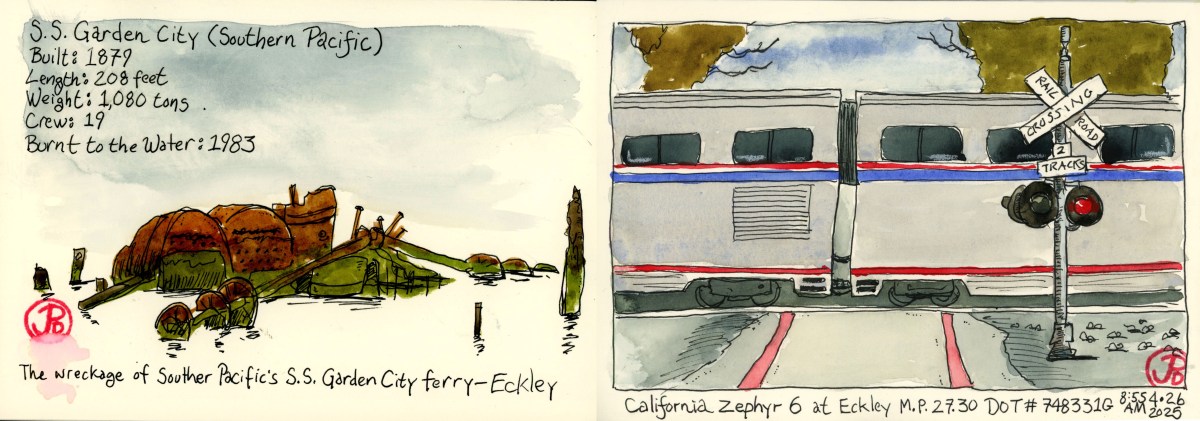
My Saturday morning sketch location was the pedestrian rail crossing at Eckley Pier in the Carquinez Strait Regional Shoreline.
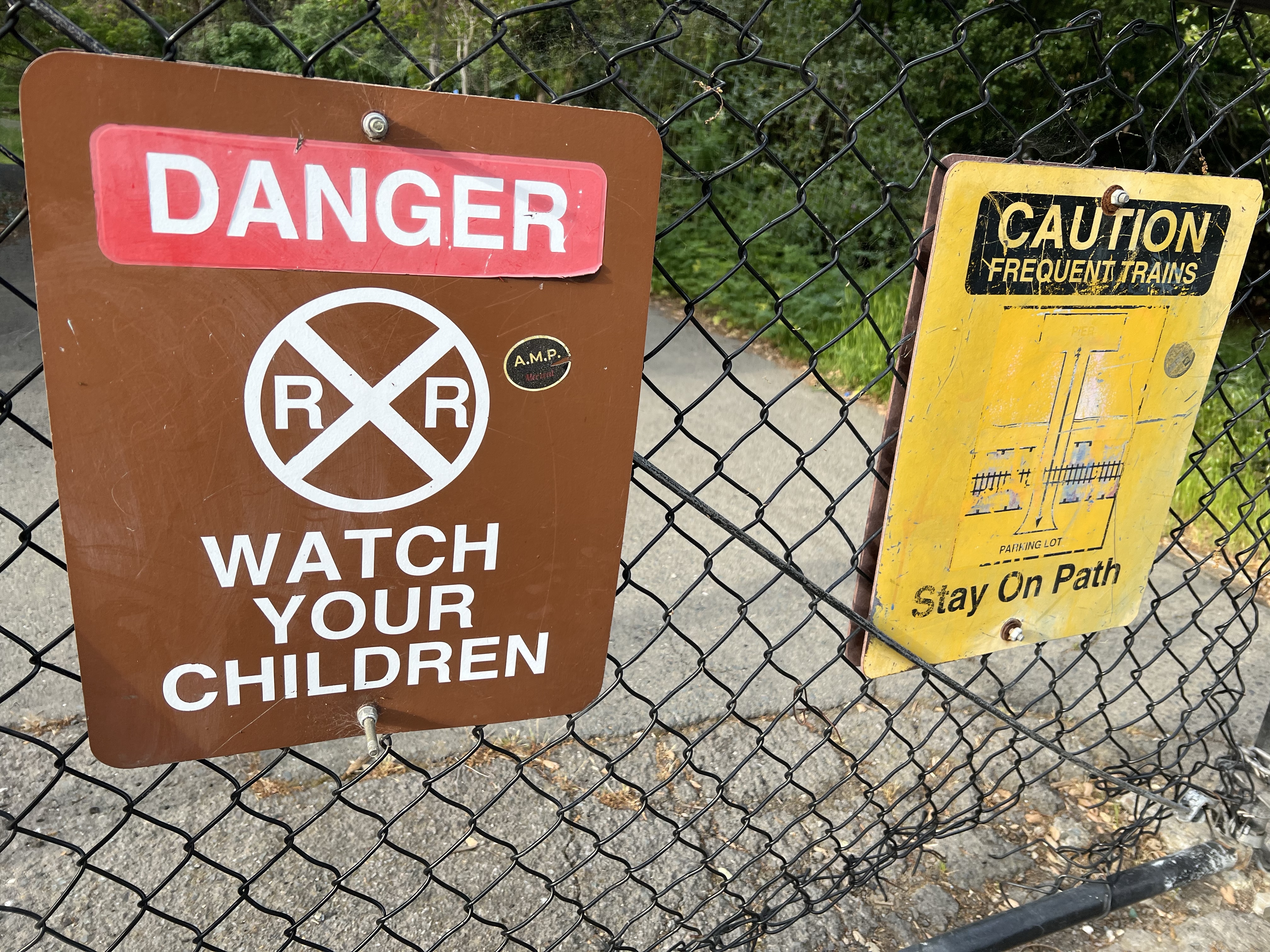
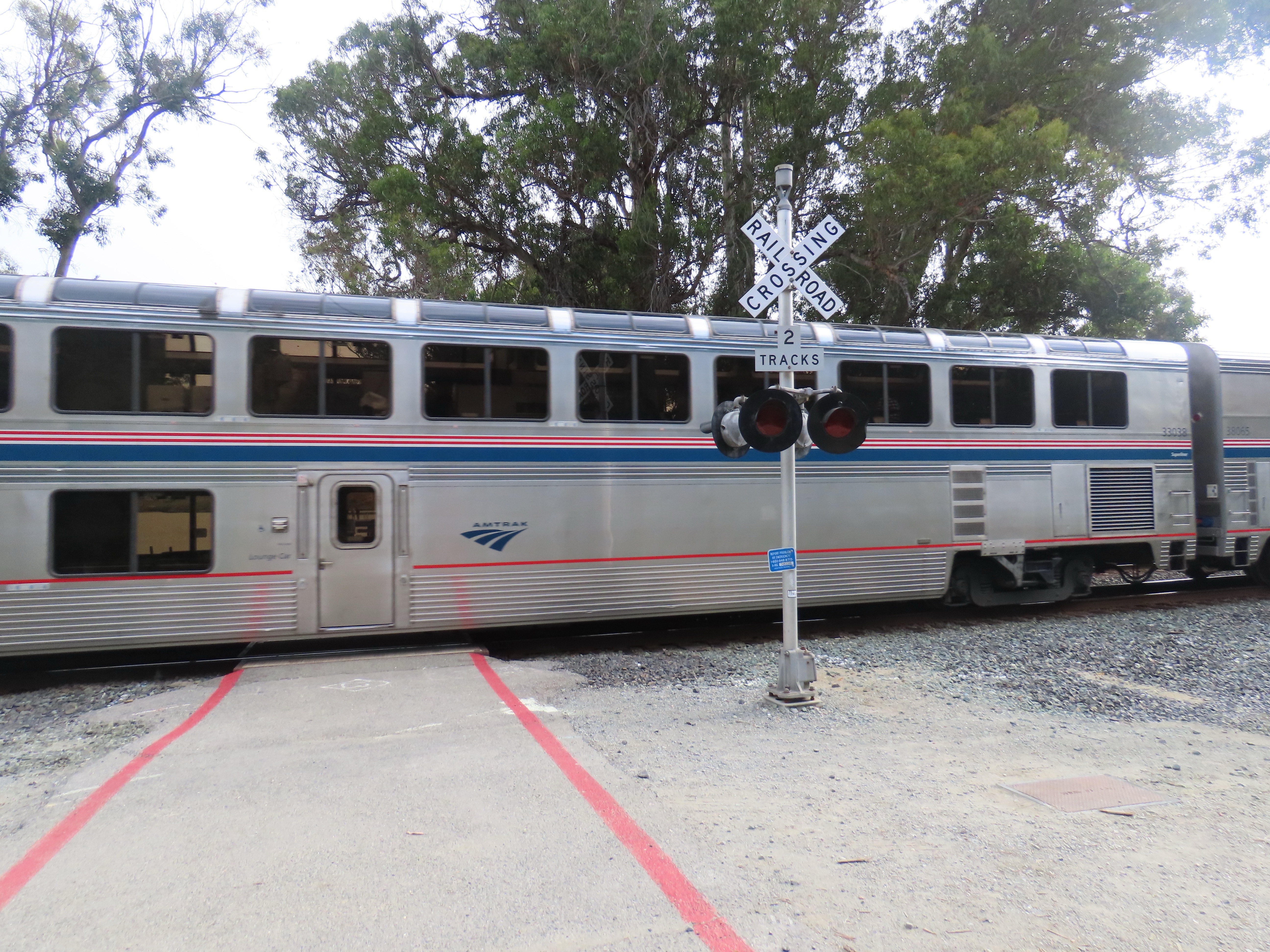
This pedestrian crossing is quite unusual because there are no crossing gates preventing pedestrians, wanting to go to the fishing pier, from heading across two very busy tracks of the Union Pacific main line.
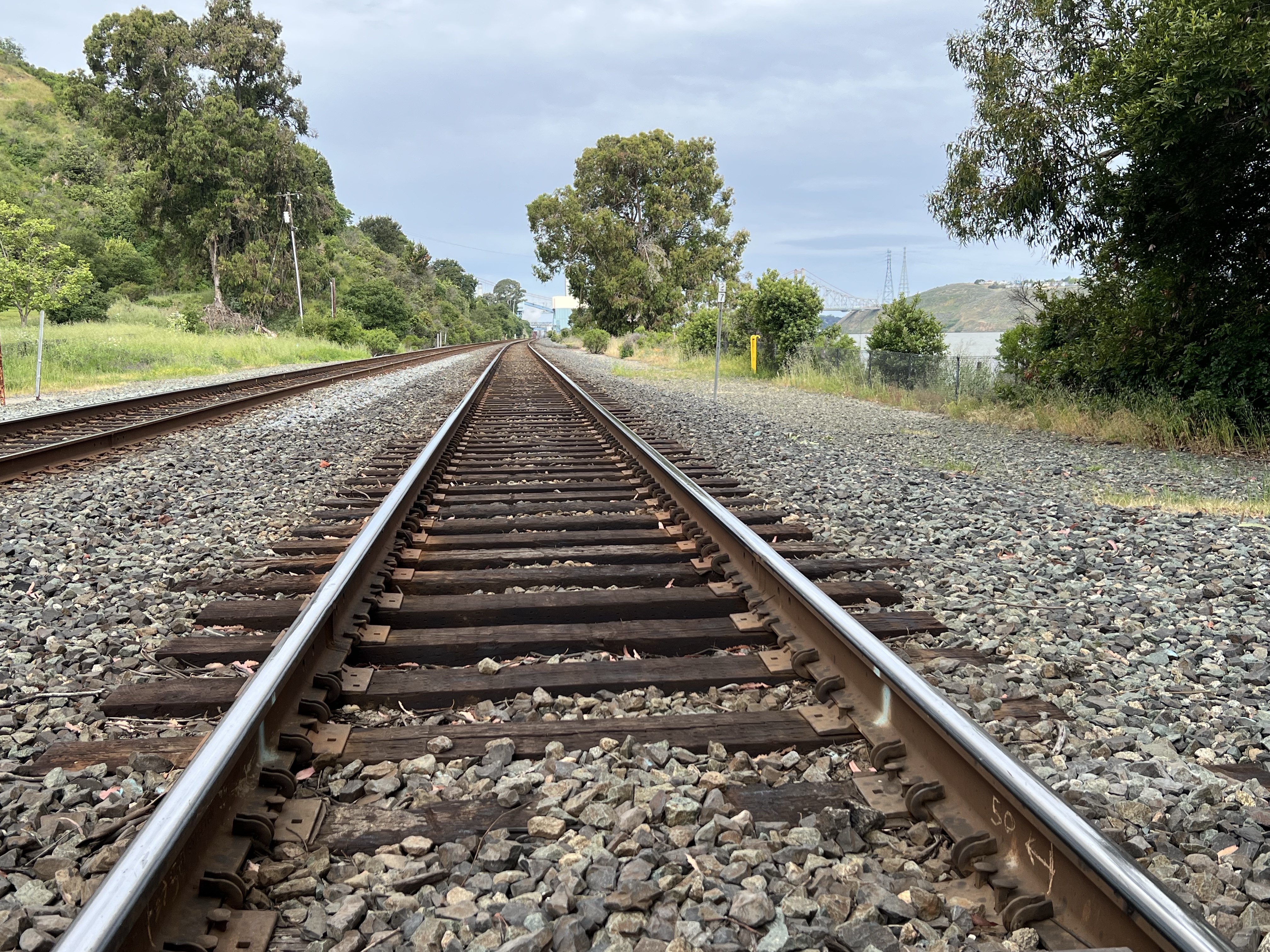
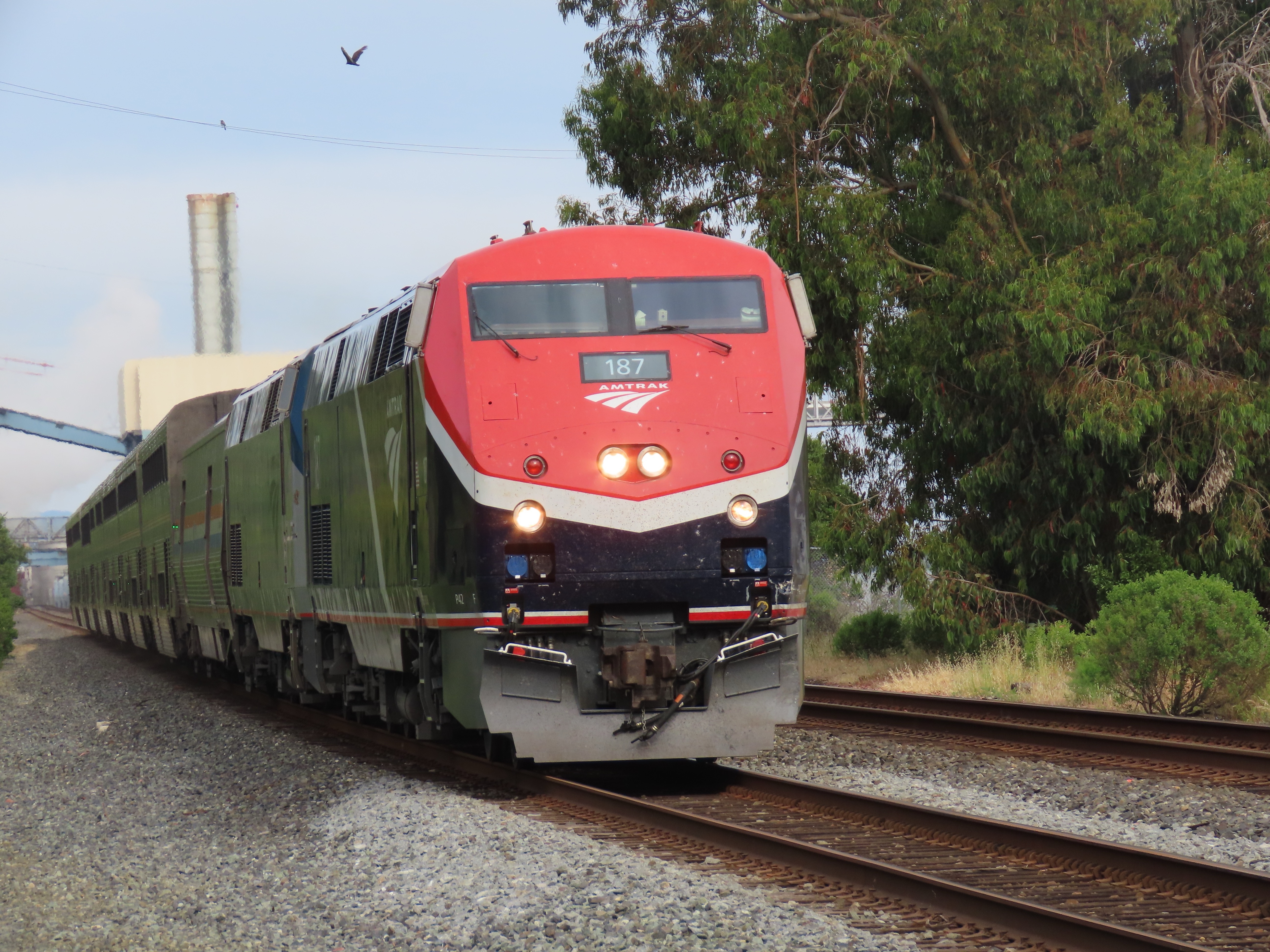
I got to the park at 8 AM, when the gates open, and I had plenty of time to catch the Chicago bound California Zephyr No. 6 as it was scheduled to skirt along the southern shore of the Carquinez Strait just shy of 9 AM.
The Zephyr is one of the longest routes operated by AMTRAK (2,438 miles) and as such has the lowest on-time percentage (33%) of any long distance route, primarily because the passenger service is at the whim of their host railroad’s (UP and BNSF) freight traffic. No. 6 should be on time because it left its western terminus of Emeryville at 8:25 AM. It usually gets behind schedule while stopped behind a freight in Nevada or Utah.
I took a position just south of the parallel tracks to sketch the light signal and crossbuck of the pedestrian crossing.
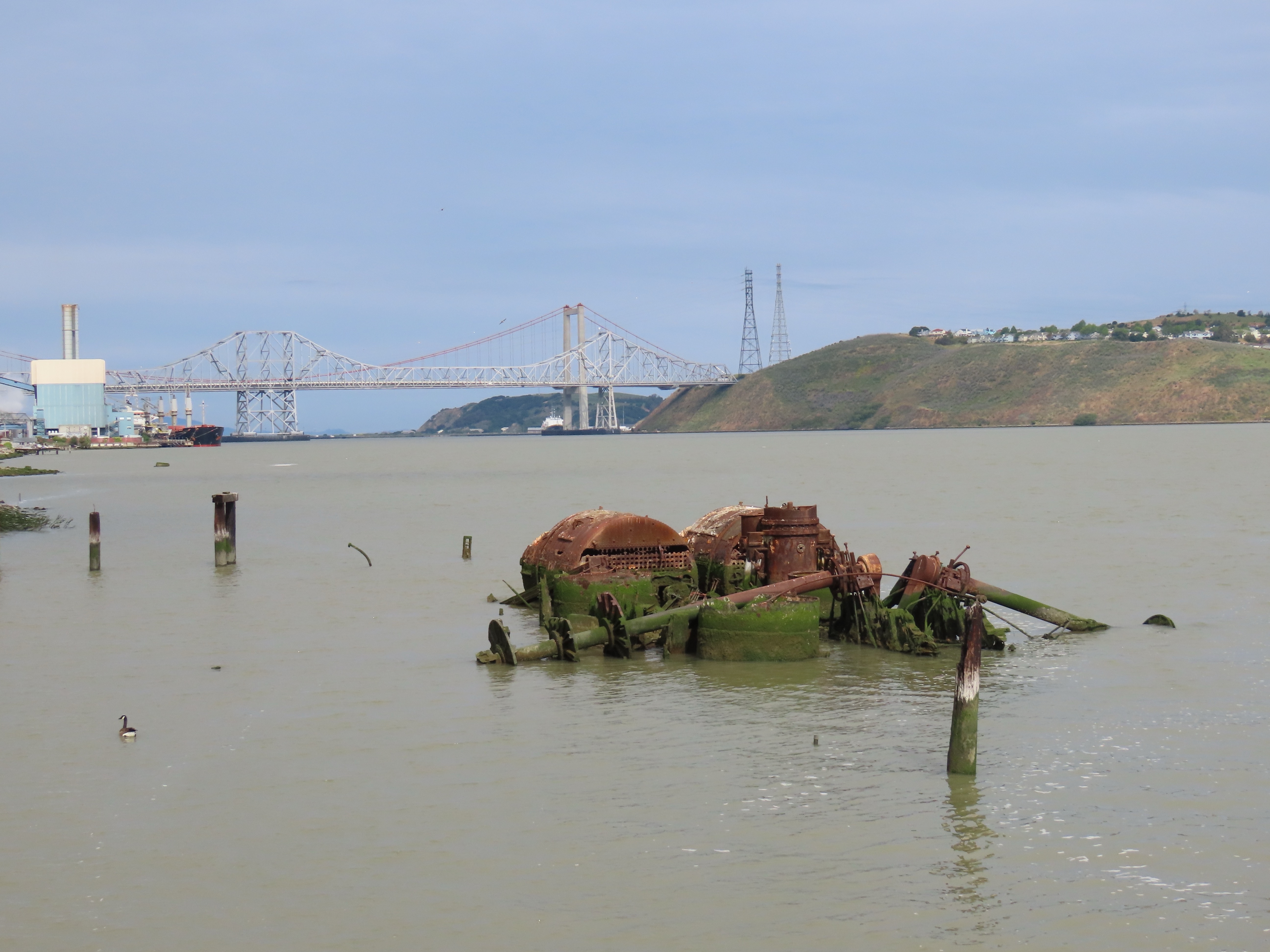
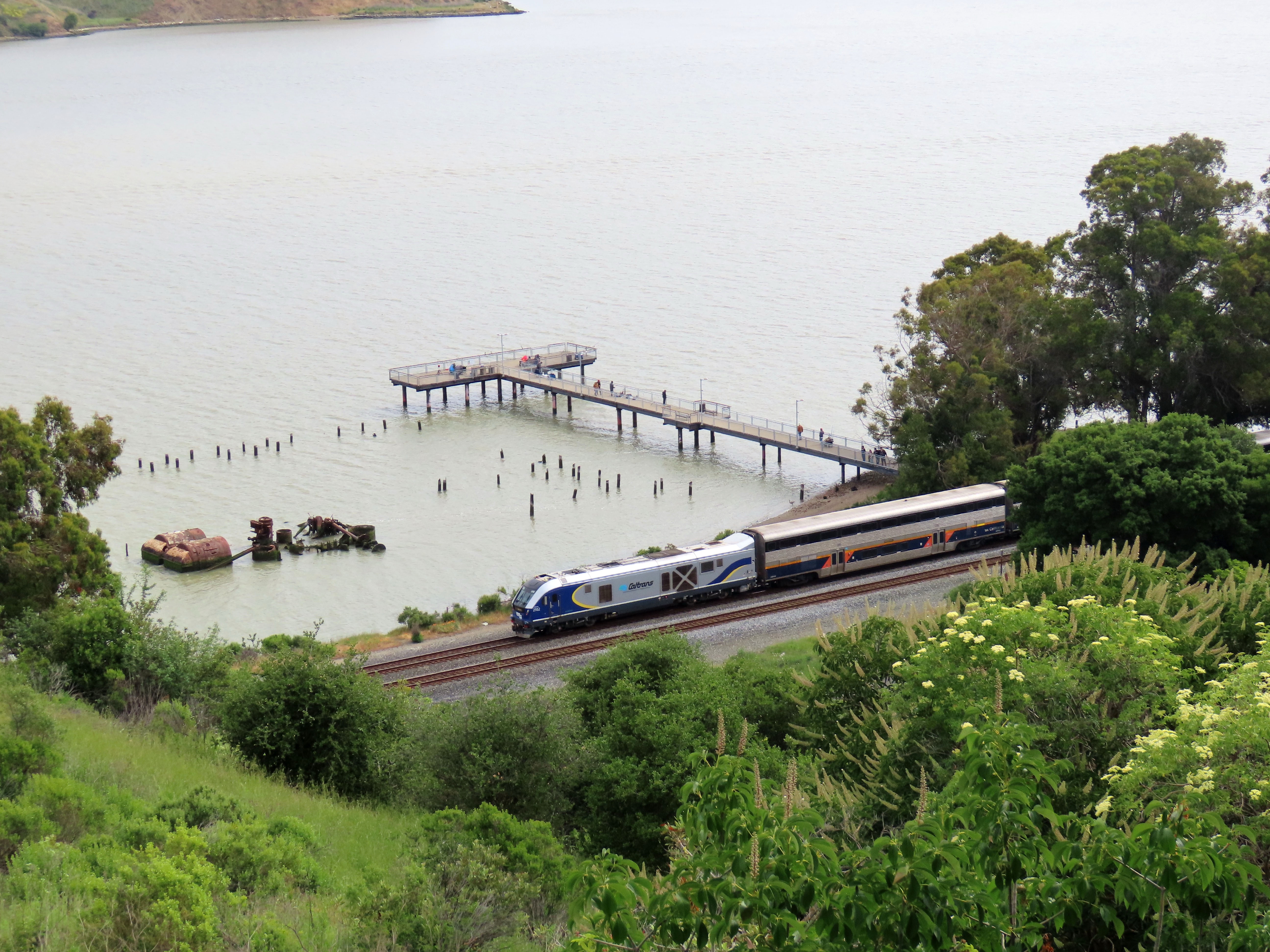
I also had time to get a sketch of another piece of railroad and nautical history: the rusted boilers and paddle wheel hubs of the SS Garden City.
The Garden City was a Southern Pacific ferry that ferried people and automobiles across the waters of the bay. She was built in 1879 and was 208 feet long and weighed 1,080 tons. The wooden side-wheeler had a crew of 19.
The construction of bridges like the Carquinez and Golden Gate rendered the ferries obsolete and in the 1930s, the Garden City was moored at a pier near the current Eckley Pier and it was used as a restaurant and fishing pier until she was abandoned in the 1970s. In 1983, the ferry burned to the boilers, which is about all that remains of this once proud vessel.
It was now nearing nine so I headed across the tracks to take up a position. Down rail the retort of the horn reached me as the Zephyr blew the crossing at Crockett. Shortly thereafter the crossing signal activated with red lights and bell and the Zephyr appeared around the bend.
Sketching Notes
Before heading out to Eckley, I pre visualize my sketch. I practice sketching the perspective and location and drew the Superliner train cars that would be a part of the train’s consist so I would be able to draw the cars into my sketch after the train had past. This is using sketcher’s “muscle memory” so drawing the cars would become almost second nature.
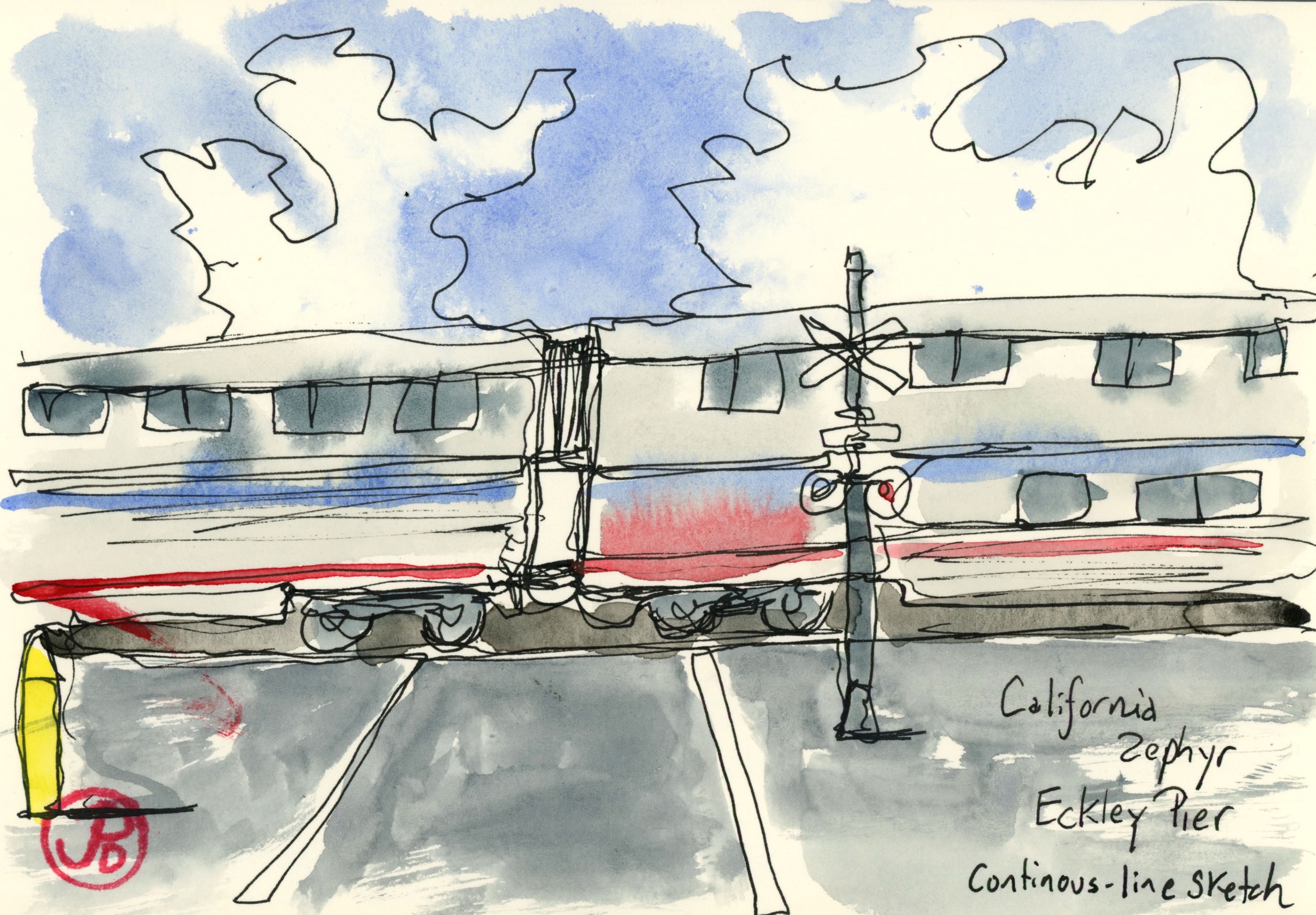
What I drew on location was the foreground and background eucalyptus and then I added the long distance Zephyr from memory. One thing I might do differently is to sketch the train looser to convey the sense of motion.
For my sketch of the Garden City, the core of the sketch was done as a continuous line sketch and I then lifted my pen and add more details.
Both sketches are with my TWSBI Eco fountain pen.
 Corvid Sketcher