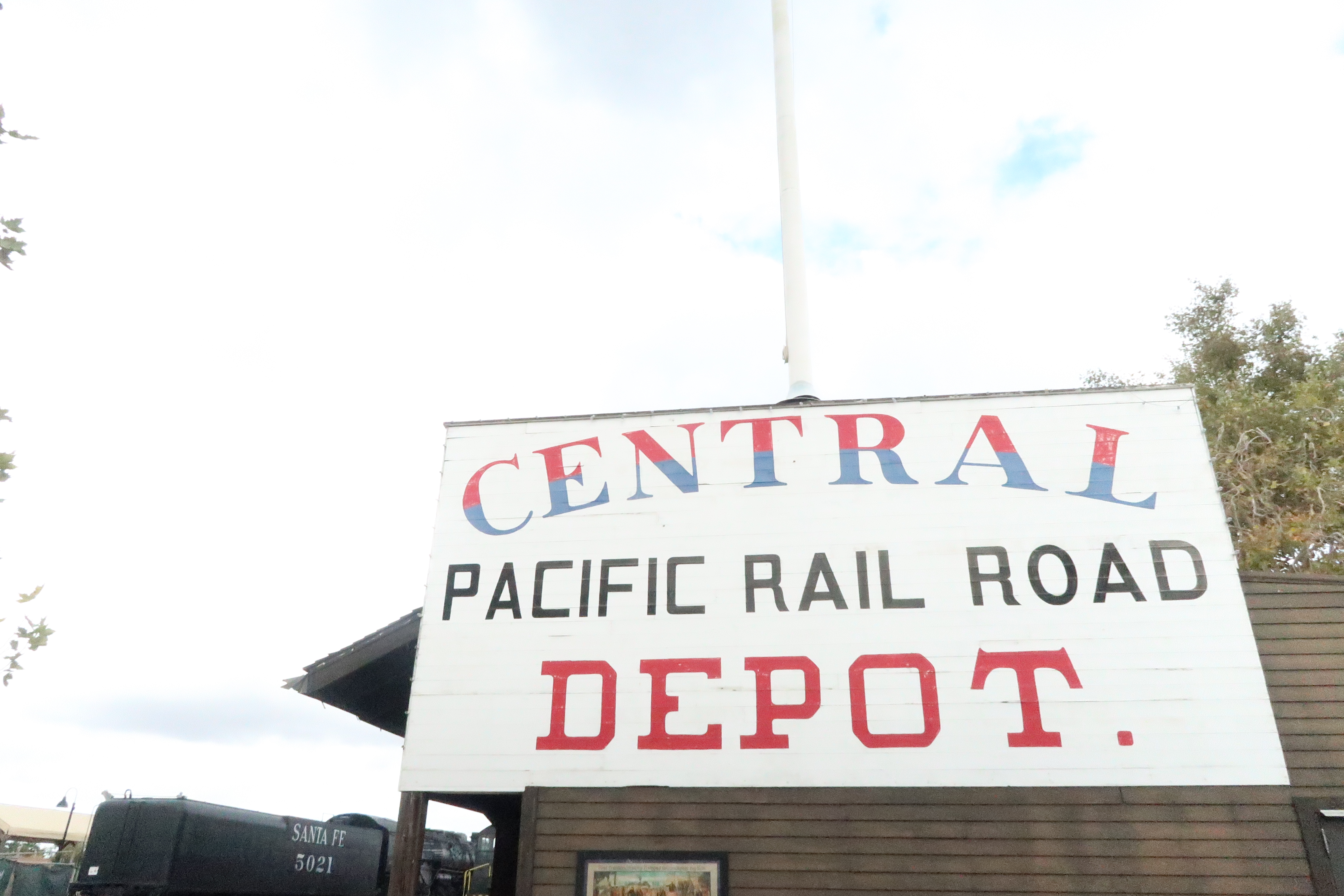
I got to the California State Railroad Museum in Sacramento a little early so I walked over to sketch the replica of the Central Pacific passenger depot. (The former stations had burned down.)
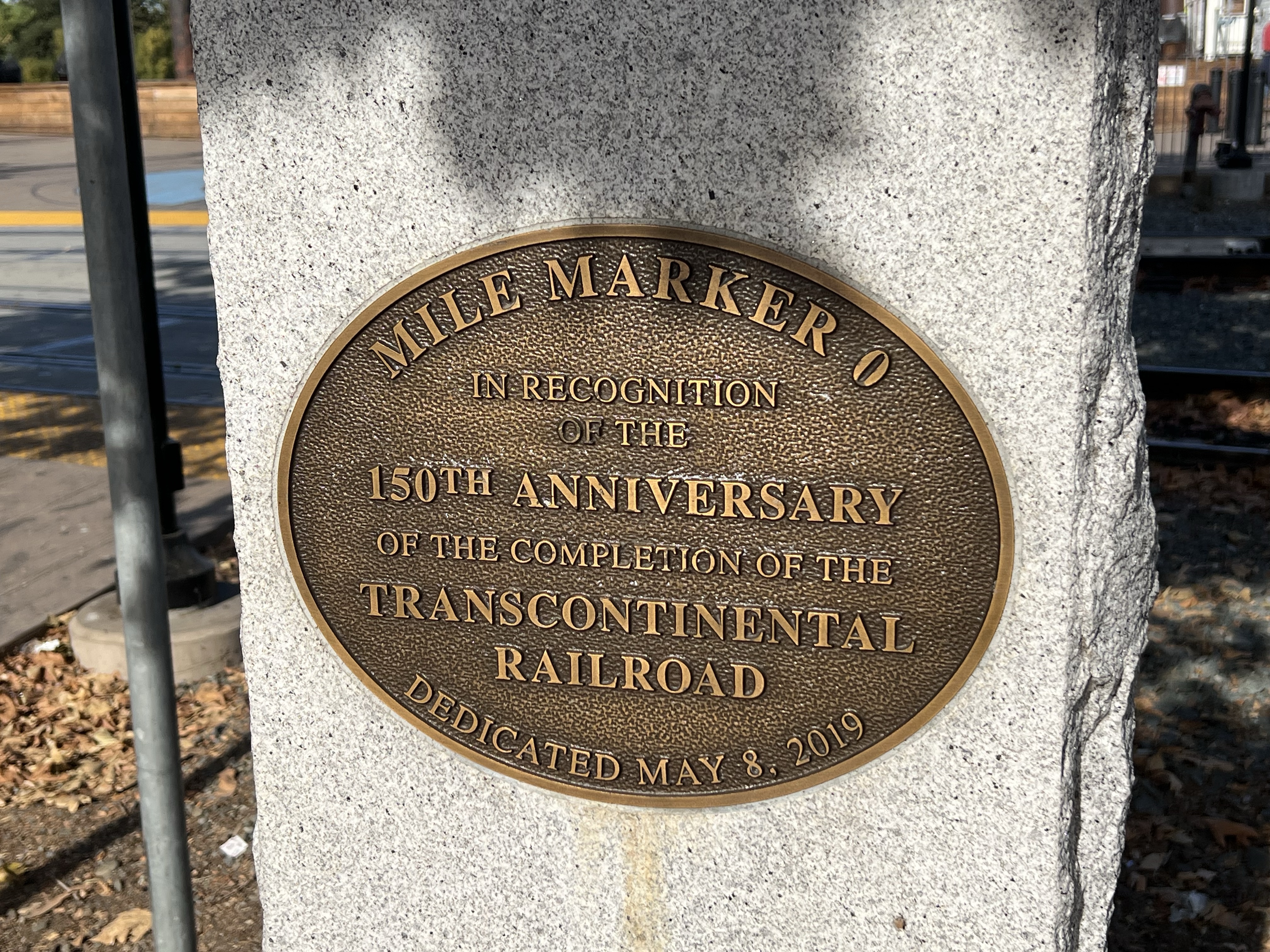
This station is at ground zero from where Central Pacific started the Transcontinental Railroad. Mile Marker 0 was a hundred feet behind me as I sketched.
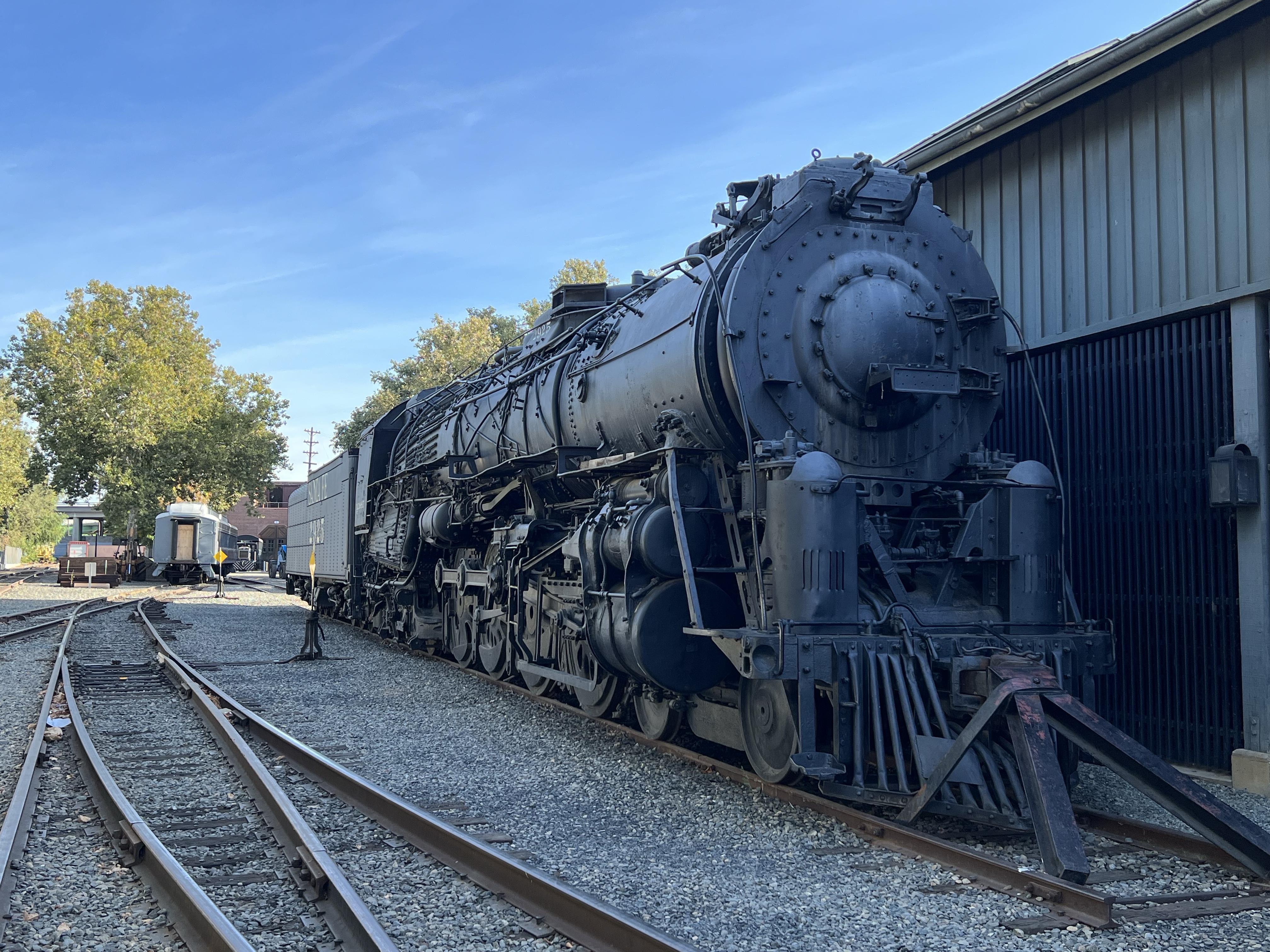
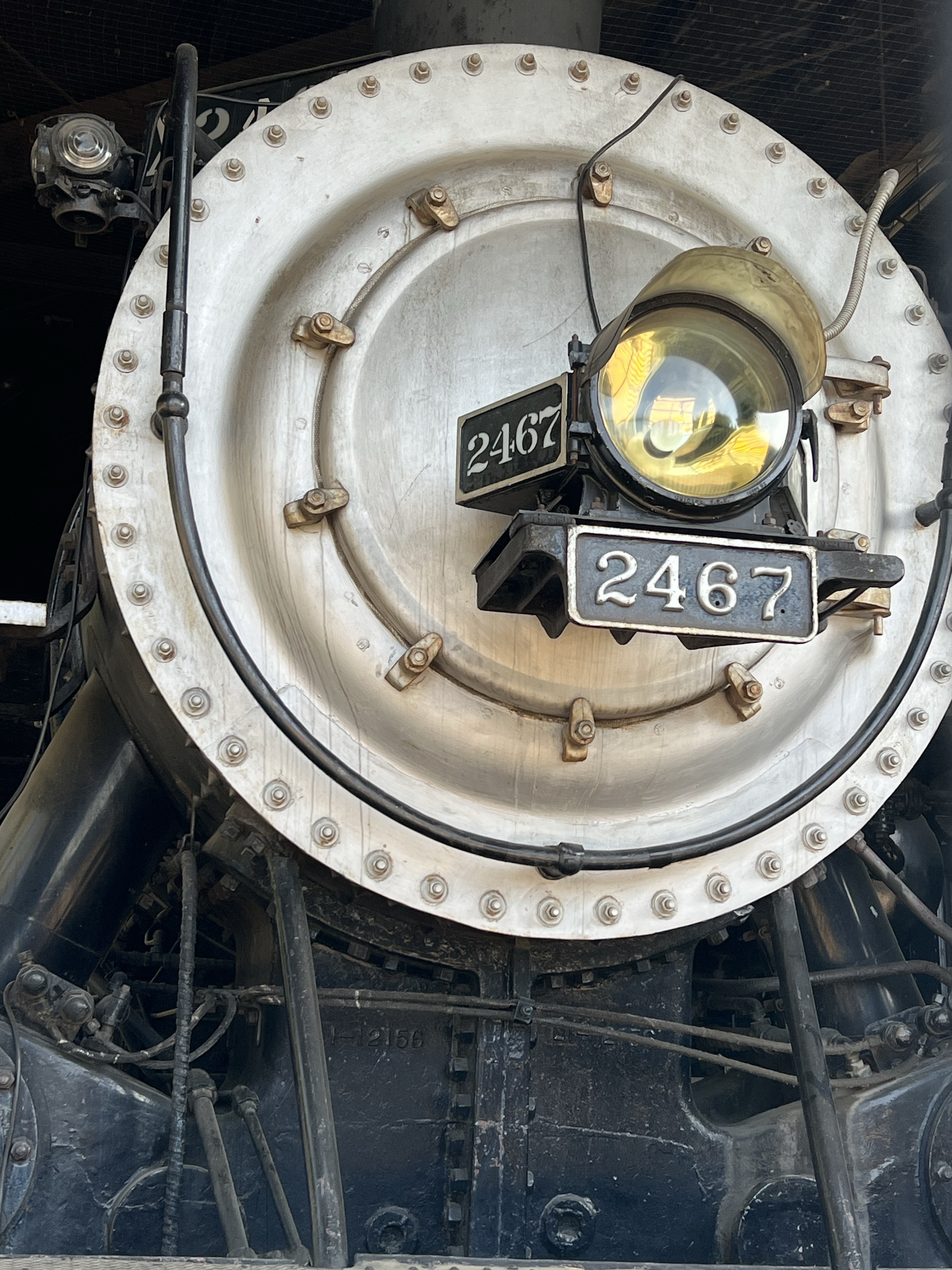
I walked around the depot and looked at two amazing Santa Fe steam locomotives that where sitting on sidings in static display. Both of them had come from New Mexico and both where not in great shape, needing some cosmetic restoration.
Santa Fe No. 2925 is a 4-8-4 passenger locomotive. This is one of the heaviest 4-8-4 Northerns ever built. Today only five of the 30 produced survive. SP No. 2467 is a 4-6-2 Pacific type build in 1921. She pulled passenger trains and was retired in 1956. The locomotive was restored to working order in the 1990s and is still operational.
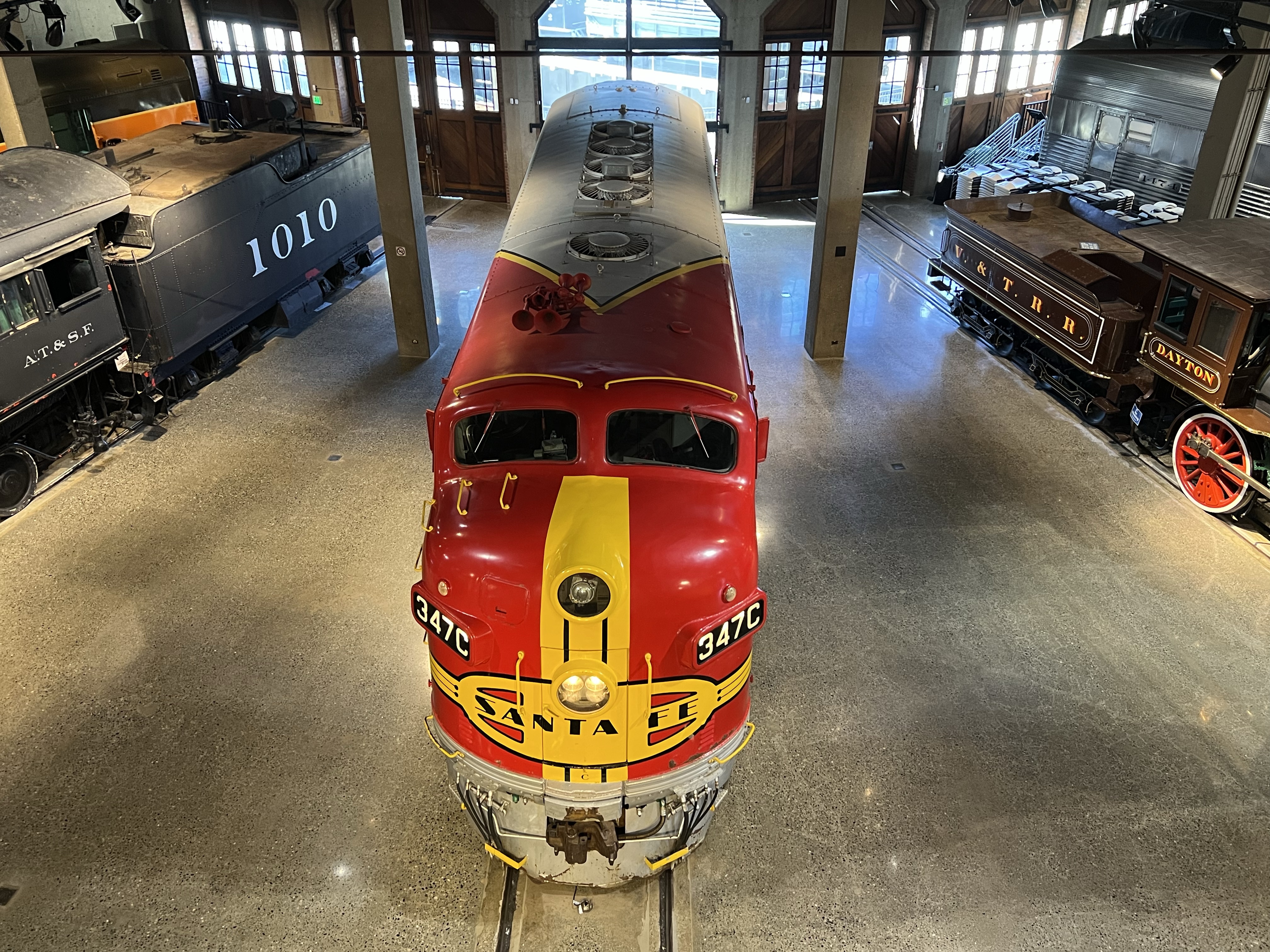
Once in the museum, one locomotive on my sketch list was an EMD diesel-electric F7 painted in the iconic Santa Fe Warbonnet livery.
When I was a child my dad used to take me to the tracks to see passing passenger trains. And one Christmas he got me my first HO train and it was a smaller version of the classic Santa Fe passenger locomotive.
This paint scheme is so famous that if you Google EMD F7, a picture of the Warbonnet F7 comes up.
The iconic Santa Fe units where on point of the 2,227 mile route from Chicago to Los Angeles called the Super Chief. This was one of the first all streamlined diesel cross country route.
I once chased the California Zephyr Train # 6 from Roseville to Truckee but now I wanted to chase what really makes Union Pacific the big bucks: an intermodal freight train!
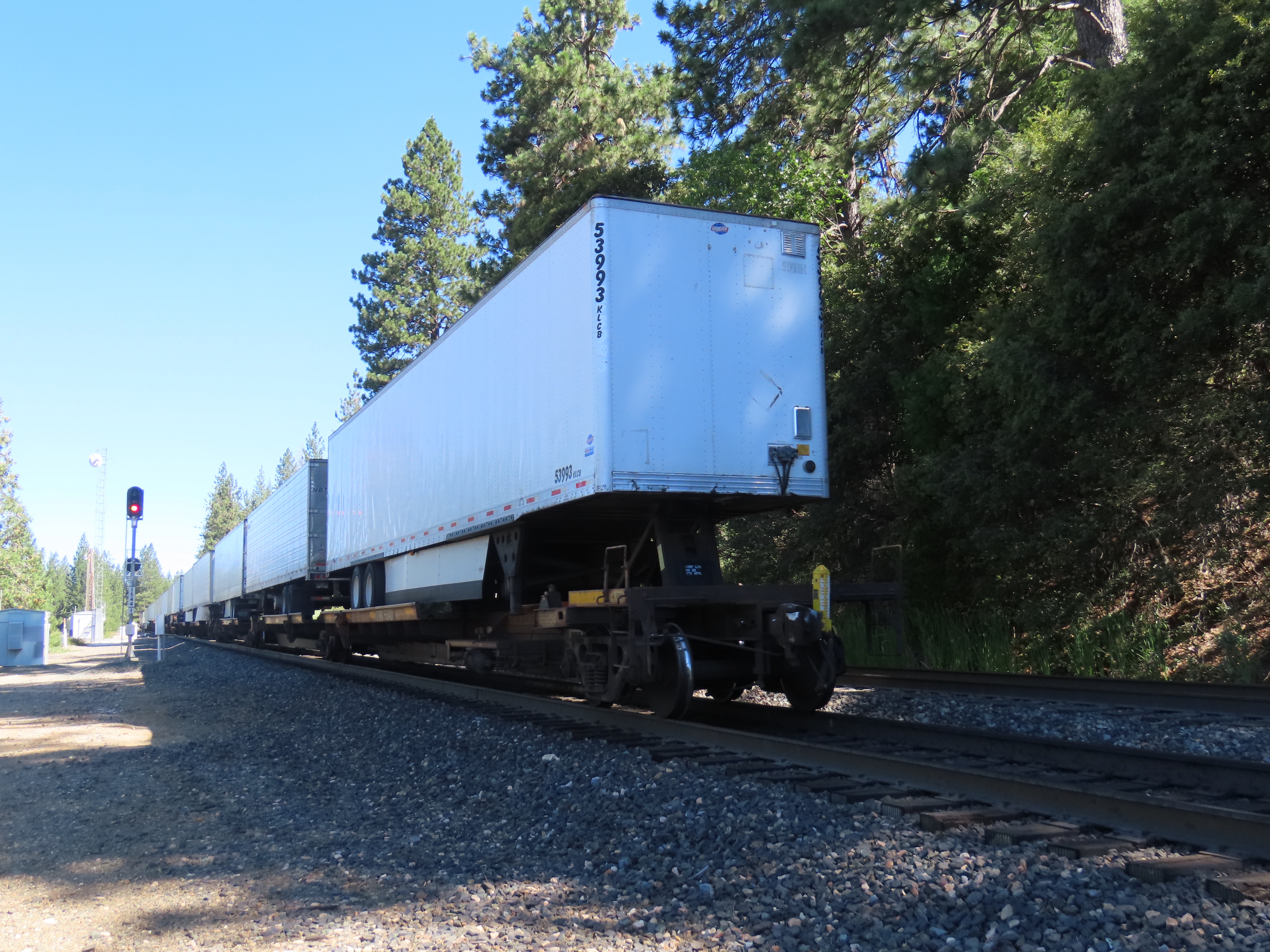
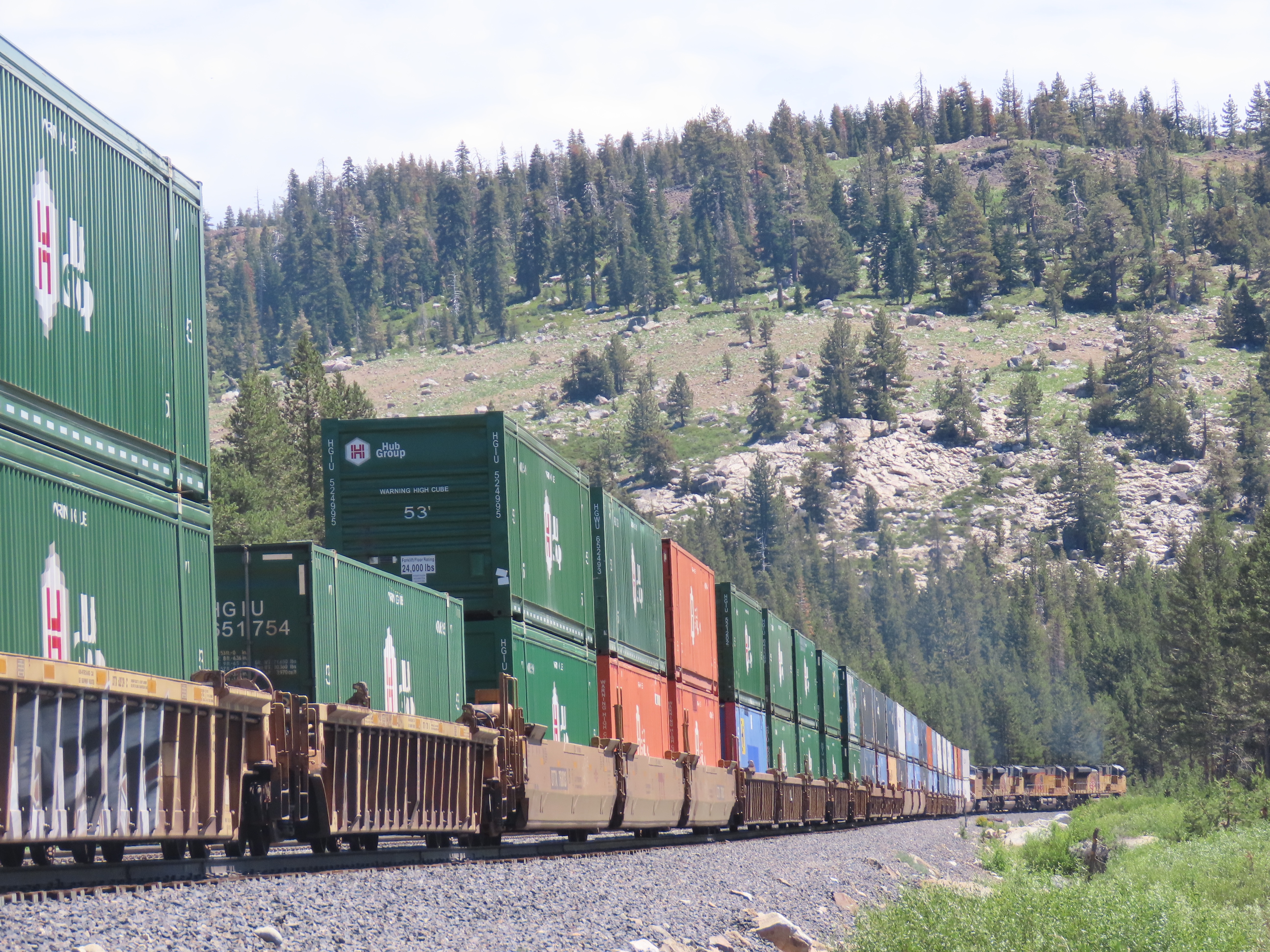
Intermodal is freight that is transported by various forms of transportation: ships, trains, planes, and trucks, for example. Most of the intermodal freight trains across the Sierra Nevada consist of double stacked freight containers, known as Container on Flatcar (COFC), or single truck trailers on flat cars, known as Trailer on Flatcar (TOFC) or piggybacks.
I first caught sight of my freight as it really began it’s climb up the western slope of the Sierra Nevada Mountains at Cape Horn, just out of Colfax. (I had just missed it’s passage through Colfax.)
I attempted to follow the train on Historic Highway 40 with some stretches on the highway that relegated Highway 40 to a little used country road: Interstate Highway 80.
Catching up with the train should not be a problem (even on windy side roads) because the average speed of a freight train climbing up to Donner Summit is between 25 to 30 miles per hour. And sometimes the freight’s speed could be even less.
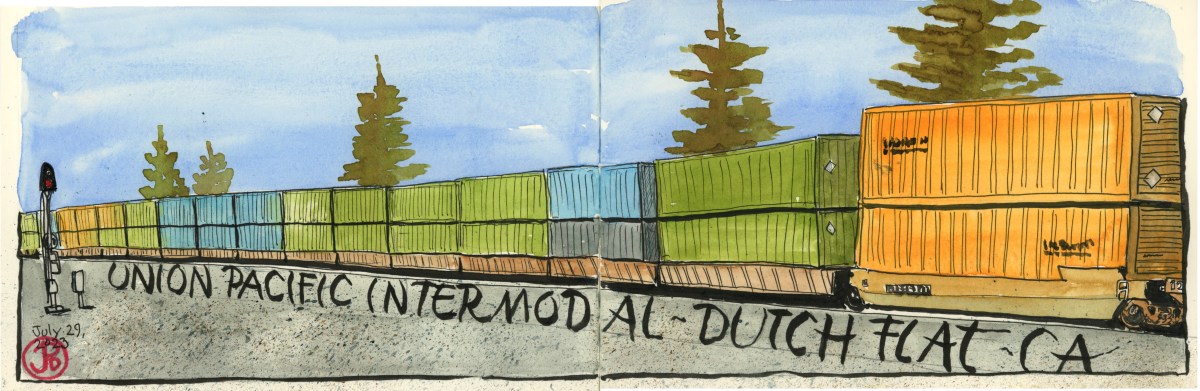
I headed east on a patchwork path of Historic 40, side roads, and Interstate 80. When I thought I was sufficiently ahead of the intermodal, I searched for the mainline. This consisted of picking either side of the road, north or south (at Blue Canon I picked the wrong side), and then driving until I came upon railroad tracks. This I did at the grade crossing at Dutch Flat. The eastbound signal light was green indicating that the train had not passed this point yet.
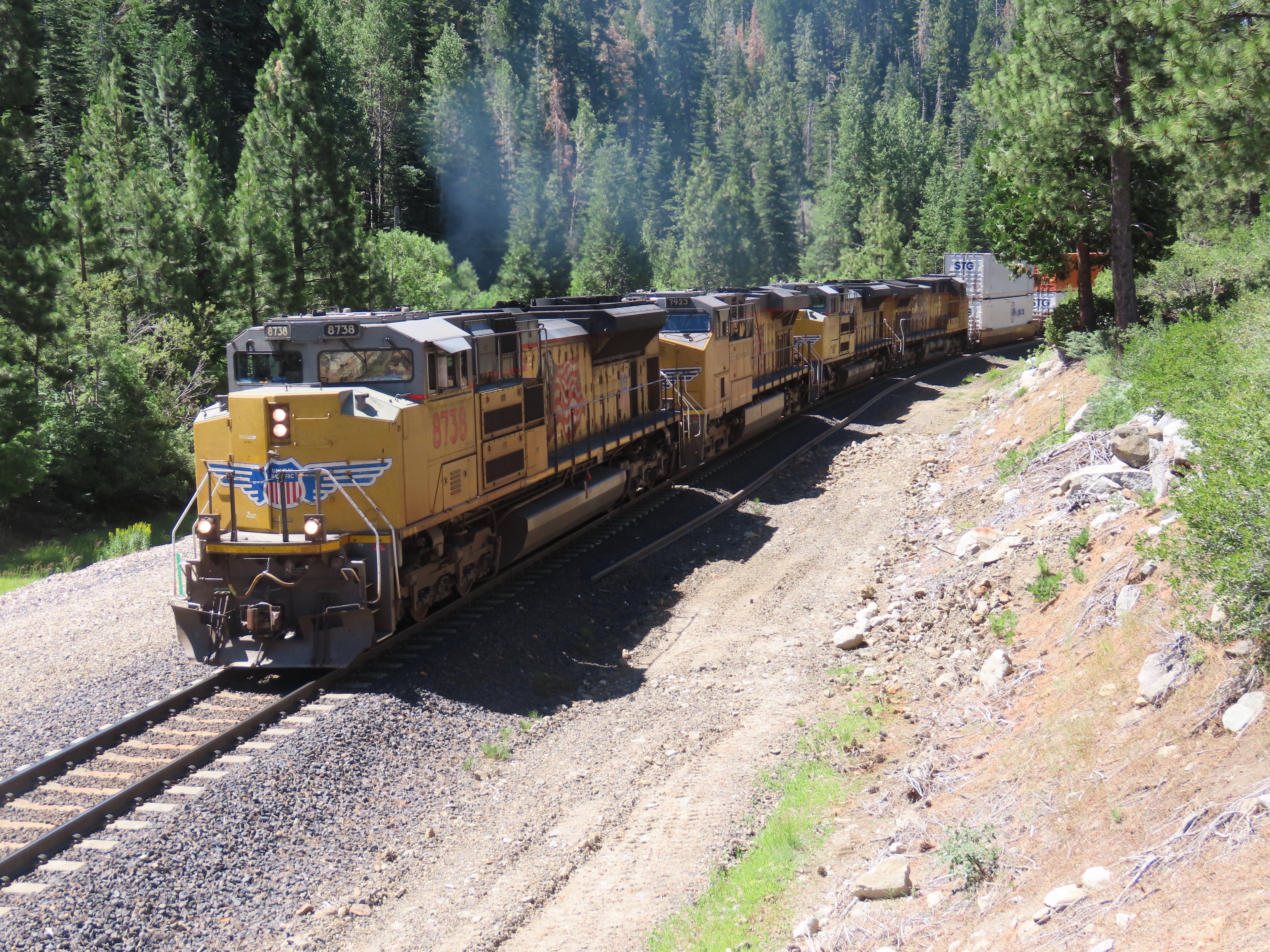
I picked my vantage point and after about ten minutes I could hear the rumble of the diesel-electric locomotives as they climbed the grade followed by the sounding of the horn, and then the crossing gates were triggered and the safety arms lowered to stop traffic.
The Transcontinental Railroad reached Dutch Flat in June 1866.
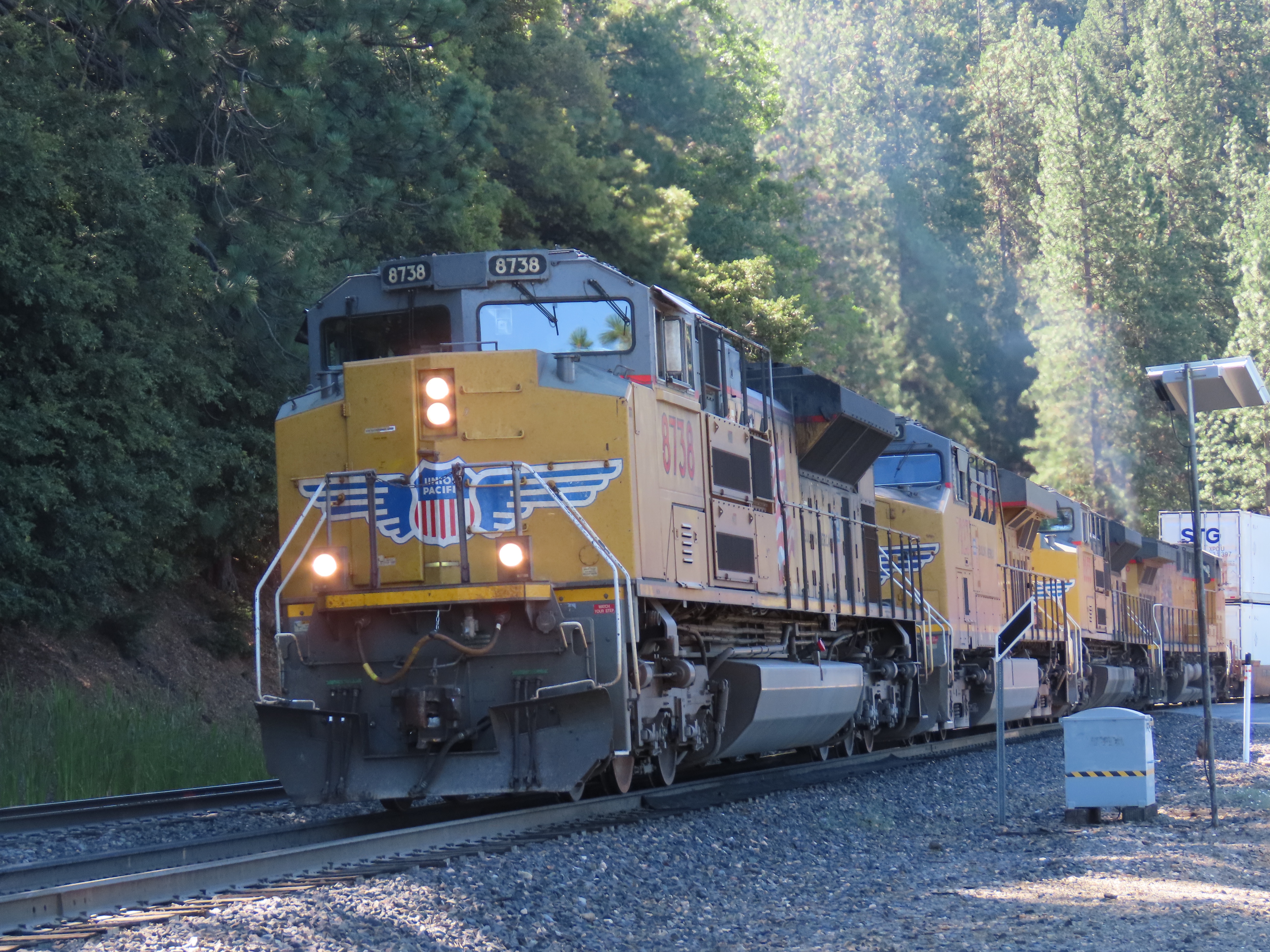
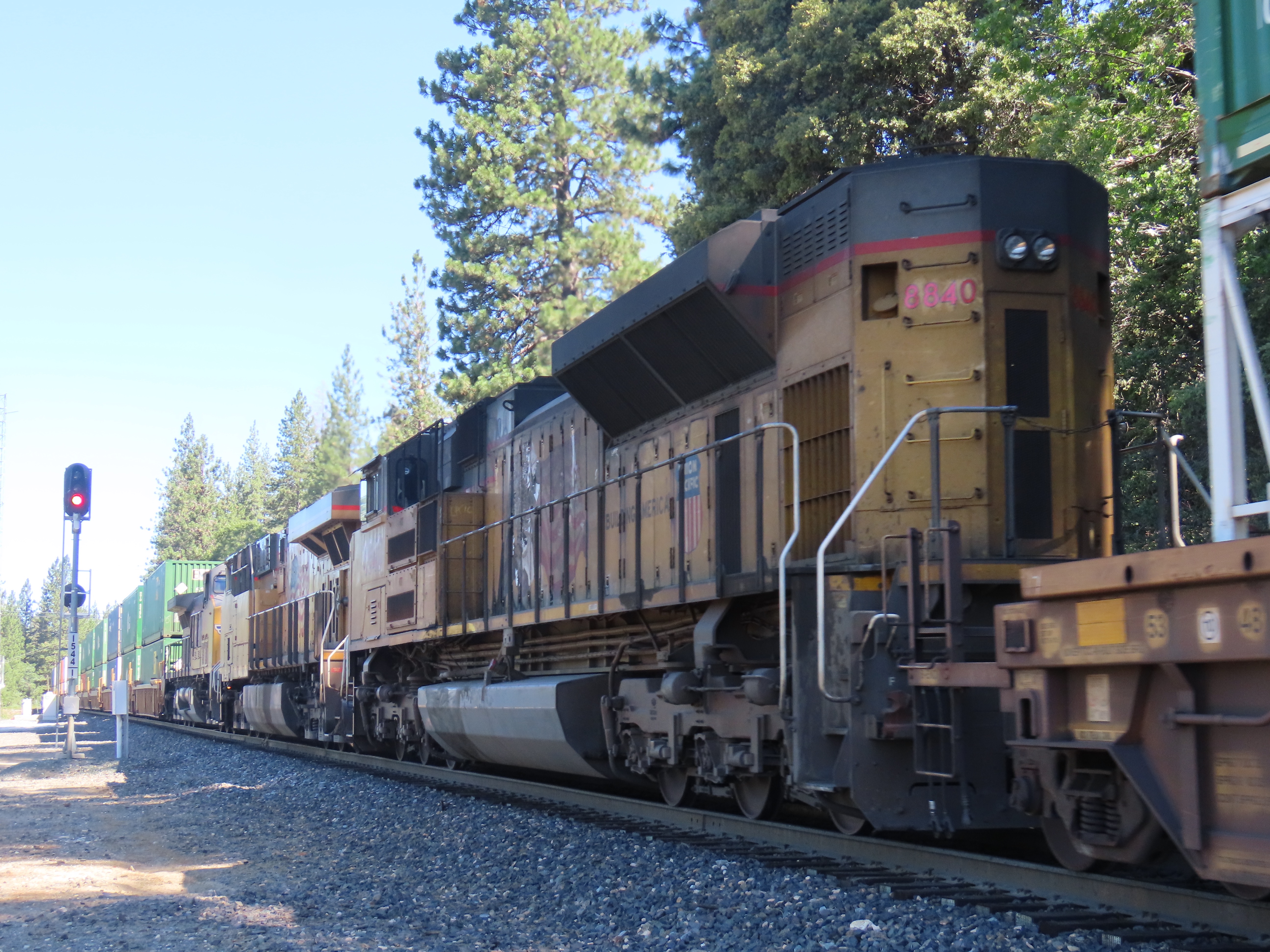
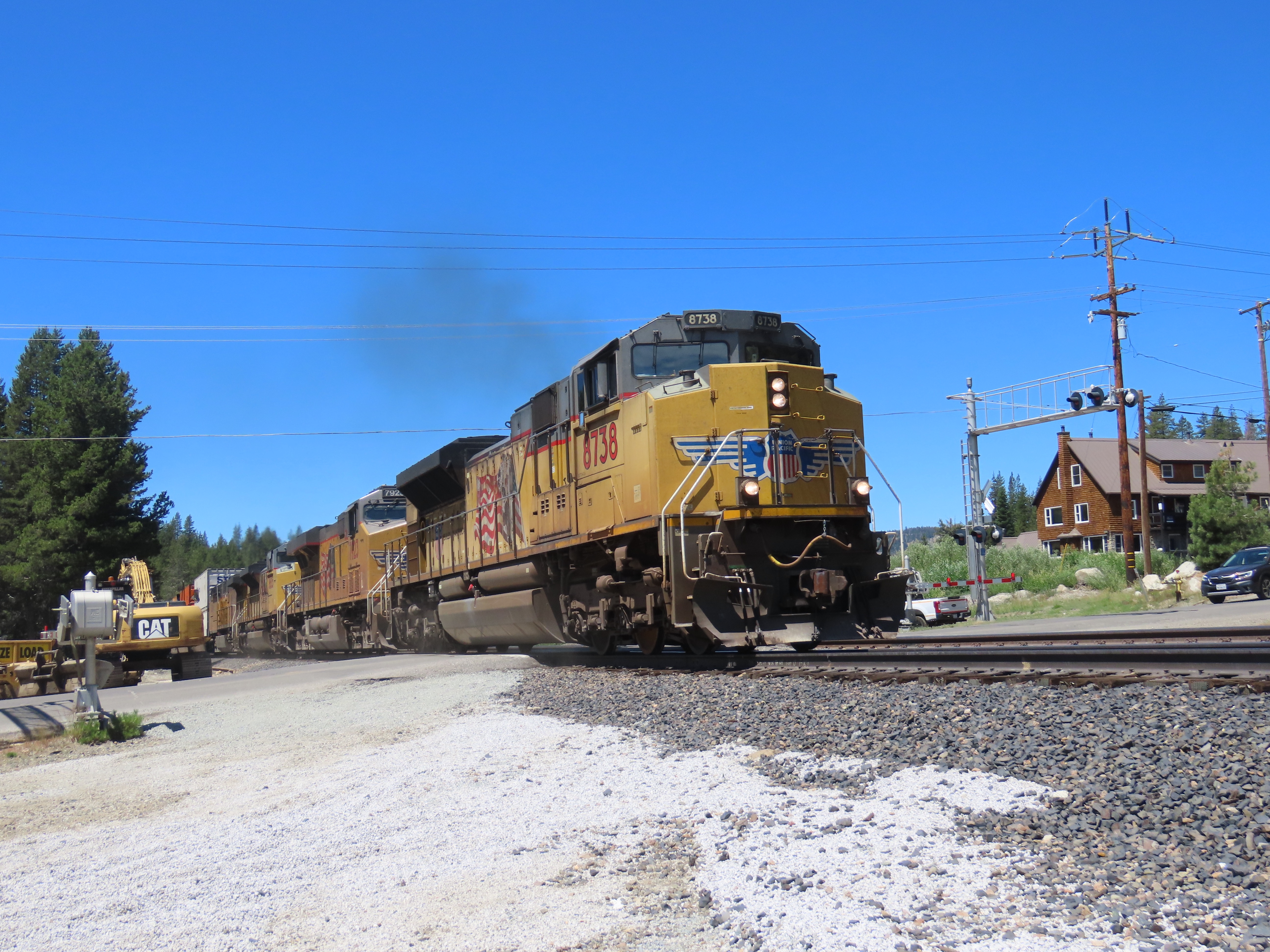
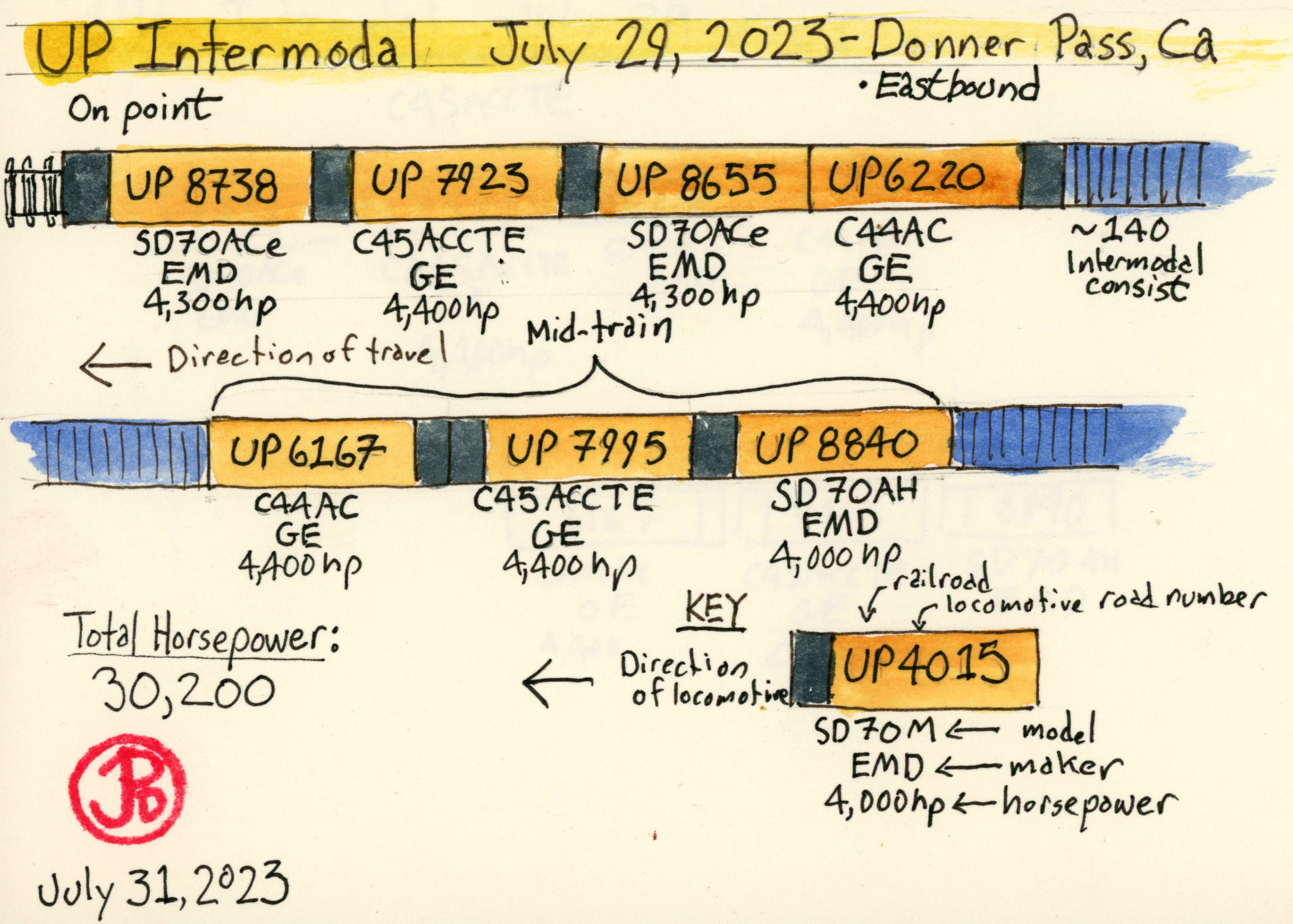
Union Pacific No. 8738 came into view. No. 8738 is an Elctro-Motive Diesel (EMD) SD70ACe. These 408,000 pound locomotives generate 4,300 pounds of horsepower and this consist featured four locomotives on point and three more mid-train. These seven locomotives generate a combined 30,200 pounds of horsepower. They need this power to pull/push the heavy loads up and over Donner Summit.
Just to provide some context, the Southern Pacific locomotive that was designed to tackle the grades and snowsheds of Donner Pass were the cab forwards. The last cab forward built, the AC-12 class No. 4294 (which is preserved ay the California State Railroad Museum in Sacramento) weighed 1,051,000 lbs (locomotive and tender) and the locomotive produced 6,000 pounds of horsepower.
When compared to standard vehicles on Interstate 80, 30,200 horsepower equals about 30 semi trucks or 150 Toyota Camrys.
Three helpers to help push and pull the intermodal consist towards Donner Pass. The signal at Dutch Flat is now red, halting any train traffic that should come too close to the tail end of the train.The end of the train consisted of truck trailers on flatcars or piggybacks. This was the end of the train and there was no caboose. Cabooses have not been used on mainlines since the mid-1980s. They have been replaced by a small yellow box known as an End-of Train Device (ETD). This has reduced the crew of freight trains. Now the crew consists of just two people: an engineer and conductor.
Once the train passed I drove down the road into “downtown” Dutch Flat and headed back toward the highway. I came to a grade crossing where the last few cars where just passing. The arm rose and the race was on!
I hit the highway trying to outpace the freight train as well a finding a new point to see the train. I made it to my tried and true spot at Yuba Pass, where Highway 20 merges into 80. I knew I had not missed the train because the signal on the gantry above the rails was green. I must have made really good time because I had to wait almost 30 minutes before I heard the rumble of the diesels laboring on the hill. The intermodal passed and this time I got a wave from the conductor, seated on the left side of the cab. In the days of steam, this would have been the fireman’s position and the conductor would have been riding at the end of the train in a caboose.
The intermodal heading into Yuba Pass.
The average length of a freight train on a Class I railroad is about 5,400 feet. At Soda Springs I wanted to do a little experiment with the intermodal to see if I could come to an estimation on how many cars where in the consist. This started with timing the train from the grade crossing at Soda Springs. How long would the train take to pass a single point? The answer was four minutes and 54 seconds. That was almost a five minute wait for any motorist at the crossing!
Now for a little railroad mathematics. I estimated that it took about 2 seconds for one car to pass so I divided 294 seconds (5 minutes and 54 seconds) by 2 and got 147 train cars. I then subtracted the number of locomotives (7) and came to an estimation that this freight train consist consisted of 140 cars. An intermodal of this length takes a lot of trailer trucks off the roads. Just how many trucks?
I estimated that about 75% of the train consisted of double stacked Container on Flatcar (COFC) which is 105 cars and the remaining 35 cars were Trailer on Flatcar (TOFC). 2 times 105 is 210, add 210 to 35 and we get 245. So this intermodal freight train removes about 245 trailer trucks from Highway 80. Every motorist motoring to Lake Tahoe or Donner Lake should be thankful these Union Pacific freights that put in the hard work that make life a little easier.
The intermodal at the grade crossing at Soda Springs, almost at the top of it’s climb to Donner Summit.The train with it’s 140 cars, heading towards Donner Summit near Sugar Bowl Ski Resort.
Based on my field photos I was able to get the road numbers of all seven locomotives on the freight train. Using a Union Pacific roster I was able to identify the maker and model of each locomotive and it’s horsepower output. There where three EMD (Electro-Motive Diesel Inc.) and four GE (General Electric) locomotives. I put this information into a locomotive map showing the road number, model, maker, horsepower, and direction of travel for each locomotive. The total horsepower output for all seven locomotives was 30,200 hp.
I have always wanted to travel on the original Transcontinental Railroad, from the West Coast to the East and see some the sights from the original right of way over the Sierra Nevada and Rocky Mountains. The closest you can come to doing this today is by taking the California Zephyr.
AMTRAK operates the California Zephyr from Emeryville to Chicago (not the East but the Middle Coast). The daily route covers 2,438 miles and takes 51 hours and 30 minutes (that is if the train is running on time). The route covers seven states and stops at 35 stations including Sacramento, Reno, Salt Lake City, Helper (Utah), Denver, and Omaha, to name a few of the major stops.
So I booked a roomette for my Spring Break in April. Which at $550, I thought was a good deal because it included two nights and all the food was part of the fare.
Since the time of booking the trip, the spread of Coronavirus and Covid-19 (not related to Corvid in any way!) in the United States has thrown a monkey wrench into the works. At this time my continental train trip hangs in the balance as some predictions estimate that the virus might spike in late April.
One thing that I sketched, regardless of if I would be boarding the California Zephyr in Emeryville in early April or not, was to sketched out the route with all the stops in a visual map (featured sketch). I also drew the locomotive that is used on this route, the P42DC, with all it’s specifications (below).
The workhorse of much of AMTRAK’s long distance routes, General Electric’s P42DC.
Since visiting Promontory Summit, where the Central Pacific and the Union Pacific met, thus completing the Transcontinental Railroad, I wanted to visit the location where the railroad started in California. So it was that I found myself on a Friday morning in “Old Town” Sacramento, on the banks of the Sacramento River.
A sign on the the side of the Central Pacific Railroad Freight Depot, notes, “You are standing where the First Transcontinental Railroad in America had its western origin, at Front and K Streets in Sacramento.” This location made sense because all of the materials used for the building was shipped up the Sacramento River from San Francisco and it was unloaded here. On January 8, 1863, then Governor and President of the Central Pacific, Leland Stanford, turned a shovelful of dirt, the official start of building the western leg of the Transcontinental Railway.
Just below this sign, is the birthplace of the Transcontinental Railway on the banks of the Sacramento River.
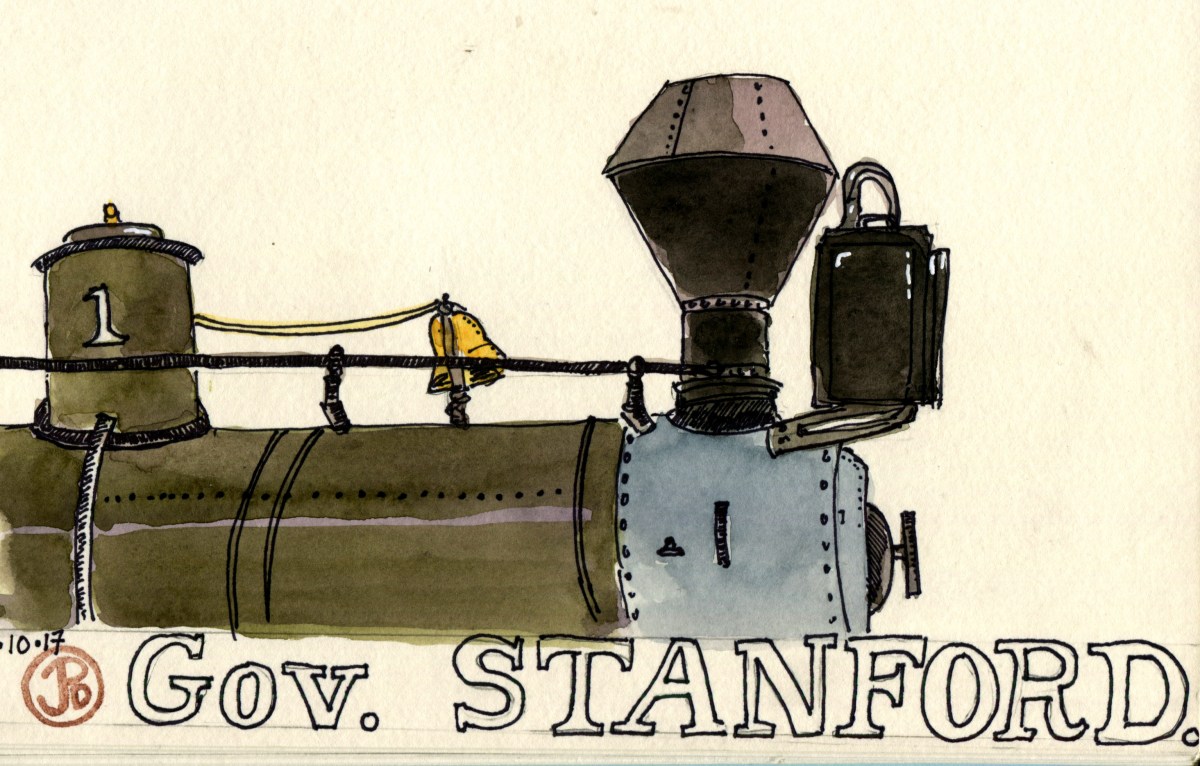
The other reason I found myself in Old Town was to visit the California State Railway Museum. The museum was opened in 1981 and I was there with my father to see SP’s No. 4449 and UP’s No. 8444 (now numbered 844) on the opening day. But today as these engines where back in Portland and Cheyenne and I was here to see a another very important steam engine: the Central Pacific’s No. 1 the Gov. Stanford.
This American type 4-4-0 was the first locomotive purchased by the Central Pacific at a cost of $13,688. The engine was built in Philadelphia in 1862 and then shipped on the Herald of there Morning around the horn of South America to California where it was reassembled in Sacramento. Stephan Ambrose notes of the 50,000 lb locomotive, in his book Nothing Like in the World, “the Governor Stanford [was] the biggest man-made thing in California”. This engine has many notable firsts for the Central Pacific: it hauled the first excursion train and the first passenger train on April 15, 1864 and the first freight train on March 25, 1864. It also took part in building the Transcontinental Railway with hauling supplies for the construction of the line over the Sierra Nevada mountains.
The engine was slated to be scrapped in 1895 but it was saved and donated to Jane Lathrop Stanford, widow of Leland Stanford, in 1899 where it was put on display at Stanford University. It was later loaned to the California State Railway Museum where it is on display near where it first steamed to life on November 6, 1863, on the banks of the Sacramento.
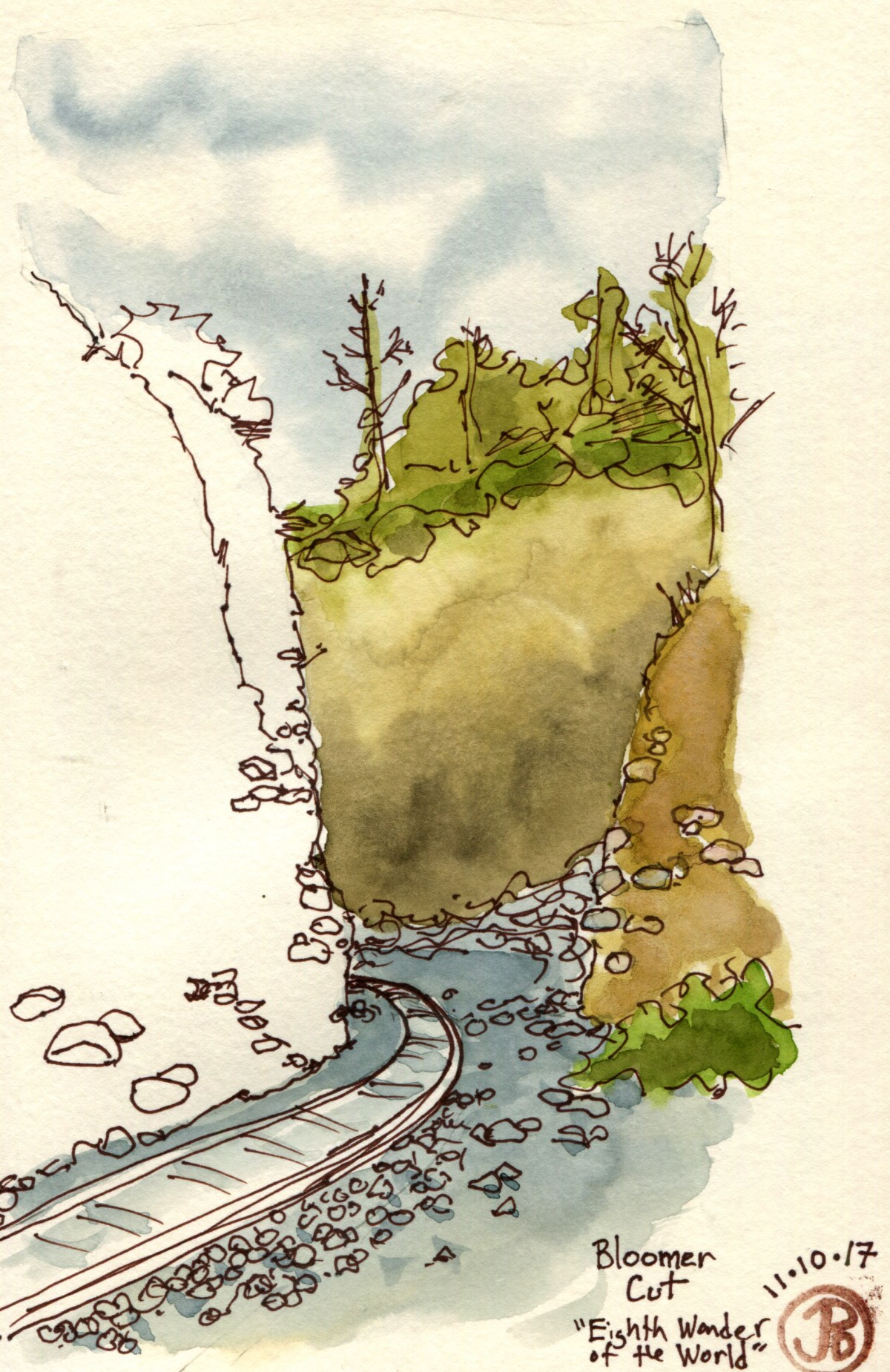
After my visit to the California State Railway Museum I headed to a lasting vestige of the Transcontinental Railway, an engineering feat called, “the eighth wonder of the world”. It was about 30 minutes north of Sacramento between Newcastle and Auburn. This was the 63 foot deep and 800 feet long man-made canyon known as Bloomer Cut.
Like the still present ruts of the Oregon Trail, this rail cut is still there. It was blazed in 1864 with blood, sweat, and black powder. The builders did not have the heavy machinery of modernity but hundreds of laborers with pick, shovel, and wheelbarrow. This is one of the few remnants of the Transcontinental Railway, a permanent scar in the earth that shows it extisted. I was reading the Stephen Ambrose book Nothing Like it in the World and now I was reading it in the landscape.
I sat on a small boulder next to the rail line just where the cut began and I got a sketch in before it started to rain. Two things that don’t go together are watercolor painting and rain.
In the middle of Bloomer Cut, looking out to the southern end towards Newcastle, Roseville and Sacramento.
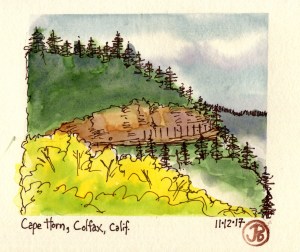
After reading about one of the other incredible engineering feats on the western reaches of the Transcontinental Railway, a cut made around a rock face, high above the North Fork of the American River called Cape Horn, I desided to see if it still existed. A quick google search not only confirmed its existence but also that it was located near Colfax, a mere 30 minutes east from my mother’s house in Penn Valley. I simply could not pass up this sketching opportunity.
Camp 20, which was later renamed Colfax to honor a visit to the railroad by then Speaker of the House, Schuyler Colfax. The town was the staging area for the first real assault on conquering the heights of the Sierra Nevada Mountains. Railway grades cannot exceed 2%, that is a rise of two feet over 100 feet of rail. This provided one of the major engineering challenges for laying track across the Sierras. Many tunnels were blasted through granite to reduce the climb and a roadbed had to be blasted into the side of the cliff at Cape Hope to make the ascent on the western slope of Sierra Nevada.
This incredible engineering feat would not have been possible without the thousands of Chinese laborers who worked on the line. The workers had to be lowered over the cliff in reed baskets where there would drill a hole in the rock by hand and then fill the hole with black power. When they lit the fuse they had a short time to be hauled back up out of harm’s way. They gave their sweat, blood, and lives to make the cut around Cape Horn. The Central Pacific did not keep records of Chinese fatalities so we will never know the true toll in lives sacrificed in order to make a railroad that spread from sea to shinning sea a reality.
A field sketch of Cape Horn from the viewpoint of Highway 174 near Colfax.
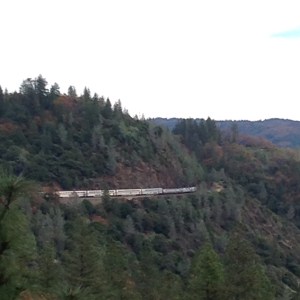
Cape Horn railway bed is still in use today. Eastbound California Zephyr just leaving Colfax headed to Chicago, Ill.





 Just below this sign, is the birthplace of the Transcontinental Railway on the banks of the Sacramento River.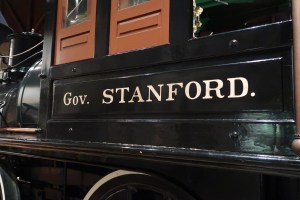

 Corvid Sketcher