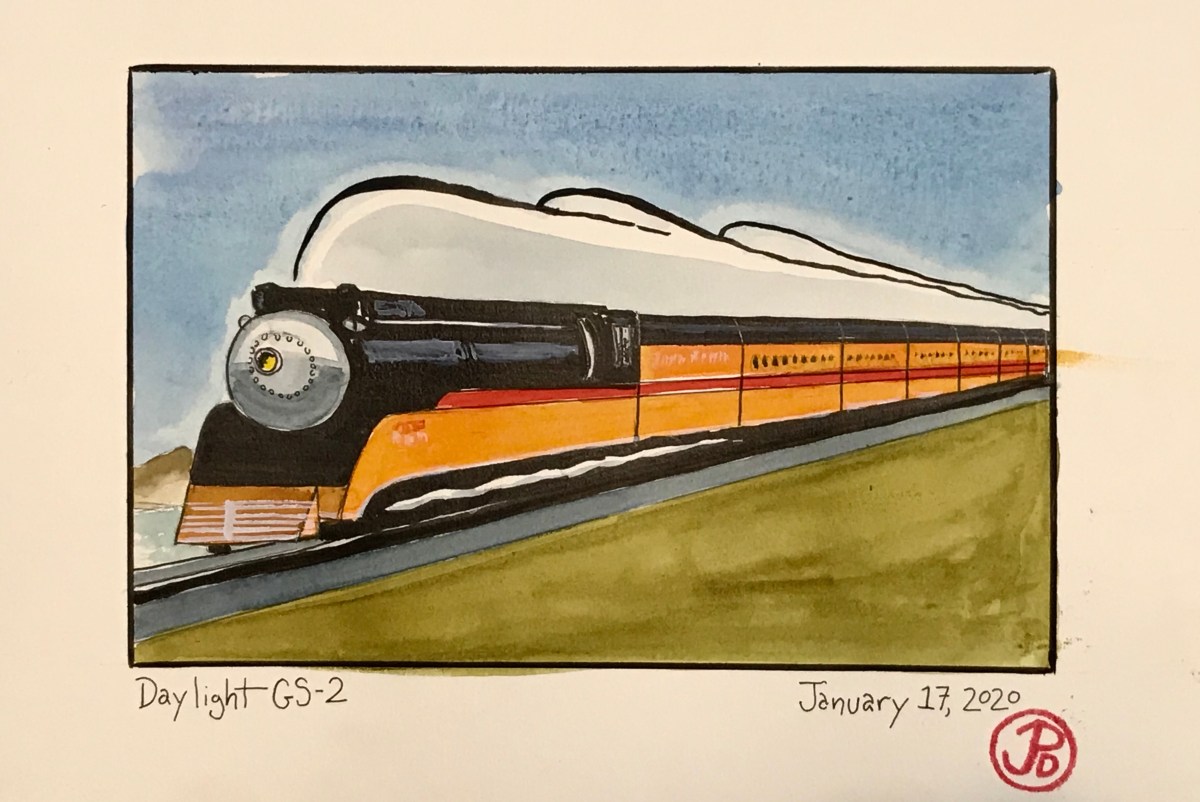
One of the world’s most beautiful steam passenger trains ran from San Francisco to Los Angles during the 1930s and 1940s.
This was envisioned as a non-stop train connection from San Francisco in the north to Los Angeles in the south. This first started as the Daylight Limited on its inaugural run on April 28, 1922. The first service was only offered on Friday and Saturday.
The rugged 470 mile route became more popular and Southern Pacific added more trains so that by July of 1923, the route ran seven days a week, all year round.
During the Great Depression, passenger railway service was down but Southern Pacific’s president, Angus McDonald gambled on creating a modern train that would provide luxury, efficiency, and speed to the Daylight coastal route. The entire train, from the engine to the observation car would be streamlined in imitation of what was being applied to airplanes and automobiles at the time.
The first steam engine to engender this new vision was the GS-2 (Golden State). An order of six (Numbered 4410 to 4415) were built in Ohio at the Lima Locomotive Works. They were Northern type engines with a 4-8-4 wheel configuration. This engine provided the extra power and speed needed for the 12 hour coastal route.
The GS-2 was the first of the streamlined passenger engines built for Southern Pacific and also the first to feature the classic Daylight livery of orange, red, and black. This paint scheme was extended to the entire length of the train hauled a twelve car train consist, consisting of one diner car.
The first inaugural run of the upgraded Daylight was on March 21, 1937. A champagne bottle was broken on No. 4413 at San Francisco’s Third and Townsend Station. A similar ceremony took place in Los Angles with engine No. 4411 but with a touch of celebrity as film star Olivia deHavilland broke a bottle of champs on the pilot of the GS-2.
All of the stations I have sketched in San Mateo County had the Daylight blow through their platforms. A southbound train leaving San Francisco stopped only at Palo Alto and then San Jose in the Bay Area leaving San Mateo County in the dust.
After San Jose the Daylight’s next stop was Salinas. Then San Luis Obispo, Santa Barbara, Oxnard, Glendale, and finally terminating at Los Angeles’ Union Station.
No GS-2 locomotives survived the dieseization of America’s railways in the 1950s but an updated version of the locomotive, a GS-4, Number 4449, survives and still is operational. She is one of the most popular and beautiful stream locomotives in the world.
It is then fitting that my next destination was in Santa Clara County to the Daylight’s first stop since departing from San Francisco to a Station the bore same streamlined design as South Pacific’s beautiful engine.
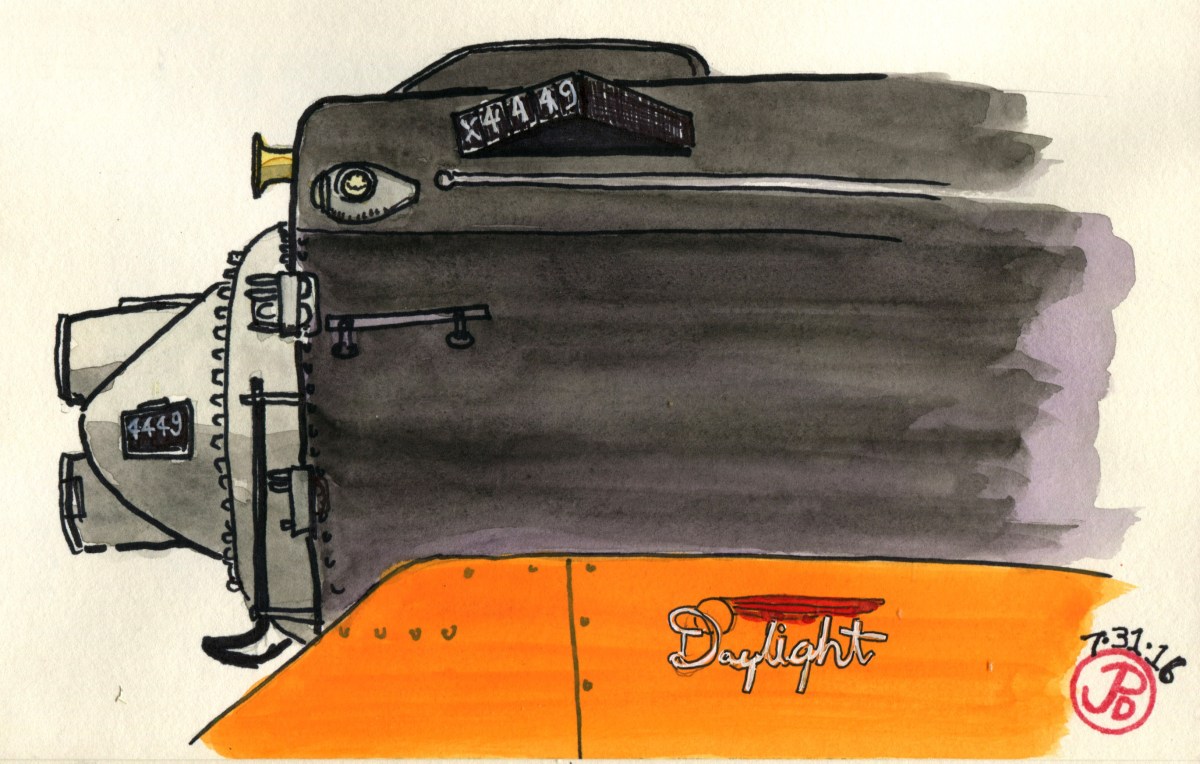 A field sketch of the “Queen of Steam”, GS-4 locomotive number 4449 in Portland, Oregon. This is the only operational engine still in existence that worked the Daylight route.
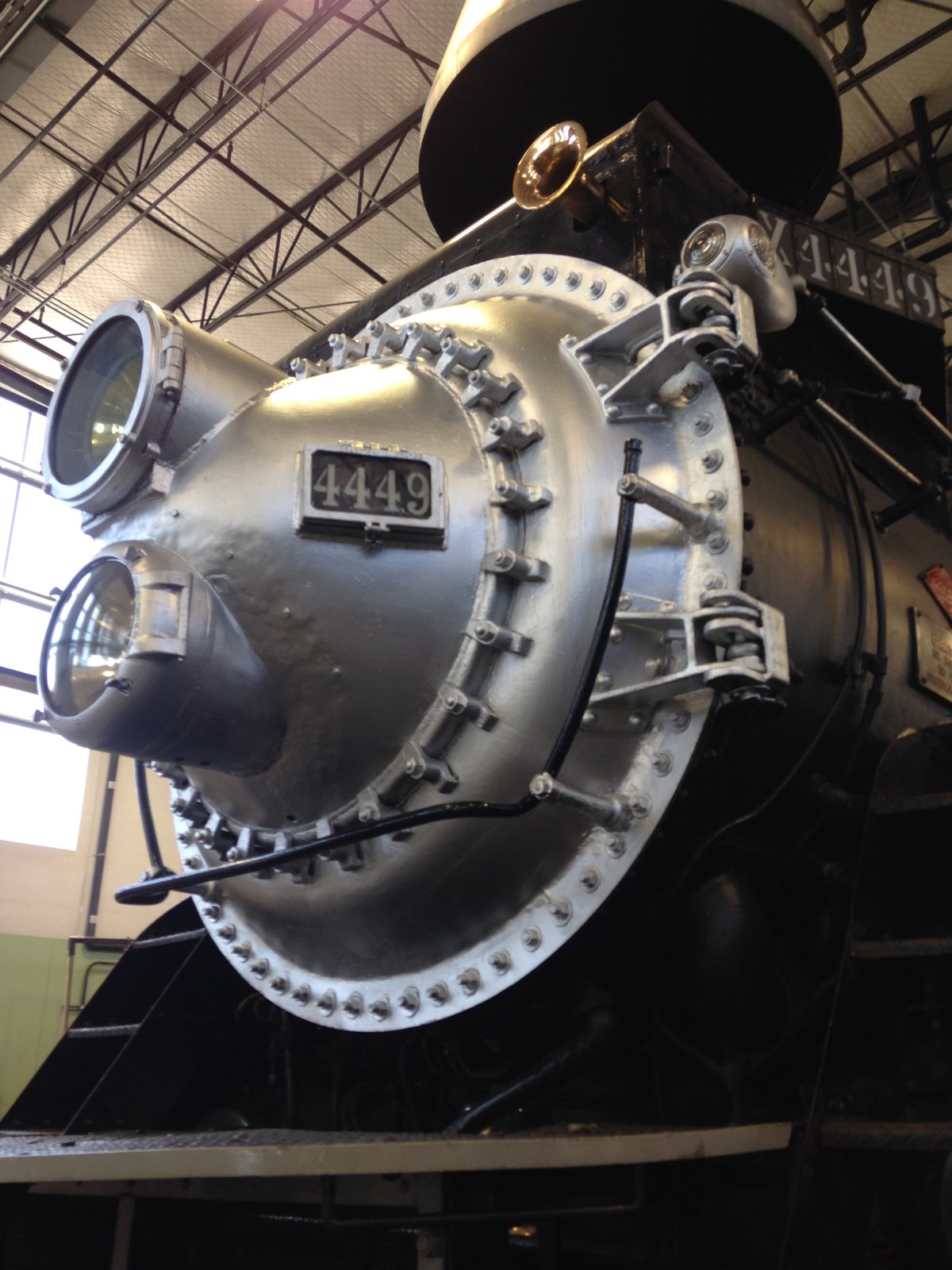
The nose and duel lights of Southern Pacific No. 4449, one of the most famous steam locomotives in the United States. The streamlined nose looks like something out of Buck Rogers.
 Engine Number 905 “Sunnyvale ” is on the point of a southbound train to San Jose. This engine is named after my hometown.
 The train station at Sunnyvale is long gone. I never remember it as being an amazing piece of Southern Pacific architecture. The station has been replaced with a ticket shelter that connected to a parking shelter.

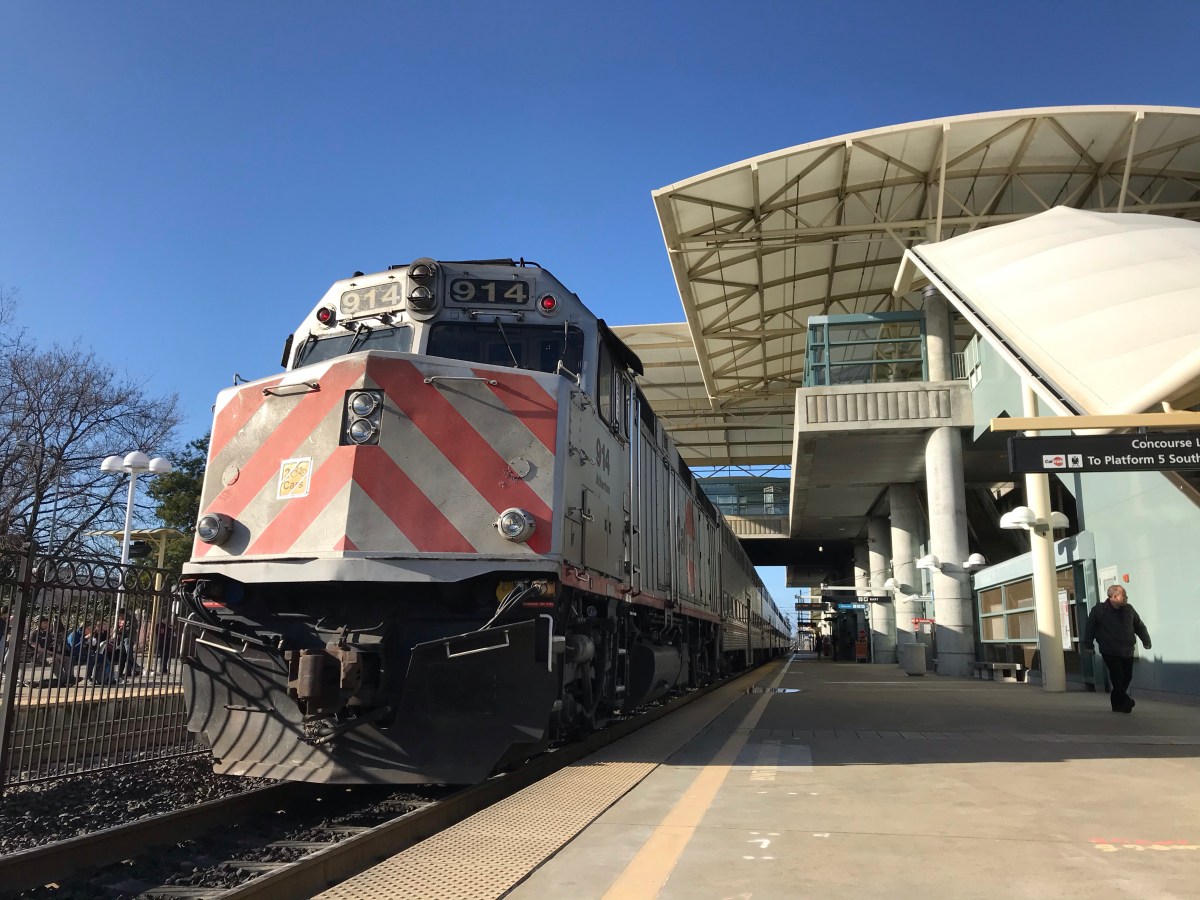 My northbound train heading to San Francisco from Millbrae Transit Center. Don’t let it fool you, this is the end of the train, the diesel engine is pushing the train north. I was going to take BART to Daly City with three sketches in my bag.
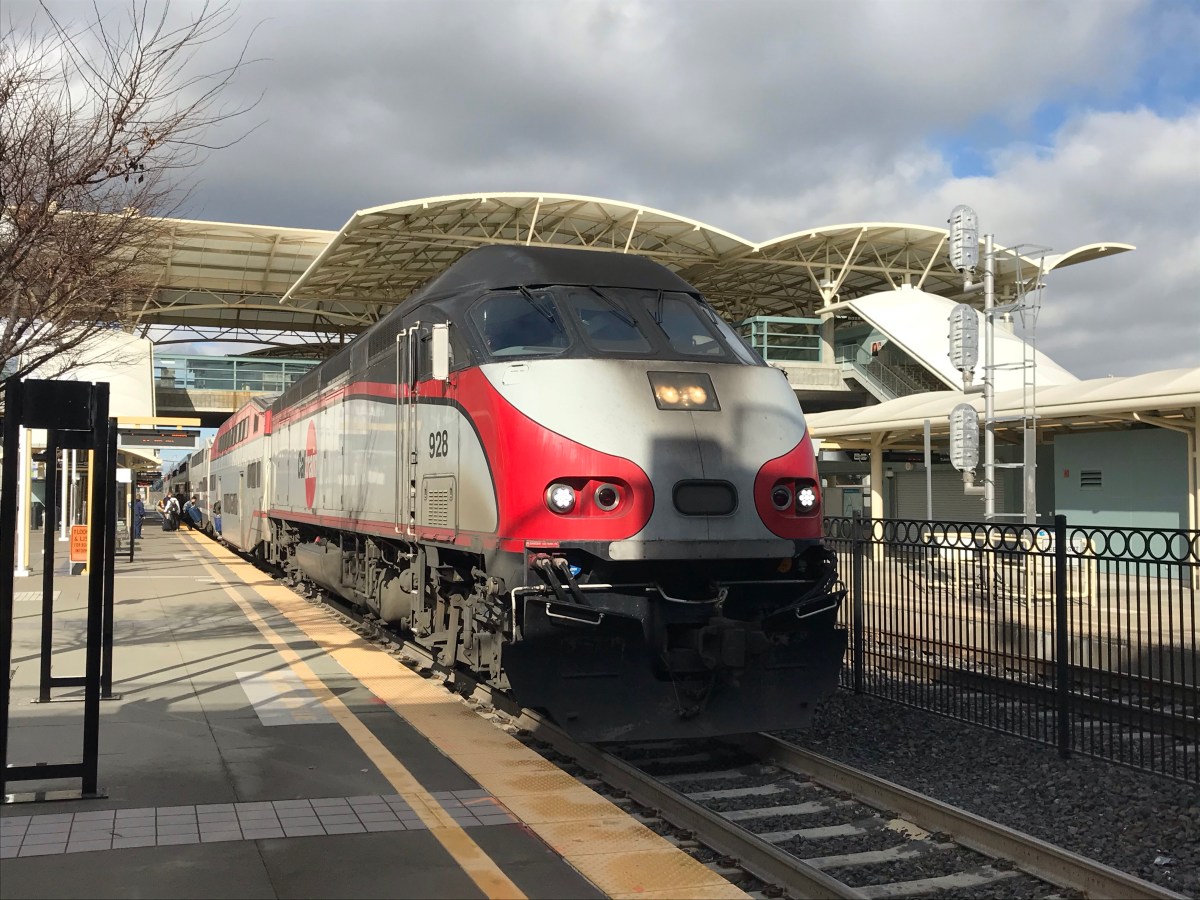 A southbound “Baby Bullet” train pulls into the 2003 transit center at Millbrae. The historic station is about 400 feet behind me.
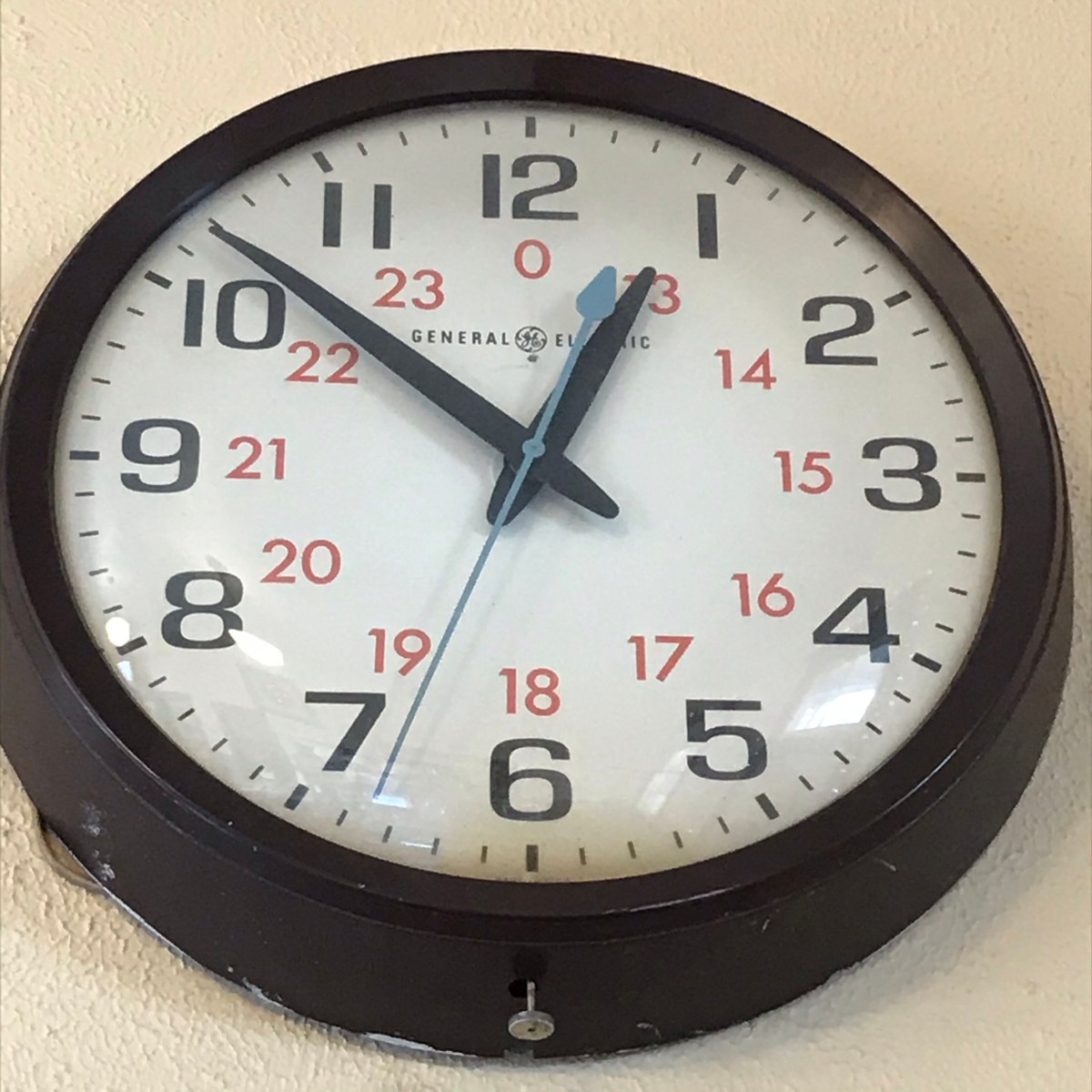 The original clock used in the passenger waiting room when the depot was closed. The inter ring of red numerals show 24 hour time, the time of all railroads.
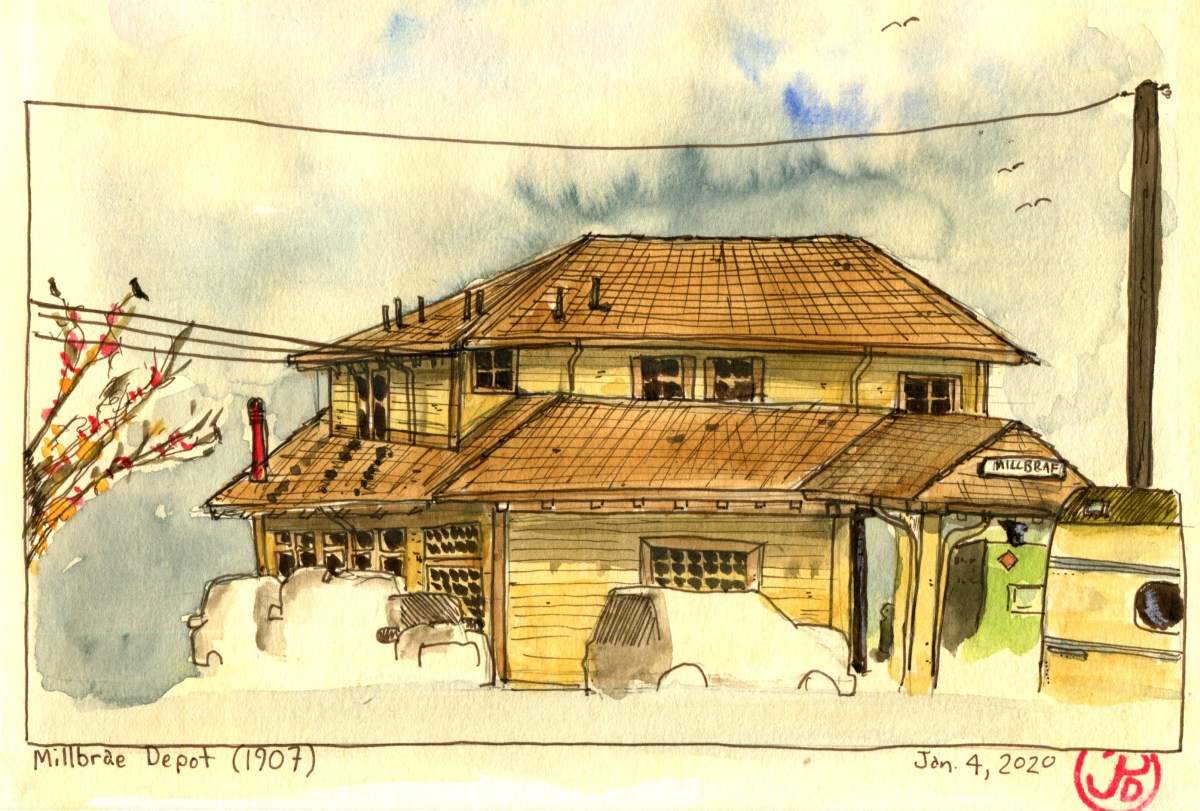
  A southbound train passing Millbrae’s historic railway depot, on its way to San Jose.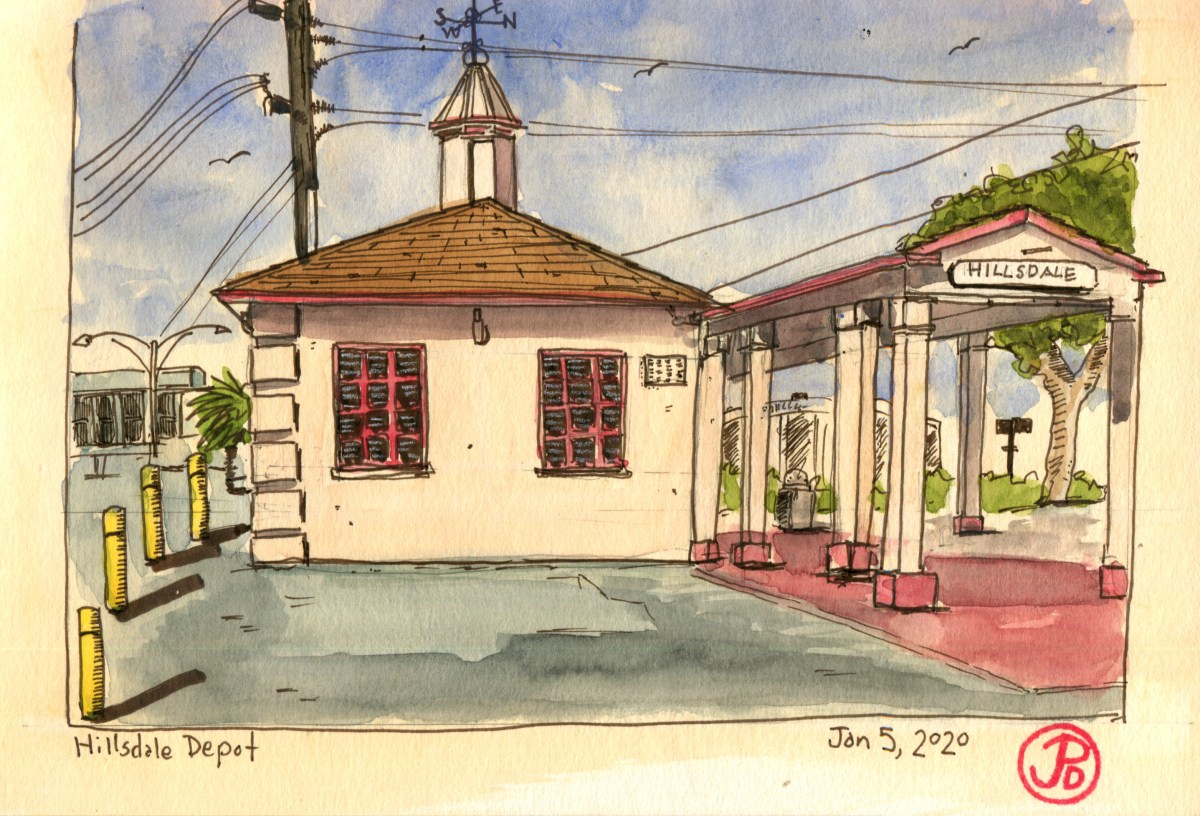
 A southbound train on the main line, pulls into Hillsdale Station. The old station, on the left, is no longer near the railway which now has been raised above the station.
  Engine Number 900 “San Francisco” pulls into Hillsdale Station.
 Corvidsketcher sketching in the parking lot of Hillsdale Station, the day before the building will be demolished. This may be the last drawing of the station while it is still standing.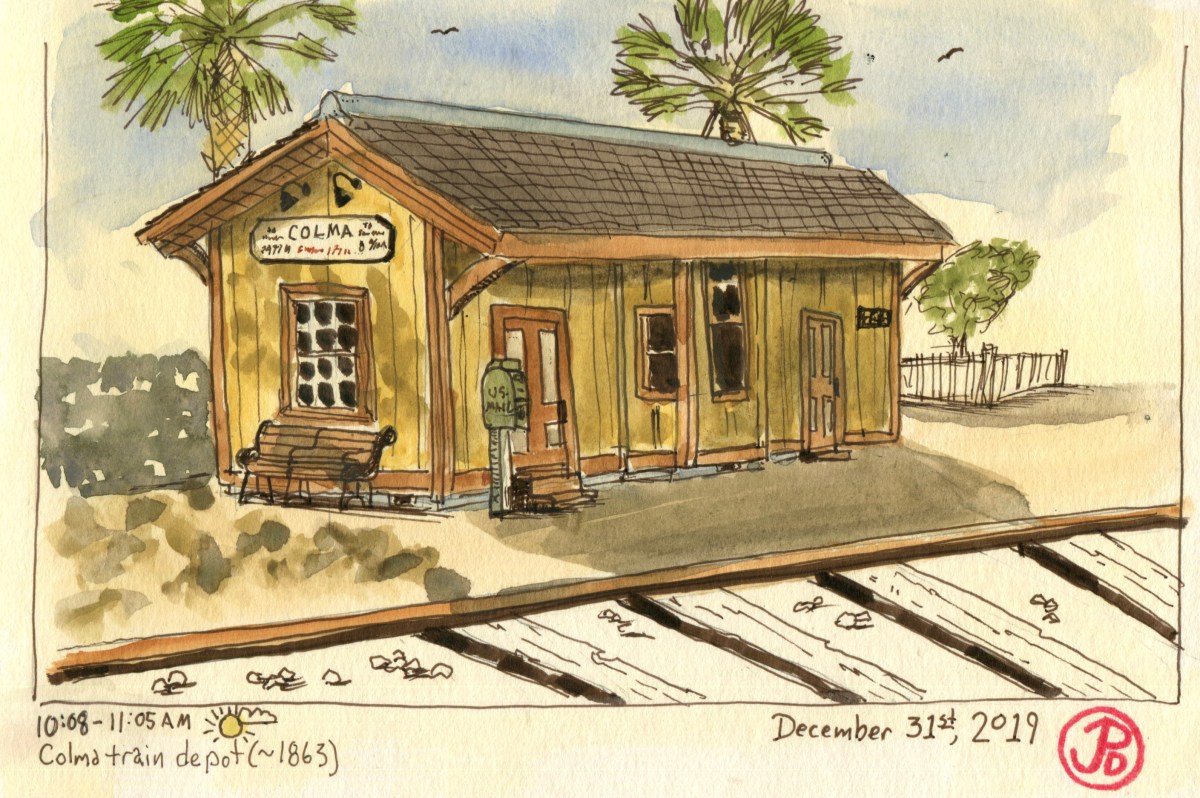
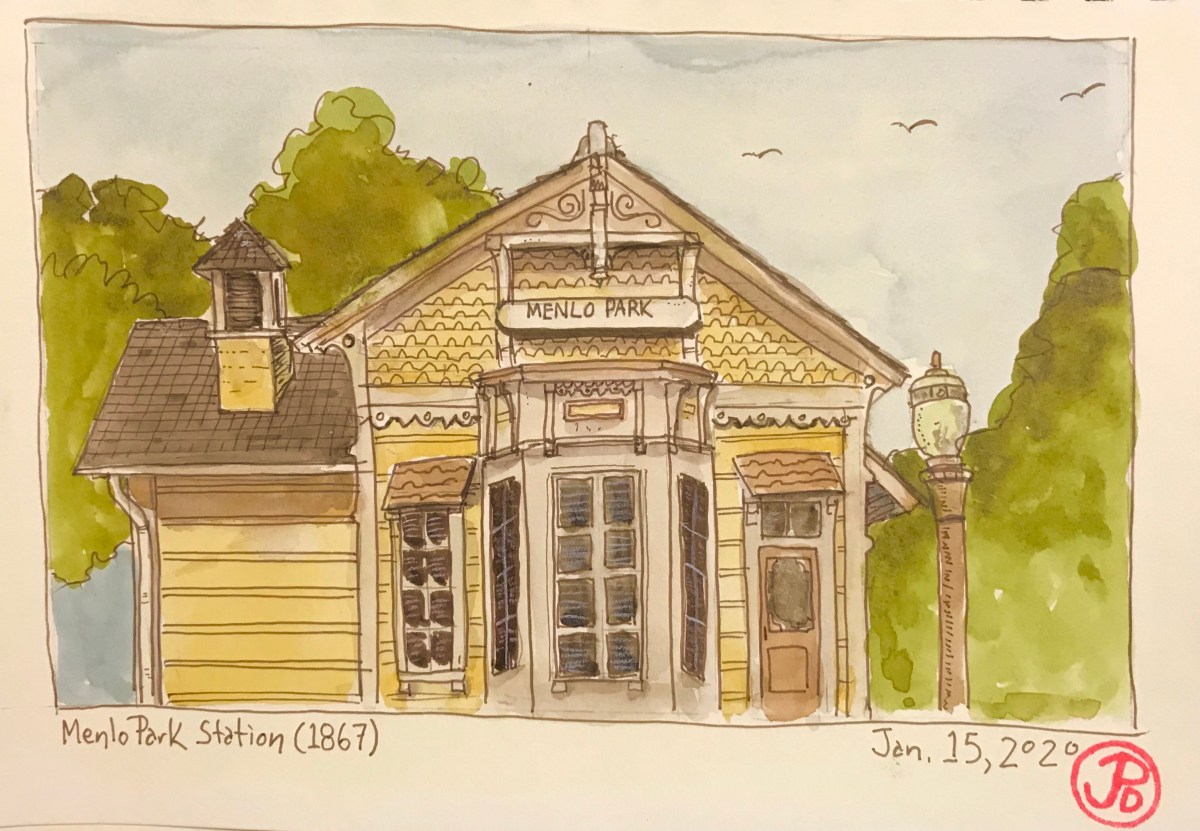
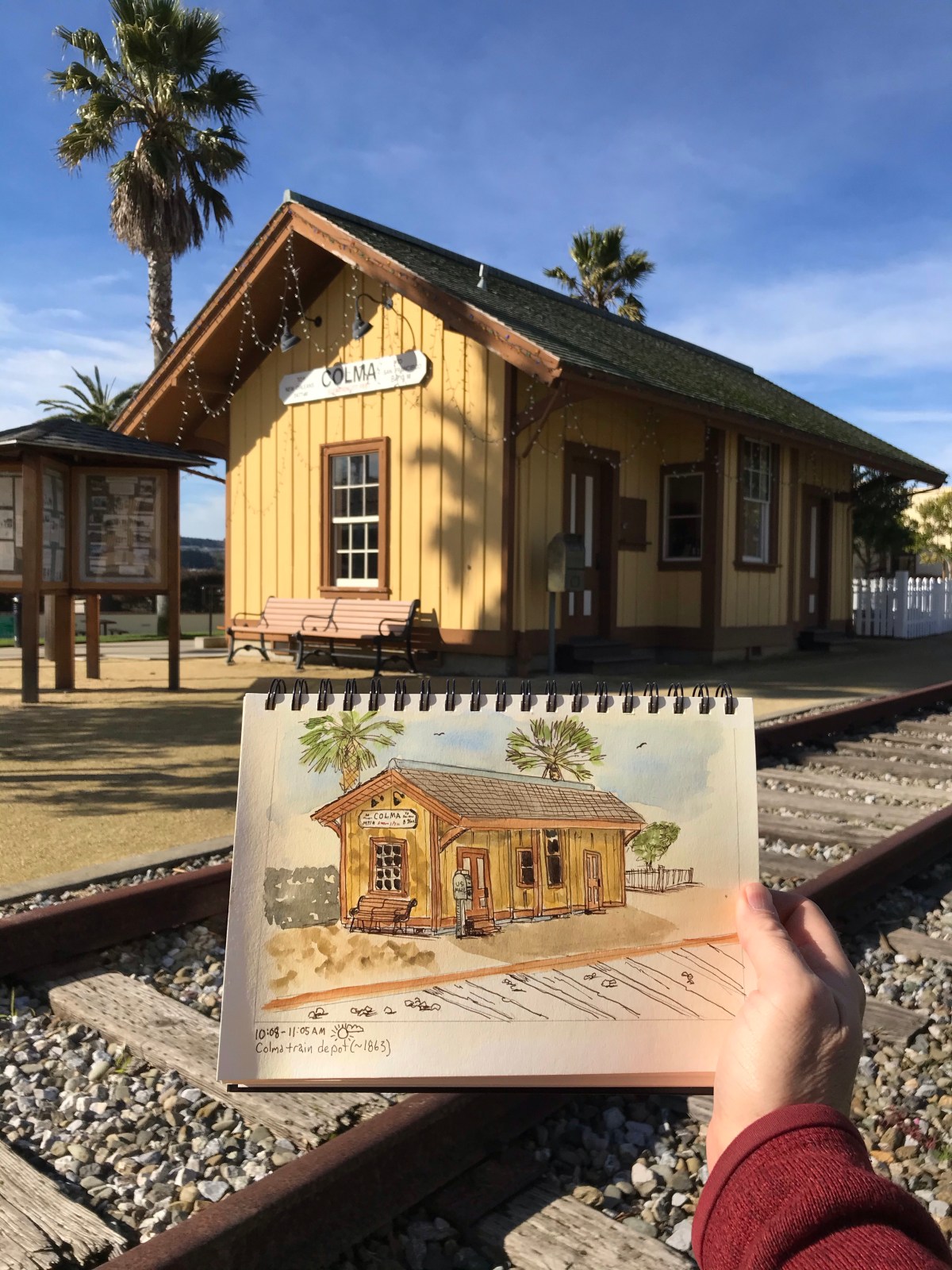
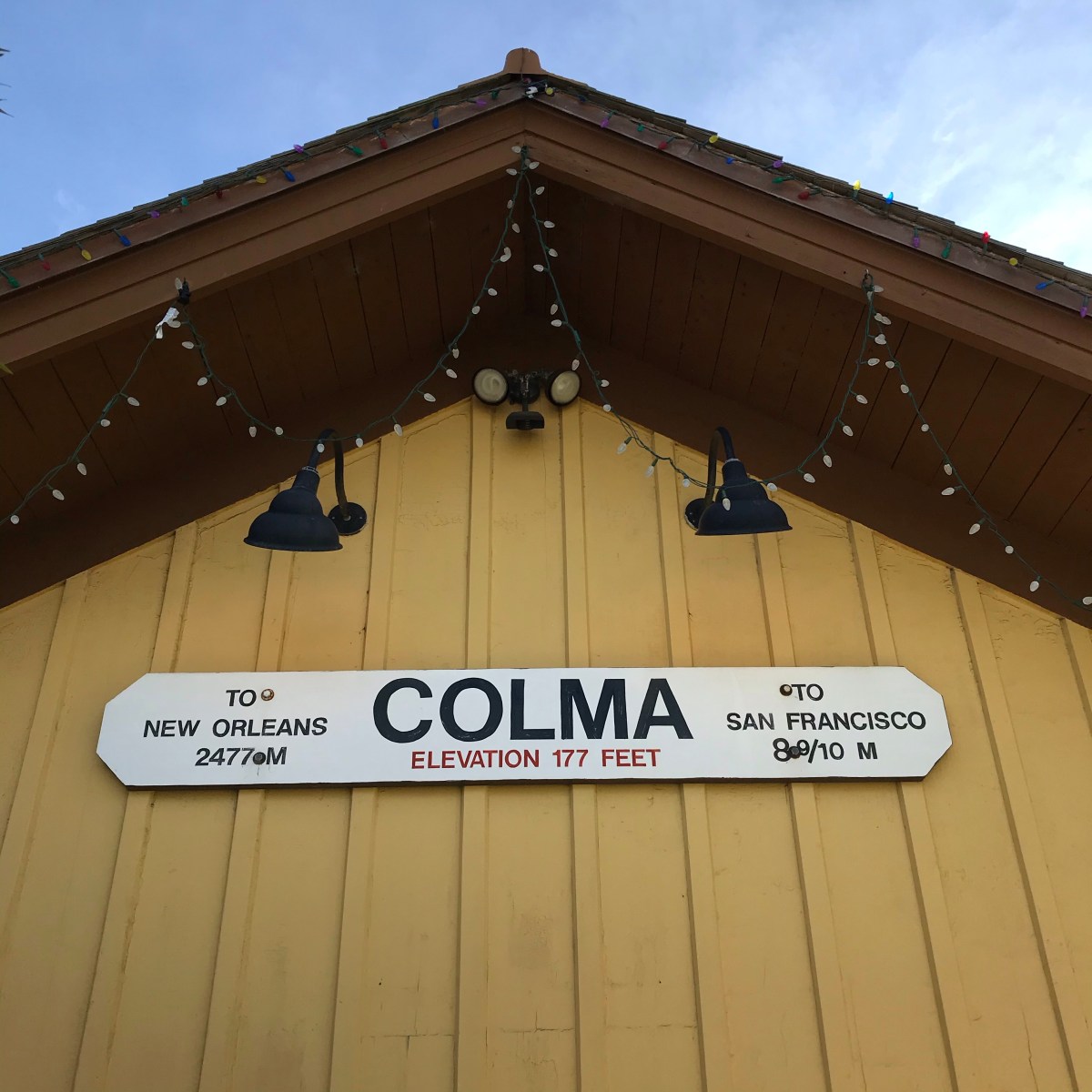 Another reason the Colma Depot was a good starting point for this project is that it was the oldest depot on the line, built around 1863, beating out the actual oldest station on the Peninsula mainline at Menlo Park, built in 1867.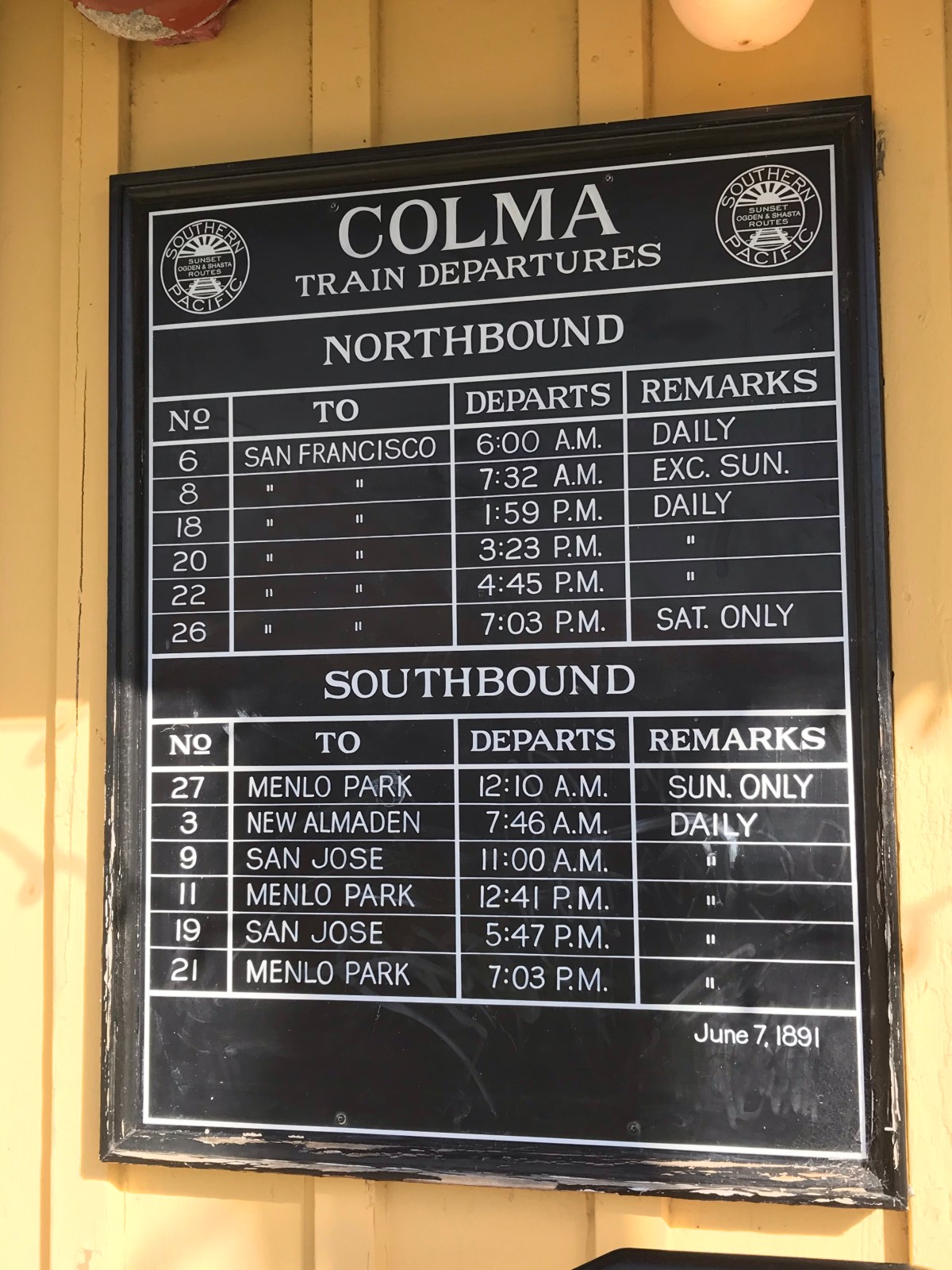
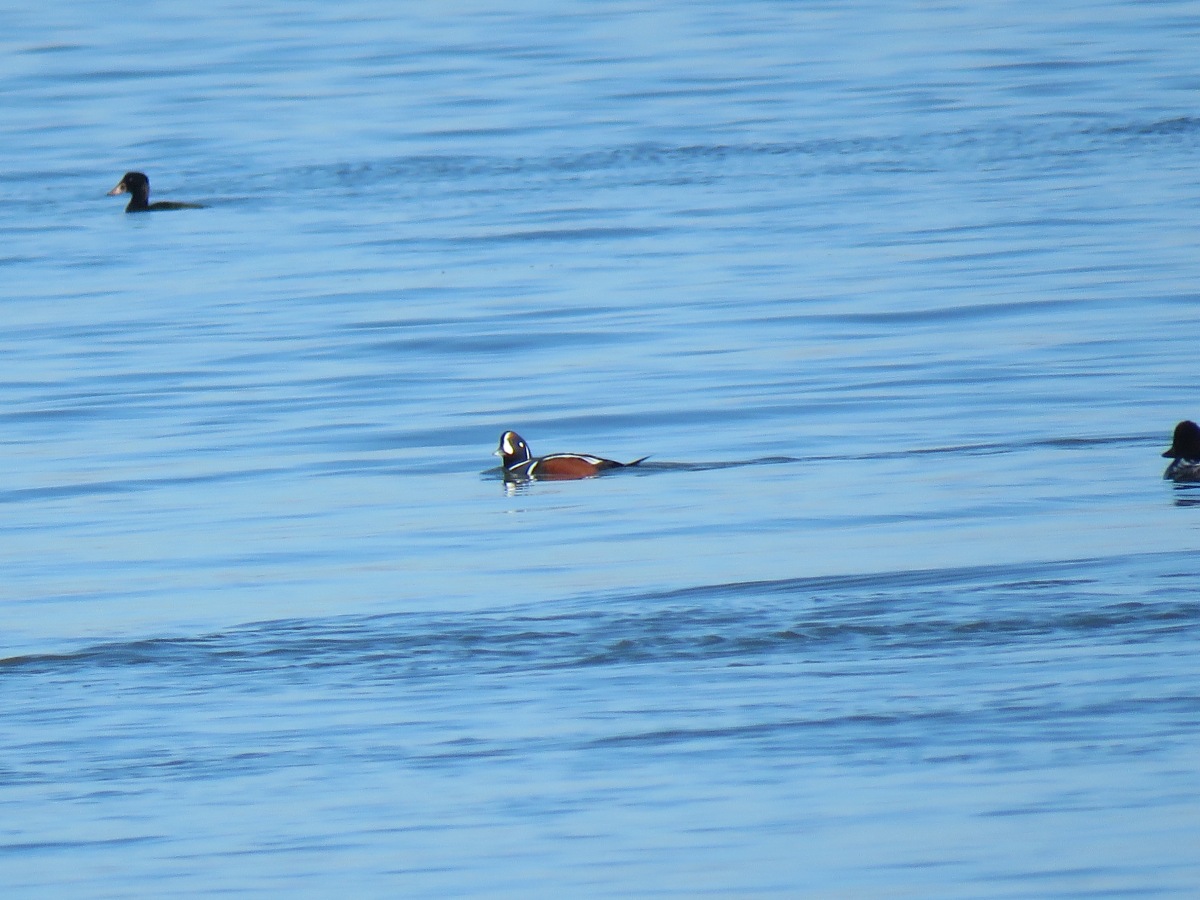 The Bay Area rarity was finally ours. Male harlequin duck just beyond the breakwater at Coyote Point Marina.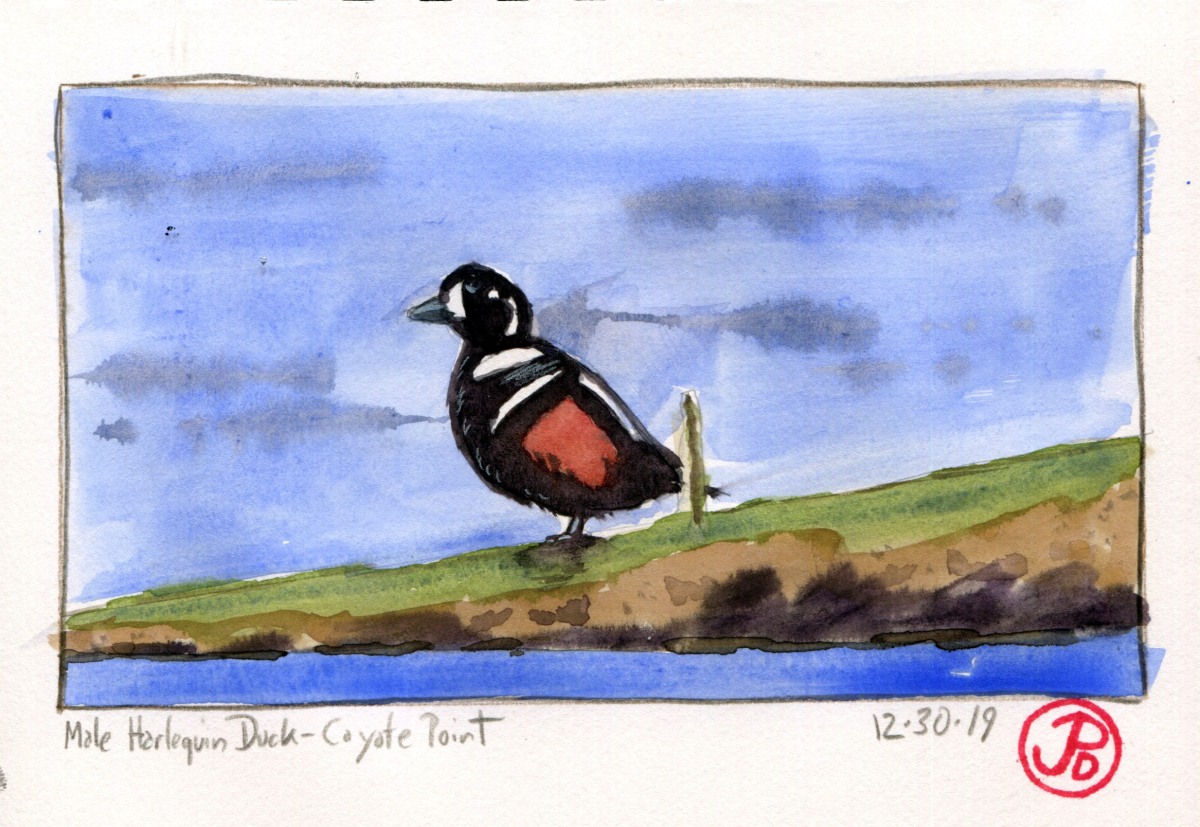
 Touchdown for a massive A380 at SFO. A raft of ducks are in the foreground, apparently not disturbed by all the air traffic.
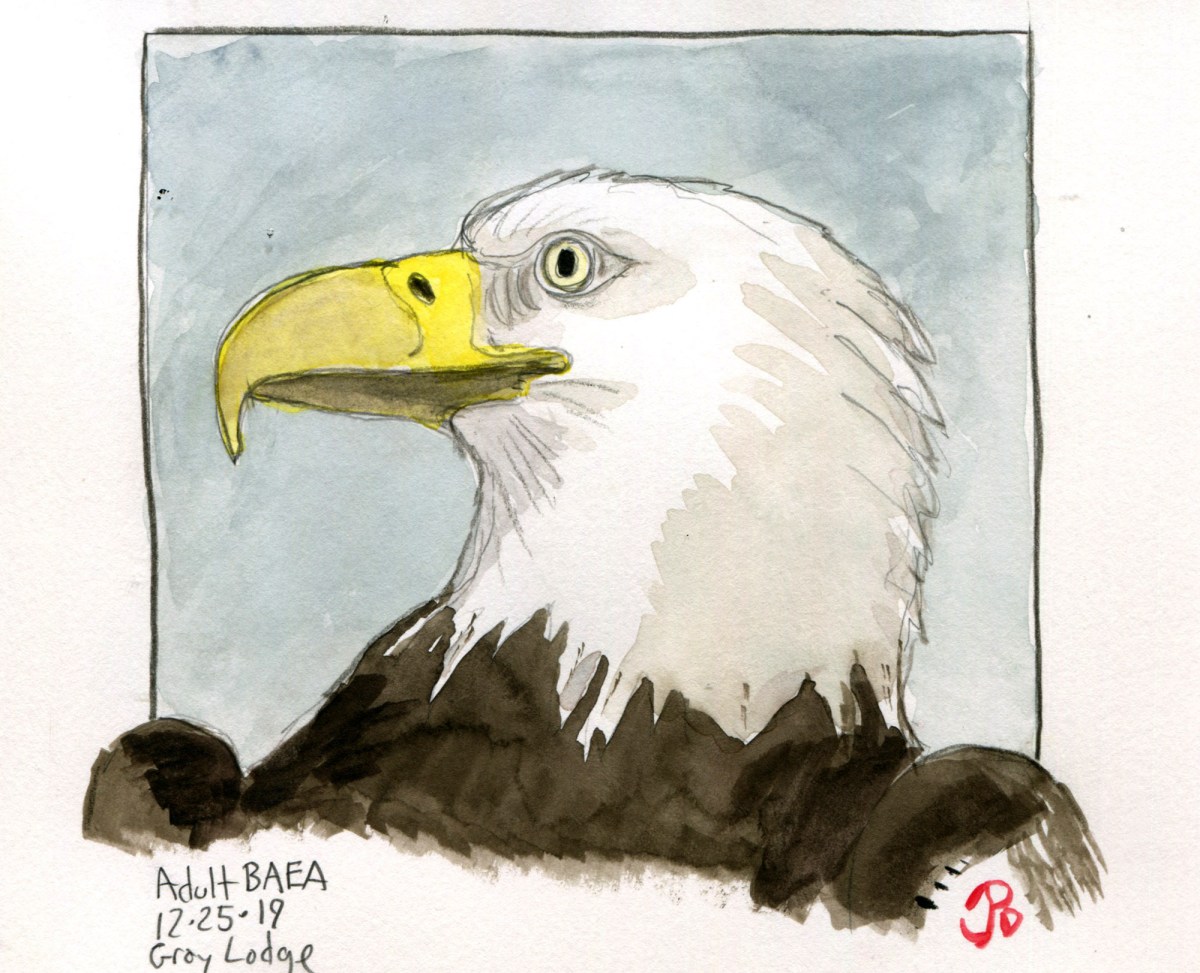
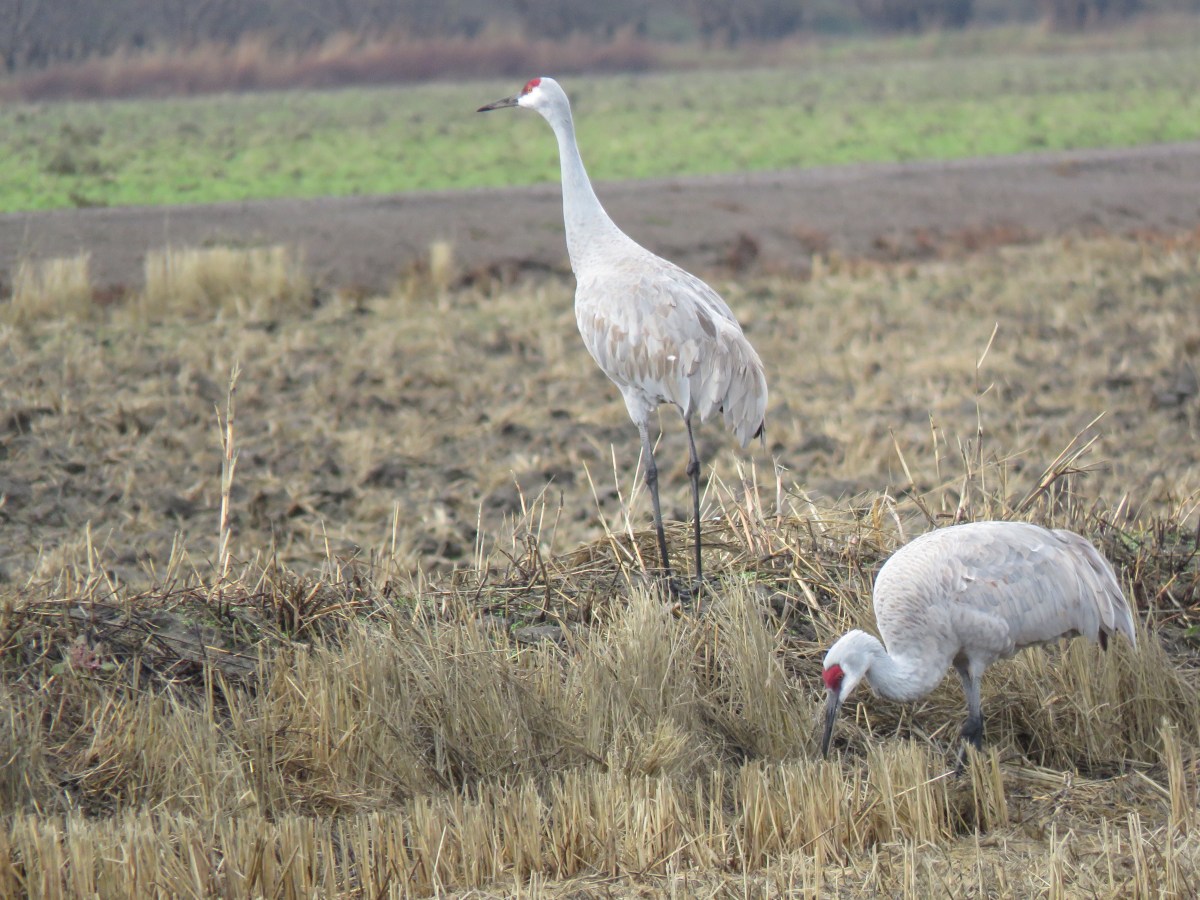
 The unmistakable heft and upright posture of a bald eagle, in this a case an immature. This bird did not allow a close approach. An eagle takes five years to gain it’s iconic “outfit” that most people would recognize: white head and tail, yellow beak, and dark chocolate-brown body.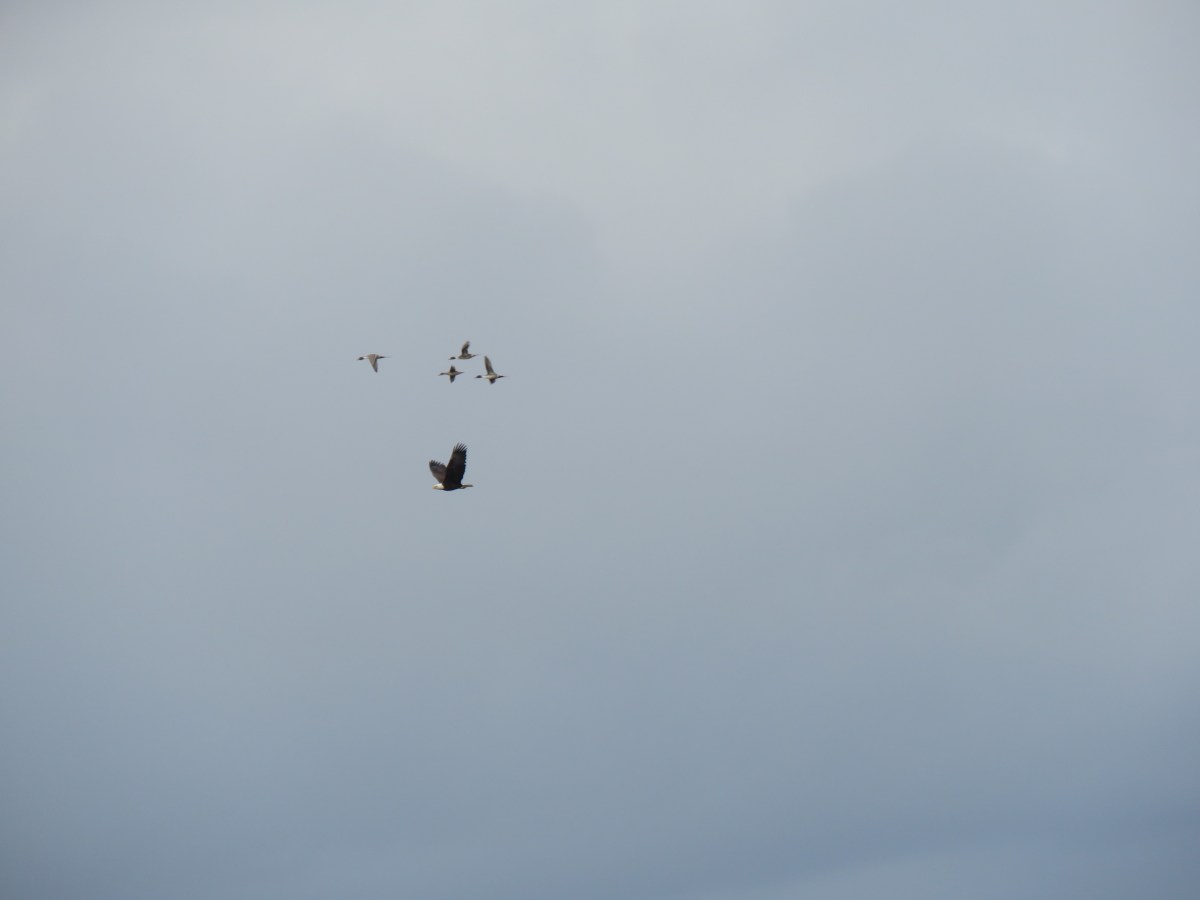
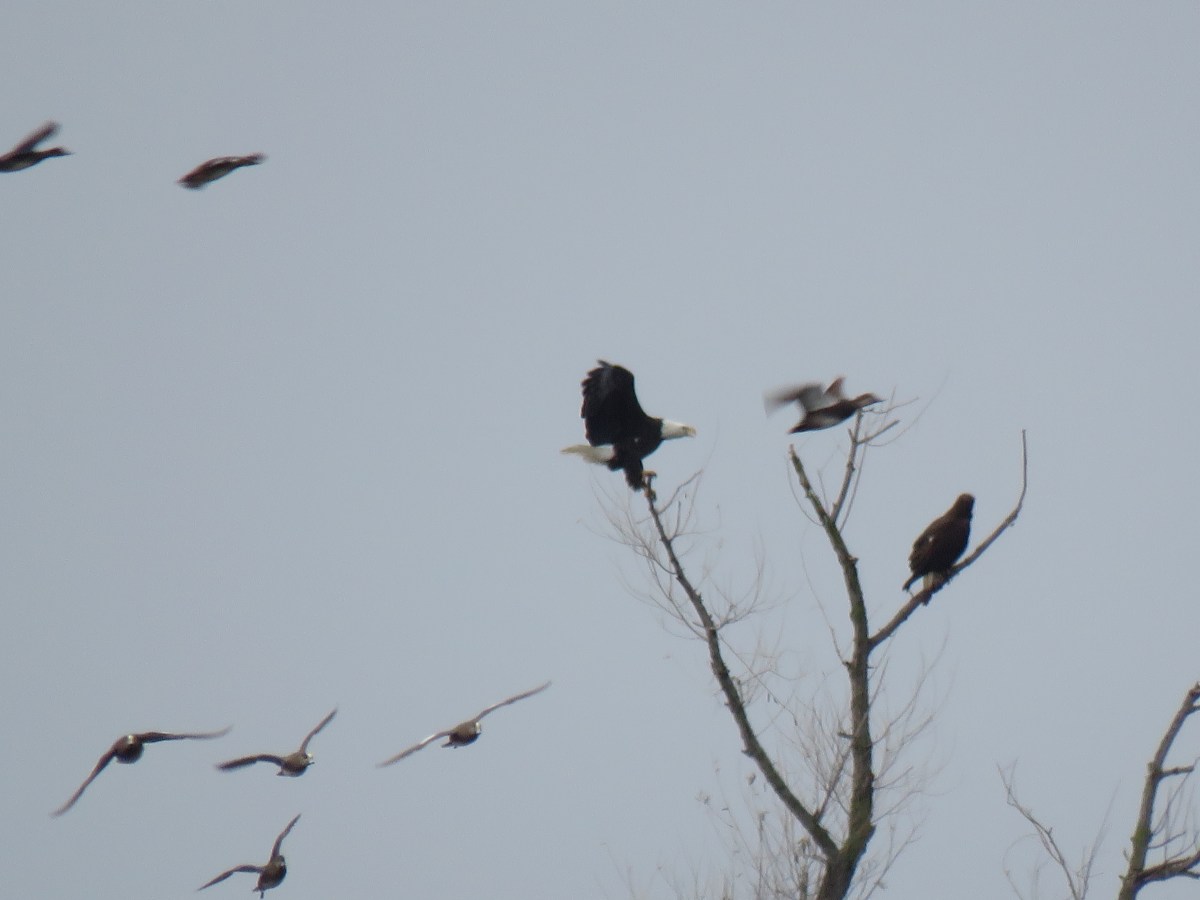
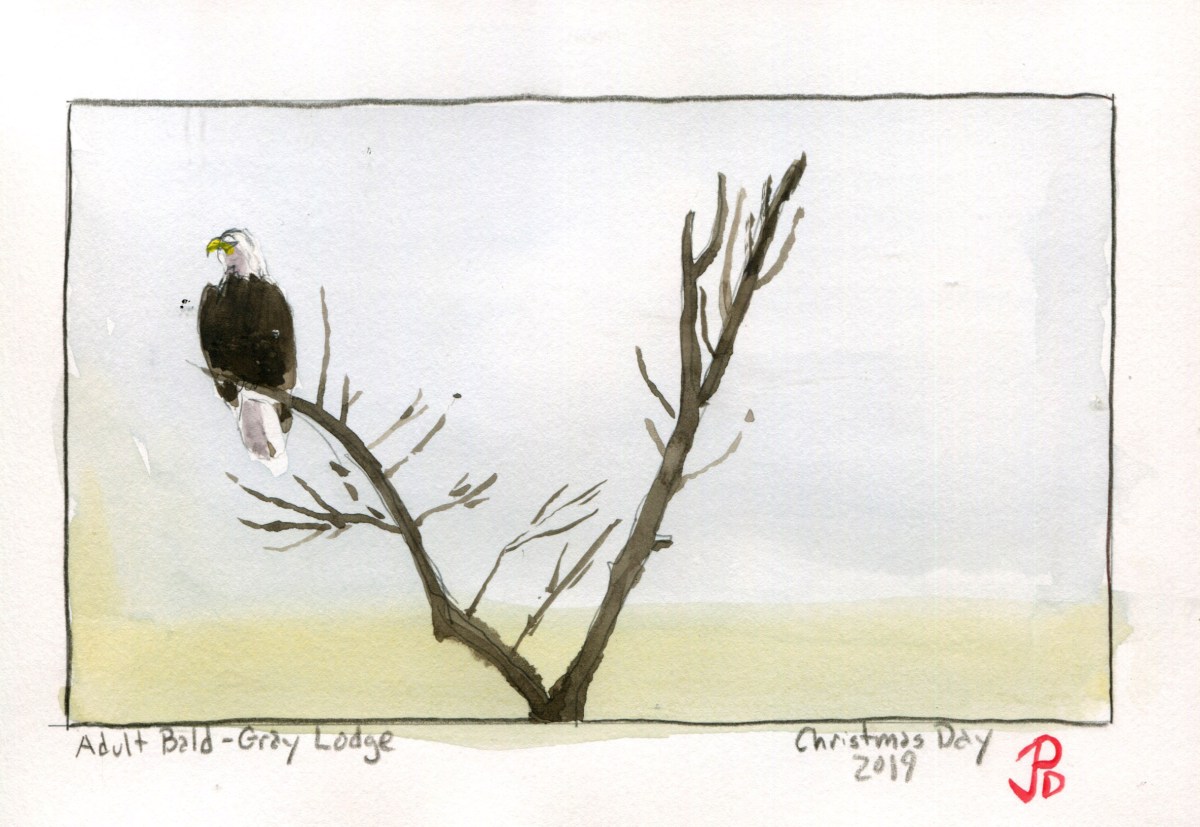
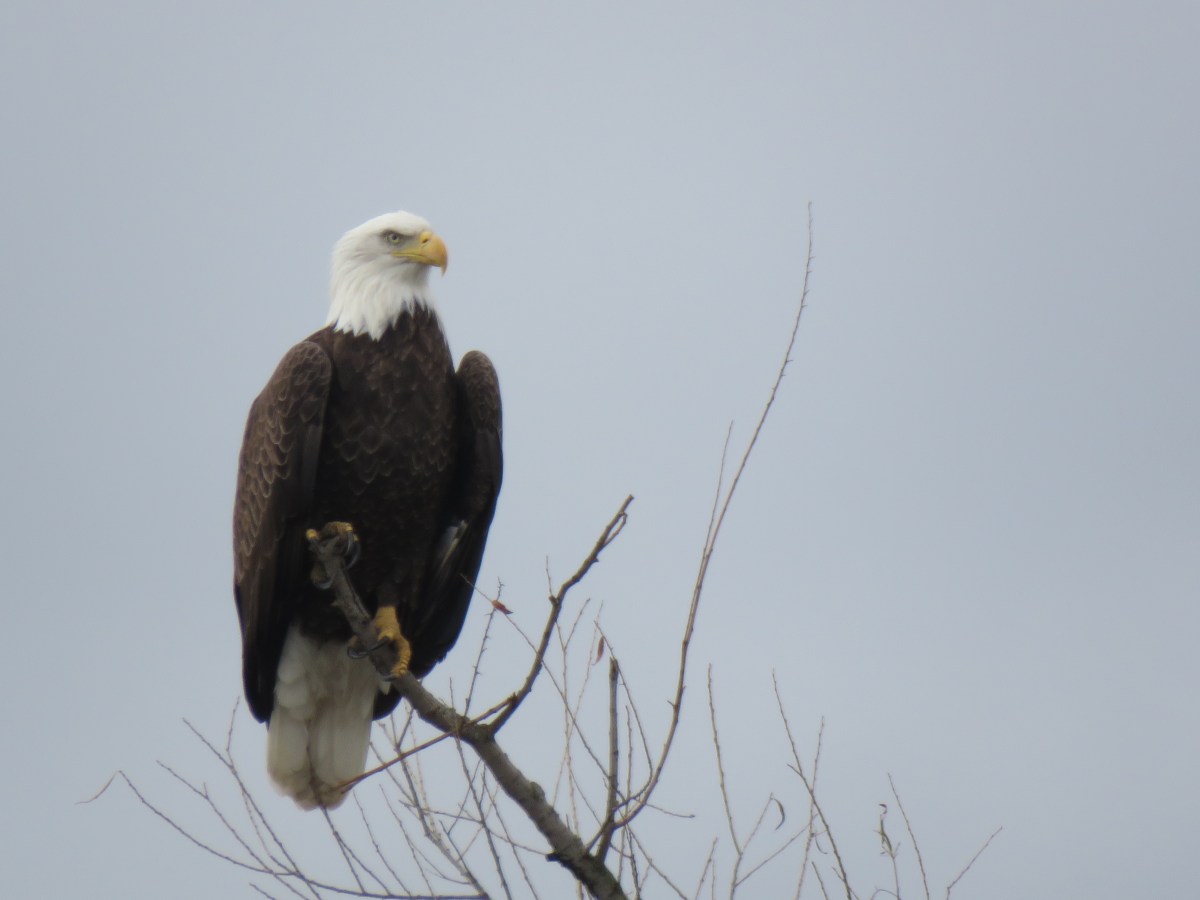
 An adult bald eagle is distinctive, even as it’s flying away from you. It’s bright white tail is a beacon that tells you what you just missed!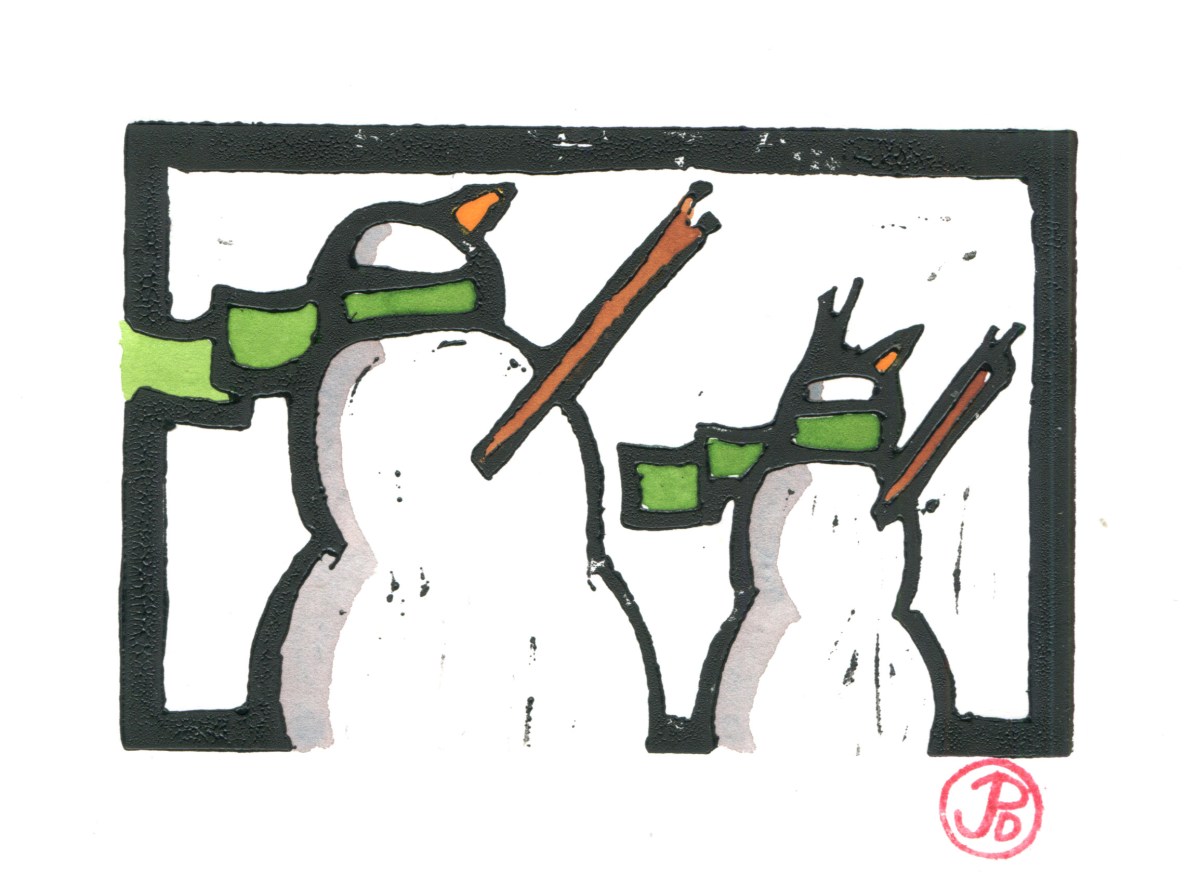
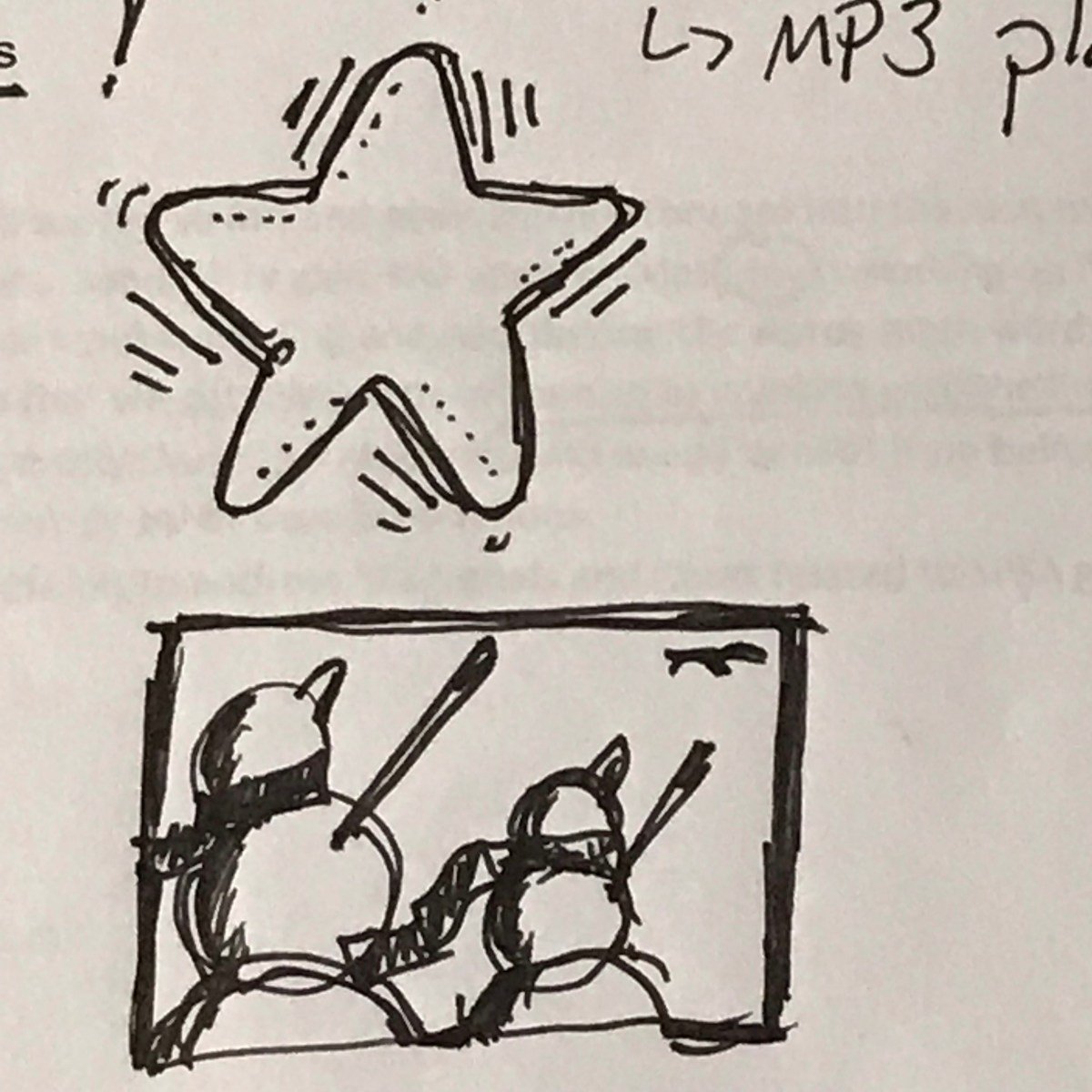
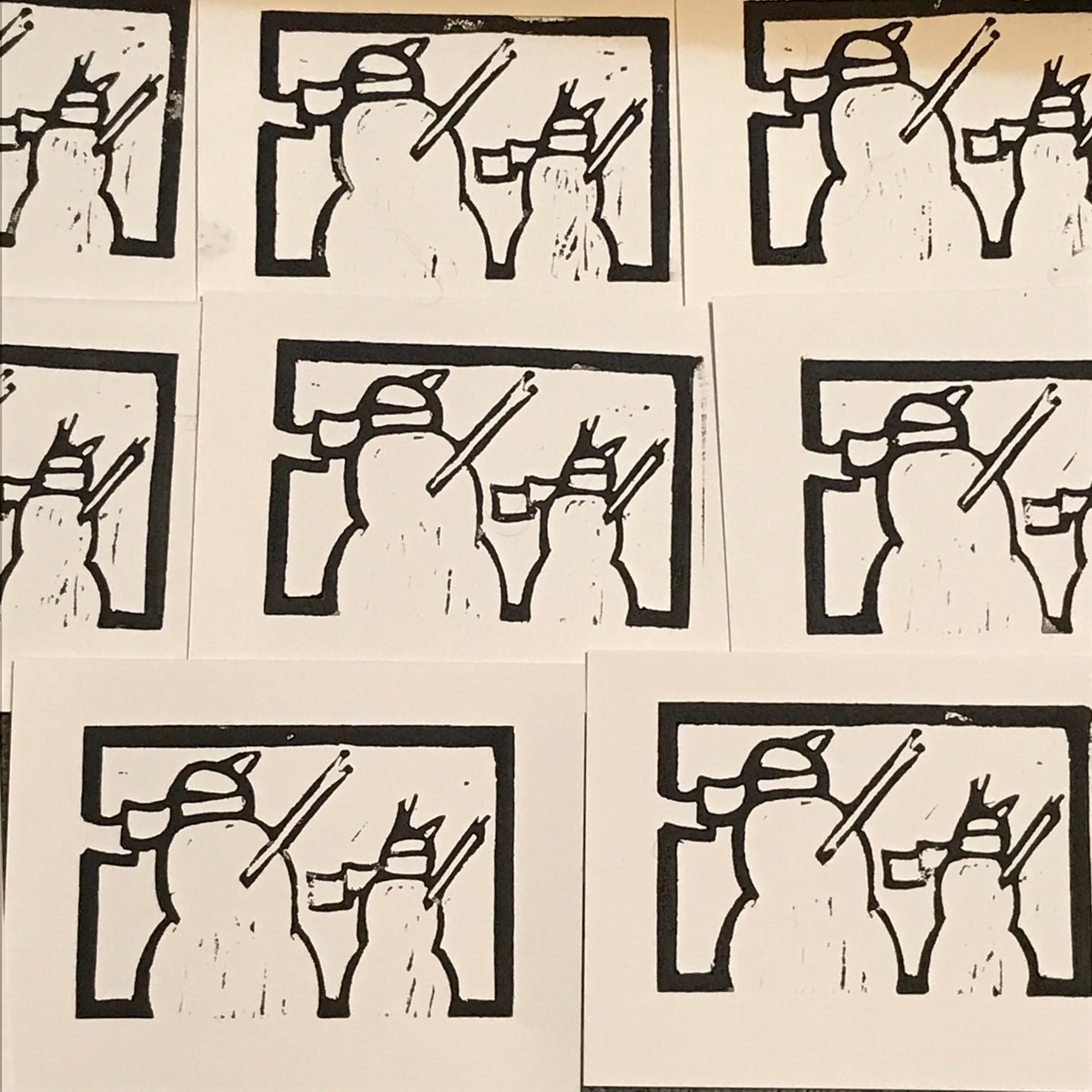
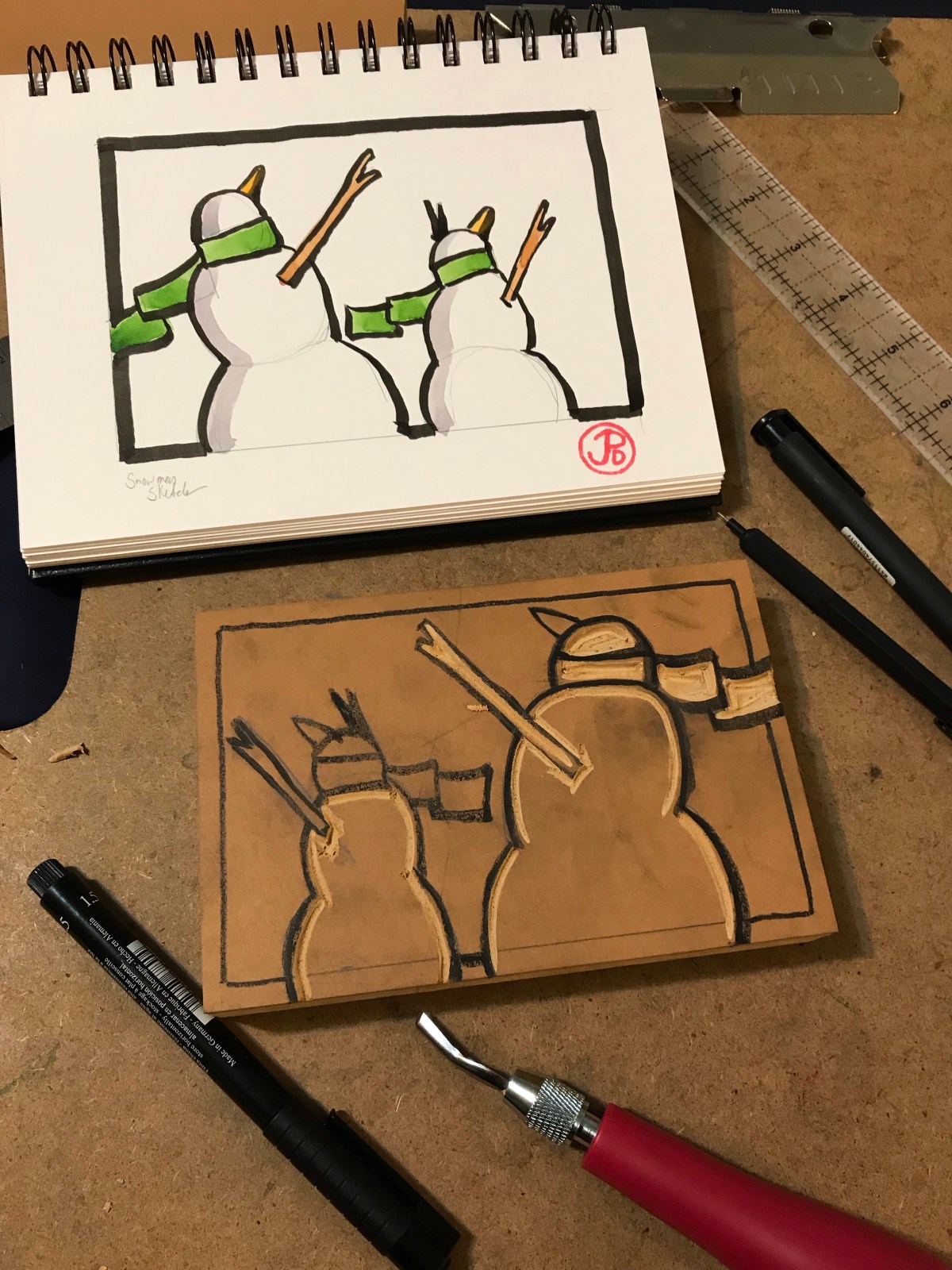 A refined draft sketch which I used to draw the design on the linoleum block, in reverse of course. Here I am just started to carve out the block.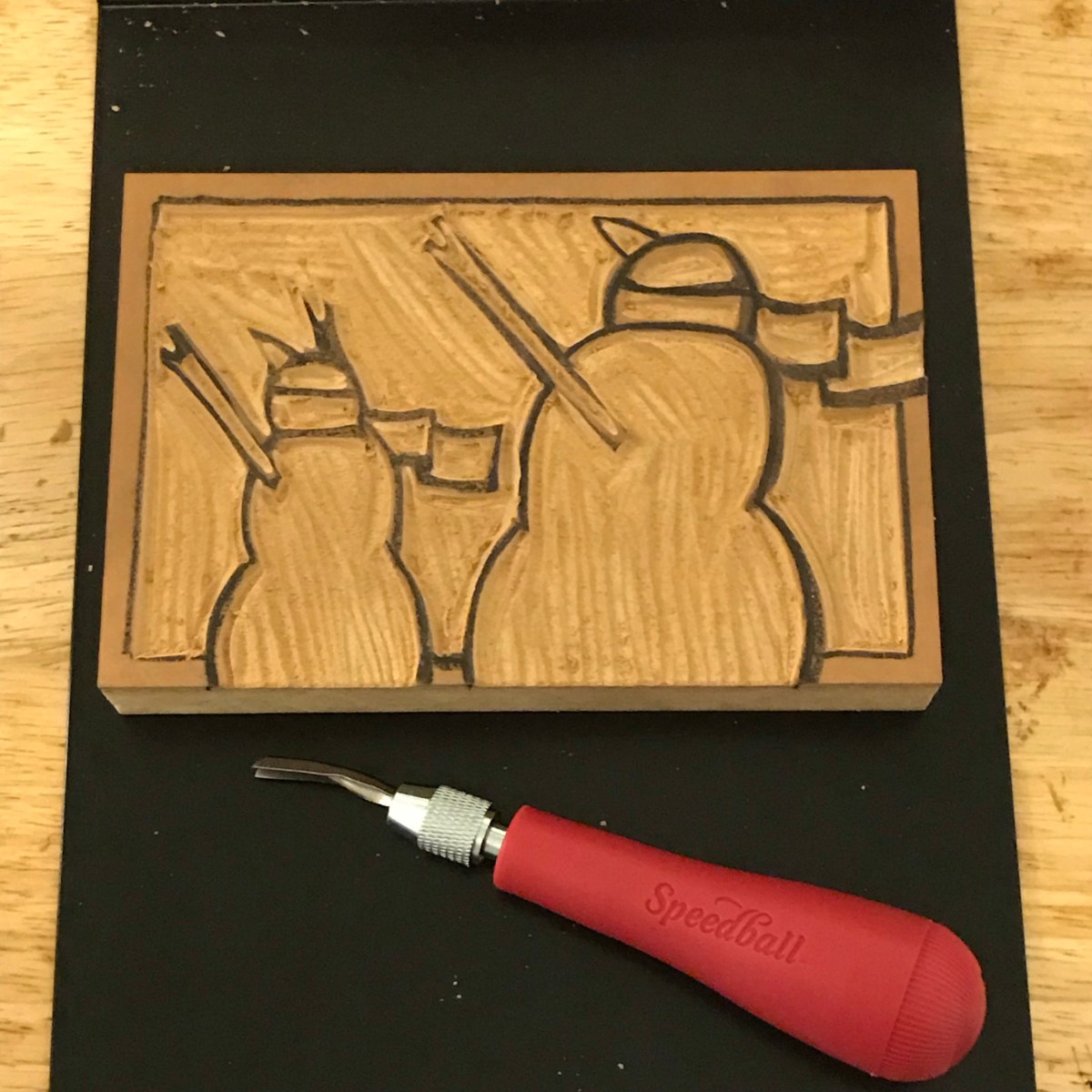
 Corvid Sketcher