Image

The Appalachian Trail

“Maine is deceptive. It is the twelfth smallest state, but it has more uninhabited forest-ten million acres-than any other state but Alaska.”

A Walk in the Woods

Bill Bryson

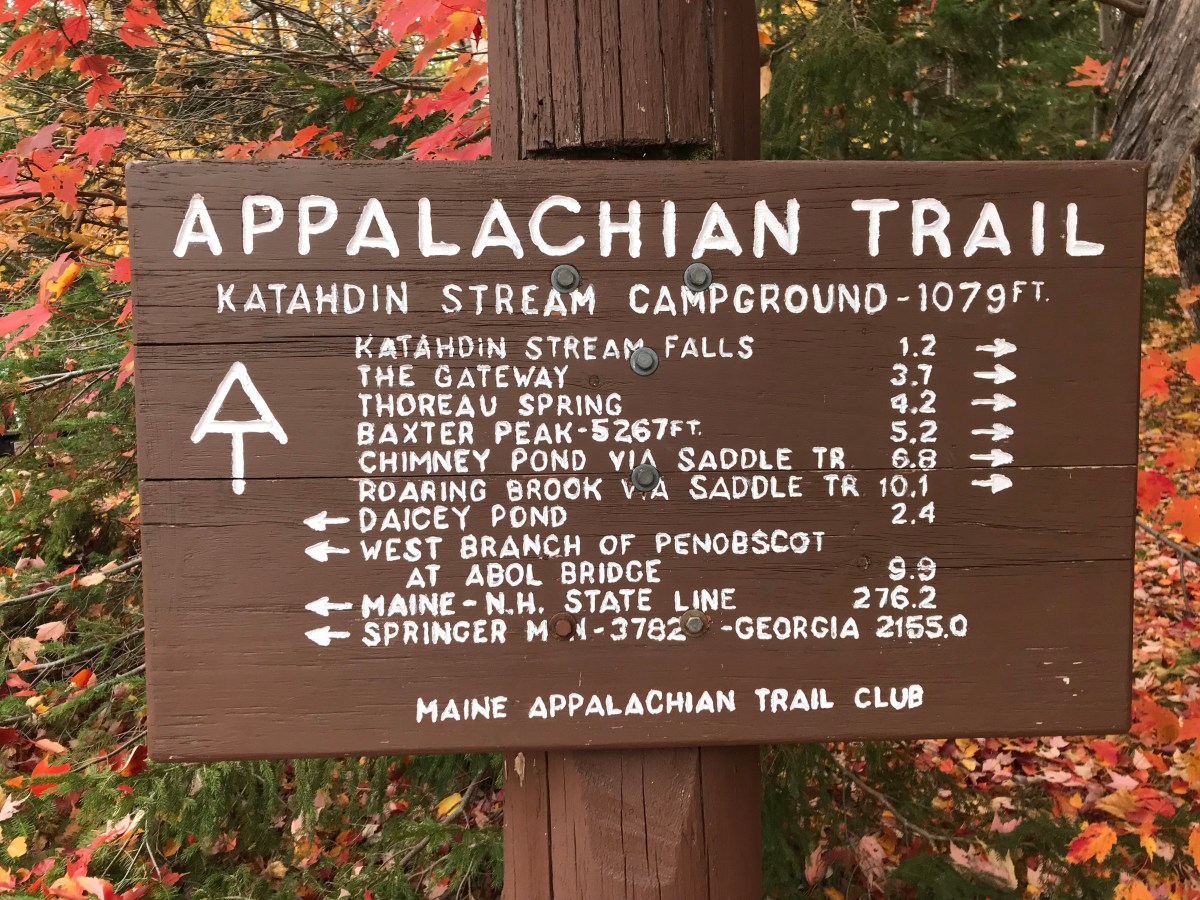
The first time I crossed the Appalachian Trail or the AT as it is also known, I was on the Mt. Washington Railway climbing to the summit. The second time I crossed the Trail, was 5.2 miles from it’s ending on the summit of Mt. Katahdin in Maine’s Baxter State Park.

For the about 400 Thur-hikers, who have hiked the entire 2,200 miles in one season, this is the last part of their long journey ending at Baxter Peak at 5,267 feet. They would have started sometime in the early spring at Springer Mountain in Georgia and passed through 14 states. Through that journey, their elevation gain and loss is the equivalent of ascending and decending Mt. Everest. . . 16 times!

IMG_3361

I walked a short way on the AT, found a rock, sat down, and sketched. The sketch I created was a loose, gestural representation of the trail that stretched out into the woods before me. I used my dark sepia brush pen and I sketched quickly. I had to because I felt the first few drops of a passing sprinkle. The weather changes here at Baxter very quickly and I wanted to get the bare bones of my sketch down before the rain.

Now I can say that I have walked about 100 yards of the 2,200 miles of the AT. Well that’s a start anyway.

Image

Sandy Stream Pond

I left the Up Back Cottage in Lamoine at 5:30 AM (it was hard to leave such cozy digs). I had two wildlife targets for this early morning adventure. One was a small boreal species weighing half an ounce and the other was the largest deer in the world. Adult males can weigh in at 1,800 pounds and can be over six feet tall at the shoulder.

I was hoping to kill two birds with one stone (forgive this tasteless idiom) on a single hike in Baxter State Park. The hike was on the eastern shore of Sandy Stream Pond which is in the shadow of Maine’s highest peak: Mount Katahdin (5,267 feet).

I hit the trail by 8:30 after signing in at the trailhead. Baxter is some serious wilderness and many hikers attempt to summit Mt. Katahdin and you had to be aware of the trails, terrain, and the quickly changing weather. Mortality can feel very close here.

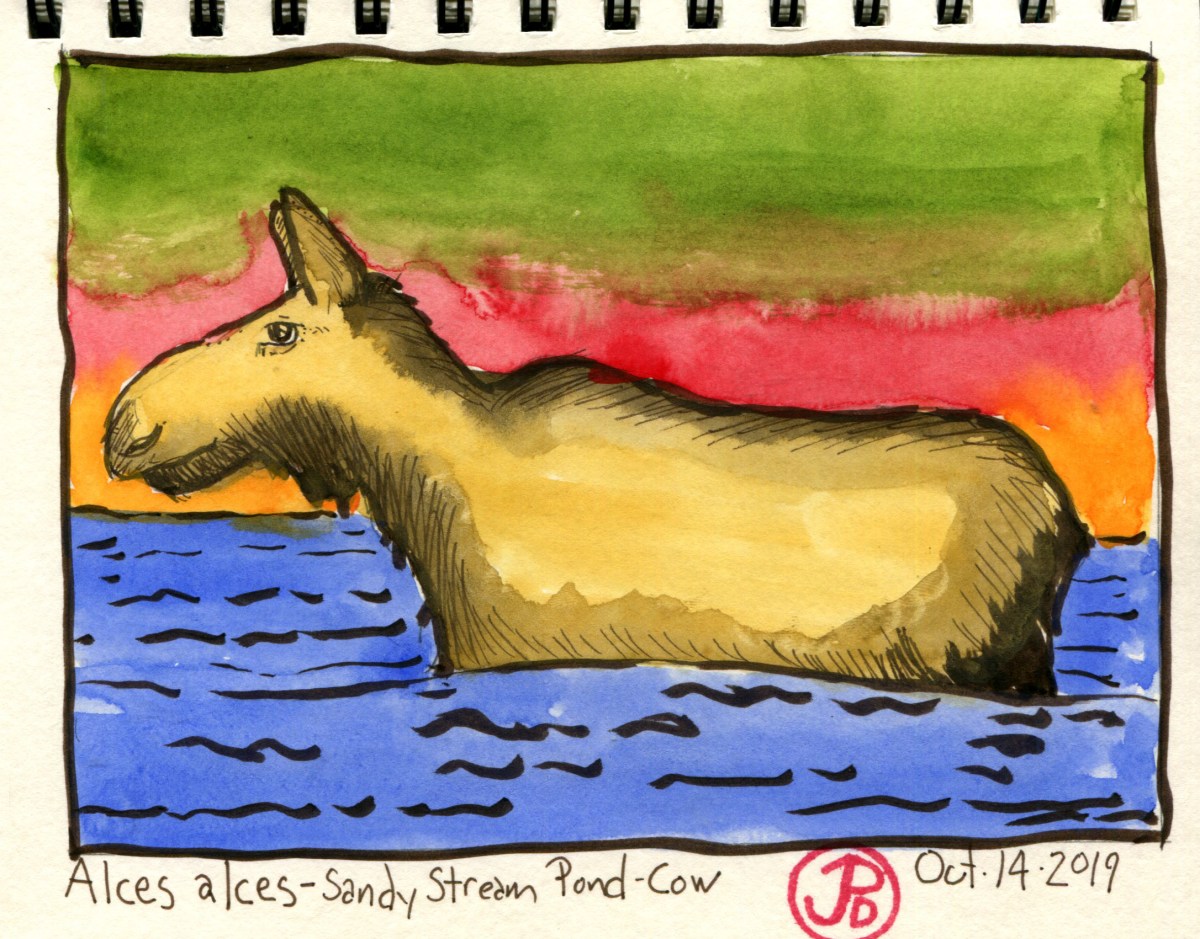
I crossed Roaring Brook and soon I could see the pond through the trees off to my left. At this point the trail was a wooden boardwalk above the boggy ground. I took the first left towards a viewing point. Once I had a clear view of the waters, I immediately saw two moose in the water near the far shore. A cow and her calf were grazing in the waters. Each time the cow raised her head from the waters, a small cascade of mountain water flowed down from her “beard”, like a small stream.

IMG_6250Moose cow at Shady Stream Pond. See, I’m not making these similes up, like a small stream.

I stayed and watched the cow and calf feed in the pond. This was the second time I had seen moose in the wild. The first time was two years ago. I had tried known hotspots in Grand Tetons National Park, arriving at the appropriate times (dawn and dusk) only to see a cow and a calf in the city park on my way out of Jackson. It was great to see moose in a more natural setting with long legs submerged in an icy mountain lake.

Sandy Stream

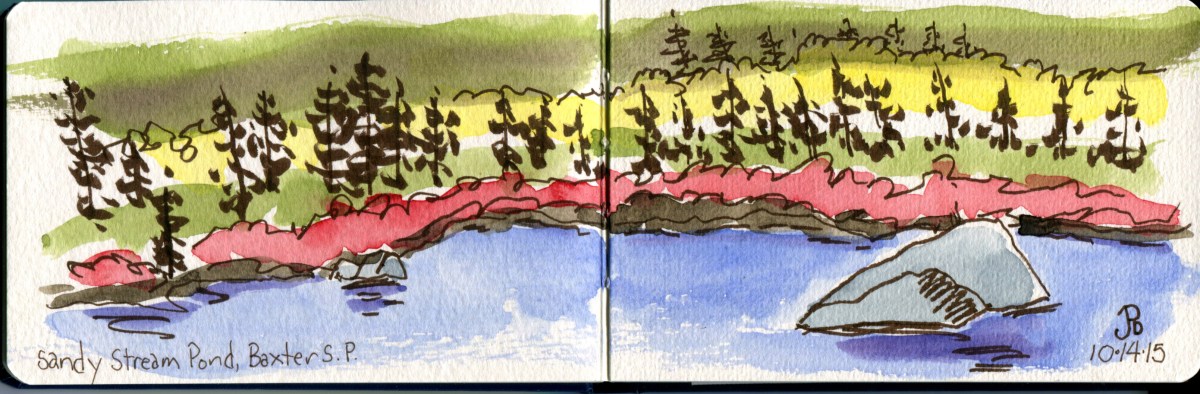
A quick sketch of Sandy Stream Pond with fall foliage.

After getting my fill of wild moose in an amazing backdrop of autumn reds, oranges,  yellows, and dark greens under the shadow of the peak of Mt. Katahdin, it was time to move on to look for a small bird that weighed as much as five pennies.

I continued north along the Sandy Stream Pond Trail towards the junction with the South Turner Mtn. Trail. The key to locating a boreal chickadee was to be in the right location (check) and to listen for the sounds of the more common black-capped chickadee. It’s call, chicka-dee-dee-dee, is onomatopoetic of it’s name, was the call I was listening for, because the boreal chickadee forms loose feeding flocks with it’s more well known cousin.

I was halfway along the trail from the Sandy Stream junction when I first heard the faint sound of a chickadee coming from within the mixed spruce to my right. In this case a black-capped. I headed off the trail and weaved my way through the trees trying to locate of the flock, willing to hear the “gargle” call of the boreal.

Much pishing and other hopeful noises brought in a few black-caps. This was a good sign. And then a few other birds came in with calls that seems a little similar but not quite right. It was different enough. And one of these chickadees flew in to a branch above my head and I was able to get a few photographs.

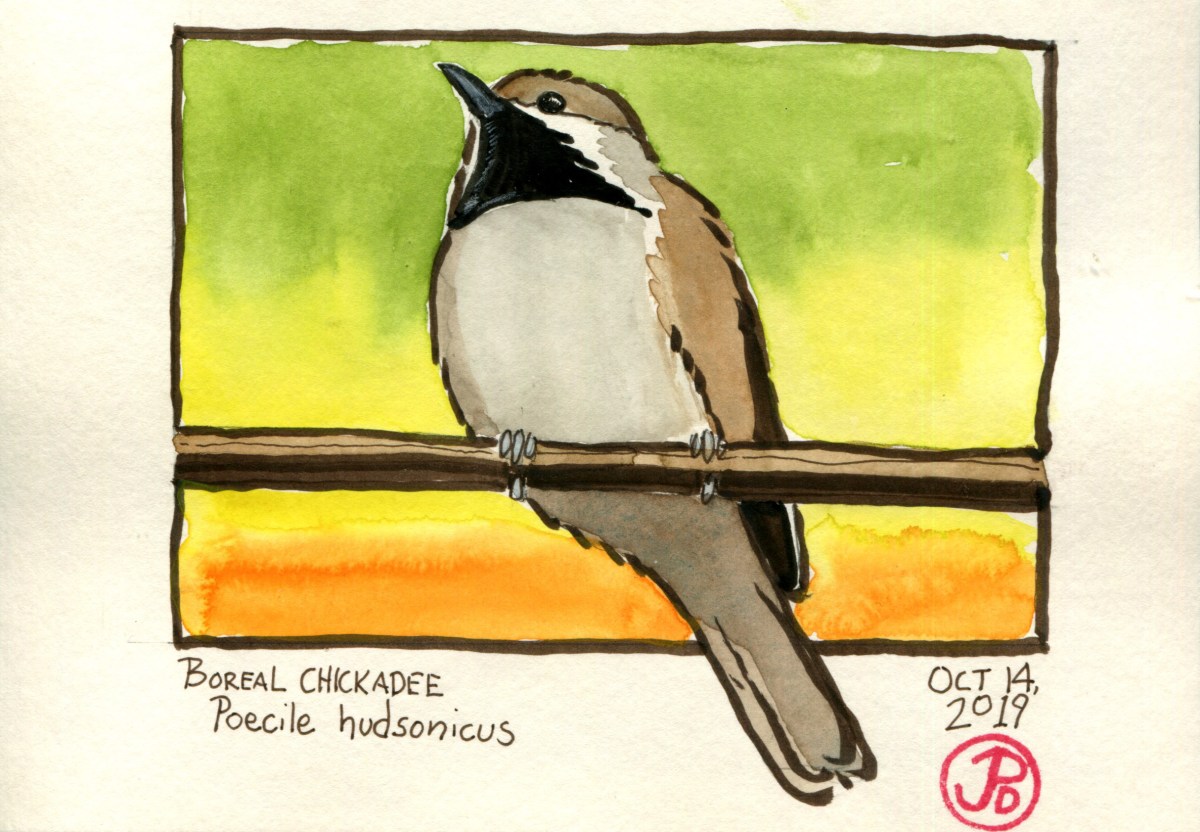
IMG_6275Above is the first photo that I captured of the mystery bird. The key fieldmark that distinguishes a boreal from a black-capped is that the boreal has a brown cap. The bird was looking to be the bird that I was looking for. It clearly had a brown and not black cap. The Audubon Bird Guides noted the boreal chickadee, “has gained a reputation as an excessively elusive bird.” This bird was elusive no more! Lifer!

IMG_7169

Image

A True Friend and a Good Writer

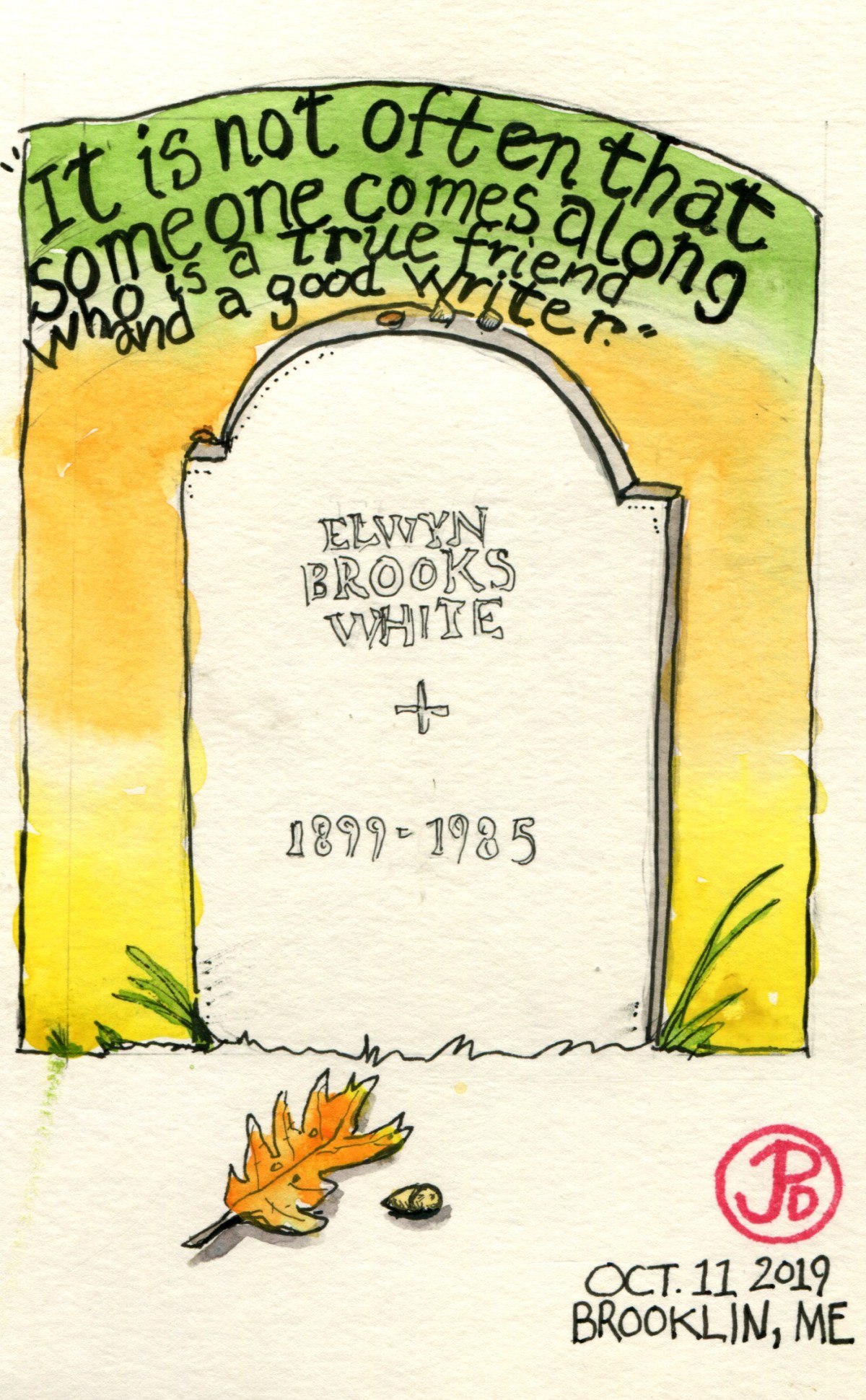
“It is not often that someone comes along who is a true friend and a good writer.”

To escape the tourists and the leaf peepers in Acadia National Park, I headed west and then southwest to the tiny rural town of Brooklin, Maine and it’s tiny cemetery. I was here to visit another writer and this was a writer that is close to my heart. He instills a lifelong love of reading in many 3rd graders around the world. He has written books that are still read by thousands to this day. I had read his books in my youth and loved them.

When I arrived, after an hours drive from Acadia, after an unsuccessful attempt to sketch Bass Head Light, I saw the Brooklin Cemetery on the left, across the street from the white church. I got out and searched the headstones. I didn’t know where the grave was located but I was going to search until I found the tombstone I was looking for.

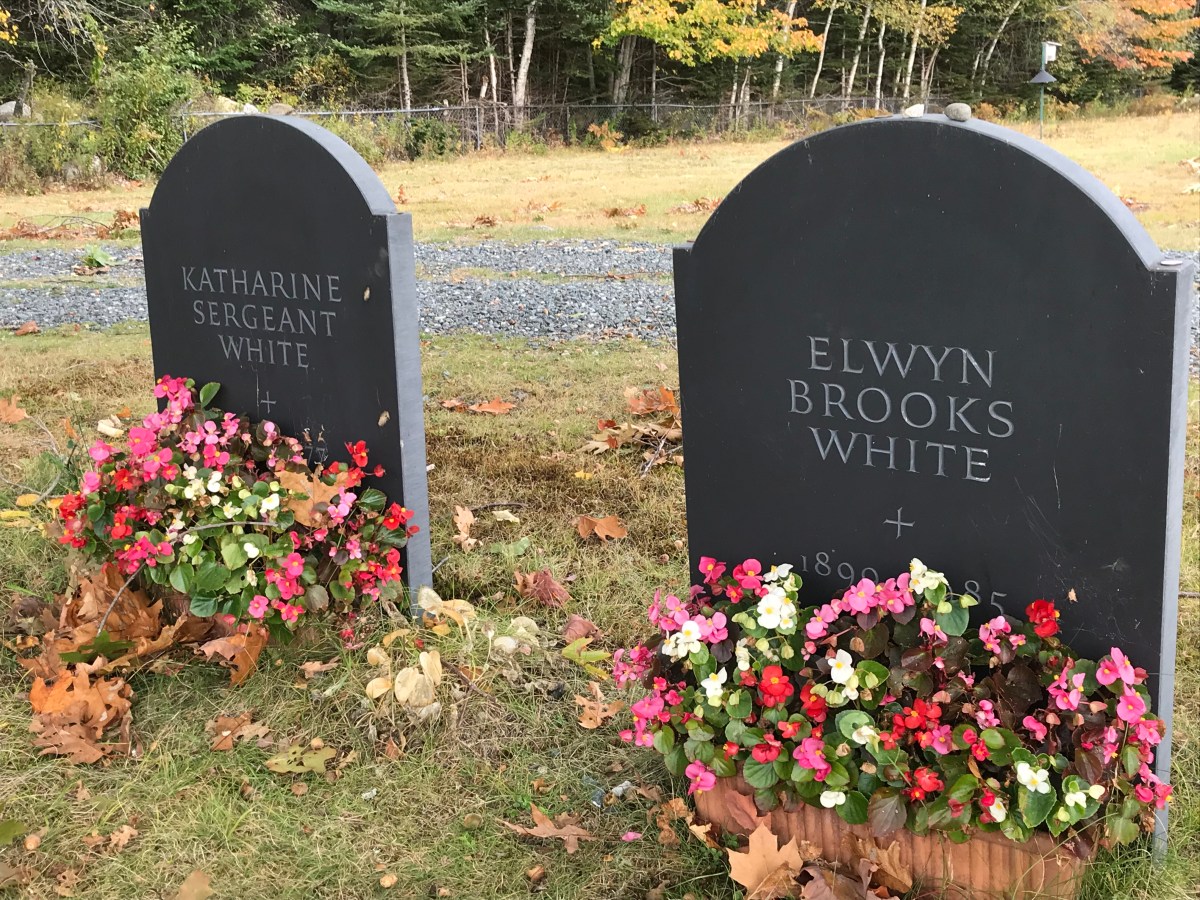
At the end of the cemetery, under an oak that had not yet put on it’s autumnal vestments, were two identically shaped dark tombstones. The one on the left was Katharine Sergeant White. The stone on the right was the one I was looking for. The name read: Elwyn Brooks White 1899-1985.

The headstone was very plain and without any words beyond his name and dates, which seemed odd for a writer’s grave. The only sign that this was a person of note was the two rocks and penny that rested on the top the marker’s arch. In the lower corner, there was a spider’s web attached from the gravestone and the flowers, it was also without words and I resisted the urge to clear the web from the stone, leaving it untidy. After all this could be Charlotte’s web.
IMG_3184

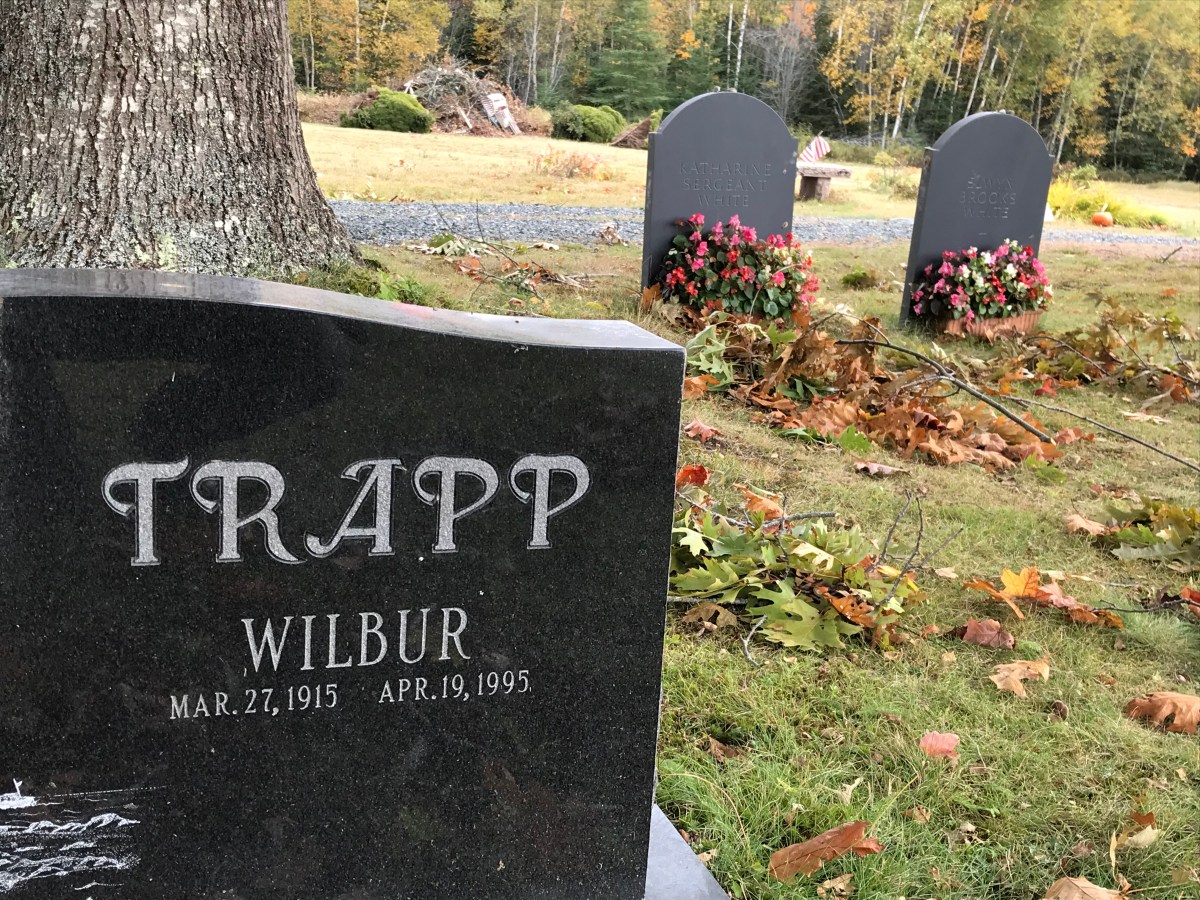
The White’s headstones in the background and the headstone with “Wilbur” in the foreground. Uncanny.

Elwyn Brooks White, known to his many readers as E. B. White, spent 48 years his life in this part of coastal Maine. He is known for the writer manual The Elements of Style and two children’s books: Stuart Little and his masterpiece, Charlotte’s Web.
IMG_3188

Andy now rests next to his wife, who died eight years earlier. White’s fear of crowds meant that he did not attend his wife’s funeral.

In 1933, White, who was known to his friends and family as Andy, bought a farm in coastal Maine on Allen Cove, just south of Acadia National Park, in the town of North Brooklin. White and his wife, Katherine, who was The New Yorker’s first fiction editor, spent much of their time at the farm both farming and writing.

The farm, barn, and farm animals became the inspiration for his greatest work. He wrote Charlotte’s Web here and in the boathouse where he often wrote with a view of the Atlantic and the highest point in Acadia National Park, Cadillac Mountain.

White relished his role as a gentleman farmer and he was shy and shunned his ever growing fame. When his wife Katherine died in 1977, he he did not attend her private burial service at Brooklin Cemetery. As Michael Sims noted in his wonderful book, The Story of Charlotte’s Web: E. B. White’s Eccentric Life in Nature and the Birth of an American Classic:

 Knowing Andy’s aversion to public events, no one had been surprised or upset. Now his legendary fear of crowds became part of his own memorial service. “If Andy White could be with us today,” Roger Angell (his stepson) said to the assembled family, “he would not be with us today.”

One touching episode that happened towards the end of White’s life, when he was either suffering dementia. His son Joe, would read to him from his own books and essays. He would often get confused and not remember who wrote the words. Sims writes of Andy:

. . .he would stir and look at Joe and ask again who wrote what he had just read to him.

“You did, Dad.”

Andy would think about this odd fact for a moment and sometimes murmur, “Not bad.”

I stood before the stone and did a quick sketch. Before I headed back to the car I took out a penny from my pocket and placed it on the tombstone. “Thank you”, I said.

“It is not often that someone comes along who is a true friend and a good writer. Charlotte was both.”

Last two sentences of Charlotte’s Web

-Elwyn Brooks White

Image

The Masked Night-Bird

“I’m sittin’ on the dock of the bay
Watchin’ the tide roll away, ooh
I’m just sittin’ on the dock of the bay
Wastin’ time

I left my home in Georgia
Headed for the Frisco Bay”

(Sittin’ On) The Dock of the Bay

Otis Redding (written on a houseboat in Waldo Point, Sausalito)

It somehow seems appropriate that a masked night-heron was seen on the week of Halloween. It was found among the house boats in Sausalito and it took me two attempts to add this to my Marin County list. I first had this bird as a lifer in Florida.

The common black-crowned night-heron is easy to find on the west coast but the yellow-headed night-heron (Nyctanassa violacea) has only been seen two other times in Marin County.

When I heard that the bird had been reported, I made my first attempt after work with only about an hour and a half of daylight to try to find this heron. It was very problematic because they were many places amongst the houseboats which the heron could hide and were privately owned in a lot of places I could not explore. I had to depend on the heron choosing to perch out in the open on a wooden pylon, like have been previously reported. Sometimes you go to where with the bird was seen last, but after all, birds have wings, and may not be where they were last seen. Such was the case on Tuesday and I looked for a good hour and a half without any success.

On Wednesday it has of been seen earlier and I tried to leave a little early to give myself more daylight for a longer search. This proved to be very frustrating because I went to all the places that the heron had been seen, a few hours before, as I did the day before but without success. It was very frustrating to know that the bird was somewhere but just in some location where it could not be seen clearly.

I kept researching the same areas, willing the bird into existence. I walked out on a public path, between the marina and the northern most row of houseboats. I check and recheck every wooden pylon between each houseboat, again.

On my way back I spotted a bird, perched on a pylon, tucking in between two houseboats. Black mask, white cheeks, and yellow crown. This was the bird I was looking for! Yellow-crowned night-heron!

The heron flew out to a pylon in the open as if announcing itself to the world. Now I was looking at the bird is superb light. It appeared that the heron would be there for a little while, warming itself before its nocturnal forage. So I pulled out my sketch book and did two field studies.

Field sketch in my Delta Series Stillman & Birn softcover journal.
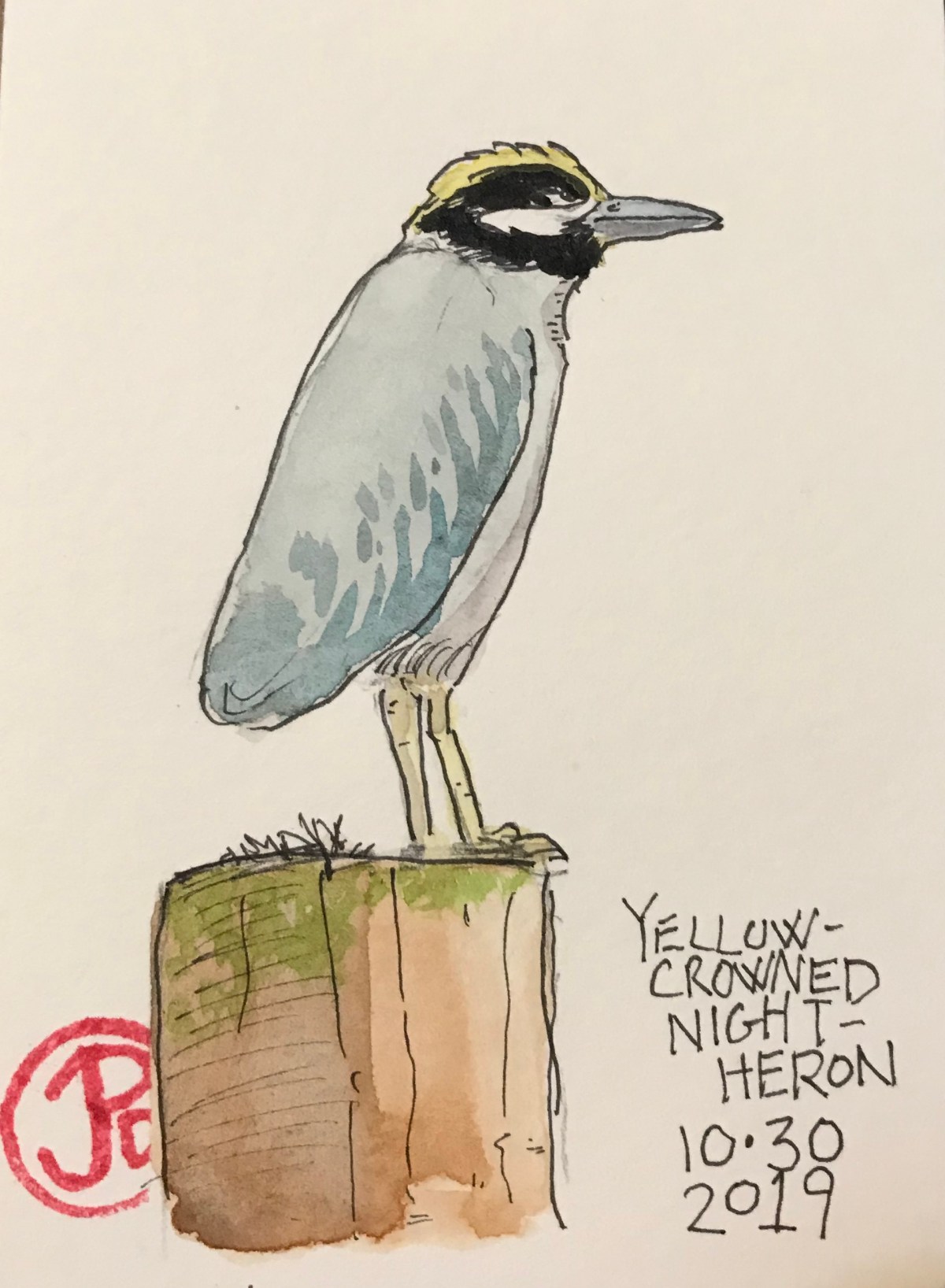
The heron stayed in view for about 15 minutes before flying off to the west to another pylon at the edge of the mud flats. It was time for dinner, for both of us.

IMG_3542

Image

The House of King, Happy All Hallow’s Eve

“Abruptly he started the car and put it in gear and drove away, trying not to look back. And of course he did, and of course the porch was empty. They had gone back inside. It was as if the Overlook had swallowed them.”

-The Shining

Stephen King

On my way out to Acadia National Park from New Hampshire, I made a little detour to Bangor, Maine. With a population of 33, 039, it is Maine’s second largest city, losing out to Portland (population 67,067).

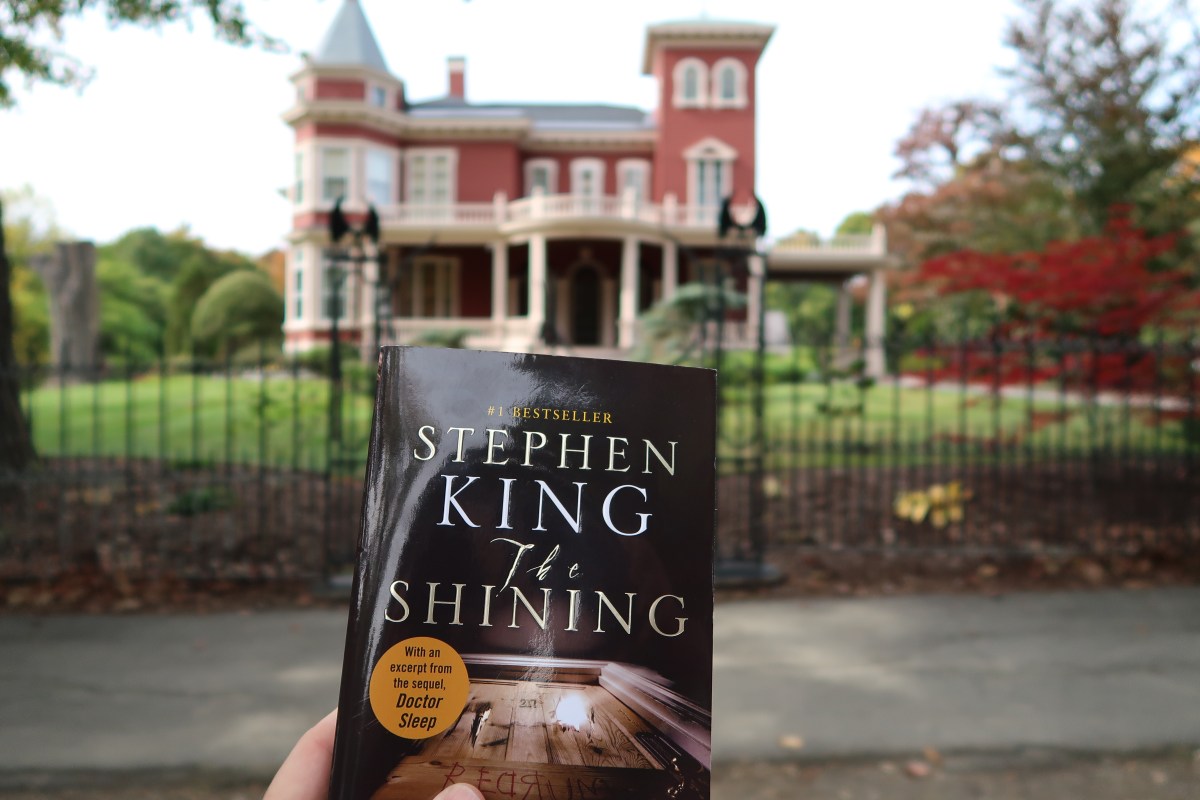
The landmark I wanted to visit was just off the interstate on a tree lined residential neighborhood. The houses that were set back from West Broadway were large, speaking of the wealth that once created these mansions, most of them built by lumber barons, the  once key industry of this area.

I was here to see the house of a millionaire that made his name in paper goods. Both writing paper and printing paper. All trees at one point, so a lumber baron of a different nature.

As I drove up, there were already eight people standing in front of this Maine landmark. They seemed to be holding guidebooks in their hands, or sometimes clutched them between armpit and arm as they took pictures of the house. All were smiling and excited to be there. One couple had come all the way from Italy.

But these were not guidebooks they were holding but the paper products that the owner produced. Not lumber, or furniture or boats but books. Just books. And this literature major loves books!

IMG_6998

This was the house of King, author Stephen King. He is one of the most popular and prolific writers of the last 40 years. He has sold over 350 million copies of his books! Many of his books have been made into popular films including Carrie, The Shining, Stand By Me, and The Shashank Redemption, to name a few.

This was the best time to visit the King of Horror’s house in the autumn, the time of the dying of the leave as October paced towards All Hallow’s Eve.

Happy Halloween!

Image

West Coast “Snow Day”

PG & E gave me a gift by cutting off power in the Highlands neighborhood because of high winds and dry conditions. I found out late Sunday afternoon that we would be without power and school was cancelled. Call it a Bay Area “snow day”.

The Kincade Fire in Sonoma County was making San Francisco smell like a camp fire so I planned to get out of Dodge and head south, on Highway One, and bird some of my favorite places in San Mateo County: Devil’s Slide (it was closed), Fitzgerald Marine Preserve, Pillar Point, Tunitas Creek Beach, Pigeon Point, Pescadero Beach, Ano Nuevo, and Gazos Creek Road. I have birded some of these locations for almost 20 years and they are always points of solace and repose. And some amazing birds and wildlife!

I started the morning with breaking the fast at Java Beach, across from the San Francisco Zoo on Sloat Boulevard. My first planned stop was Devil’s Slide. The gates to the parking lot were closed. Driving through Pacifica told me why. The power was out and all hands where helping to direct traffic at intersections where traffic lights where down, which meant all of them.

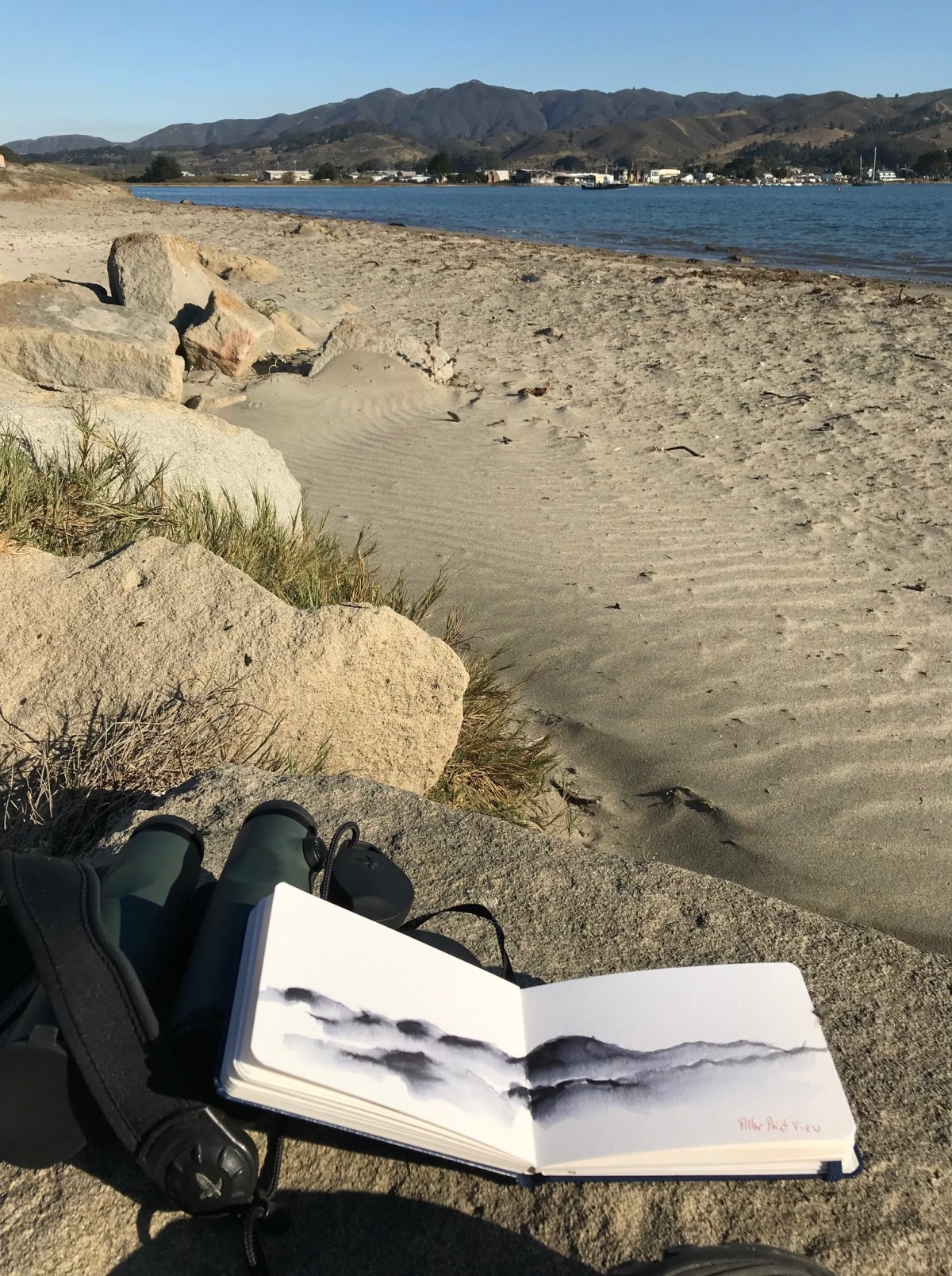
I drove on to Pillar Point and walked out to the point. Highlights where common loon (I just saw this species on Squam Lake in New Hampshire), red-breasted nuthatch, spotted sandpiper (which I’m always surprised to see, not sure why), and brown pelican. Brown pelican is such a common bird on the west coast but we should never forget how close to extinction this species was (because of DDT). This is such an amazing bird to see in flight. Let’s not forget the power of the commonplace.

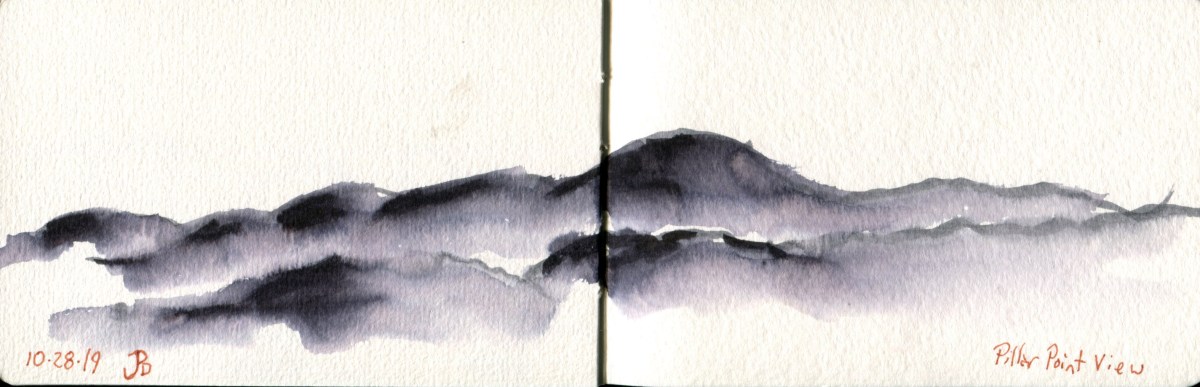
I sat back against the rocky levy and did a loose sketch of the hills (the Coast Range as I teach my students).

IMG_3521

The view from Pillar Point, looking northeast.

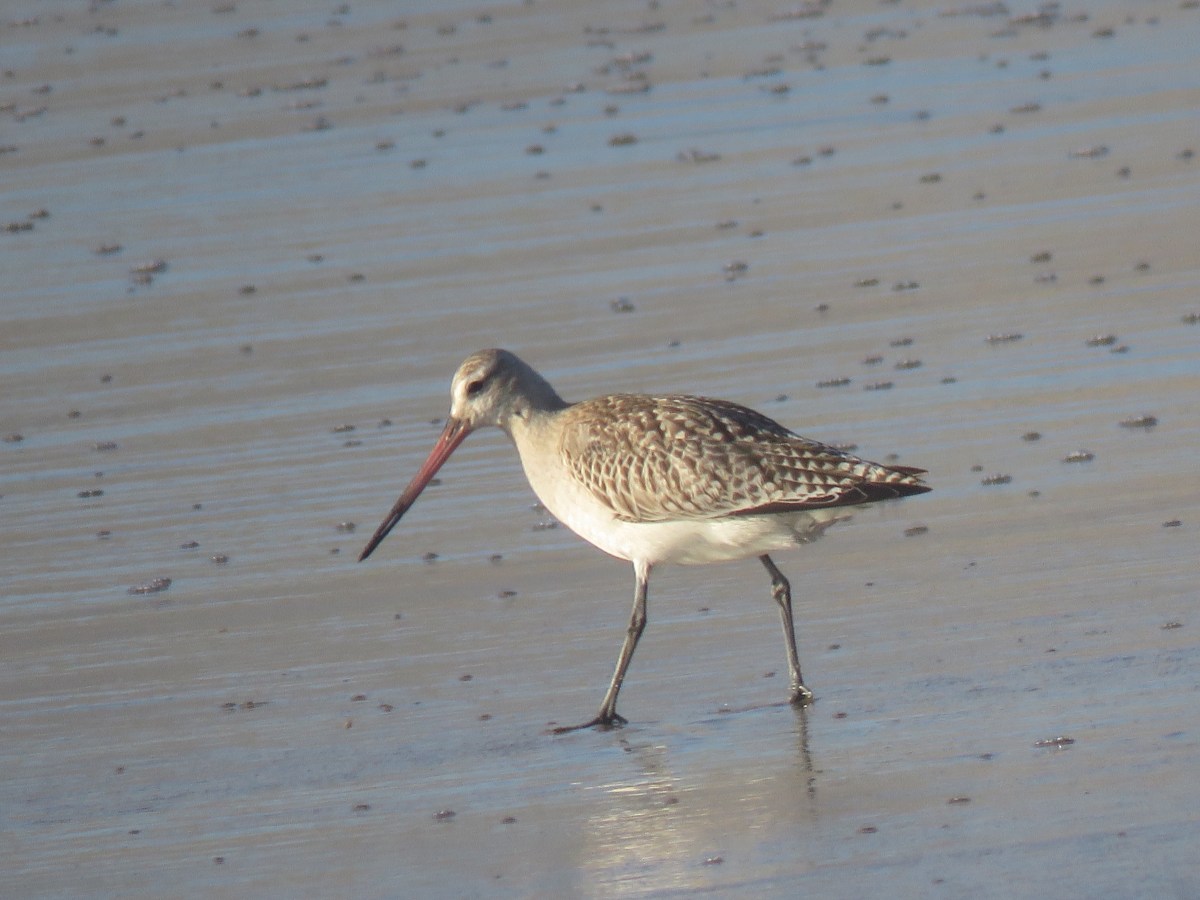
My next stop was Tunitas Creek Beach, where a week ago I have seen the Bar-tailed godwit. This rarity had flown but was now replaced by the Hudsonian godwit that was associating with a group of marbled godwits. I was joined by four other birders from the Sierra Nevada who were out on the coast to see a west coast rarity. And I was happy to point it out to them.

IMG_6882The Hudsonian godwit (left) and two larger marbled godwits on Tunitas Creek Beach.
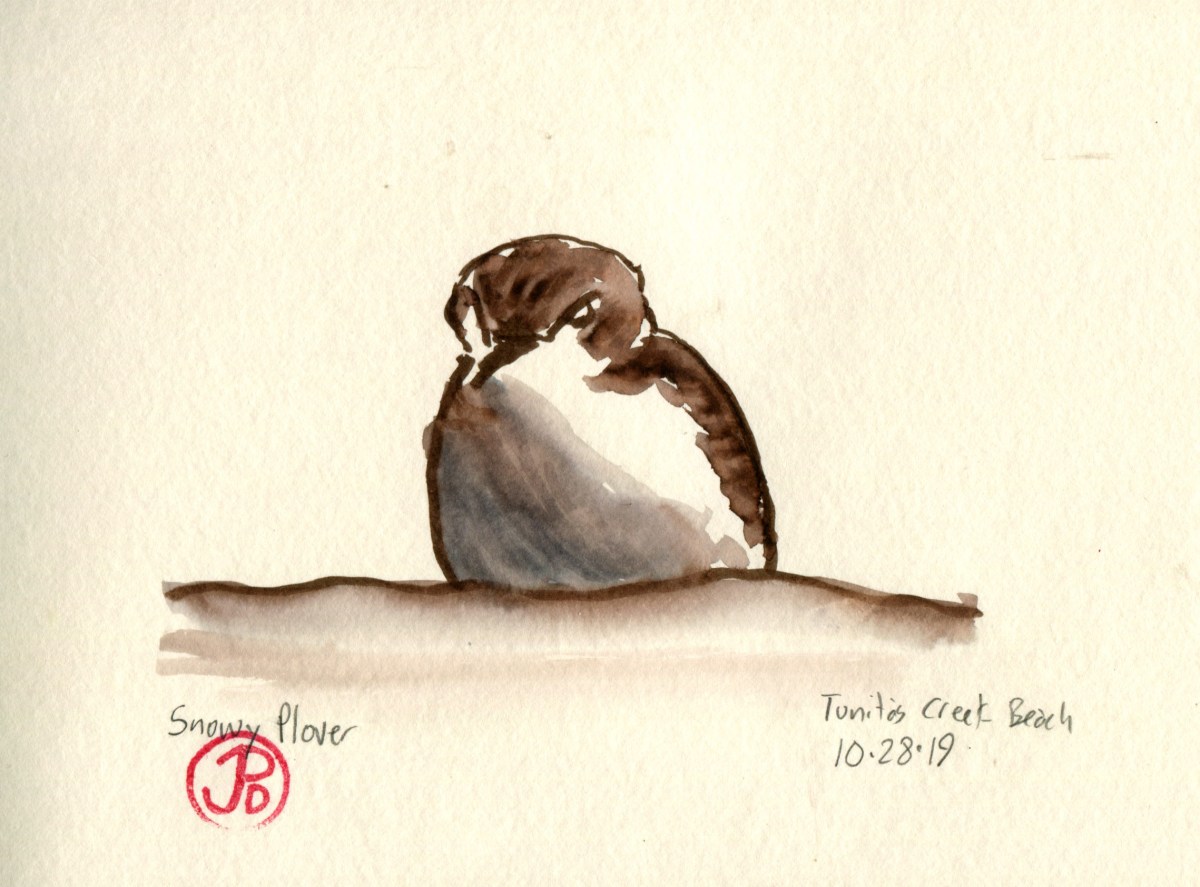
S Plover

Pen brush field sketch of a snowy plover on Tunitas Creek Beach.

I headed further south and my main focus on the open plains of the San Mateo Coast was raptors. I found red-tailed hawks, American kestrel, northern harrier, white-tailed kite, but no ferruginous or rough-legged hawks. I  had seen a roughie  on October 18 at this location.

IMG_6315I found this rough-legged hawk as I was driving south to my cabin in Santa Cruz. This is an infrequent bird for San Mateo County and I’m glad some birders got to add it to their county list. On my return visit, I did not see the hawk.
Image

Up Back Cottage

A refuge from the masses of one the the East Coast’s most populated National Parks, especially with fall foliage at it’s peak, was my rented cottage, 30 minutes away in Lamoine. The cozy dwelling is what we would call a cabin on the west coast. And the “Up Back Cottage” certainly made me feel like one of the East Coast “rusticators”, albeit on a much smaller scale.

All of the lumber used to construct the cottage was milled from trees on site, leaving the exposed beams and paneling with a rugged roughness.

Downstairs was a framed in porch which was not used much considering the fall temps creeping into winter.  The living room was  furnished with a cozy couch, a reading light, and was stocked with books. A few favorites:  Peterson Field Guide to Eastern Birds, You Need Help, Charlie Brown by Charles M. Shultz, Abolition Democracy by Angela Davis (I am a Slug after all), and The Tao of Pooh by Benjamin Hoff. The kitchen was fully stocked and fitted with a four-burner, gas range which was perfect for cooking and staying healthy.

The bedroom was in a loft, accessible by a ladder. Under the A-framed roof, windows filled the space with light, setting nature’s alarm clock. Get up and get out and see the world! (And to find parking at any of Acadia’s most popular sights.)

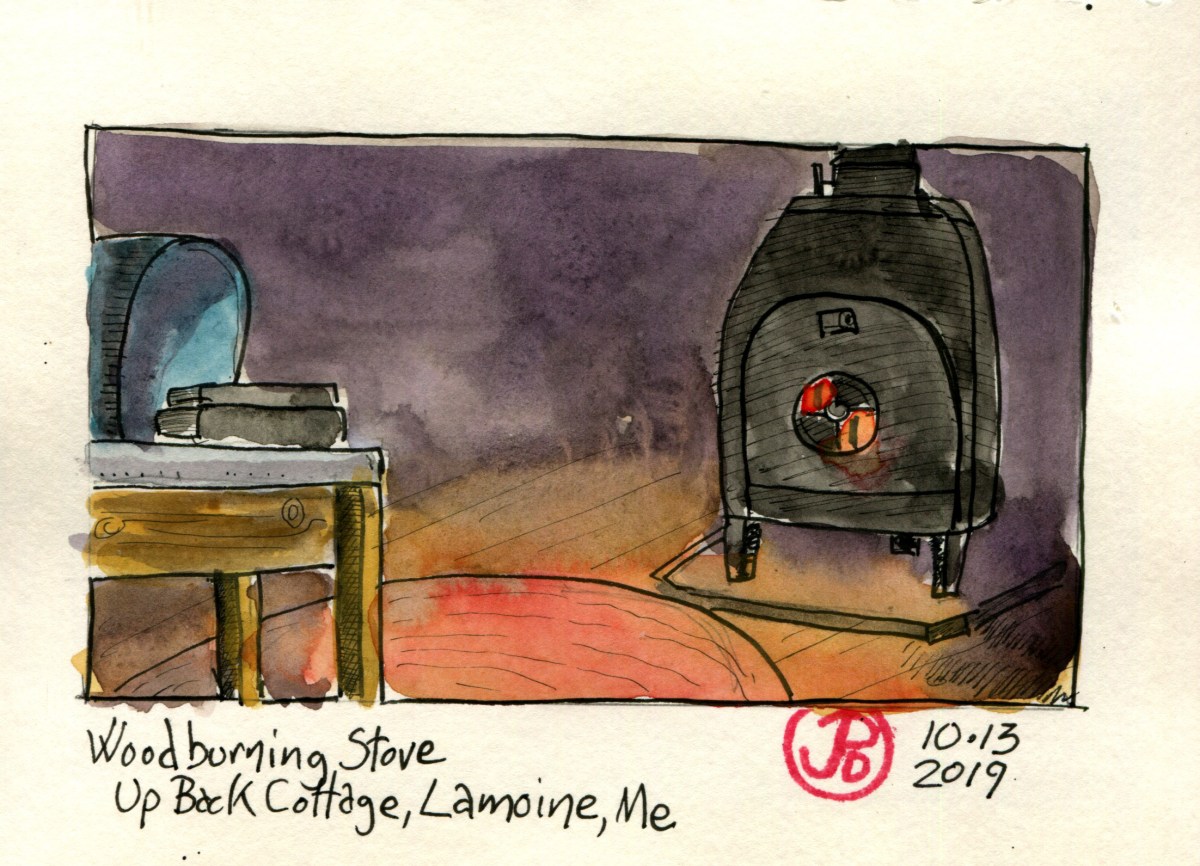
If there is one thing that stood out in the “Up Back Cabin” it was it’s only source of heat. I was the last guest of the season. Beyond October, you have colder temperatures, snow, and then the long Maine winter. The wood burning stove was great companion to my stay.

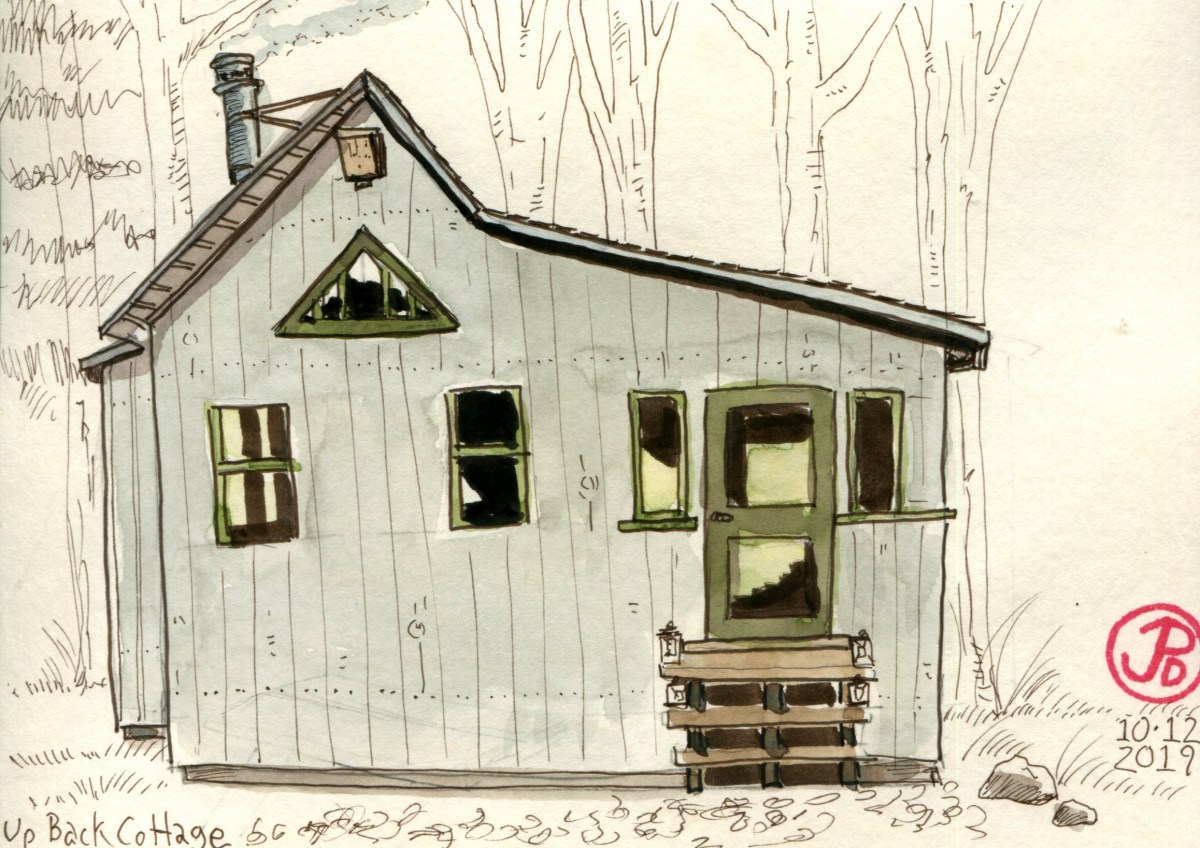
Upback

A sketch of the Up Back Cottage in Lamoine. The is a true cottage, unlike the mansions of millionaires in Bar Harbor which where hyperbolically called “cottages”. This is the real thing.

IMG_E3327Probably the most artistic entry I’ve ever made in an Airbnb guestbook. This dwelling really inspired me! 
Image

The Northeast’s Iconic Animals

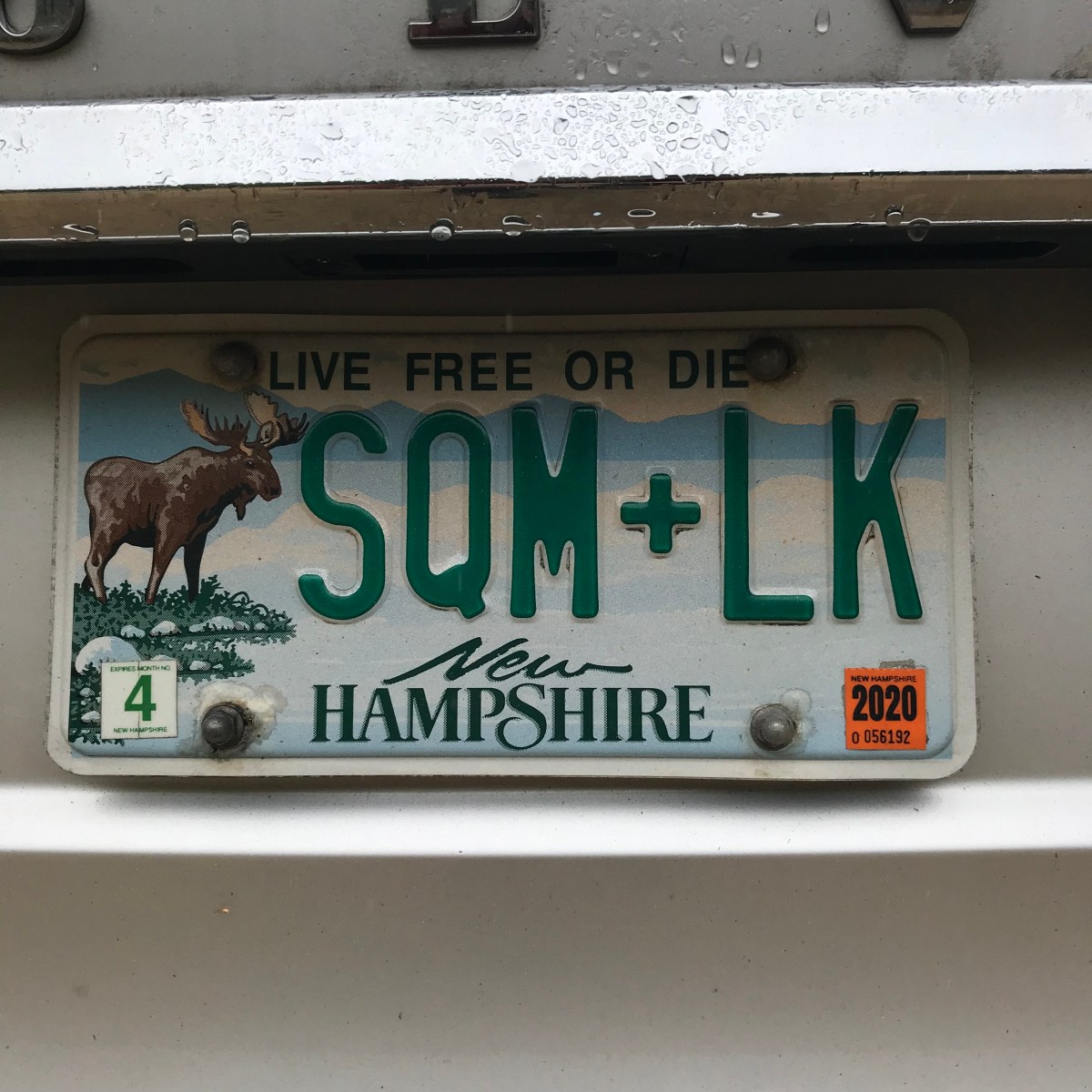
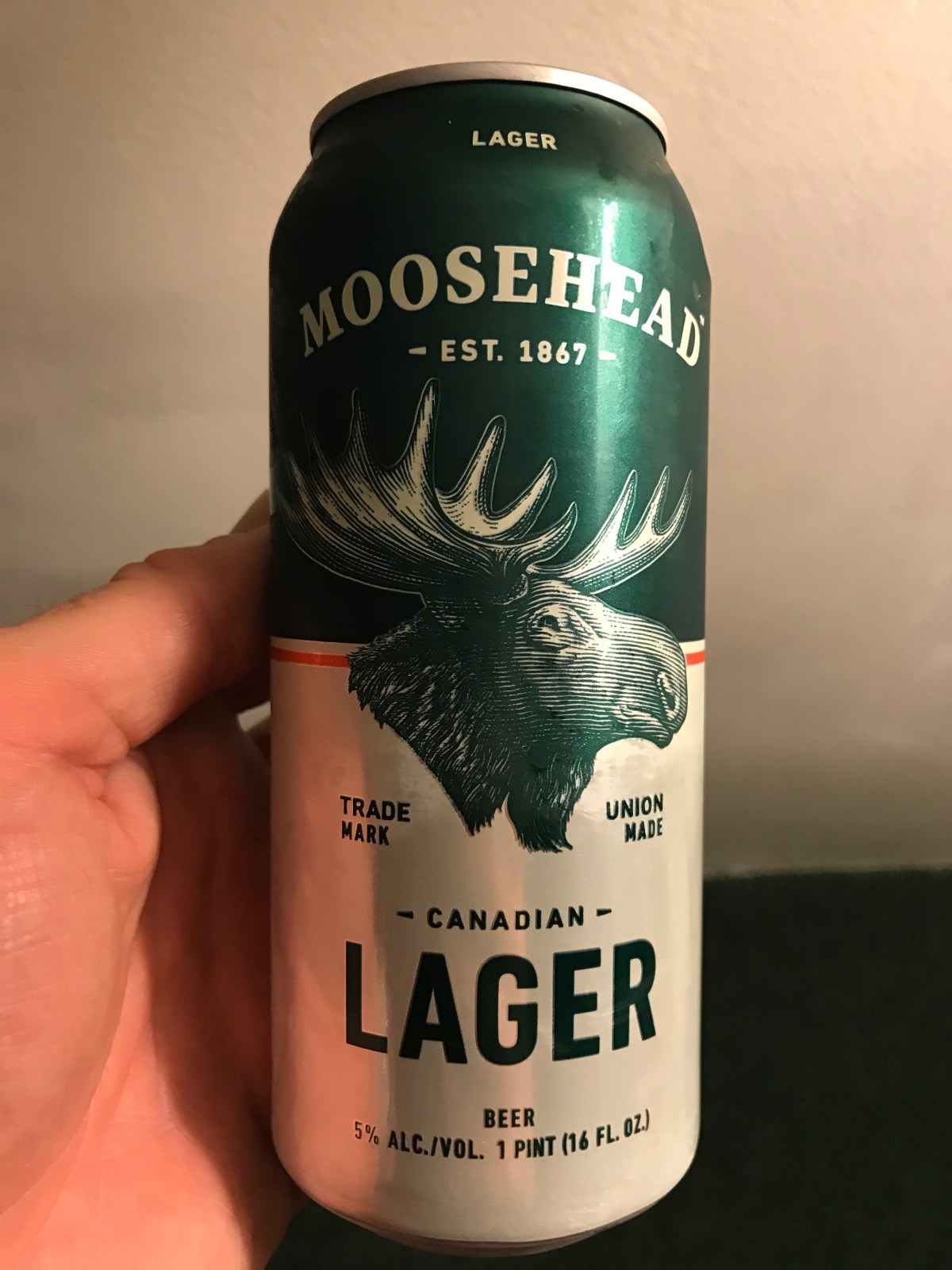
There are three animals that I saw on license plates, advertising, stickers, postcards, posters, and signage throughout my time in New England. In fact you could see all three represented on different license plates in Maine. They are: the common loon, black-capped chickadee, and moose.

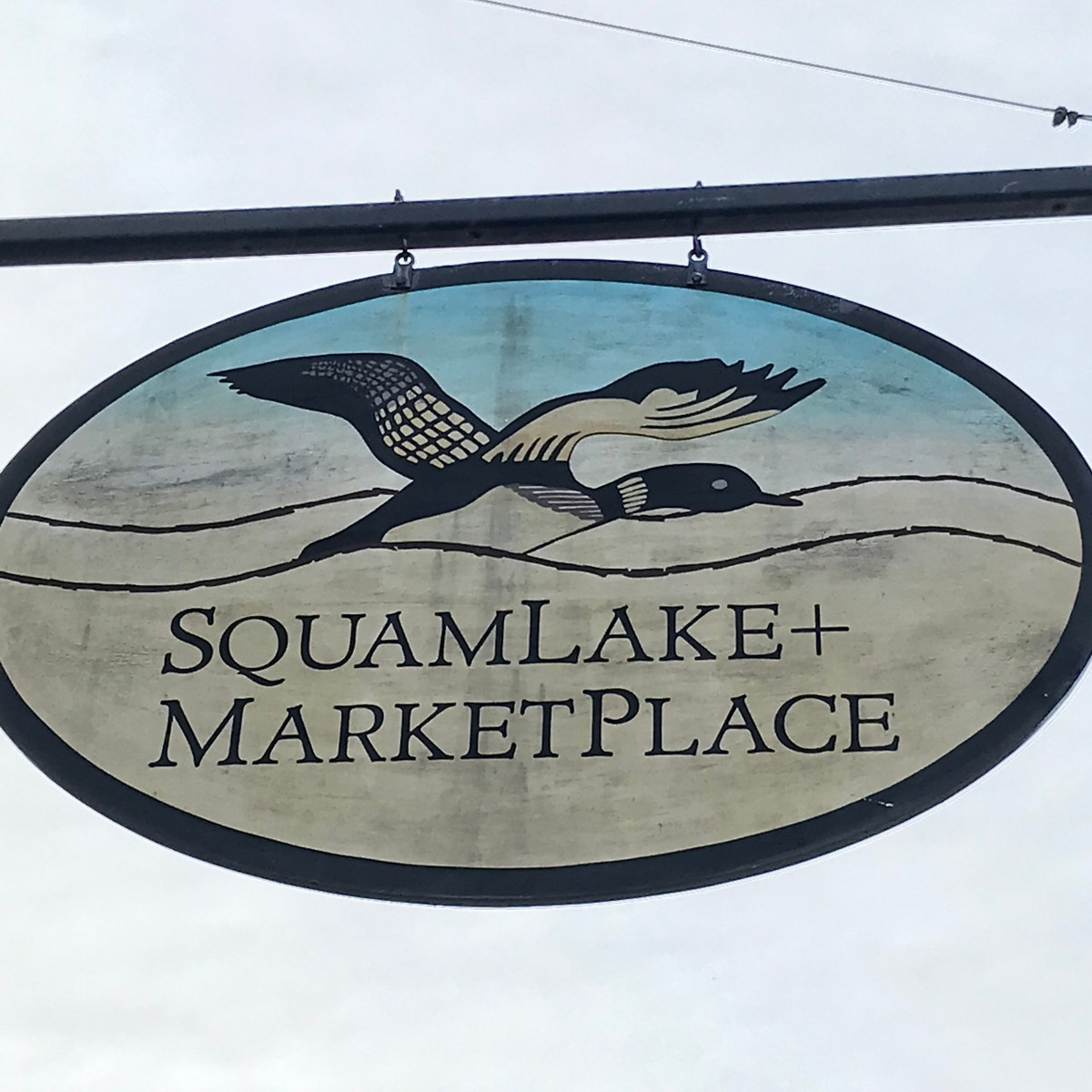
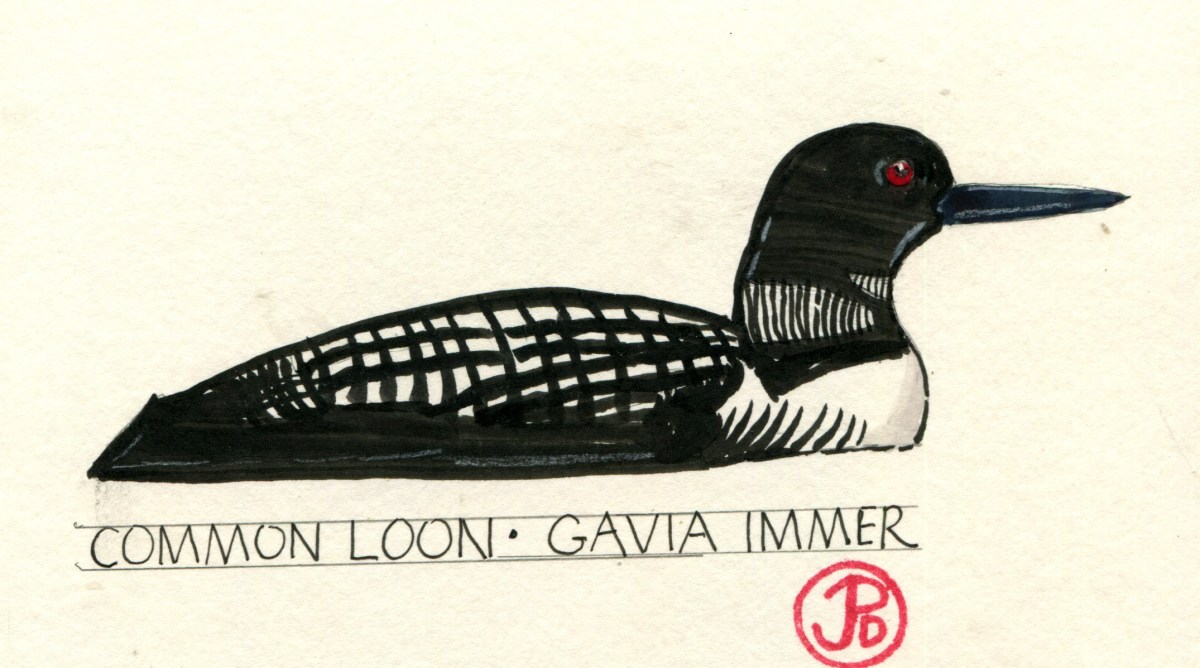
I had seen the common loon many times before because they spend their winters in the near shore oceans or harbors on both coasts. At this time they are sporting their drab winter plumage and not their iconic black and white checkered patterned breeding plumage which the loons in New England are always represented wearing . The density of loon representations was at critical mass in the Lakes Region of New Hampshire. It seemed like every store, inn and bed and breakfast that was anywhere near a lake, had a loon on their sign.

I had only seen loons on the ocean and never on a northern lake. On our Squam Lake pontoon boat tour we saw two small rafts of loons, the adult where still in their stylish breeding plumage. Soon the birds would be leaving the lake as the temperature got colder and the lake begin to freeze over.

Exhibit A, yet another loon sign!
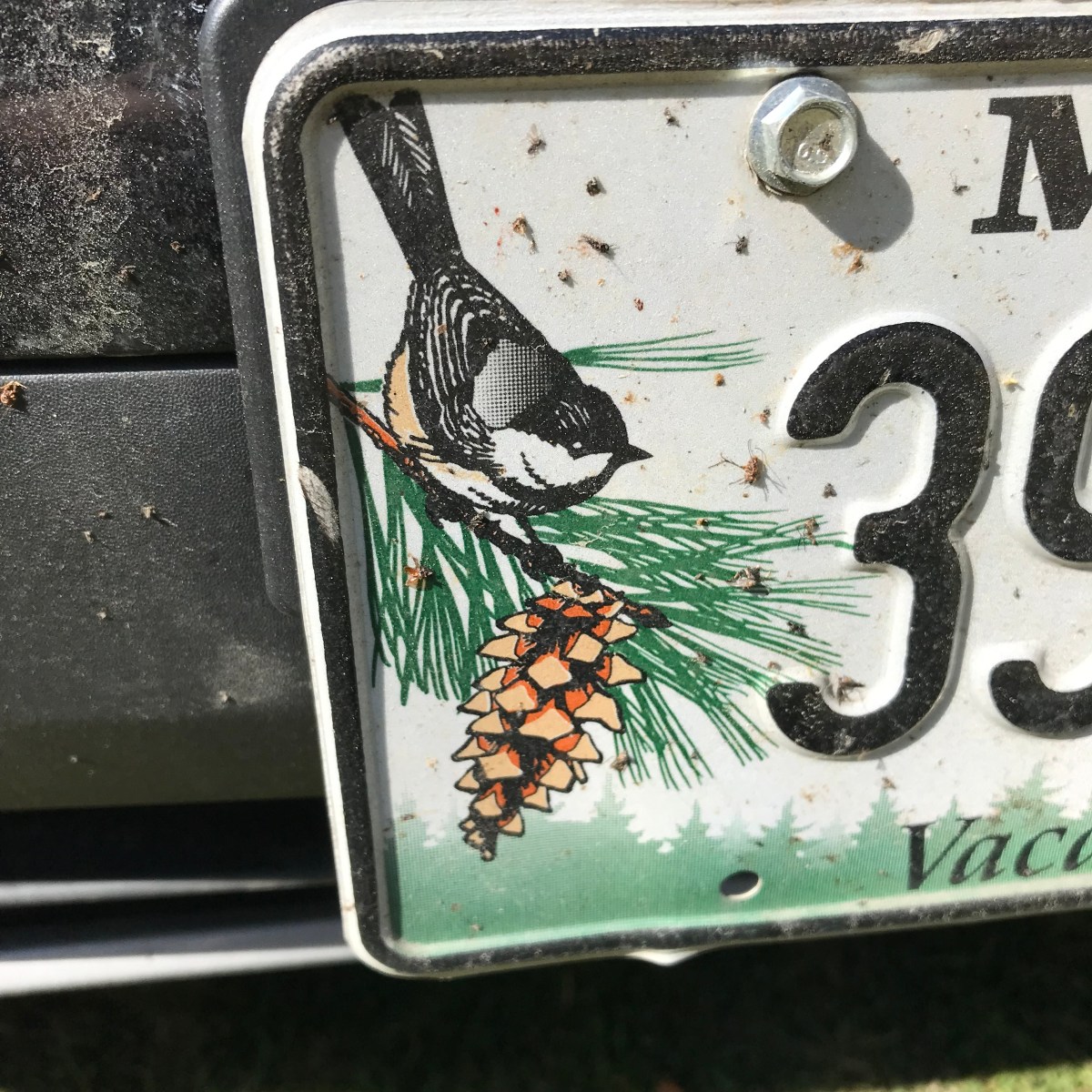
Another bird that I saw on many signs and license plates, especially in Maine was the common black-capped chickadee (Maine’s State Bird). I heard this bird’s well known “chick-a-dee-dee” call in both town and county. In fact the chickadees call was one of the most common calls I heard throughout my trip, except for perhaps the blue jay.

The black-capped chickadee license plate was the most common in Maine.

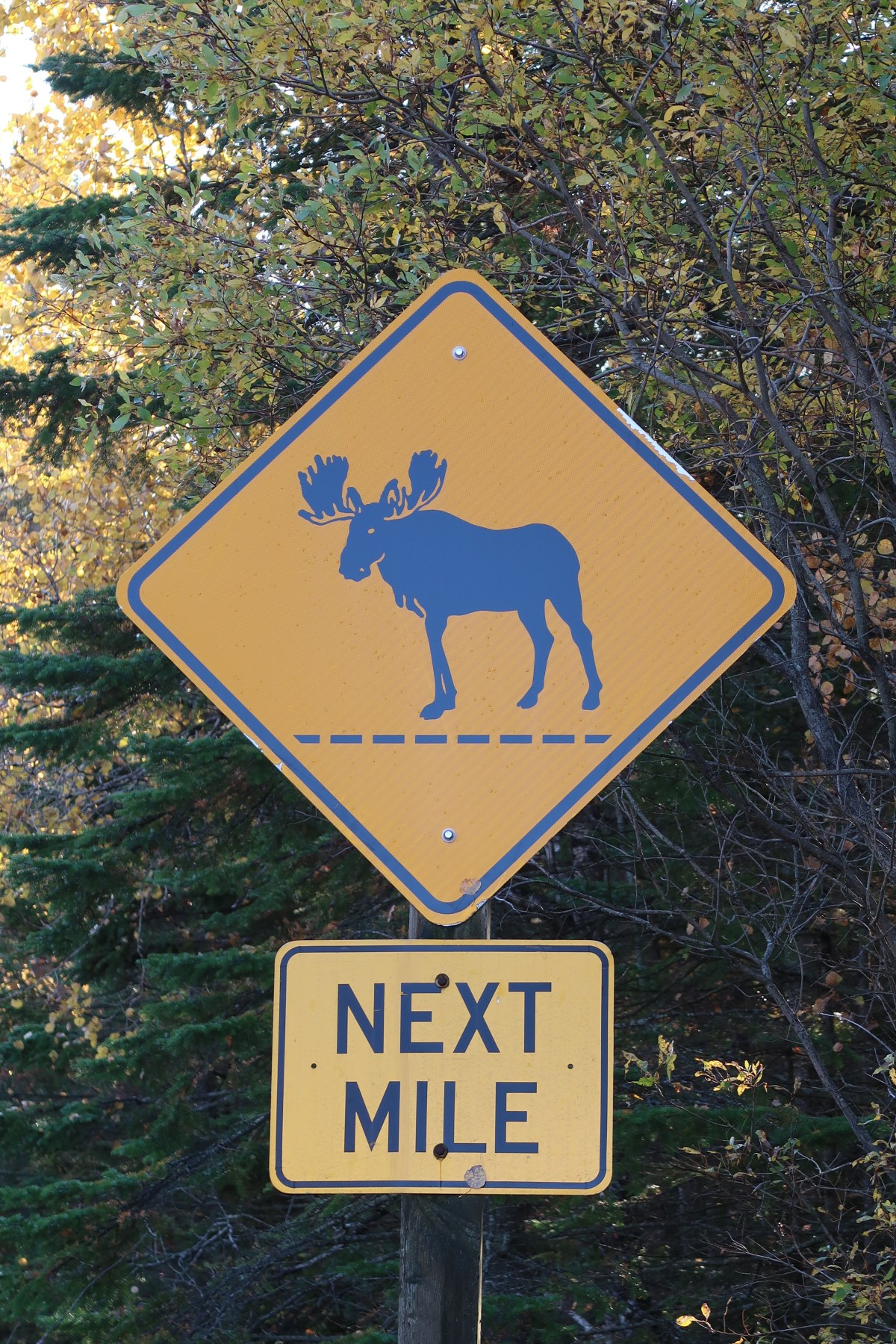
The last iconic animal of the Northeast is Maine’s official mammal, the moose. This large deer, in fact the world’s largest deer, appeared on more and more advertising, stickers, postcards, posters, and signage the further north I travelled.

Most visitors to Maine only see a moose on a t-shirt or bumper sticker. To see a real, living moose you have to wake up early and travel north as I did to Baxter State Park (More about this in another post).

New Hampshire loves the moose too but I did not see any at Squam Lake.

F. Moose

It was really tough researching this post. This is how you celebrate seeing a moose in the wild!

Image

The Godwit Trifecta

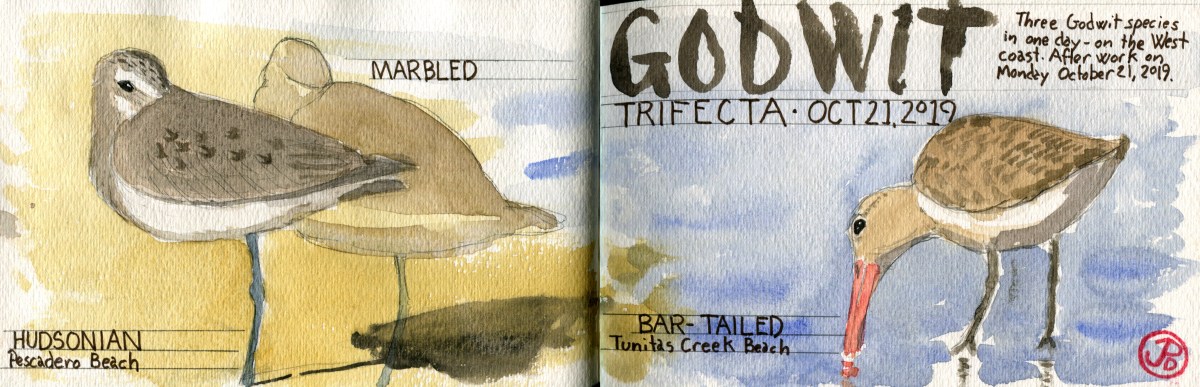
It’s not every day that you see three species of godwit on the west coast in one day. But Monday October 21, 2019 was the day and I was going to try for them after work.

I had seen all three godwits before but not all at the the same place. Marbled godwit is a common bird this time of year on the coast or bay. Hudsonian was rare on the coast. The last time I’d seen one was in Alviso in September of 2003. And I had just seen a bar-tailed godwit in the spring. It’s a common bird, if your in Europe, which I was, but rare in Coastal California. I had picked one up as a lifer in the Ebro Delta in Spain.

My first stop was Pescadero State Beach, where the previous week, all three godwits were present. Now only the Hudsonian and marbled remained. It was just a mater of finding it.

Along the long narrow beach that stretched out to the north I could see nothing but gulls, lots and lots of gulls. What I needed to find was a group of godwits. I couldn’t see any from here so a little leg work was called for. So I took a sandy step off to the north.

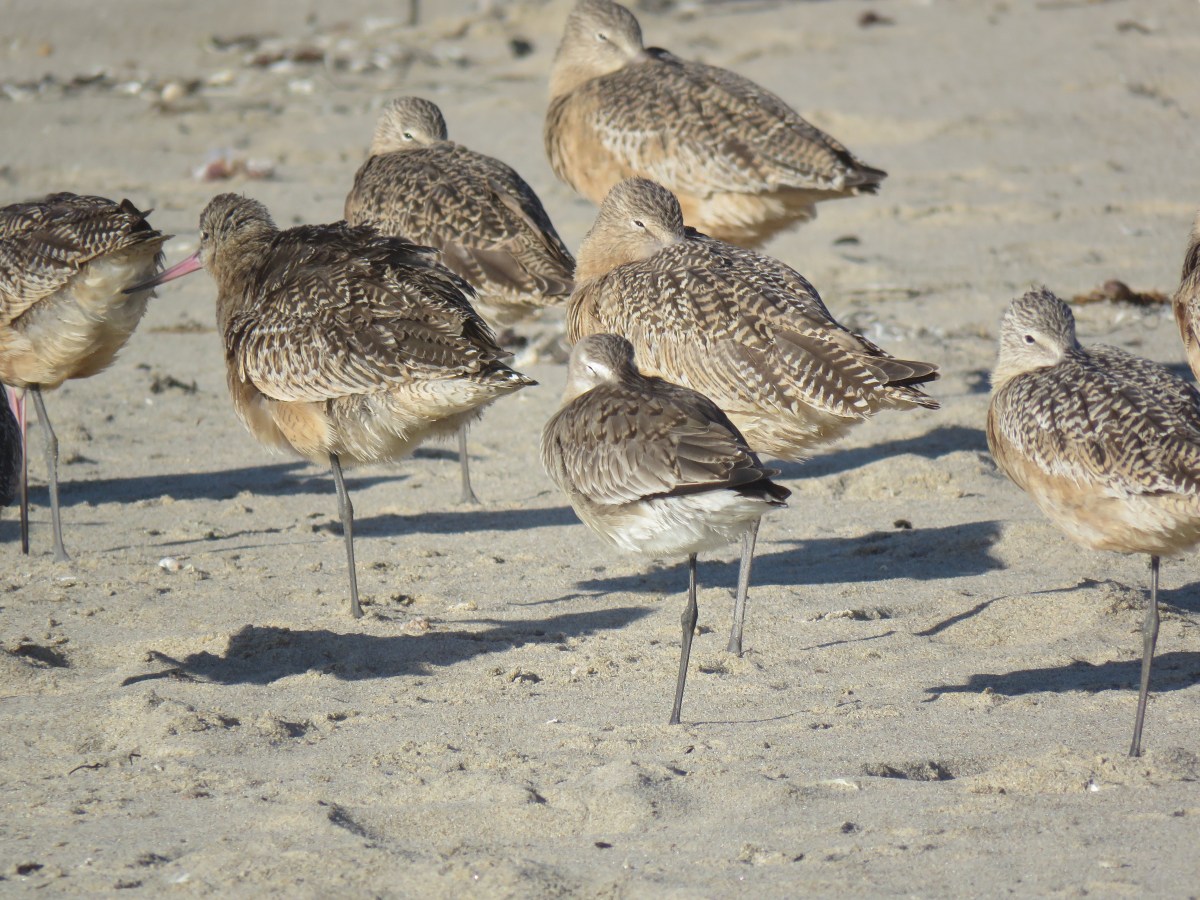
After I passed the large gull roost I found what I was looking for, a small group of shorebirds. I could make out a few whimbrels, long-billed curlews, and yes, some marbled godwits. It took all of my effort not to raise my bins to my eyes but I resisted the urge. I needed to get closer and head a little to the west to get the low sun at my back to help me find that one godwit that looked a little different.

IMG_6454

One of these birds does not look like the others.

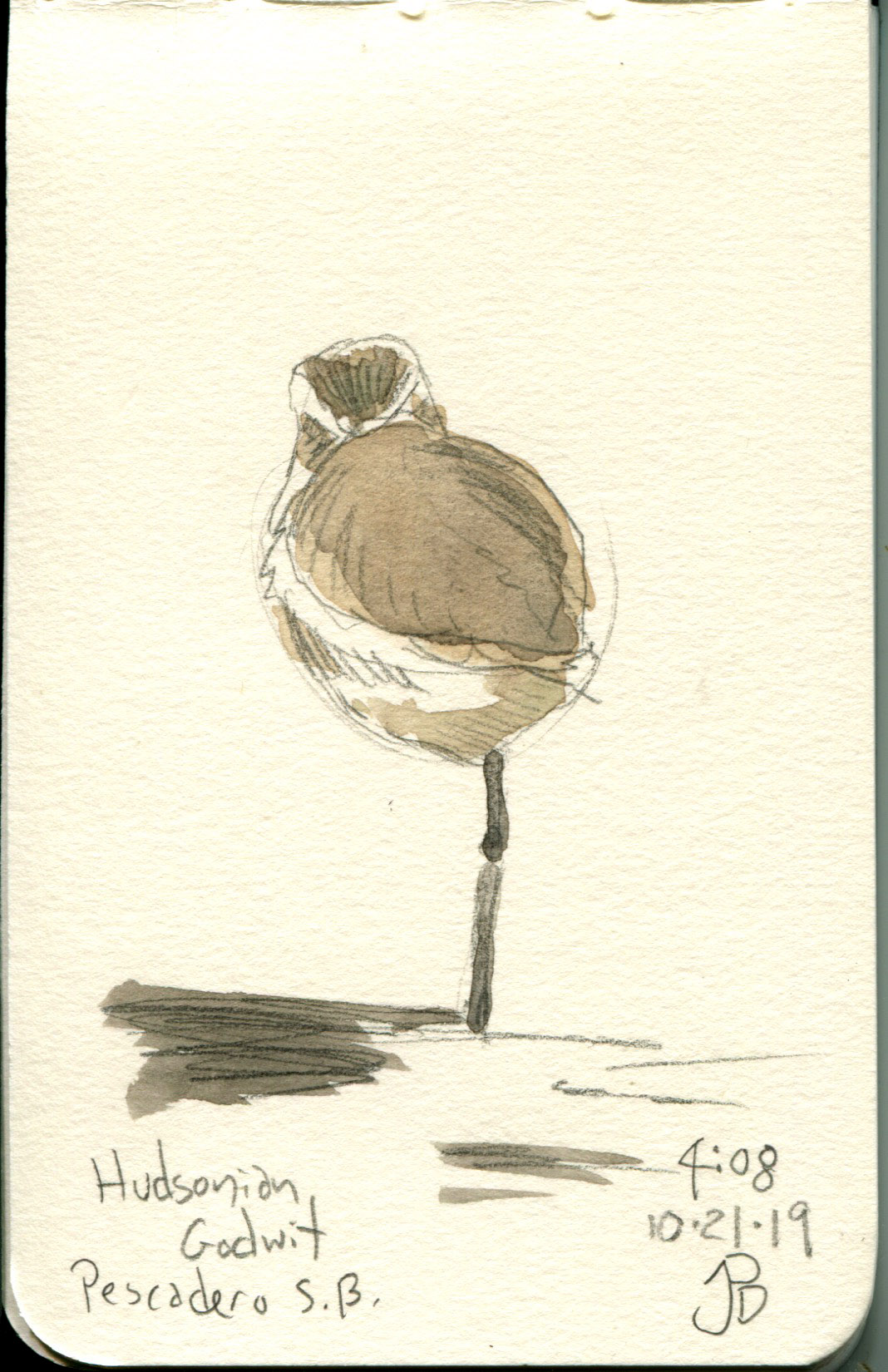
Most of the godwits were roosting, balanced on one leg with bills tucked under their back feather. Once I put bins on the group I immediately saw a smaller, over all gray and not rufous godwit with a dark cap and a defined bold supercilium or eyebrow. I was looking at a Hudsonian godwit for the first time in almost 20 years!

Hudsonia sketch

A field sketch of the resting Hudsonian in a Stillman & Birn Delta Series softcover sketchbook.

I guess I would just have to be satisfied with a two Godwit Day when Dickcissel texted me that the bar-tailed godwit had just been refound 10 miles to the north at Tunitas Creek Beach! So I rushed back, as fast as I could with a scope and in sand, to the parking lot.

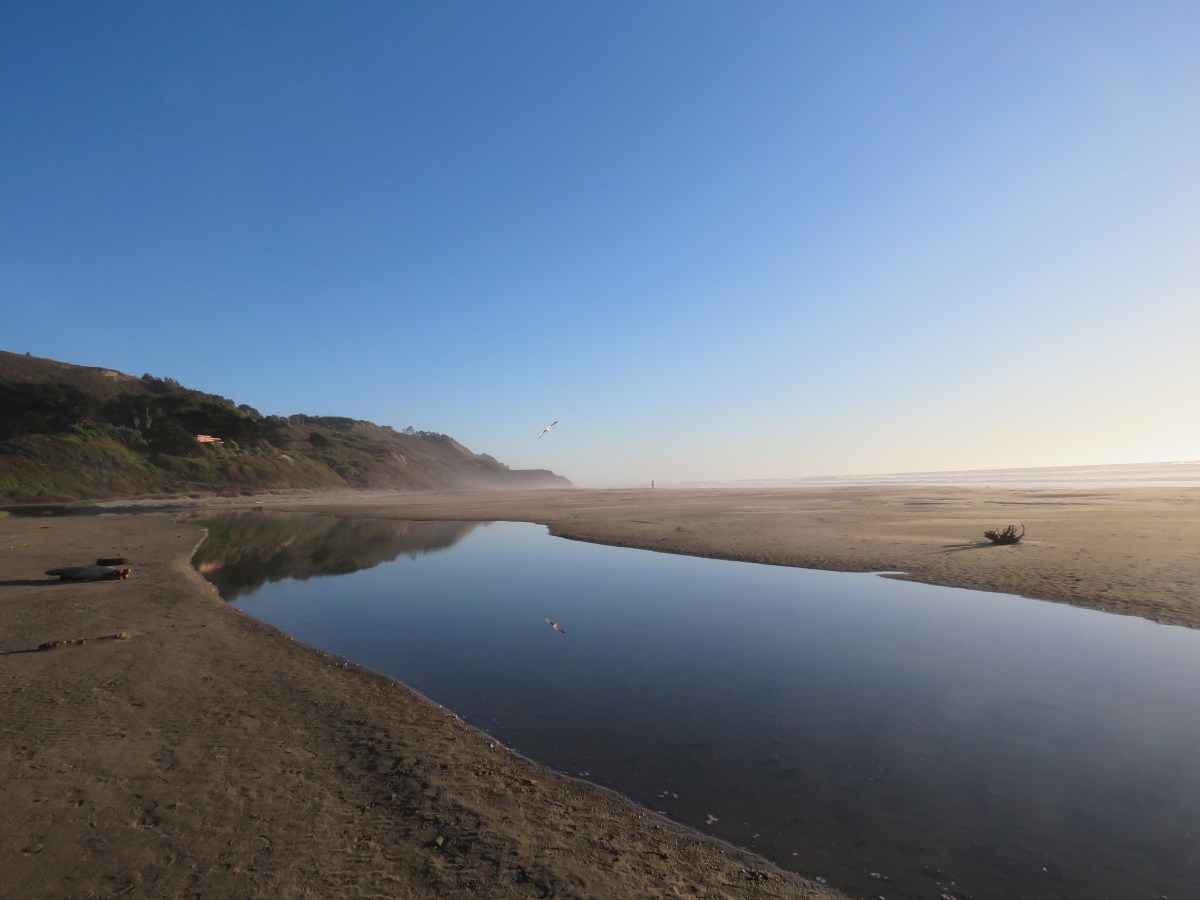
Off I headed on Highway One and pulled off on Tunitas Creek Road (one of the most haunted roads in the United States) and parked. Then it was down the hill, along the path, up the steep hill, through bramble, along the hedge cave, past the creek and concrete wall to the expanding views of Tunitas Creek Beach.

IMG_6622

Tunitas Creek and the beach, looking southwest.

I scanned the long and narrow beach from the north and to the south. Nothing but gulls. Déjà vu.

What I needed to find was a group of godwits. I couldn’t see any from here so a little leg work was called for. So I took a sandy step off to the north.

All gulls and no godwits.

I was stopped by some friendly locals with their pooch and they asked what I was looking for. I expanded and they asked if I’d seen the heron by the creek. I told them that I had and that birding is an affliction and I had to find the godwit before I lost light. And off I went to the south. Not sure they understood, it is an affliction after all.

About halfway down the beach I saw the silhouetted forms of shorebirds. I had to head southwest of their position to get the sun at my back to identify them. A group of godwits. I scanned the flock. All marbleds.

I looked to the south and moved on. In a sandy depression in the beach, I saw the silhouetted forms of shorebirds. I had to head southwest of their position to get the sun at my back to identify them. A group of godwits. I scanned the flock. I found marbled godwits and one bird that looked like no other. A bird foraging with the flock but was a little apart from the rest. Bar-tailed godwit!

IMG_6515

Bar-tailed godwit at Tunitus Creek Beach,

Now after attaining the Godwit Trifecta I could head back north towards home, reveling in a very satisfying Monday afterwork Birding adventure.

I would sleep well tonight!

Image

Mount Washington Cog Railway

There is something about the sound of a steam engine whistle that turns this grown man into a child again. Better yet if the whistle echoes off the walls of a valley, covered in autumnal vestments.

I was waiting with anticipation on the platform as I heard the retort of the steam engine’s whistle down the line, announcing it’s arrival. The engine’s top speed is three miles an hour, so it would take a little while to pull into the station.

IMG_6817

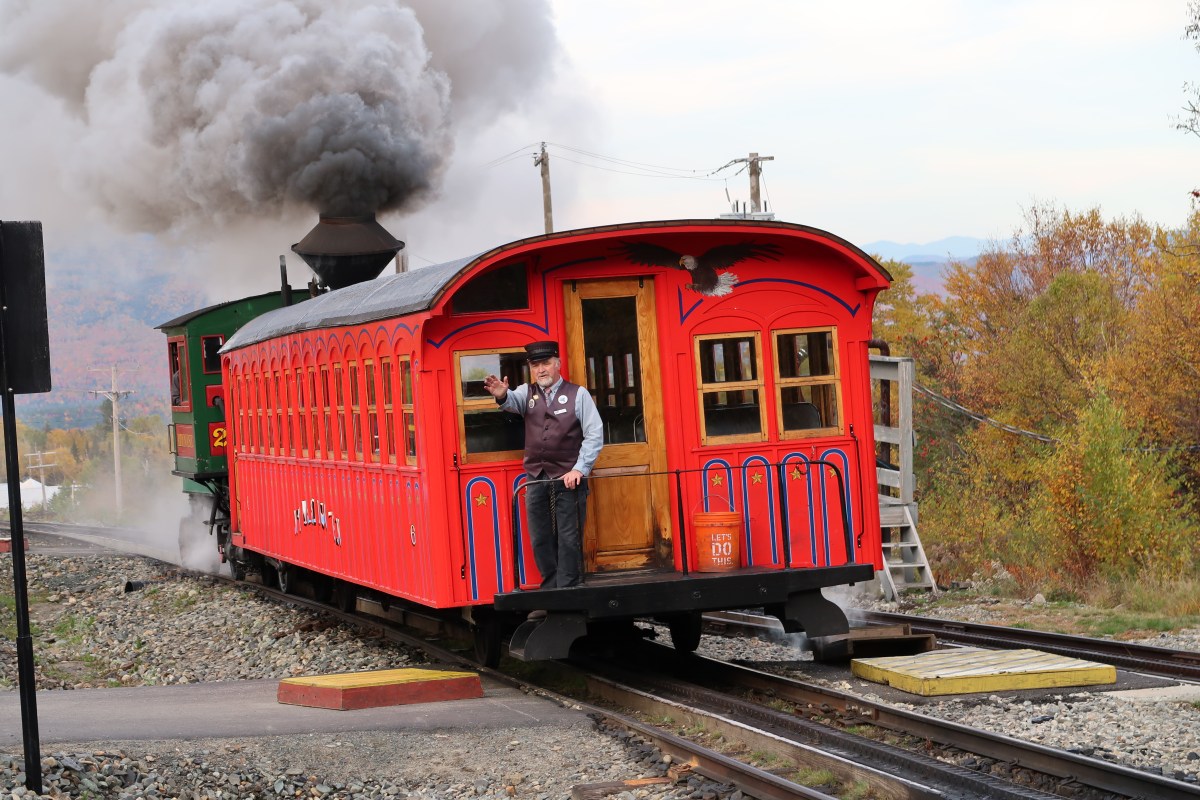
Our brakeman Tommy, waving at the children and adult children as No. 2 Ammonoosuc, pulls into the base station.

The Ammonoosuc was slow but it could do what few other steam engines could do: ascend a grade of over 35% (most steam engines can handle only a grade of 6%). This is because the steam engine, now billowing smoke into the cold fall air, is a cog engine.

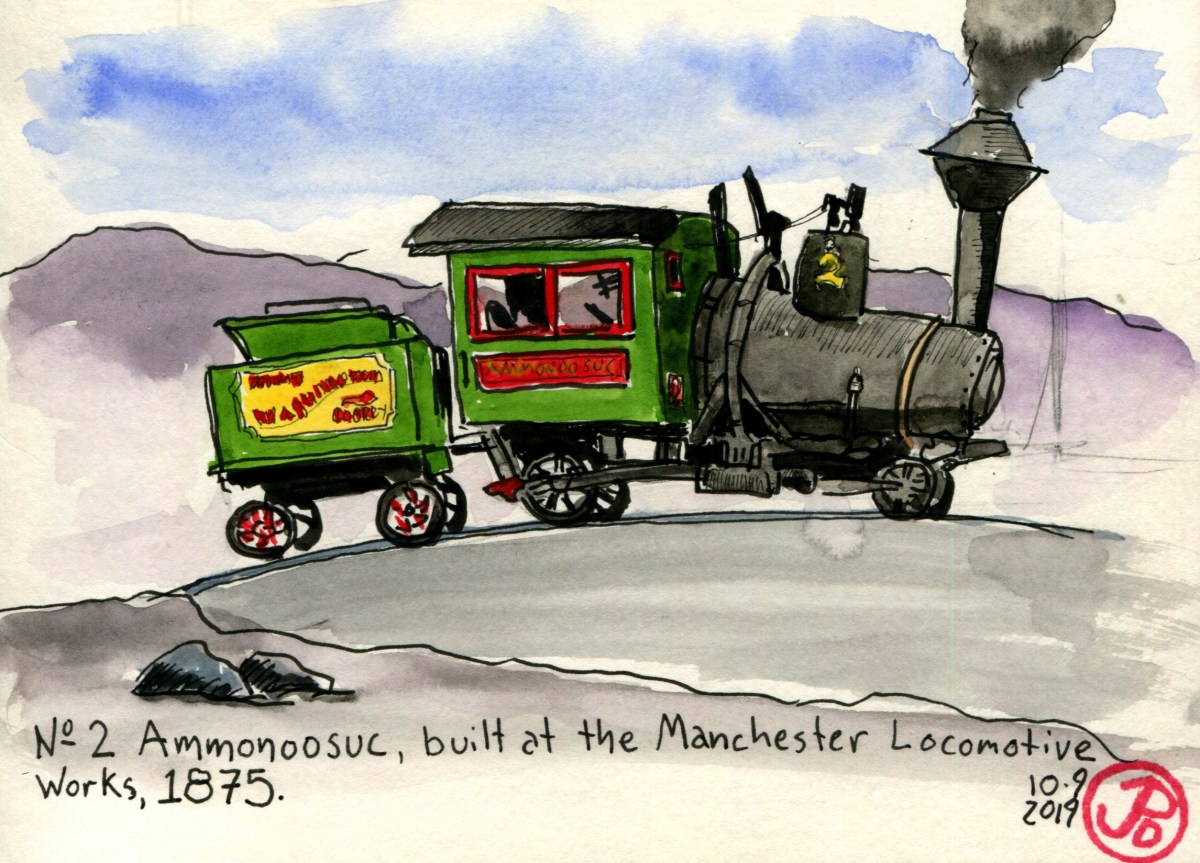
No. 2, Ammonoosuc, was pushing her red passage carriage which would push about 70 tourists up the three miles of track to the summit of Mt. Washington, the highest peak in the Northeast, at 6,288 feet. What was really amazing about our engine is that she was built in Manchester, New Hampshire in 1875 and she’s still running strong.

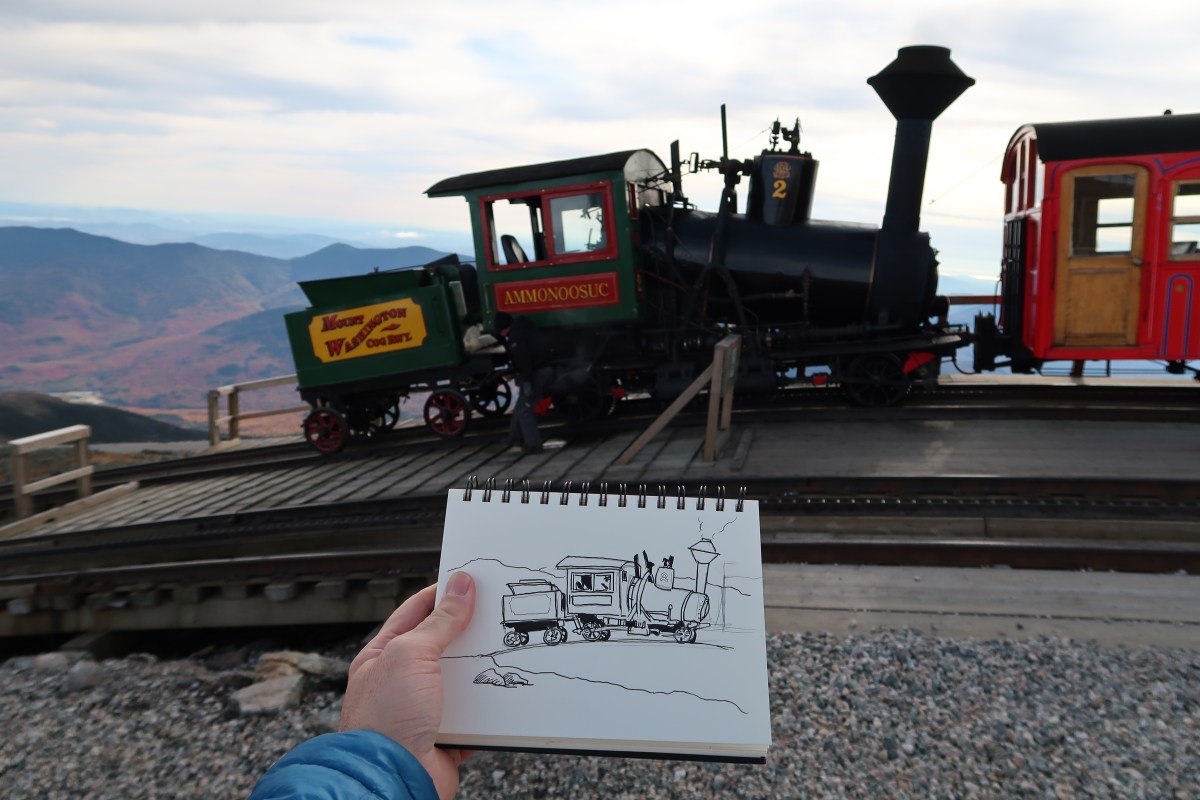
We loaded up and it would take about hour (three miles at a top speed of three miles an hour) to reach the summit. I got a quick sketch in of my carriage view, which caught the attention of a curious toddler.

With a long retort of the whistle we started up and not far from the station, Ammonoosuc was tasked with pushing us up the Spring Hill Grade at 35%. That means that for every 100 feet we travel, we climb 35 feet! But this wasn’t the steepest grade on the line. That was yet to come, just under the summit, at the Jacob’s Ladder Trestle with a grade of 37.41%!

Near the summit was the first of two times that I would be crossing the famed Appalachian Trail or AT. At Mt. Washington, this was the second highest point on the entire 2,200 mile trail. Near the rocky, treeless summit, the AT is marked with stone cairns so hikers will not loose their way in the frequent inclement weather of the summit.

Mt. Washington

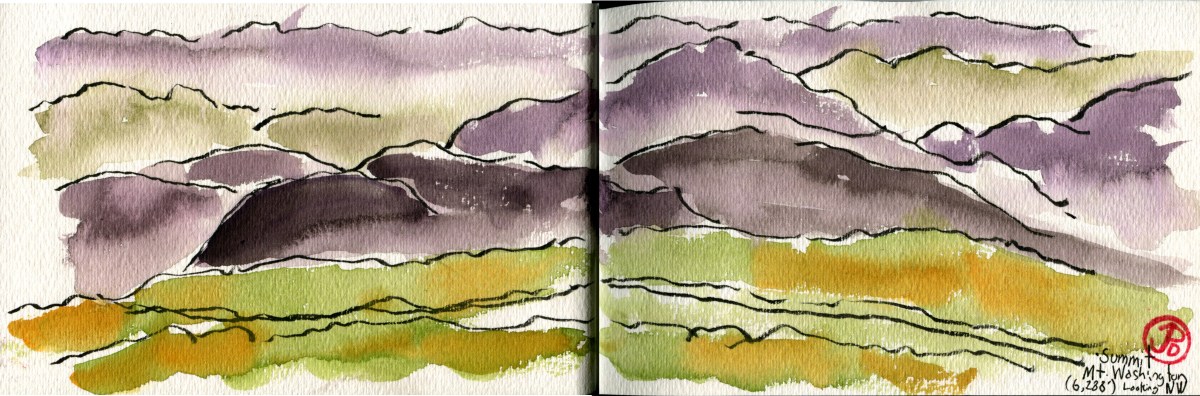
My sketch from the summit of Mt. Washington looking southeast, the highest peak in the northeast at 6,288 feet.

Once at the summit we had an hour to take selfies at the summit, take in the view, and sketch (well I was the only one sketching). I did one quick and loose sketch of the incredible view to the southeast in which I almost froze my face off (one must suffer for art) and one sketch of Ammonoosuc as she rested before our descent.

IMG_6874

One our descent, our brakeman, Tommy, was in charge of the wheel breaks of our car so we didn’t run into the engine on the steep grades. We were actually not connected to the engine, she pushed us up and then we glided down and Tommy made sure we didn’t put too much stain on No. 2. She was an old lady after all, just 144 years old this year!

We made it to the calmer weather of the base station where well all unpeeled from our layers, hats, gloves, and scarfs. Looking up I traced the snake trail of the cog line and reflected on the incredible achievement of having this almost impossible railway line built.