Image

Menlo Park Station

It was now time for an after work train station sketch.

I headed south to one of the oldest stations in San Mateo County and one of the stations furthest south on the line before heading into Santa Clara County. Menlo Park Station is the oldest active train station in San Mateo County. Rail service to Menlo Park began on October 18, 1863. At that time, a simple shelter was on the site before the depot was built. It is considered the oldest active passenger railway station in California. It was built by the San Francisco and San Jose Railway in 1867. The Queen Anne expansion, included a Ladies Parlor, was added to the south side which is featured in the sketch.

When Southern Pacific consolidated the line (in 1870), Victorian ornamentation was added in the 1890s to appeal to the students (and parents) of nearby and newly built Stanford University.

At one time Menlo Park Station had two separate waiting rooms, one for men and one for women. In the office, Stanford University co-founder, Jane Stanford, wife of rail tycoon Leland Stanford, would wait for her train in a private room by herself. In 1905, Jane Stanford died of strychnine poisoning and her murder has never been solved. It is claimed that her ghost has been seen pacing back and forth in the station.

The station is on the same level as the main line just as it was when it was first constructed. The interior is no longer used as a passenger waiting room. Southern Pacific closed the station in 1959. It now houses the Menlo Park Chamber of Commerce.

This fancy vending machine has replaced passenger stations on Caltrain. I always prefer to buy my train tickets from a human being. You can’t do that here in Menlo Park. Nor can you buy tickets on the train from the conductor. Although you can chat with the friendly people at the Chamber of Commerce.

I sat on a north facing bench and started to sketch the elevation view of the station. There was something very comforting about this sketching experience. All around me I was surrounded by commuters. Both high school students and high-tech workers with their bikes milling about the platform or sitting on benches texting their friends waiting for their train. The overall feeling was of a vibrant station that is still in use and gave me hope for transit in the Bay Area. The scene at 4:30 PM in 2020 could not be too much different from a weekday scene at this same station, 70 years ago. Of course it helps to squint.

Menlo Park is a busy station on a Wednesday late afternoon. A southbound and northbound train pull into the station.

Engine Number 905 “Sunnyvale ” is on the point of a southbound train to San Jose. This engine is named after my hometown.

The train station at Sunnyvale is long gone. I never remember it as being an amazing piece of Southern Pacific architecture. The station has been replaced with a ticket shelter that connected to a parking shelter.

Quenching my thirst after my sketch at the redesigned British Bankers Club. I raised a glass to my father, who had to come to Menlo Park when he was at “The Farm” to buy spirits because Palo Alto was a dry town.

Image

Bloomer Cut and Cape Horn

After my visit to the California State Railway Museum I headed to a lasting vestige of the Transcontinental Railway, an engineering feat called, “the eighth wonder of the world”. It was about 30 minutes north of Sacramento between Newcastle and Auburn. This was the 63 foot deep and 800 feet long man-made canyon known as Bloomer Cut.

Like the still present ruts of the Oregon Trail, this rail cut is still there. It was blazed in 1864 with blood, sweat, and black powder. The builders did not have the heavy machinery of modernity but hundreds of laborers with pick, shovel, and wheelbarrow. This is one of the few remnants of the Transcontinental Railway, a permanent scar in the earth that shows it extisted. I was reading the Stephen Ambrose book Nothing Like it in the World and now I was reading it in the landscape.

I sat on a small boulder next to the rail line just where the cut began and I got a sketch in before it started to rain. Two things that don’t go together are watercolor painting and rain.

In the middle of Bloomer Cut, looking out to the southern end towards Newcastle, Roseville and Sacramento.

After reading about one of the other incredible engineering feats on the western reaches of the Transcontinental Railway, a cut made around a rock face, high above the North Fork of the American River called Cape Horn, I desided to see if it still existed. A quick google search not only confirmed its existence but also that it was located near Colfax, a mere 30 minutes east from my mother’s house in Penn Valley. I simply could not pass up this sketching opportunity.

Camp 20, which was later renamed Colfax to honor a visit to the railroad by then Speaker of the House, Schuyler Colfax. The town was the staging area for the first real assault on conquering the heights of the Sierra Nevada Mountains.  Railway grades cannot exceed 2%, that is a rise of two feet over 100 feet of rail. This provided one of the major engineering challenges for laying track across the Sierras. Many tunnels were blasted through granite to reduce the climb  and a roadbed had to be blasted into the side of the cliff at Cape Hope to make the ascent on the western slope of Sierra Nevada.

This incredible engineering feat would not have been possible without the thousands of Chinese laborers who worked on the line.  The workers had to be lowered over the cliff in reed baskets where there would drill a hole in the rock by hand and then fill the hole with black power. When they lit the fuse they had a short time to be hauled back up out of harm’s way. They gave their sweat, blood, and lives to make the cut around Cape Horn. The Central Pacific did not keep records of Chinese fatalities so we will never know the true toll in lives sacrificed in order to make a railroad that spread from sea to shinning sea a reality.


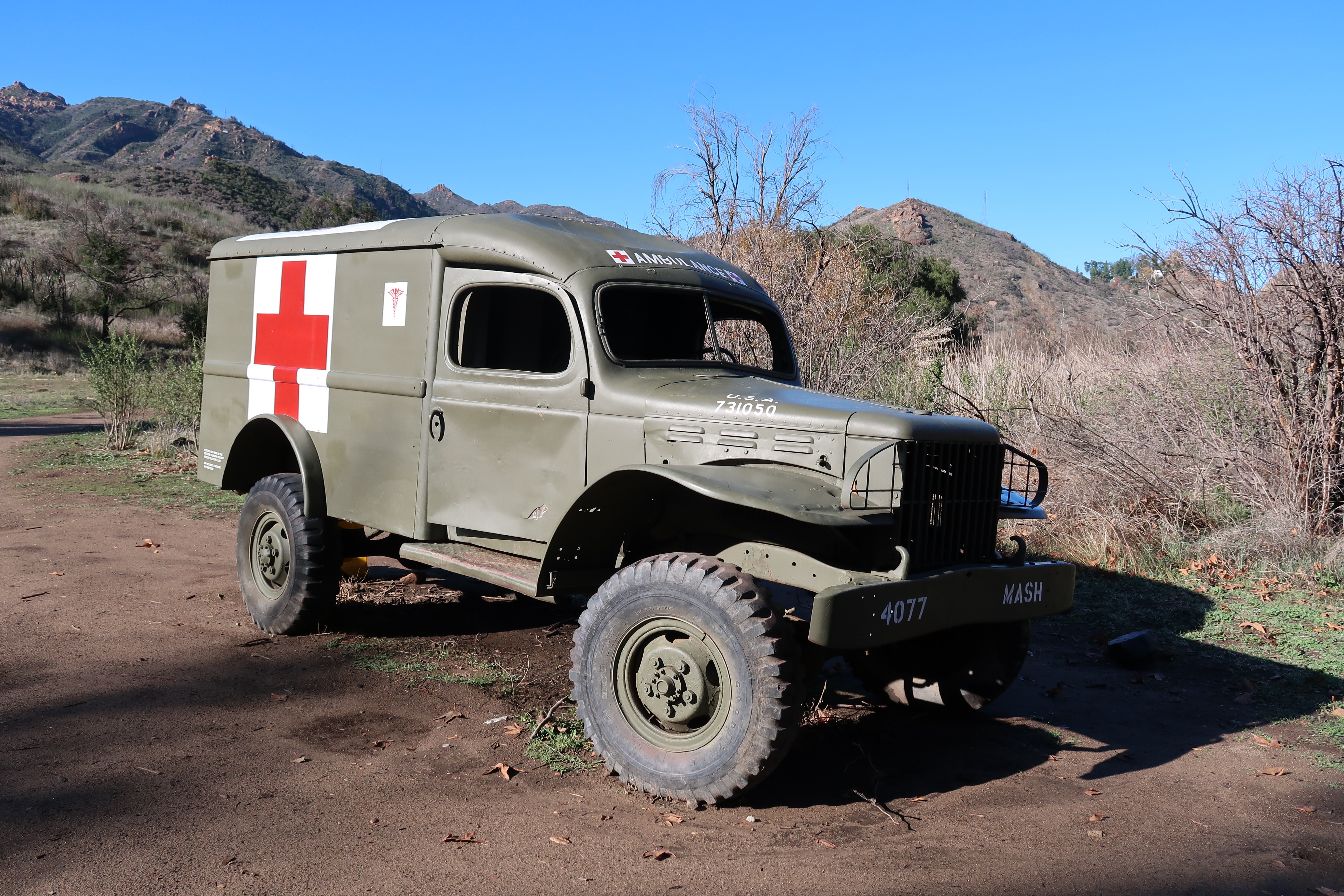
A field sketch of Cape Horn from the viewpoint of Highway 174 near Colfax.

Cape Horn railway bed is still in use today. Eastbound California Zephyr just leaving Colfax headed to Chicago, Ill.

Image

Thomas Starr King

Another Moleskine journal, another first page; Sometimes I start with a self-portrait or a poem, but this time I begin with a sketch of a statue of Thomas Starr King. Drawing a statue has its benefits. It doesn’t move, providing a good opportunity to practice the human form. But on a greater level I wanted to sketch this statue because of the man it represents. Starr King is often described as a “fiery orator” and “the orator who saved the nation”. He is credited by Lincoln for keeping California in the Union during the Civil War. Starr King, unlike Lincoln, is far from a household name. And that is exactly why this statue was created in 1931 and placed in the National Statuary Hall collection as a representative of California (along with Father Junipero Serra), just so future generations would remember his name and deeds.  The statue remained in Washington D.C. for 78 years until he was usurped by a stature of Ronald Reagan. A congressman from Orange County pushed for Reagan’s statue to be installed, no doubt unaware of Starr King’s importance to California’s legacy. One argument was that Starr King was not born in California; he was born in New York. Following that line of reasoning, the Serra statue should be removed because he was born in Majorca, Spain. And where was Reagan born? Oh yes, in the state of Illinois. Isn’t politics lovely?

This statue now sits outside on the east side of California’s state capitol building in Sacramento.  How many visitors stroll past this statue and stop to read the plaque about this important California figure? Sketching has taught me to be aware, to notice small details, to explore the backwaters, and to look at statues representing some forgotten someone.