Image

Keddie Wye

One of the Seven Marvels of the Feather River Route is to be found a few miles north of Quincey.

The Feather River Route, also known as the Canyon Subdivision, stretches between Oroville and Portola, Ca and competed with Southern Pacific’s route over the Sierras at Donner Pass.

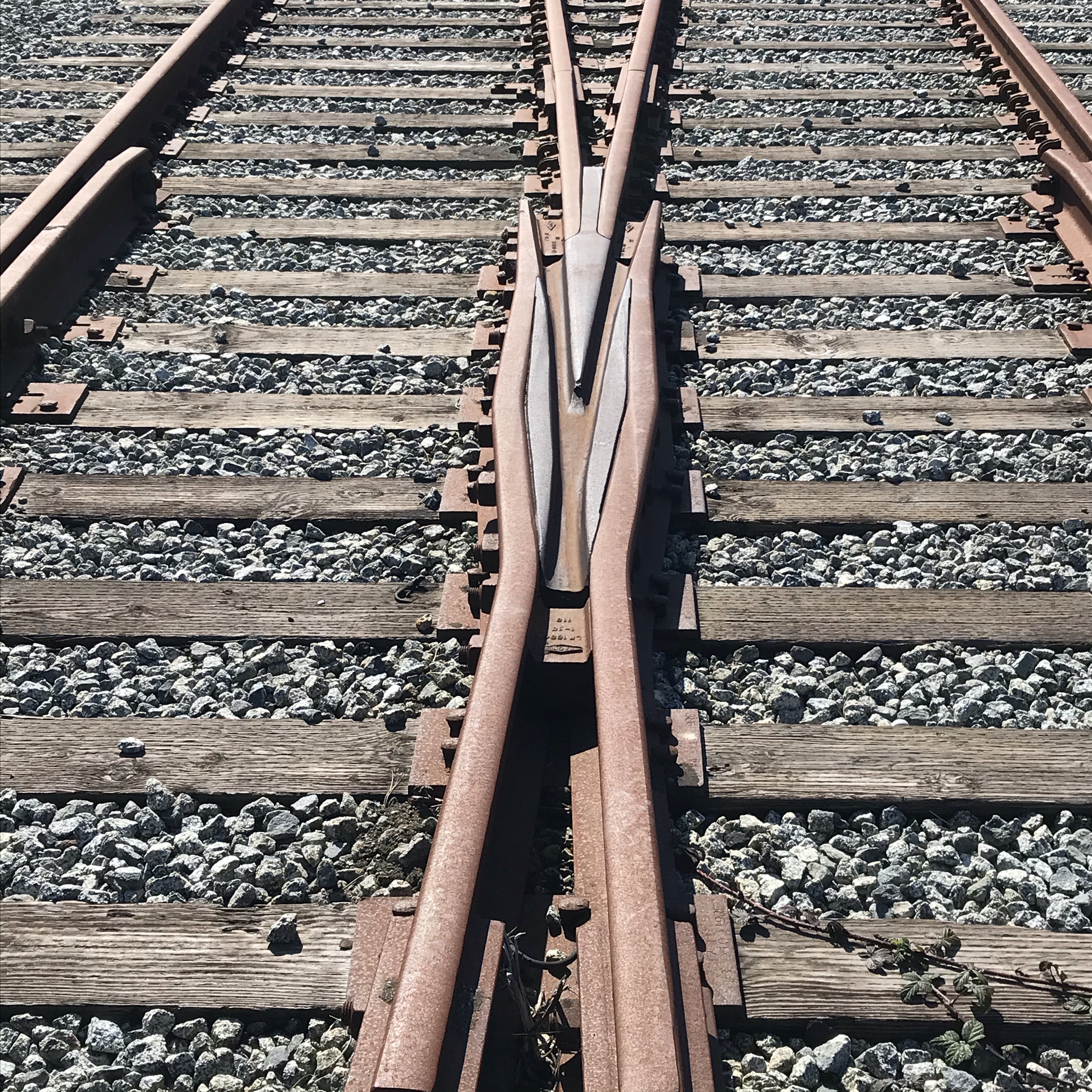
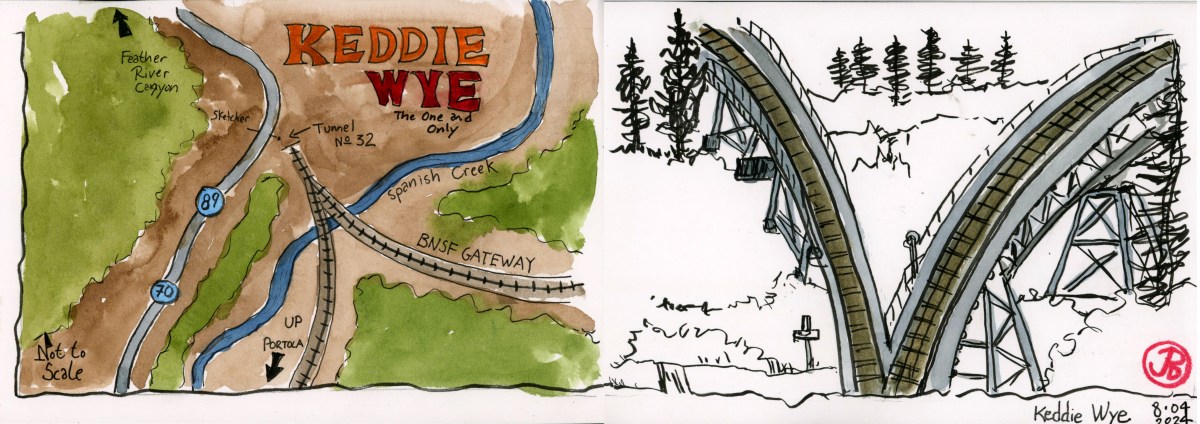
The Marvel is known as the Keddie Wye. This is where two tracks comes together to form one track, looking like the letter “Y”. Now this in itself isn’t much to write home about but when both sides of the “Y” are on trestles above a creek that joins together before entering a tunnel and then you know this is a special piece of railroad engineering.

The two forks of the “Y” are also where two different railroads meet. On the right is the former Western Pacific Railroad, now Union Pacific, and one the left is the BNSF (Burlington Northern and Santa Fe).
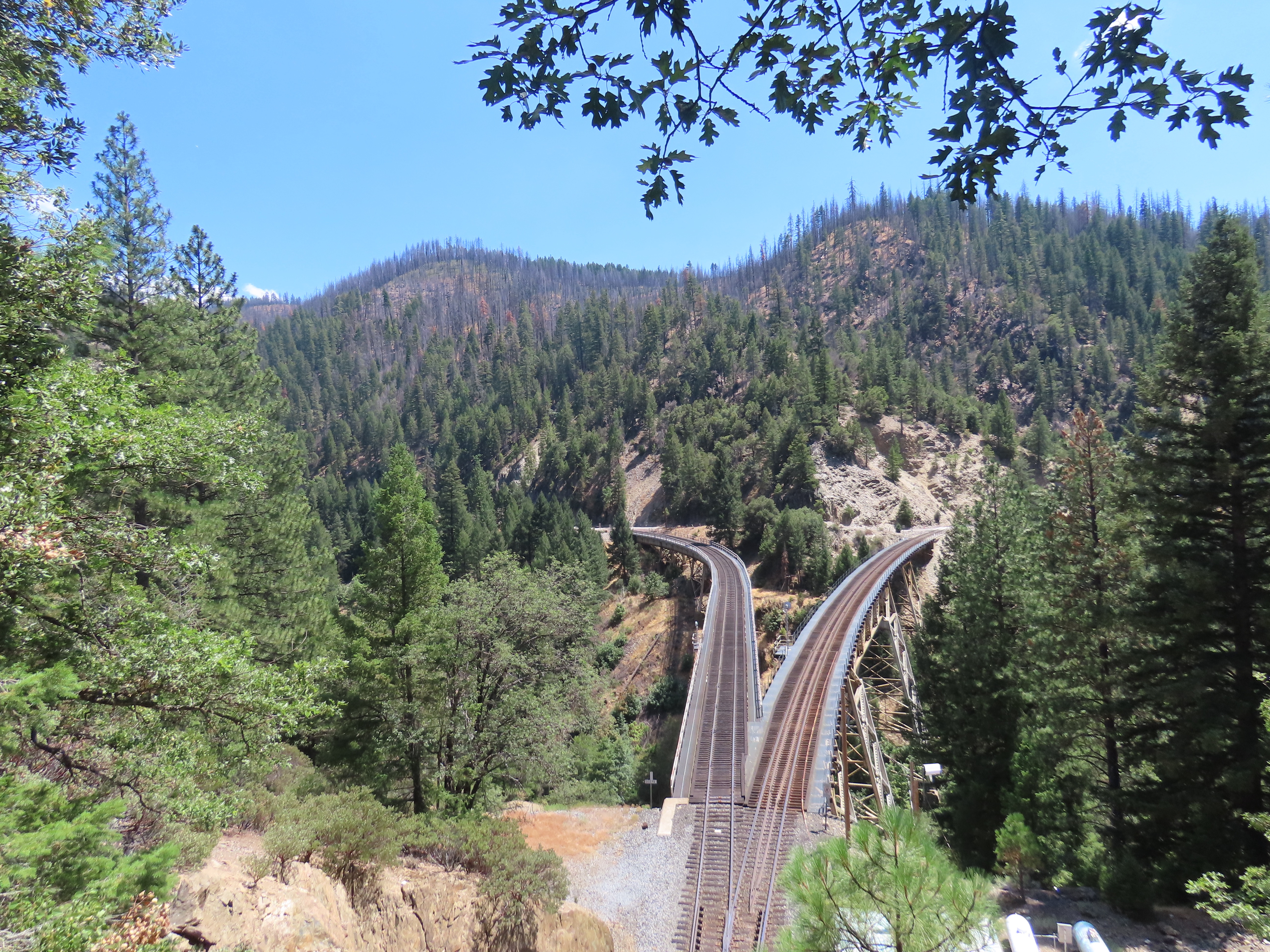
After about a 45 minute drive from Portola on Highway 70, the famous Keddie Wye appeared to my right. I pulled over and found a vantage point to sketch. I perched on a narrow trail above Tunnel No. 32 looking out to the two forks of the wye.

Now the only thing missing was a freight train. It would have been nice to see a train traverse one side of the “Y”. As I was told at the Western Pacific Railroad Museum, Sunday is a quiet day on the high iron.

After my sketch (right side of the spread), I headed down Highway 70 into the Feather River Canyon proper. The Highway parallels the railroad and the Feather River. This is a beautiful drive and I periodically looked off to left at the rails across the river. No trains.

I was about 20 minutes from the wye when I heard the screech of steel wheels on rail. I looked to the left and a Burlington Northern and Santa Fe (BNSF) was climbing up the canyon with a mixed freight consist.

I found the nearest pullout and then reversed direction as I chased the BNSF up canyon. I wasn’t going to miss the freight on Keddie Wye!

As I climbed up Feather River Canyon I kept an eye to my right for glimpses of the train. I should have no problem overtaking the train as the line speed limit was 25-30 mph.

I soon came to the end of the train and before long I was approaching the five bright orange diesels on point. I passed them with time to spare.

Once I reached the wye I reversed direction again and parked at the pull out. I figured I was about ten to fifteen minutes ahead of the freight and I took my position on the narrow path above Tunnel 32. Now I had to just wait, wondering if I would be able to hear the approaching freight from my position.
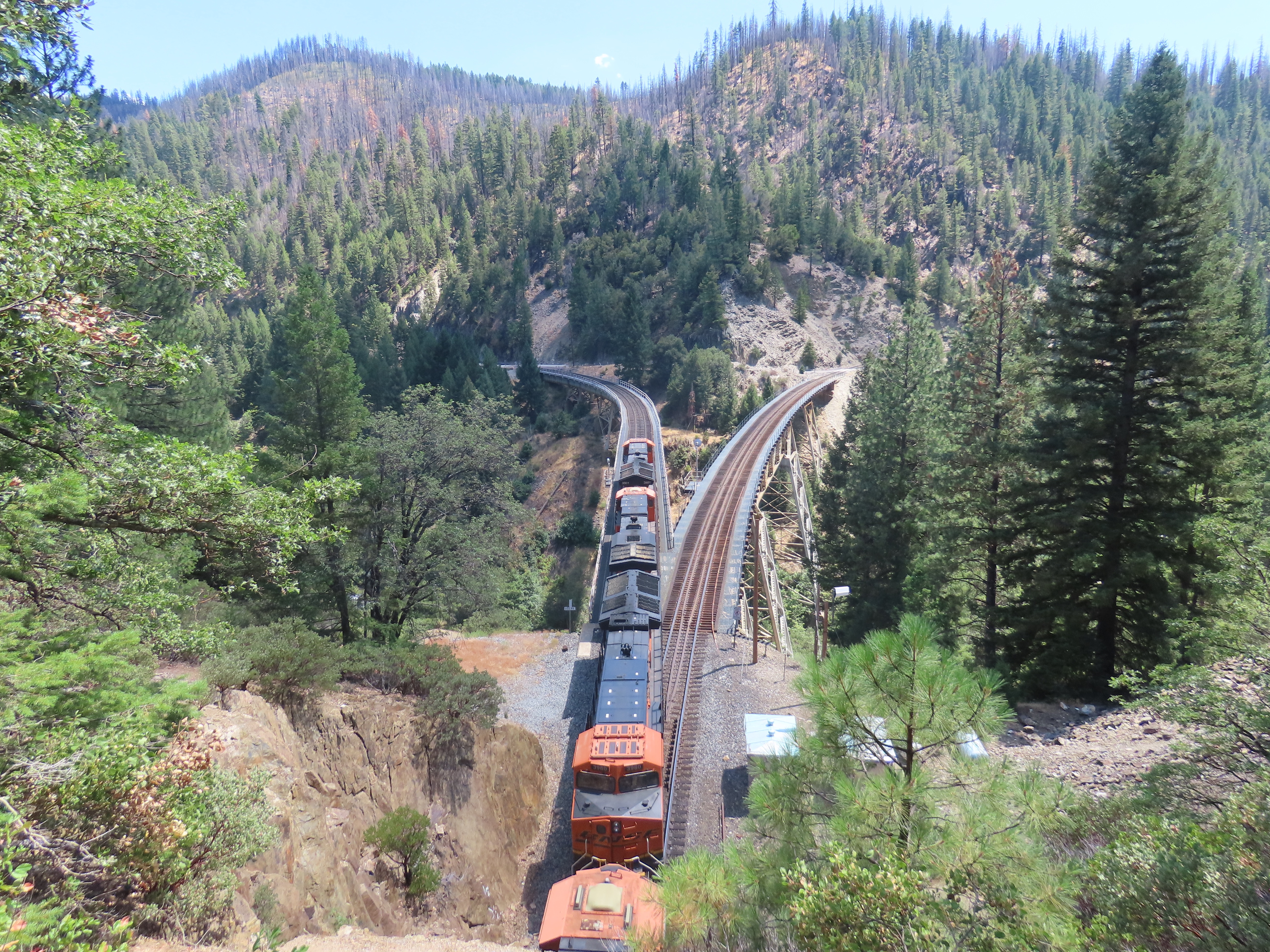
Within ten minutes I could hear the diesels working up grade and the first locomotive appeared below me. The train headed onto the left side of Keddie Wye onto the BNSF Gateway heading north towards Lookout and Klamath Falls.
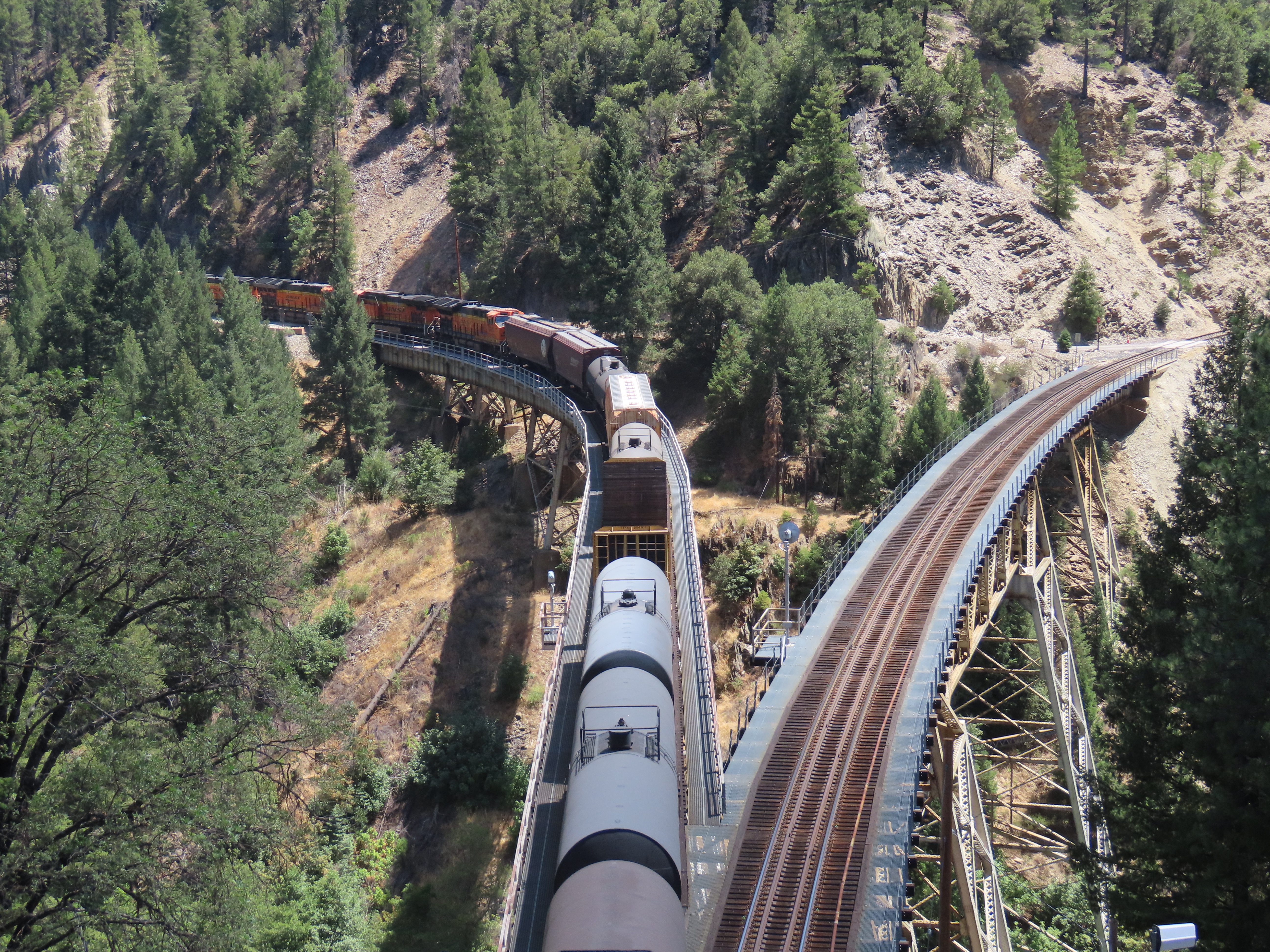
What a memorable experience to see a piece of railroad history that is not a static museum piece isolated in time but in use today.
Image

The Red Goose

I returned to the former McCloud River Railroad to find an abandoned relic from it’s railroading past.

To get to this railroad relic, I had to travel 13 miles east of the town of McCloud. I parked off the Highway 89 and I hiked a quarter mile west on the former right of way of the McCloud River Railroad. The rails and ties have now been removed and the right of way is now the Great Shasta Rail Trail.

I did have assistance in finding this relic from author Jeff Moore, who is the expert on the history of the McCloud River Railroad. He is the author of two books about the railroad, including the definitive The McCloud River Railroads and he was very generous in helping me find the Red Goose and telling me the history of the lumber camp at Kinyon.

Kinyon was built as a lumber camp in 1951 by the McCloud River Lumber Company and it was the last lumber camp the company built. The tract of trees they where harvesting at the time did not have logging roads to access the trees but there was the railroad which was how they transported the loggers from the camp at Kinyon to the trees they were harvesting.

When the McCloud River Lumber company was bought by US Plywood in 1963, Kinyon was abandoned and all the building were destroyed. But they did not know know what to do with the Red Goose so they put it at the very end of one of the camp spurs and left it and so it remains to this day. Now I had to try and find it.

The path began to curve to the left and once the trail straightened out again I would be looking to my left, through the trees for a reddish hotdog-shaped vehicle on wheels.

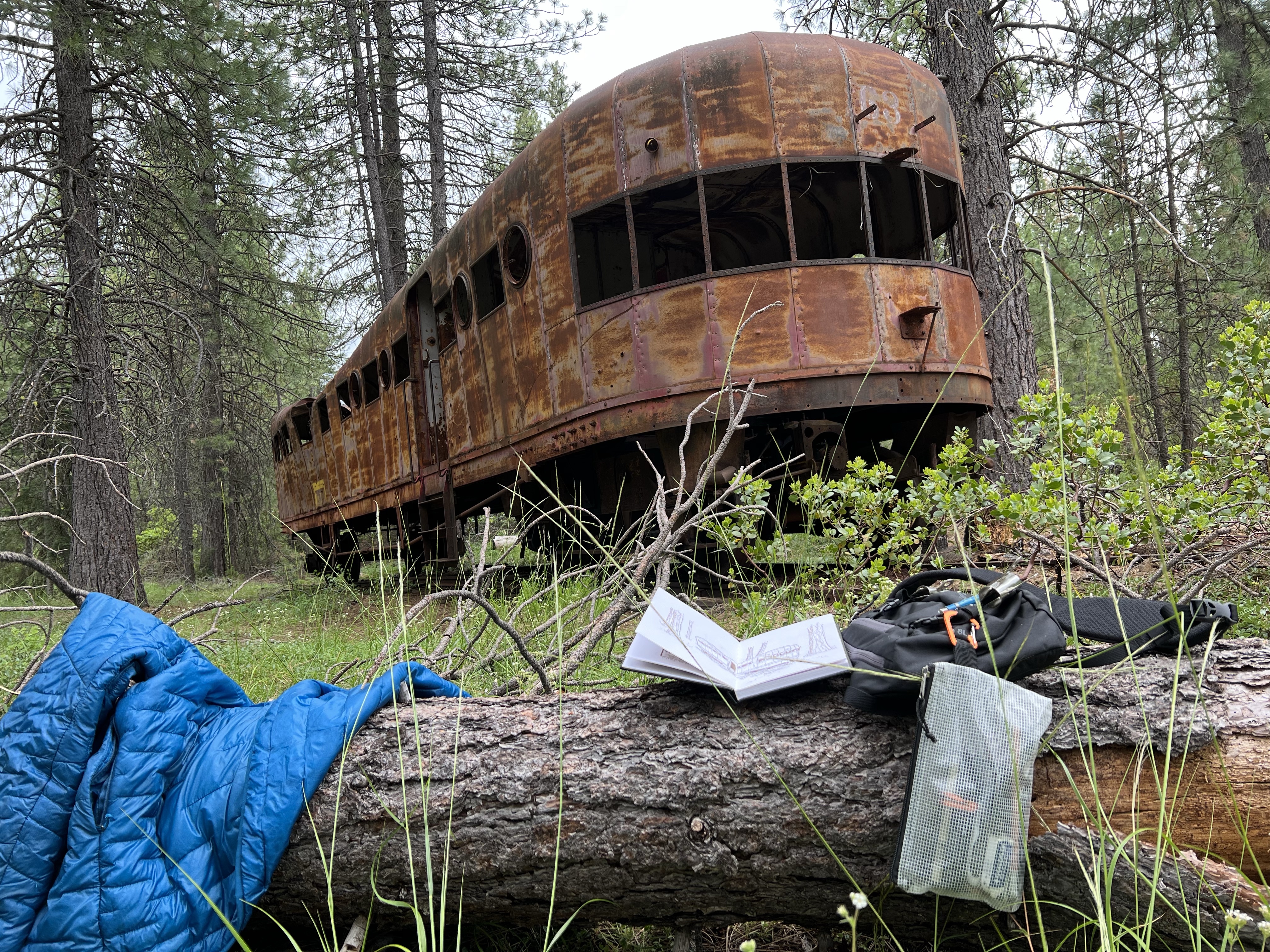
After walking on the on the trail a short time I spotted The Red Goose through the trees. I headed down the embankment and followed a trail for about 50 yards I stood before the rusted railroad relic!

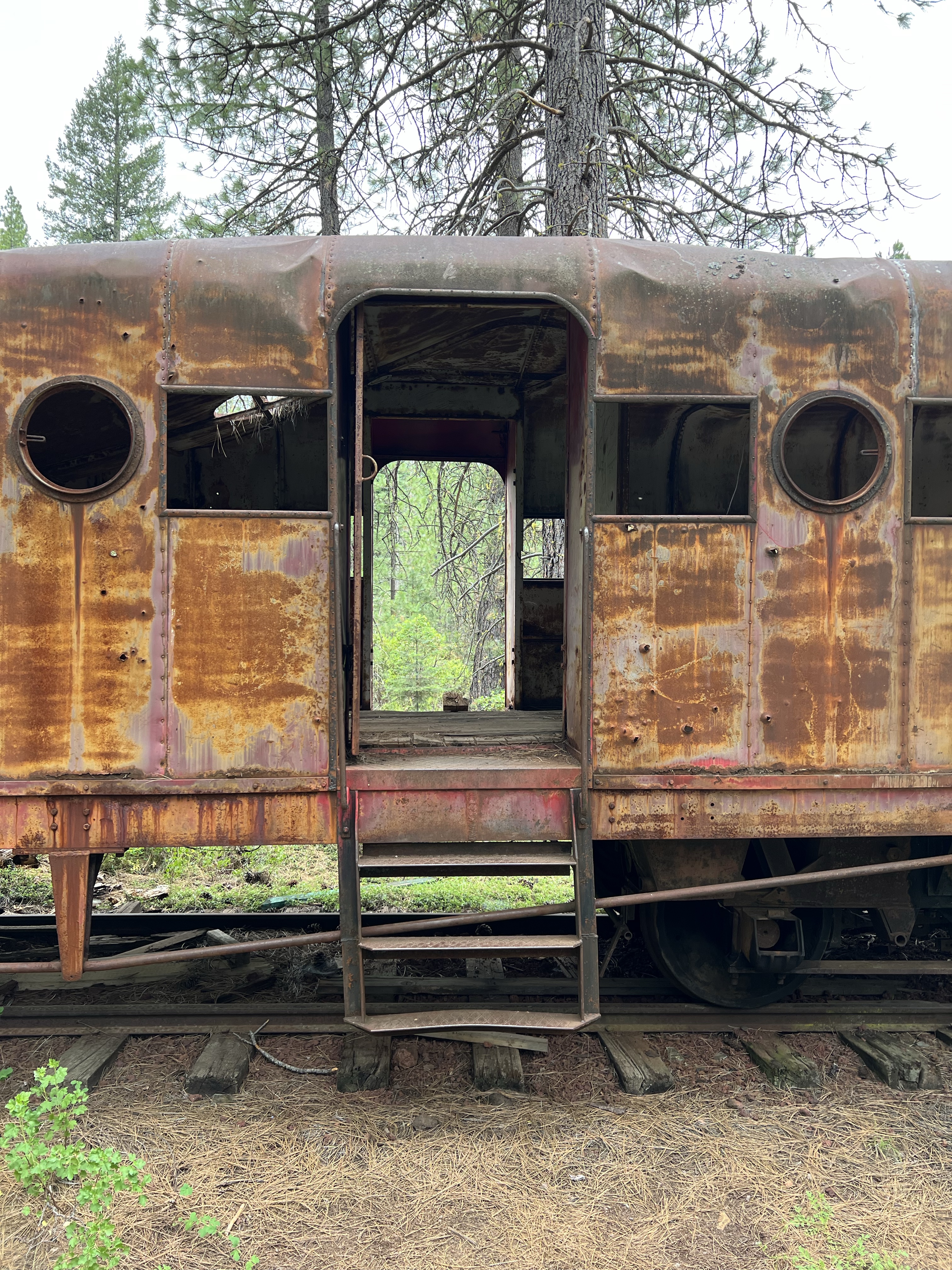
The door up to the Red Goose. To the right is the cab and to the left is the passenger section.
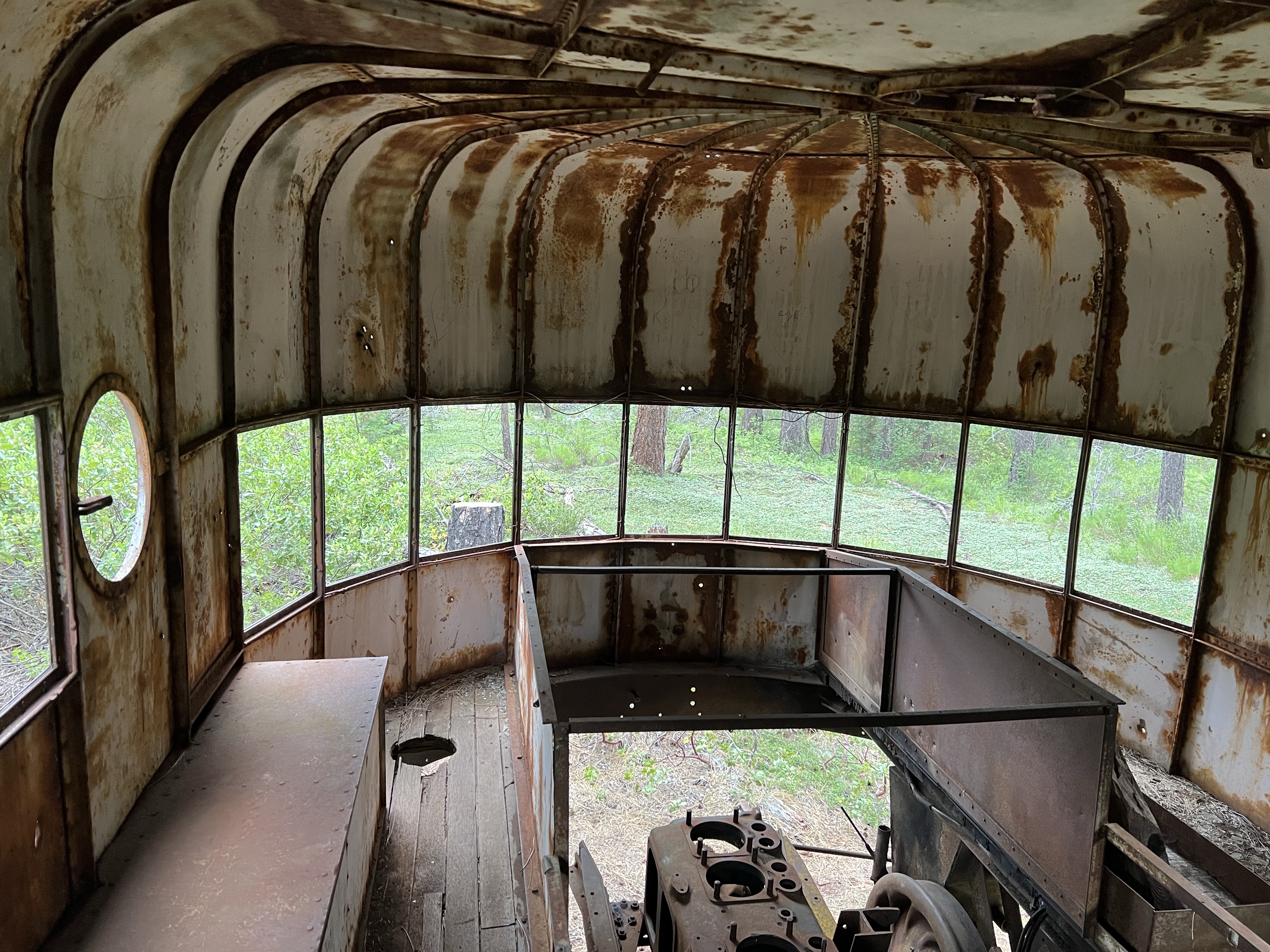
Inside the cab of the Red Goose. The engine block is just visible.

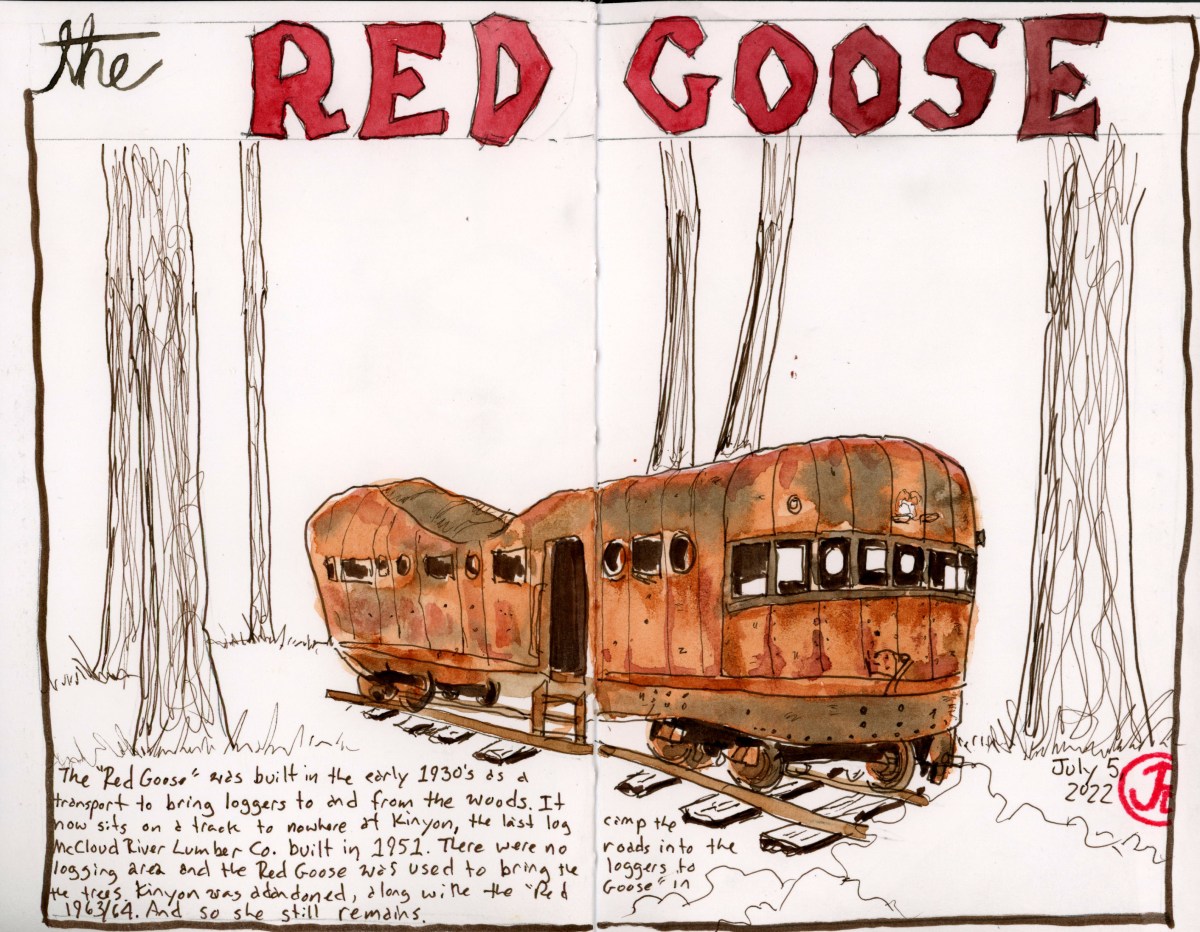
The Red Goose was built in the early 1930s at the railroad shops at Ponderosa. The Goose was powered by the engine block of a Caterpillar 60 gas powered tractor. She was built as a rail car to transport loggers to from logging camps out to the forested areas where they were harvesting lumber.

The Red Goose now sits alone and abandoned in the former logging camp of Kinyon. She sits on track that barely extends beyond her front, isolated in time and space from the former line that would had taken her to the headquarters of the railroad, 13 miles west, in McCloud.

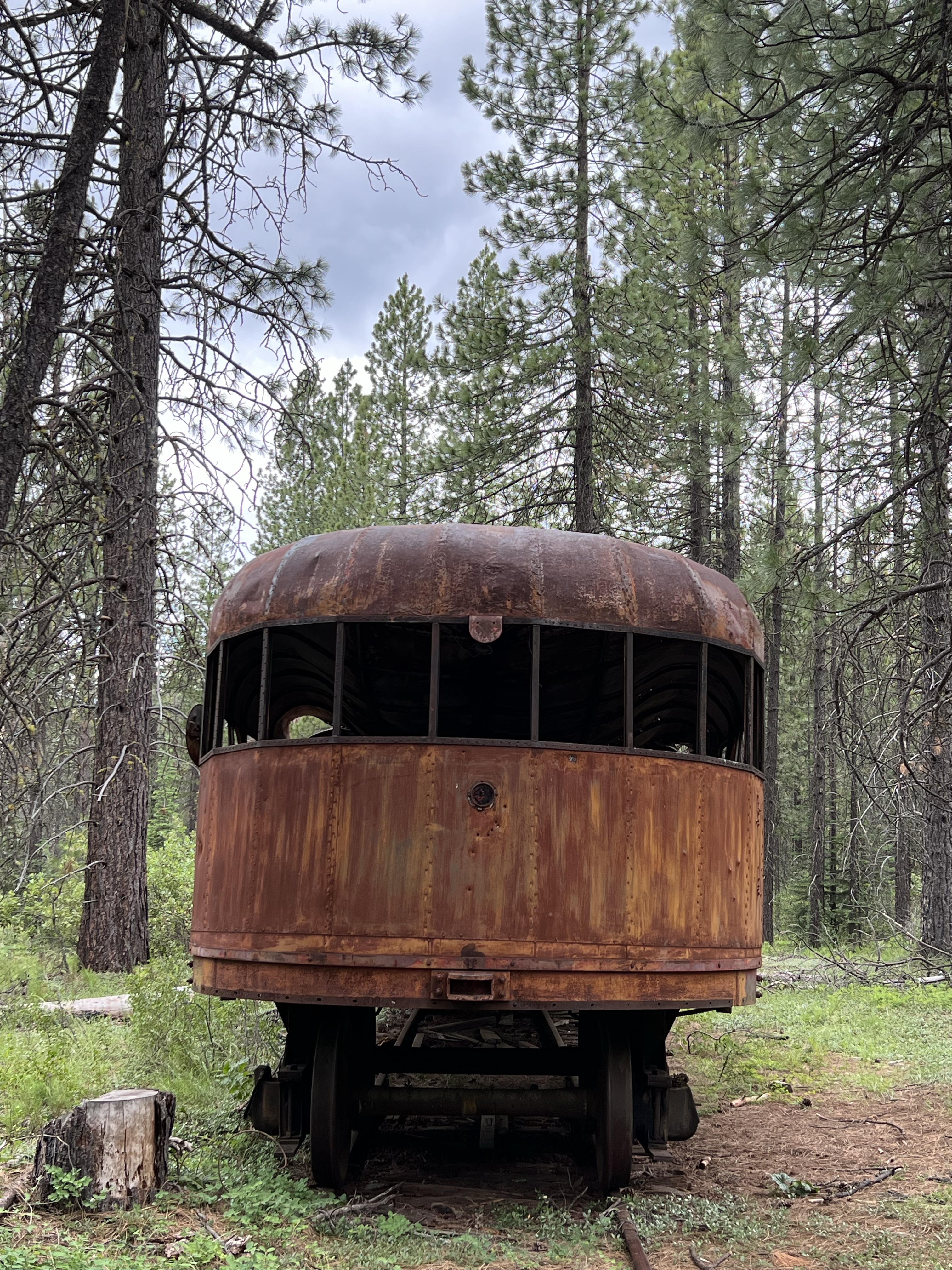
After sitting out in the open for 60 years, you can still see some of the red paint that gave the car her nickname. Surprisingly the car’s exterior is really devoid of graffiti and the body seems to be in fair shape, except for the rear roof that is caved in from carrying snow loads for 60 winters.

Image

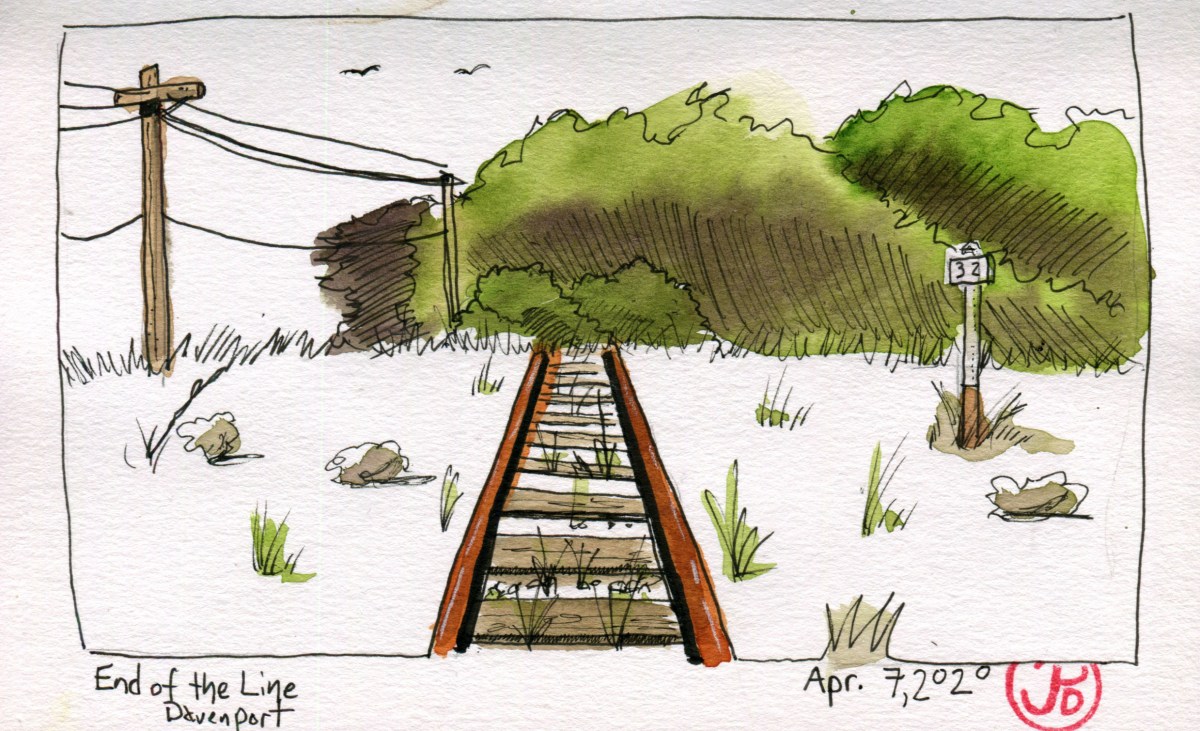
End of the Line: Davenport

In these times of social isolation, I headed north out of Santa Cruz on Highway One. My destination was the small town of Davenport.

A branch line runs from the coast mainline at Watsonville Junction to Santa Cruz, north along the coast to the Davenport Cement Plant. The plant was built in 1907 by the Santa Cruz Portland Cement Company. This cement plant became one of the largest producers of cement. At the height of it’s production, during World War II, the plant shipped out 700,000 barrel of cement a year. Cement from this plant helped rebuild San Francisco after the 1906 earthquake and fire and also supplied cement for such major construction projects as Pearl Harbor and the Panama Canal.

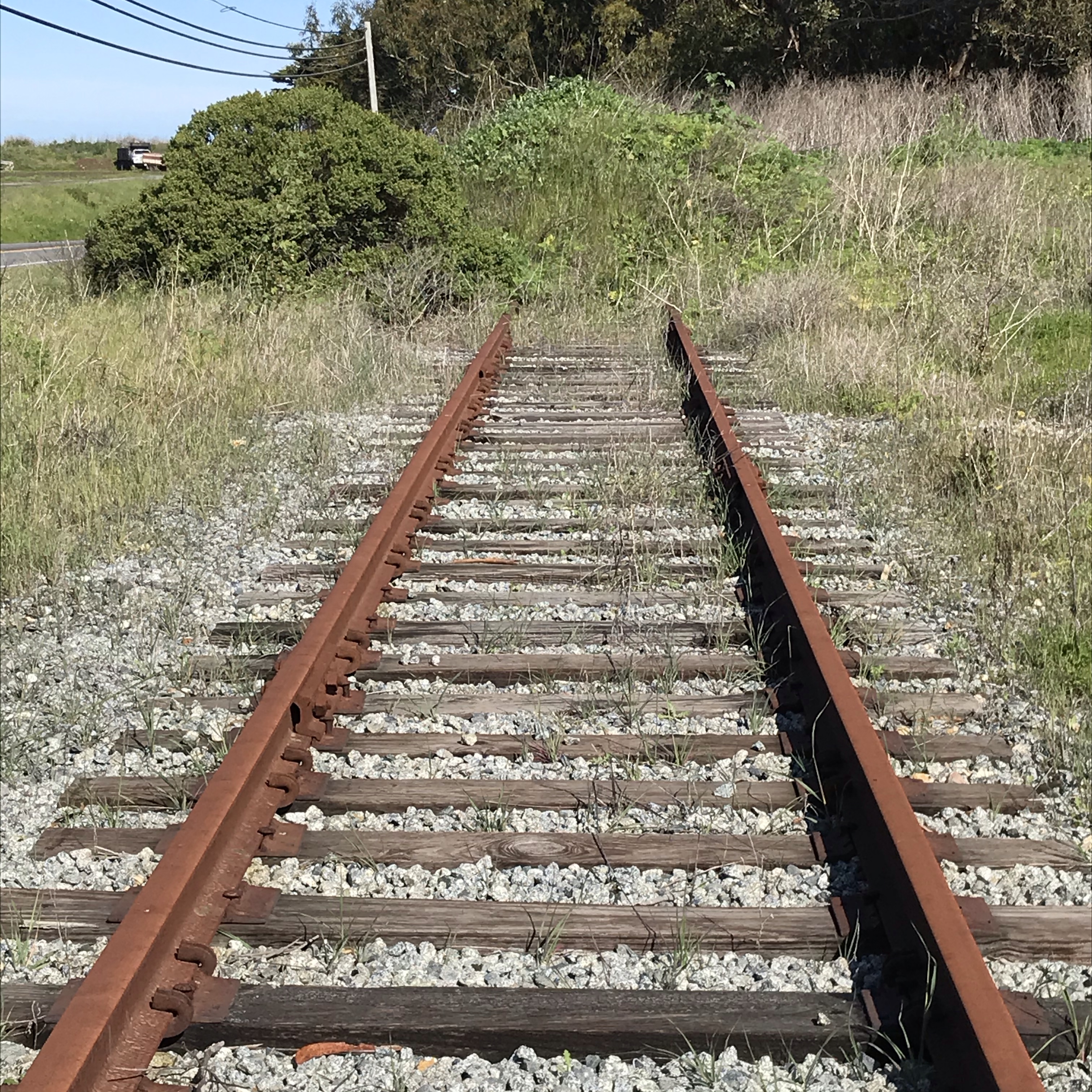
The cement plant was later acquired in 2005 by Mexico’s CEMEX. The plant was closed for good, in 2010 and now the rails stand rusted, overgrown and the end of the line disappears into vegetation.

The Davenport railroad to nowhere sums up the plight of America’s railroads. At it’s height, in 1916, the United States Railroad network consisted of 254,000 miles of track, the largest rail network in the world. From 1916 to the present day, 160,000 miles of track have been closed down and abandoned. The current rail network stands at about 94,000 miles of trackage.

Railroad companies saw passenger service as a losing hand, as trains were competing with the automobile and the increasing use of passenger air travel. The railroads were in dire straights in the 1960’s and passenger service was saved by the creation of AMTRAK in 1971 (the year of my birth). This service is a government subsidized and controlled service which now serves an average of 30 million passengers annually.

Railroads companies still exist to this day but they earn their profits from freight and not passenger service. They keep America moving and most Americans are unaware both of their legacy in creating the United States and there present impact in moving goods around the county. As Christian Wolmar notes in his excellent book, The Great Railroad Revolution, “America needs to relearn the joys of railroads that have served them so well in the past and, indeed, continue to do so today, albeit invisibly.”

The American railroad stands at a crossroads as the plight of high speed rail in California seems like a far off dream.