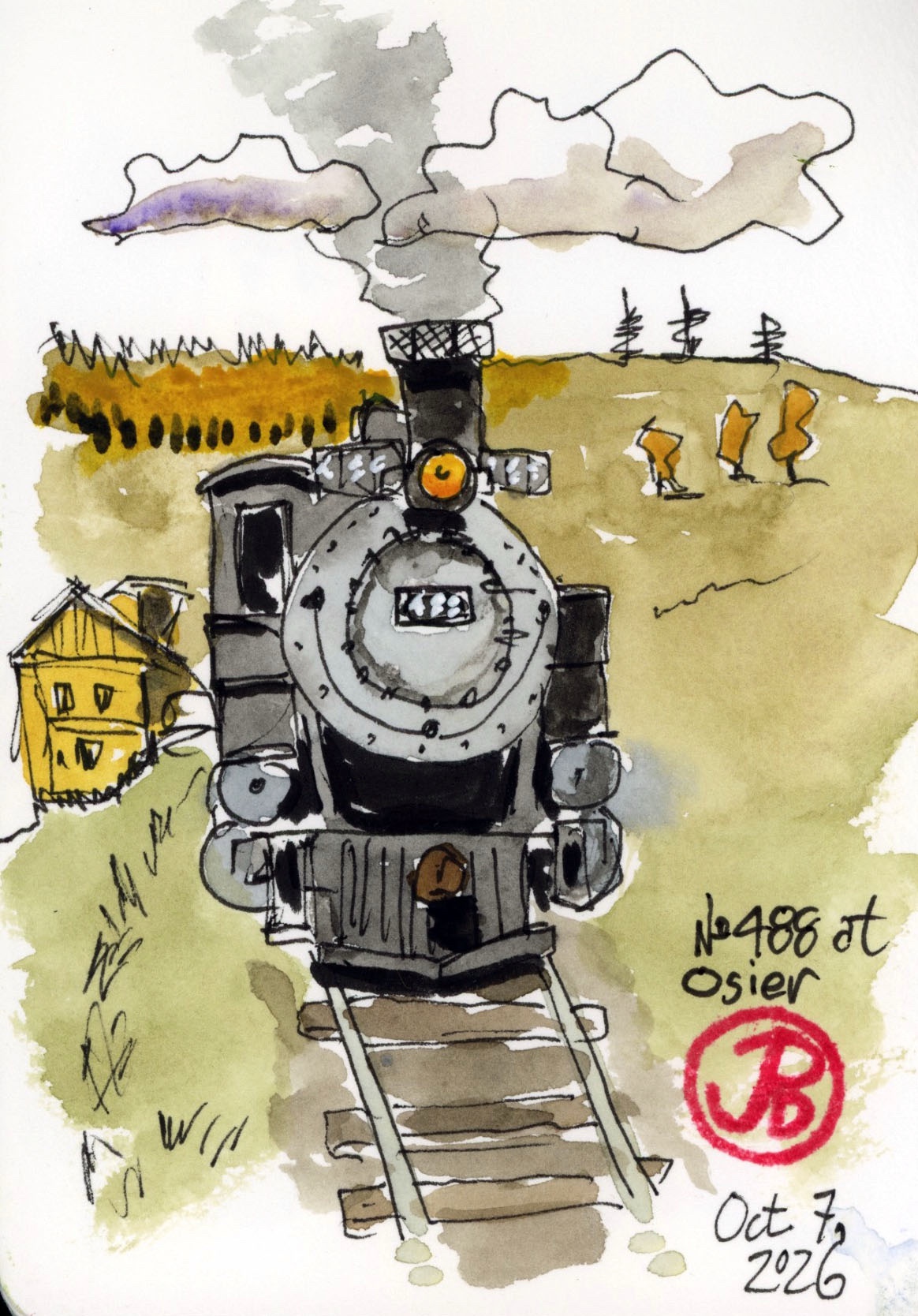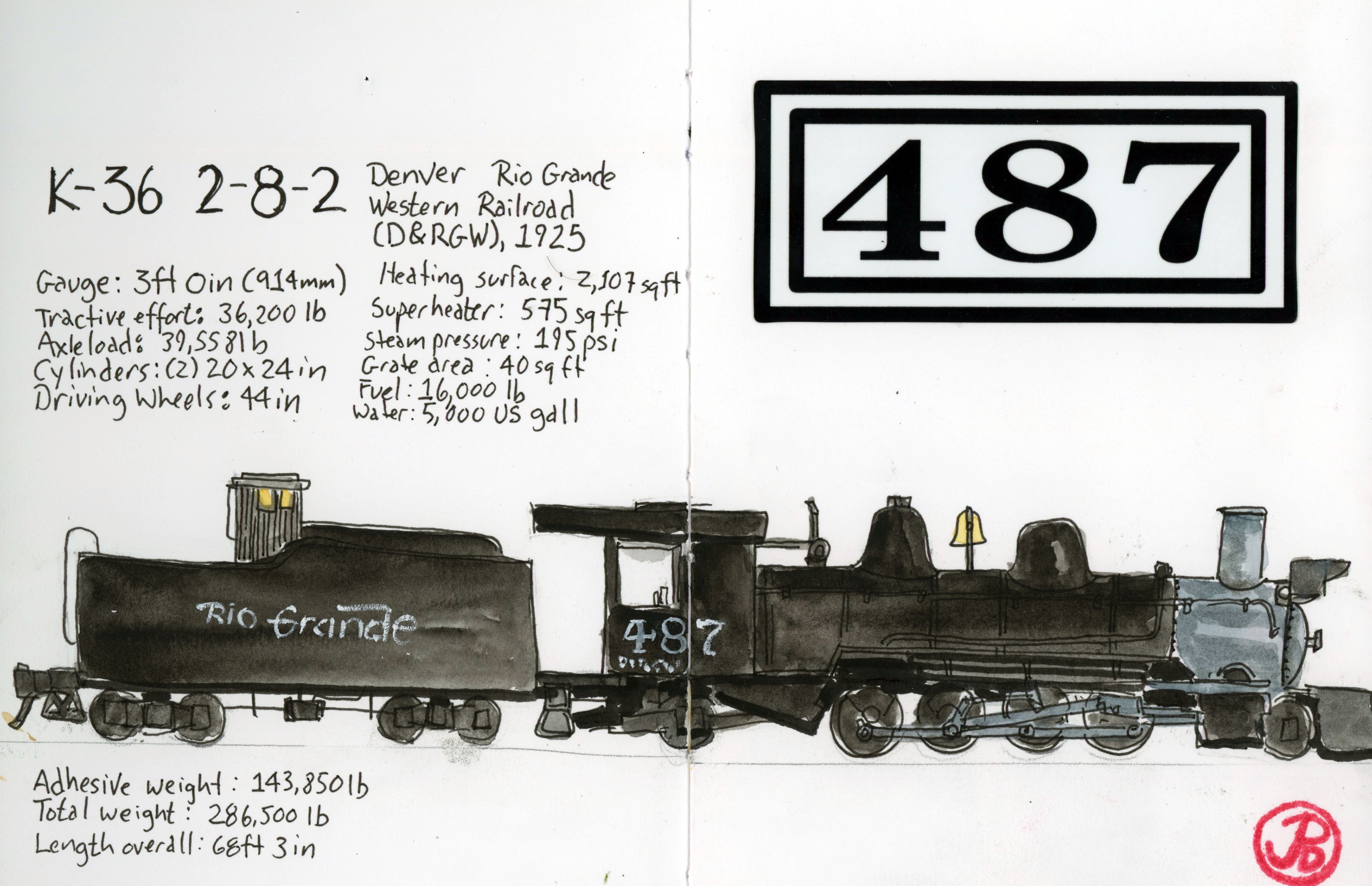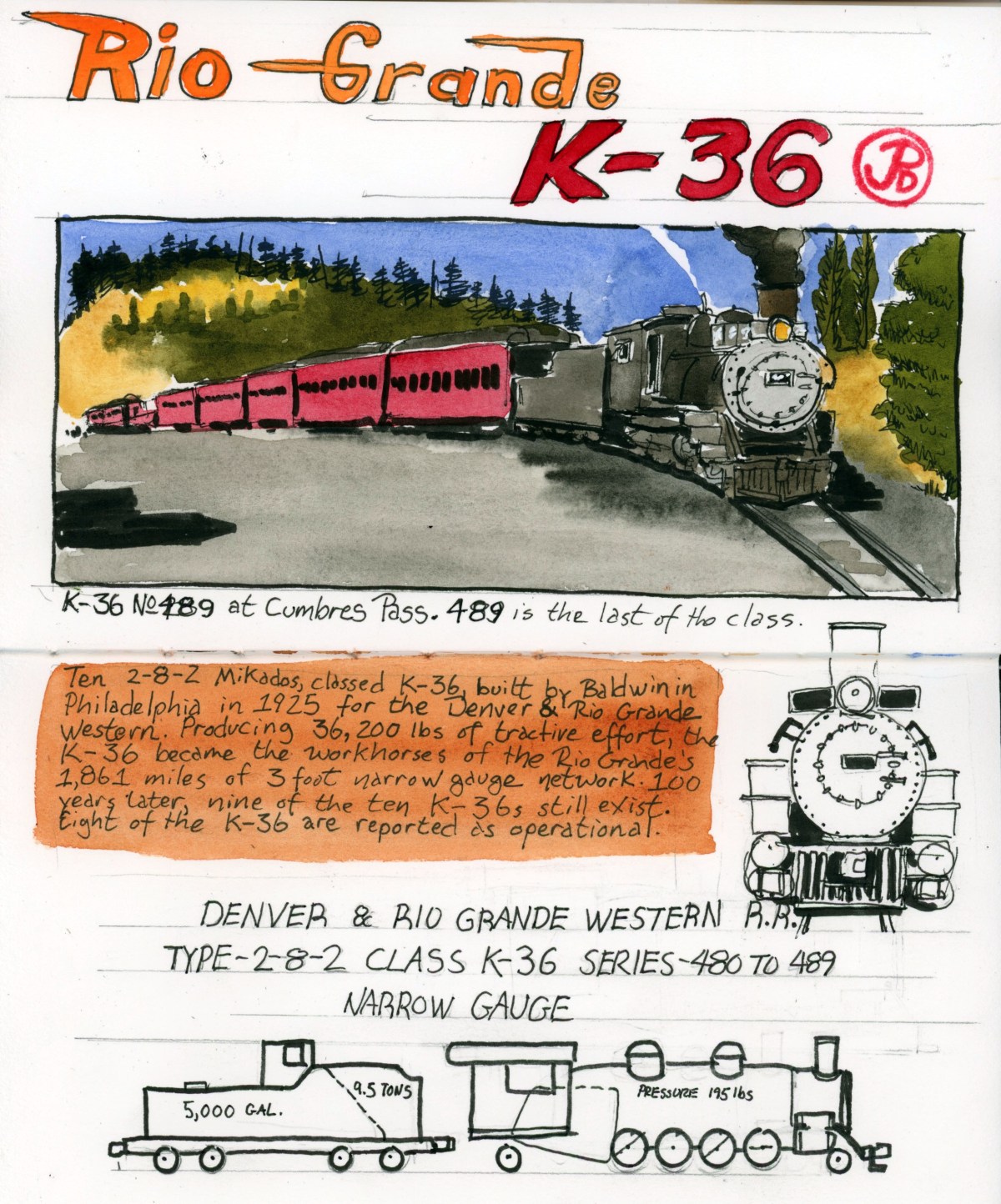
The Denver & Rio Grande needed upgrades to their narrow gauge motive power and they turned to Baldwin Locomotive Works for a solution.
In Baldwin’s Philadelphia shops they built ten Mikado locomotives with the 2-8-2 wheel arrangement (oOOOOo). The locomotives were classed by the railroad as K-36s. K for the 2-8-2 wheel arrangement and 36 for the tractive effort the locomotives produced (36,200 pounds).
They were made to run on the Rio Grande’s narrow gauge line, 3 feet from rail to rail. They were primarily designed to haul freight although they also worked passenger trains. At one point the D&RG operated the largest network of narrow-gauge in the United States with 1,861 miles of track.
What is astonishing is that out of the ten locomotives built in this class, nine still exist and six are still operational. Even more so that these locomotives were built in 1925 making them 101 years old.
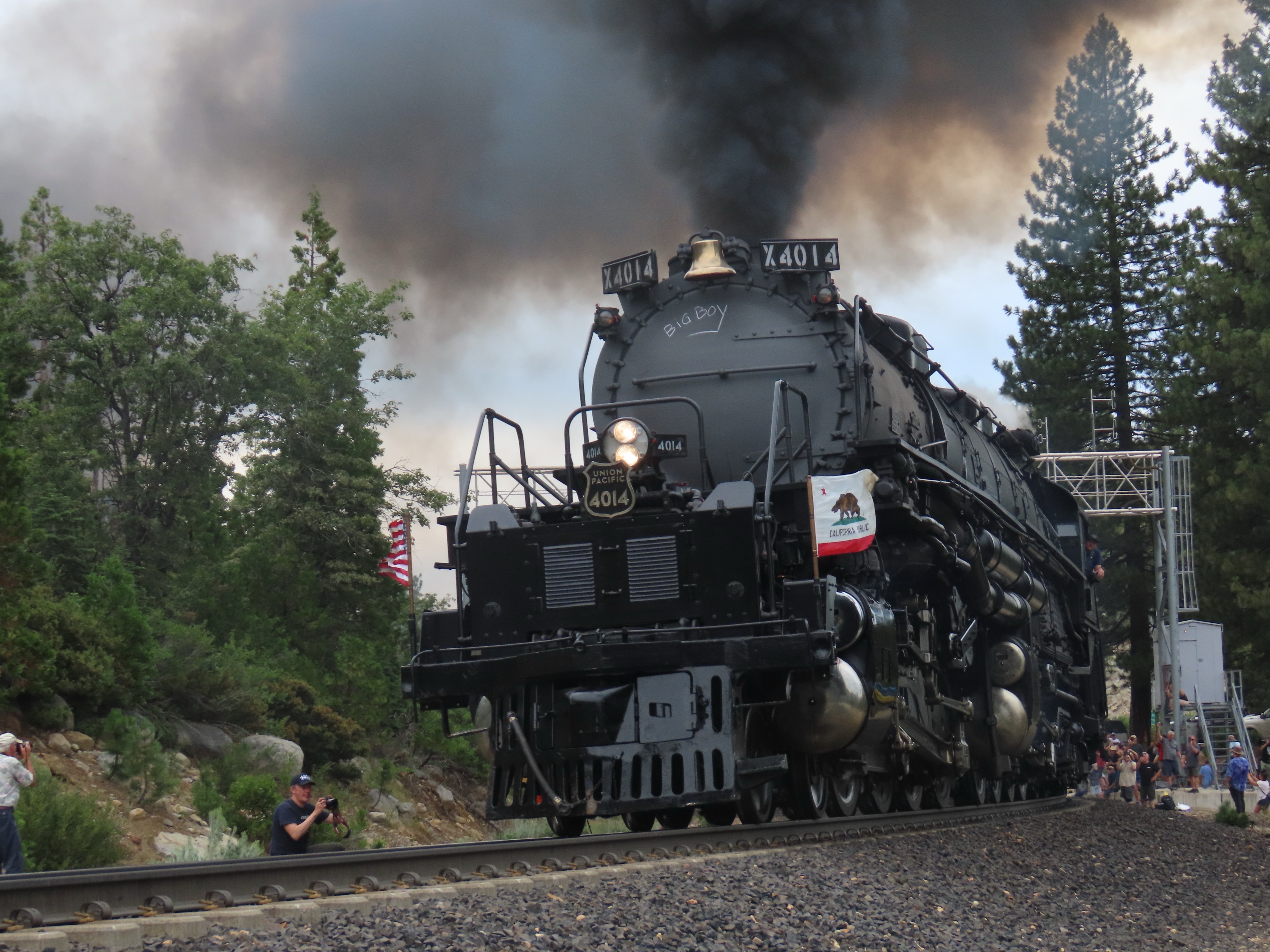
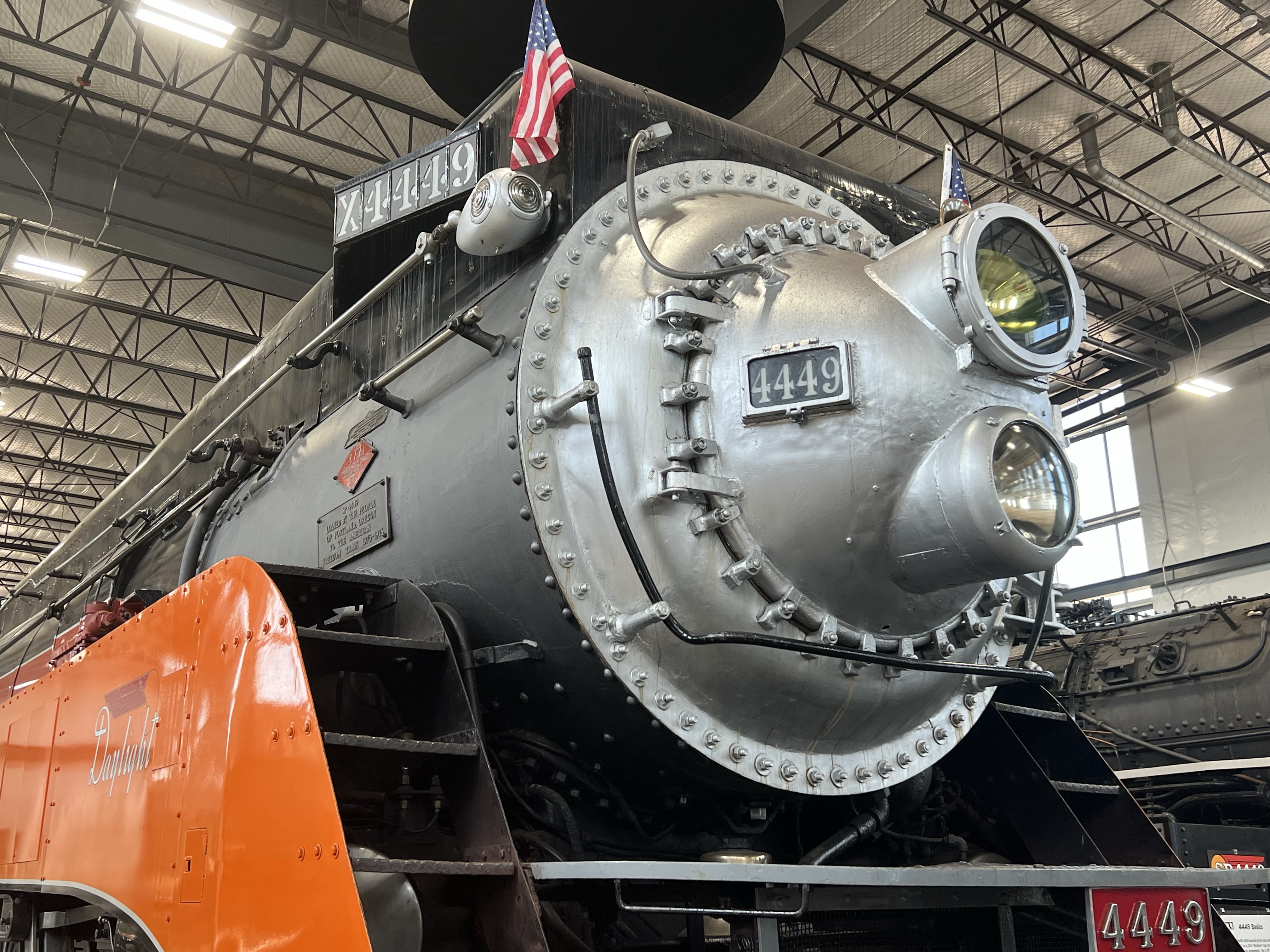
Compare this to Southern Pacific’s GS class locomotives. 94 were built and now only two survive, No. 4449 and 4460, and only 4449 is operational. It’s a bit better with Union Pacific’s 4000 class, the Big Boys. Out of the 25 built, only eight survive with one operational, No. 4014.
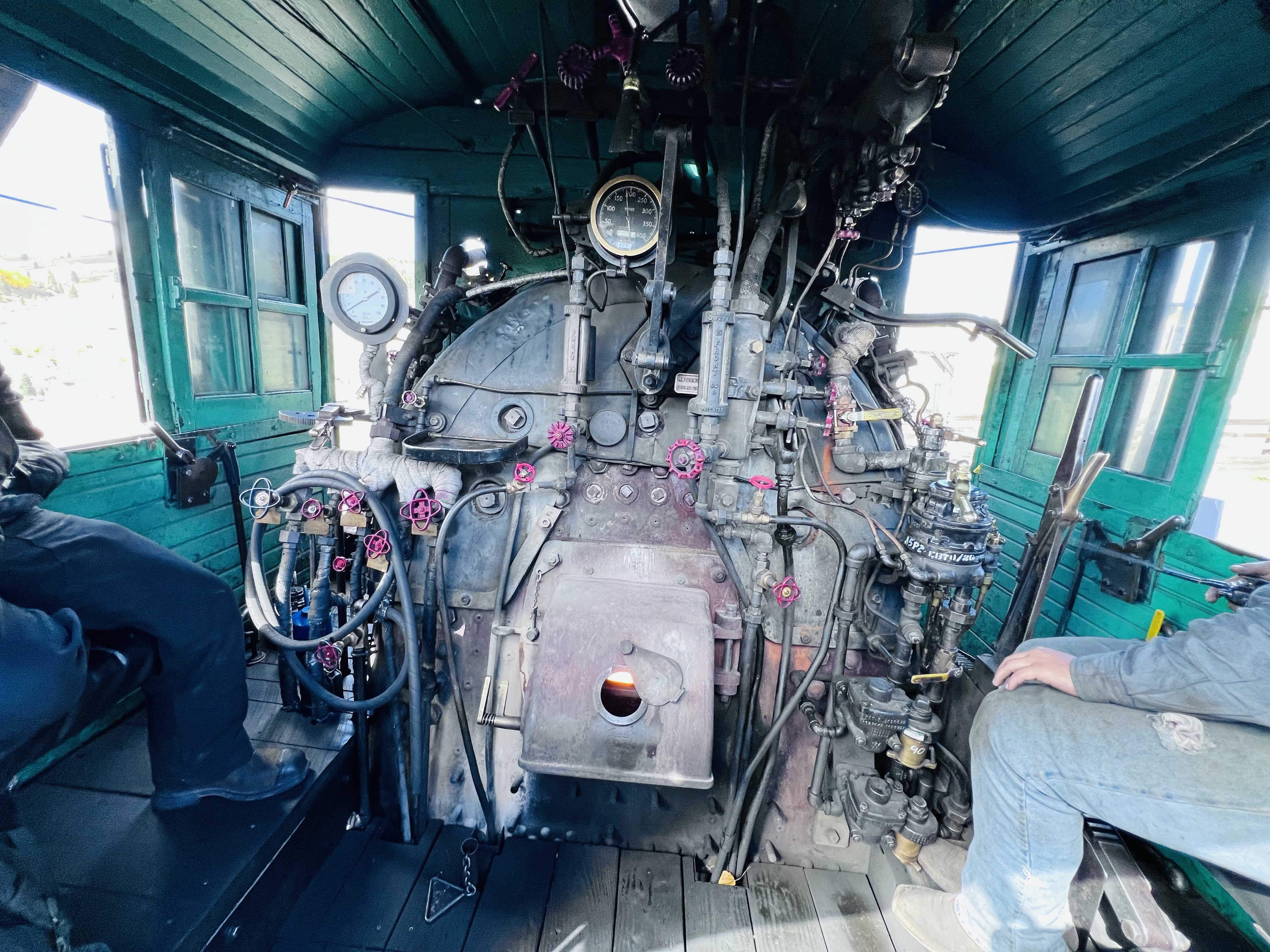
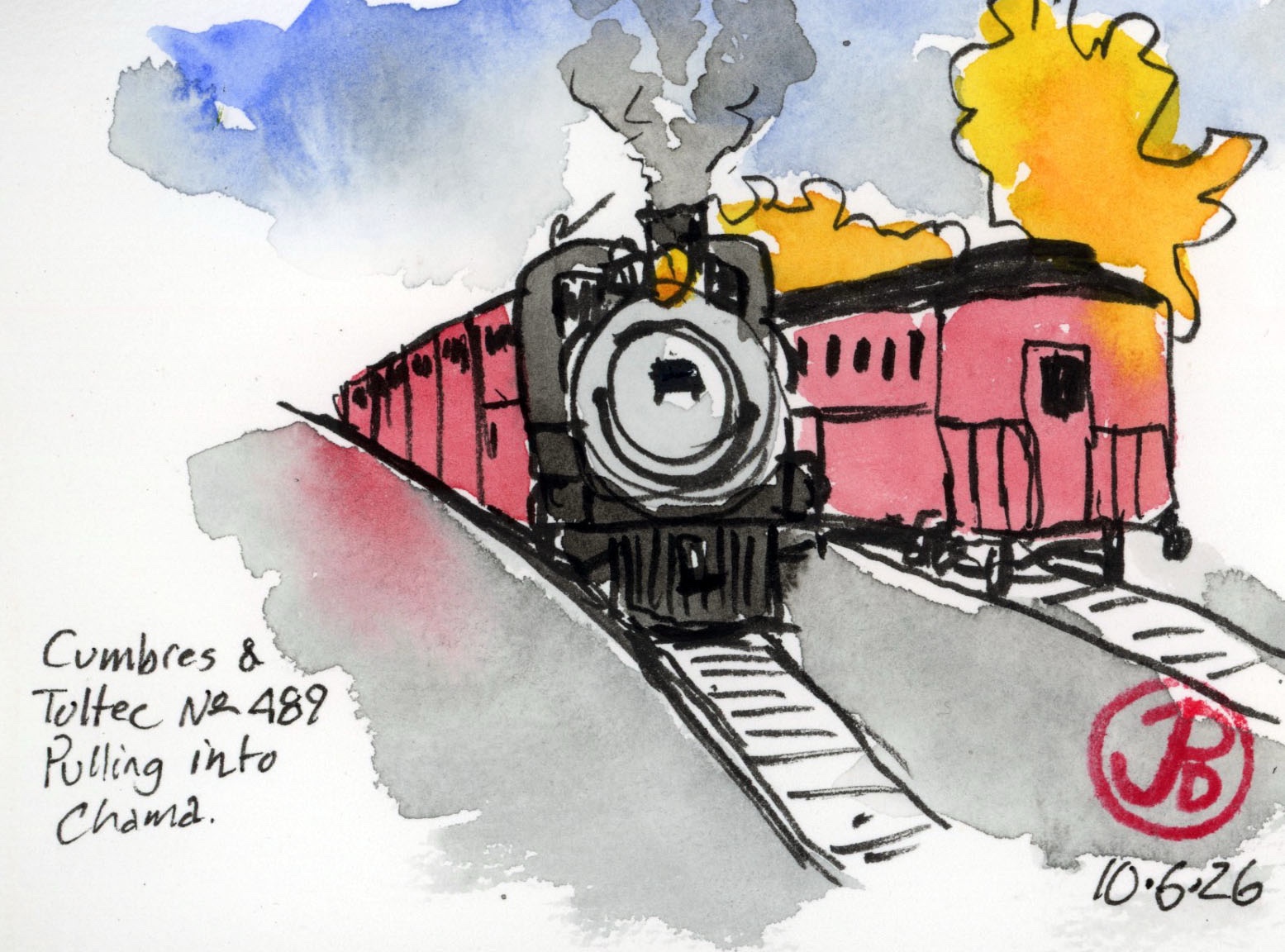
The K-36s now operate in tourist railroads on remnants of the narrow gauge network. The Durango & Silverton owns four and the Cumbres & Toltec owns five.