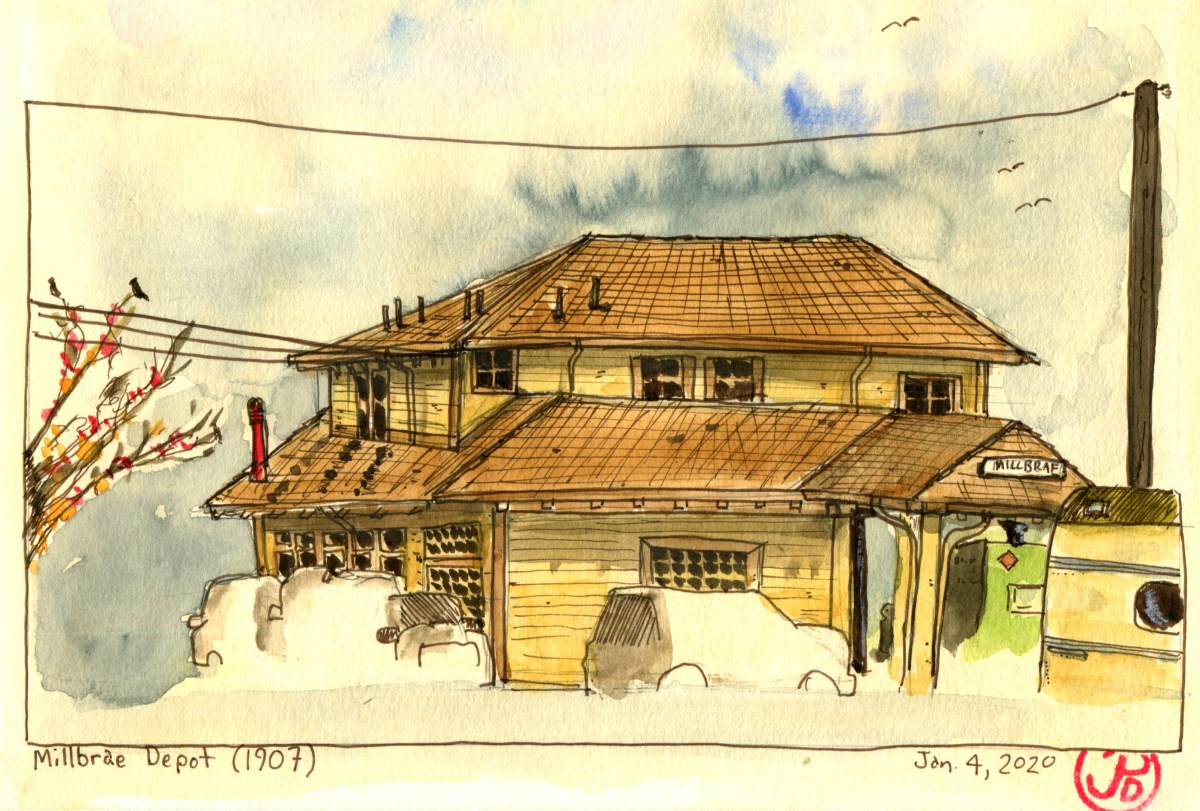
The first historic San Mateo County railway depot on the mainline is 17 miles south of San Francisco in the town of Millbrae (hence the name 17 Mile House).
Millbrae has become a large transit center serving the San Francisco International Airport (SFO) where Caltrain, samTrans, and Bart Area Rapid Transit (BART) meet. The station at Millbrae has been redeveloped and the historic station has been moved, about 200 feet from it’s original site and is little further south down the main line.
Sadly, like the station at Colma, Millbrae’s station no longer serves the purpose for which it was originally designed and built. It last served as a passenger station in 2003 (the year the new transit center opened).
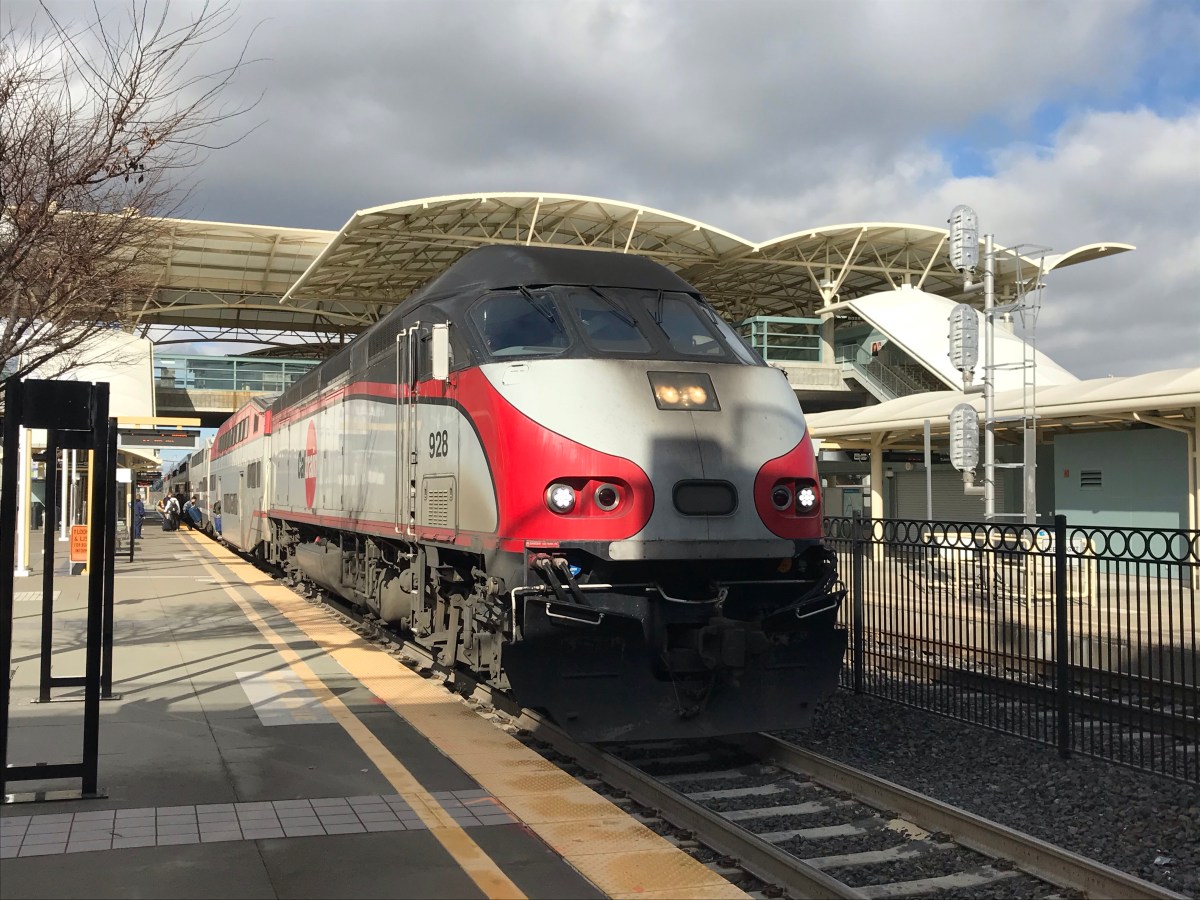 A southbound “Baby Bullet” train pulls into the 2003 transit center at Millbrae. The historic station is about 400 feet behind me.
Millbrae’s historic depot was not the first to be built. The first station was an adobe structure completed in 1864. The banker Darius O. Mills, donated the land so a station could be built on the railway line. He wanted his friends from San Francisco to be able to come and visit his Happy House estate.
That first depot burned down. And a second depot was built, and in 1906, that too burned down. Now while this true story does bear a slight resemblance to the fable , “The Three Little Pigs”, the final structure, built in 1907, did not burn down but has survived now for over 110 years. This station, unlike the Pig’s house that stood, was not built of bricks, but of wood.
The current depot has a two-story core with two wings, both north and south, that parallel the rail line. The wing to the north is the passenger waiting room and the wing to the south is the baggage room while in the middle is the telegraph and ticket office. The 700 square foot second story was the living quarters for the station master and family.
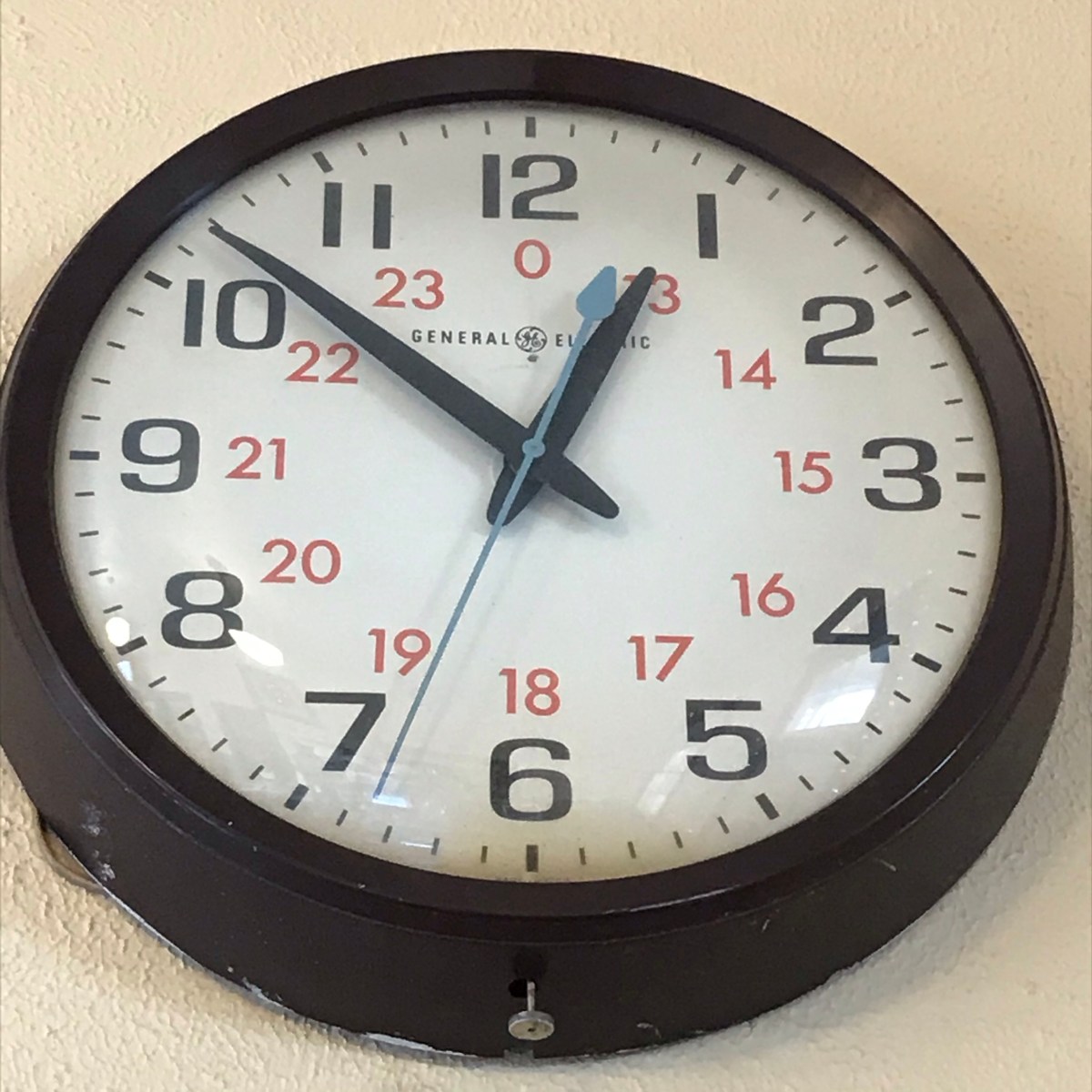 The original clock used in the passenger waiting room when the depot was closed. The inter ring of red numerals show 24 hour time, the time of all railroads.
The architectural style of this depot was very much influenced by the then president of the Southern Pacific, E. H. Harriman, who controlled the look of the railroads from the engines and passenger cars and the depots. The architectural style is said to be Colonial Revival.
What almost destroyed this station (the Big Bad Wolf if you like), was Southern Pacific Railroad who, in 1976, wanted to level this beautiful building and, you guessed it, put up a parking lot.
The Millbrae Historical Society stepped in (and stepped up) and saved this depot from oblivion. It was declared a National Historical Landmark in 1978. In 1980, the depot was moved 200 feet south to it’s present location, still on the mainline and still a witness to the passage of rail traffic.
 A southbound train passing Millbrae’s historic railway depot, on its way to San Jose.
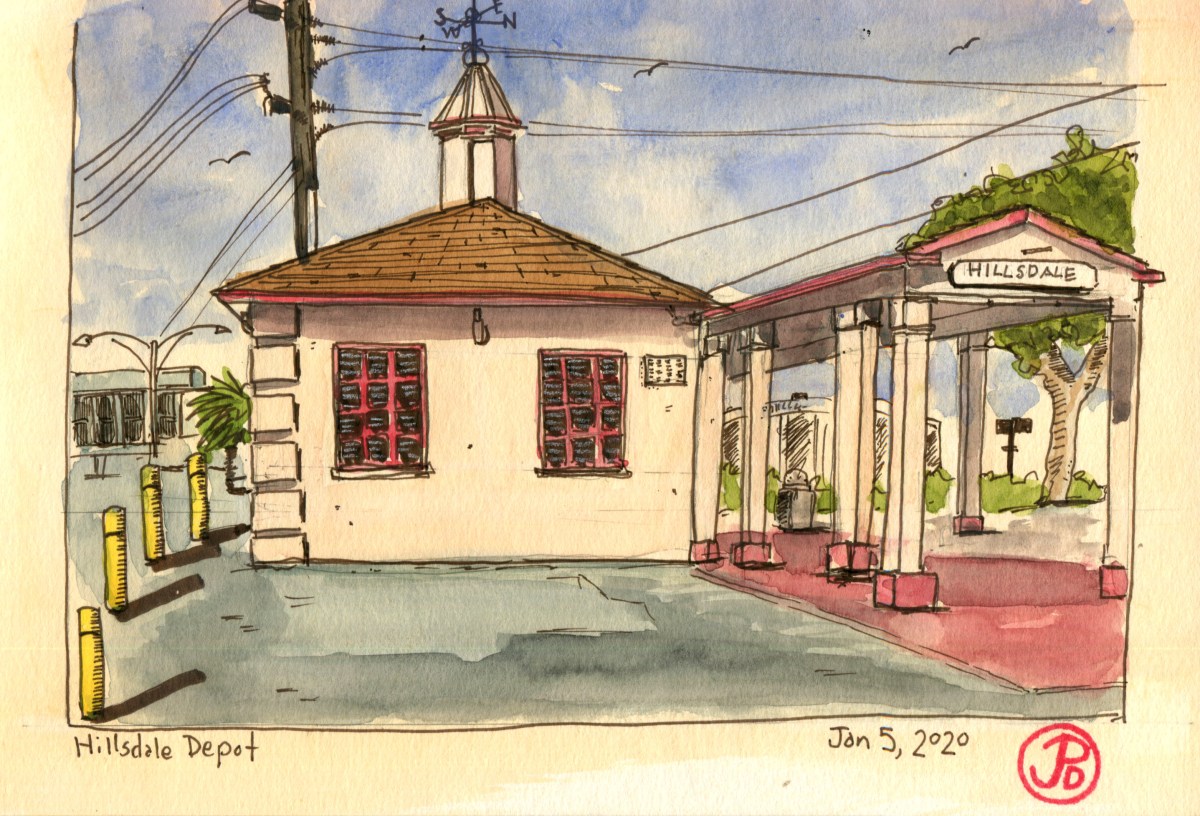
 A southbound train on the main line, pulls into Hillsdale Station. The old station, on the left, is no longer near the railway which now has been raised above the station.
 Engine Number 900 “San Francisco” pulls into Hillsdale Station.
 Corvidsketcher sketching in the parking lot of Hillsdale Station, the day before the building will be demolished. This may be the last drawing of the station while it is still standing.
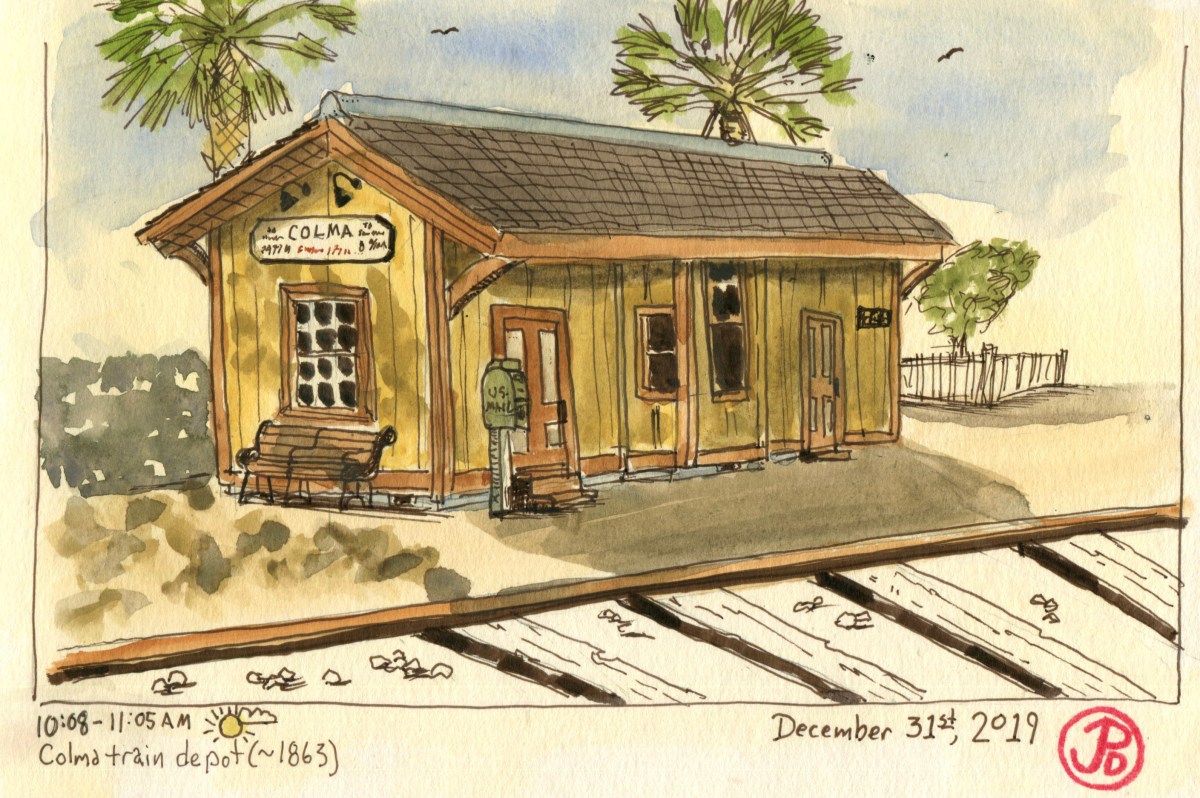
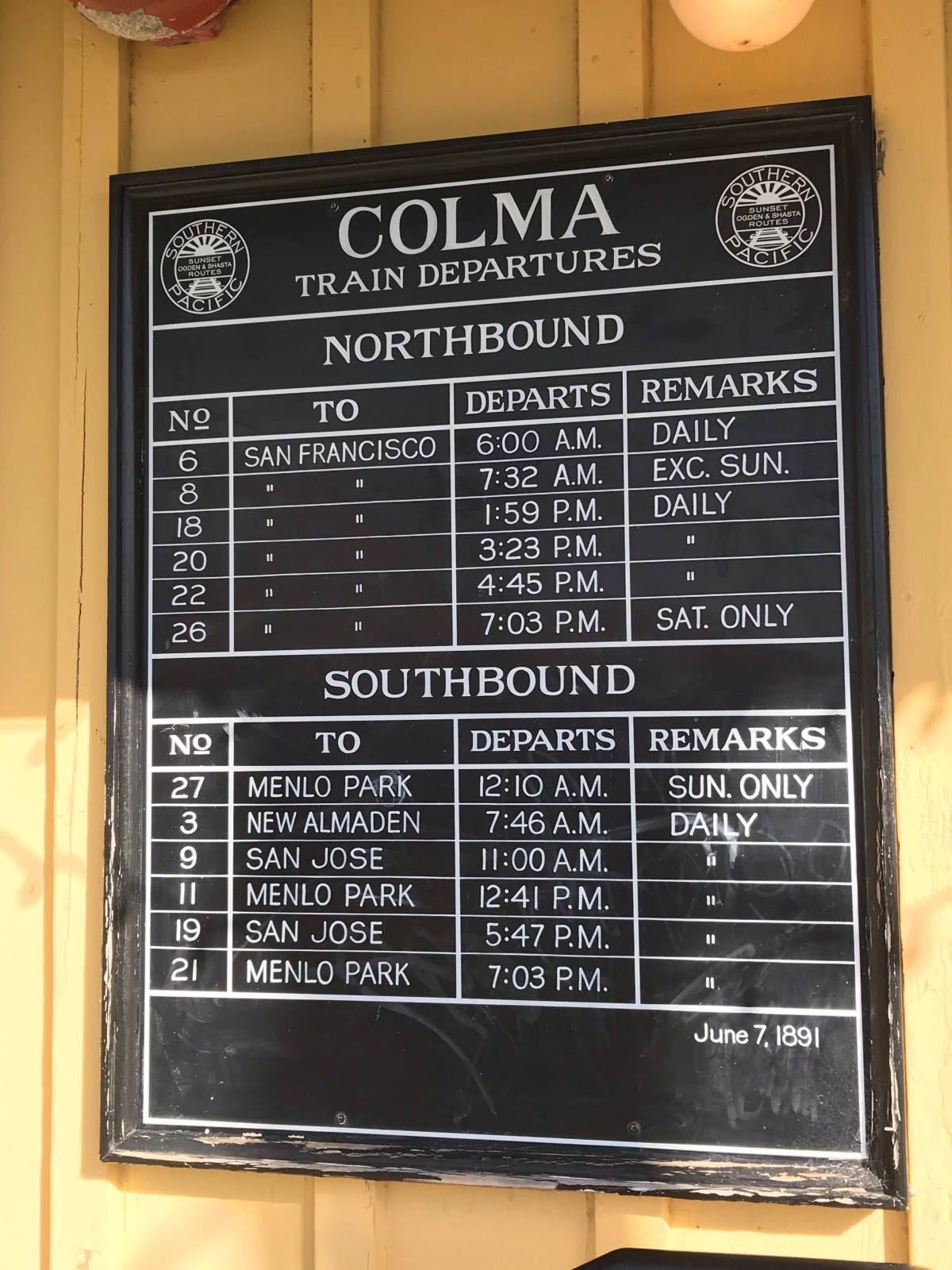
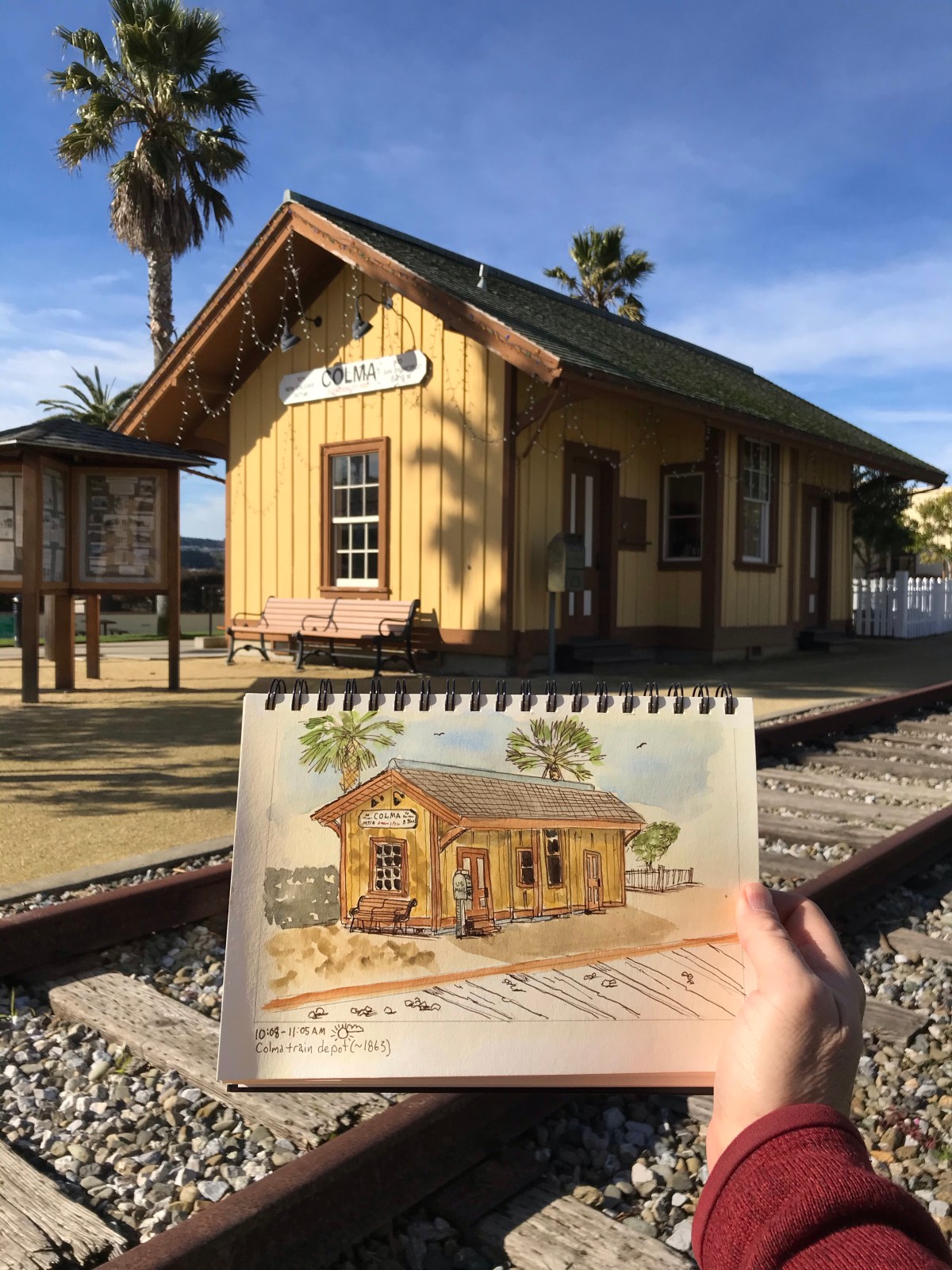
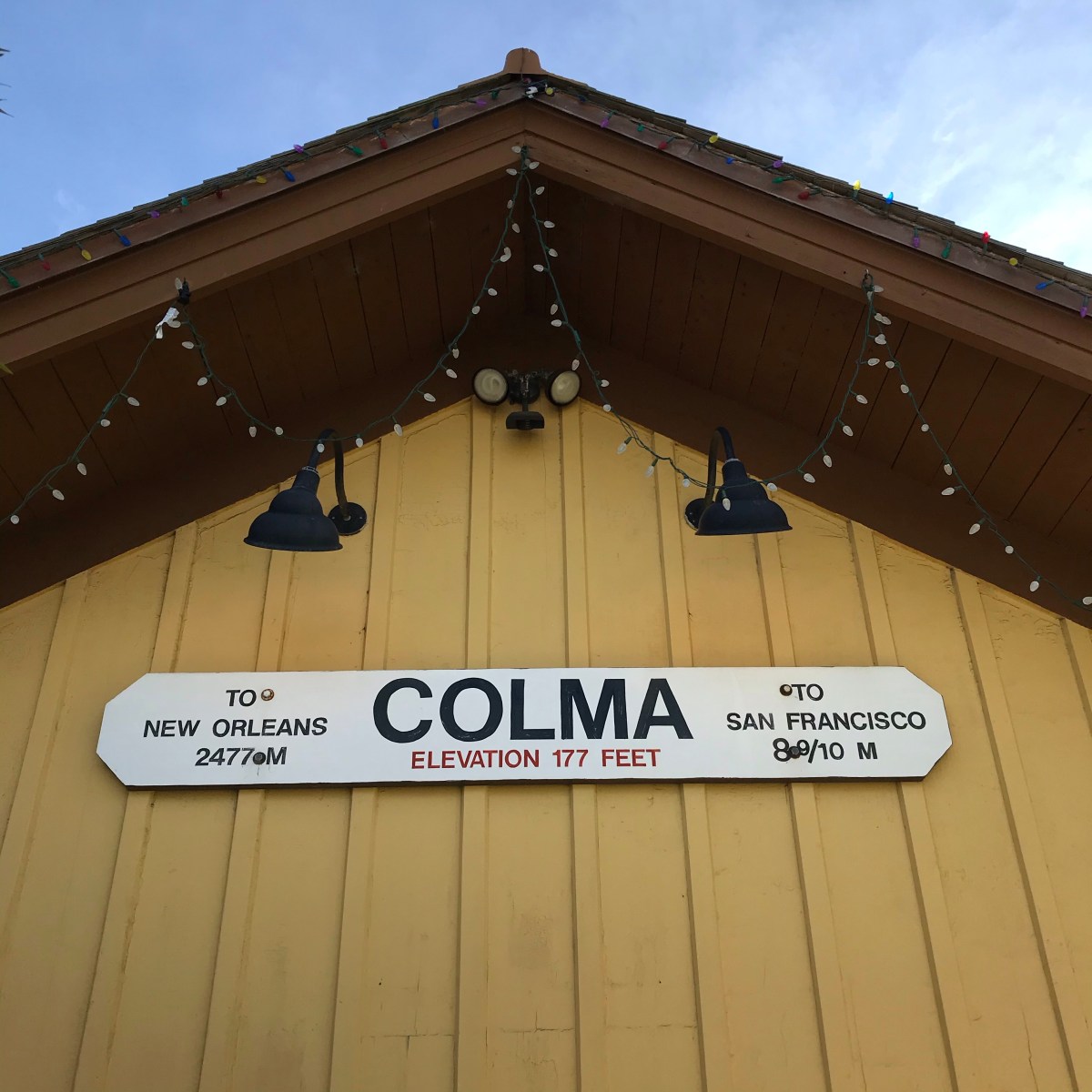 Another reason the Colma Depot was a good starting point for this project is that it was the oldest depot on the line, built around 1863, beating out the actual oldest station on the Peninsula mainline at Menlo Park, built in 1867.
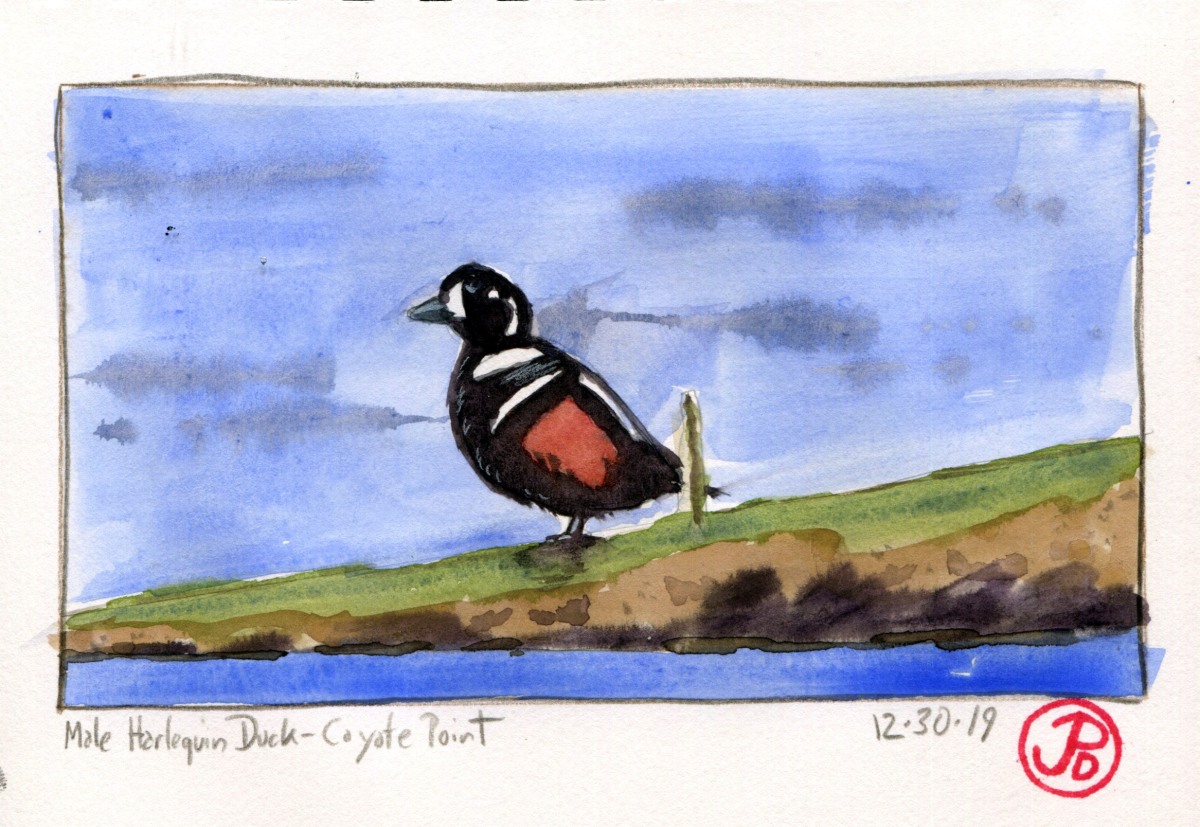
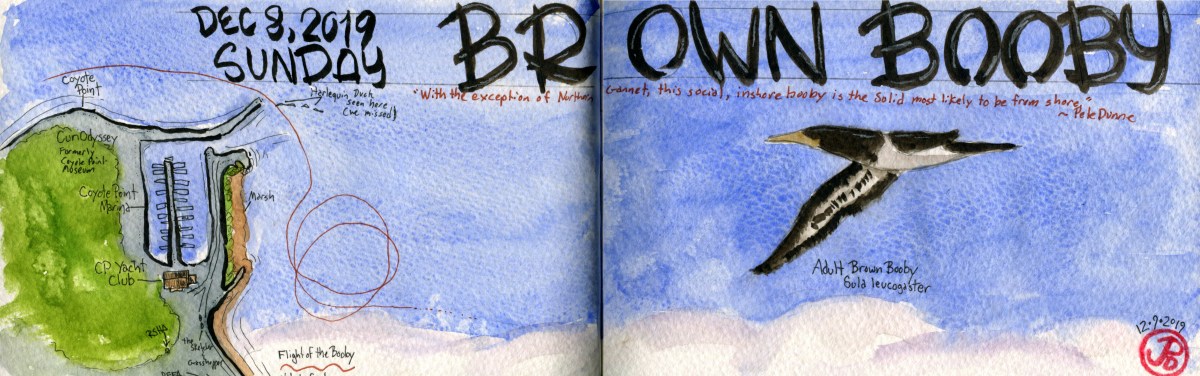
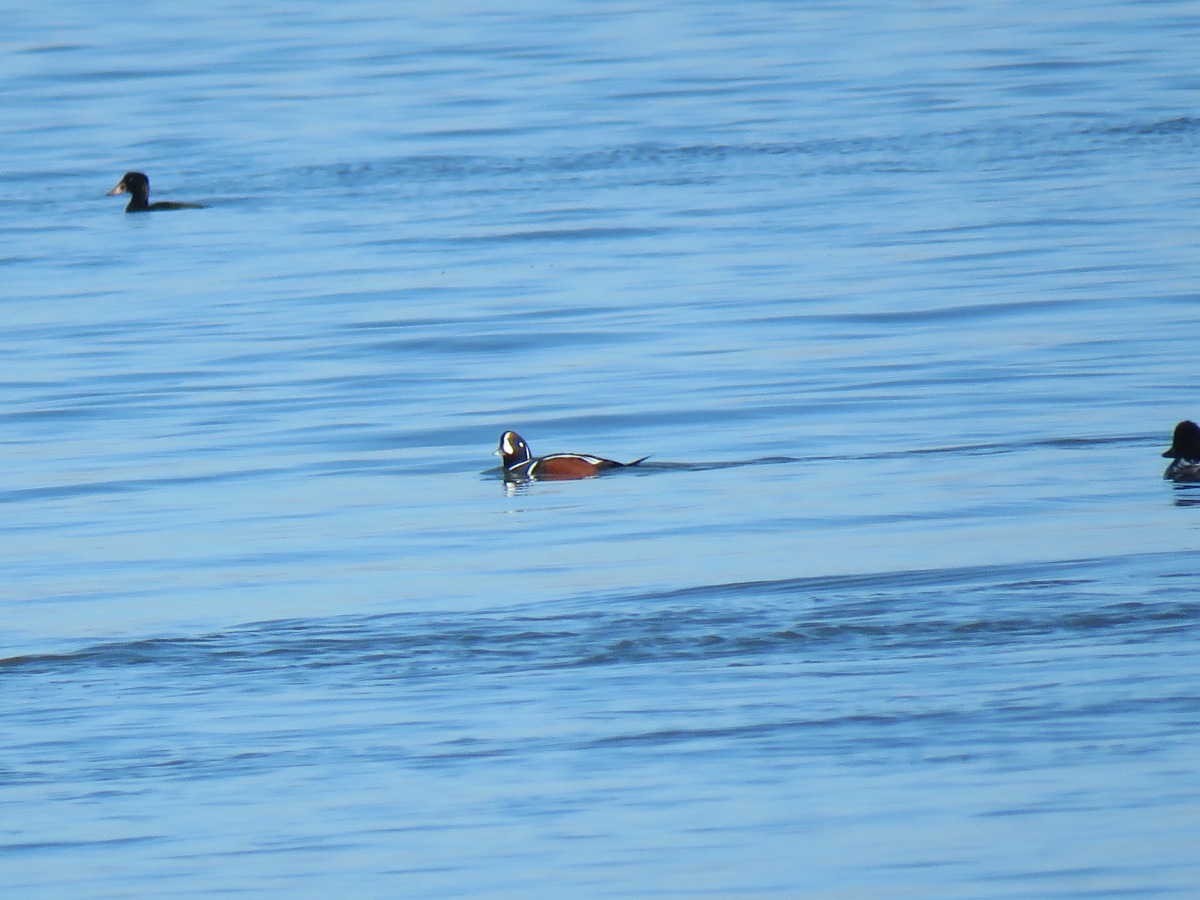 The Bay Area rarity was finally ours. Male harlequin duck just beyond the breakwater at Coyote Point Marina.
 Touchdown for a massive A380 at SFO. A raft of ducks are in the foreground, apparently not disturbed by all the air traffic.
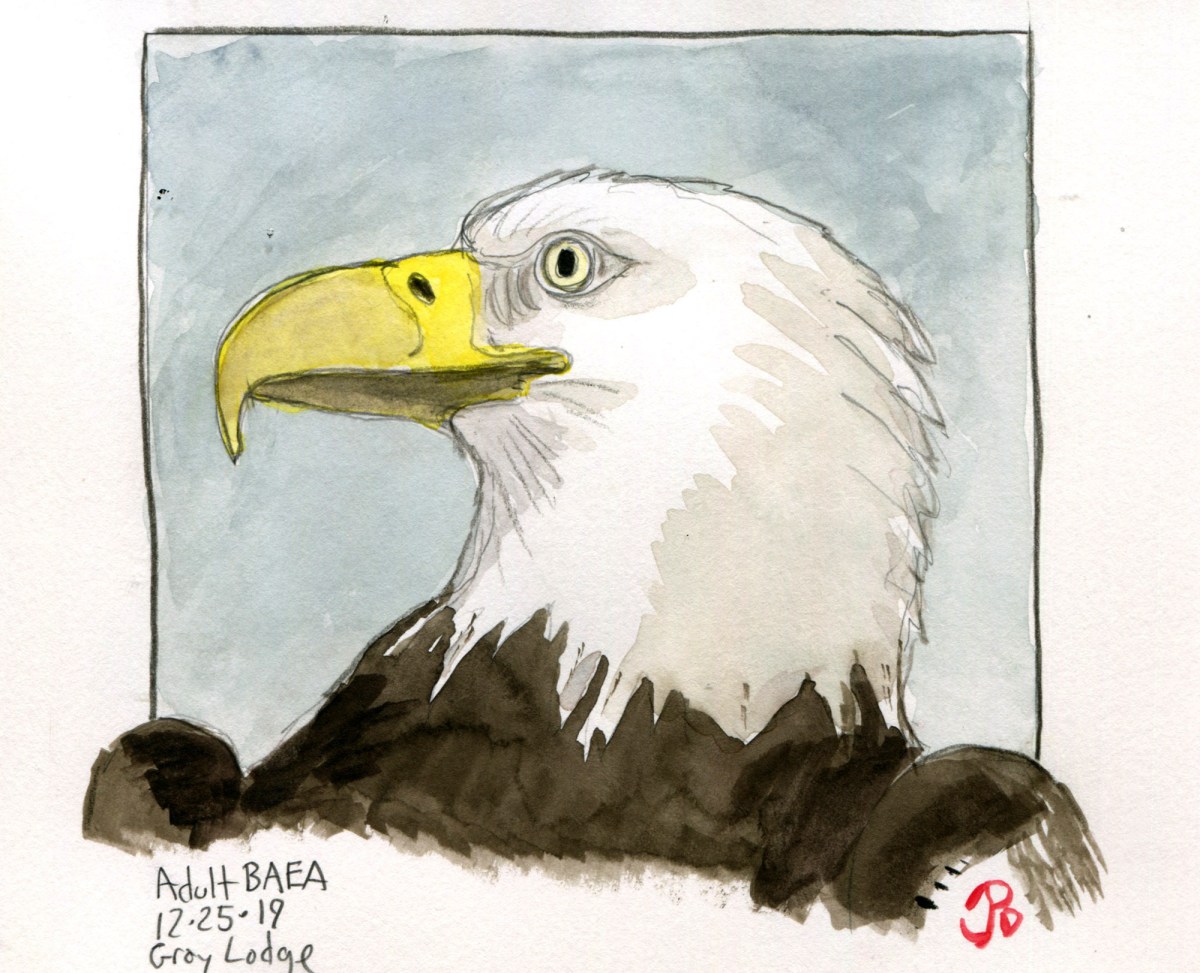
 The unmistakable heft and upright posture of a bald eagle, in this a case an immature. This bird did not allow a close approach. An eagle takes five years to gain it’s iconic “outfit” that most people would recognize: white head and tail, yellow beak, and dark chocolate-brown body.
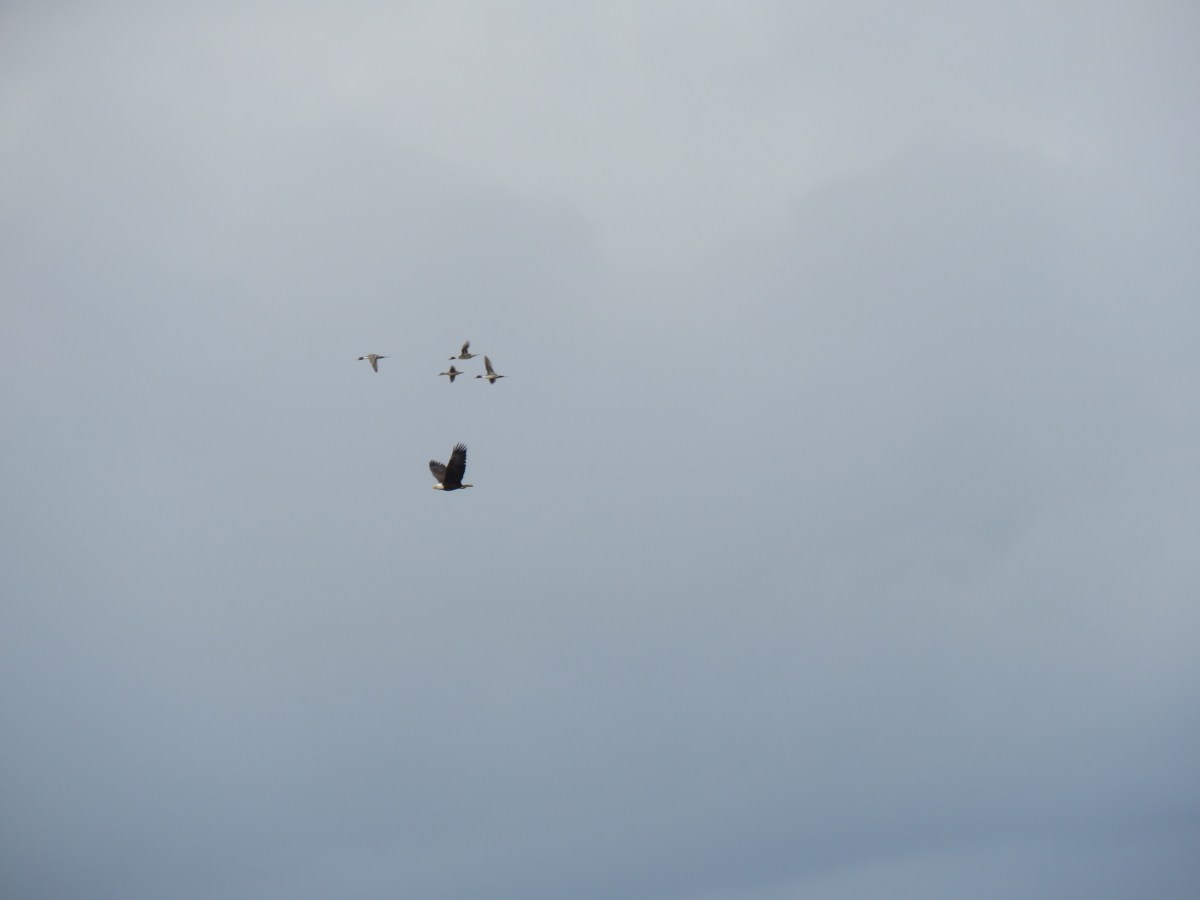
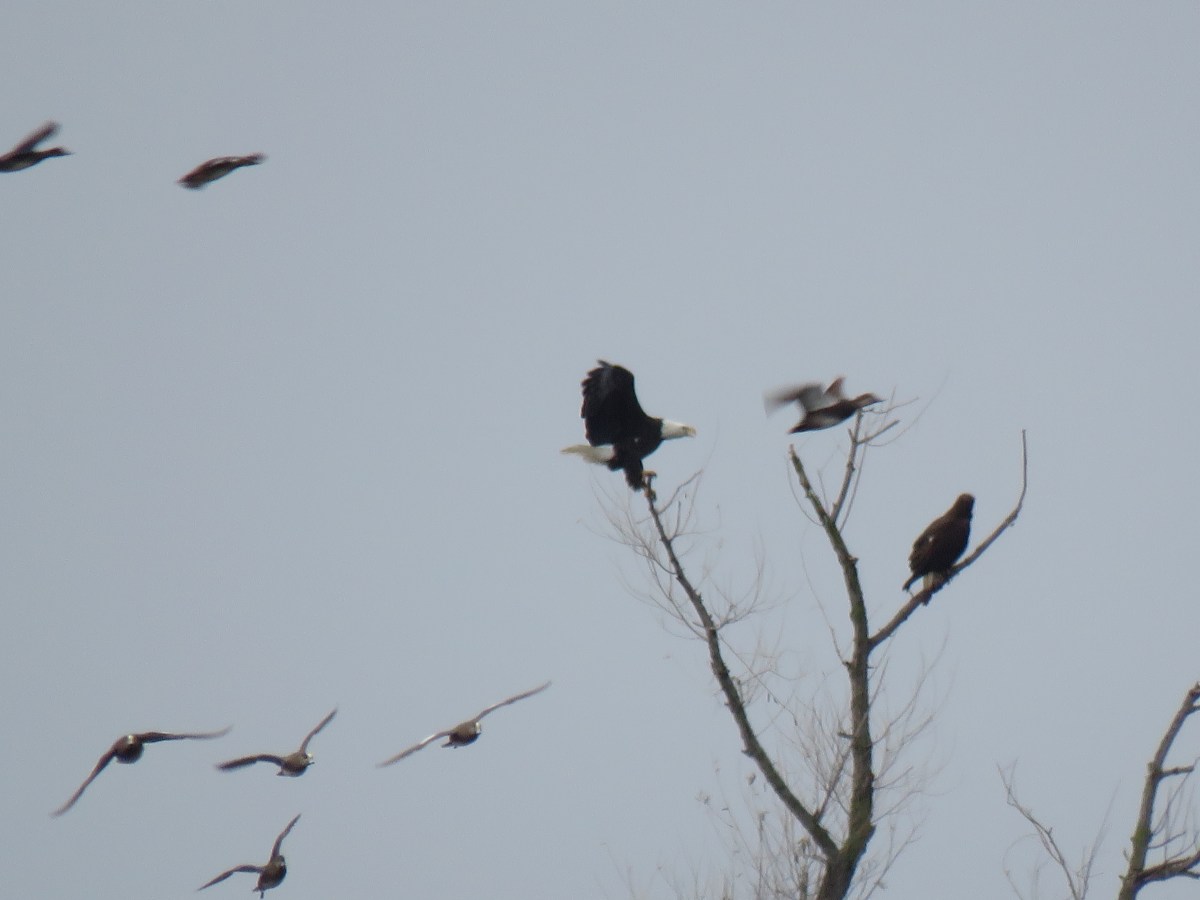
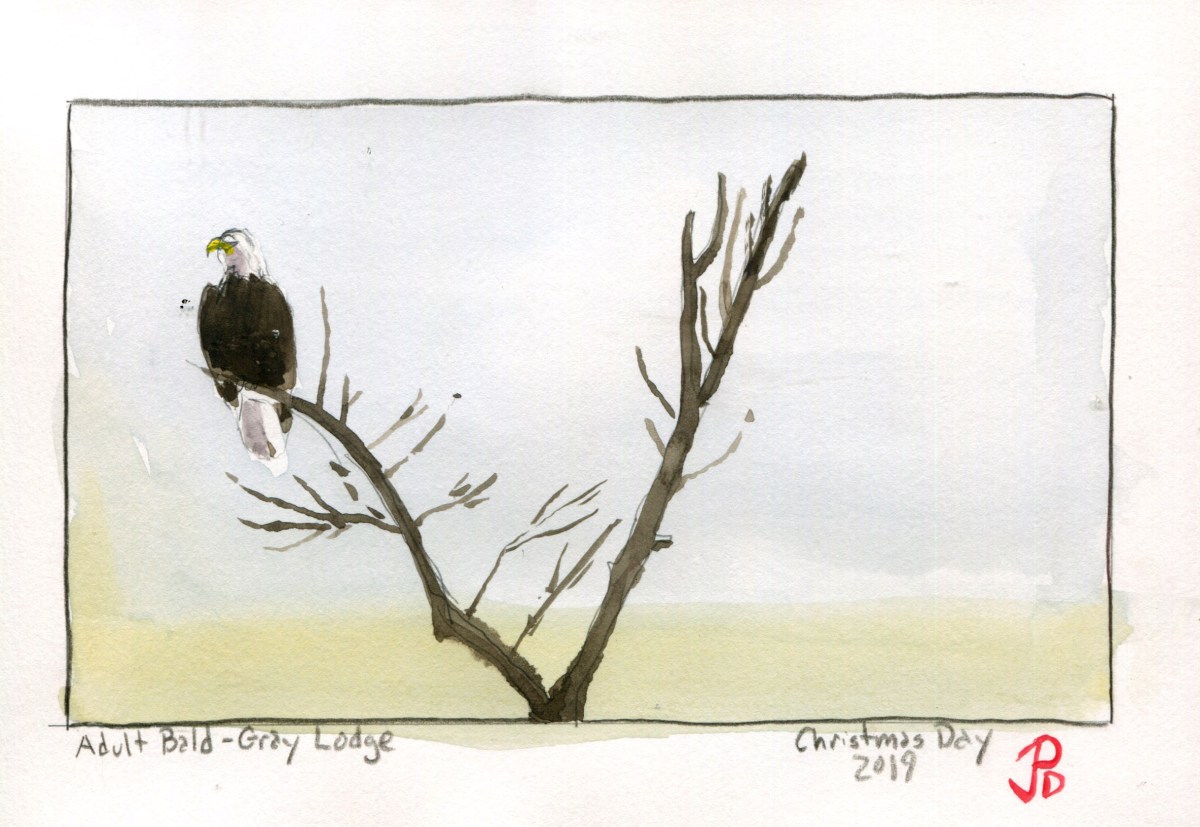
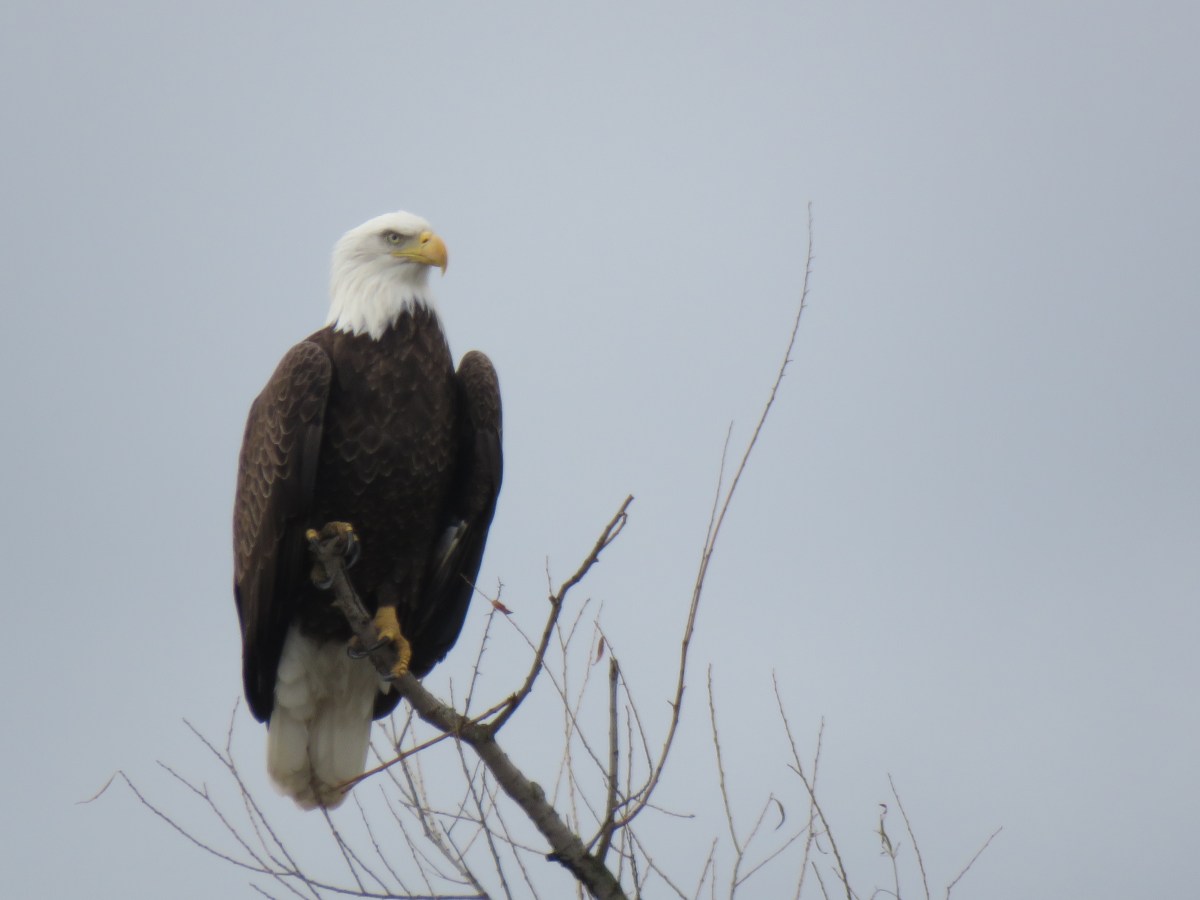
 An adult bald eagle is distinctive, even as it’s flying away from you. It’s bright white tail is a beacon that tells you what you just missed!
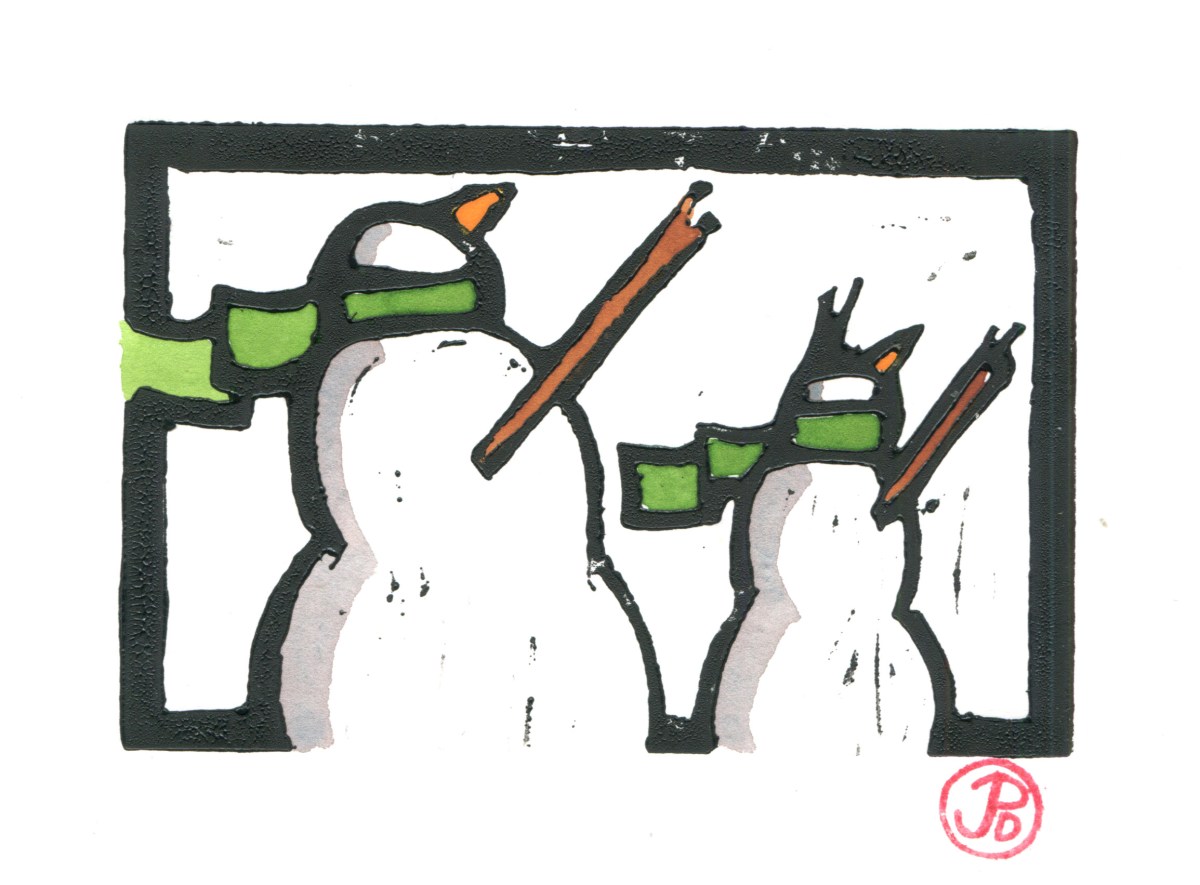
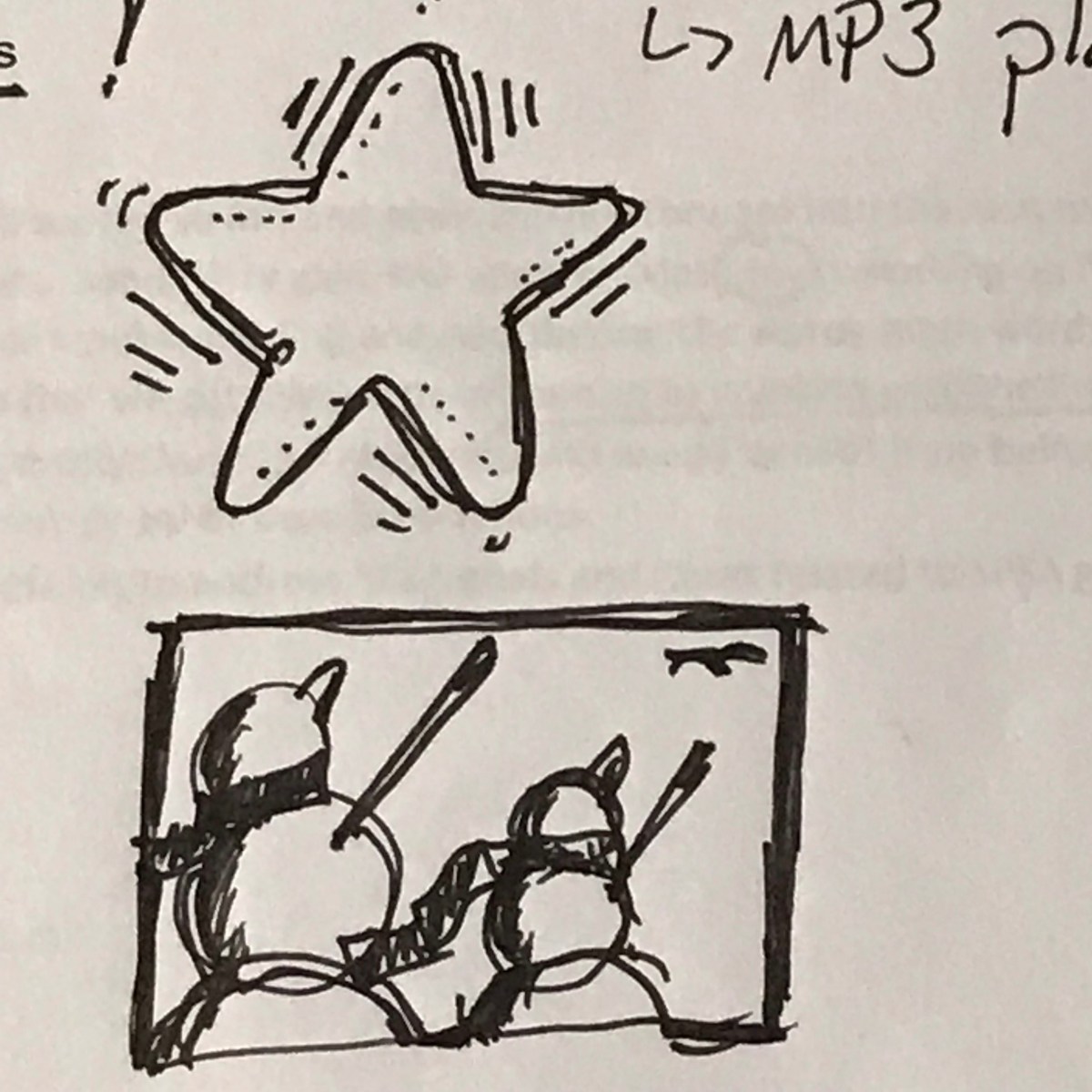
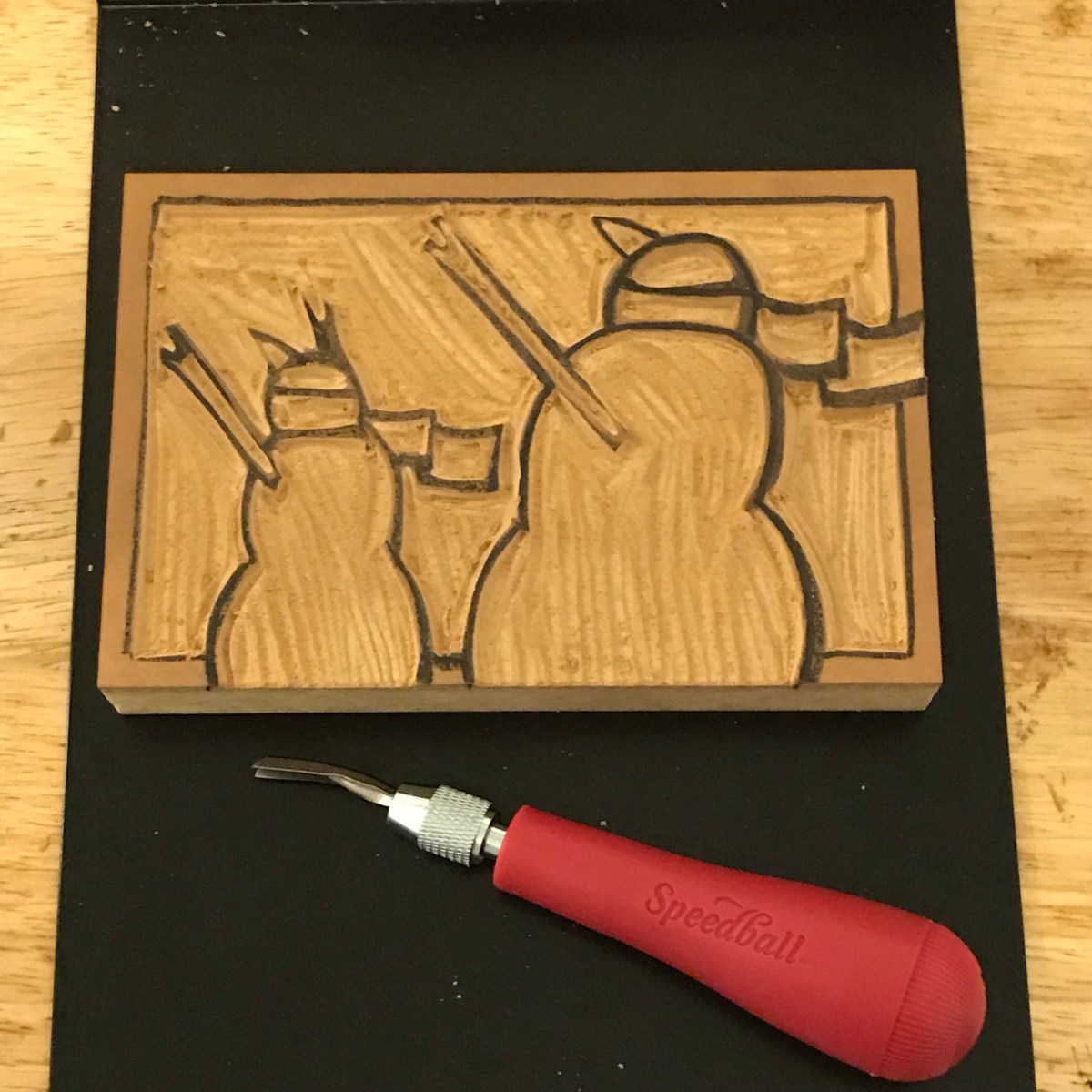
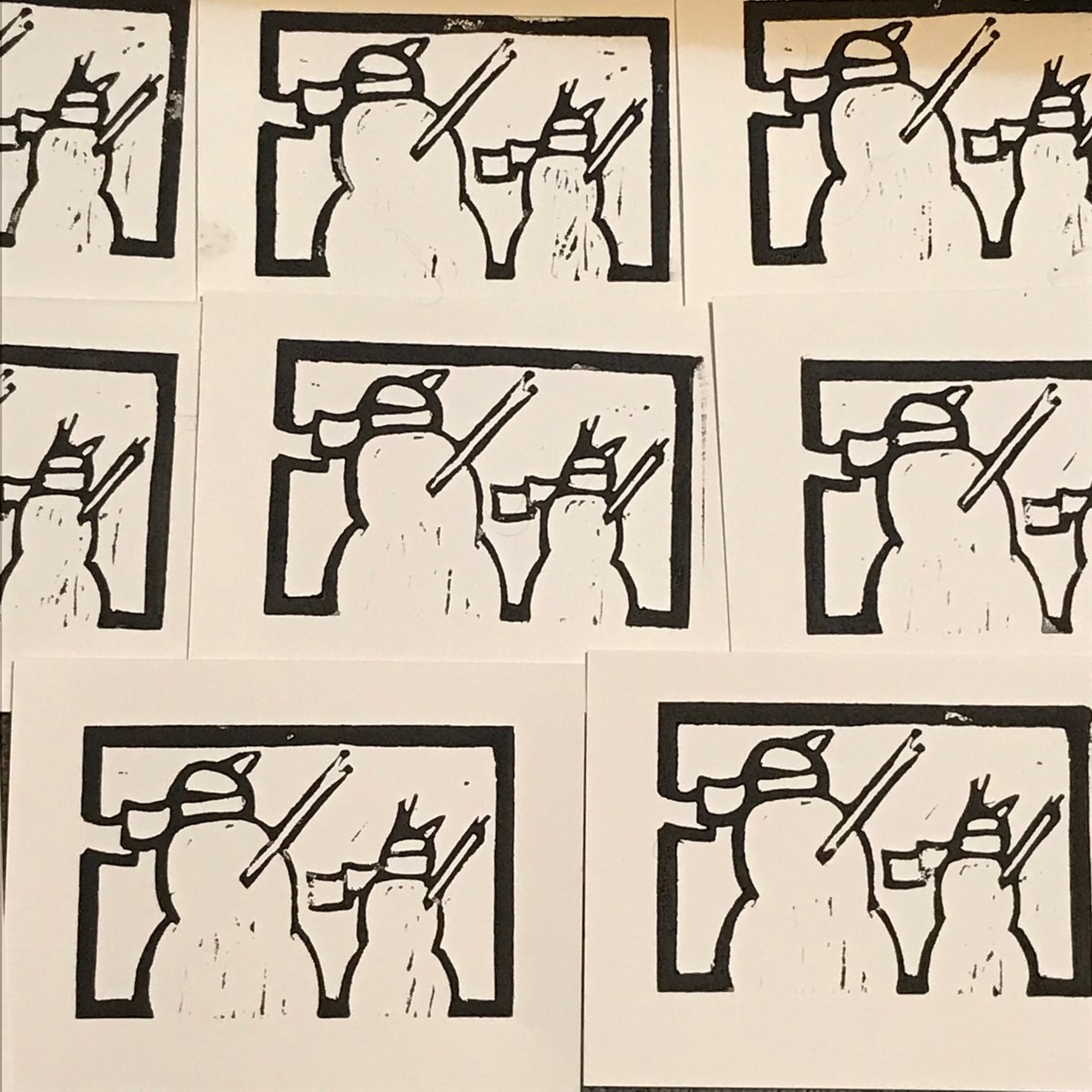
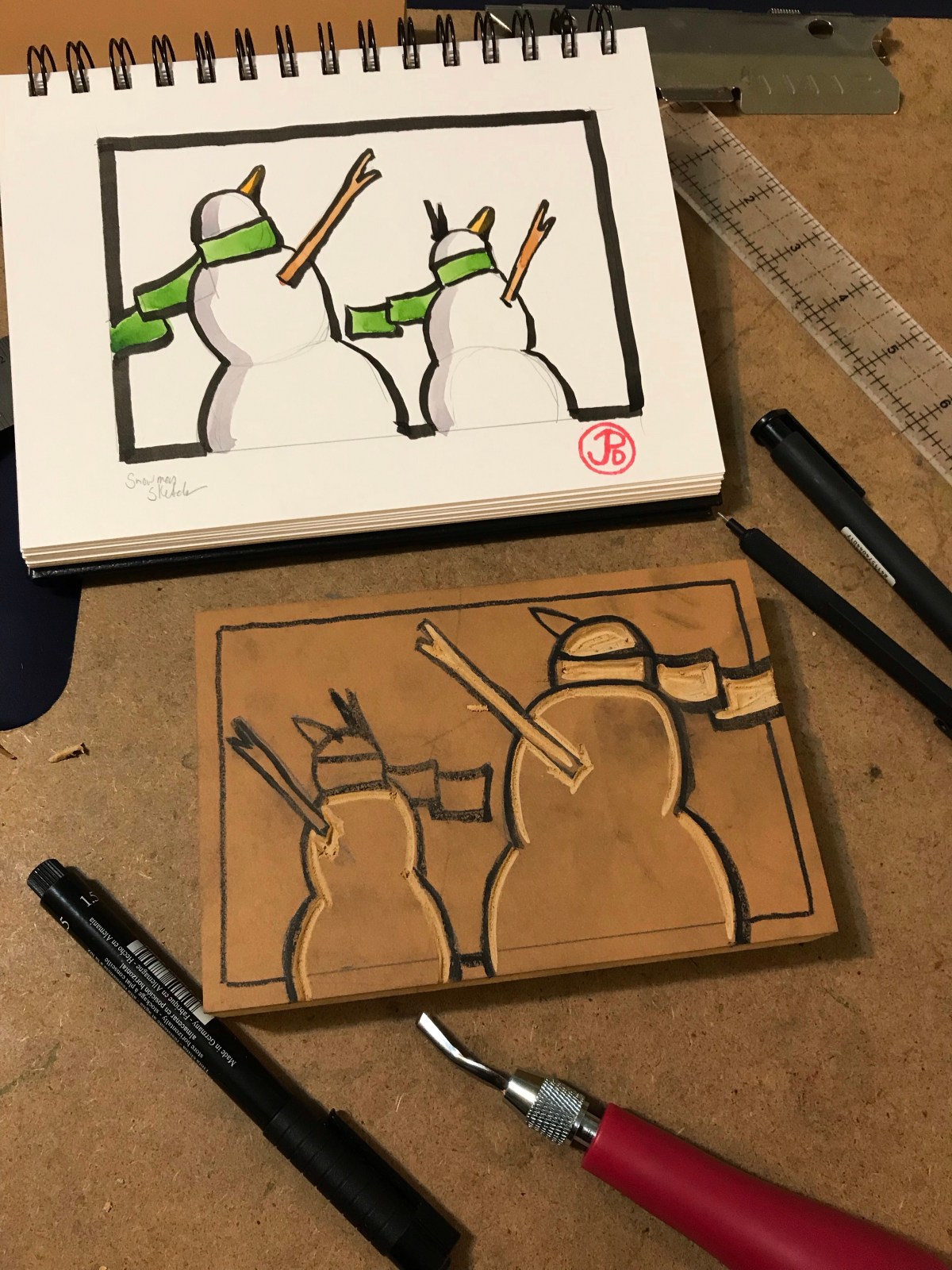 A refined draft sketch which I used to draw the design on the linoleum block, in reverse of course. Here I am just started to carve out the block.

 There also were many black-bellied plovers out foraging on the mudflats.