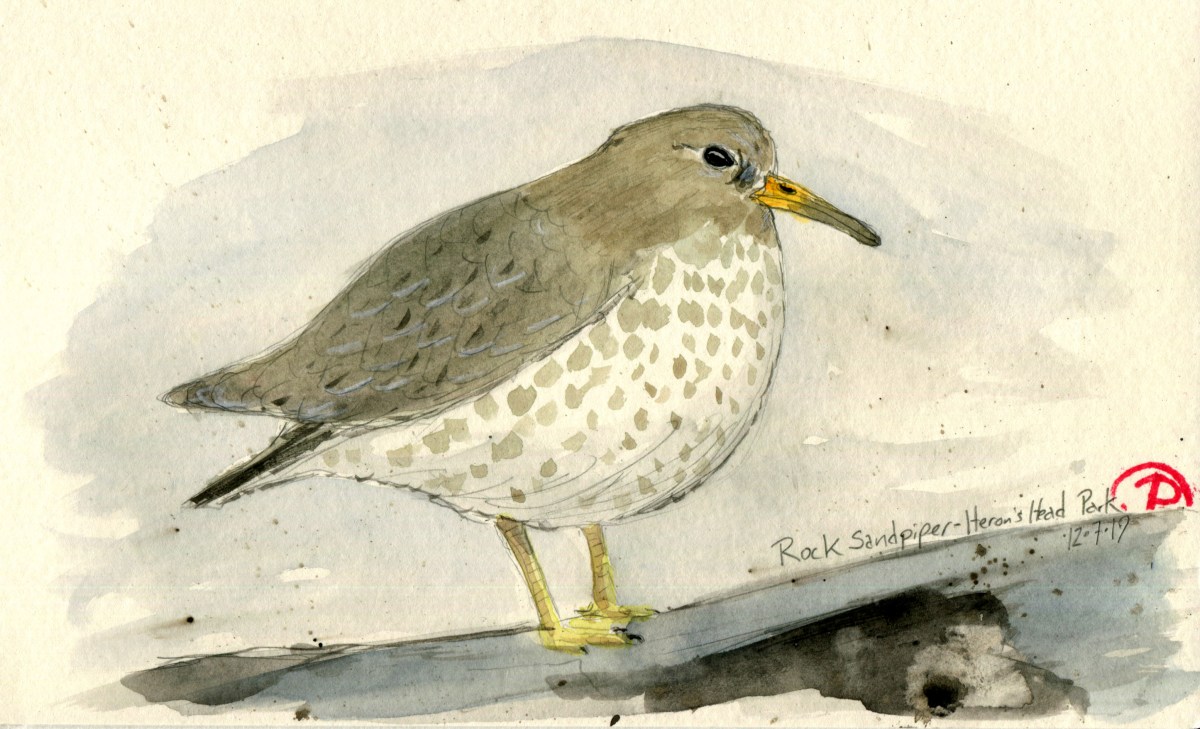
There was an over-wintering avian visitor from the far north spending its time on the rocks near the path way of Heron’s Head Park in the south eastern portion of San Francisco. I figured I better make way across the 6.2 miles of the city to see this sandpiper before it headed back up north.
Heron’s Head Park, named because it looks like a great blue heron’s head from the air, juts out into the San Francisco Bay just north of Hunter’s Point (the formal naval shipyard). The parks is a human made landscape that was once going to be an anchor point to a southern bay bridge that was never built. This area has been cleaned up by the Port of San Francisco and is now a 22 acre park that represents on of the few wetlands that still exists in the city and county of San Francisco.
So I figured I’d head east, across town, to see a rock sandpiper (Calidris ptilocnemis) before it really started to rain and before the bird relocated ahead of a December winter storm.
Like it’s name implies, a rock sandpiper, is found on rocks. And Heron’s Head Park provides many rocks for this sandpiper to forage and roost. Now I had to find the piper amongst the rock before the wind and rain made observation a struggle.
I head out on the path to the point noting the large numbers of double-crested cormorants flying from the north, joining a large raft of birds that was growing to the waters of the southwest.
As I headed out to the point, the surge was making whitewater on the southern side of the rock-levy. The first sandpipers I spotted was four least sandpipers on the southern side. This was a good sign because the the northern visitor was associating with least sandpipers. But the rock was nowhere to be seen.
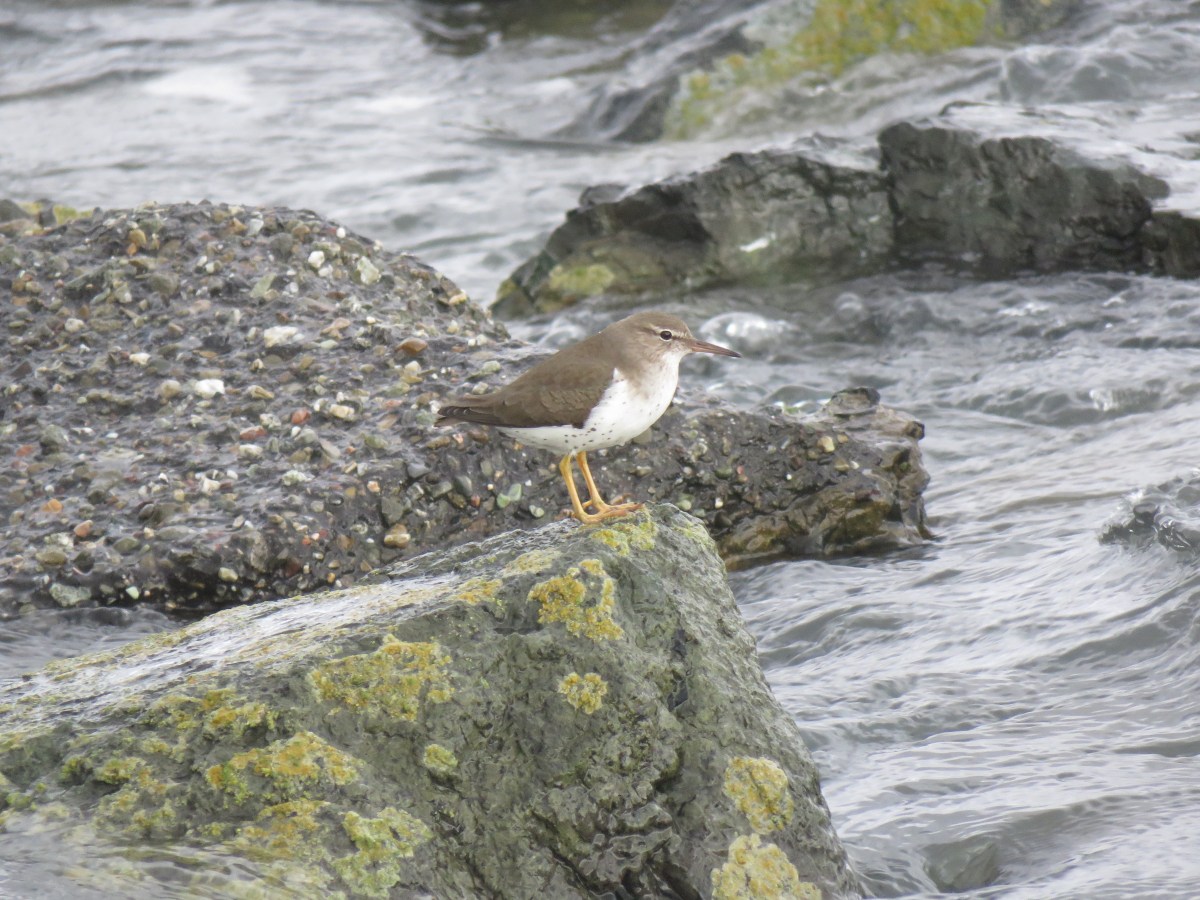
I retraced my steps to the west and I spotted a spotted sandpiper bobbing on a rock to my right. This was a nice consolation.
I turned back to the east and out to the point for one last look for the rock sandpiper. That’s when I saw a larger peep slowly making its way over the rocks to the north. I didn’t need binoculars to identify this bird as I was able to stand right next to it. As Pete Dunne notes, “A tame bird that allows close approach. ”
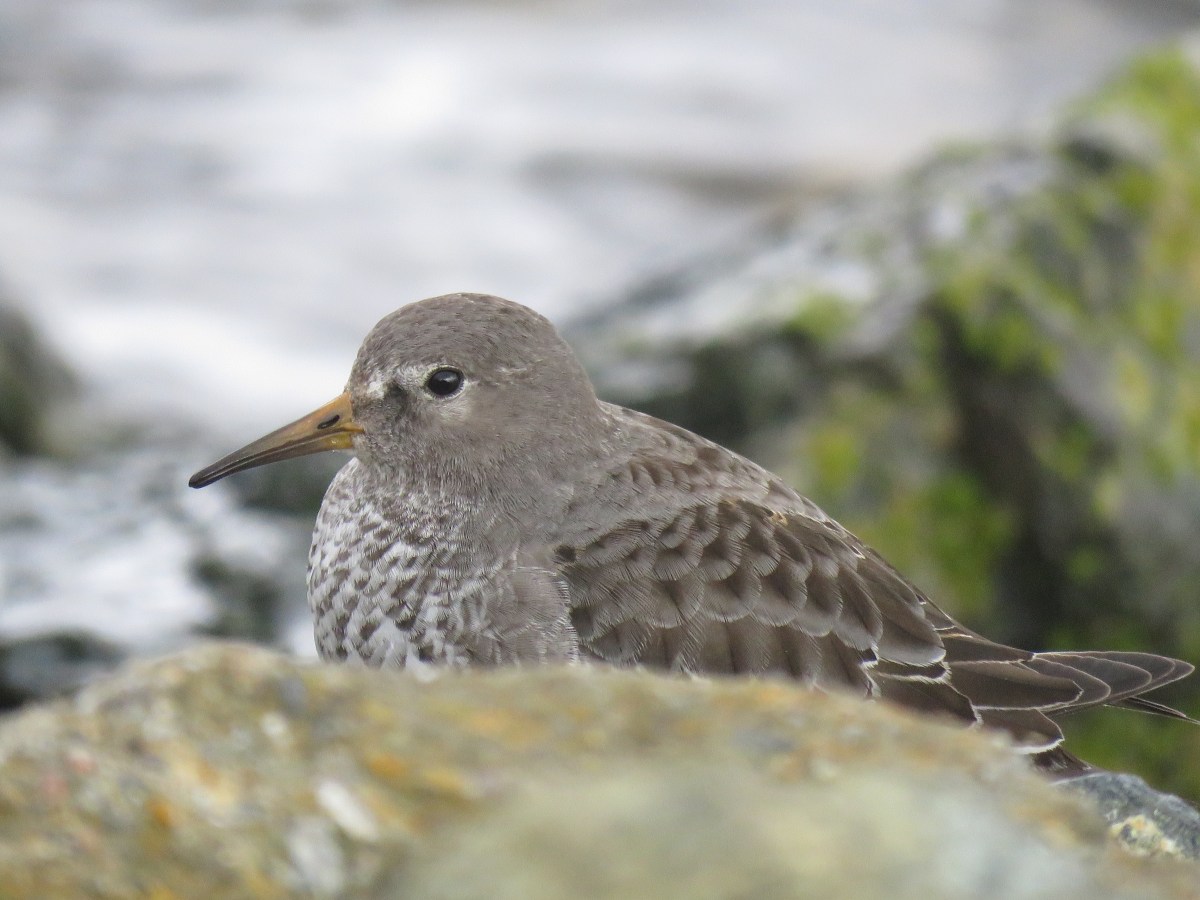
The rock sandpiper in it’s desired habitat, rocks!
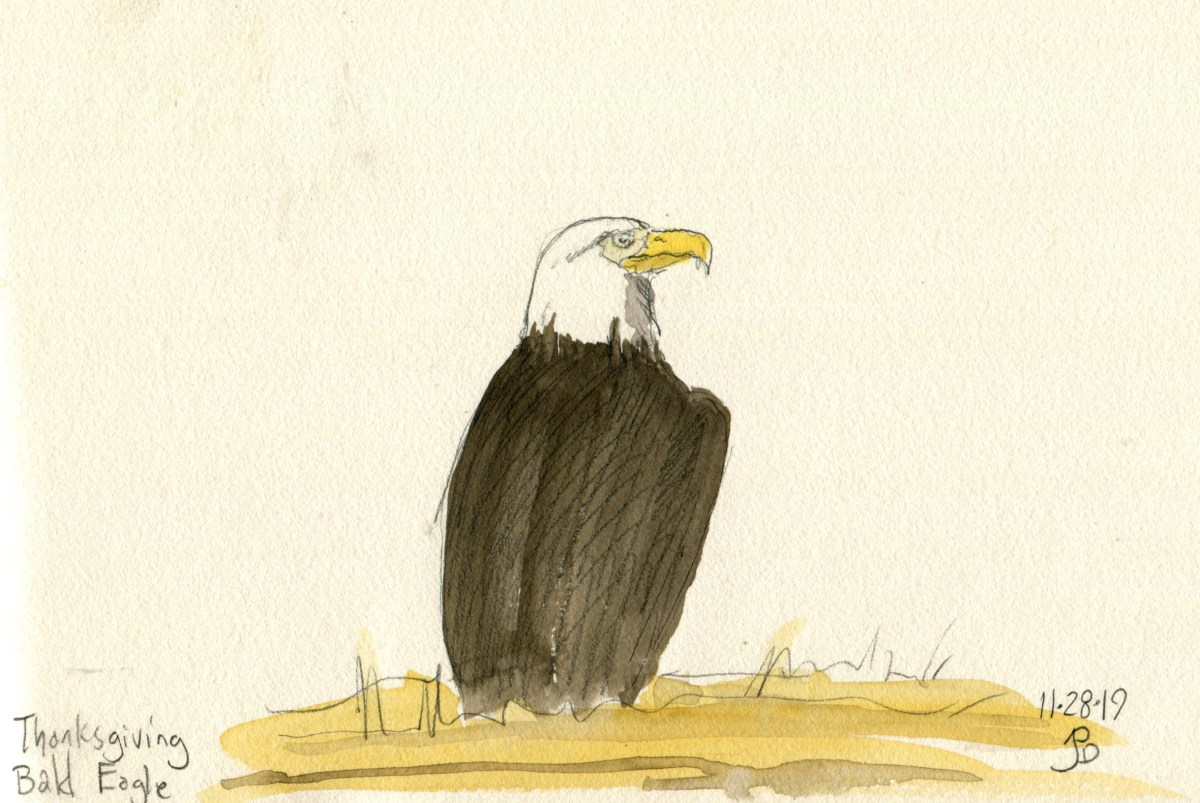
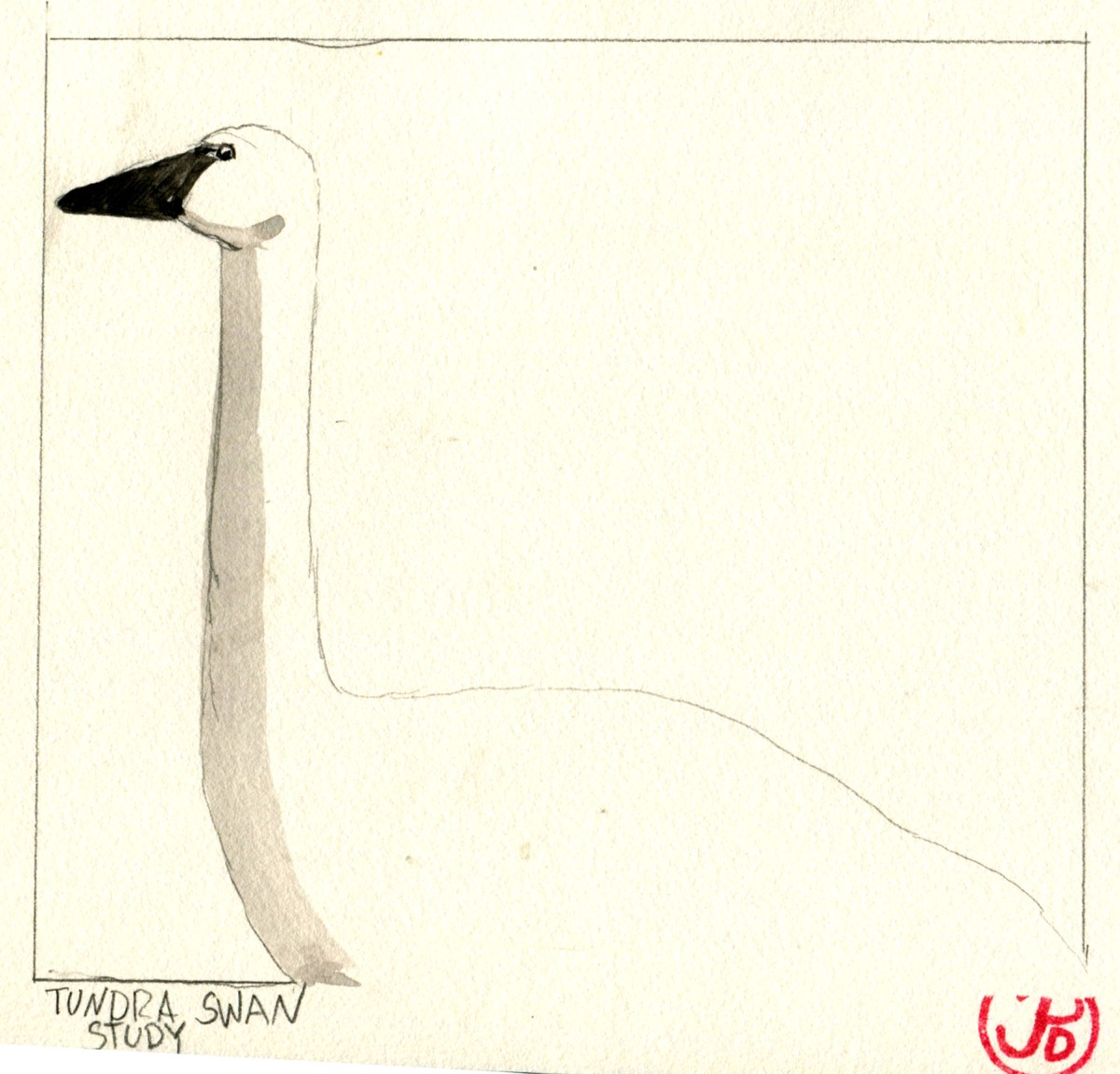
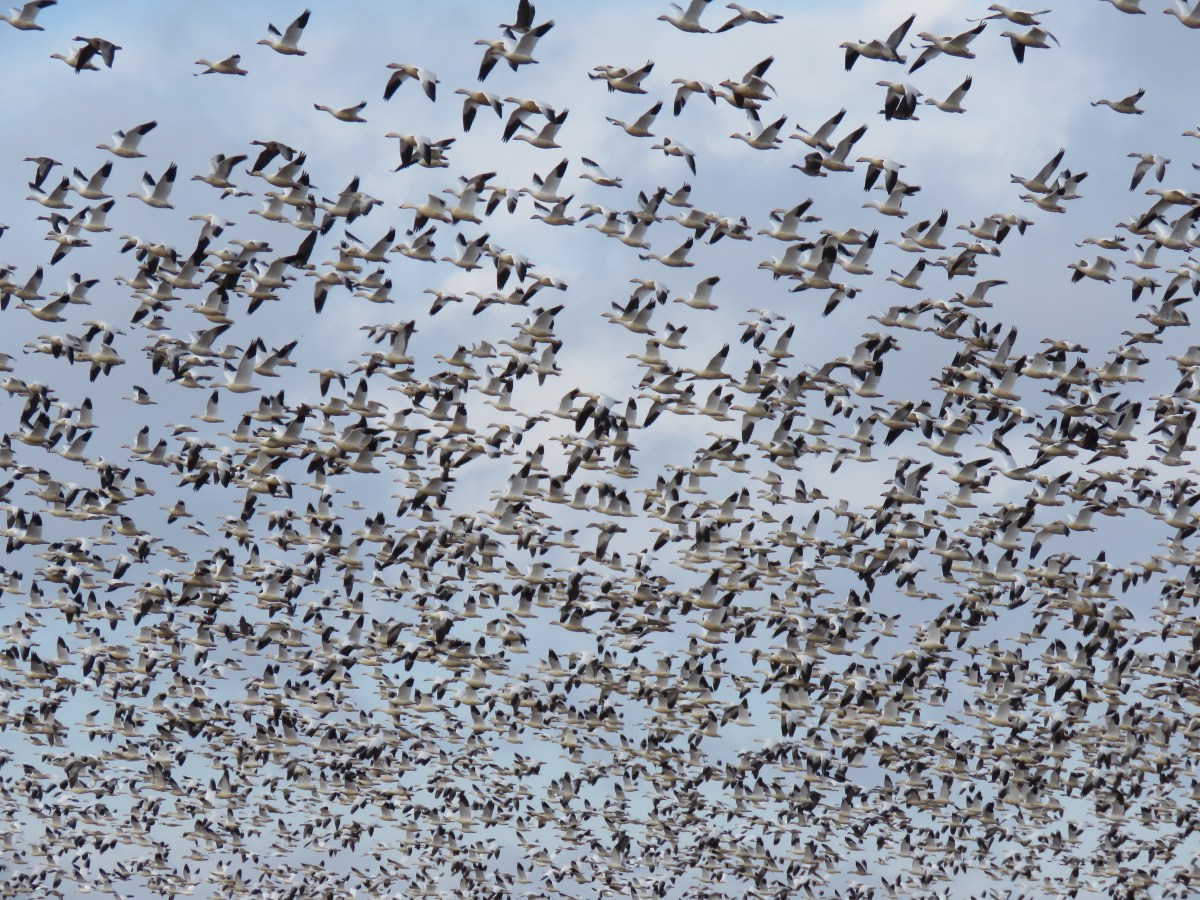
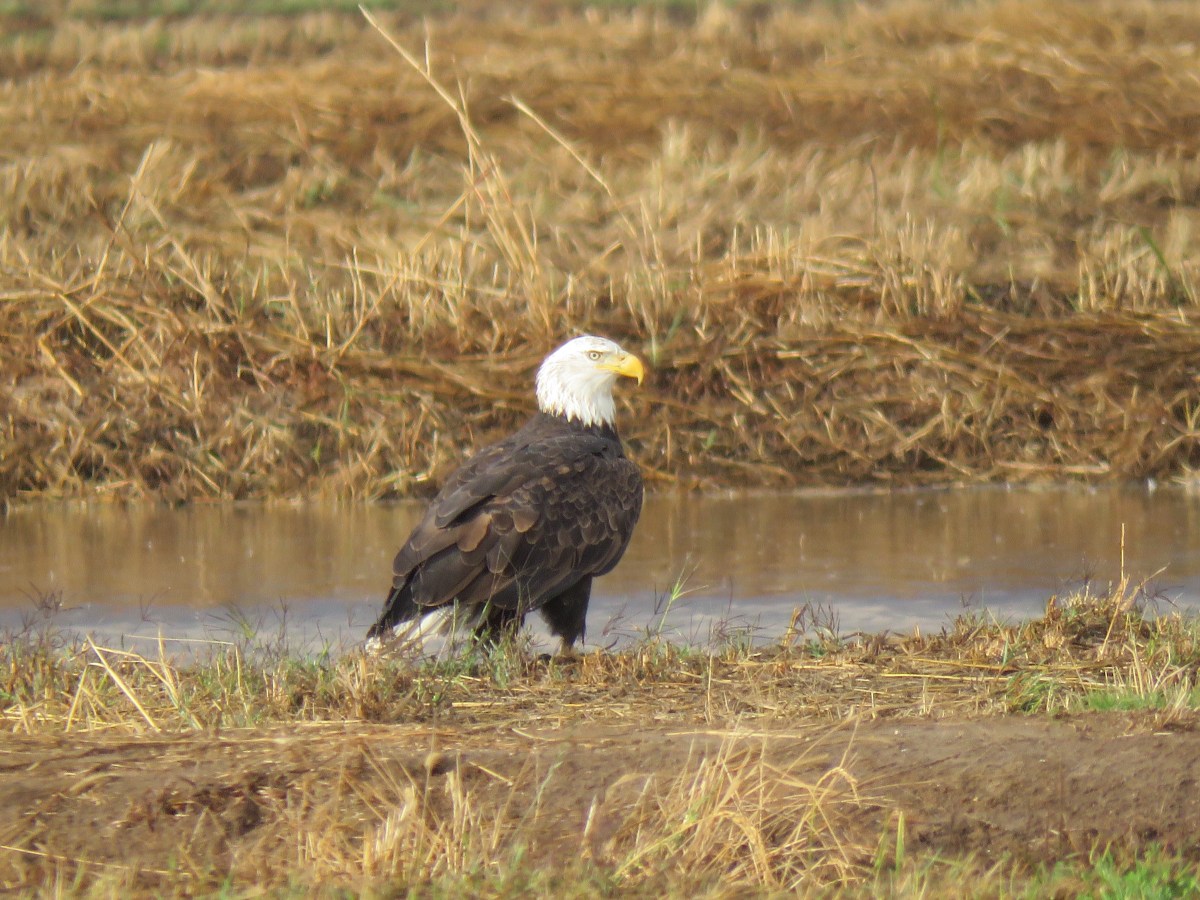
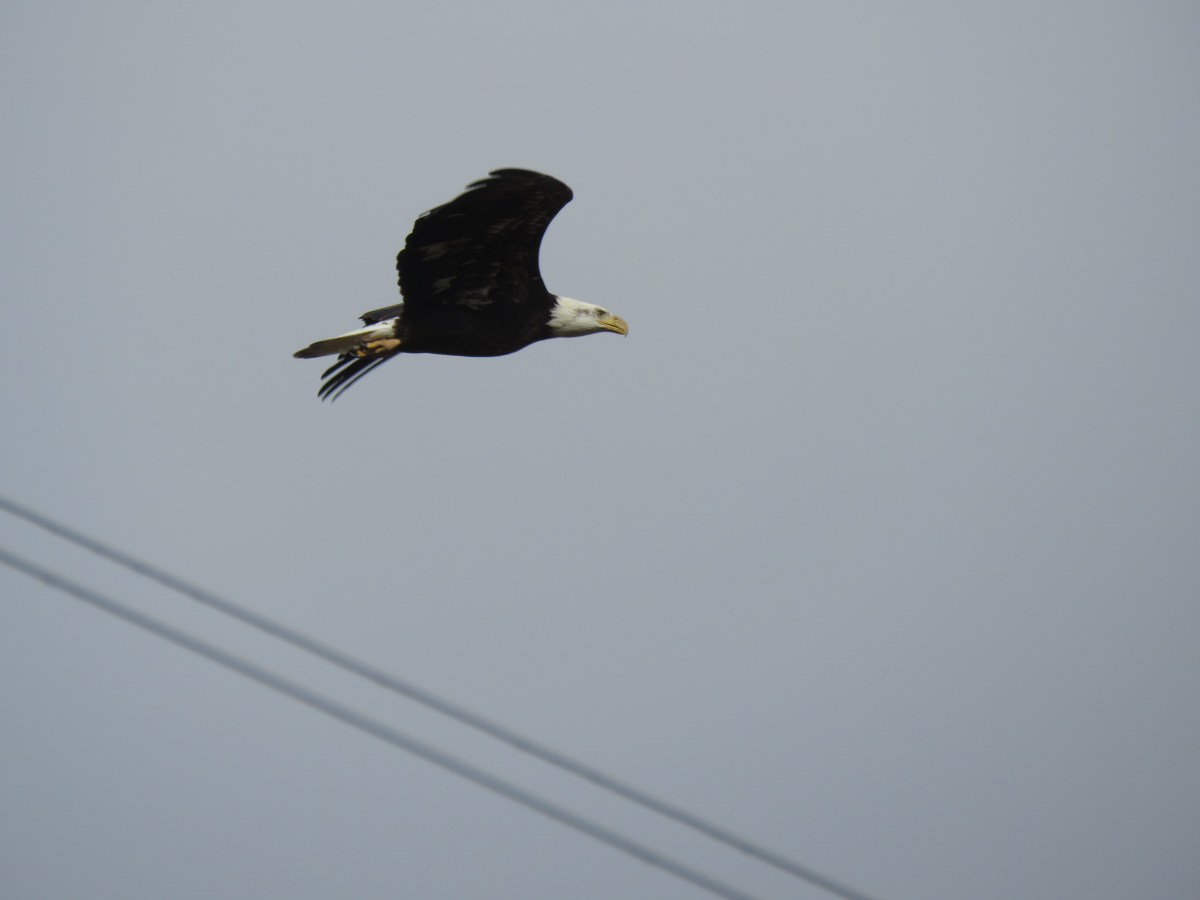
 I headed down Kimball Lane with a wintering wonderland of waterfowl on all sides and thousand of stretched out “V”s in the air. I came to the junction of Jack Slough Road and I turned right. As I headed down the road on this Thanksgiving morning I saw three wild turkeys off in a field to my left. I pulled over to get some photos, but the birds had disappeared into the brush. This was a good day to be skittish if you are a turkey! That’s when I saw my an immature bald eagle fly over. Then an adult appeared, soaring over the powerlines and then coming to rest in a field to the right.

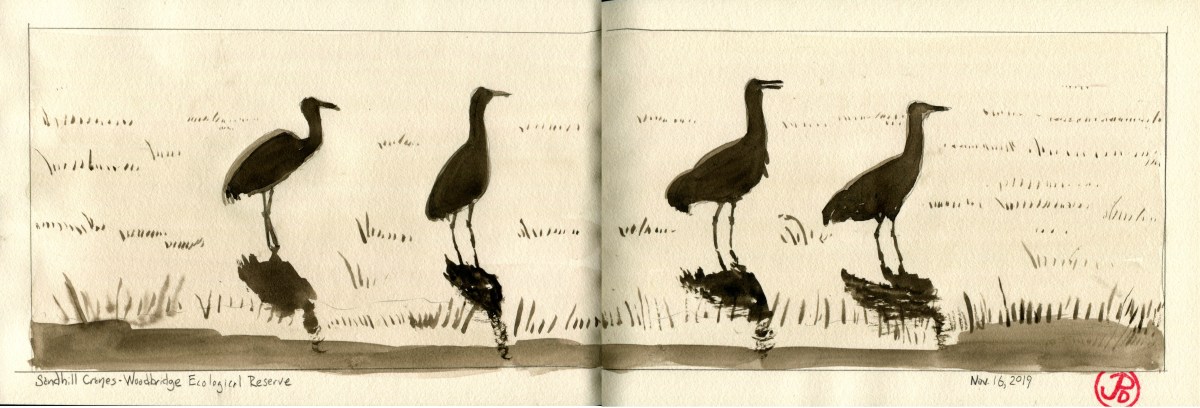
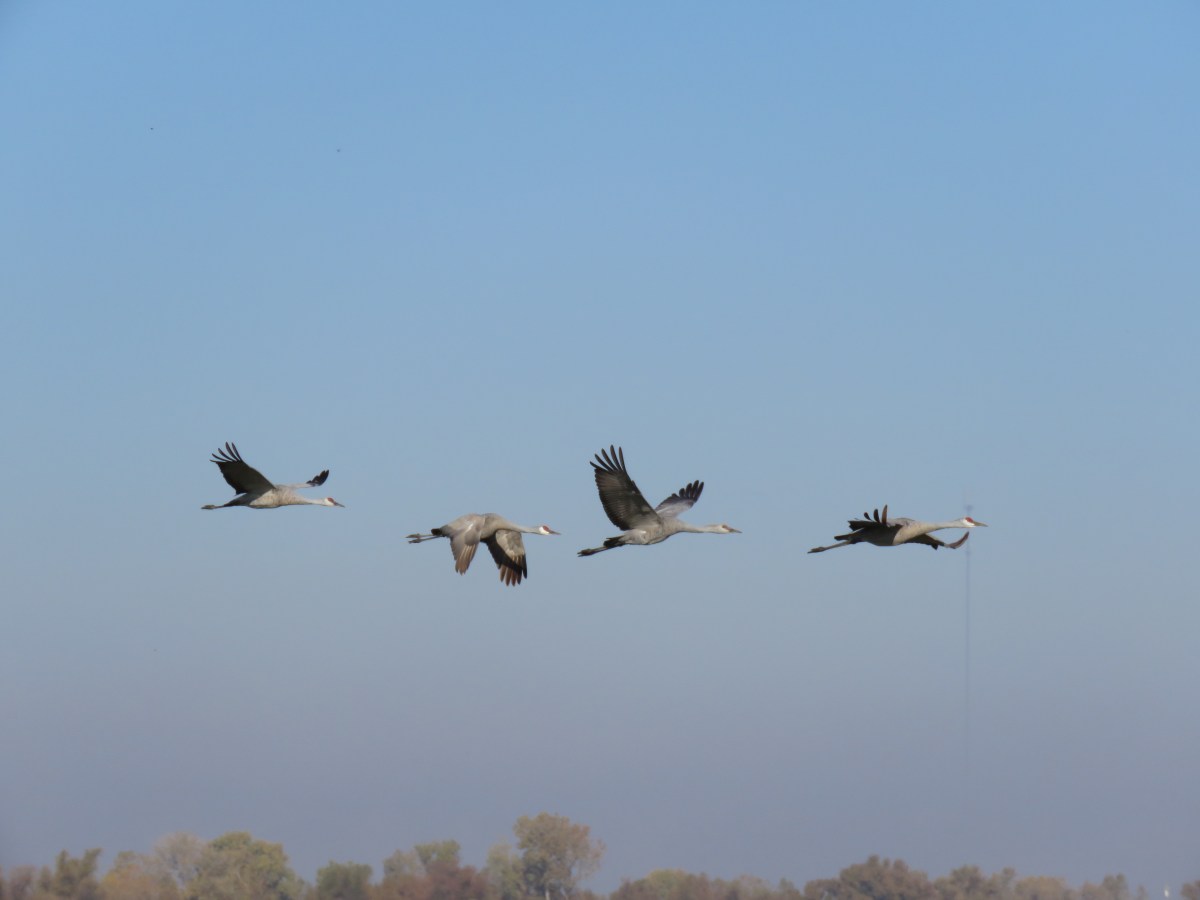 I had been to Woodbridge Road a handful of times and there seemed to be more cranes around on this visit than in any other previous visit. The last time I was here, I was looking for the sulky, vagrant the brown thrasher, which I successfully added to my ABA lifelist on December 8, 2018.
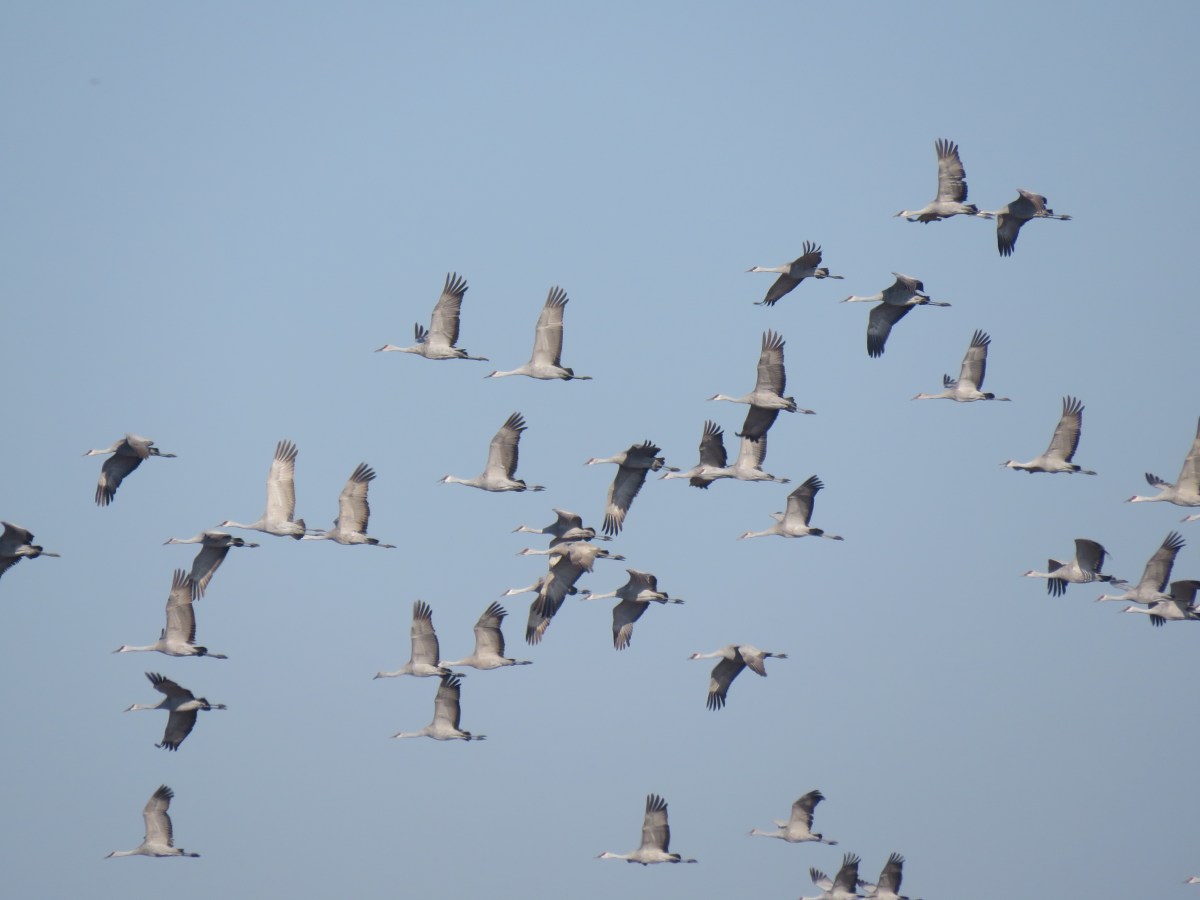
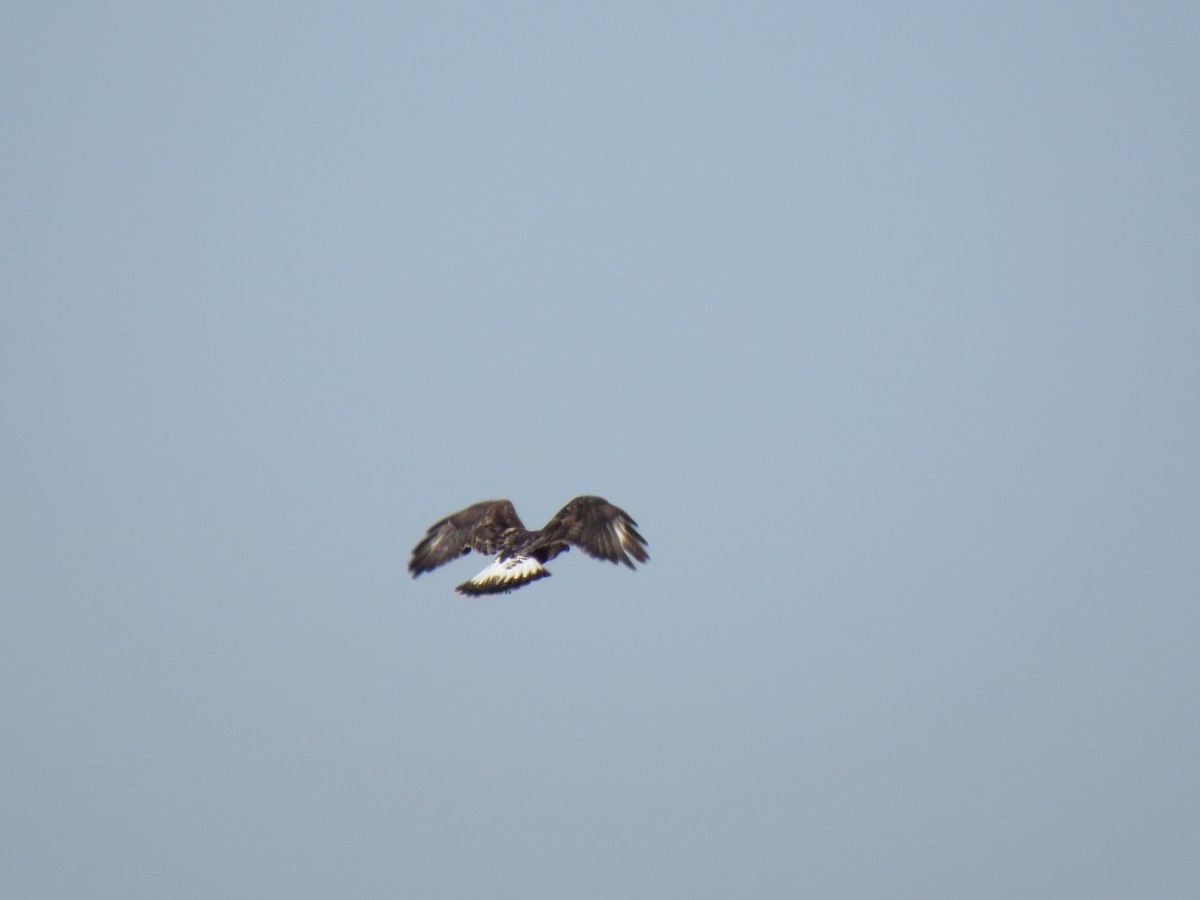
 Grasshopper Sparrow’s spread of our fantastic day with sandhill cranes!
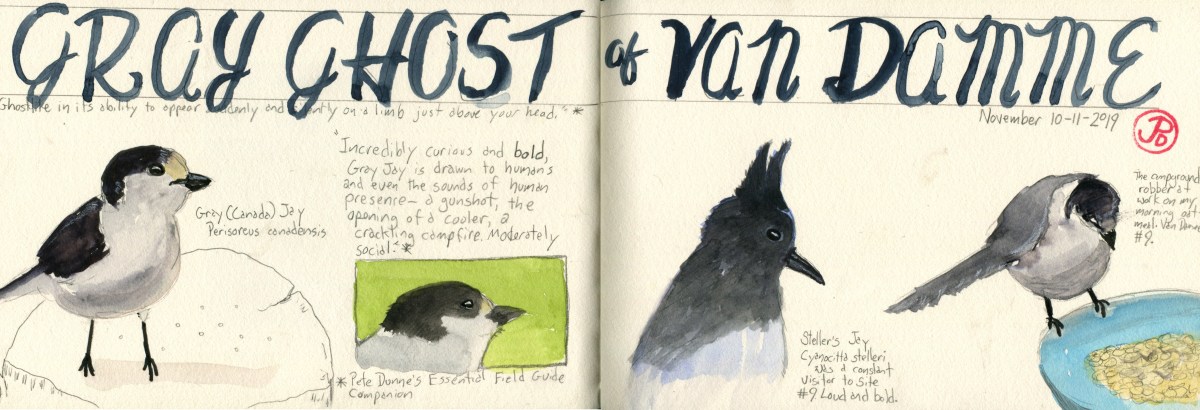
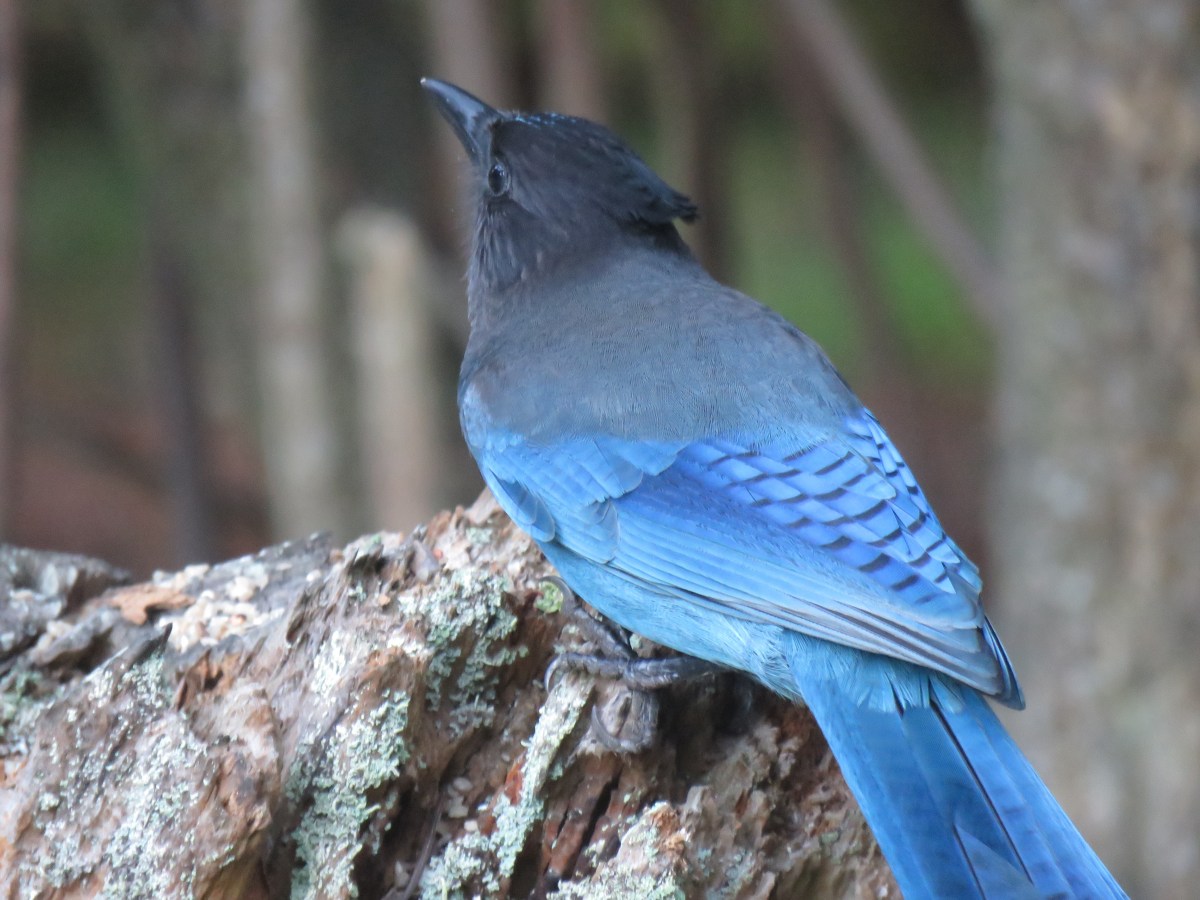
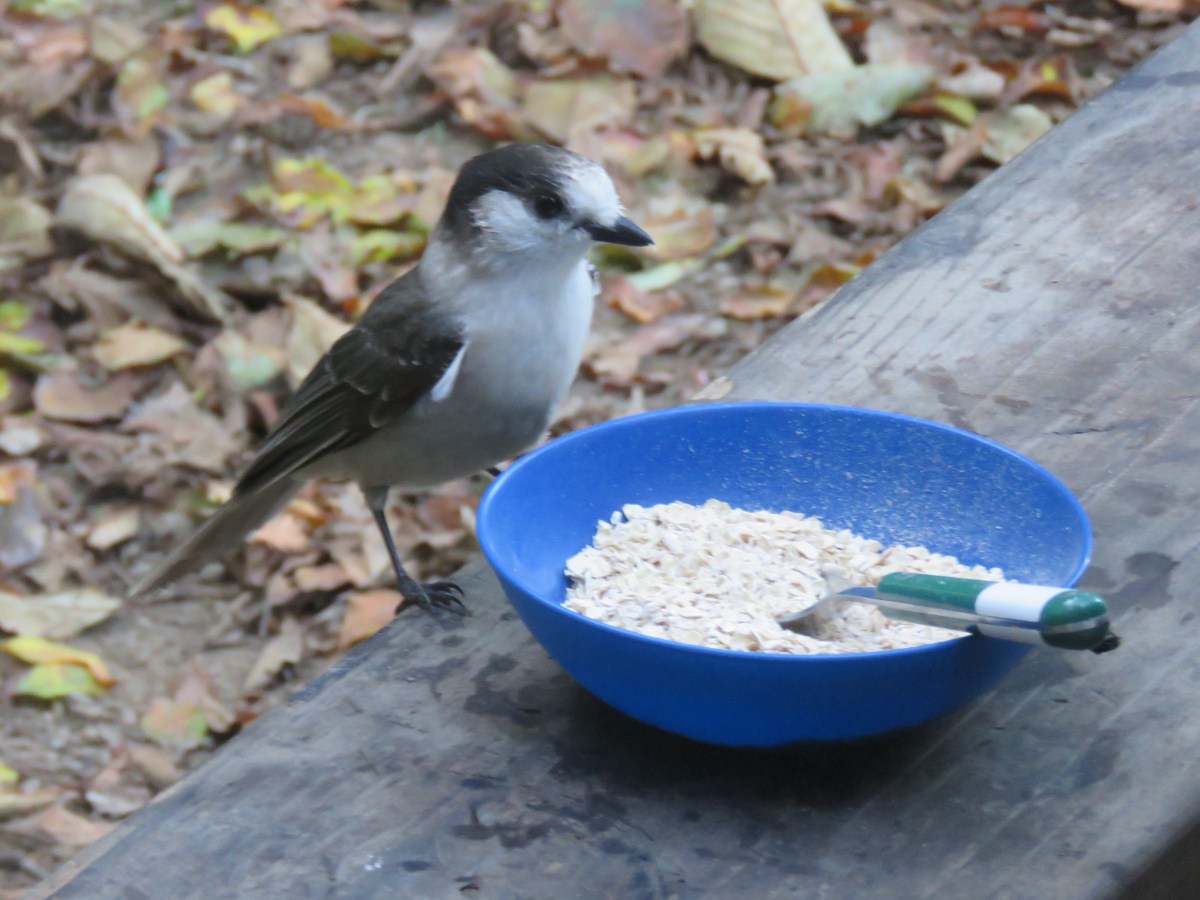
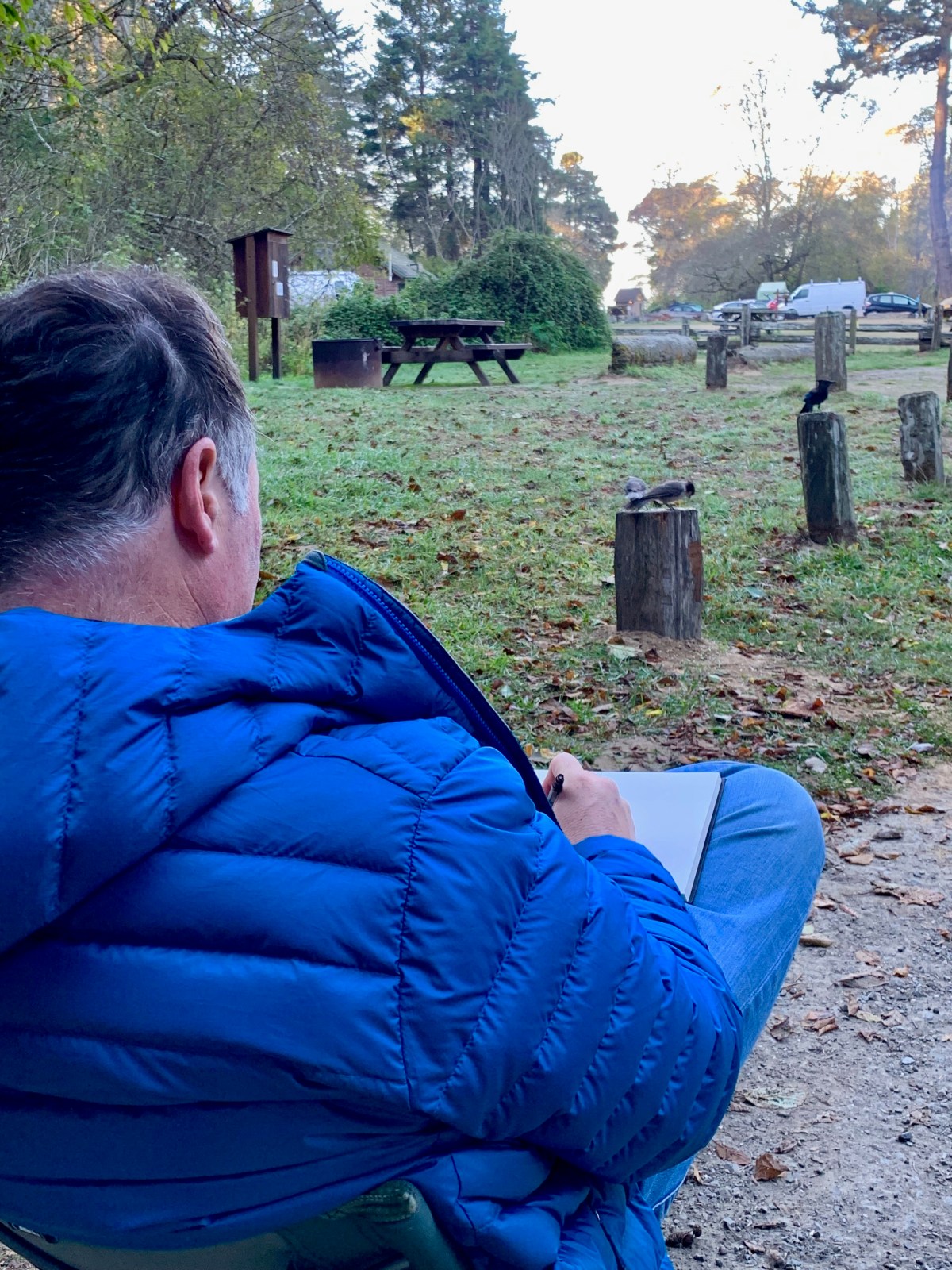
 The Canada jay is very much attracted to the presence of humans and are a very intelligent and curious critter! This jay is perched on our food larder at campsite #9.
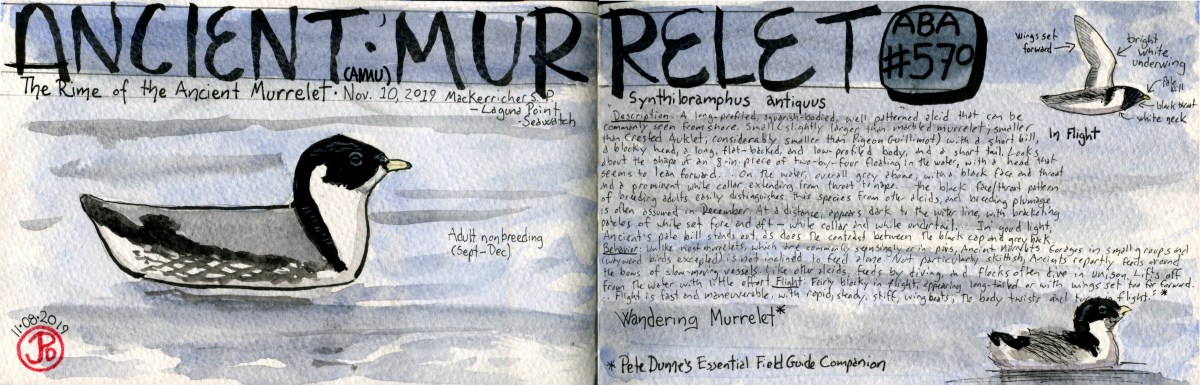
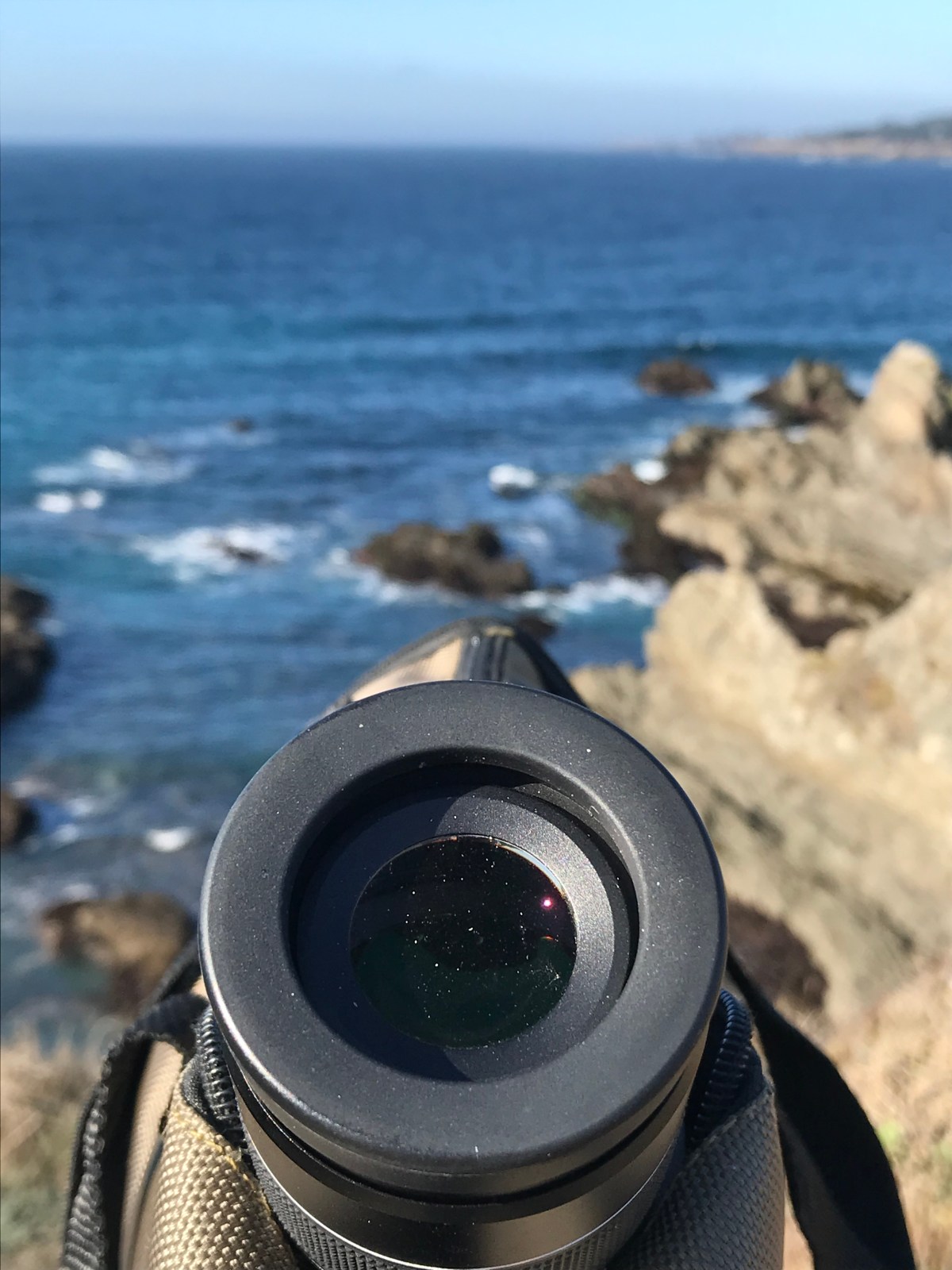
 Scoping the Pacific. There was lots of southerly movement at Laguna Point. Mostly loons and surf scoters and the alcid I wanted to see: the ancient murrelet. Does this hat make me look ancient?
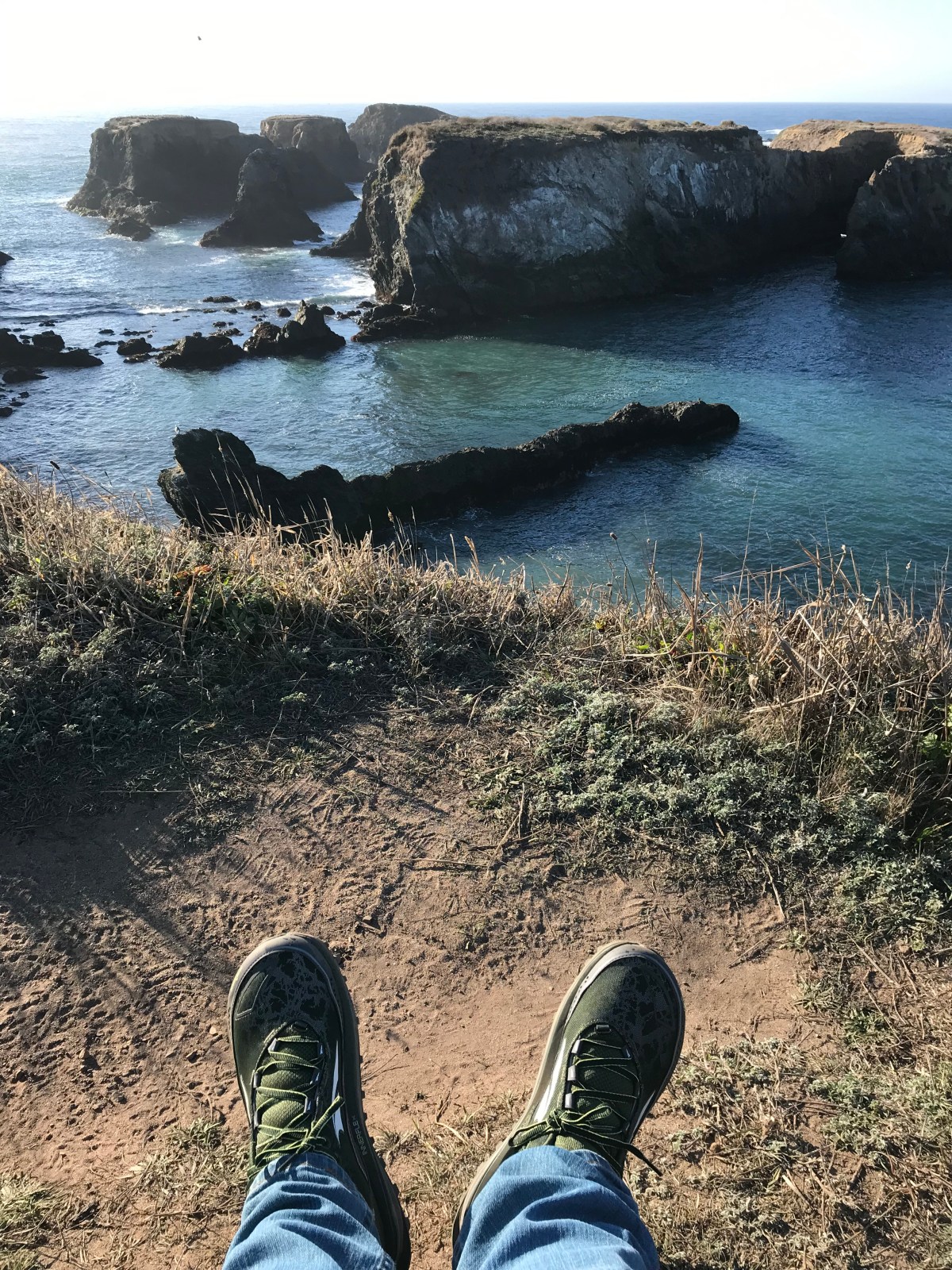
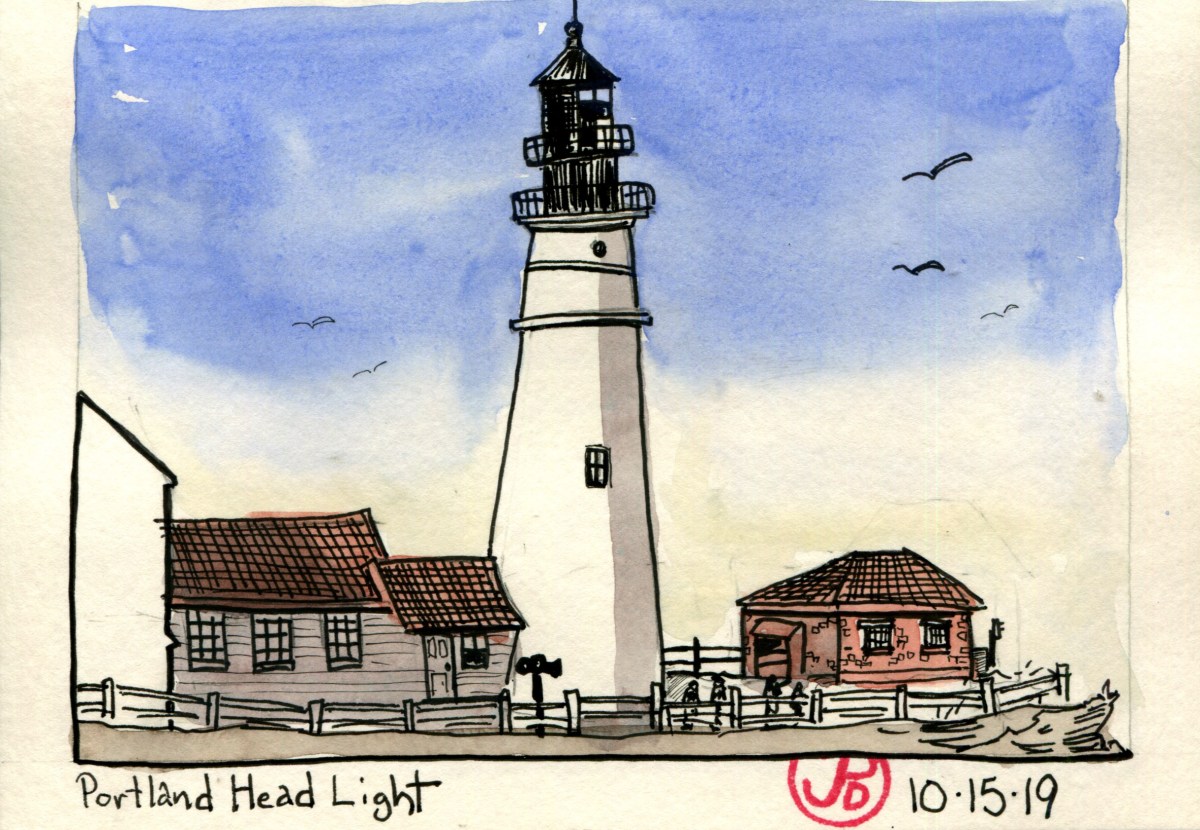
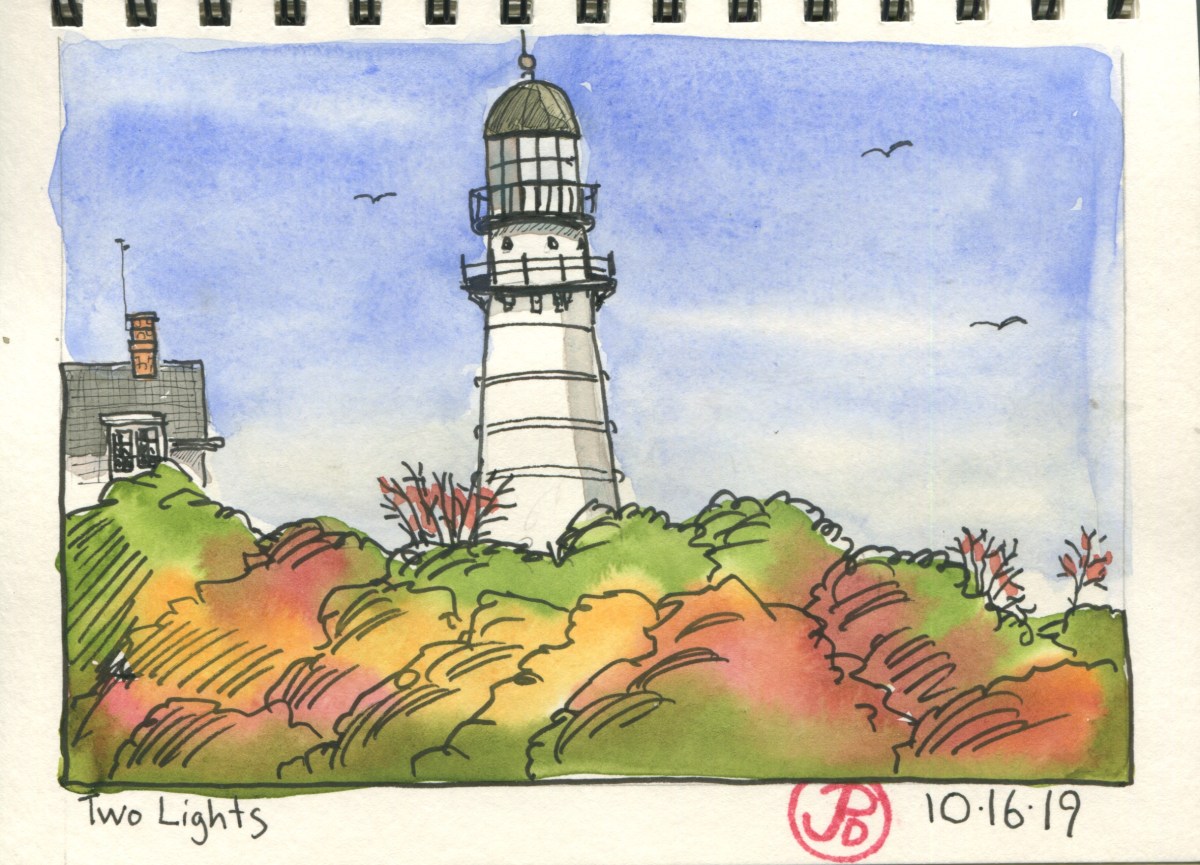
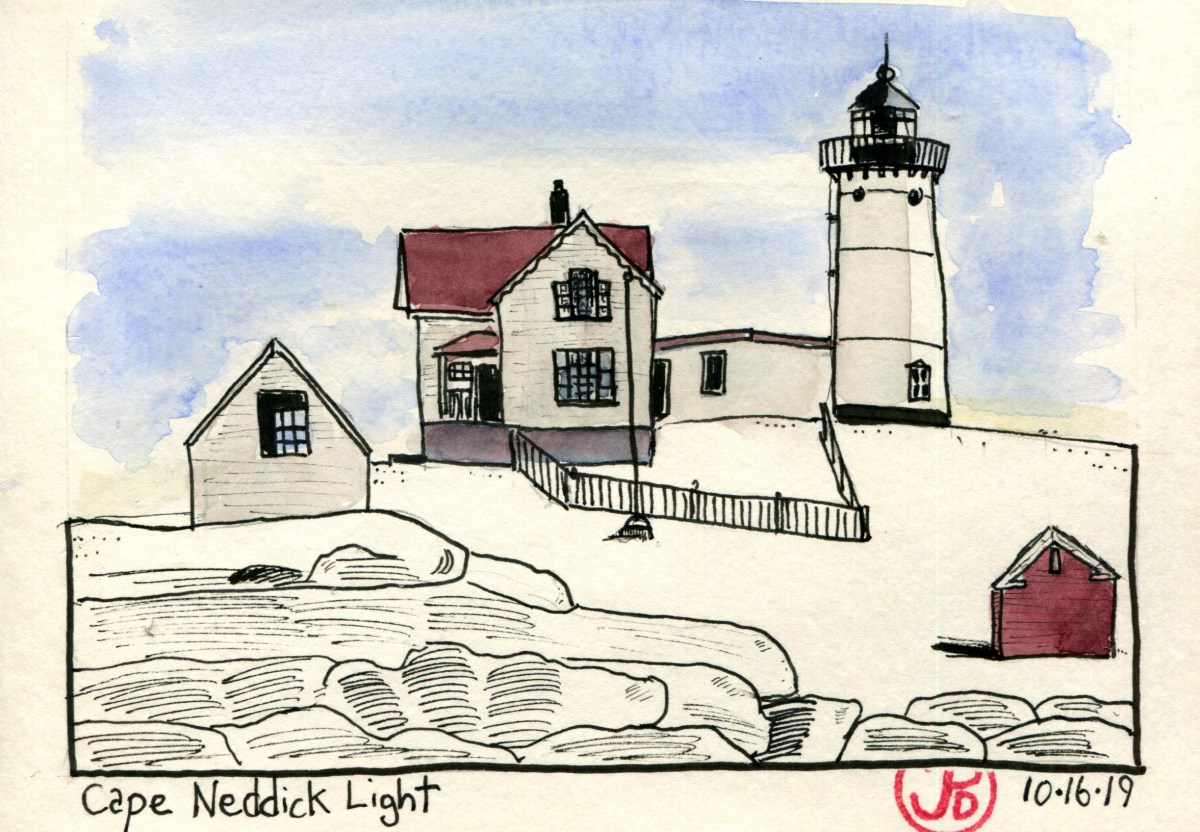
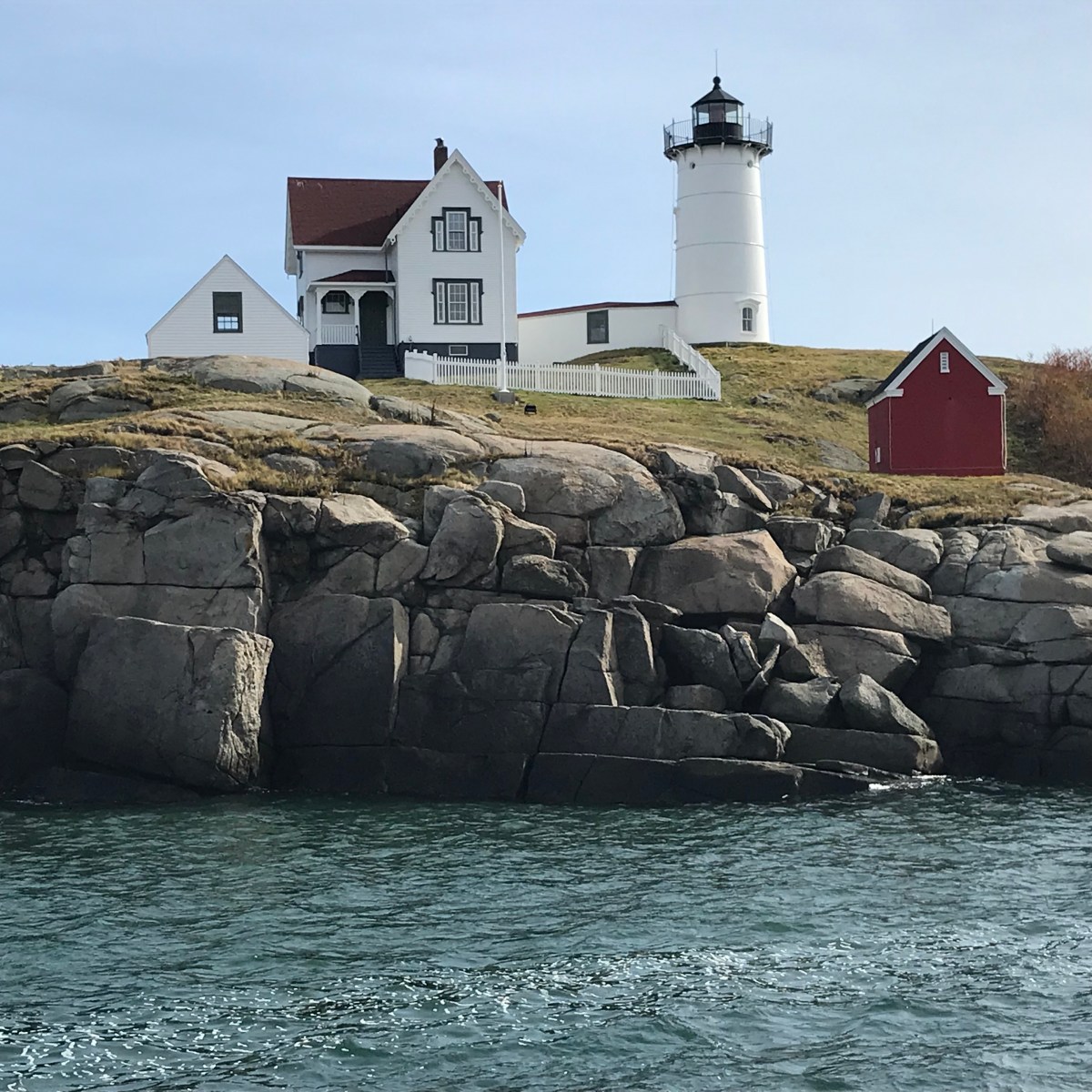
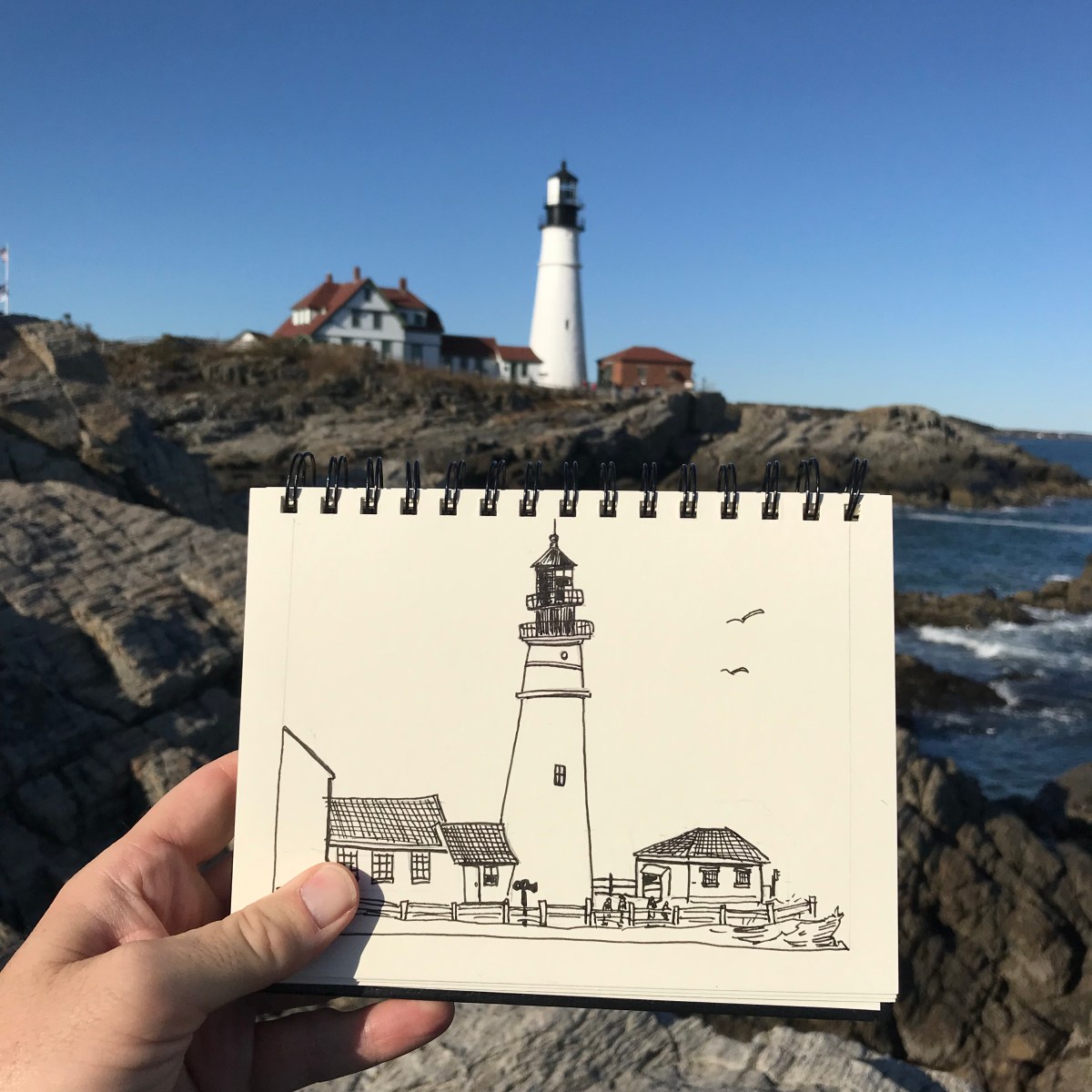 Edward Hopper painted this lighthouse in 1927, albeit from a different angle. I felt in good company.
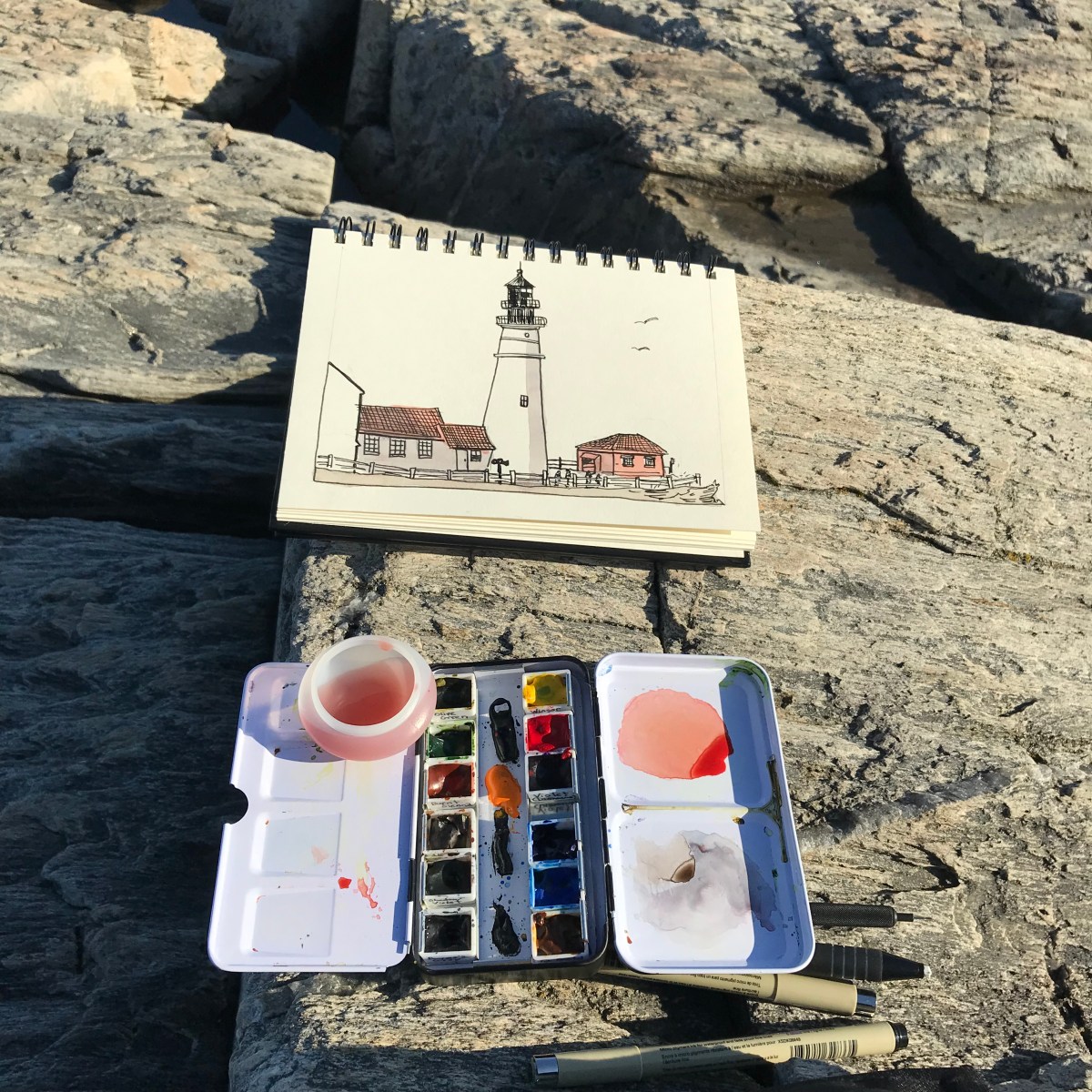 A little watercolor near the water. The rocks just north of the lighthouse provided the perfect sketcher’s seat. I had a raft of common eiders to keep me company.