Image

Cinema’s Bikeway: Row River Trail

The Row River Trail has a rich Oregon film perigee. I have previously posted about the railroad being used in Buster Keaton’s masterpiece The General. This location, then the Oregon, Pacific and Eastern Railroad, was used again in the summer of 1985 for a classic coming-of-age story.

But first, to really explore the trail, I needed a bike. And so it was that I stood before Rainy Peak Bicycles, five minutes before 10 AM, waiting for the shop to open. The shop, on Main Street, is a mere five blocks from the start of the Row River Trail. The shop mainly repairs bikes but because of the popularity of the Row River Trail, they have a side hustle renting bikes.

But before I go on any great, or not so great, undertaking, I draw a map. In this case, the first ten miles of the Row (rhymes with “cow”) River Trail. Here I have noted milage and some of the locations I wanted to see, such as the location collapse of the train trestle from The General, which was the single most expensive shot in silent film history. Unfortunately getting to the spot requires trespassing on private property so I was not able to sketch the scene (and I did not want to get shot in the attempt).
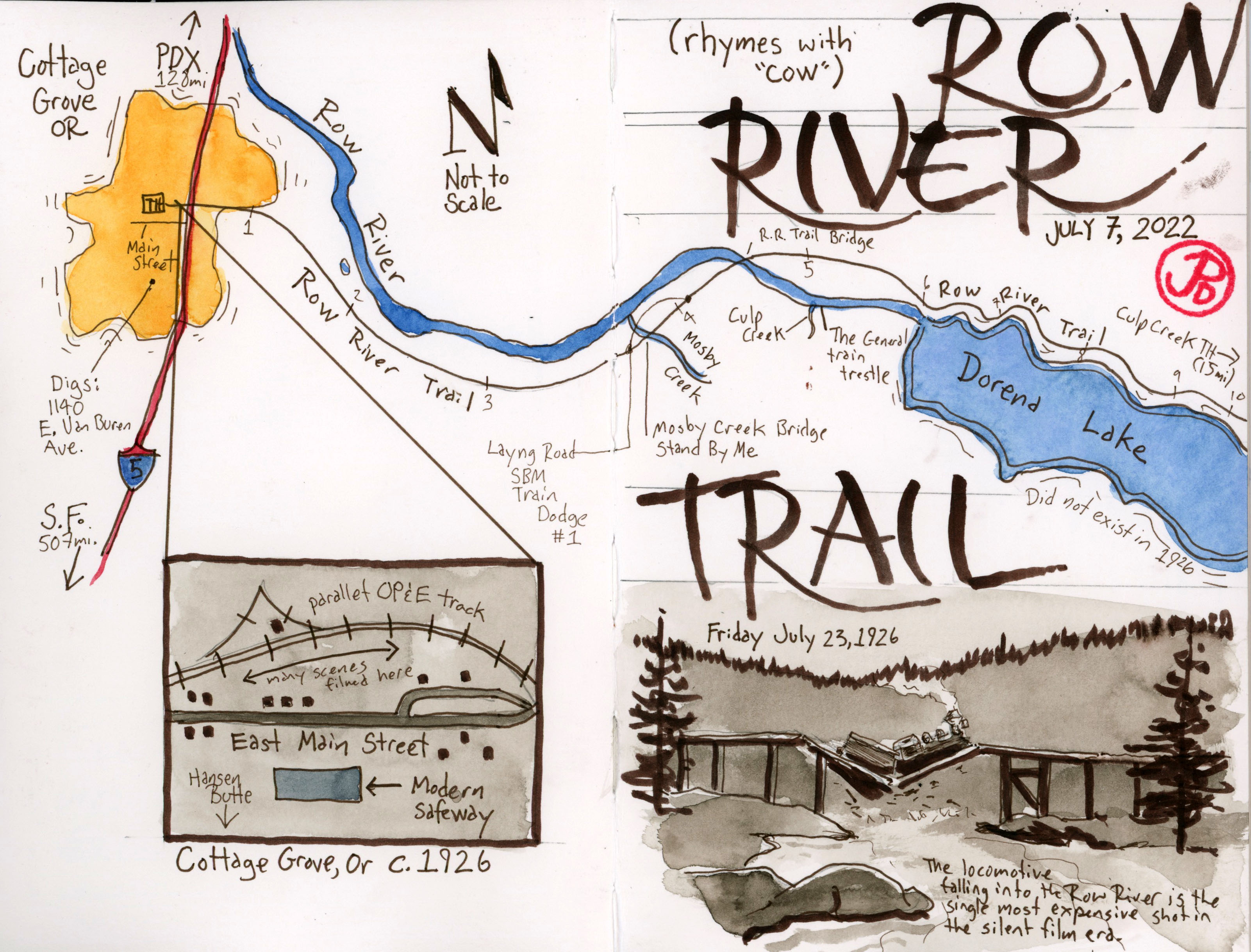
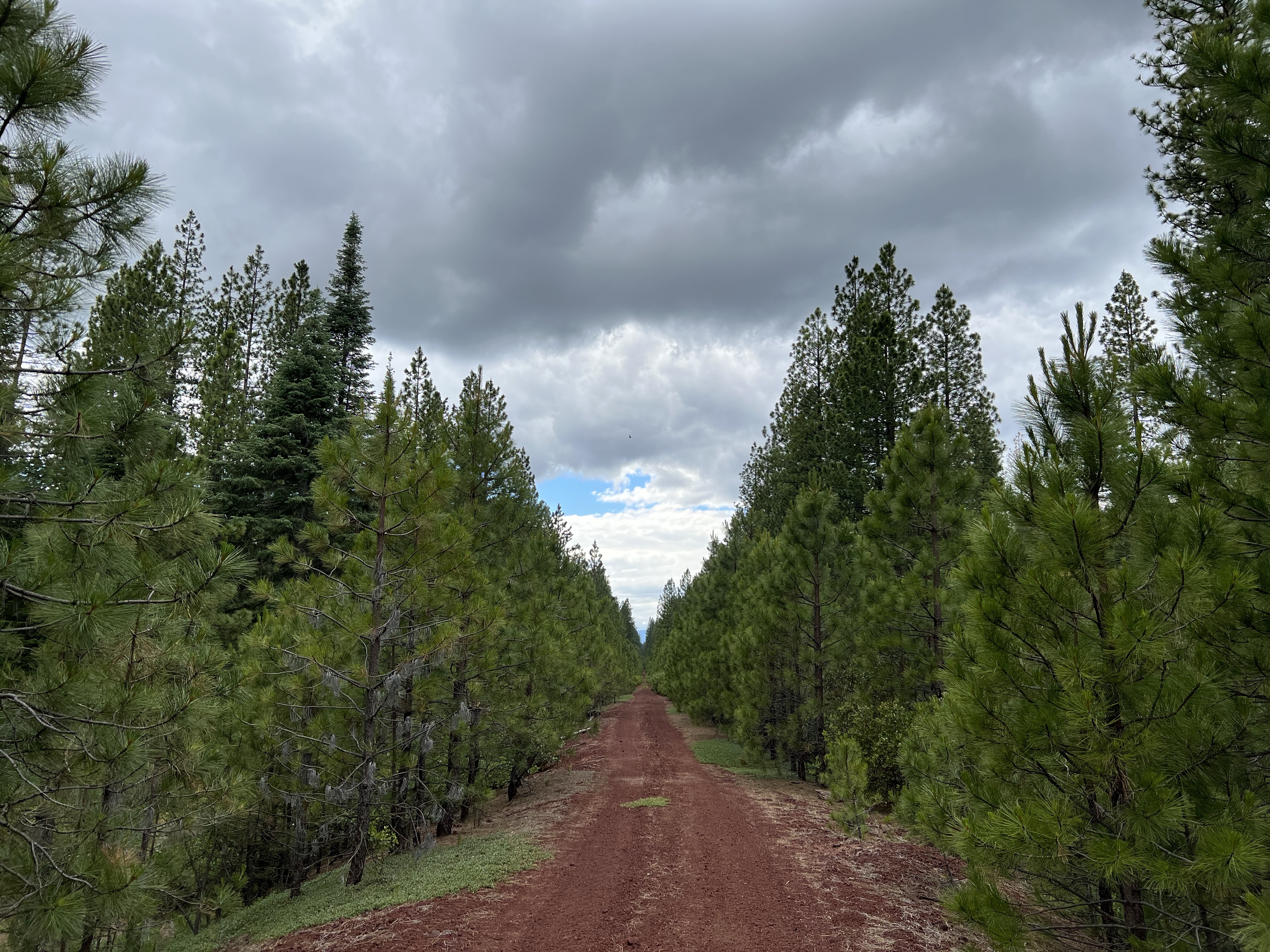
I started off on the trail and it was easy going because it was a railroad grade and relatively flat. The first mile or so was used for a large number of the shots in The General. The next landmark I was looking forward to seeing was at milepost 3: the Mosby Creek Bridge.
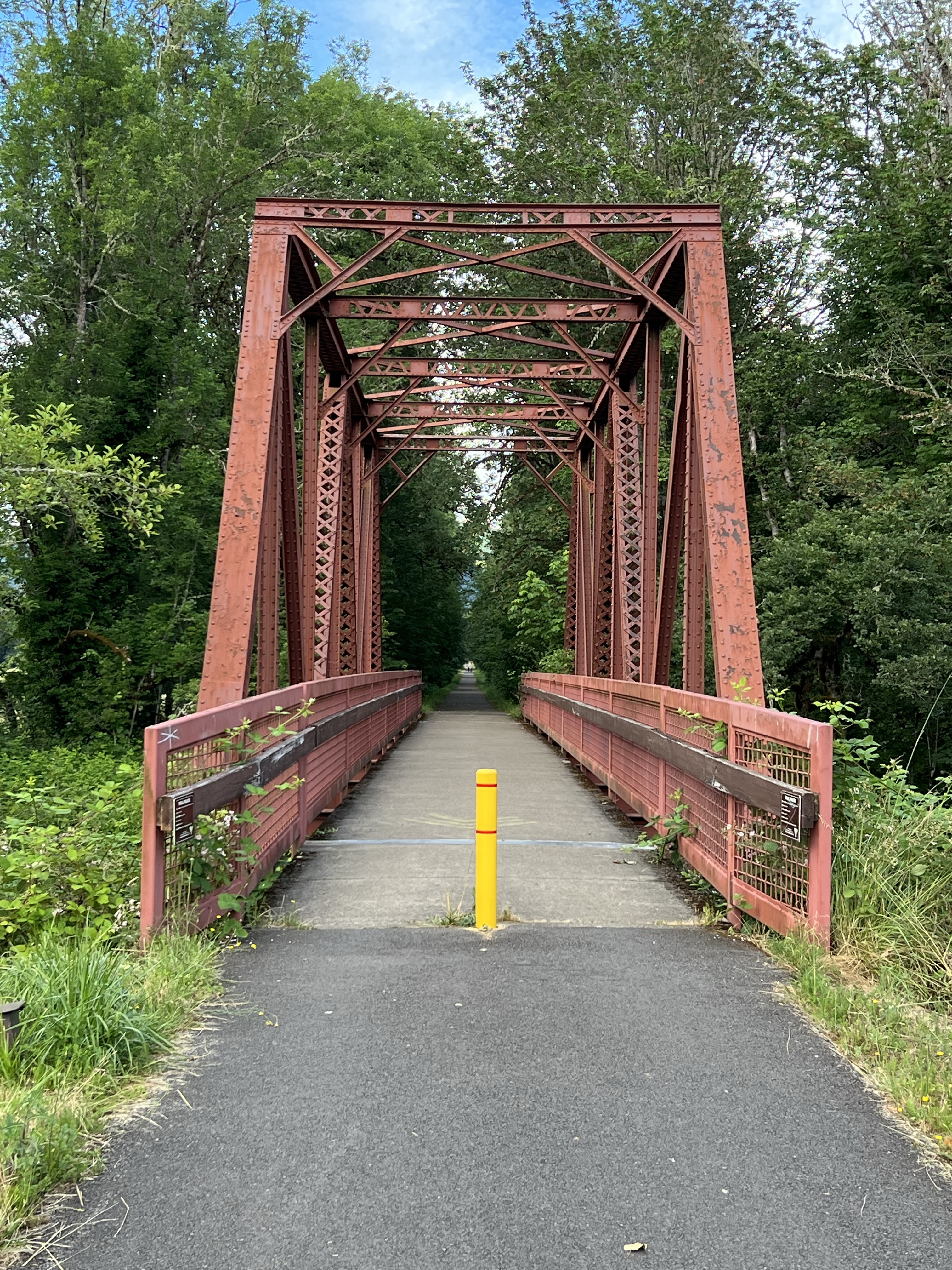
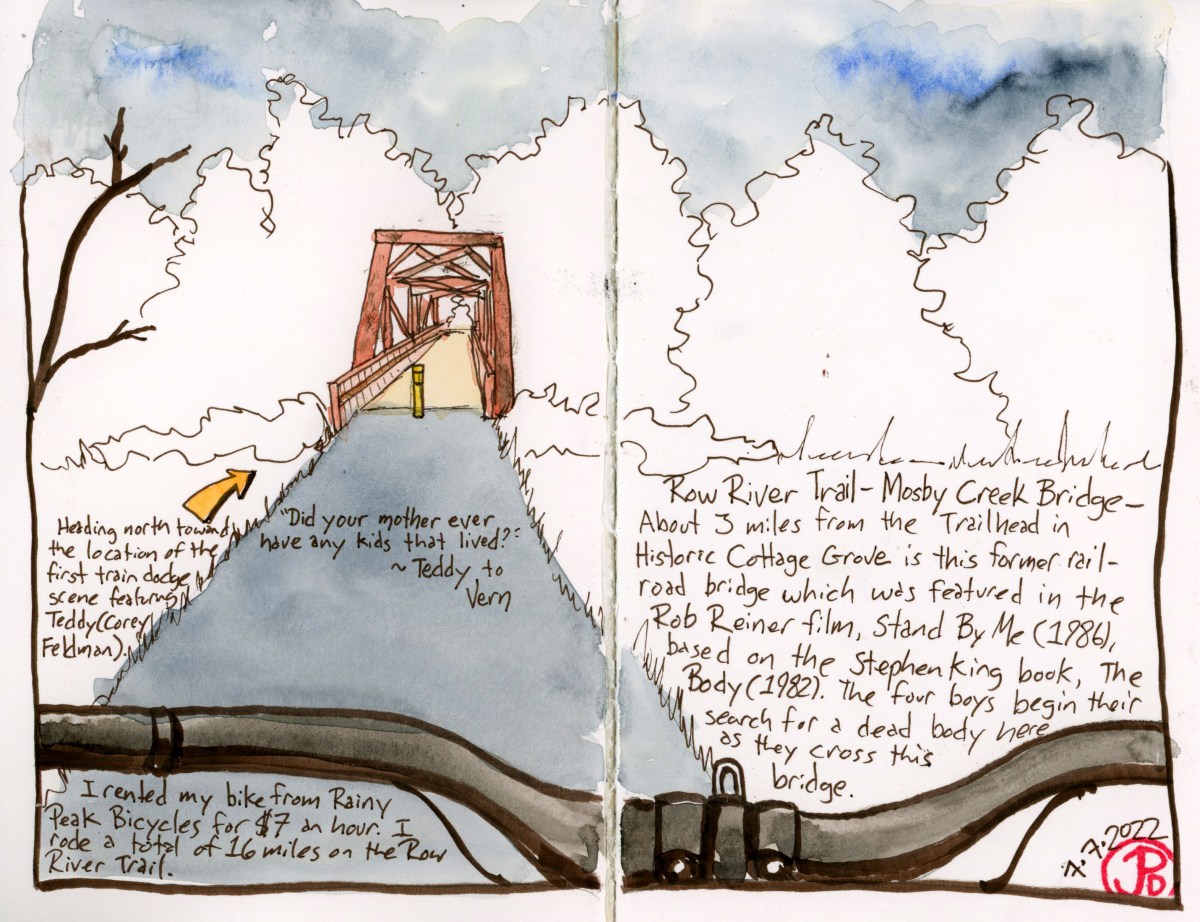
The Mosby Creek Bridge was where the adventure begins in Rob Reiner’s classic film Stand By Me (1986). Back when the movie was filmed, railroad tracks spanned the bridge that crosses Mosby Creek and the four boys walk onto the the tracks here, and cross over the bridge on their journey to look for the body of Ray Brower (the film is based on Stephan King’s novella The Body). The bridge looks very much the same as the day when production occurred here in the summer of 1985. Today the rails have been replaced with asphalt and it is now a popular hiking and biking trail.

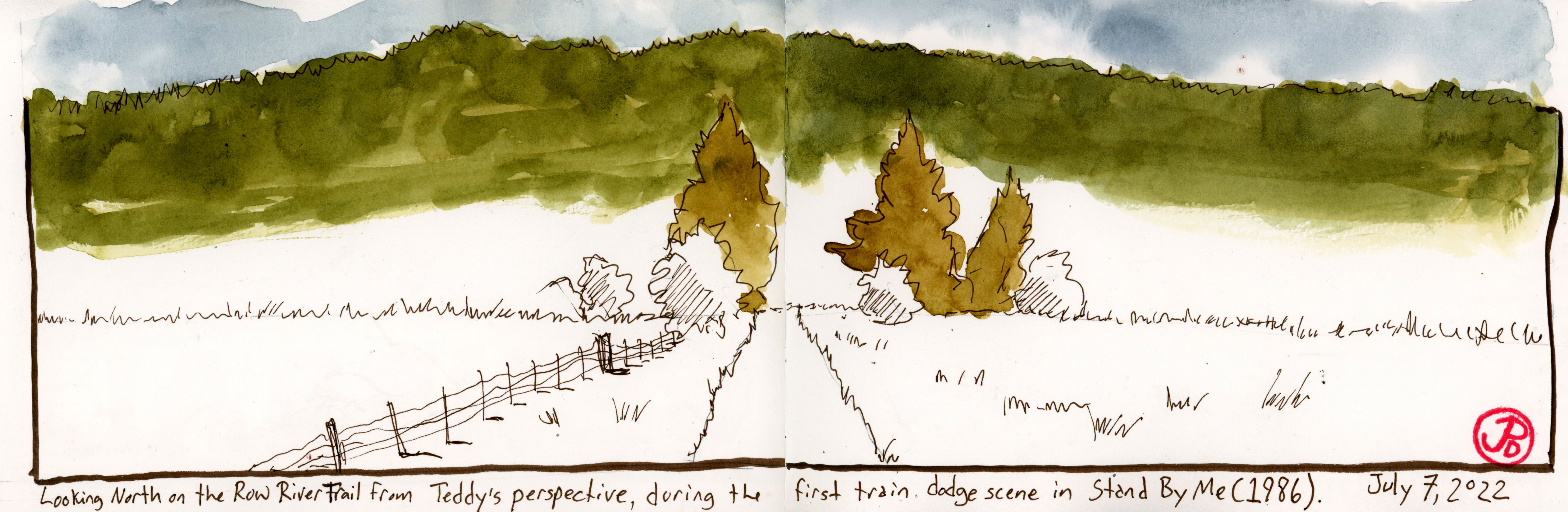
After crossing the bridge, the Row River Trail heads east in a straight section. It was along this straight section of the railroad that the first train dodge scene was filmed in which the character Teddy Duchamp (Corey Feldman) attempts to dodge an ongoing freight train.

I pulled over and pulled out my sketchbook and pencil bag. I stood in the middle of the the trail, assuming the perspective (and camera angle) of Teddy Duchamp, played by Corey Feldman. In 1985, he was looking down the rails to an oncoming steam freight train. The locomotive used in the shot was a 2-8-2 #19 which was built in 1915 and at the time was leased from the Yreka Western Railroad in Northern California. Luckily Teddy was pulled from the tracks by Chris, played by River Phoenix.
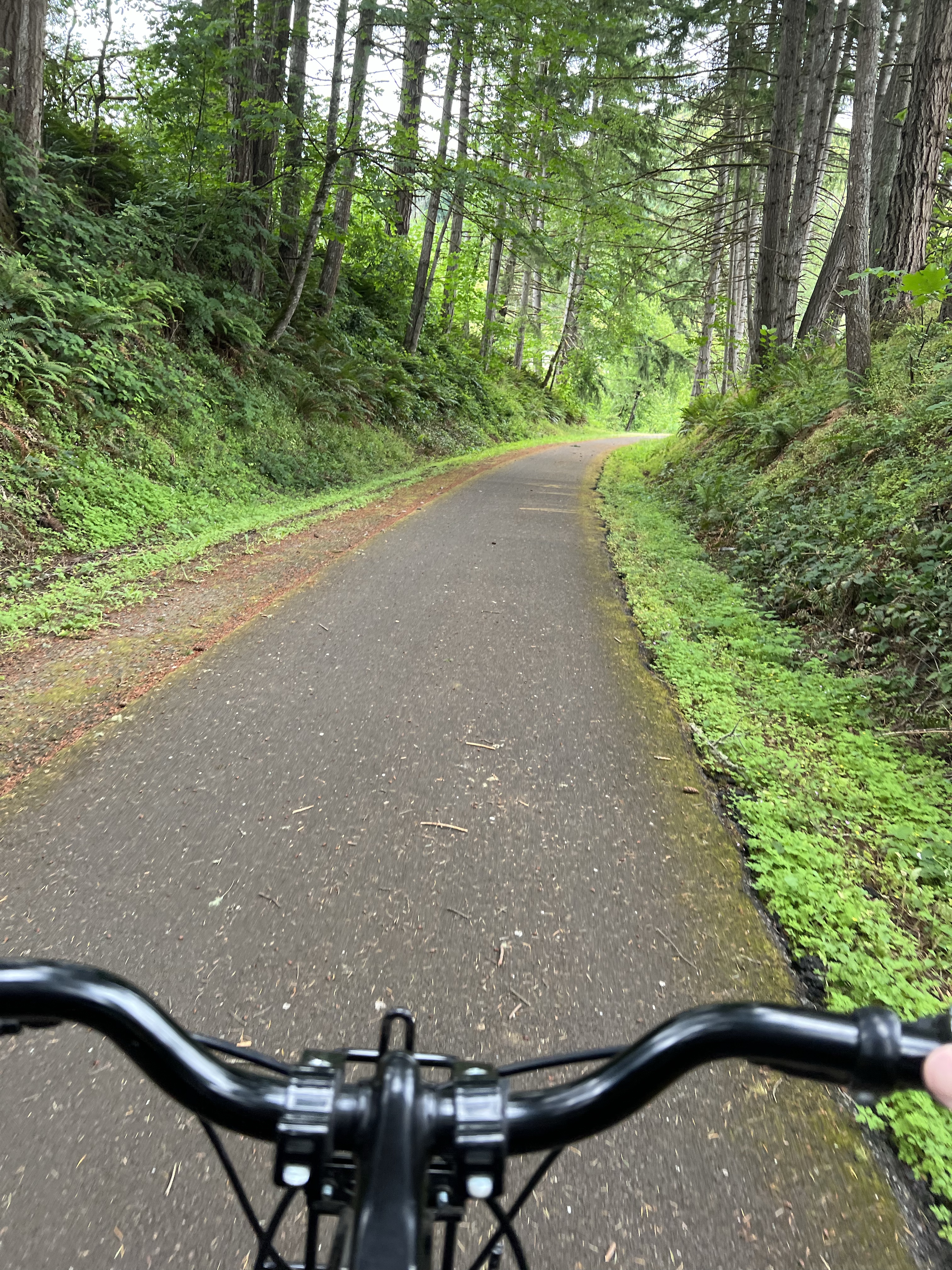
Riding a bike on the Row River Trail was one of the highlights of my summer break. The freedom of self-propulsion, the surrounding cinema history, and the beautiful scenery made this a memorial experience.
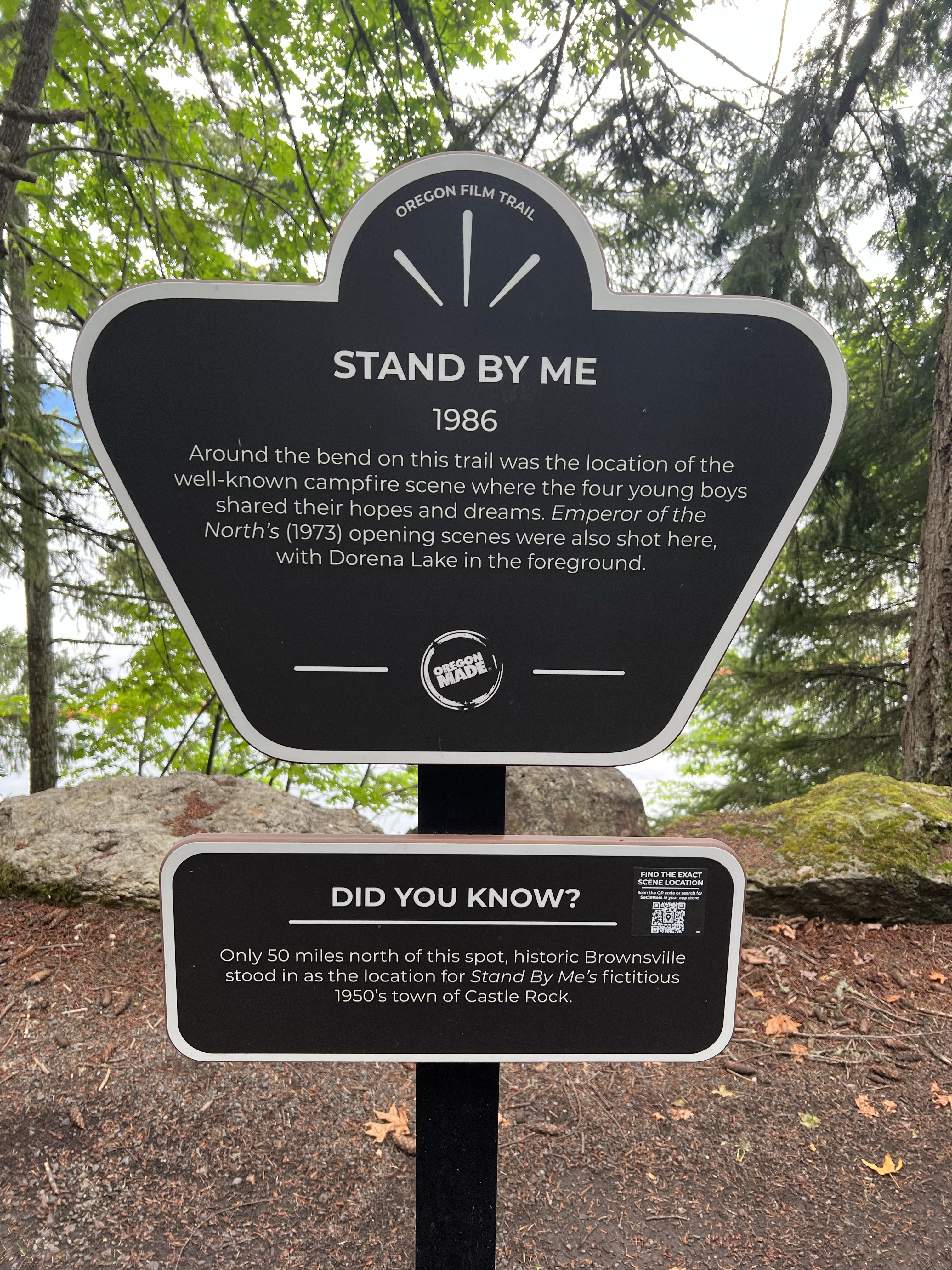
These Oregon Film Trail signs were a great help. This one is alone the shore of Dorena Lake near where the campfire scene was filmed in Stand By Me. Oh and later that day I did visit Brownsville, filling in as the fictional town of Castle Rock.
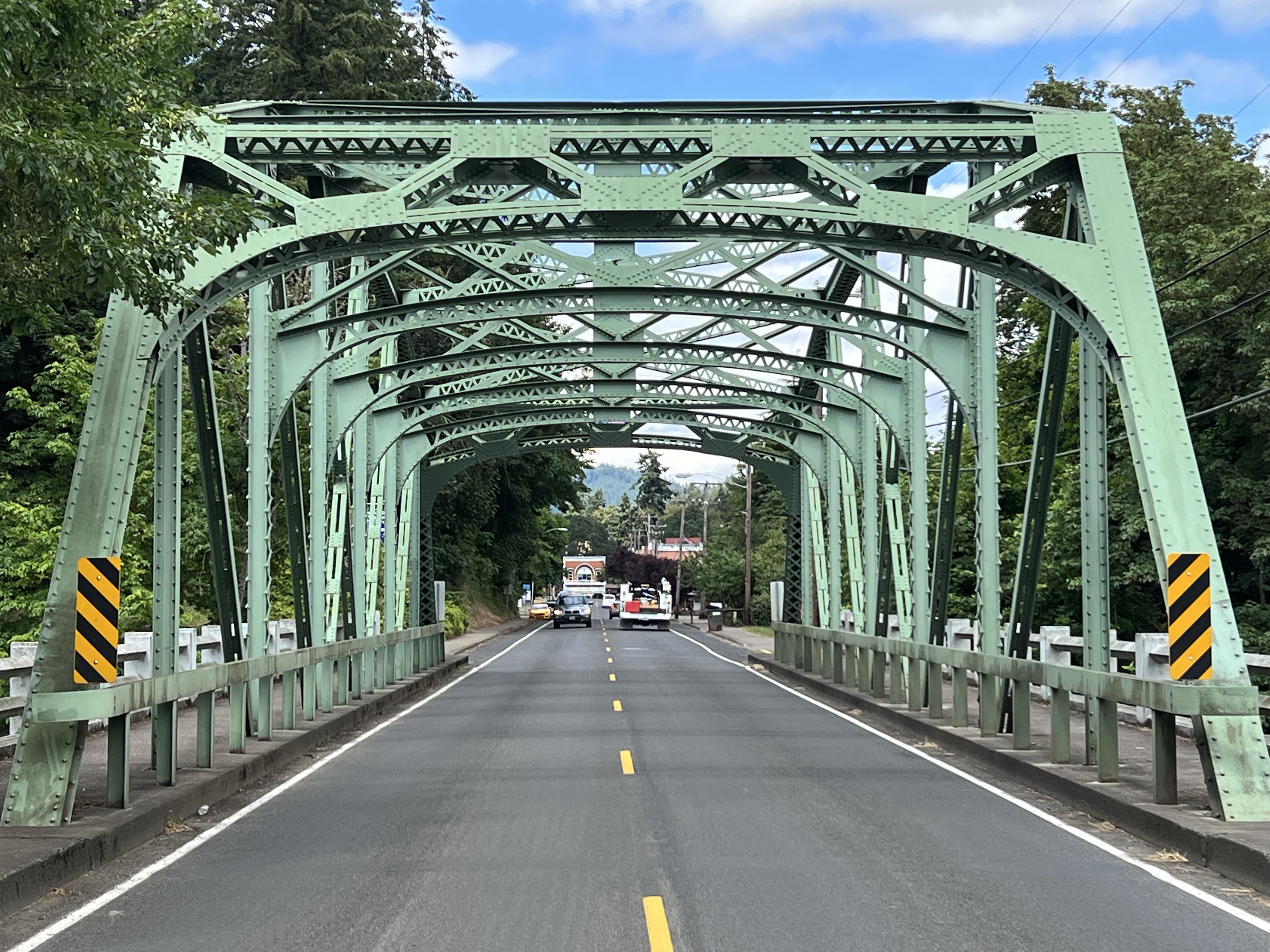
This the the bridge featured in the end of Stand By Me. This leads to the town of Brownsville, or which stood in for the town of Castle Rock in the film.
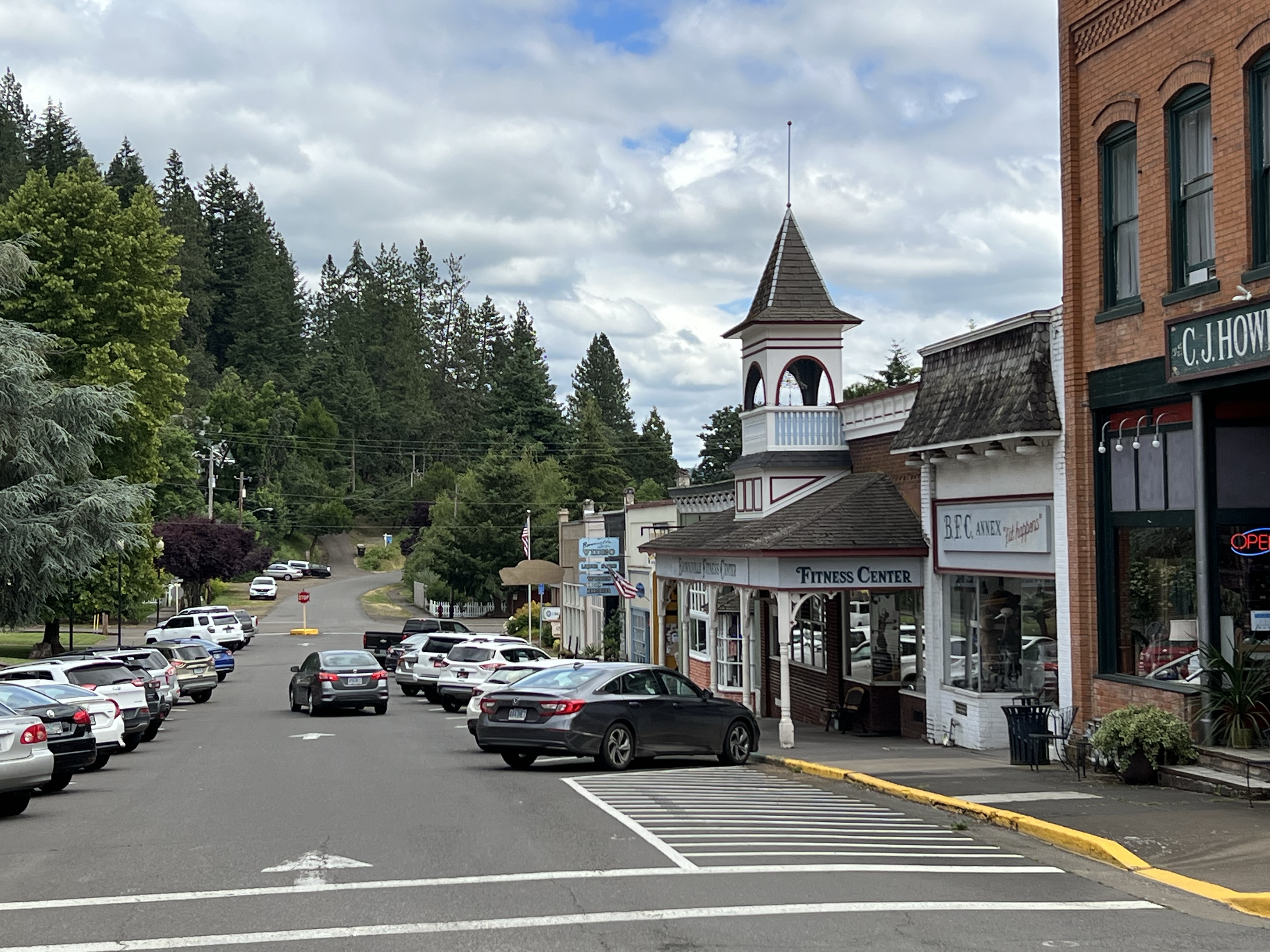
This perspective of Brownsville, is seen at the beginning of the film when Gordie Lachance (played by Wil Wheaton) walks down the street.
Image

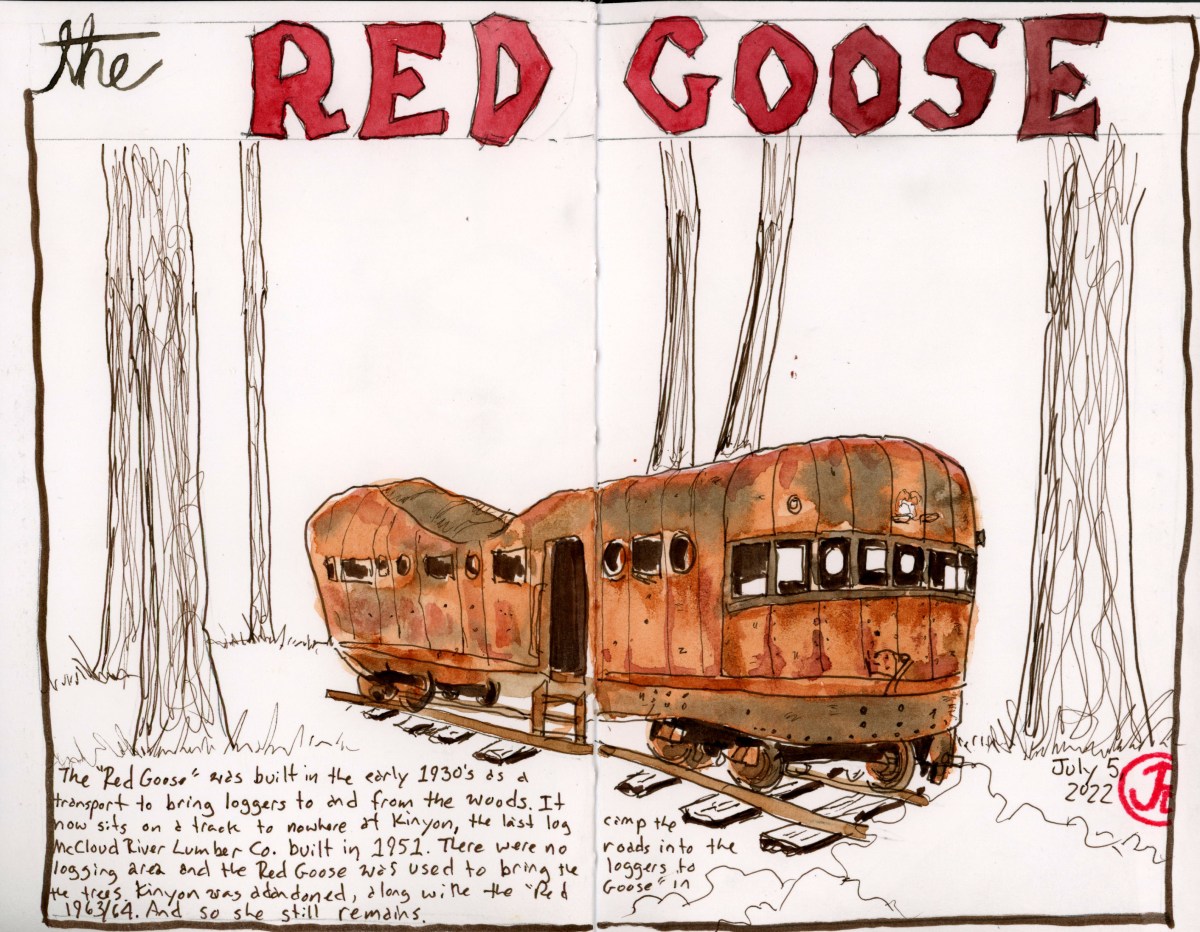
The Red Goose

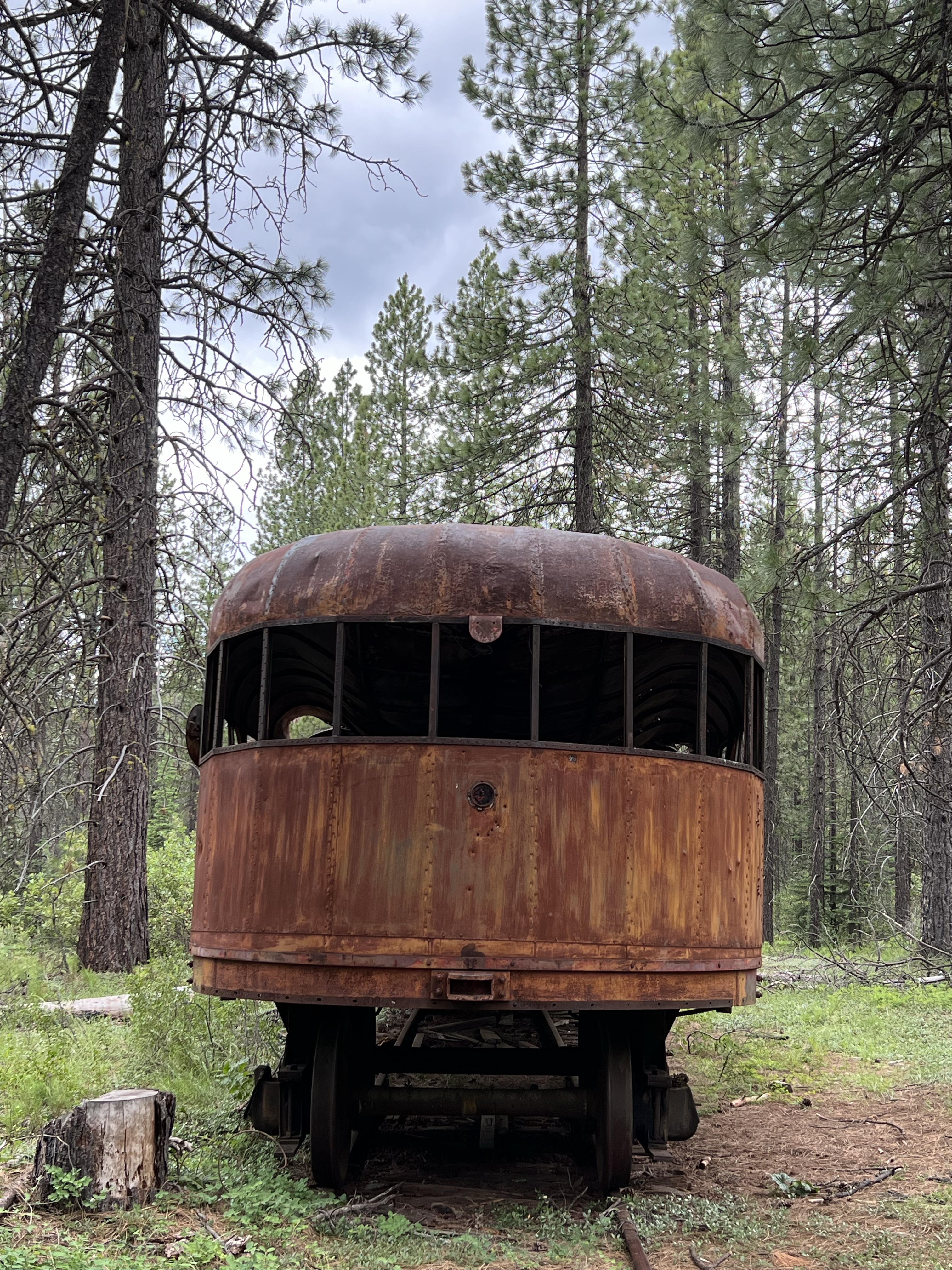
I returned to the former McCloud River Railroad to find an abandoned relic from it’s railroading past.

To get to this railroad relic, I had to travel 13 miles east of the town of McCloud. I parked off the Highway 89 and I hiked a quarter mile west on the former right of way of the McCloud River Railroad. The rails and ties have now been removed and the right of way is now the Great Shasta Rail Trail.

I did have assistance in finding this relic from author Jeff Moore, who is the expert on the history of the McCloud River Railroad. He is the author of two books about the railroad, including the definitive The McCloud River Railroads and he was very generous in helping me find the Red Goose and telling me the history of the lumber camp at Kinyon.

Kinyon was built as a lumber camp in 1951 by the McCloud River Lumber Company and it was the last lumber camp the company built. The tract of trees they where harvesting at the time did not have logging roads to access the trees but there was the railroad which was how they transported the loggers from the camp at Kinyon to the trees they were harvesting.

When the McCloud River Lumber company was bought by US Plywood in 1963, Kinyon was abandoned and all the building were destroyed. But they did not know know what to do with the Red Goose so they put it at the very end of one of the camp spurs and left it and so it remains to this day. Now I had to try and find it.

The path began to curve to the left and once the trail straightened out again I would be looking to my left, through the trees for a reddish hotdog-shaped vehicle on wheels.

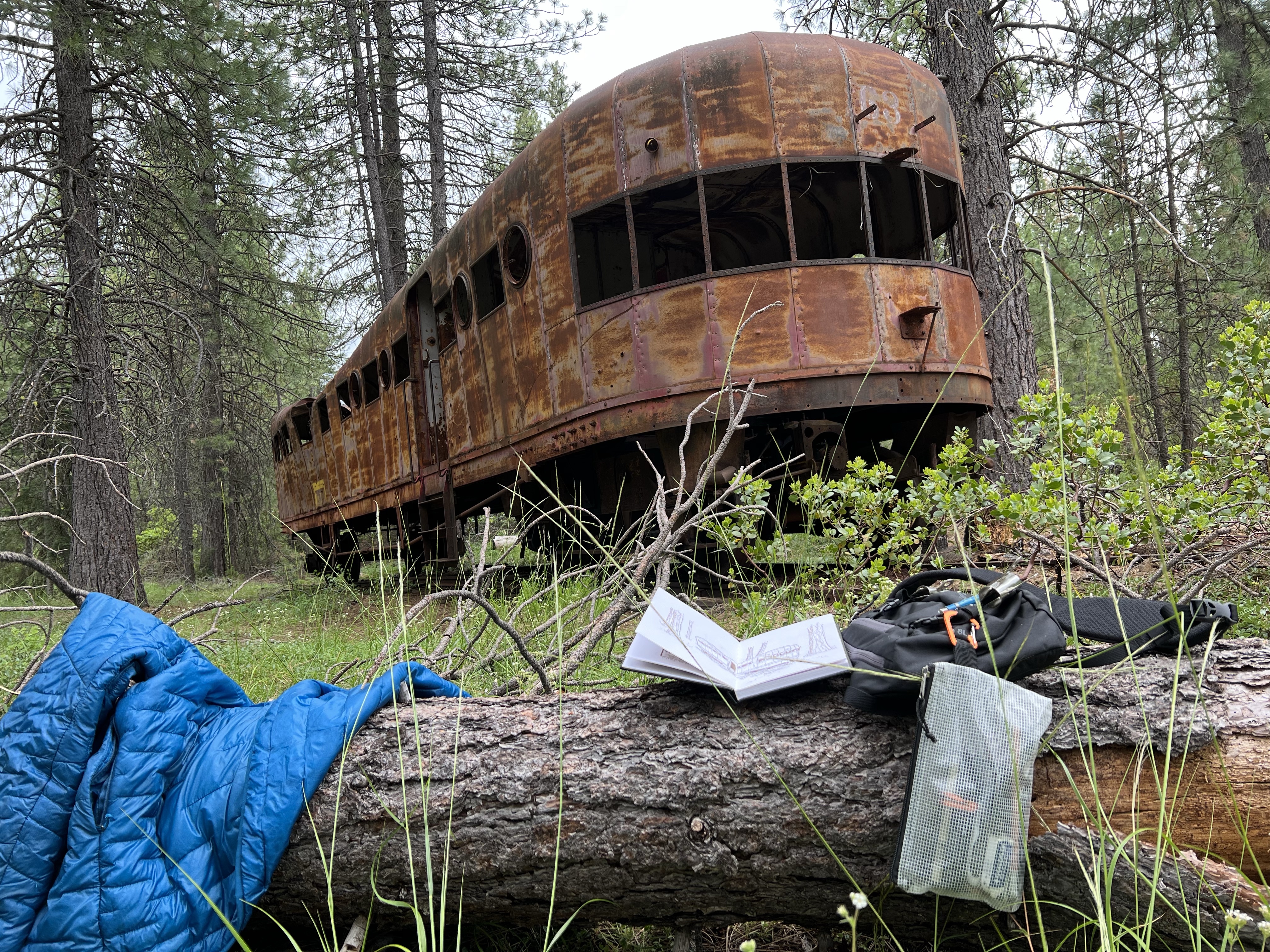
After walking on the on the trail a short time I spotted The Red Goose through the trees. I headed down the embankment and followed a trail for about 50 yards I stood before the rusted railroad relic!

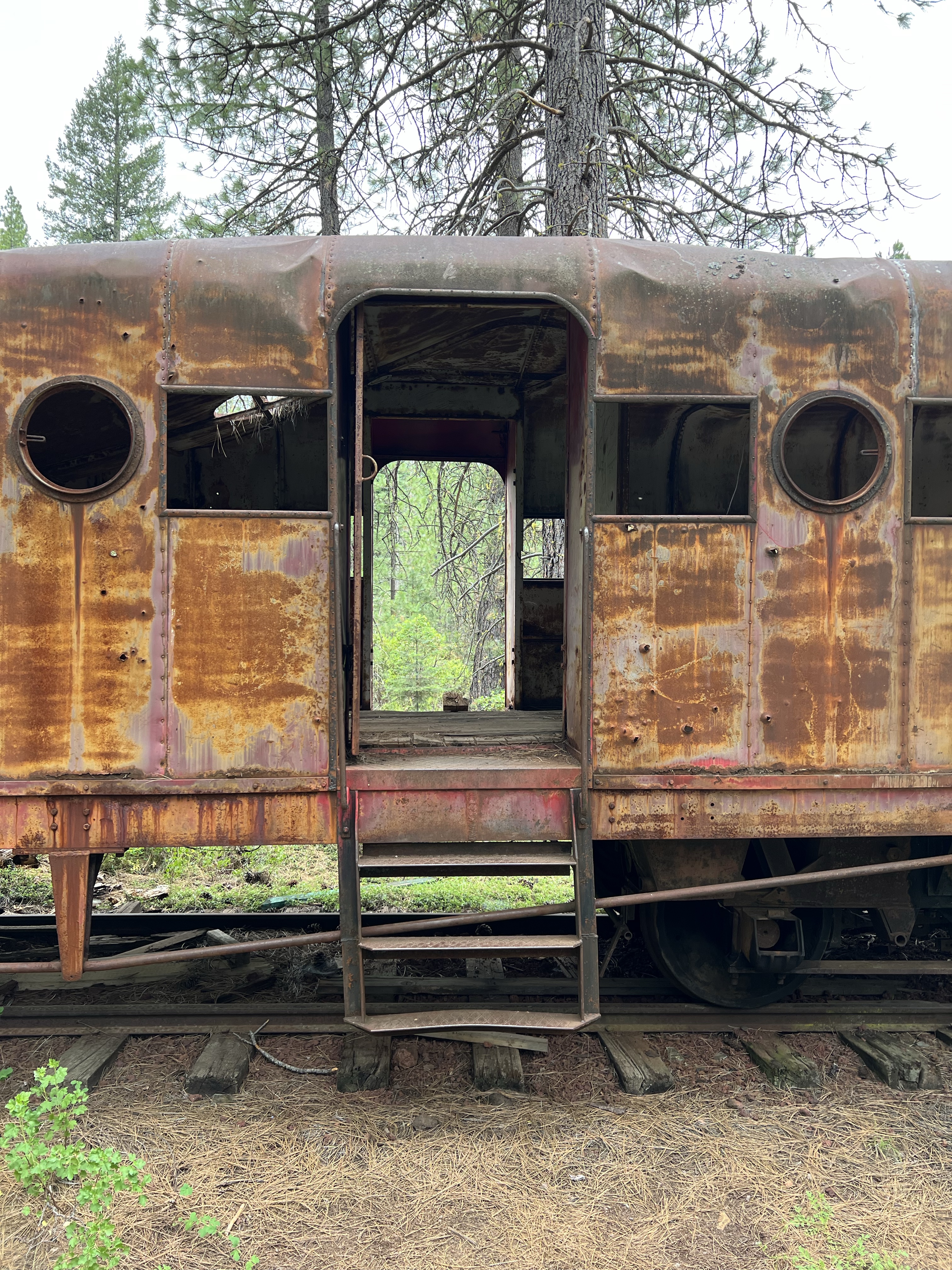
The door up to the Red Goose. To the right is the cab and to the left is the passenger section.
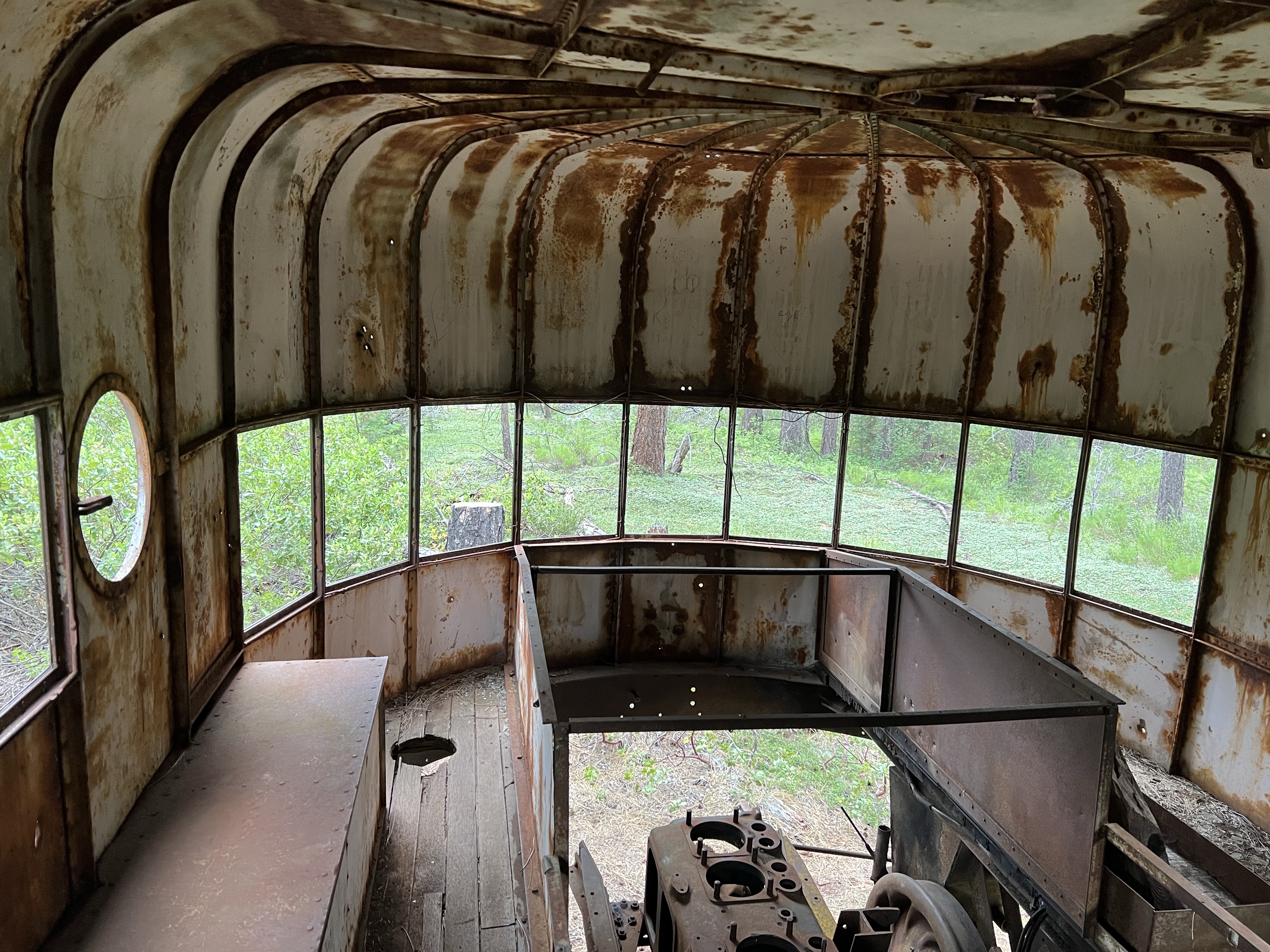
Inside the cab of the Red Goose. The engine block is just visible.

The Red Goose was built in the early 1930s at the railroad shops at Ponderosa. The Goose was powered by the engine block of a Caterpillar 60 gas powered tractor. She was built as a rail car to transport loggers to from logging camps out to the forested areas where they were harvesting lumber.

The Red Goose now sits alone and abandoned in the former logging camp of Kinyon. She sits on track that barely extends beyond her front, isolated in time and space from the former line that would had taken her to the headquarters of the railroad, 13 miles west, in McCloud.

After sitting out in the open for 60 years, you can still see some of the red paint that gave the car her nickname. Surprisingly the car’s exterior is really devoid of graffiti and the body seems to be in fair shape, except for the rear roof that is caved in from carrying snow loads for 60 winters.

Image

Denver’s Big Boy

The roughly 100 hundred miles that separates Denver, Co, and Cheyenne, Wy is the currently epicenter of Union Pacific’s monster steam locomotive the Big Boys, not because they routinely ran between these two cities but because three of the eight existing Big Boys can be found along Highway 25 in the cities of Denver and Cheyenne.

Cheyenne was the operational headquarters for the 4-8-8-4, freight locomotives that were designed to tackle the Wasatch Mountains between Cheyenne and Ogden, Ut. These were the largest steam locomotives ever built.

Overall, 25 Big Boys were made, currently two are found in Cheyenne and one in Denver. No. 4004 can be seen on display in Holiday Park in Cheyenne. Local residents petitioned Union Pacific to donate a Big Boy to the city of Cheyenne when they saw the rapid disappearance of stream locomotives from the rails in the late 1950s and early 1960s.

Big Boy 4004 at Holiday Park in Cheyenne.

Big Boy No. 4005 had a much more colorful history than 4004. 4005 was only one of two Big Boys that were converted from coal to oil (more on that other converted Big Boy later). 4005 tallied up 1,043,624 road miles in a 20 year career. The giant is also the only Big Boy to ever be involved in a major accident. On April 27, 1953, 4005 hit an opened siding at 50 miles per hour causing the train to derail and the Big Boy fell on it’s left side (the damage is still visible today). The engineer, fireman, head-end brakemen were all killed in the wreck. The locomotive was later repaired in Cheyenne and returned to service.

The 4005 is now on display in Denver’s Forney Museum of Transportation in northern Denver. This is where I returned, this time with Steve, to do a few field sketches of the Big Boy (the featured sketch and the sketch below of 4005’s tender.)

The other Big Boy that was converted to burning oil is perhaps the most famous Big Boy: Union Pacific’s 4014. 4014 is the largest operational steam locomotive in the world. It was on display for many years in California and was shipped, by rail, to the steam shop in Cheyenne and fully restored to working order.

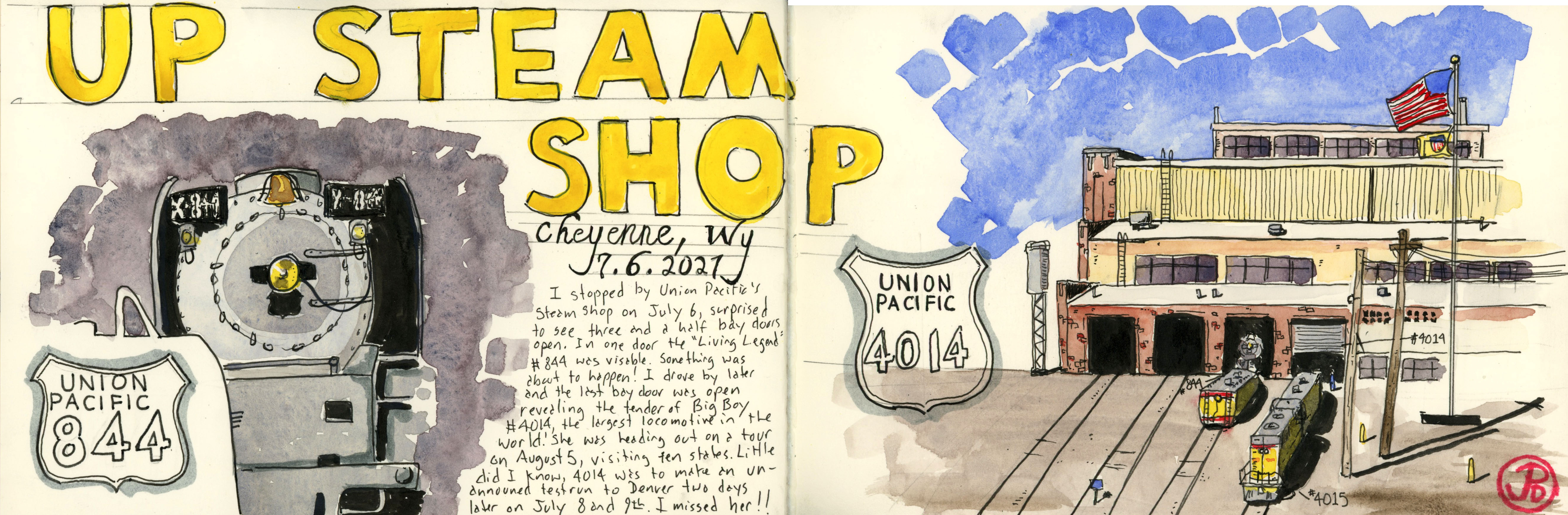
Union Pacific 4014 has proven to be the most illusive Big Boy for me. You would think the largest operational steam locomotive in the world would be easier to see! I have seen the Steam Shop in Cheyenne and the doors have always been closed, hiding 4014 and the Living Legend No. 844. A west coast steam tour was planned for this summer but was cancelled because UP’s rails are crowded with freight traffic to ease the supply chain issues. Yet another opportunity missed to see 4014 under steam.

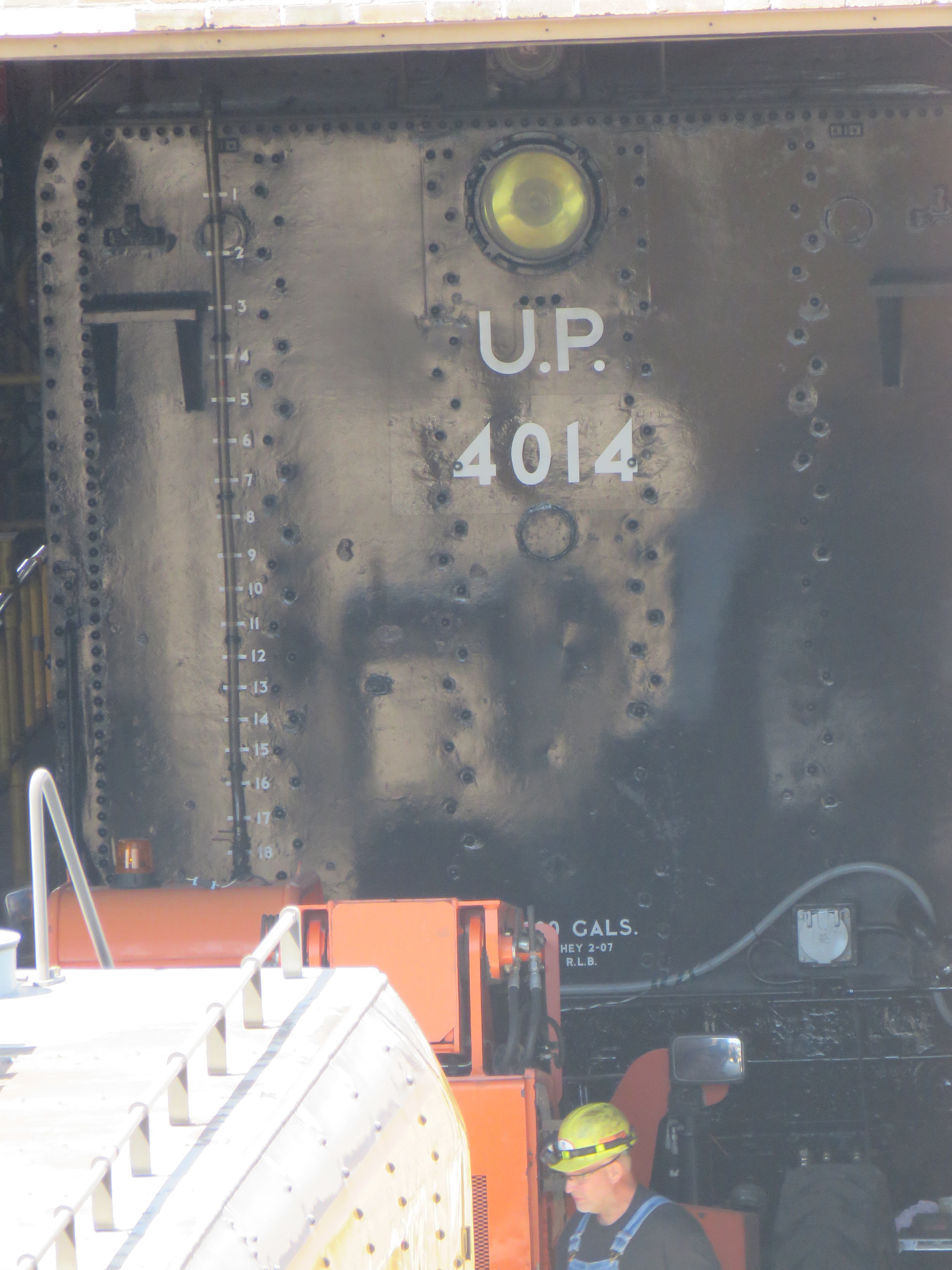
This is the closest I have come to seeing 4014: it’s tender. This was at the steam shop and little did I know that they were preparing to go out on the rails for an unannounced test run as a warm up for it’s 2021 summer steam tour. So close yet so far away!
Image

Zephyr Sketching (Westbound) Part 1

The California Zephyr Train # 5 was early coming into Denver’s Union Station. And we departed from the Mile High City, right on schedule.

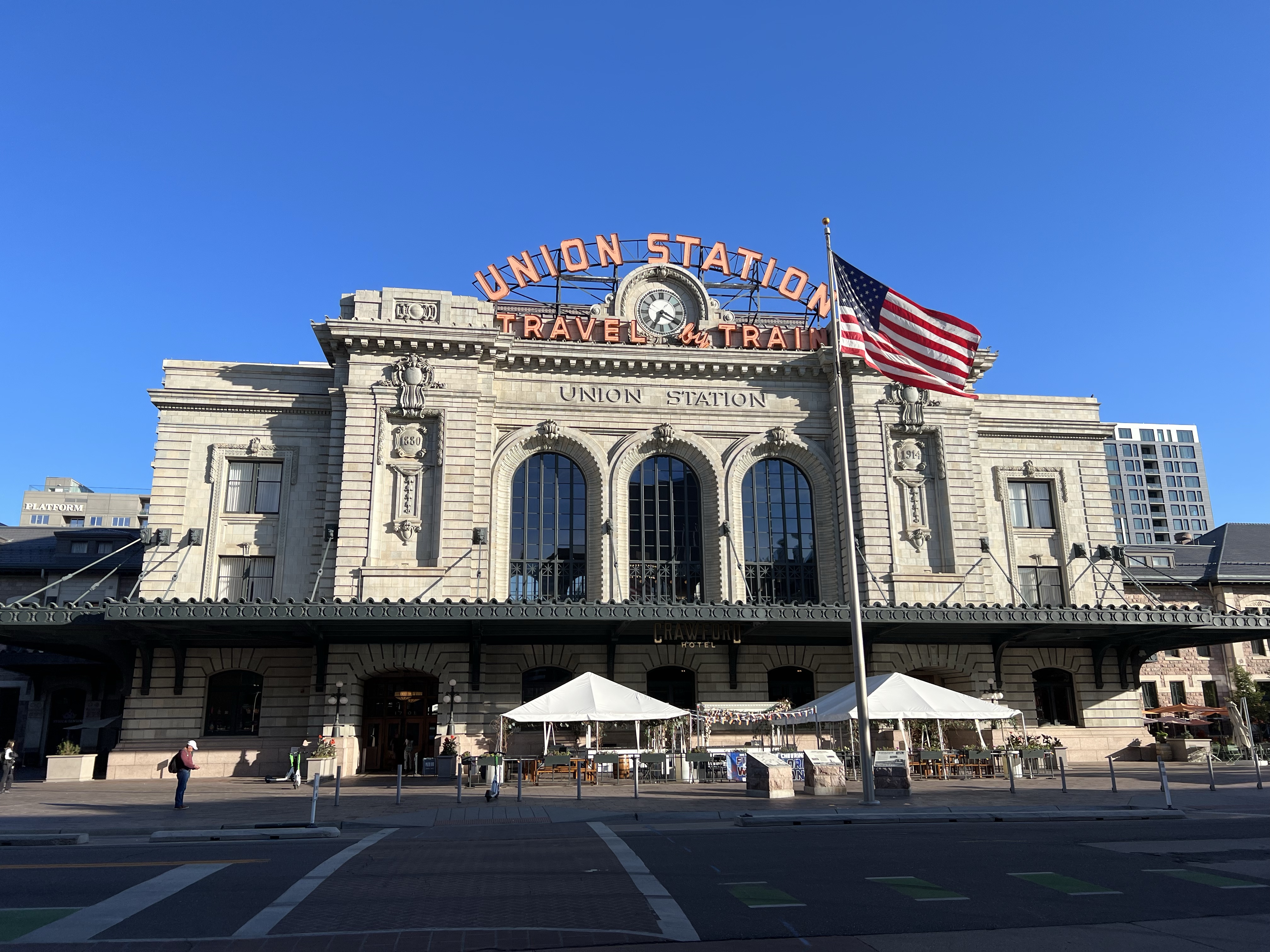
The stunning Union Station in Denver.

We climbing up into the Tunnel District, so named because the Zephyr passes through 28 tunnels. The king of all tunnels in this stretch, if not any stretch in North America, has to be the Moffat Tunnel. The tunnel is 6.2 miles long and crosses under the Continental Divide meaning that once we come out of the west portal of the tunnel, the waters will be flowing to the west coast and behind us, the water flows east. At 9,239 ft, the tunnel is the highest point anywhere on the AMTRAK system.

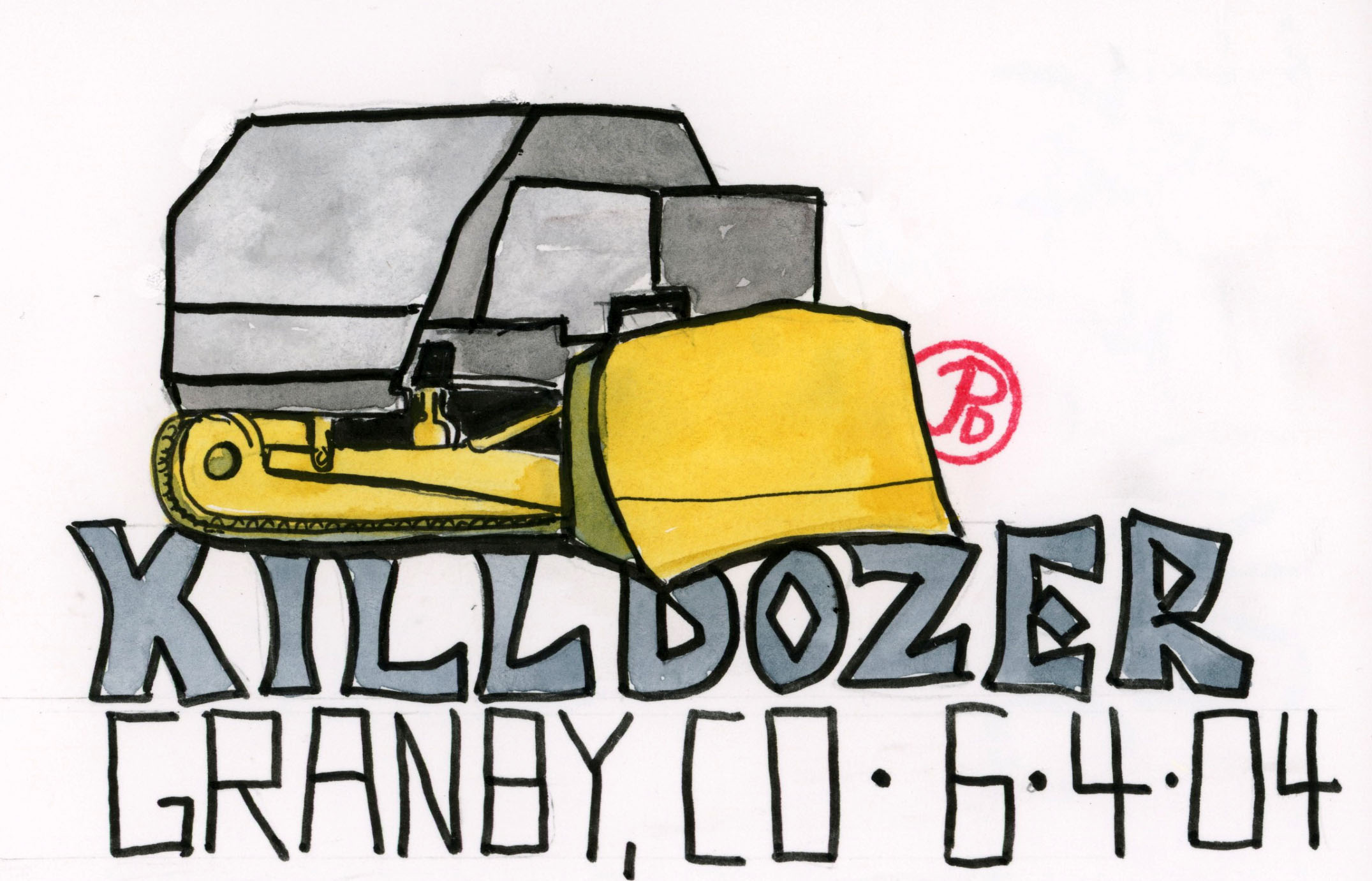
On the western side of the Moffat Tunnel is the stop of Fraser-Winter Park. The next stop on the western route is the small Colorado mountain town of Granby. The conductor told us the little story of Marin Heemeyer and his Killdozer.

Heeymeyer was from South Dakota but moved to Colorado where he became a popular member of the community and one of the best welders in the area. He opened a successful muffler business in Granby. Over the following years Heemeyer feuded with the city and others over zoning, building permits, sewage lines, and entry roads to his business. Over that time many in the community crossed Heeymeyer, which was a big mistake because Marv can really hold a grunge.

He bought a Komatsu D355A bulldozer and he sold his business and property and then rented a building on his former property from the new owners where he secretly modified the bulldozer. For over a year he worked on his bulldozer by fortifying it with steel and concrete creating an indestructible machine of destruction. On June 4, 2004 at about 3:00 PM Heemeyer put his plan into action.

During the two hours and seven minute bulldozer rampage, Heeymeyer destroyed 13 buildings (including the city hall, police station, the former mayor’s house, and newspaper offices). The killdozer caused seven million dollars of damage. The police where helpless to stop the bulldozer and the rampage only ended when the killdozer got stuck while destroying Gambles hardware store and Heeymeyer ended his own life.

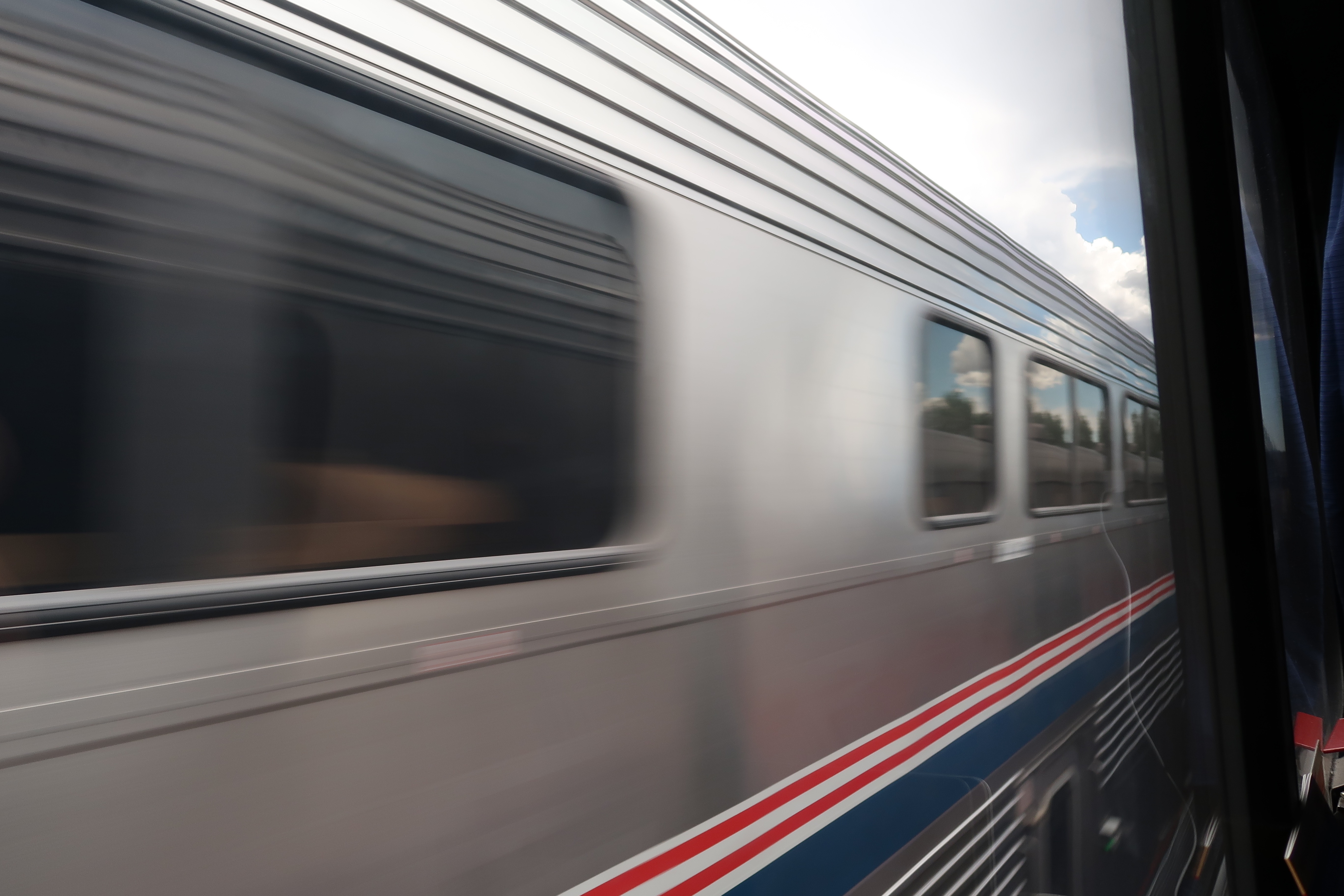
In Utah, the two Zephyrs meet as the westbound Train 6 passes us on it’s way to Chicago.
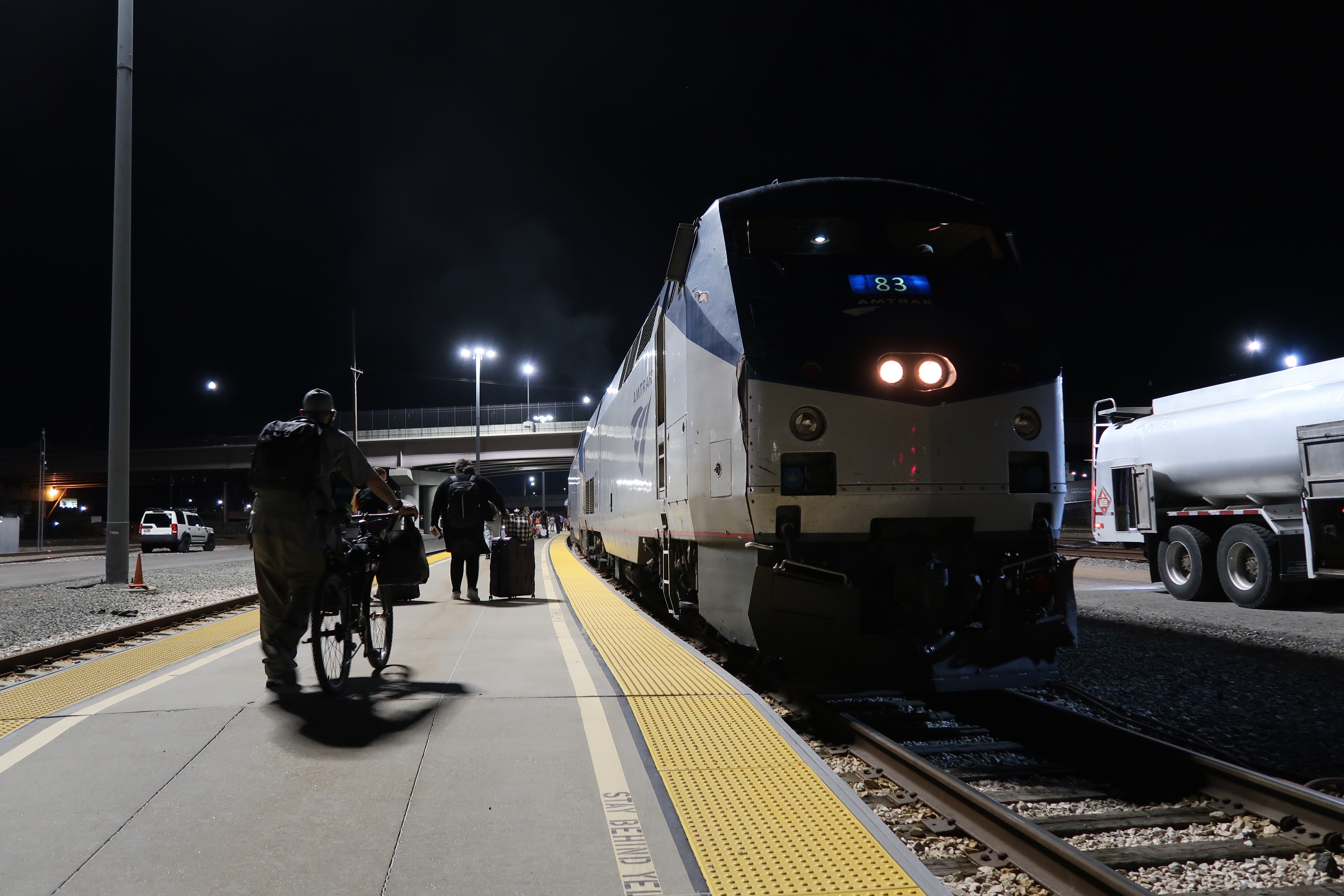
The poor souls of Salt Lake City have to wake up at an ungodly hour to catch the train. The California Zephyr pulls into the City of Saints at either 11:30 PM (Train 5) or 3:30 Am (Train 6). Here we get a stretch break and the locomotives are refueled. I took a stretch break because I rarely sleep on trains.
Image

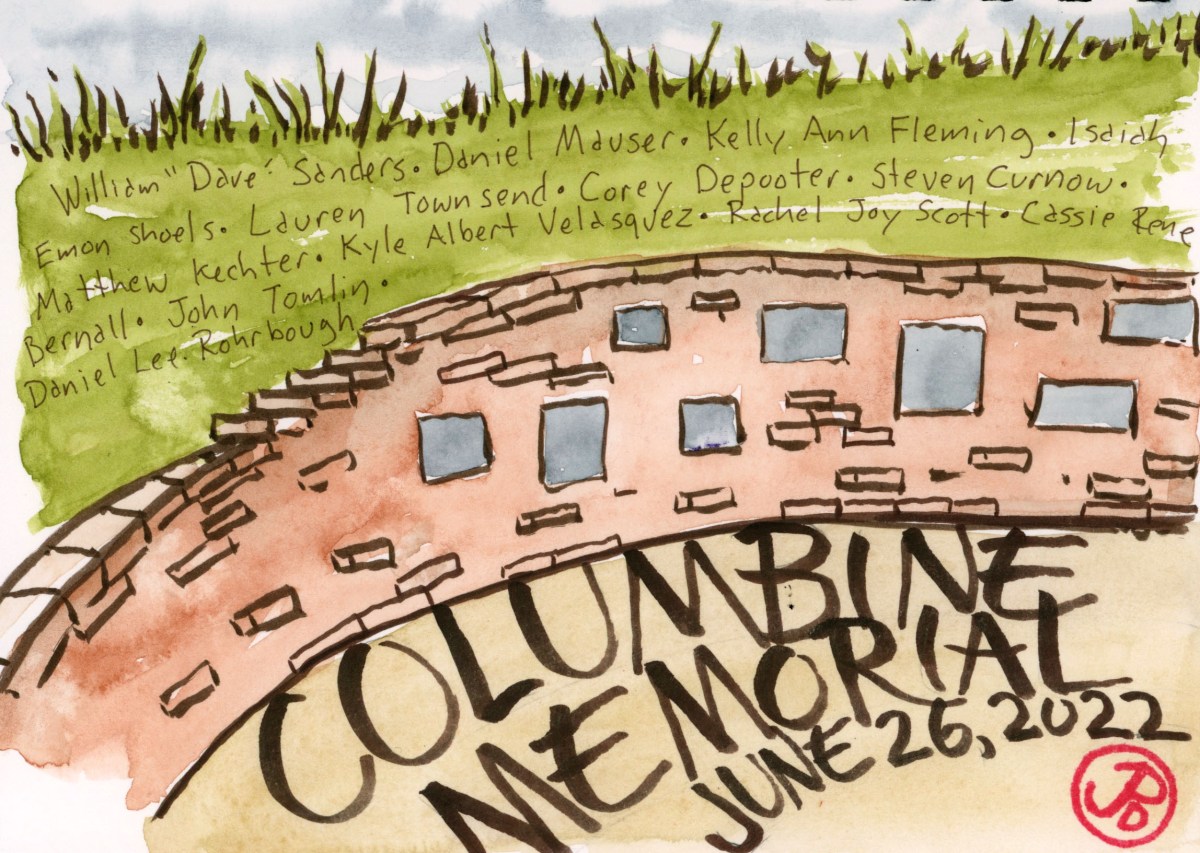
23 Years Later: What Have We Learned? (My 500th Post)

While I would have liked my 500th post (an amazing milestone that I can scarcely believe) to be about a positive subject I have learned never to turn away from the difficult, the complex, and the sorrowful. While school shootings still happen, we as educators and citizens must not turn our collective backs on the causes and reasons these shooting continue happening. What is it about our county and our values and the way we fund and support mental health and the ease of availability of high powered weaponry that lets these killings happen at an astounding rate?

What have we learned in the 23 years since Columbine? I will let you answer that question for yourselves but I do want to share a few statistics: according to the Washington Post, since Columbine, there has been at least 554 victims in school shootings. It is estimated that 311, 000 children have been exposed to gun violence in a school setting.

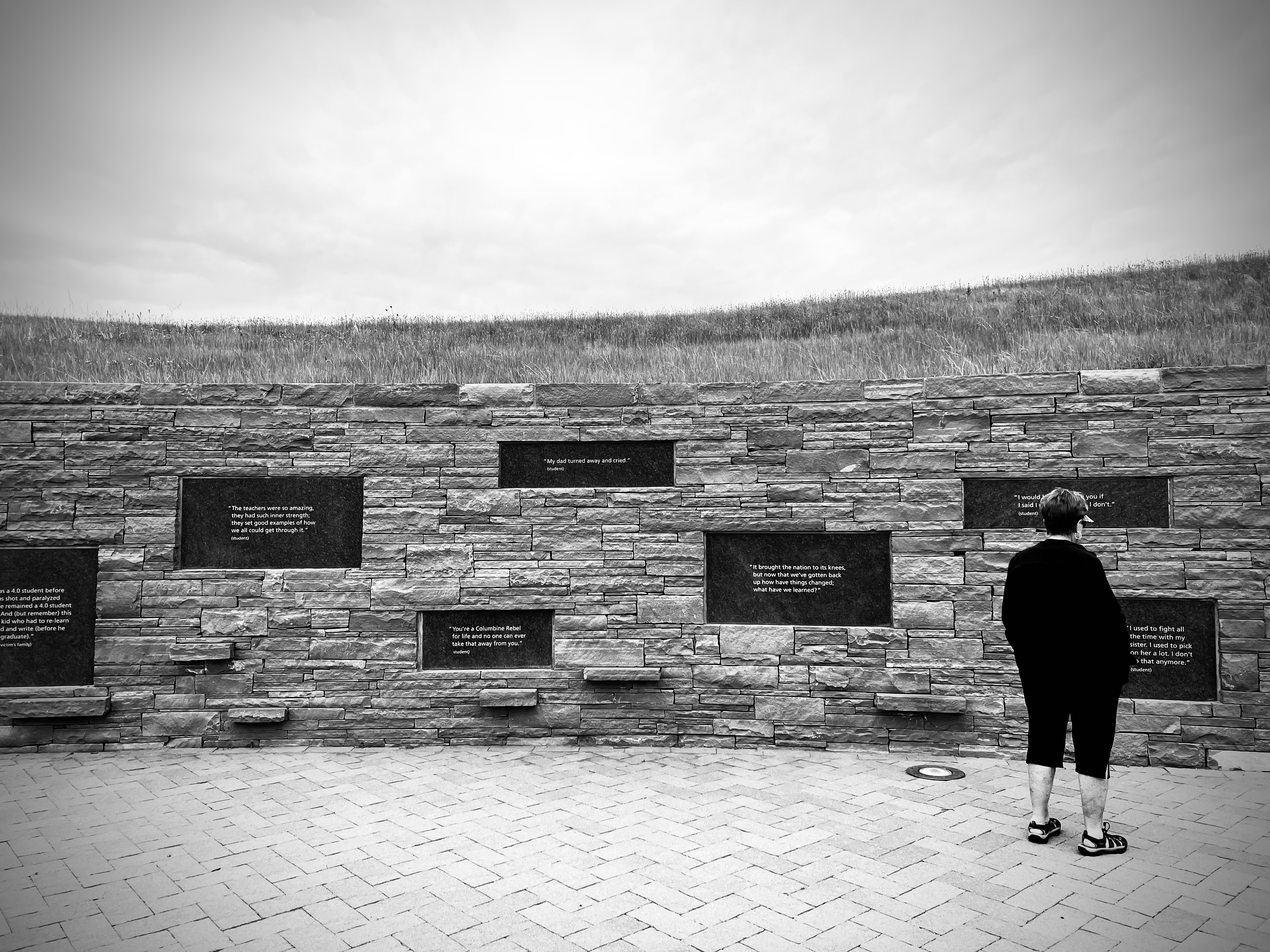
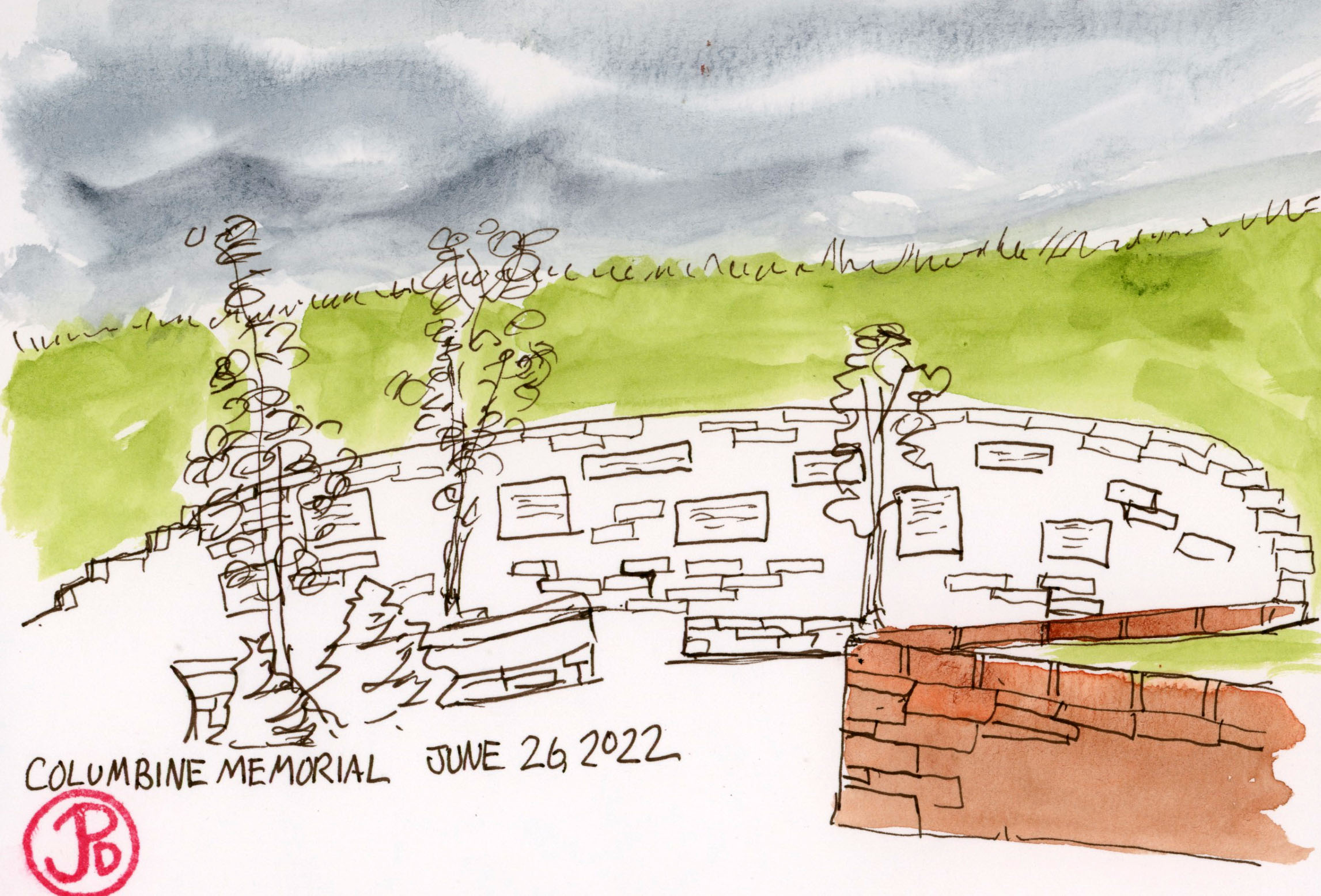
I returned to the Columbine Memorial in Littleton, Colorado this time with my mother, a former educator , Steve and Sharon. Since my first visit I am convinced that every educator in the land (if not every resident) should come to this shine of death, destruction, and renewal.

I had visited the memorial in April of 2021, when there was still snow in the deep shadow areas that will not see sun for another few months.

We visited Clement Park, the park behind Columbine High School, and we could not find any parking near the memorial because, and I’m not making this up, of a Unicorn Festival.

Sharon dropped us off and we walked up towards the memorial to the 13 killed and the many injured and changed forever by the acts of two Columbine High seniors on April 20, 1999.

My mother at the memorial.

To me, this should have been a clarion call for major reforms in gun controls, mental health, and school protocols. Sadly the killing in schools just keeps happening. What have we really learned from Columbine?

Image

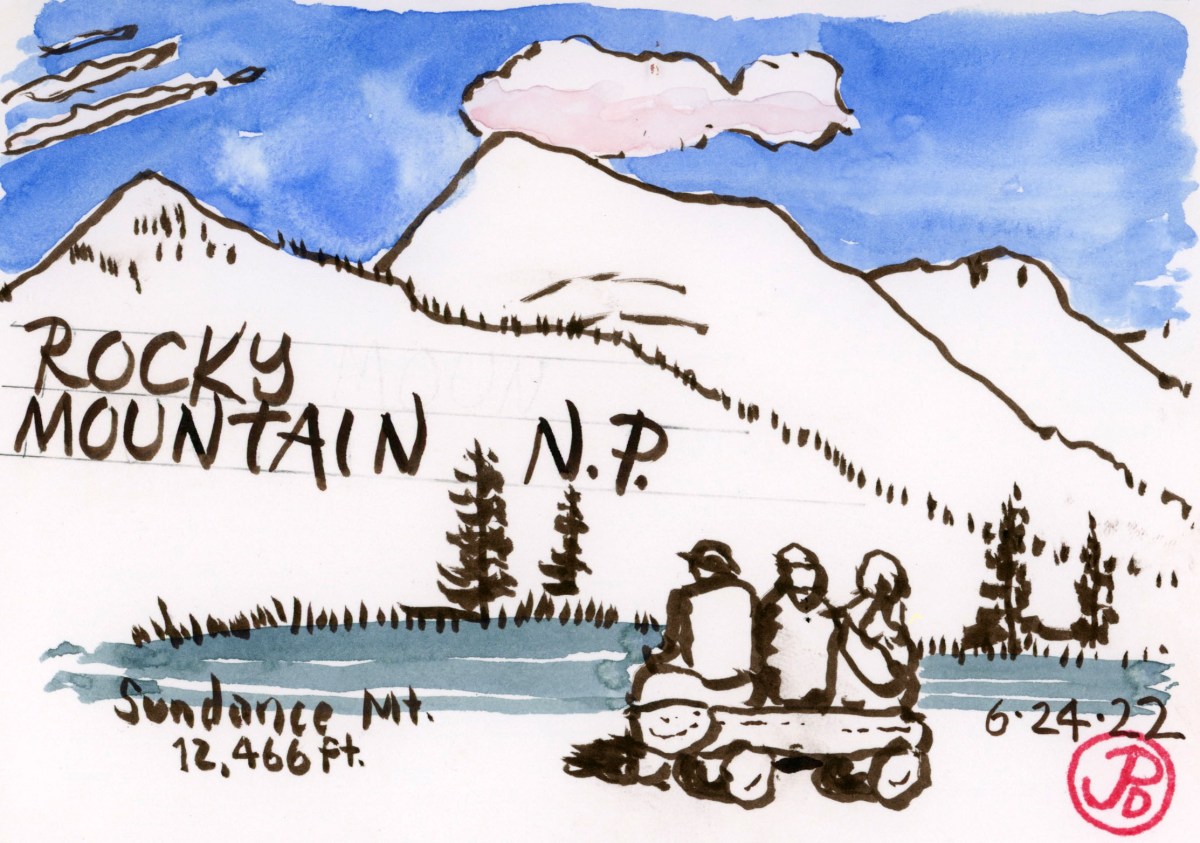
Rocky Mountain N. P.

On Friday morning I made my third visit to Rocky Mountain National Park in almost a year. This time I was with mom and Steve and their friend Sharon.

At this time of year, in the summer, visitors have to reserve an entry time (this is a very popular National Park). Our time was between nine and ten AM.

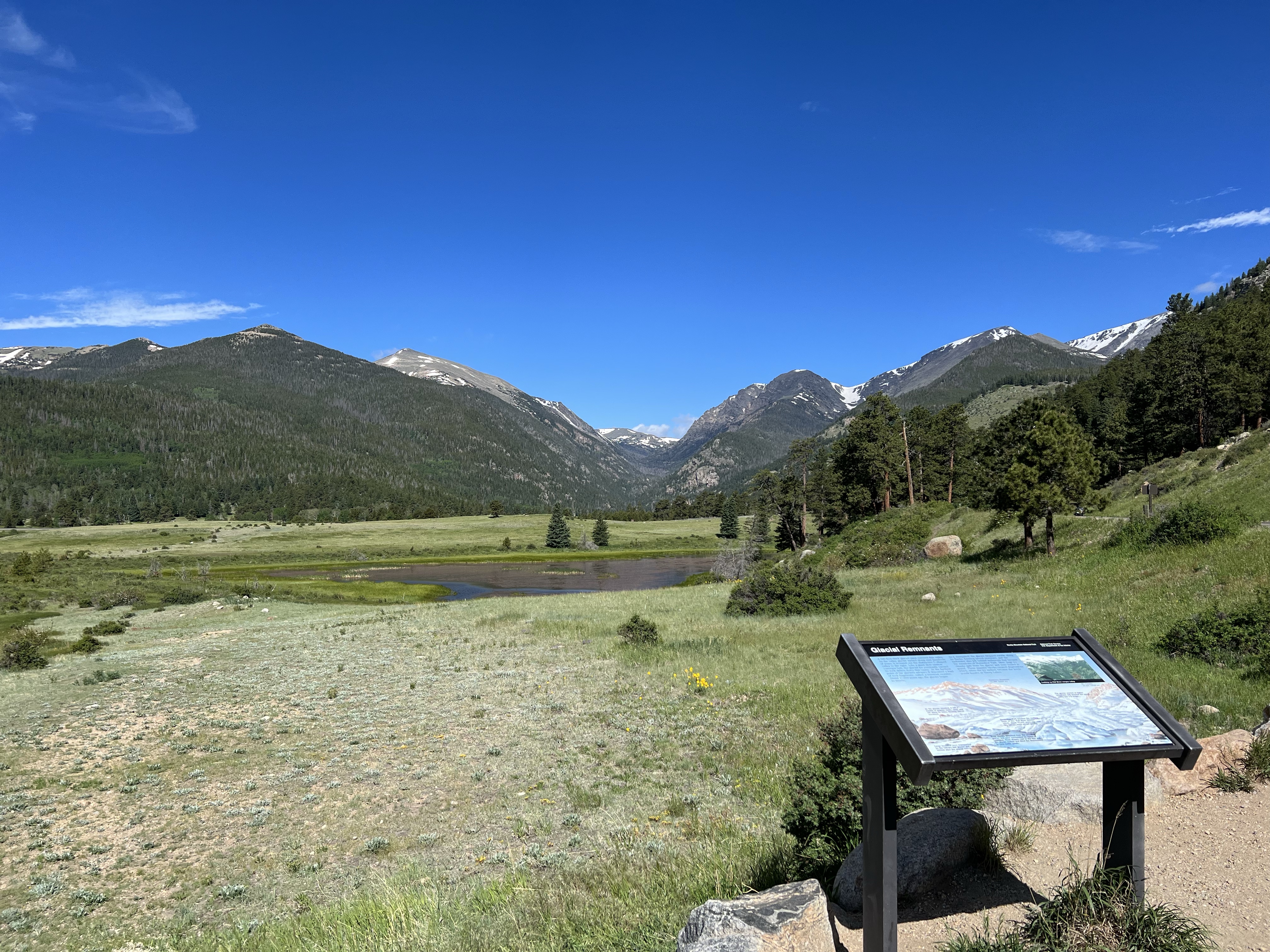
Our first stop, just west of the Fall River Entrance, was Sheep Lakes. Here we scanned the meadows and lakes for bighorn sheep, moose, and elk. We saw none. So after a sketch (featured sketch), we moved on.

Sheep Lakes sans sheep, but amazing geology!

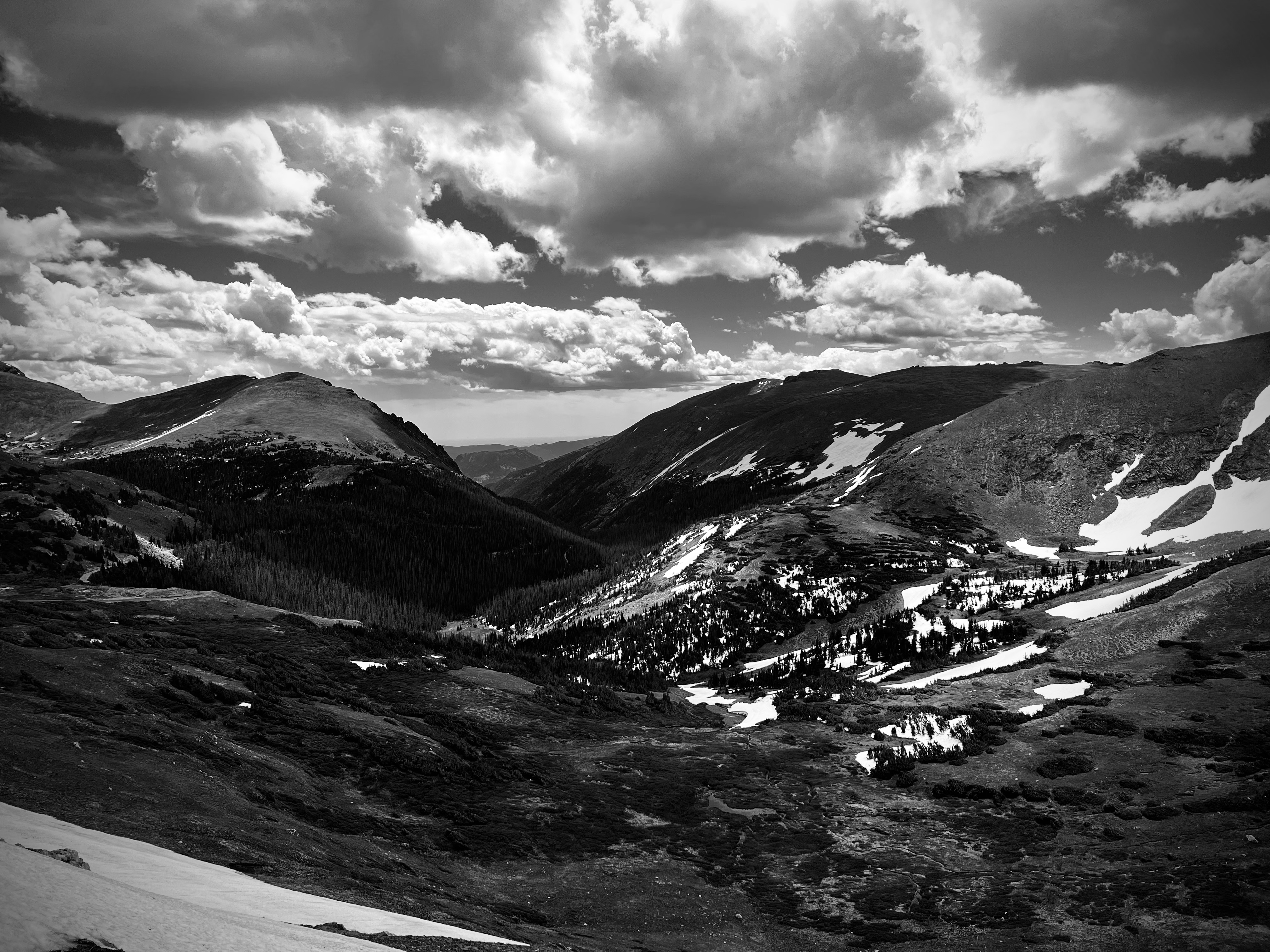
We then climbed up Trail Ridge Road towards the Alpine Visitor Center. A few miles up we encountered many cars pulled off the road and people looking off to our left. This meant only one thing: large mammals. In this case a moose cow and calf!

Some of our party got fair to no looks at the moose, as the world’s largest deer disappeared into the trees. We continued climbing up towards the highest point of the road at 12, 183 feet. But before we got there we pulled over at Rock Cut to see my favorite mammal of the Rocky Mountains.

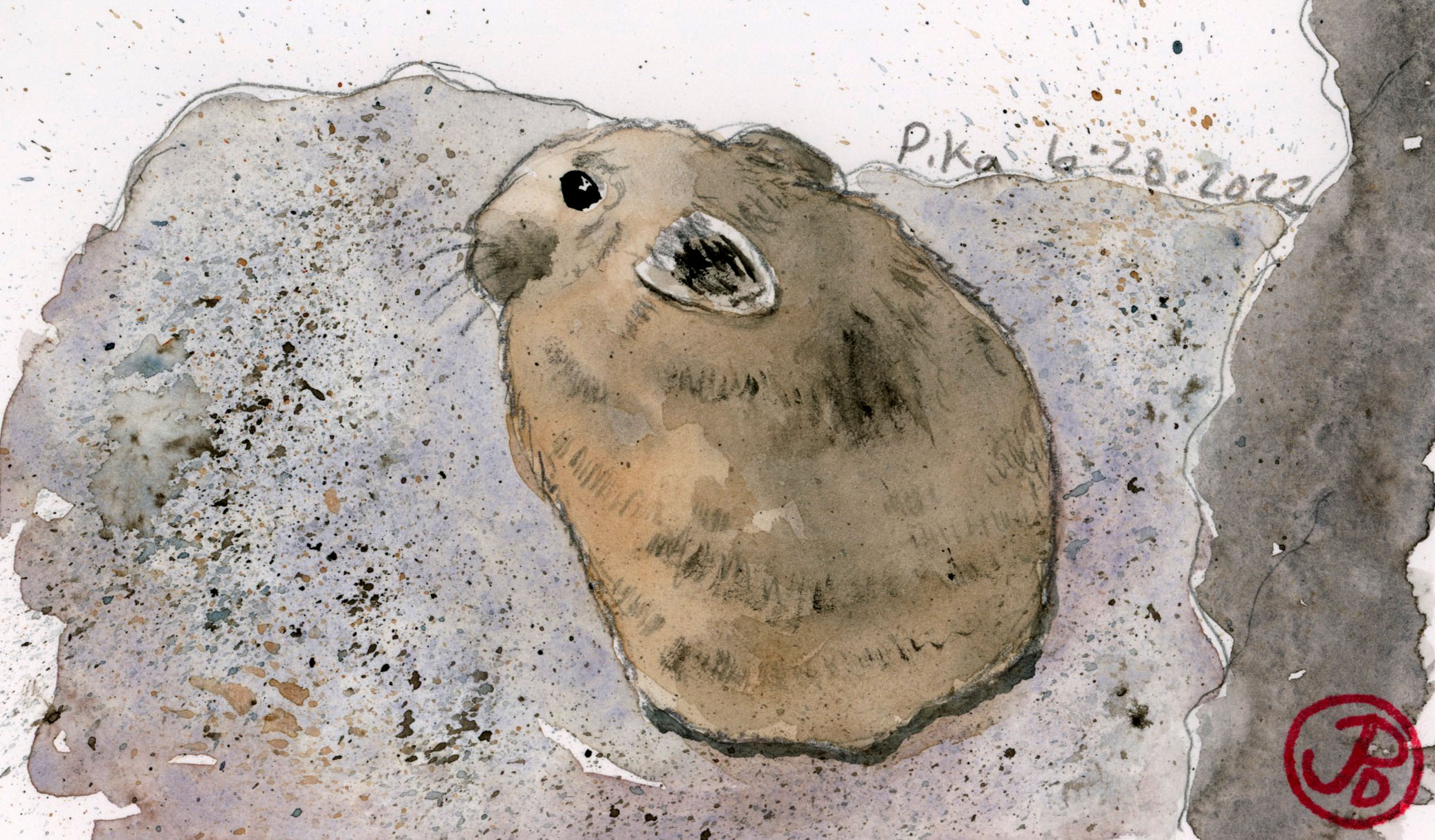
This is not a black bear, elk, moose, bighorn sheep or even the yellow-bellied marmot. This is the endearingly cute if not edging toward extinction pika (Ochotona princeps). The pull out at Rock Cut did not disappoint, we saw marmot and pika.

Image

Zephyr Sketching (Eastbound)

The California Zephyr Train number 6 pulled into Colfax Station running about 30 minutes late.

I was boarding the Zephyr with my mom and her husband Steve and we were heading to Denver, Colorado. We would be spending the night and eating three meals a day on the Zephyr. This is AMTRAK’s longest daily route and it is a village on rails.

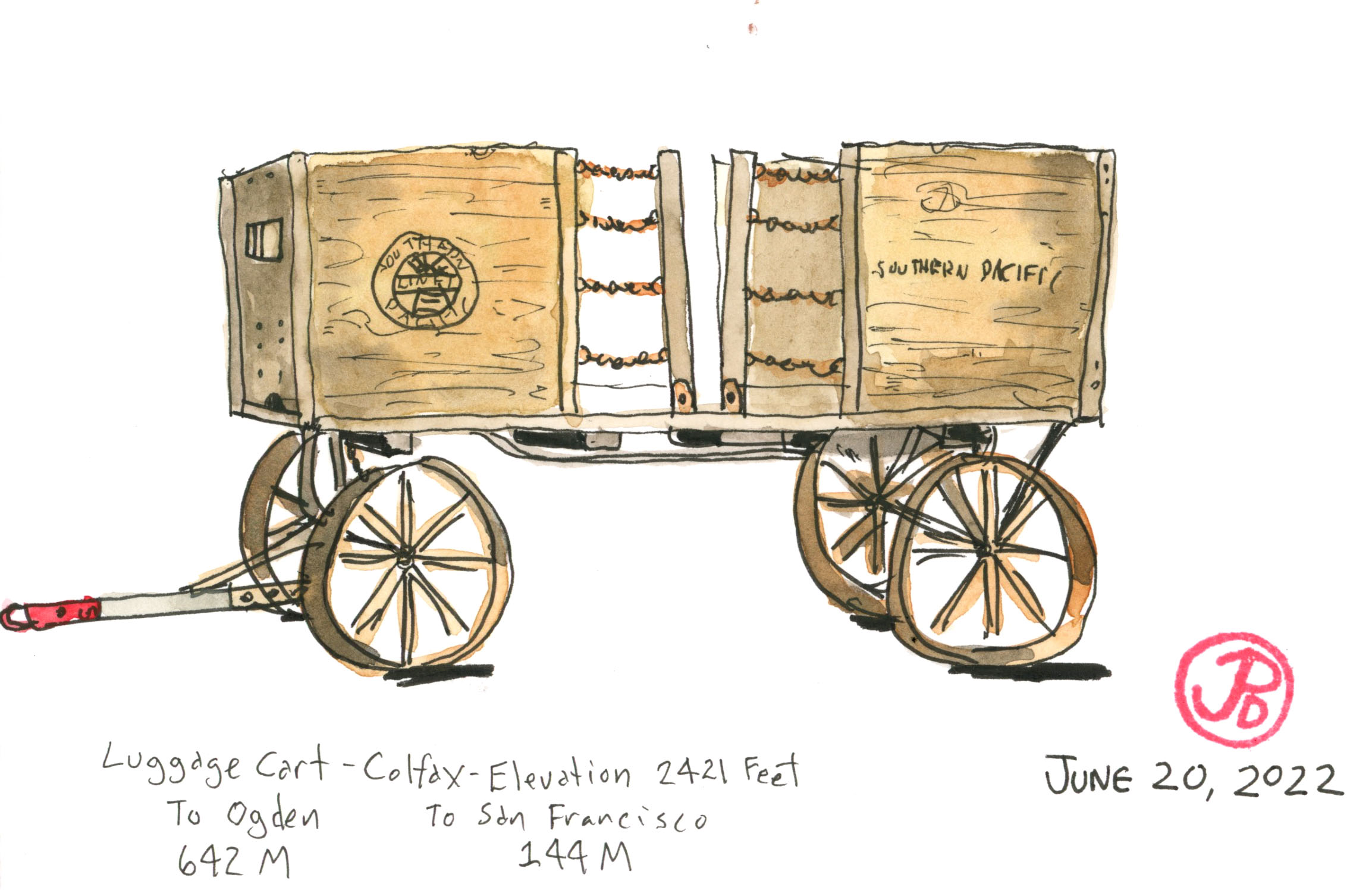
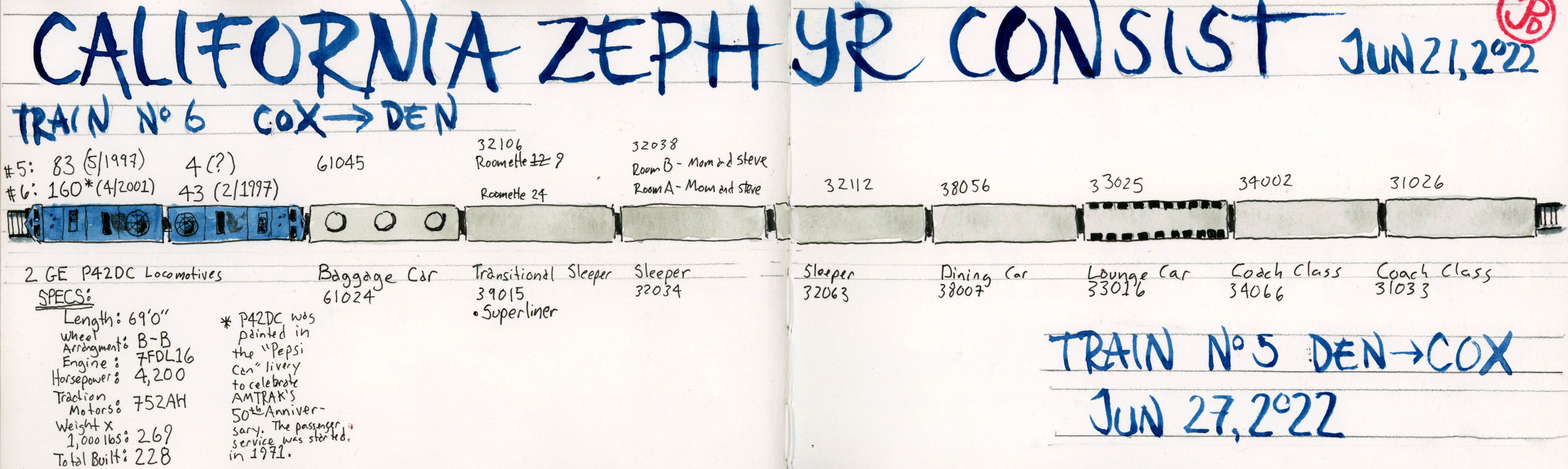
I did a few pre-trip sketches. The first is of the predicted consist of our train. A consist is the make up of the train, for instance: two locomotives, a baggage car, three sleeper cars, a diner car etc. I anticipated two locomotives and eight cars. Turns out I guessed right. I sketched them in and I would label them later during our first stretch break in Reno, Nevada. The second was the baggage cart outside Colfax Station, which I did the day before we boarded the Zephyr.

The eastbound California Zephyr pulls into Colfax. We were the only passengers who boarded. Mom and Steve are “racing” to the platform before the Zephyr’s short stop is over.
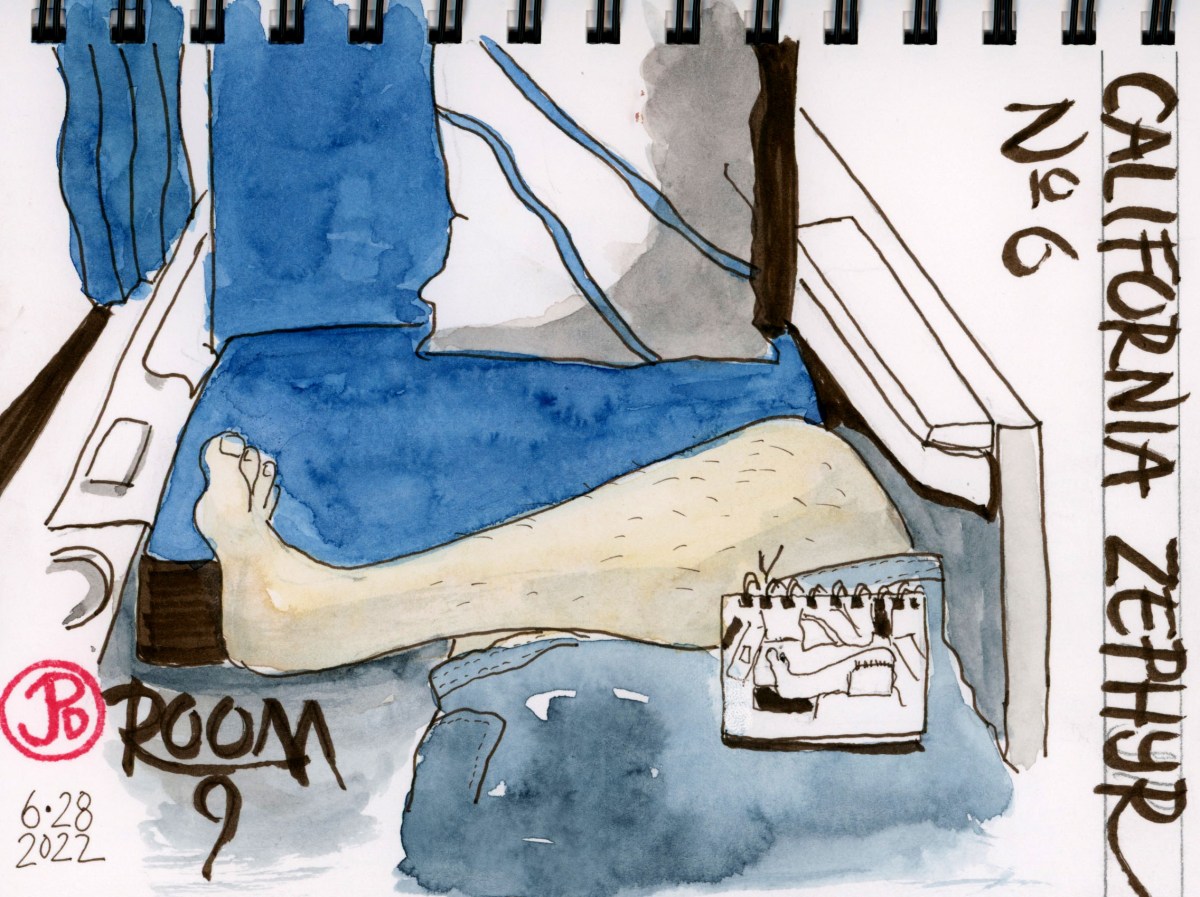
I was familiar with sketching from the California Zephyr from my previous trip last April. You have to sketch fast, taking in passing information creating an overall composite or impression. The brush pen was the perfect tool for Zephyr sketching.

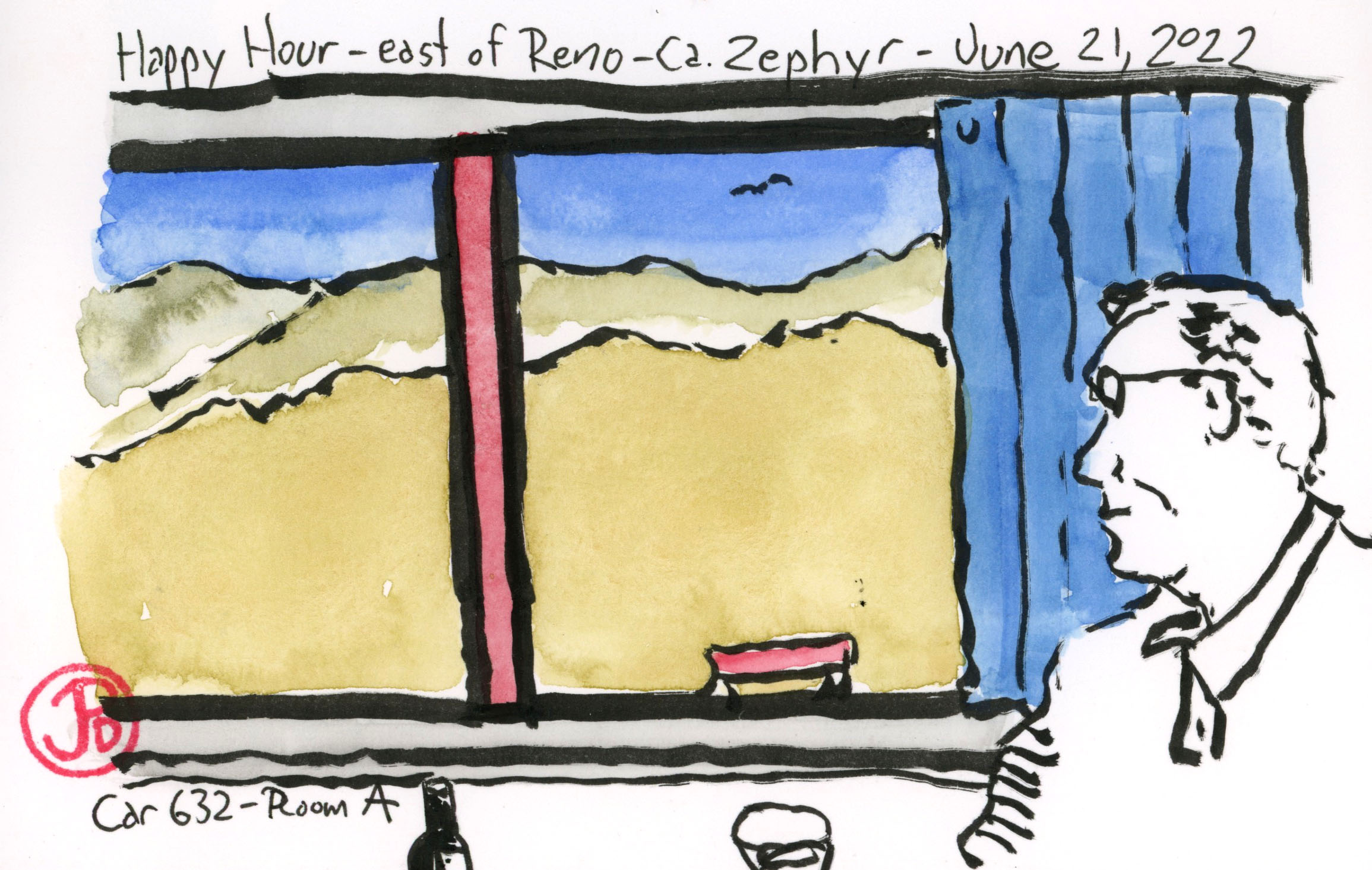
One of my favorite Zephyr sketches was done in Room A (Mom and Steve’s room) during happy hour. We where somewhere east of Reno.

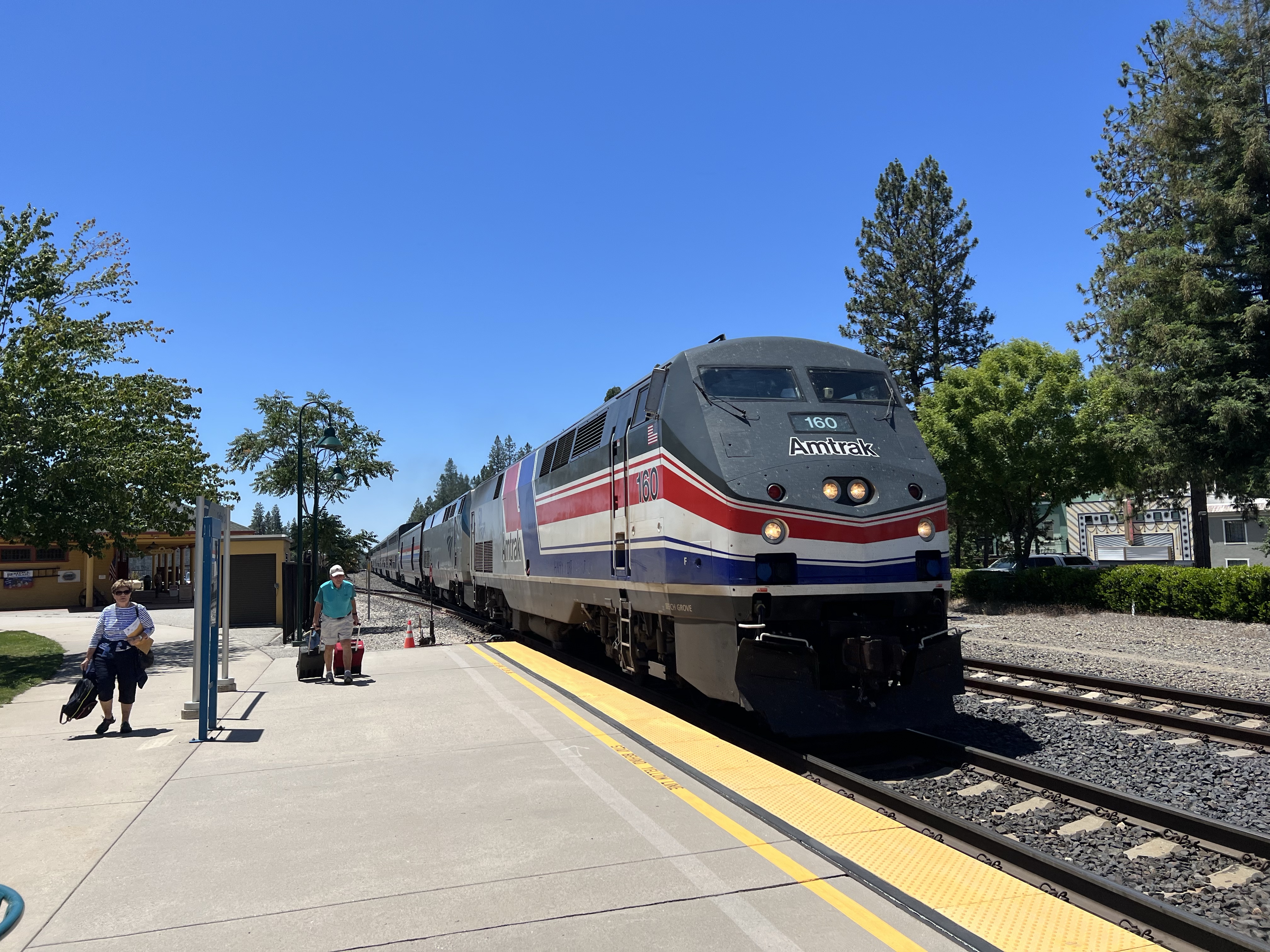
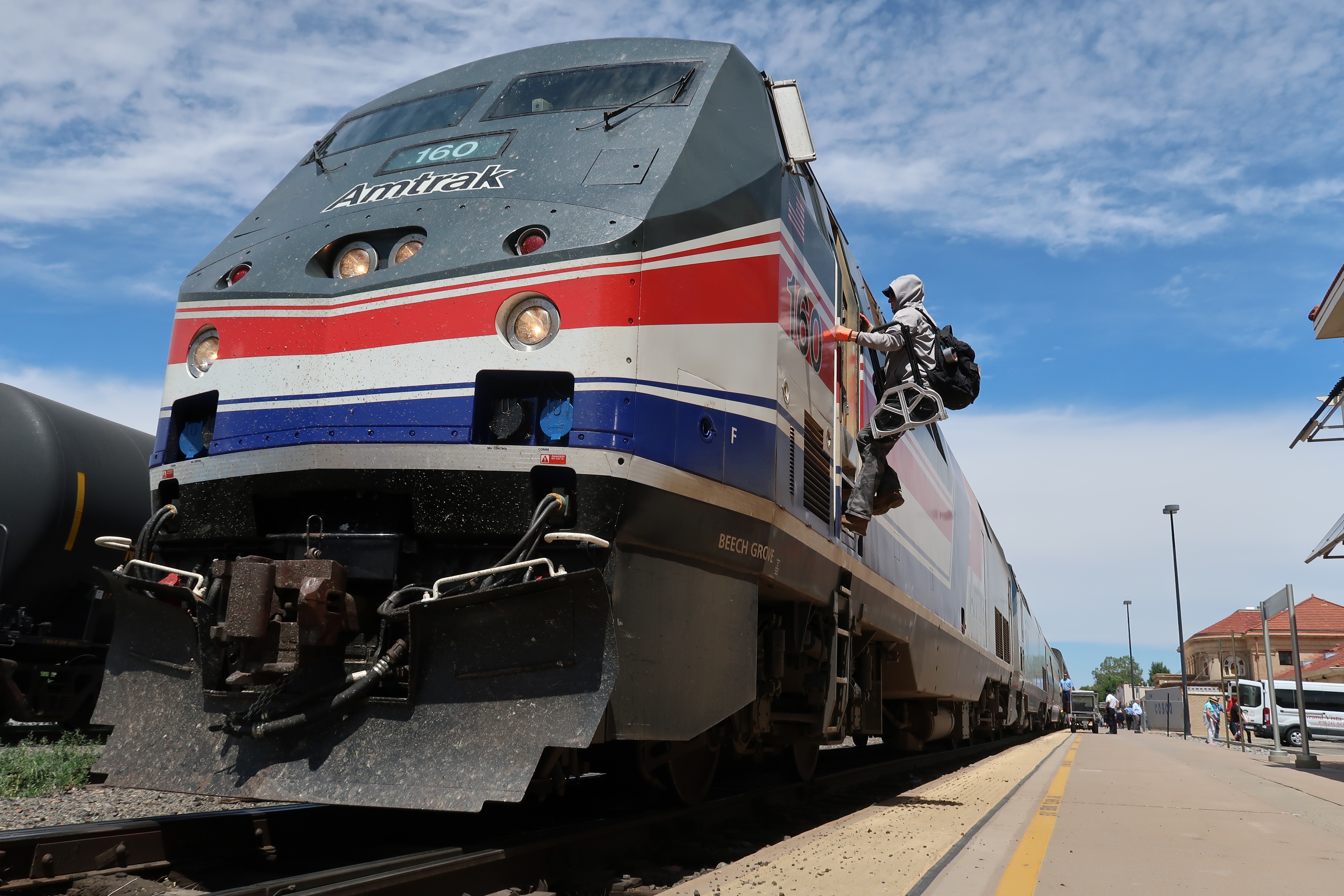
Crew change at Grand Junction, Colorado. Locomotive 160 painted in it’s “Pepsi Can” livery, to celebrate AMTRAK’s 50th anniversary.
Image

The Smallest Gull at the River’s End

The world’s smallest gull had recently been spotted in a flock of Bonaparte’s gulls at the San Lorenzo River mouth.

It was a rare west coast gull and the one spotted on May 13, 2022 was only the 5th Santa Cruz County record.

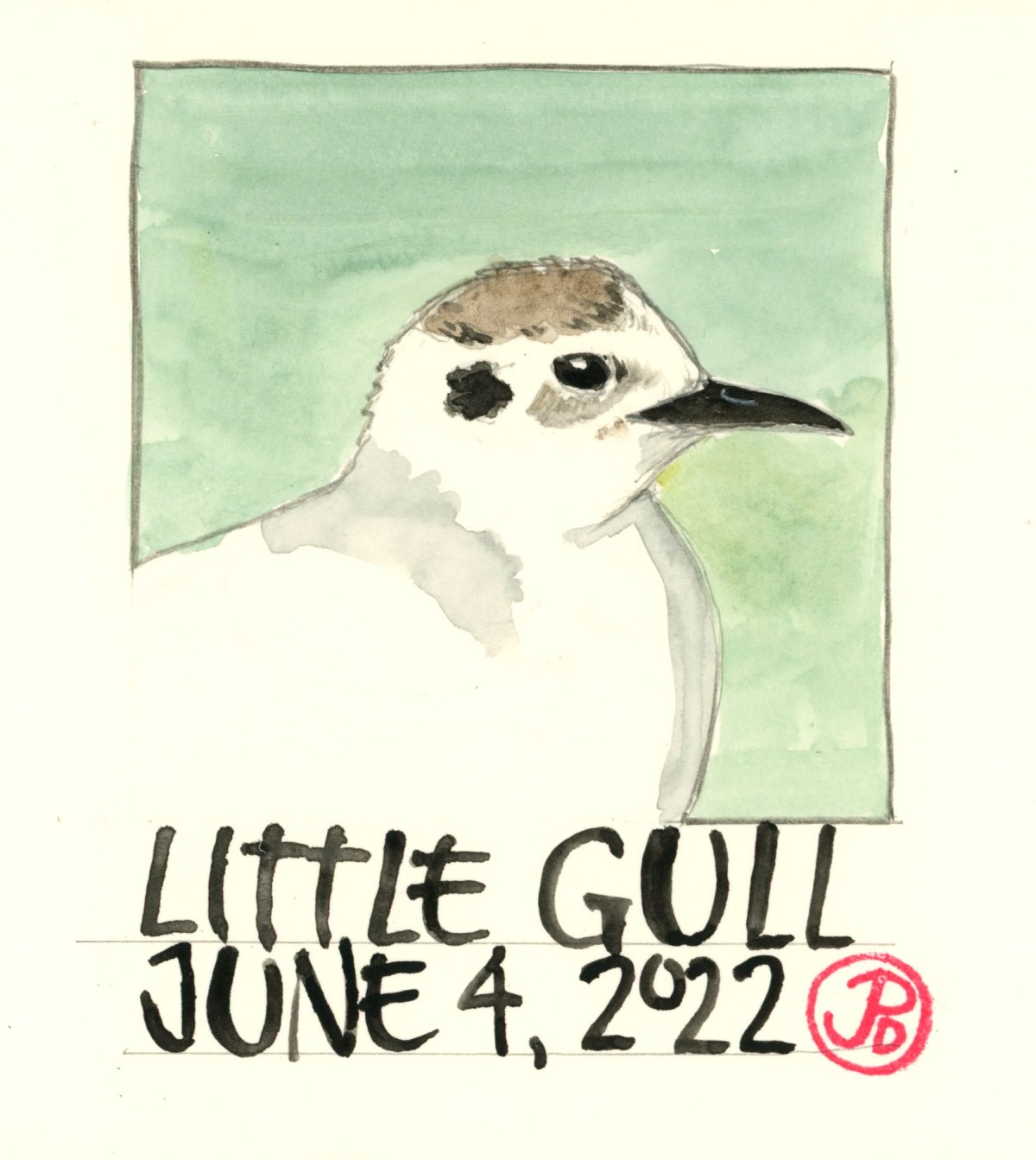
This is the appropriately named little gull (Hydrocoloeus minutus). I had seen this rarity on June 9, 2004 at Pescadero March in San Mateo County but I had not seen the diminutive gull since.

My first attempt to add the little gull to my Santa Cruz County list was foiled by a foot race that closed access to the San Lorenzo River mouth. I would have to try again later. Luckily the gull hung around with the flock of Bonaparte’s gull.

I tried again the following weekend. The flock had moved from the river mouth, up river, just north of the railroad trestle. There were about 75 Bonaparte’s gull, so searching through the flock for a slightly smaller gull showing a brown “M” on it’s wings, proved to be a challenge.

I got fleeting and very unsatisfying looks of the gull as the gull flock burst into the air climbing ever higher into the sky, which made me want to come back another time to try to see the bird again. And to get good reference photos for a sketch. Which is exactly what I did the following Saturday morning.

I returned to the Riverway Trail, which is just north of the train trestle that crosses the San Lorenzo River. The Bonaparte’s gull flock had moved from the river mouth (south of the trestle) further up the river. I imagine the large amount of human traffic and off leash dogs on the main beach may have something to do with the relocation.

There where now just 21 Bonaparte’s gulls left in the flock and they were roosting on the western shore of the river, the same river that flows past my cabin, further up the San Lorenzo Valley. Because there where less gulls, picking out the world’s smallest gull would be much easier. It also helped that there was another birder on the trail, already looking at the little gull!

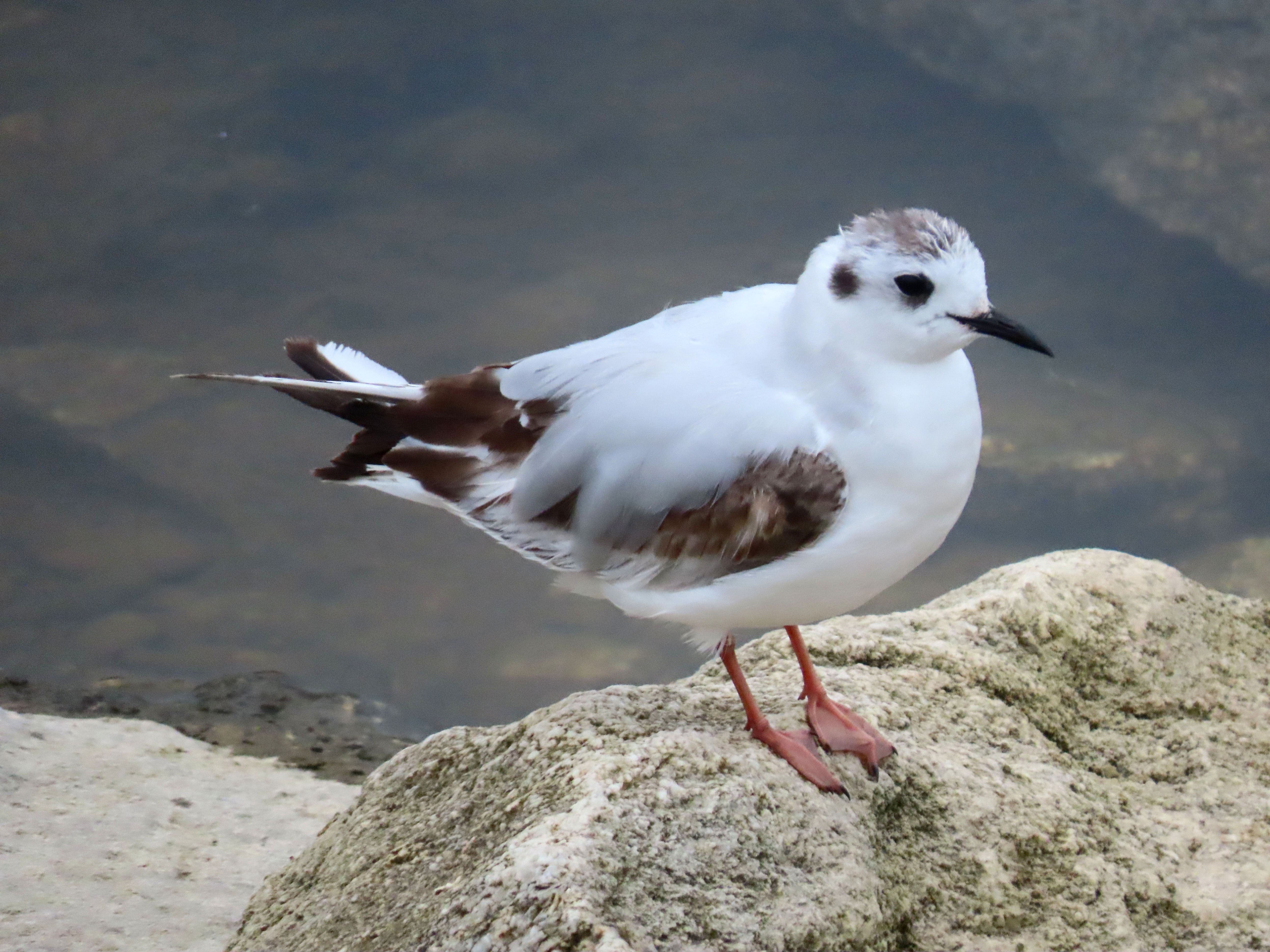
This time the little gull was roosting on a riverside rock 15 feet from the trail! The morning was foggy which was perfect flat, low-contrast light for getting great photographs.

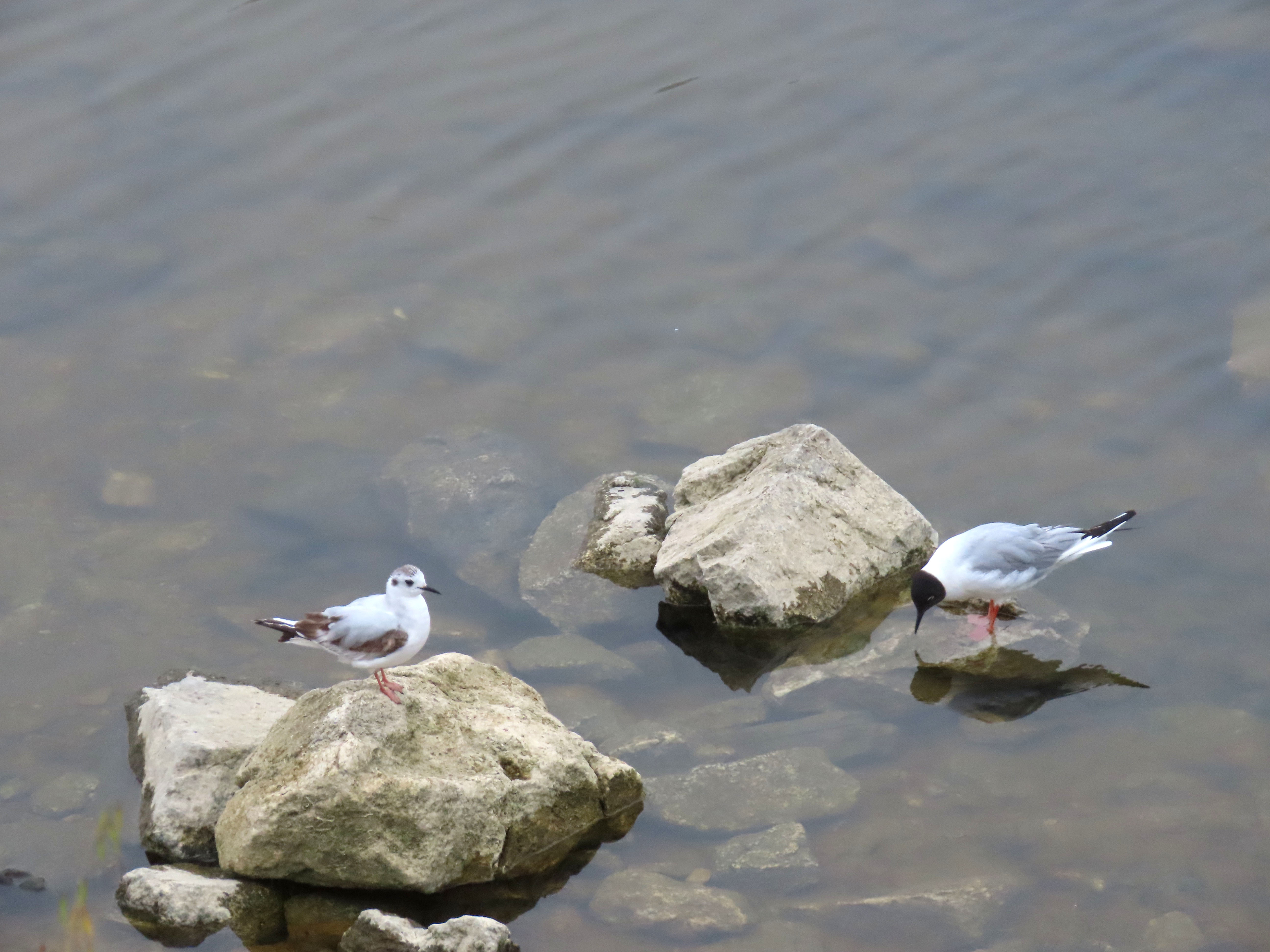
The little gull was also roosting close to the Bonaparte’s, giving me a nice size comparison of the two similar species.

The little gull and the larger adult Bonaparte’s gull on the right.
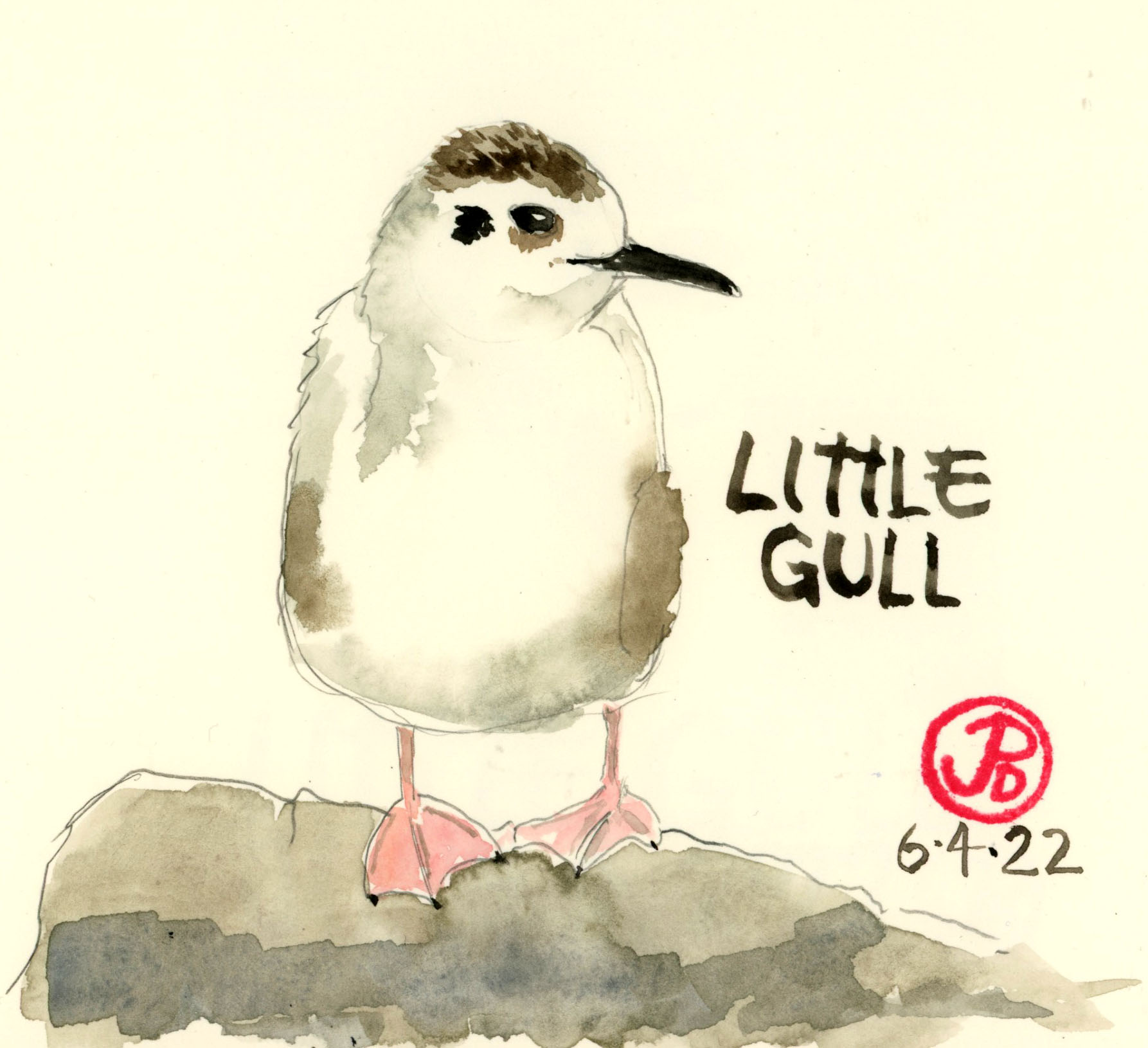
Loose sketch of the little gull based on one of my photographs.
Image

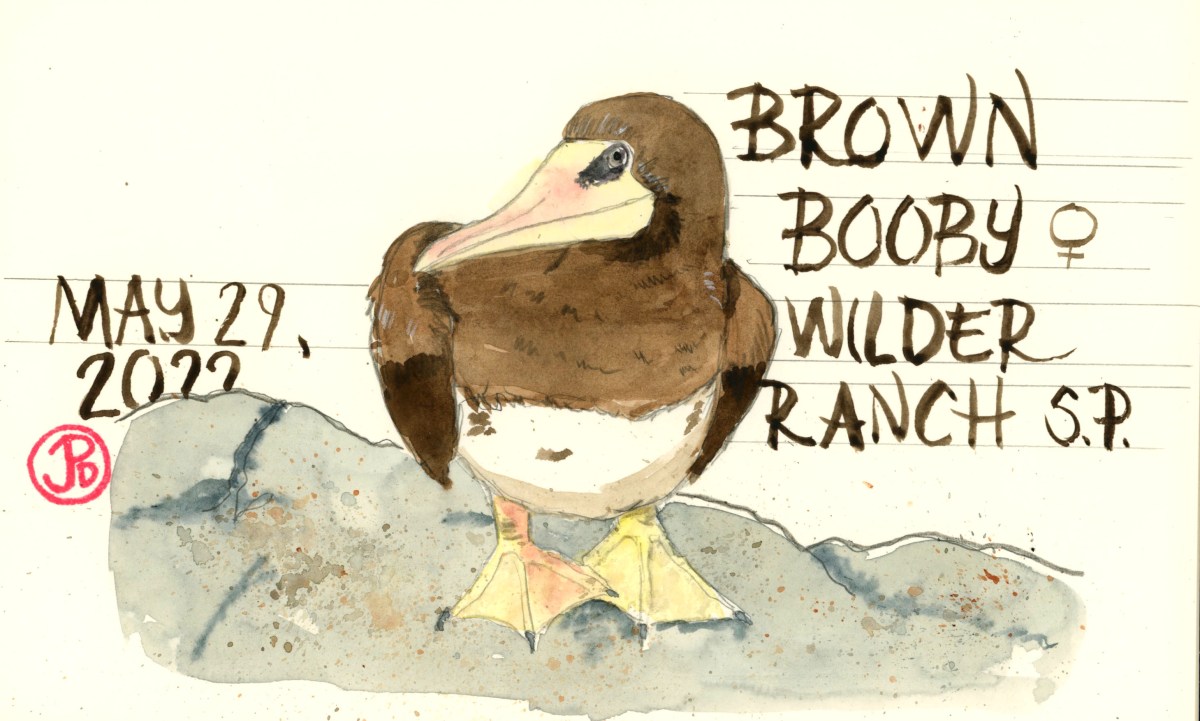
Santa Cruz County Brown Booby

Whenever I’ve seen a booby, it is usually flying away from view or sitting still, like a statue. Of course I’m referring to a bird!

In Santa Cruz County, I have seen a red-footed booby at the Concrete Ship at Seacliff State Beach on November 3, 2018 but I have always wanted to add the more common brown booby but none have stuck around long enough for me to see it.

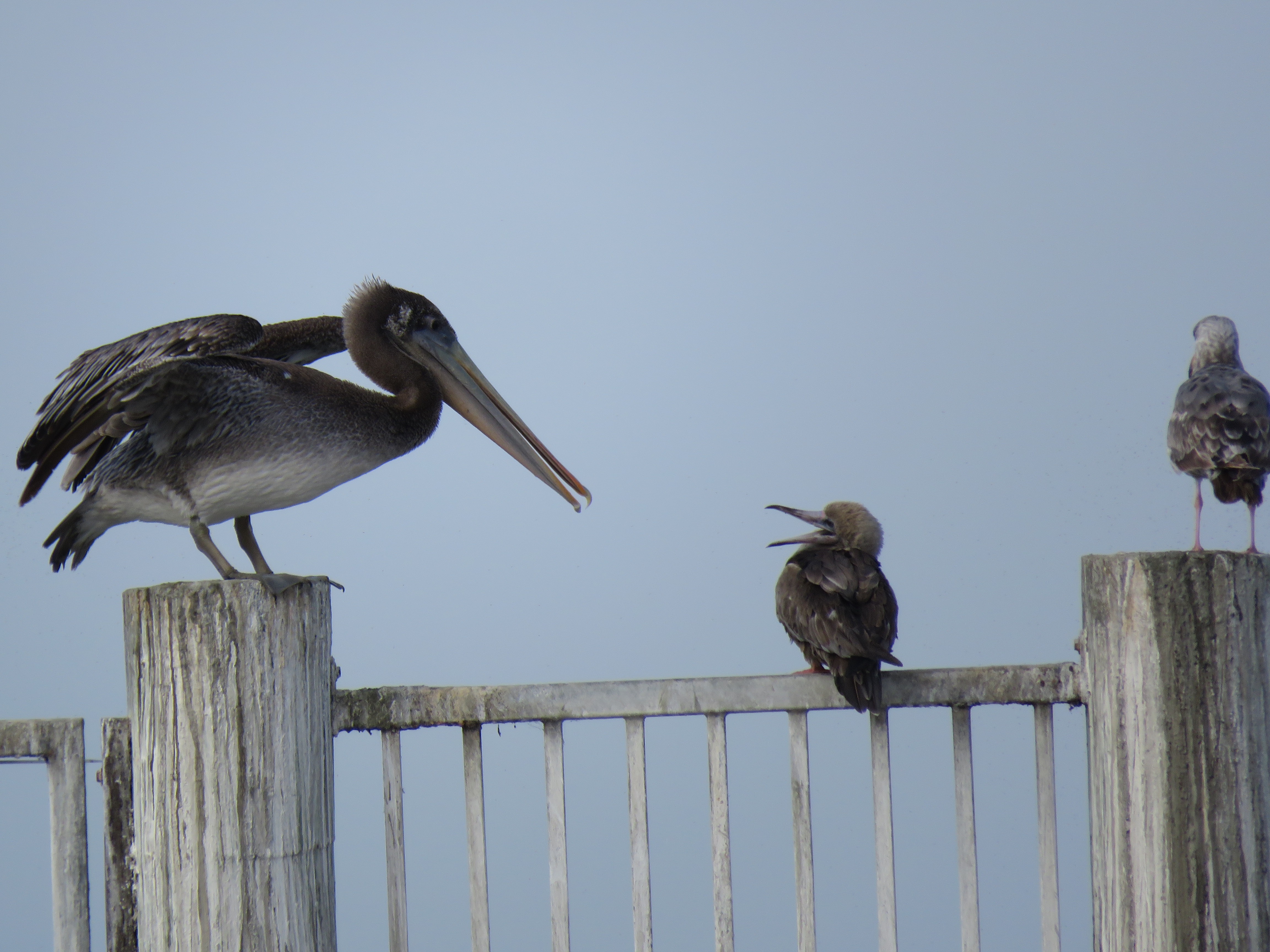
The red-footed booby at the Concrete Ship being harassed by a juvenile brown pelican.

Until an adult female brown booby had been spotted roosting on the cliffs just south of Fern Grotto on the Old Cove Landing Trail at Wilder Ranch State Park. I just hoped she would stick around long enough for me to get a look!

Wilder Ranch State Park is a 7,000 acre State Park that reached from the Santa Cruz County Coastline up to the peak of Ben Lomond Mountain. It is a popular destination for hikers, bikers, birders, nature loafers, and wave watchers.

On Saturday morning I was heading out on one of my favorite hiking/birding trails in the park, the Old Cove Landing Trail. After parking on Highway 1, I headed down a trail and into the historic farm site with contains houses and farm buildings.

It was here, in the and around the buildings, that Lindsey, Stevie, Christine, John, and Mick appeared in the video for “Little Lies”. It is from the album Tango in the Night (1987), which has sold over 15 million copies. “Little Lies” was the highest charting single from the album, reaching number 1. It is still played on 80’s hit radio stations today. Maybe Wilder Ranch had a little to do with it.

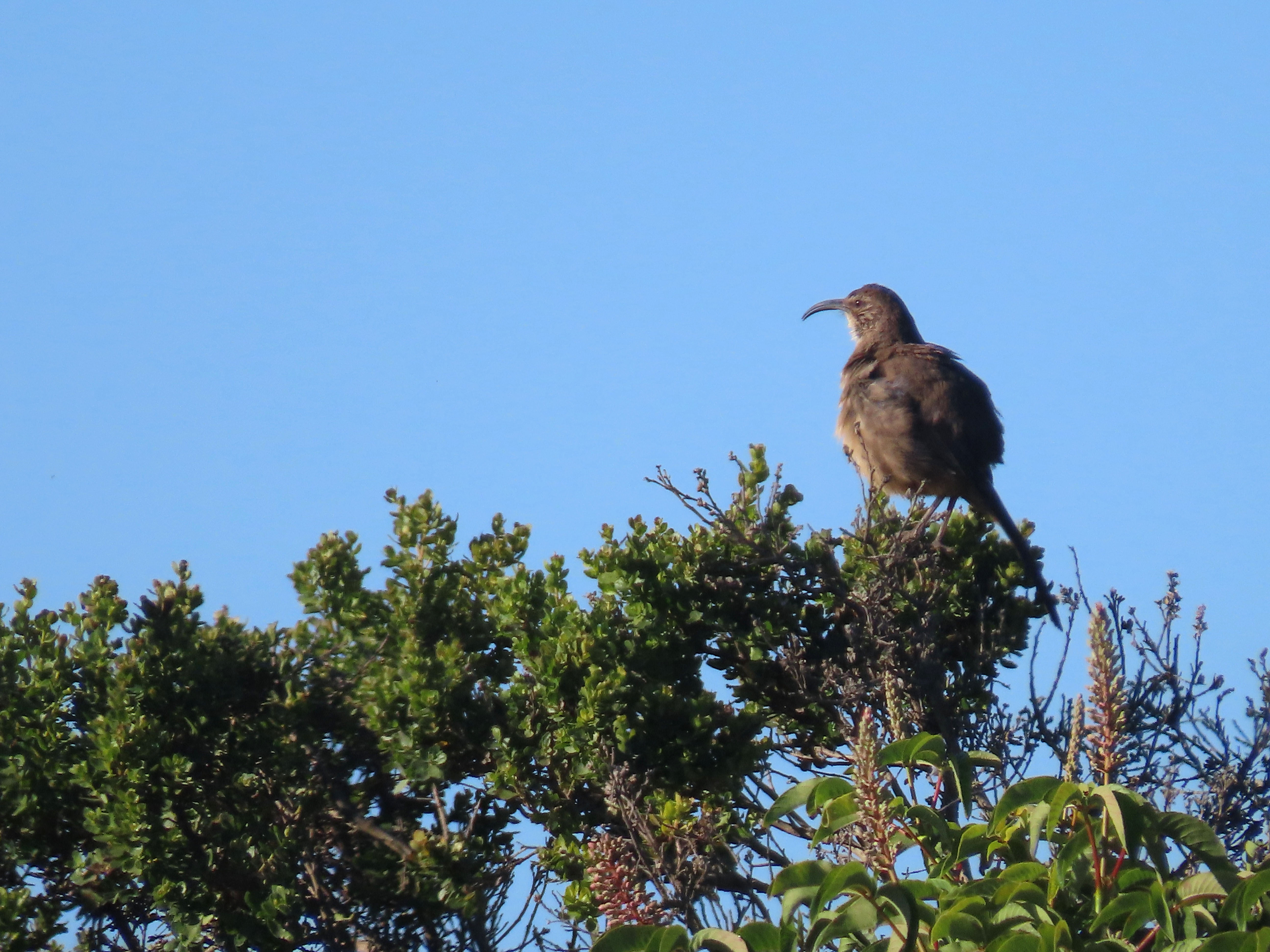
I headed through the farm buildings and I was about to crossed the railroad track to the Old Cove Trail when I spotted a California thrasher at the top of a coyote bush. They are more visible and more vocal at this time of year.

One of the many “California”birds I saw on my quest for the brown booby. The others where California towhee, gull, quail, and scrub-jay.

It is about a mile hike on the Old Cove Landing Trail to get to the place where the bobby had been seen. I arrived at the coastal bluffs just south of Fern Grotto Beach.

In front of me was a long flat rock. I scanned the rock: western gulls, lots of Brandt’s cormorants, a lone black oystercatcher, brown pelicans but no brown booby. It must be out to sea fishing or it was just gone. I had decided to give the bird an hour. So I waited for the brown booby to appear. I scanned the southern horizon looking for a booby flying towards my position. I saw none.

I tried to turn a roosting brown pelican into a brown booby, it’s large bill was tucked into it’s back feathers but the feet color was wrong. No booby.

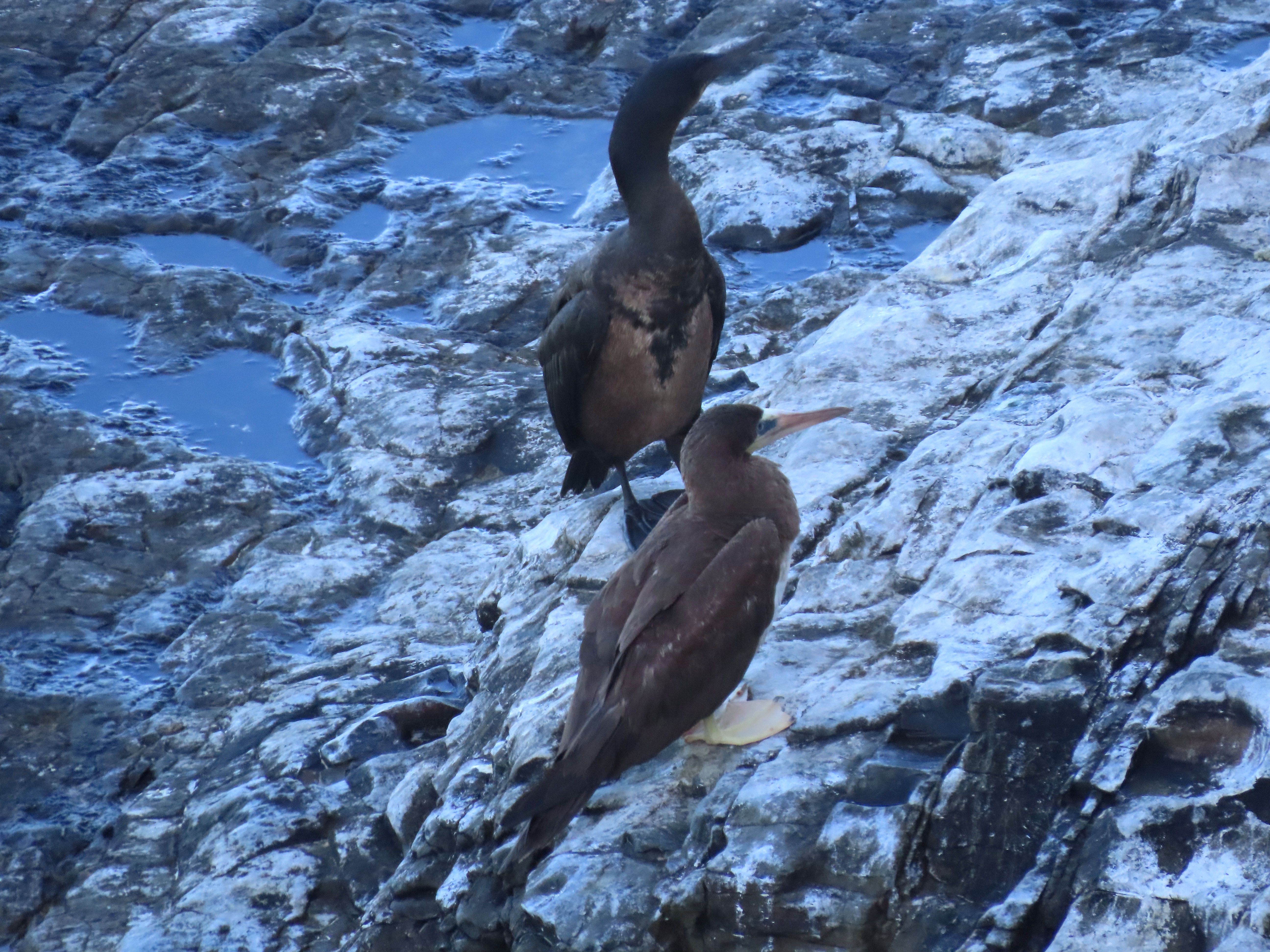
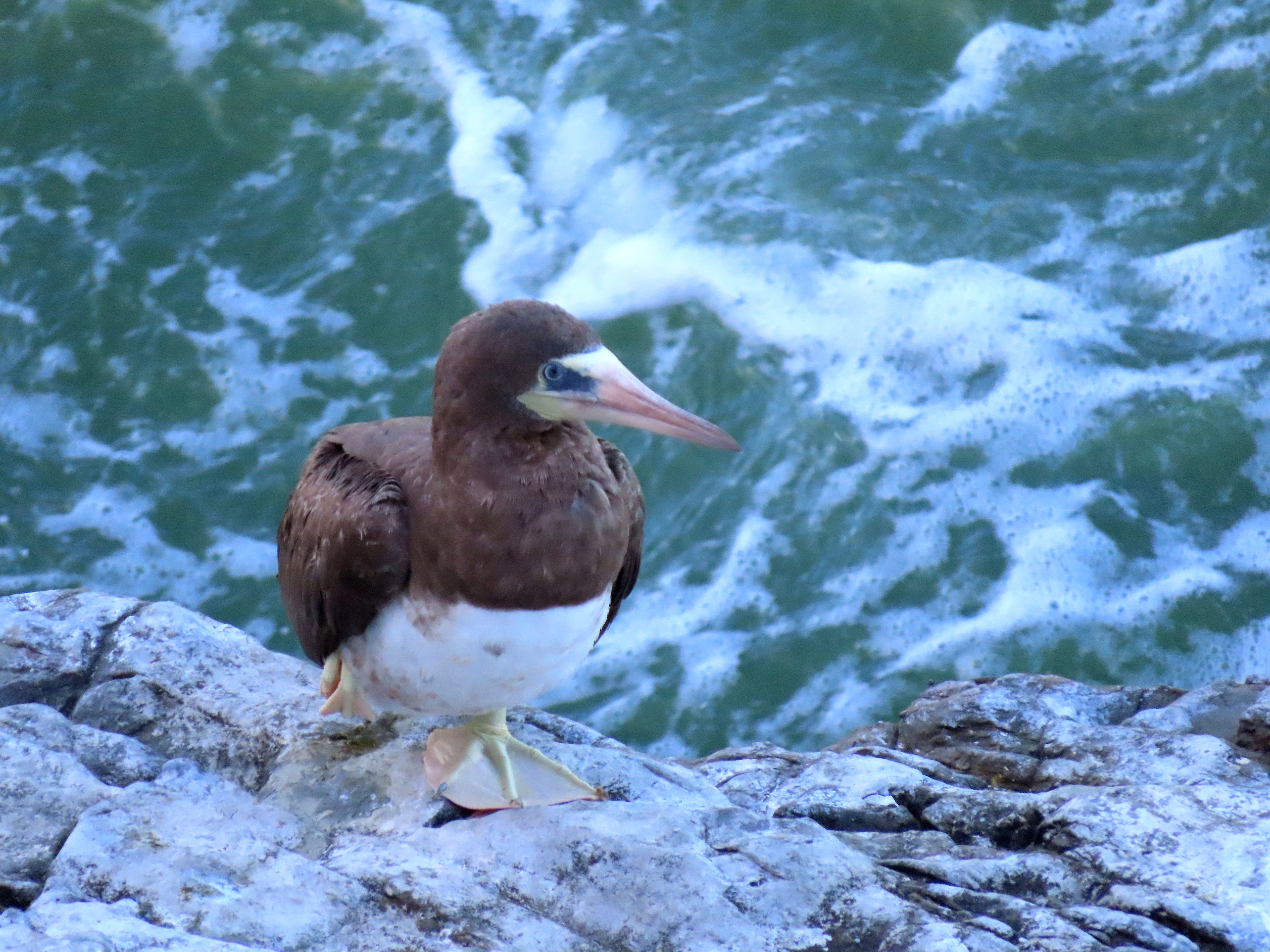
Below me a bird flew into view and landed on the cliff next to a Brandt’s Cormorant. It was the brown booby!! It must have been roosted out of view on the cliff I was standing on.

This is the angle where I first got looks at the brown booby.
I moved to a position directly above the booby, without falling over to join it, to get some better photos.
Image

Roaring Camp Field Trip

For the two past years, because of Covid, we had to cancel our annual adventure to the gold discovery site in Colma, spending three days and two nights as part of the Gold Rush Program at the Coloma Outdoor Discovery School (CODS). Our school has been going to CODS for the past 25 years and it was tough to see two groups of 4th graders missing out on what is one of the most memorable experiences in elementary school.

As a substitute for Colma, my teaching mate suggested a day trip to Roaring Camp & Big Trees in Felton. In the Santa Cruz Mountains we would walk among giants, pan for gold, and take a steam railroad trip through the redwoods. I thought it was a great idea because, in a sense, it was almost in my backyard.

As I like to say, I rent in the city but I own in the country. My family cabin is in the San Lorenzo Valley between Santa Cruz and Felton. From up the valley I can hear the lonesome whistle of the shay locomotive from my deck. While the steam railway is narrow gauge, the standard gauge branch runs just uphill from my cabin, taking passengers from Felton to the Santa Cruz Boardwalk.

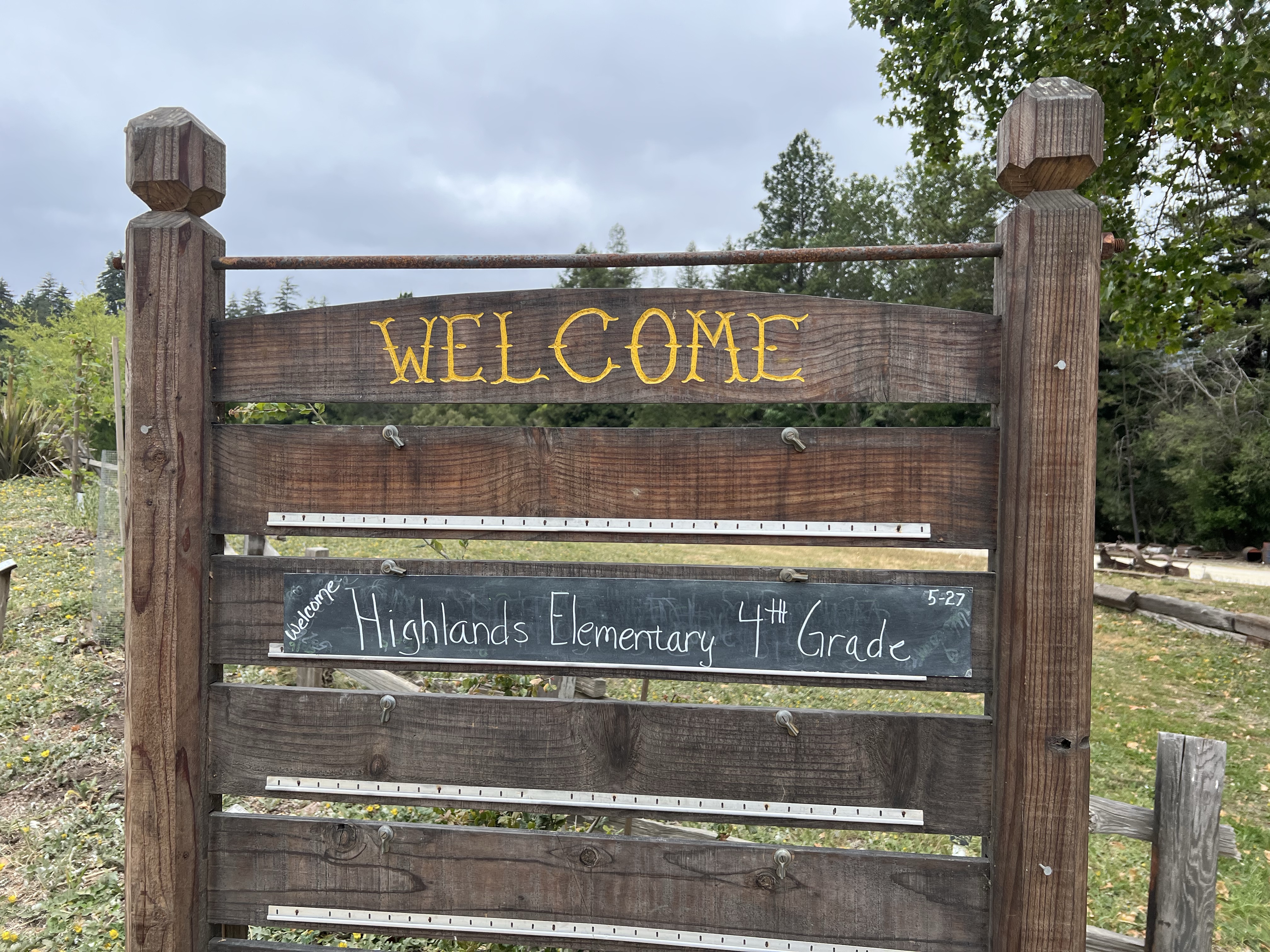
On the Friday morning of our trip our school buses were ten minutes late. Most mapping apps time the trip from San Mateo to Felton to take one hour. In a yellow school bus you have to add 10 to 20 minutes. So when we arrived at Roaring Camp were already behind schedule. Two words in teaching trade that are the most important in this situation are flexibility and patience.

We unloaded our bus (no one lost their breakfast on the journey over the curvaceous Highway 17) and we had a pleasant surprise, just before we crossed the covered bridge on our way to the station.

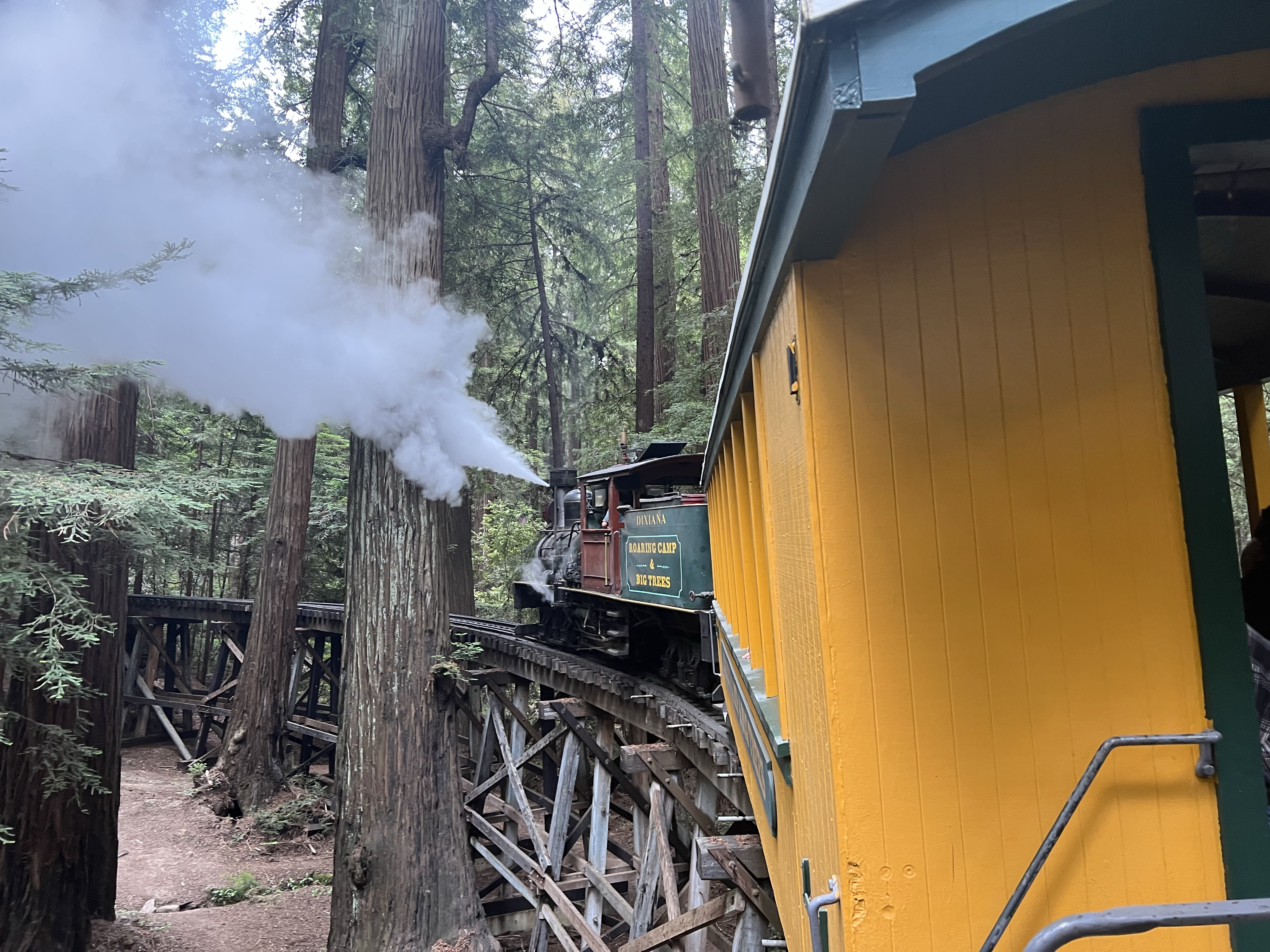
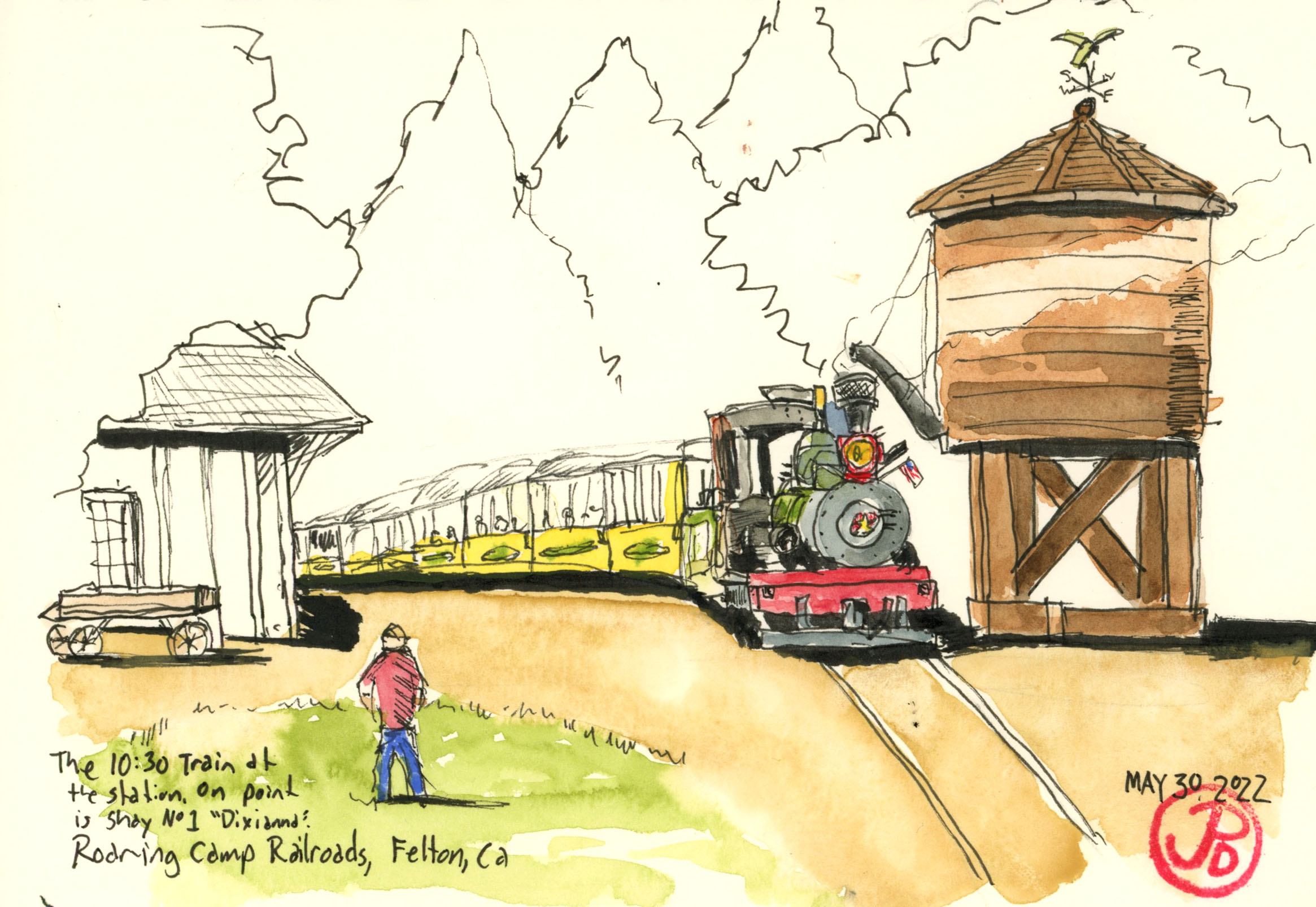
We arrived late, so our planned schedule was already out the window. We had time for a bathroom break before we queued up at the station as the No 1 Shay “Dixiana” backed into the station with her consist of brightly painted yellow and green passengers cars. We had the two cars behind “Dixiana”. We really would have front row seats to the sites, sounds, and smells of a live steam locomotive!

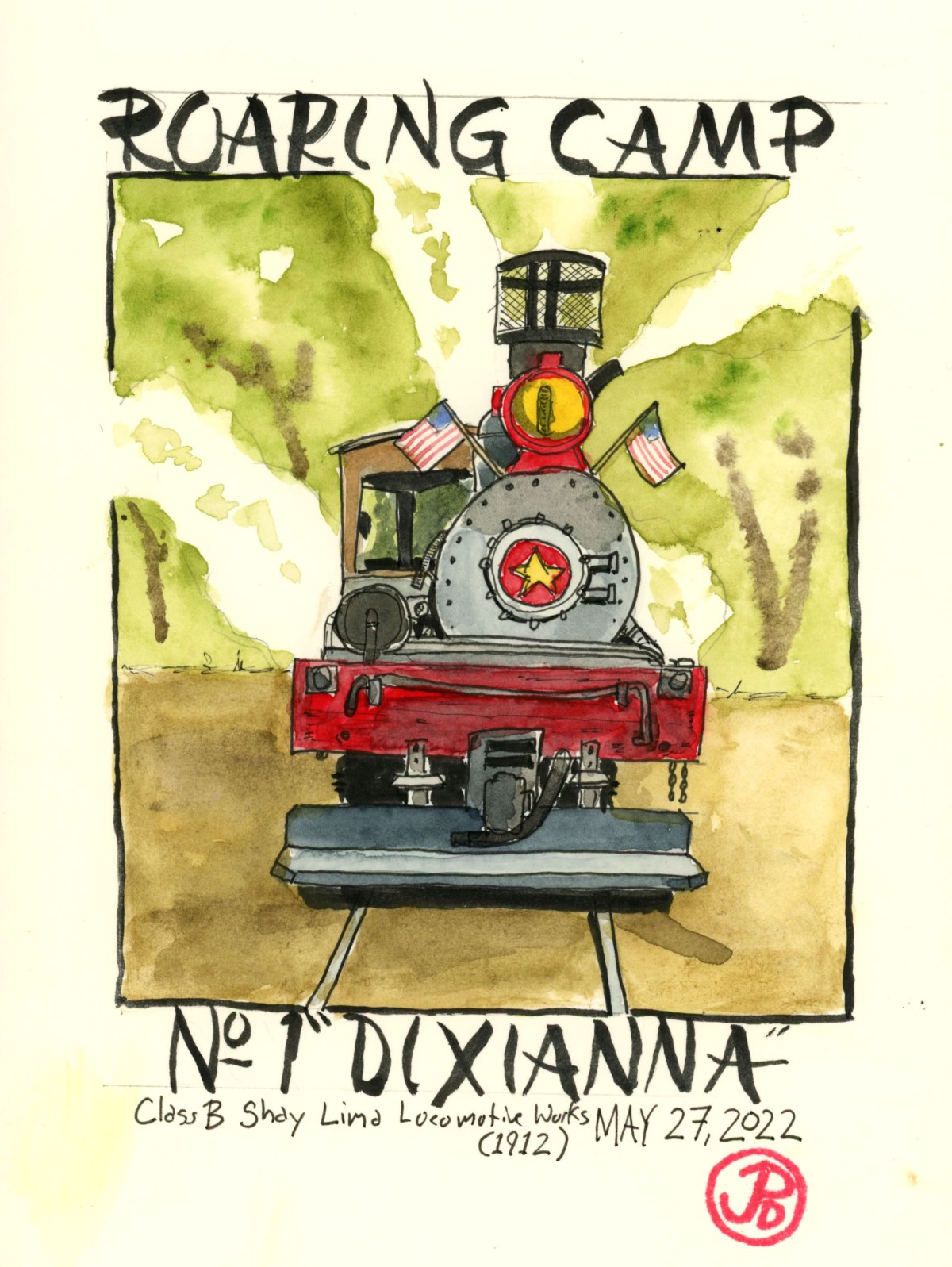
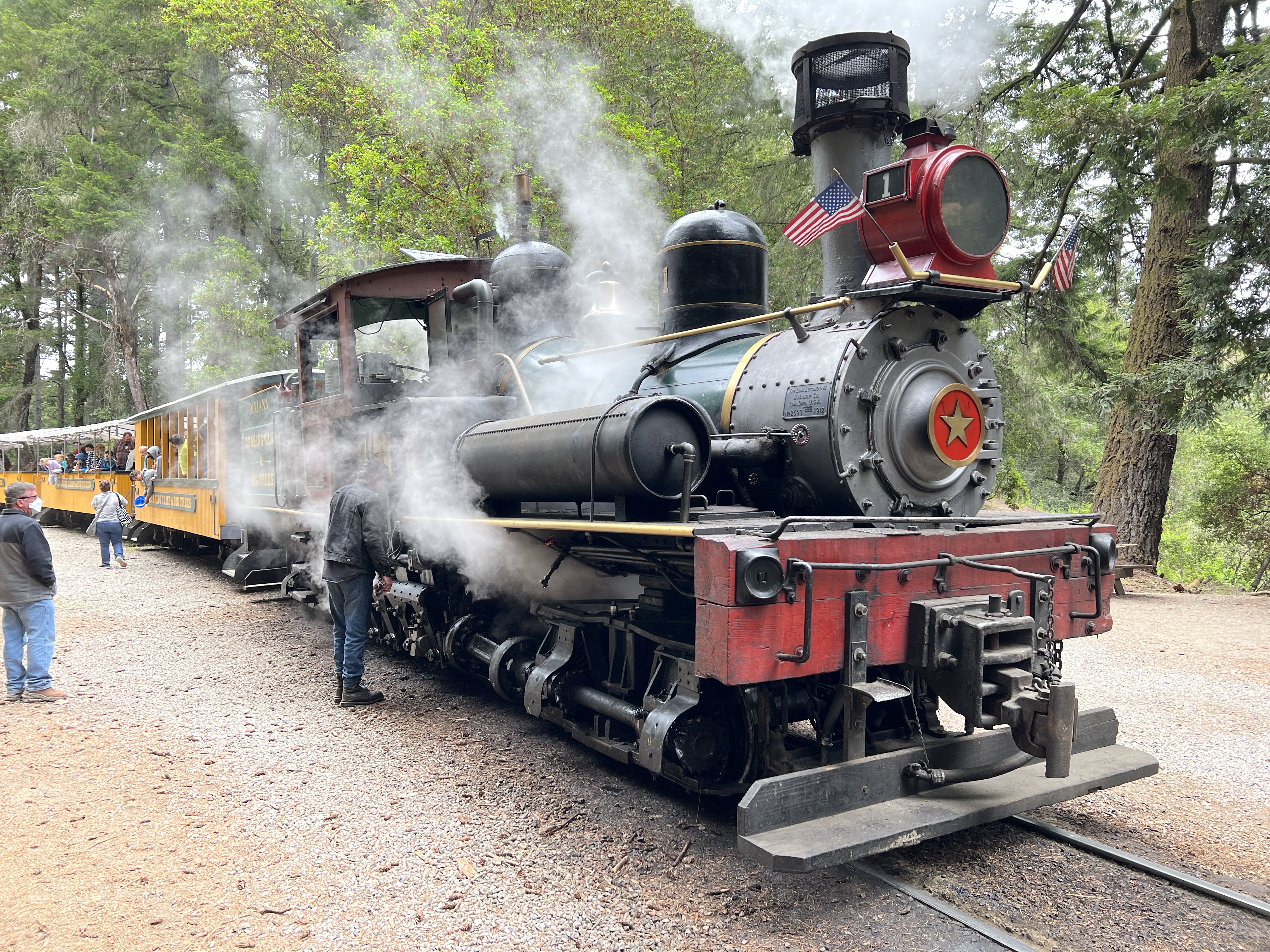
The two truck Class B Shay on point, was built in 1912 at the Lima Locomotive Works. It was originally built for the Alaculsy Lumber Company as a geared narrow gauge logging locomotive capable of climbing grades of 8% (most standard locomotives can handle a 1.5% grade). It served six other railroads before ending up in Dixianna, Virginia (hence the locomotive’s name). It was designated No. 1 because it was the first locomotive acquired by the railroad and she is now the workhorse of Roaring Camp.

The founder of Roaring Camp, Norman Clark, purchased the Shay in 1962 for his vision of a replica logging town with a narrow gauge railway. The Shay was loaded onto a flatcar and then shipped, via mainline rail, to her new home in Felton.

I could feel the excitement of our fourth graders as they found their seats. These tech-savvy ten year olds were about to experience cutting edge technology of the early 20th Century! And we would be pulled up the mountain by a 110 year old steam locomotive.

With two toots of the whistle, our train rumbled into life headed out from the station and past the water tower. Our train turned right into Schoolhouse Curve on it’s way up to Bear Mountain. Our top speed was about five miles an hour. Shays were built for their motive power on steep logging grades not for swift passenger service.

Crossing the horseshoe curve wooden trestle at Indian Creek. This trestle is one of the tightest turning railroad trestles in the United States. At it’s highest point, the train is 35 feet above the ground.

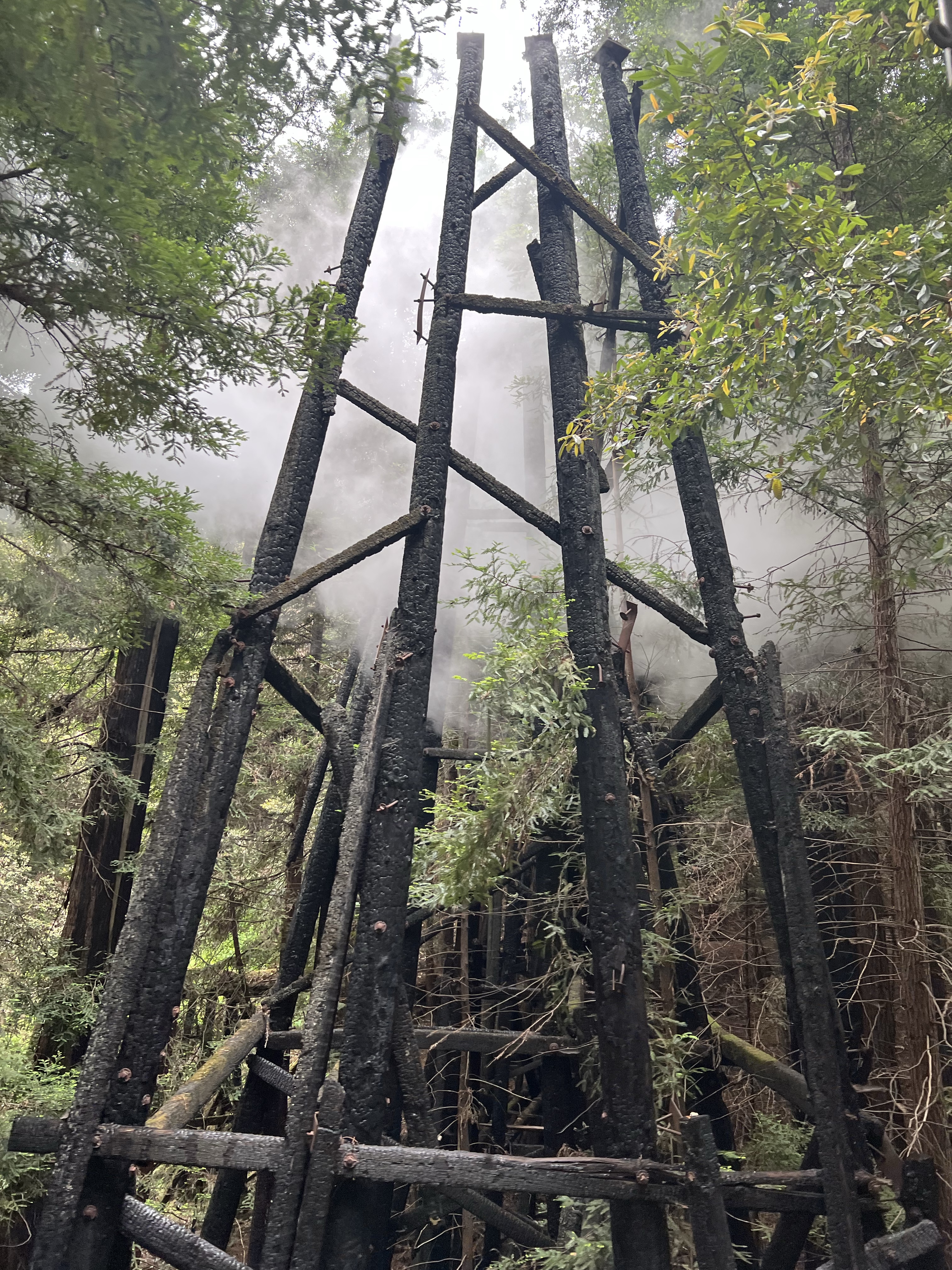
Once we crossed over the Indian Creek Trestle, the No. 1 labored up an 8.5% grade to the burned out trestles at Spring Canyon. The trestles were burnt in a fire on June 27, 1976.

The charred remains of the Spring Canyon Trestle. I love these ghosts of the past. I have no memory of crossing over this trestle, but knowing my father, I must have been on this train as an infant in the early 1970s.

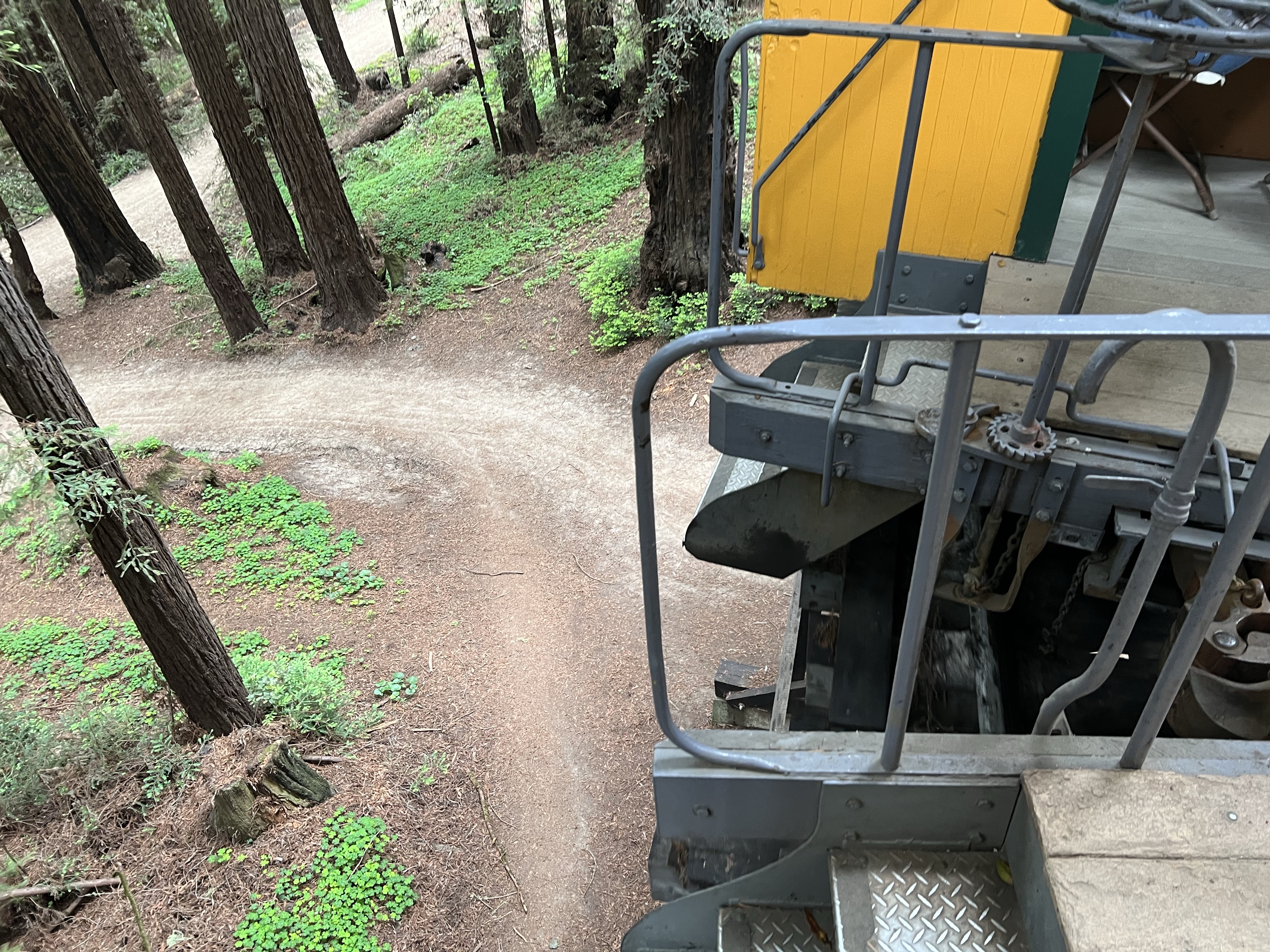
After the trestle burned on July 27, four months later, a switchback was constructed to make up the elevation needed to summit Bear Mountain. On first section of the switchback, the train has to back up meaning that Shay No. 1 is pushing, instead of pulling, her consist up the hill. This section of track is the steepest portion of narrow gauge railroad in the United States. This grade reaches 9.25%!

Dixianna pushed our train up the grade with no problem, after all this is what she was designed to do. On the way up my some of my students caught their first sighting of a banana slug!

We headed up the last leg of the switchback and labored towards the summit of Bear Mountain, which is really more of a hill. Once our train reached the summit and we stopped for about 15 minutes. We kept our students on the train because we didn’t want to leave anyone behind. I detrained and took a few photos on Dixianna, one of which was the reference for the key sketch.

Dixianna at Bear Mountain. The engineer is greasing the moving parts. Stream locomotives are high maintenance.

A toot from the whistle announced that it was time to board the train because we where heading back down the hill to the station.

Looking down from 35 feet atop the Indian Creek Trestle on our way back to the station.
A Memorial Day field sketch of “Dixianna” waiting to depart of her 10:30 trip to Bear Mountain. She was in the station for about 20 minutes, which gave me enough time to sketch.