Image

Loma Prieta Bell’s Sparrow

In late May I made my annual pilgrimage to the birding hotspot Loma Prieta (Upper Saddle).

I left my cabin at 6:40 AM and 35 minutes later I pulled into the dirt parking lot on the ridge that straddles Santa Cruz and Santa Clara Counties.

It can be very windy and hemmed in by dense fog up here but not today. I could look down and see fog covering Monterey Bay. Today it was clear and warm without much of a breeze. In fact it was already getting warm.

My target was the pair of Bell’s sparrows that had recently been seen here since mid May. This would be a Santa Clara County bird for me.

I walked down Mt. Madonna Road and aside from singing spotted towhees and wrentits, and a far off babbling California thrasher, it was pretty quiet. I did not hear or see any black-chinned or Bell’s sparrows.

On my way back to the parking lot I first heard and then saw a blue-grey gnatcatcher.
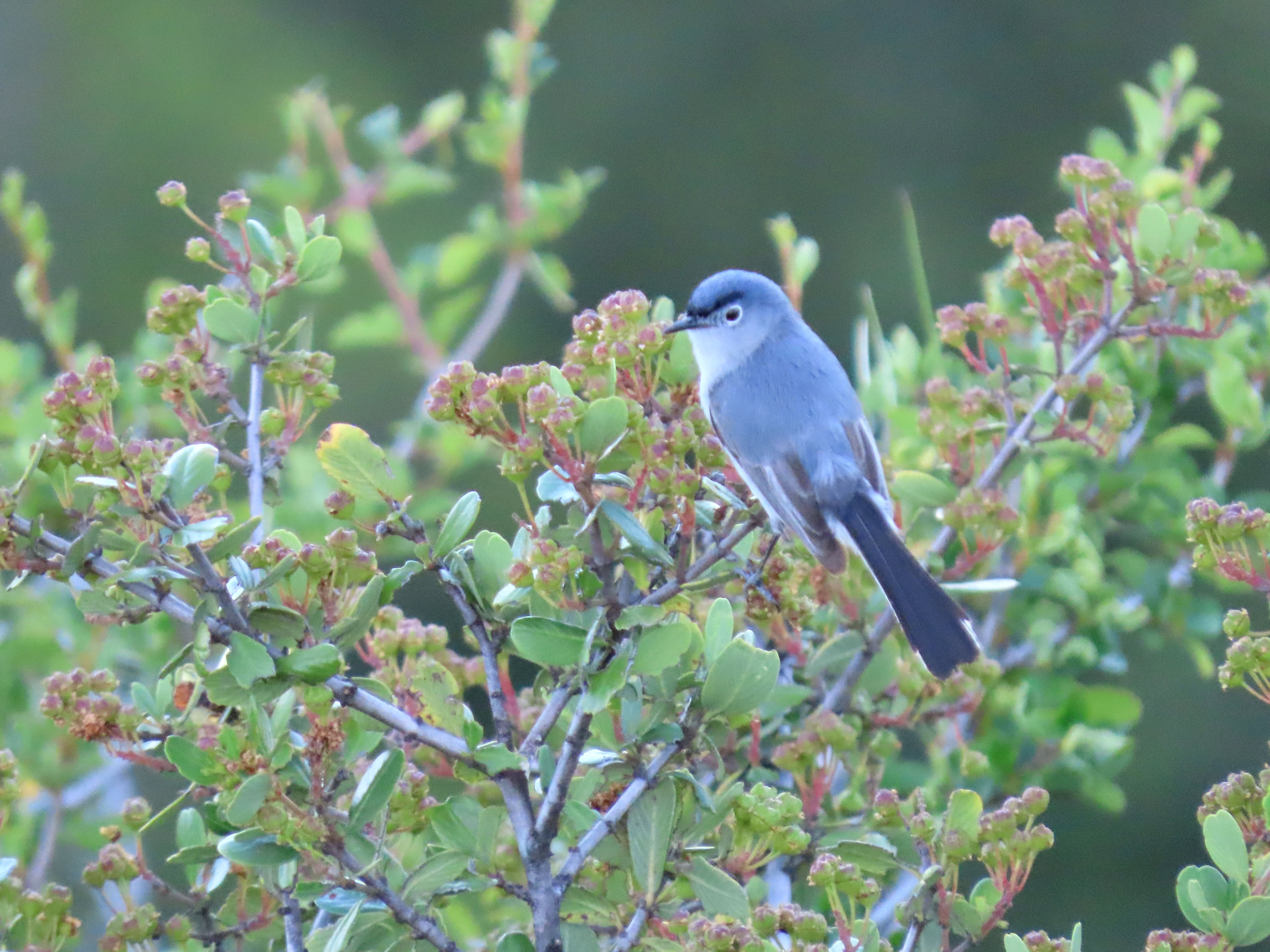
Blue-gray gnatcatcher.

As I headed to the parking lot there were now six other birders in the area, looking for the Bell’s.

As I reached my car a pair of birders had just spotted a pair of Bell’s sparrows right from the parking lot. So I figured I’d stay a bit longer.

I was rewarded about five minutes later when a bird flew towards me and perched on a nearby bush in front of me. Bell’s sparrow! A new county bird!
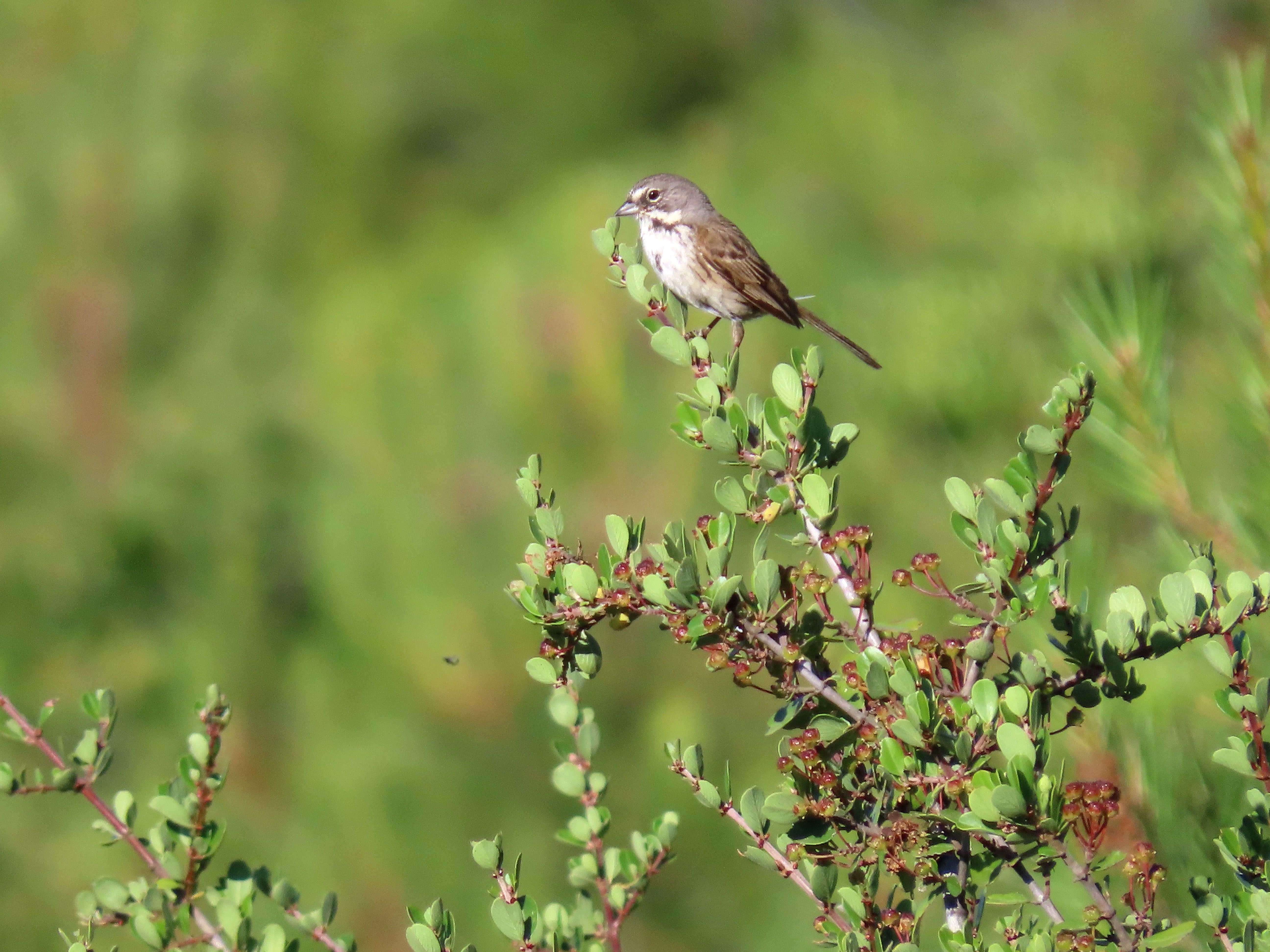
Bell’s sparrow.

Sketching Notes

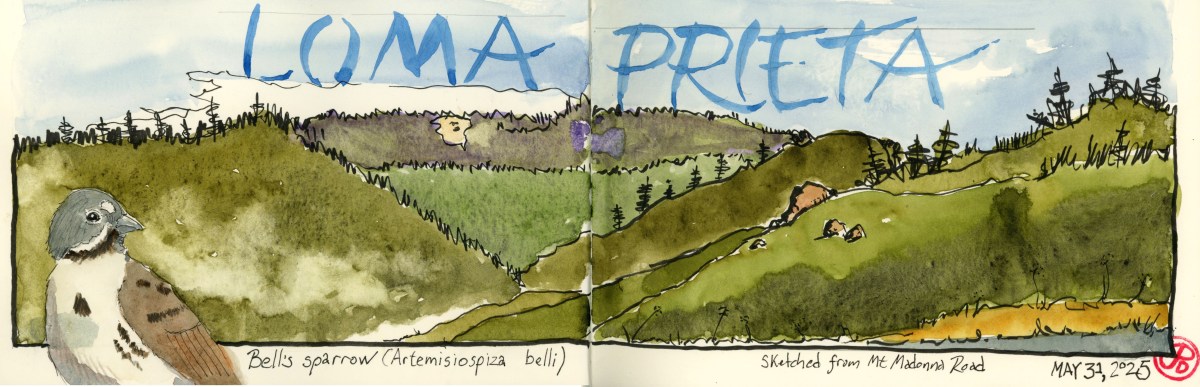
Loma Prieta Ridge is one of the best panoramic views in Santa Cruz County. So I took a pause in Bell’s sparrow spotting and opened my panoramic watercolor journal to capture the scene.
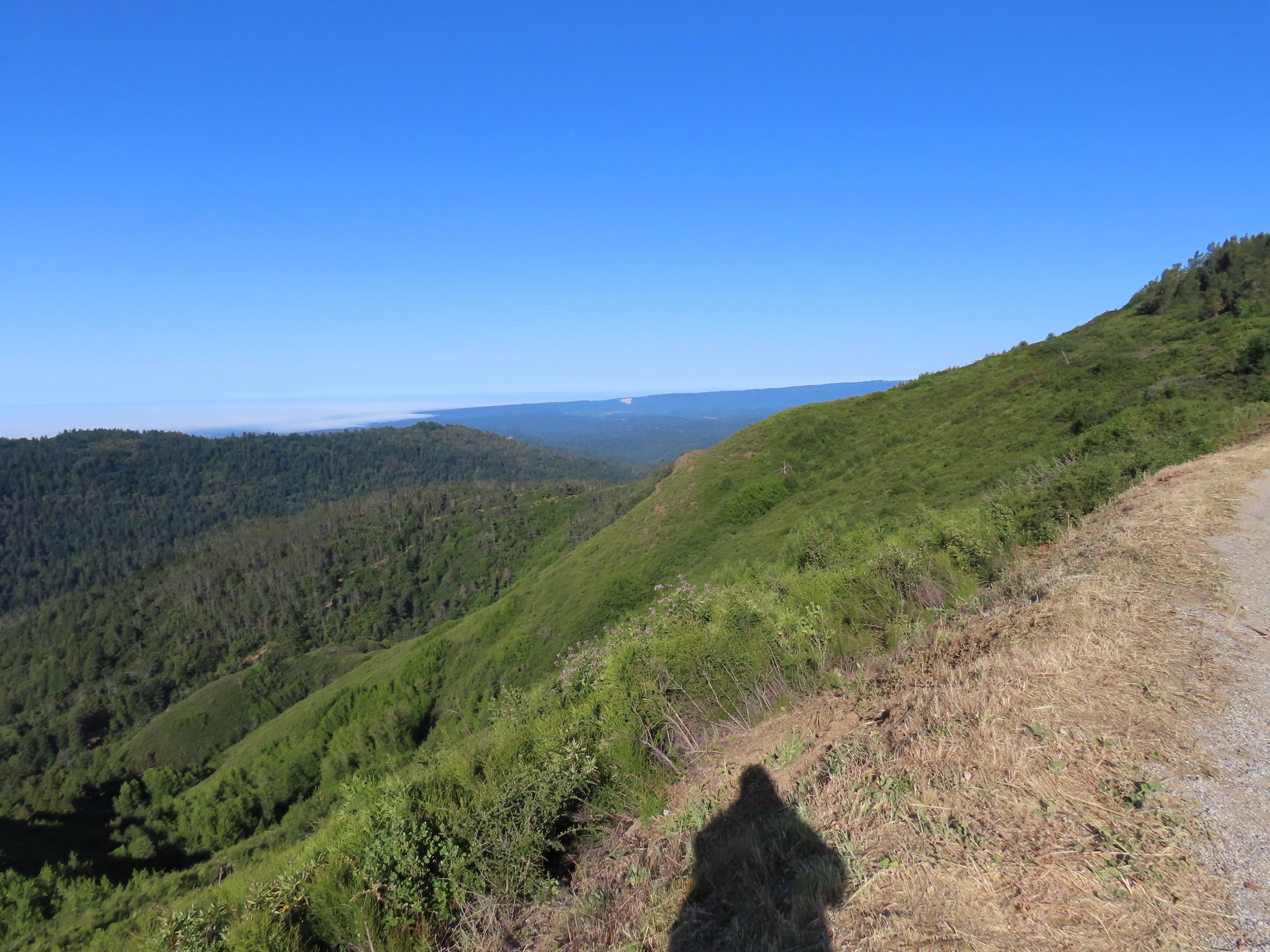
What a view, best in the county!

I left the lower left side blank. I initially was going to add a Bell’s sparrow but I hadn’t seen one yet. So I thought I would add a blue-grey gnatcatcher to that corner, based on my field photo.

After seeing the Bell’s from the parking lot, I returned to my original plan and the result is my featured sketch.
Image

Birds of Sydney: Parrots

In my neighborhood you occasionally see posters tacked up on a power poles about missing animals, mostly dogs or cats but sometimes parrots that have flown away from their gilded cages.

The only parrots seen flying in my neighborhood are escapees. Exotics in a strange land.

Parrots, especially macaws, Amazons, cockatoos, and budgerigars, are some of the most recognizable birds species in the world because they are often pets. They frequently appear in media such as books, art, and movies. Show just about anybody an image of psittacines and they will say “parrot”.

My sixth grade class pet was a budgie (native to Australia). My grandma also had a budgie before I was born. Macaws and cockatoos are mainstays at zoos and animal parks where they frequently perform at shows showing off their intelligence, dexterity, and vocal abilities.

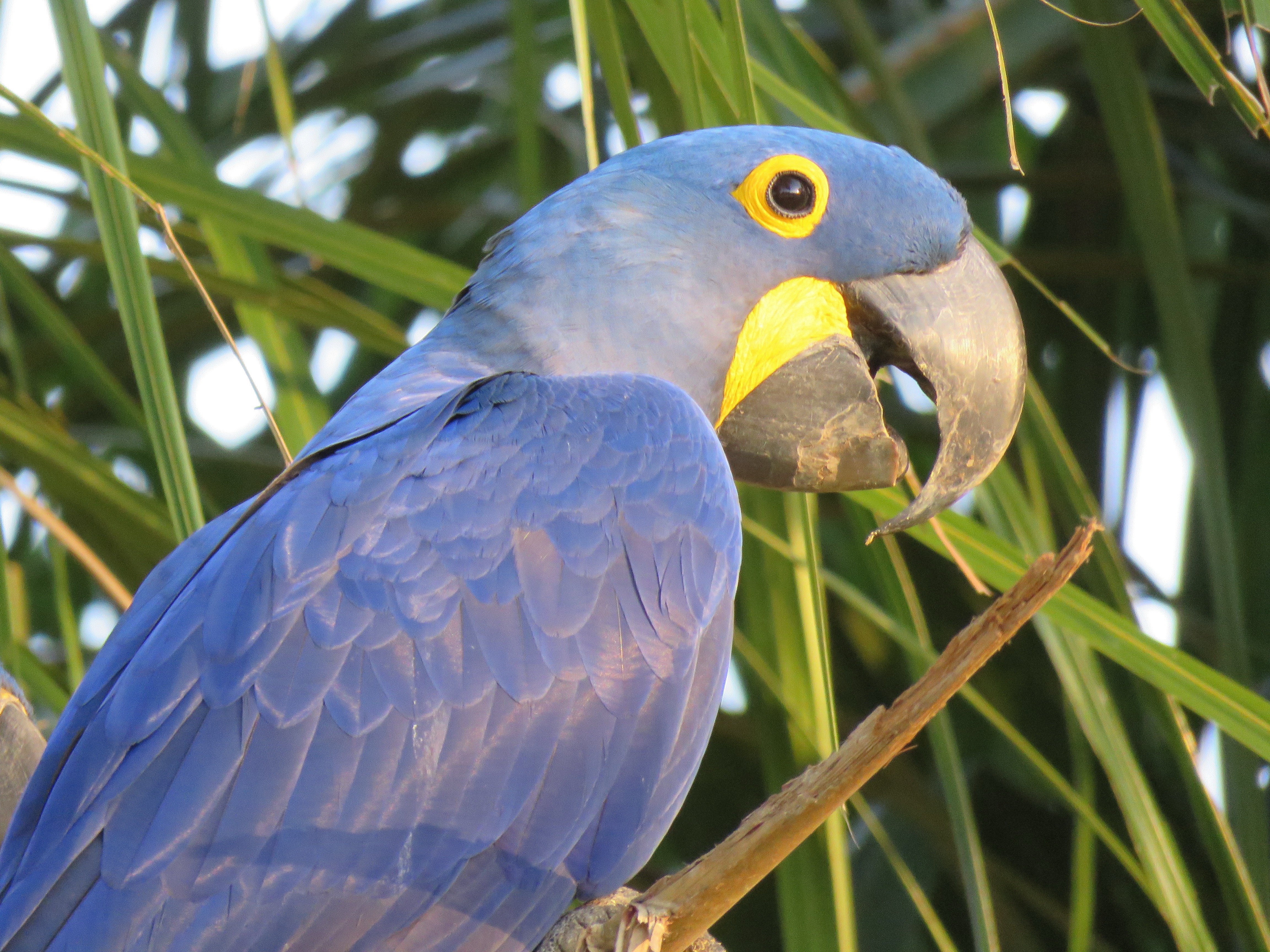
Just last year, an organization, Happy Birds, had an assembly at my school that was a parrot show featuring a very vocal Amazon and some macaws, including the largest parrot in the world: the hyacinth macaw.

A few summers before the parrot assembly I saw the beautiful big blue macaw in the Pantanal in Brazil. This is a wild and free hyacinth macaw.

The first time I saw a free flying wild macaw (scarlet macaw) was in Costa Rica. I saw many more on birding trips to Ecuador and Brazil.

It was so unreal to see a pair of scarlet macaws flying in Costa Rica without thinking they had just escaped from a nearby zoo.

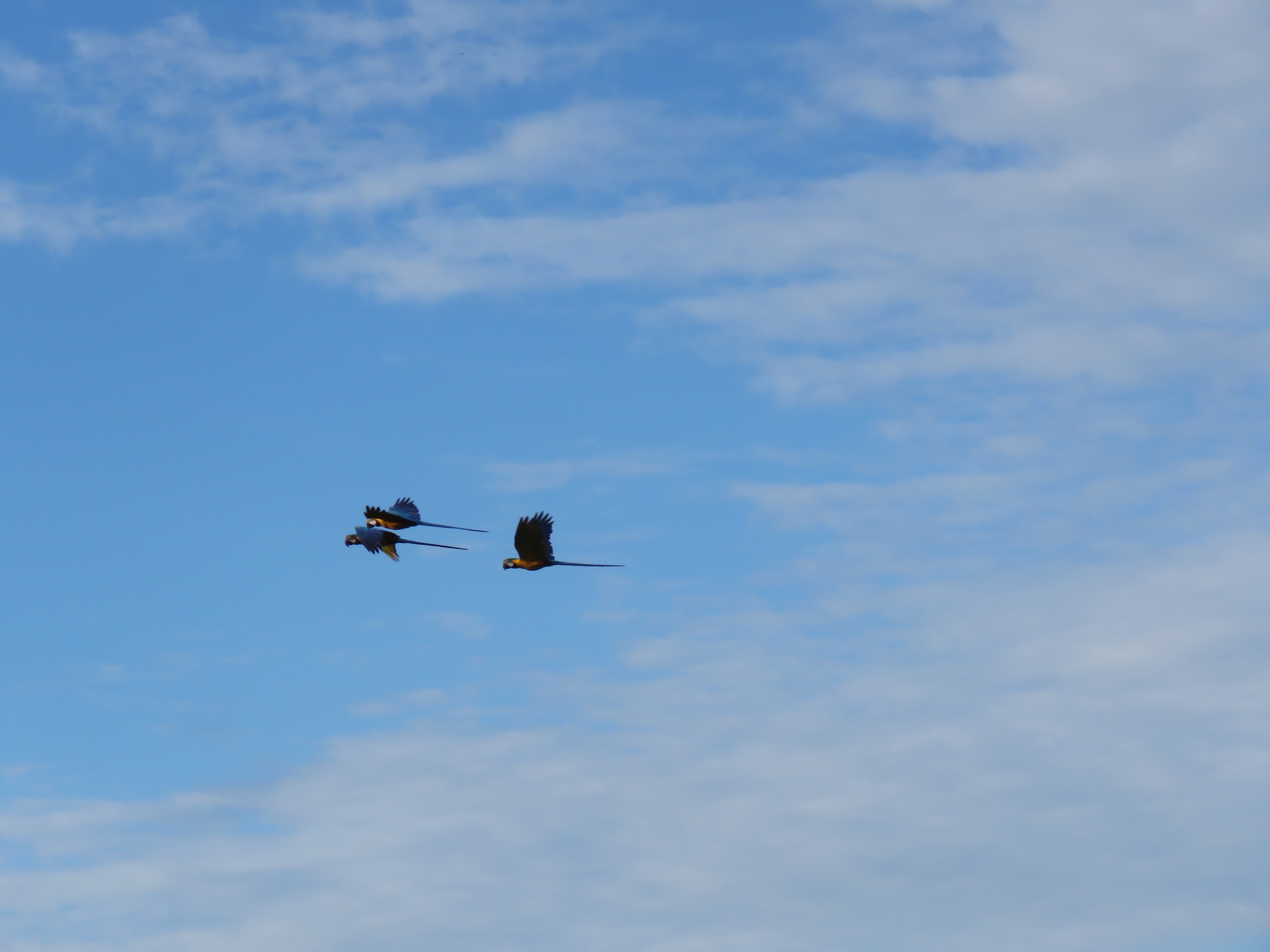
Macaws on the wing in Brazil.

Seeing these iconic parrots flying free over a rainforest, proclaiming themselves with their raucous hymns is an unforgettable natural experience.

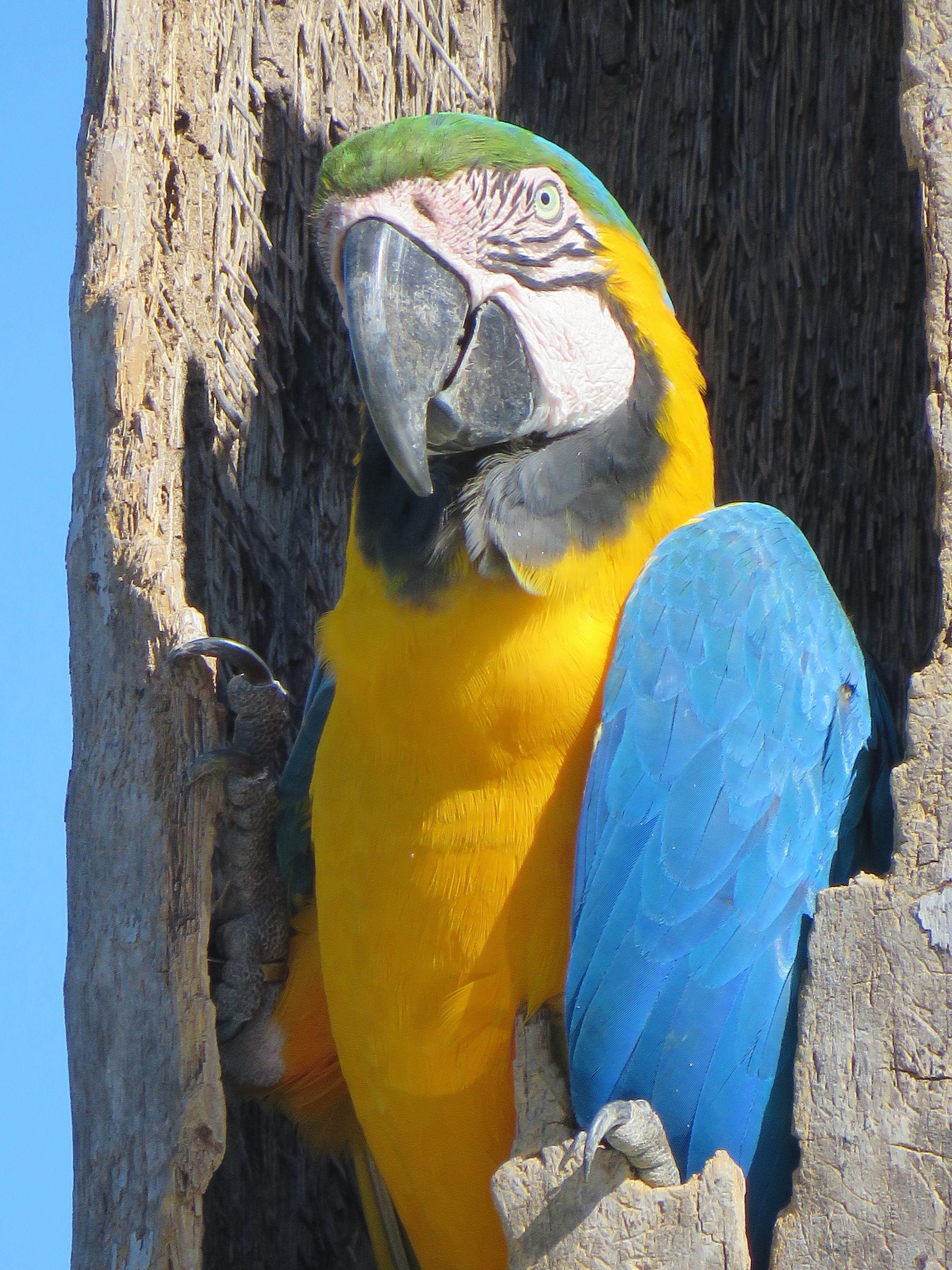
If looking at this a photo one thinks it is taken at a zoo but no, this is a wild blue and yellow macaw in the Pantanal in Brazil.

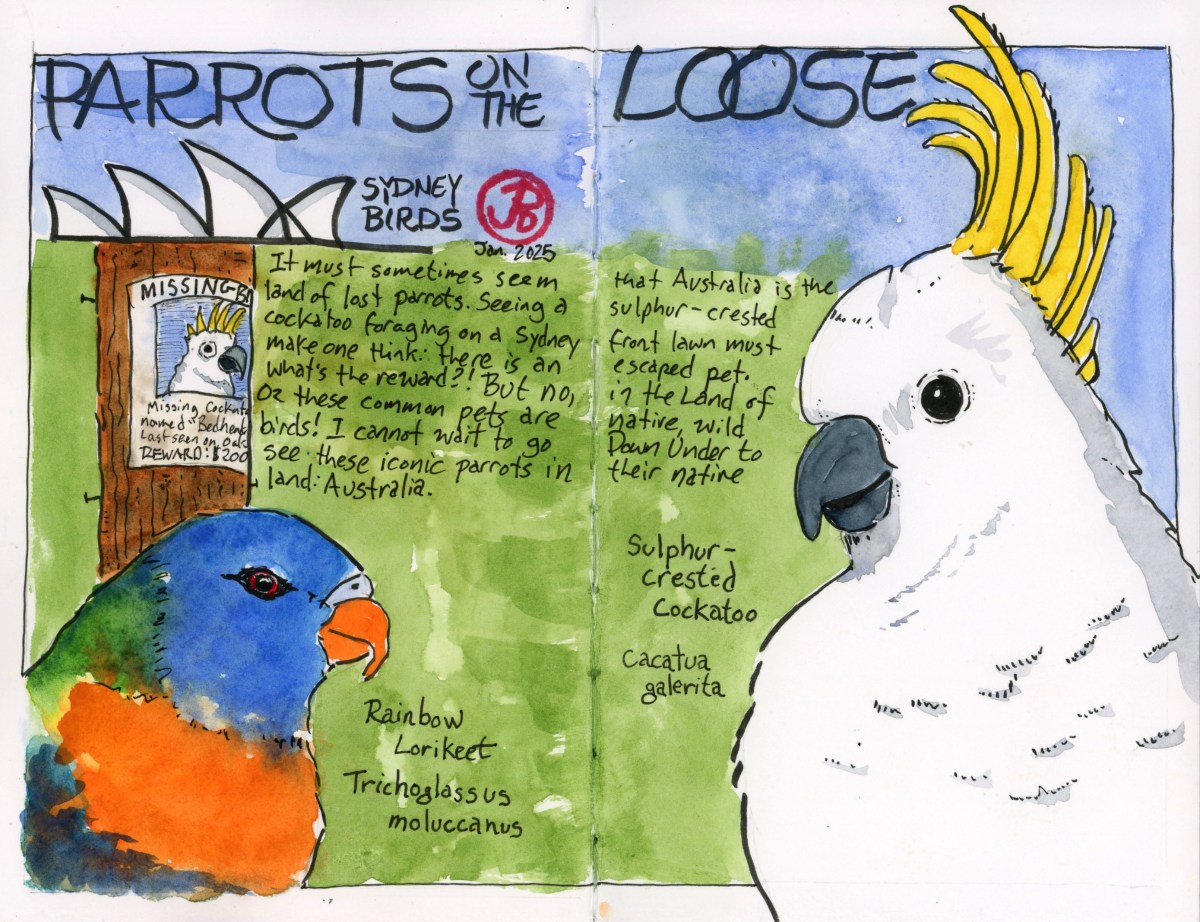
Now I turn to the county of Australia and it’s “escaped” parrots of Sydney. The most iconic for me are the sulphur-crested cockatoo and the rainbow lorikeet (featured sketch). Both are common in the Emerald City.

My Australian mate (a former student’s parent) and a former Sydney resident told me about seeing the iconic sulphur-crested cockatoo almost everyday simply blew my birding brain making me want to go Down Under to see them for myself.

Image

Birds of Sydney: Tawny Frogmouth

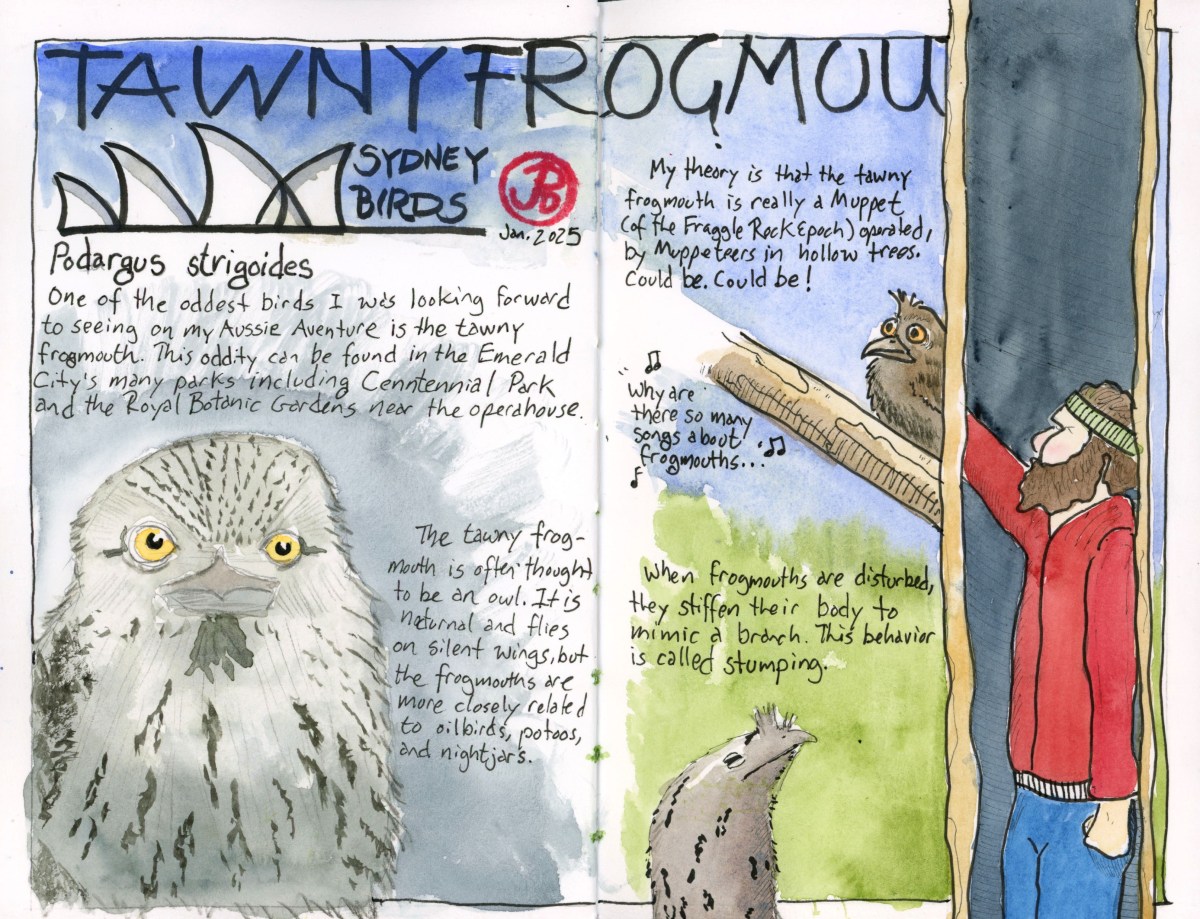
In anticipation of my Aussie Adventure I wanted to do an individual species spread about some of the iconic Australian birds that can be found in the urban environs in the Emerald City: Sydney, Australia.

One reason that Sydney’s moniker is the Emerald City is because of its many green parks, over 400, in fact. It’s in these many parks such as the Royal Botanic Gardens and Centennial Park, that these birds can be found.

Some of the birds of Australia seem to come out of the realm of fantasy and fiction like some creature that was designed on an artist’s drafting board, that can only be found in the pages of a book not perched in that tree in Centennial Park.

The bird that tops this list has to be the tawny frogmouth (Podargus strigoides). The scientific name roughly translates to gouty (swollen) owl-like bird.

The frogmouth however, is not closely related to owls but related to oilbirds, potoos, and nightjars nor are they suffering from gout.

I have previous seen potoos in Central and South America. And they certainly seemed out of this world.

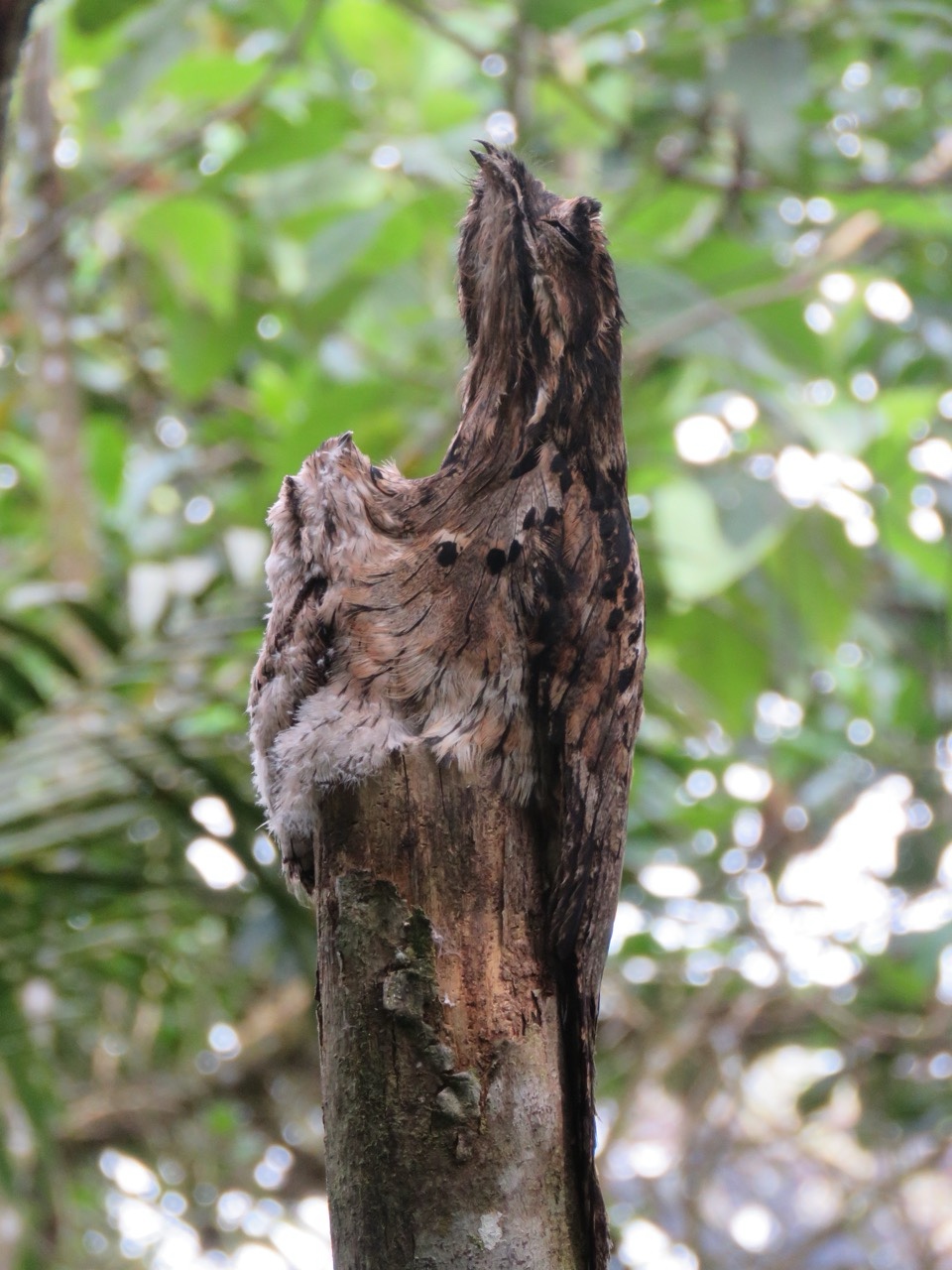
Look closely, this is a common potoo (Nyctibius griseus) and a chick from a trip to Ecuador in 2018. Where does stump end and birds begin? This cryptic behavior is called stumping.

Looking at images of the tawny frogmouth reminds me of a Muppet, perhaps of the Fraggle Rock epoch.

I added this observation to the left side of my spread with a cross section of a gum tree with a puppeteer inside, who bears an uncanny resemblance to Jim Henson.

I’ll admit, I let my mind run free and my artistic license has yet to expire!

Image

The Kingbird and the Cemetery

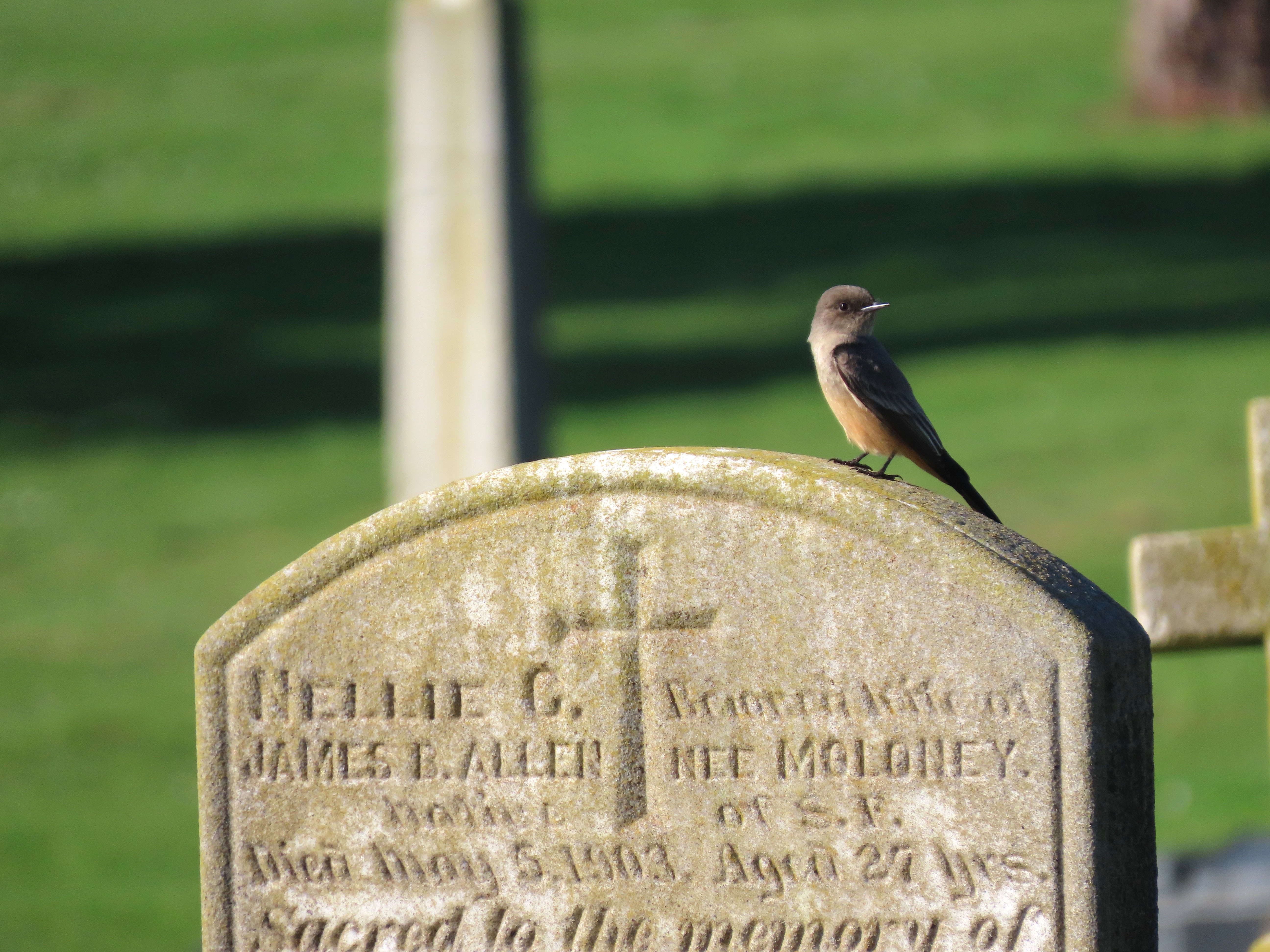
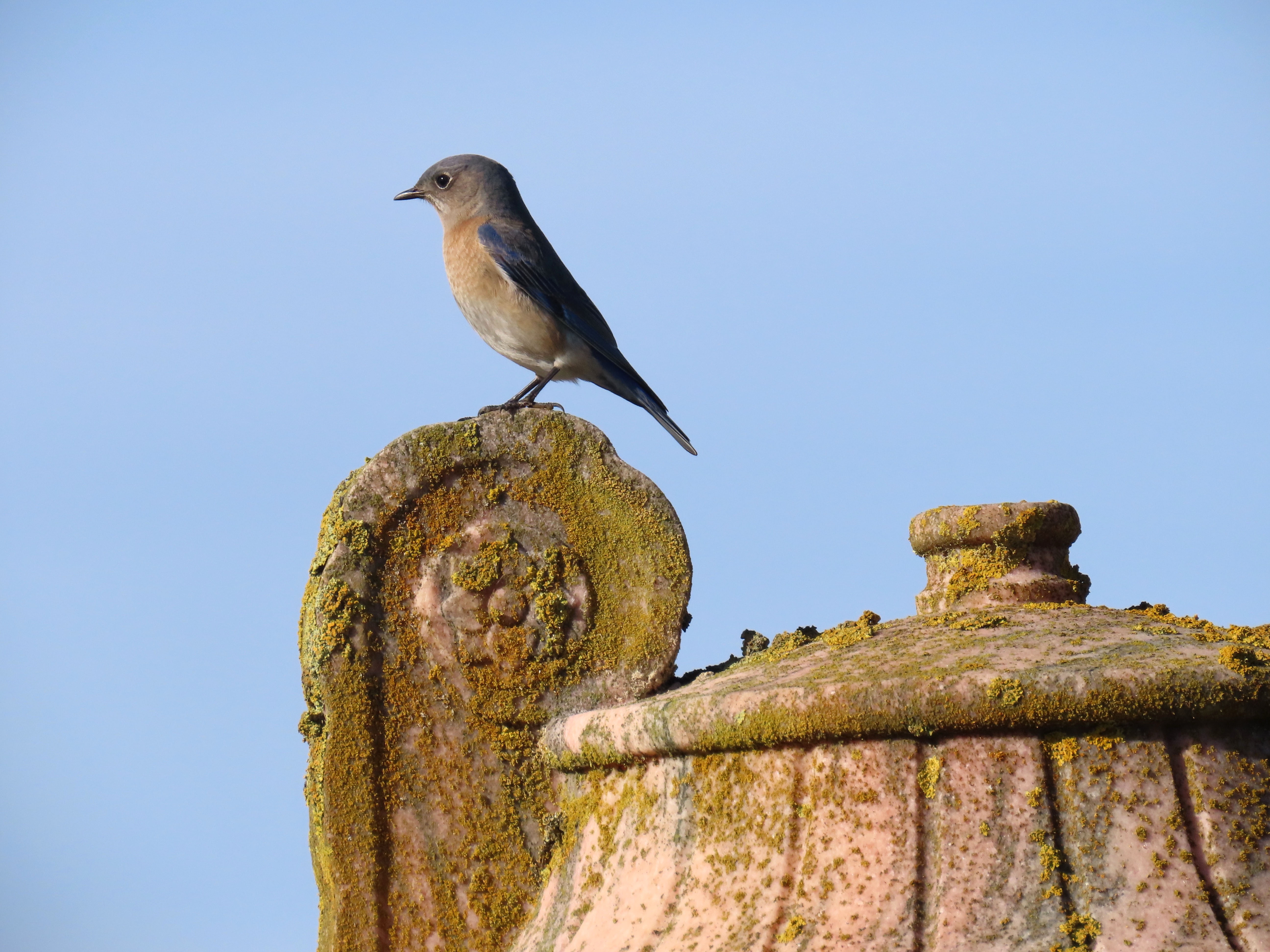
Surprisingly a cemetery is full of life.

The wide open spaces with trees and plenty of perches is an ideal habitat for flycatchers and other avian insectivores.

Exhibit A: Say’s Phoebe.
Exhibit B: Western bluebird.

I was heading to Holy Cross Cemetery in Colma (there are more residents below ground than above) to find a vagrant flycatcher.

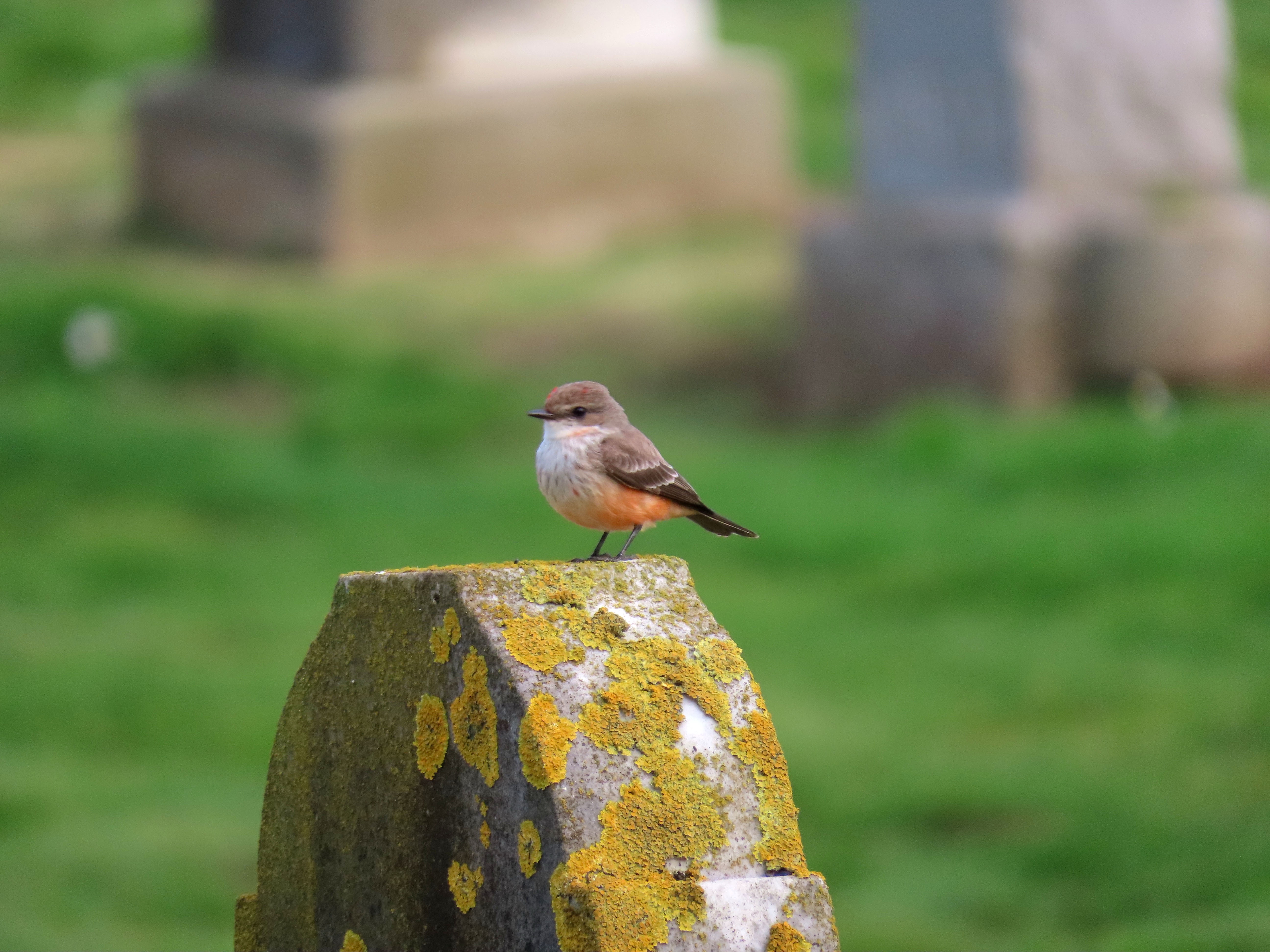
The flycatcher in question is the stunning vermillion flycatcher (Pyrocephalus obscurus). The normal range of the vermillion in the United States is Arizona, New Mexico, Texas, and Southern California. In the winter, some make their way up the California Coast. And it is one of these wayward birds that I was looking for.

When I drove up to Section G at Holy Cross (featured in the cult classic Harold and Maude) there was a couple standing amongst the tombstones looking in one direction. I bet I knew what they were looking at!

The wayward vermillion flycatcher.

The vermillion was perched on a tombstone and sallied forth to catch a snack on the wing and then land on another hunting perch. It eventually flew up to the top of a pine and disappeared.

I waited for the flycatcher to reappear for about 15 minutes. No luck, so I headed east in Section G. There were plenty of common black phoebes flycatching from the mossy tombstones but no vermillion.

I decided to walk to the eastern edge of Section G which was bordered by 25th Street and then make my way back to where I had first seen the vermillion, I hoped of getting some photo documentation. And that’s when I spotted the flash of yellow!

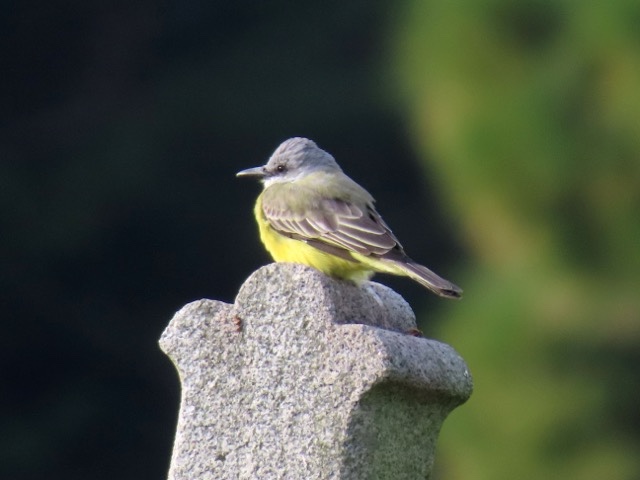
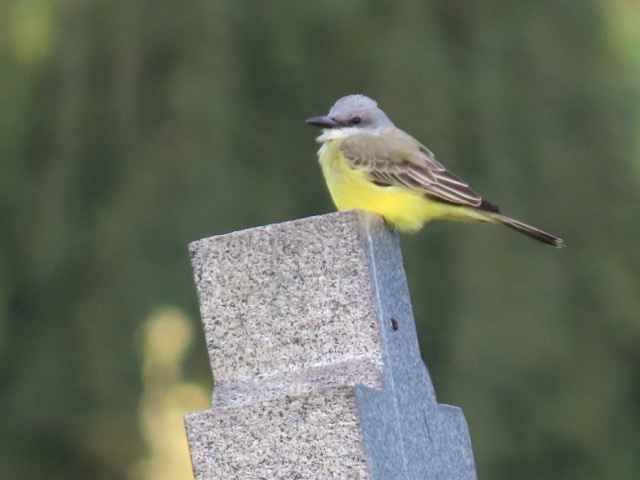
The flash of yellow flew across the street into Section G2 and landed in a tree. I immediately knew what flycatcher it was and I lifted my binoculars to my eyes for confirmation: yes a kingbird.

Tyrannus melancholicus.

And at this time of year at this location I knew it was a tropical kingbird, also known as a TK because it is so common in Central America.

I enjoyed following the kingbird around Section G, getting some documentation with my camera because a TK is considered a rare bird for this location.

Yup, it’s a TK!
Image

Gray Lodge Christmas

My Christmas morning tradition does not entail waking early and opening gifts under the lighted Christmas tree but waking early and heading west to find some feather gifts at Gray Lodge Wildlife Area.

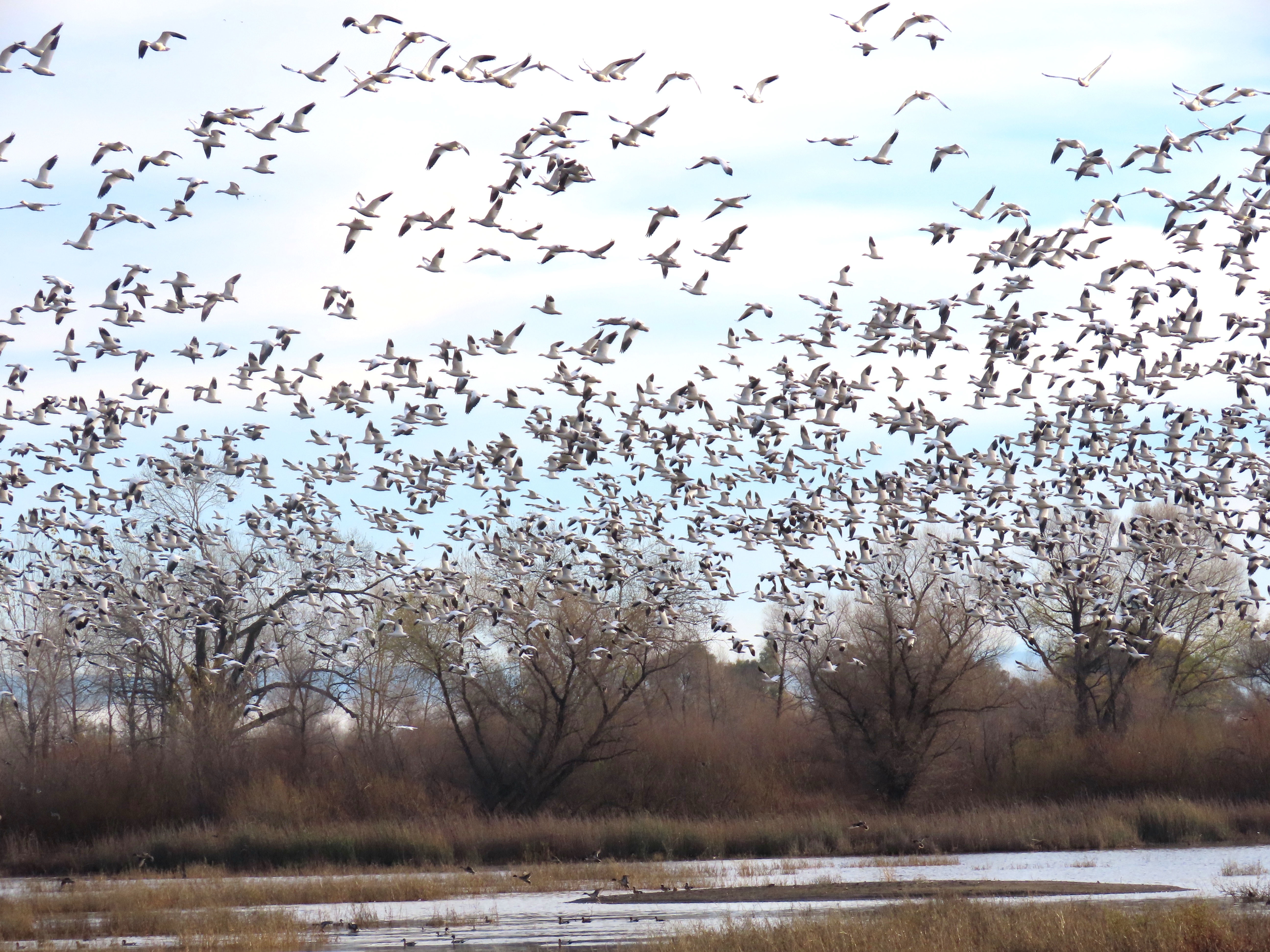
The main draw of driving the auto route is the thousands of wintering waterfowl that can be seen from my movable birding blind.

There is nothing like the sight and sound of thousands of snow geese bursting into flight!

There also a lot of wintering raptors at Gray Lodge. On my visit I saw red-tailed, red-shouldered, sharp-shinned, and Cooper’s hawks, peregrine falcon, American kestrel, and bald eagle.

While not considered a raptor, there are plenty of turkey vultures about, including this one sunning itself.

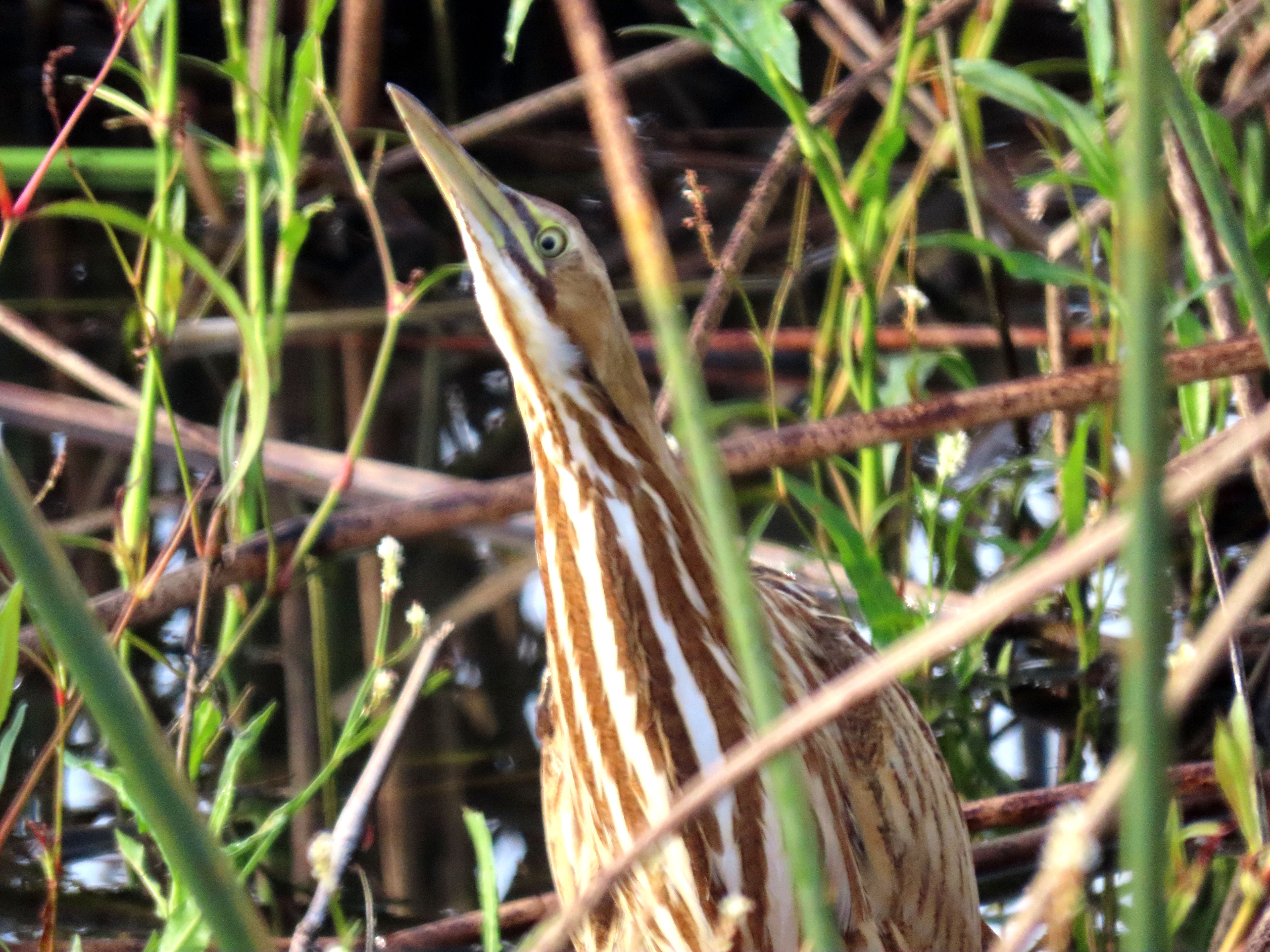
During my morning visit I notched up 63 species of birds including some species that I don’t regularly encounter at Gray Lodge including the secretive sora and American bittern (below).

It was a great day out! Merry Christmas!

Image

Norwegian Life Birds

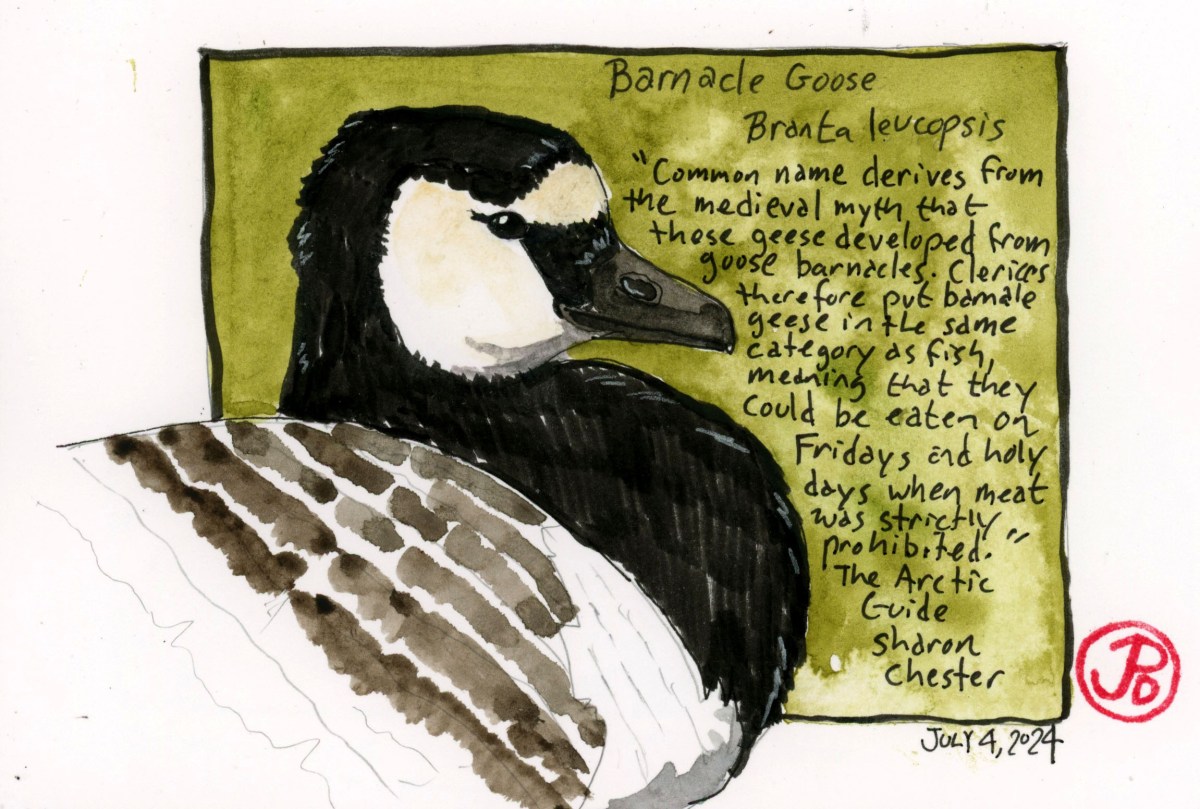
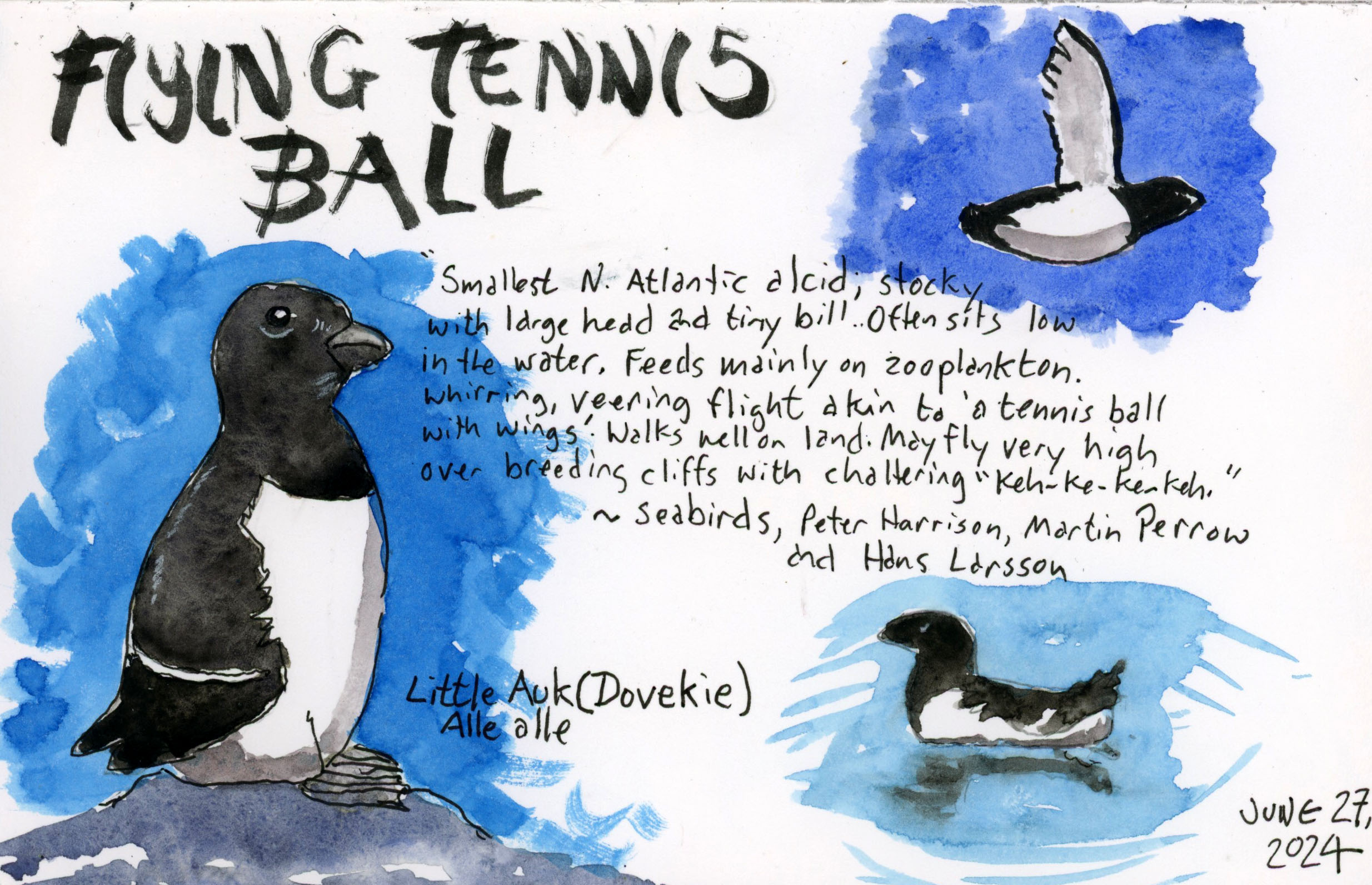
I had three target lifers for my Scandinavian summer adventures: barnacle goose, dovekie (little auk), and ivory gull.

The hardest to get was the ivory gull which was only to be found on the pack ice sometimes in the company of polar bears.

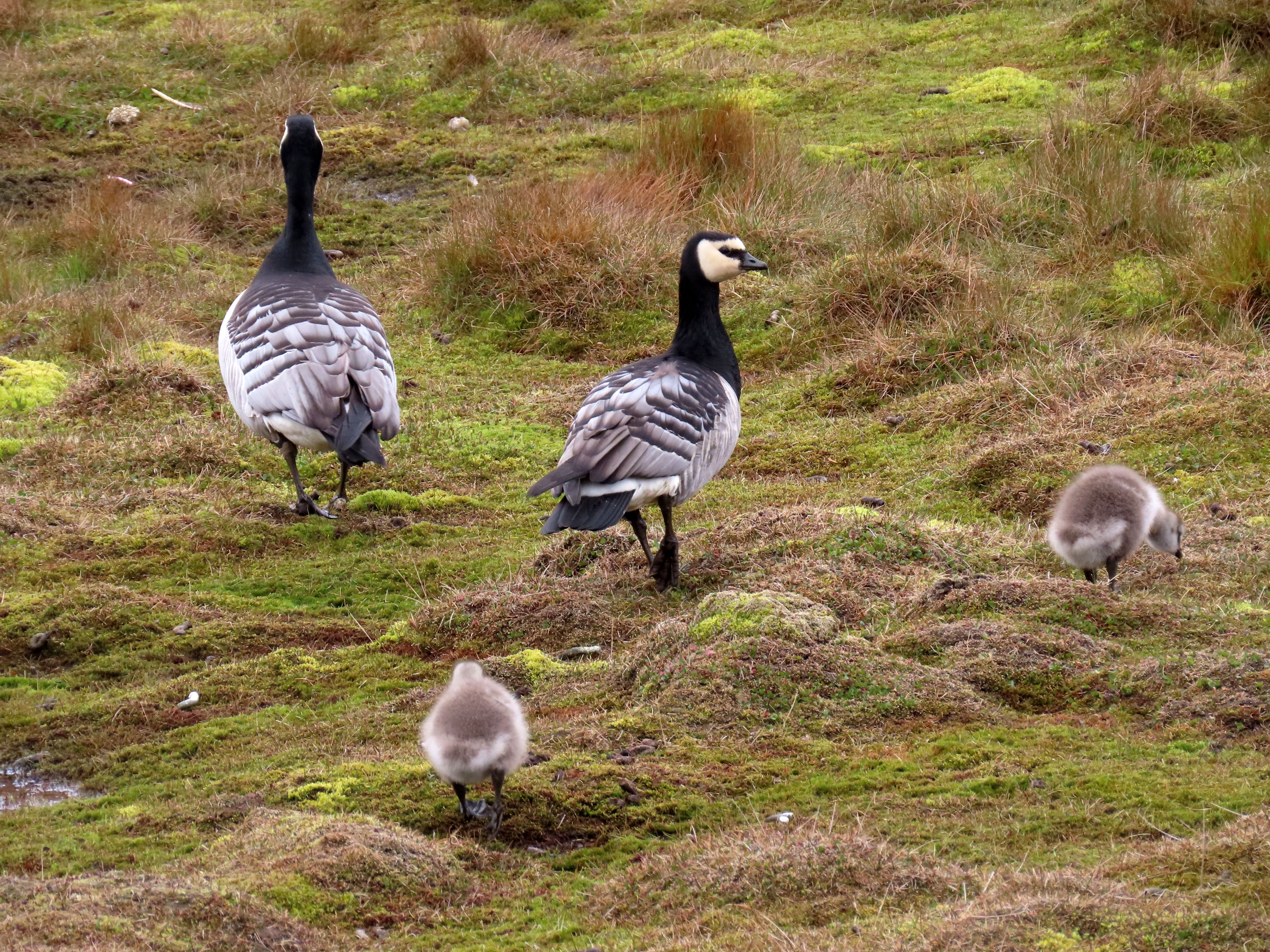
Perhaps the easiest was the barnacle goose and dovekie. I had four geese in the harbor near the Munch Museum in Oslo. I saw many more in Longyearbyen in Svalbard.

Barnacle goose family in Longyearbyen.

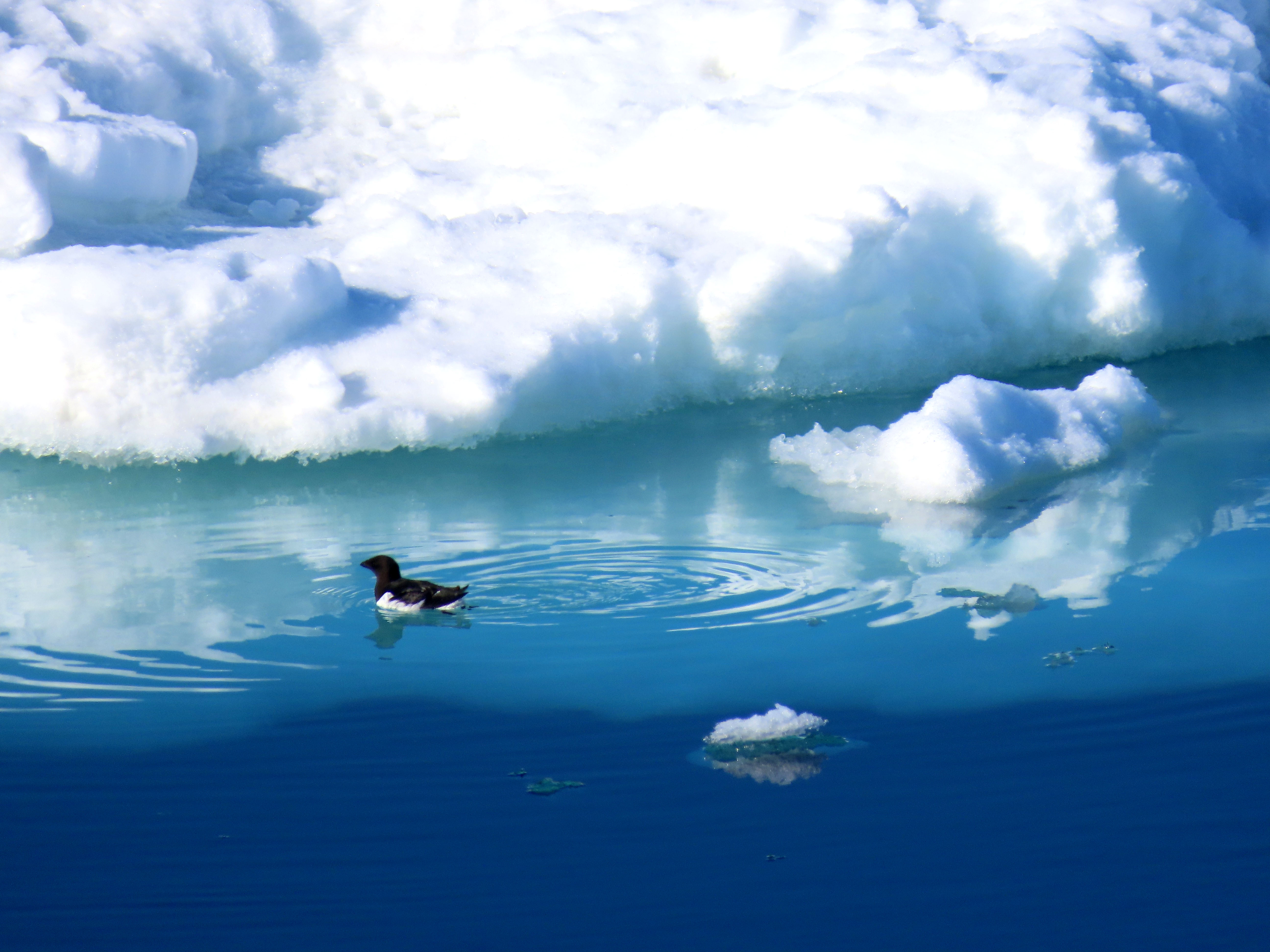
Dovekie or as it’s known in Europe, little auk, was also plentiful around the southern and eastern side of Spitsbergen. I saw many from the decks of the Plancius.

Little auk in its icy summer habitat.

So what’s in a name? Common names vary in different regions and in different languages. For instance Phalaropus fulicarius is known as the red phalarope in North America but on the other side of the Atlantic it is the grey phalarope. Our guide didn’t even know this, falsely claiming that the common name had been changed.

One of the dubious common bird names is barnacle goose. You would think this goose eats barnacles. Nope. The name comes from Medieval times when it was thought that the goose came from goose-necked barnacles. The bird was even considered a fish so it could be eaten on religious holidays such as Lent. Such were the times when folklore trumped scientific learning.

Image

Summit Fog Birding

Early on a Saturday morning, Grasshopper and I headed up on winding Summit Road. Our birding destination the Bay Area birding hotspot: Loma Prieta and the “Saddles”.

About 10 miles in from Highway 17 the road devolves into a pock-marked rural ramble as it threads its way over the spine of the summit, defining the line between Santa Cruz and Santa Clara Counties. Near the junction with Loma Prieta Way the asphalt ends entirely and the graded dirt begins.

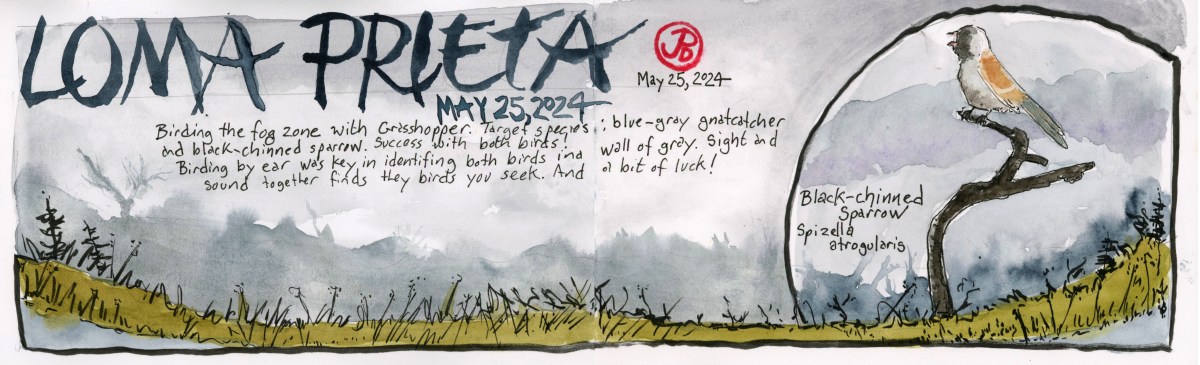
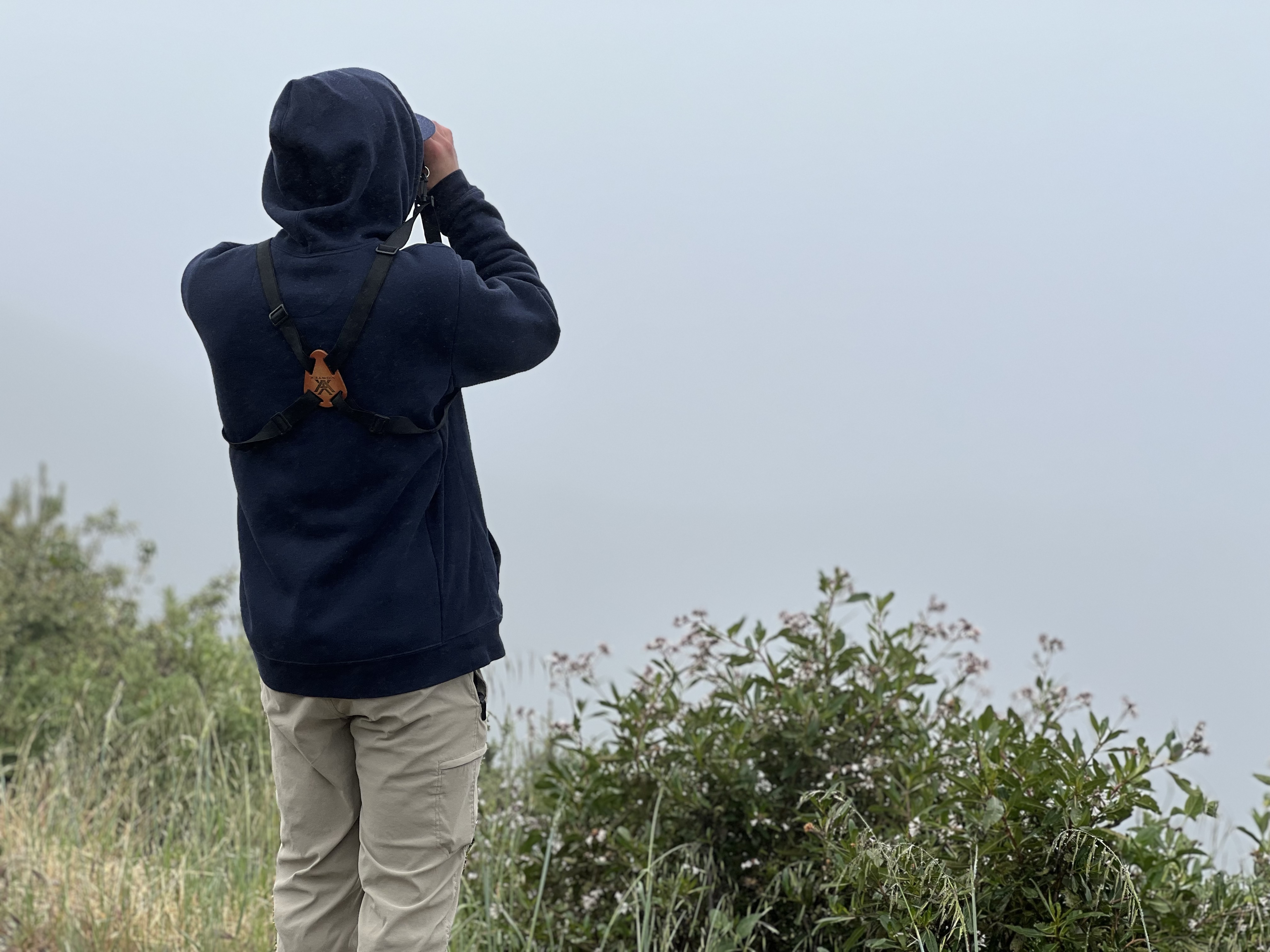
We parked in the dirt lot, light drizzle covering the windshield. This didn’t look like great birding weather. Wet, windy, with limited visibility. Would be able to pick out a blue-gray gnatcatcher or a black-chinned sparrow in these conditions? Both would be lifers for Grasshopper. And it was my goal to get him life birds number 321 and 322.

Grasshopper looking at water droplets.

We got out of the car, geared up, and surveyed the wall of grey to the west. I had a feeling we would be birding by ear, something Grasshopper can always get better at.

We headed down Loma Prieta Way stopping and listening as we went. Wrentits, spotted towhees, a far off California quail but none of our target birds, so we walked on. Luckily the damp, windy weather did not stop the birds from their spring songs.

After we were about a quarter of a mile down from the parking lot I heard something different, a cat-like mewing on the upslope. This was not the fooler Bewick’s wren (who had almost fooled me a few yards back) but one of our target birds!

Now we needed to get eyes on it. The younger eyes of Grasshopper found it out on a tree branch: blue-gray gnatcatcher!

After getting so-so looks of the energetic gnatcatcher, we headed a little further down and I first heard our second target bird far up the hill. An accelerated bouncing ball of a song.

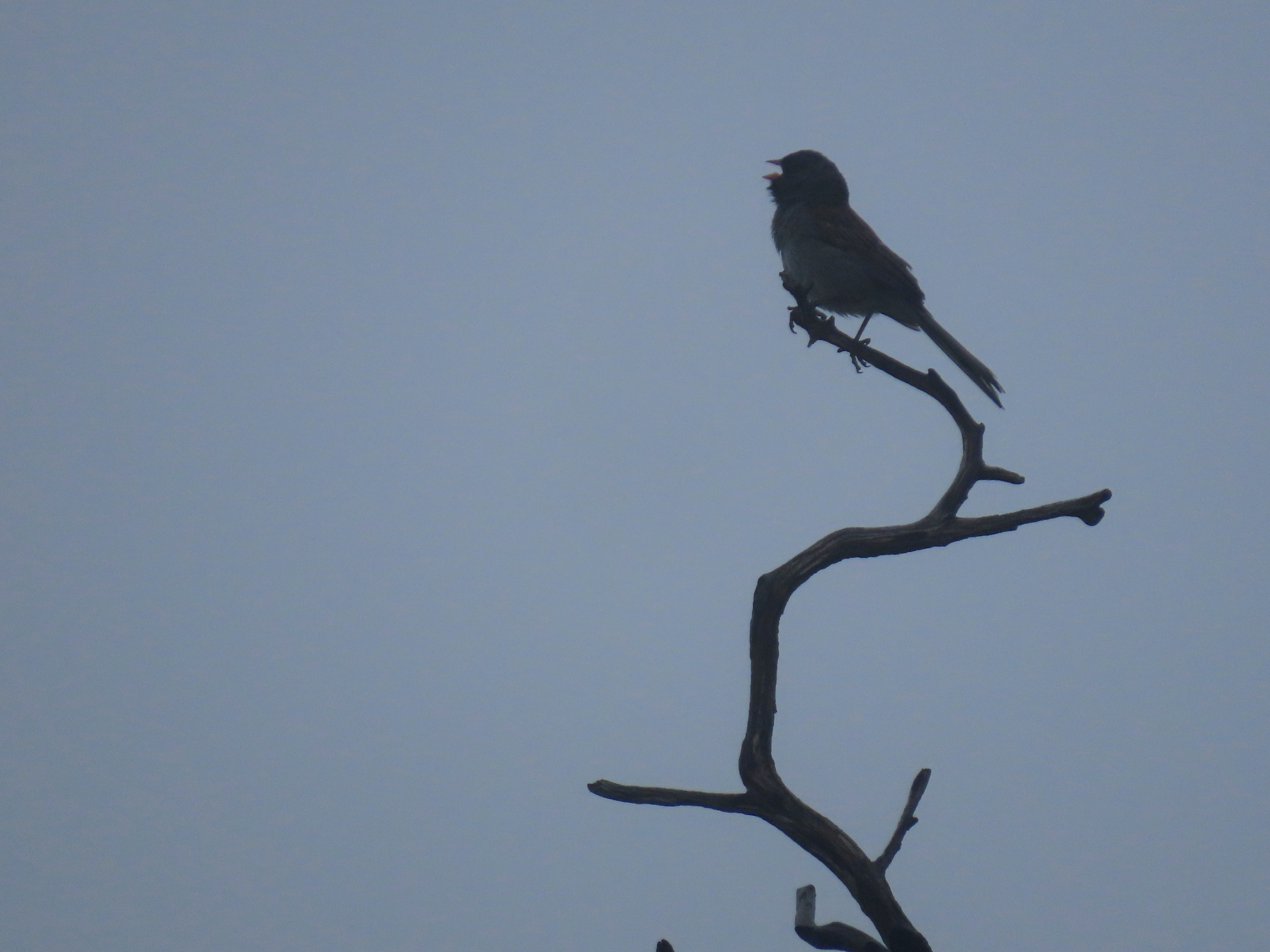
I willed the bird down by saying a little prayer to the Birding Gods and soon enough the sparrow flew over the road and landed downslope on a charred snag. Our binos swung up and we enjoyed prolonged views of a singing male black-chinned sparrow!

The foggy silhouette of one of our main targets: the black-chinned sparrow singing on a burnt snag. The black-chinned is an early adopter of burnt out areas.

Lifer number two for Grasshopper!

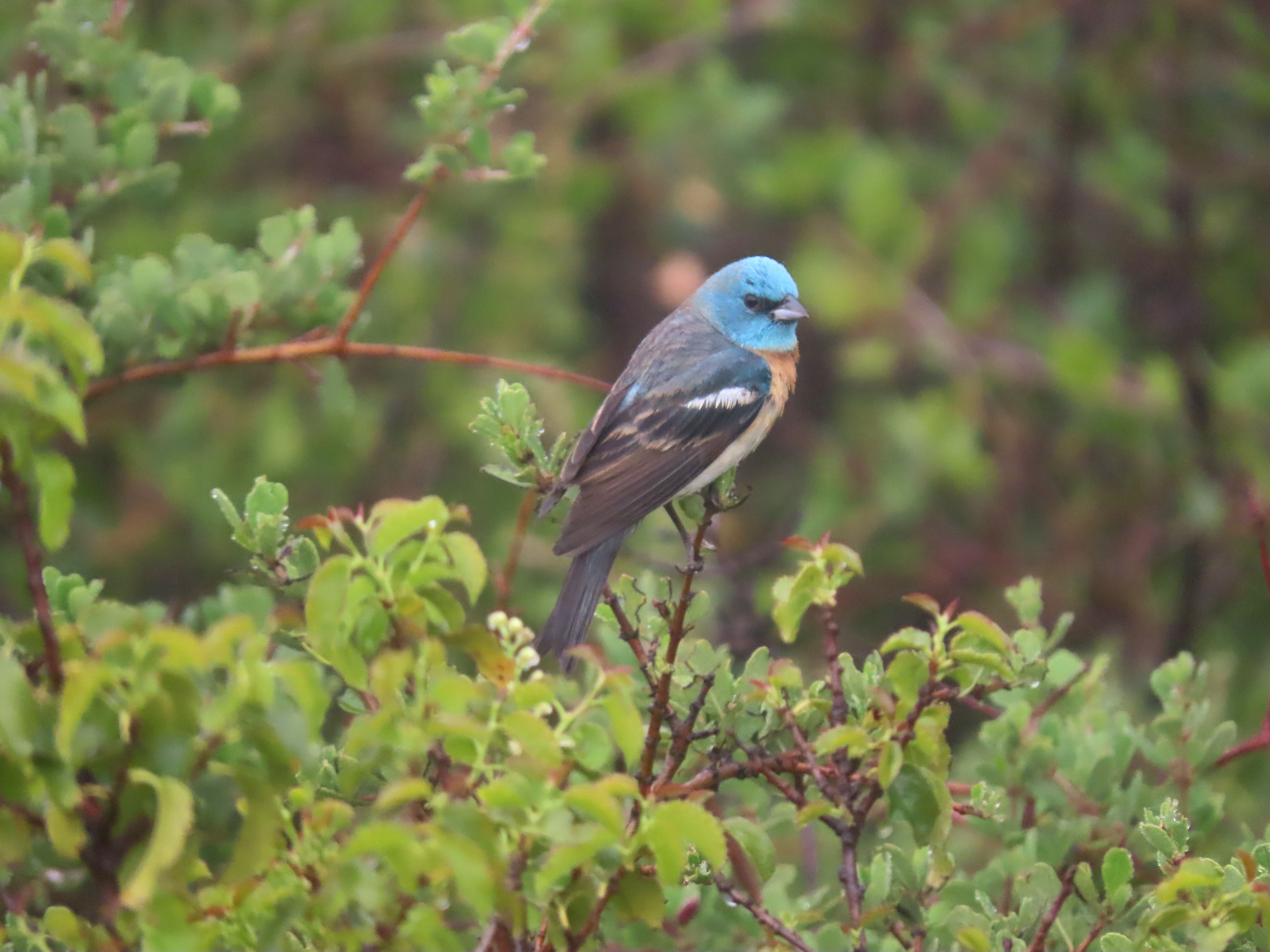
By this time we were coated with dizzily dampness and we headed back up to the parking lot. On the way up Grasshopper saw birds flying below the road. It was a pair of lazuli buntings! This is not a lifer for me or Grasshopper, but it has been a while since I have seen or heard this neotropic migrant.

A stunning male lazuli bunting. I never get tired of seeing and hearing this bird.

This is why birding remains a passion for me. I’m still excited to see and hear birds that I have seen many times before but the excitement remains.

And so it will always remain.

Image

The Sand Wraith

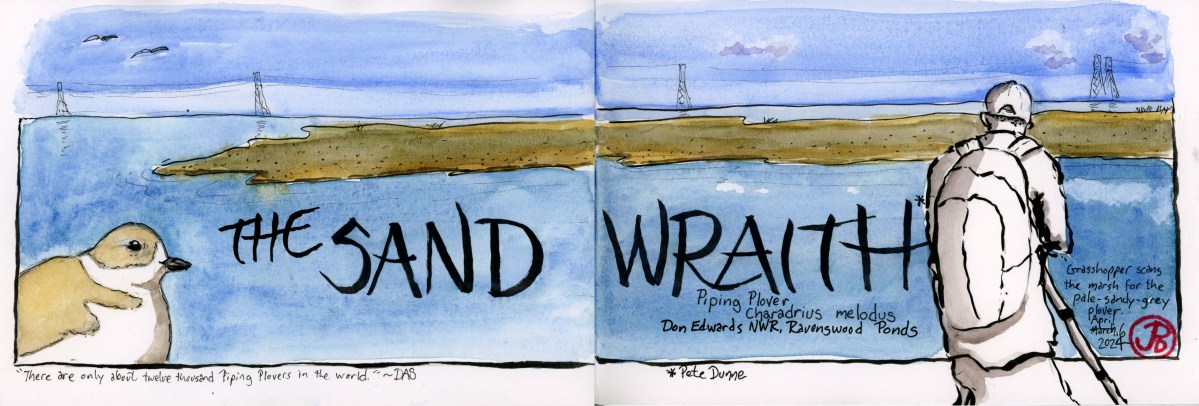
An endangered plover that is rarely seen on the west coast was being seen at the Don Edwards National Wildlife Refuge in southeastern San Mateo County.

Grasshopper Sparrow had seen the piping plover a week before and this Saturday morning was my first opportunity to add a rare Bay Area lifer to my list so I picked up Grasshopper a 7:30 and headed to the ponds east of the vast Meta headquarters.

After a circuitous route around the entrance to the Dumbarton Bridge, we found the muddy parking lot and the trailhead that led to the Ravenswood Ponds.

There were already two cars in the parking lot, the more eyes the better! Within about a five minute ramble we came upon the pond where Charadrius melodus had been seen. Two birders already had scopes focused on the sandbars in the middle of the pond. They had not seen the piping, yet.

We scanned the ponds for about three hours (finding a pale plover amongst hundreds takes time and patience). In that time more eyes with scopes began to arrive.

At times the flock, consisting of western and least sandpipers, dunlin, and semipalmated plovers, would land near the watchers on the mudflats. We would quickly scan the birds for a sandy pale plover with orangish legs that was loosely associating with the semipalms, before the flock would erupt in flight.

Watching the shorebirds fly as one, with flashes of white as the birds twisted and turned as one was an absolute joy!

But the pale stubby-nosed, orange-legged plover was proving to be elusive. It seemed that I had tried to turn every semipalmated plover in my scope-view into a piping, with no luck.

Yup, a rare plover brings the birders out on a clear Saturday morning.

As we were nearing our third hour of Plover Watch 2024, a birder to our left called out, “I got the bird!”

What followed was a play by play of the piping’s location and movement; “Do you see the five wigeon in the far channel? Just to the right below the two pylons? The plover is moving to the right. Passing near the green shrubbery. Now it’s facing us, right near the two ruddy ducks now. It’s now going left just past the two semipalms.”

I was following the plover commentary with my scope, looking for the five wigeon and the shrubbery and the ruddy ducks when I finally came upon a pale plover with a pale broken breast-band.

Lifer!!

Image

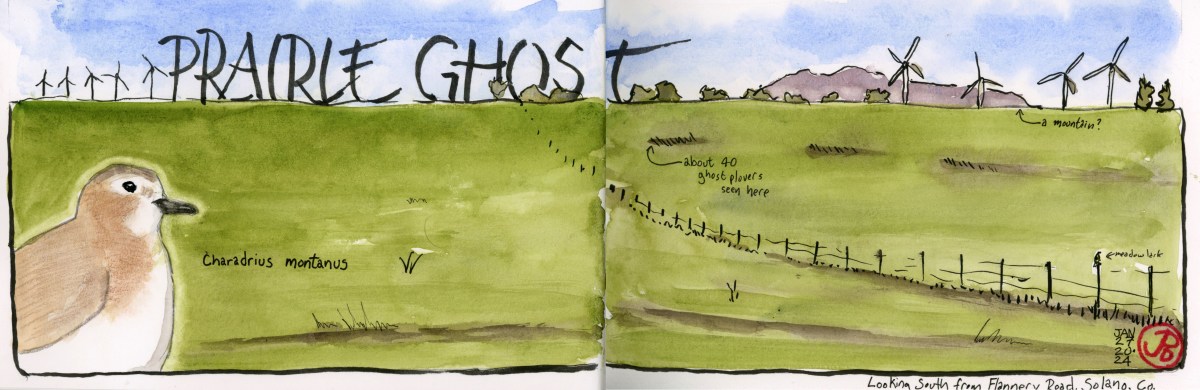
Search for the Prairie Ghost

Late January is the time to head to Solano County and look for the elusive Prairie Ghost. Also known as Dirt Claud Plover but officially by the improbable name mountain plover.

This plover is not found in the mountains but in the short grassland prairies or recently plowed fields. And unlike like other plovers it is not found near water (unless it’s a cattle trough).

Charadrius montanus winters in the fields of Solano County ( and other open places out west). To find this cryptic species you need a scope, luck, and lots of patience. The epicenter of wintering prairie ghosts is Robinson and Flannery Roads.

These country dirt roads are also a great place to view wintering raptors including harriers, merlin, prairie falcon, golden eagle, rough-legged, and ferruginous hawks.

Early on a Saturday morning, Grasshopper Sparrow and I headed to the Solano County birding hotspot known as “Robinson Road”. Mountain plover was his nemesis bird and after previous attempts, he had yet to add it to his life list.

Often this area can be shrouded in dense valley fog, making the plover that is already tough to spot, even tougher. But today, the skies were clear and sunny with vast visibility to find our quarry.

So it was that we found ourselves at 8:30 on Flannery Road looking south towards undulating green field being serenaded by western meadowlarks.

Now we were looking for feathered dirt clauds that had the power of “now you see me, now you don’t” invisibly. Once the plover turns its brown back to the viewer, hiding its white breast, it can be tough to find and it seems to melt into the dirt.

I scanned the fields with my binoculars, stopping at some prominent dirt clauds so I put the scope on them and they magically turned into mountain plovers. Lifer for Grasshopper!

Did that dirt claude just move? The mountain plover is no longer a nemesis bird for Grasshopper.

Sketching Notes: Before I headed out to Robinson Road, I sketched in the border and the outline of the mountain plover in the bottom left of my panoramic journal. I would add a field sketch of the fields on location. If we did not see the plovers I would outline the silhouette of the bird and leave it unpainted. But if we were successful, I would paint the outline in, which I did in the final sketch.

Image

Big Island Endemics

It had been along time since I had set foot on a Hawaiian island.

The last time was on a family vacation and the island was Kauai. Before that, I had been badly sunburned while snorkeling in Maui. Mom did tell me to wear a t-shirt. Always listen to your mother!

I guess I had avoided Hawaii for a number of reasons, too many to note: too crowded, too touristy, too much introduced flora and fauna, too expensive. My idea of a vacation has never been about laying on a beach getting a tan (see above about Maui snorkeling).

Instead, I go on vacation, waking up at ungodly hours and learning as much as I can in one day. I sketch, bird, sketch some more, walk and hike, learn as much as possible, take a few photos, visit some historical sites, look at architecture, and make time for lunch, repeat. At times my vacations can seem like a job! No sleeping in here. The closest I come to a “vacation” is doing a bit of natureloafing.

But there is one island in the Hawaiian Archipelago that I have not yet visited (Well actually there are a lot more). This is the youngest island, it is merely a million years old and it is still forming today. This is the island of Hawai’i and is also home to Mauna Loa, the world’s largest volcano.

It is also home to some of Hawaii’s endemic birds. And thats what was drawing me to the Big Island (pun intended). Many of the endemic avian species are endangered and I wanted to see as many of the unique birds as I could. the avifauna of Hawaii had been decimated by introduced species such as the black rat and the Indian mongoose and disease carried by not native mosquitos. This has resulted in the loss of 65% of Hawaiian avifauna.

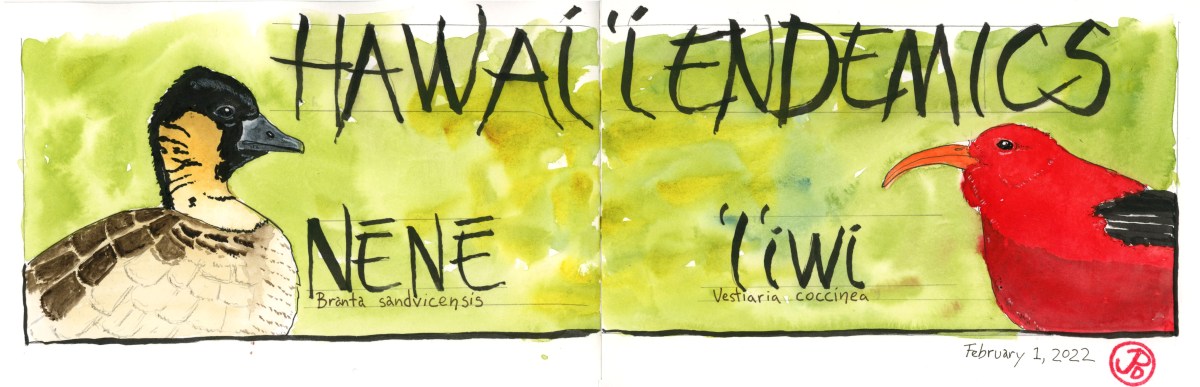
When I planning a trip I like to started with a little hardbound notebook, in this case a Leuchturm 1917. While this is not a watercolor notebook, I like to add an illustration to the front page. In this case I chose to draw the Hawaiian State Bird, the endemic nene, or Hawaiian goose. It is fitting that a state entirely surrounded by water should be the only state with a waterfowl as it’s State Bird.

Well to wet my appetite, I started sketching some of my target species. I’ve learned that when I sketch a bird I have not yet seen in the field, the process helps me etch it’s forms and fieldmarks into my eye. I have that image at the ready for when I might see the bird, for real.

With any list of endemic species the state bird of Hawaii has to top the list. It is the nene or Hawaiian goose. I sketched this beautiful goose and it anchored the left side of my spread. On the right side I sketched another target bird, the Hawaiian honeycreeper: i’iwi. Both of the species are relatively easy to seen on the Big Island.

Another target bird for the Big Island is the Ae’o, the Hawaiian subspecies of the black-necked stilt.
The akispolaau is probably one of the most sought after Hawaiian honeycreepers. It is only found in high-elevation rainforests on the Big Island. I will definitely try to add this amazing and endangered species to my life list!